Tel: +86-0573-89103923 / +86 182 6841 1181

E-mail:globalmarketing@xusen.com



 English
 عربى
عربى 简体中文
简体中文Single Substance Flame Retardants Explained: How One Compound Can Keep Products Fire-Safe
2026-07-23
Content
- 1 What Single Substance Flame Retardants Are and Why They Matter in Manufacturing
- 2 Common Categories of Single Substance Flame Retardants
- 3 How Single Substance Flame Retardants Work
- 4 Advantages of Using Single Substance Flame Retardants Over Blended Formulations
- 5 Key Factors When Selecting a Single Substance Flame Retardant
- 6 Common Applications Across Industries
- 7 Working With Suppliers on Single Substance Flame Retardants
- 8 Final Thoughts on Choosing the Right Flame Retardant Approach
What Single Substance Flame Retardants Are and Why They Matter in Manufacturing
When it comes to protecting plastics, textiles, and electronic components from fire hazards, manufacturers have two general approaches available: blending multiple flame retardant compounds together, or relying on single substance flame retardants that use one pure chemical compound to achieve the desired fire resistance. Single substance flame retardants are individual, well-defined chemical compounds, such as specific phosphate esters, halogenated compounds, or metal hydroxides, used on their own rather than as part of a complex mixture. This approach offers manufacturers predictable performance, easier quality control, and simpler regulatory documentation compared to proprietary blended formulations.
As fire safety regulations become stricter across industries like electronics, construction, and textiles, understanding the specific properties and applications of single substance flame retardants has become increasingly important for product developers and procurement teams. Because each compound has a known, consistent chemical identity, formulators can more easily predict how it will behave in a given polymer system, which is a major advantage over blended products where interactions between multiple components can sometimes produce unpredictable results.
Common Categories of Single Substance Flame Retardants
Single substance flame retardants generally fall into a few broad chemical categories, each working through a different mechanism to slow or prevent combustion. Understanding these categories helps clarify why certain compounds are chosen for specific applications.
| Category | Example Compound | Common Use |
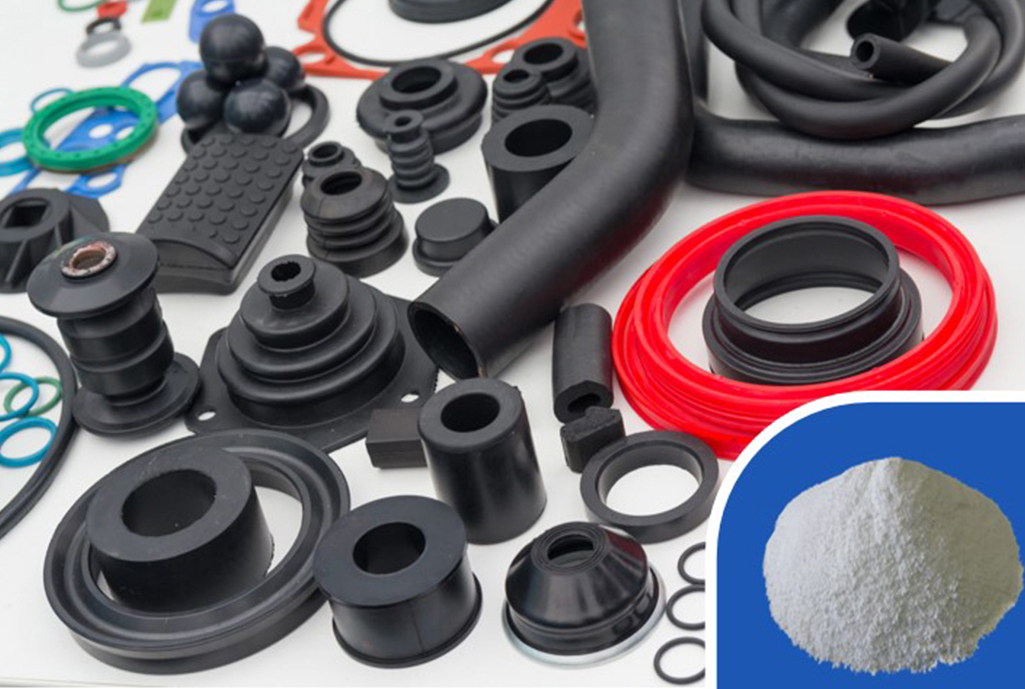
| Metal hydroxides | Aluminum hydroxide, magnesium hydroxide | Cable insulation, rubber products |
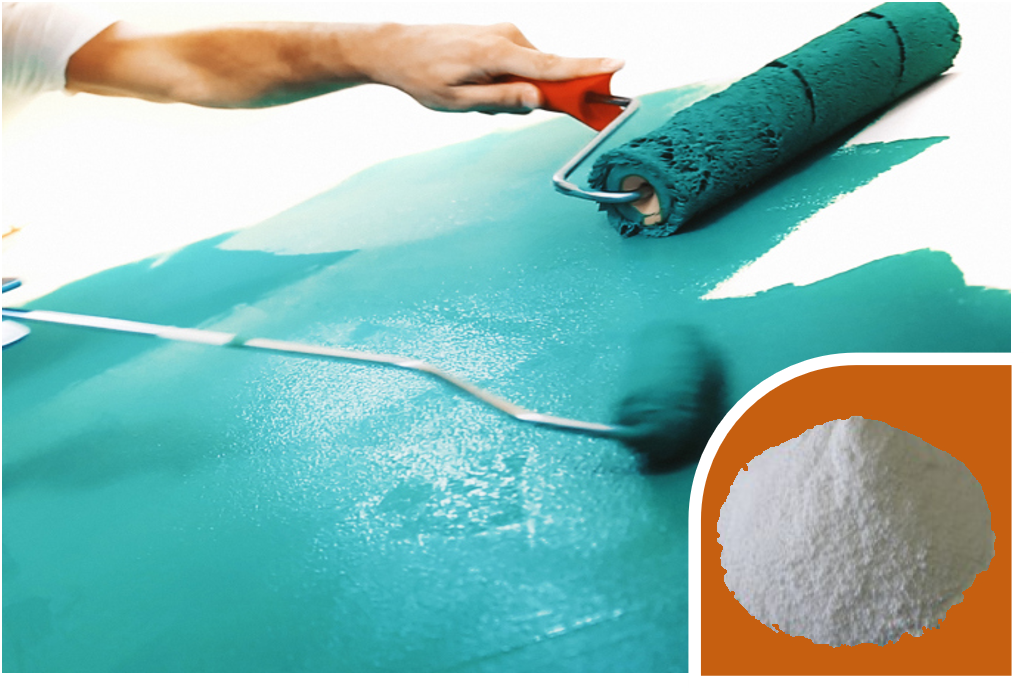
| Phosphorus-based compounds | Ammonium polyphosphate, triphenyl phosphate | Coatings, textiles, foam |
| Nitrogen-based compounds | Melamine, melamine cyanurate | Polyamide plastics, foam products |
| Halogenated compounds | Decabromodiphenyl ethane | Electronics housings, specific plastics |
| Inorganic compounds | Antimony trioxide, zinc borate | Often used as synergists alongside primary retardants |
Each of these single substance flame retardants works through a distinct mechanism, whether that is releasing water vapor to cool the material, forming a protective char layer, or interfering with the chemical chain reactions that sustain combustion.
How Single Substance Flame Retardants Work
Heat Absorption and Cooling Effects
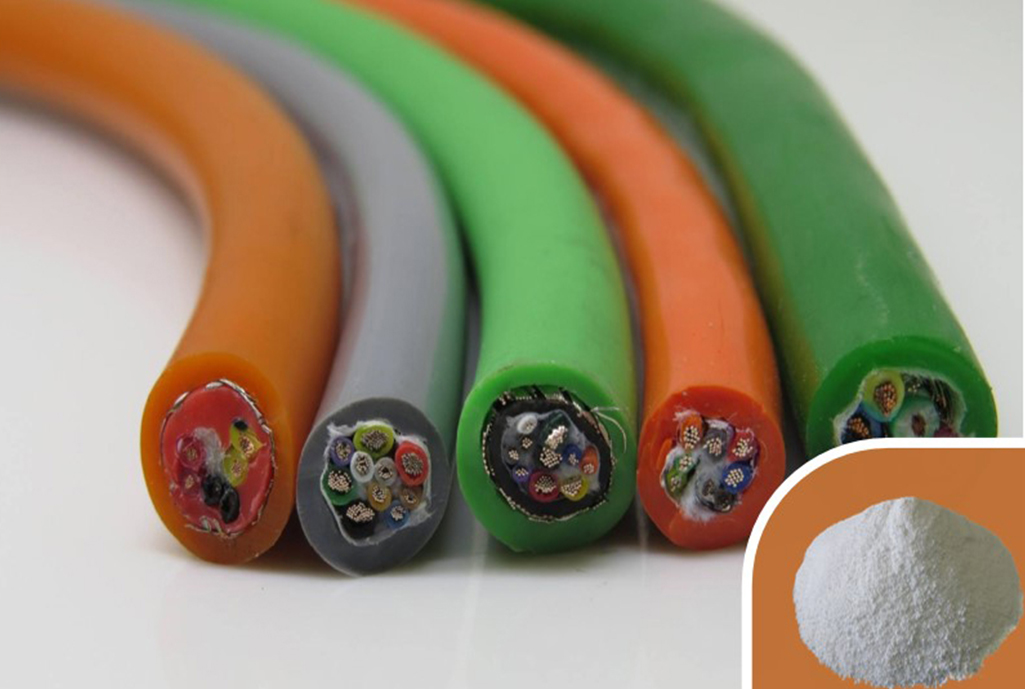
Metal hydroxide-based single substance flame retardants, such as aluminum hydroxide, work by decomposing at high temperatures and releasing water vapor, which absorbs heat and dilutes flammable gases near the material surface. This cooling effect helps slow the spread of fire and reduces smoke generation, making these compounds popular in cable insulation where low smoke output is often a regulatory requirement.
Char Layer Formation
Phosphorus-based single substance flame retardants often function by promoting the formation of a protective char layer on the material's surface when exposed to heat. This char barrier physically blocks oxygen and heat from reaching the underlying material, effectively slowing further combustion and limiting how quickly flames can spread across the surface.
Gas Phase Flame Interruption
Halogenated single substance flame retardants typically work in the gas phase, releasing radicals during combustion that interfere with the chain reactions responsible for sustaining a flame. While highly effective at flame suppression, this category has faced increasing regulatory scrutiny in some regions due to environmental persistence concerns, prompting many manufacturers to explore phosphorus or nitrogen-based alternatives instead.
Advantages of Using Single Substance Flame Retardants Over Blended Formulations
Choosing single substance flame retardants over pre-blended proprietary mixtures offers several practical benefits for manufacturers who need consistency and regulatory clarity in their finished products.
- Simplified regulatory documentation since the exact chemical identity and concentration are known and consistent
- Easier troubleshooting when performance issues arise, since there is only one compound to evaluate
- Greater flexibility to custom-blend compounds in-house for specific formulation needs
- More predictable interaction with other additives already present in the polymer system
- Potentially lower cost when sourcing large volumes of a single compound directly from a manufacturer
These advantages explain why many polymer compounders and material scientists prefer working with single substance flame retardants when developing formulations from scratch, even though it requires more in-house expertise compared to simply purchasing a pre-formulated blend.
Key Factors When Selecting a Single Substance Flame Retardant
Compatibility With the Base Polymer
Not every flame retardant compound works well with every polymer type, so confirming compatibility between the selected single substance flame retardant and the base material is an essential first step. Poor compatibility can lead to issues such as reduced mechanical strength, surface blooming, or uneven dispersion throughout the finished product.
Required Loading Levels for Target Fire Ratings
Different single substance flame retardants require different loading percentages to achieve a specific fire safety rating, and higher loading levels can sometimes affect the mechanical or aesthetic properties of the finished product. Reviewing technical data sheets and conducting sample testing helps confirm the right balance between fire performance and product usability.
Regulatory Status in Target Markets
Since flame retardant regulations vary significantly between regions, it is important to verify that a chosen single substance flame retardant is approved for use in the specific markets where the finished product will be sold. Some compounds that remain widely used in one region may face restrictions or phase-out requirements in others, making this a critical step in the material selection process.
Common Applications Across Industries
- Electrical cable insulation and jacketing requiring low smoke and halogen-free properties
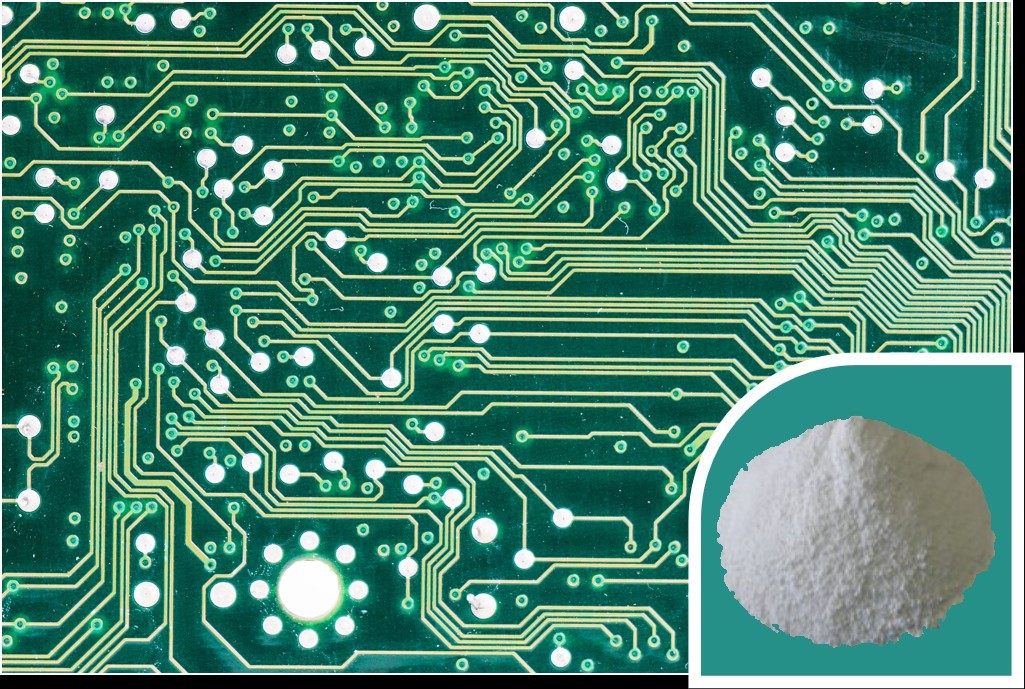
- Electronic enclosures and circuit board components subject to strict fire safety standards
- Textile coatings for upholstery, curtains, and industrial protective clothing
- Foam products used in furniture cushioning and construction insulation
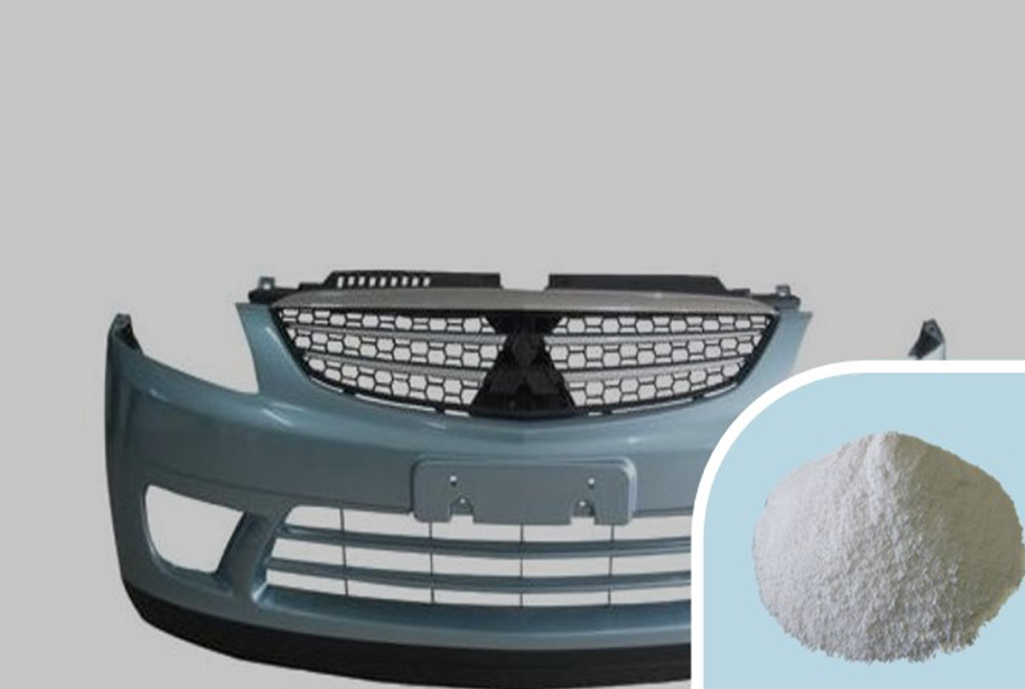
- Automotive interior components requiring compliance with vehicle fire safety regulations
Because requirements vary so much between these applications, manufacturers often select different single substance flame retardants depending on the specific fire rating, mechanical performance, and regulatory needs of each product category.
Working With Suppliers on Single Substance Flame Retardants
When sourcing single substance flame retardants, it is worth requesting detailed technical data sheets, safety data sheets, and third-party testing documentation from potential suppliers. Reliable suppliers should be able to provide clear information on particle size, purity level, and recommended loading ranges for common polymer systems, which helps formulators integrate the compound smoothly into existing production processes.
Requesting samples for in-house testing before committing to bulk purchasing is also a practical step, since real-world performance in your specific formulation can sometimes differ slightly from generalized technical specifications. Building a relationship with a supplier who understands your industry's specific fire safety and regulatory requirements can save significant time during product development and certification processes.
Final Thoughts on Choosing the Right Flame Retardant Approach
Single substance flame retardants offer manufacturers a level of predictability, regulatory clarity, and formulation control that blended products often cannot match. By carefully evaluating polymer compatibility, required loading levels, and regional regulatory approval, product developers can select the right compound for their specific fire safety needs while maintaining the mechanical and aesthetic qualities their customers expect. Taking the time to test and verify performance before full-scale production remains one of the most reliable ways to ensure a successful outcome when working with these specialized chemical compounds.






contact details
Address:No. 166, Chenggong Road, Economic Development Zone, Jiashan County, Jiaxing City, Zhejiang Province
TEL: +86-0573-89103923 / +86 182 6841 1181
E-mail: globalmarketing@xusen.com
Product
News Center