

 English
 عربى
 简体中文

 +86-0573-89103923 / +86 182 6841 1181
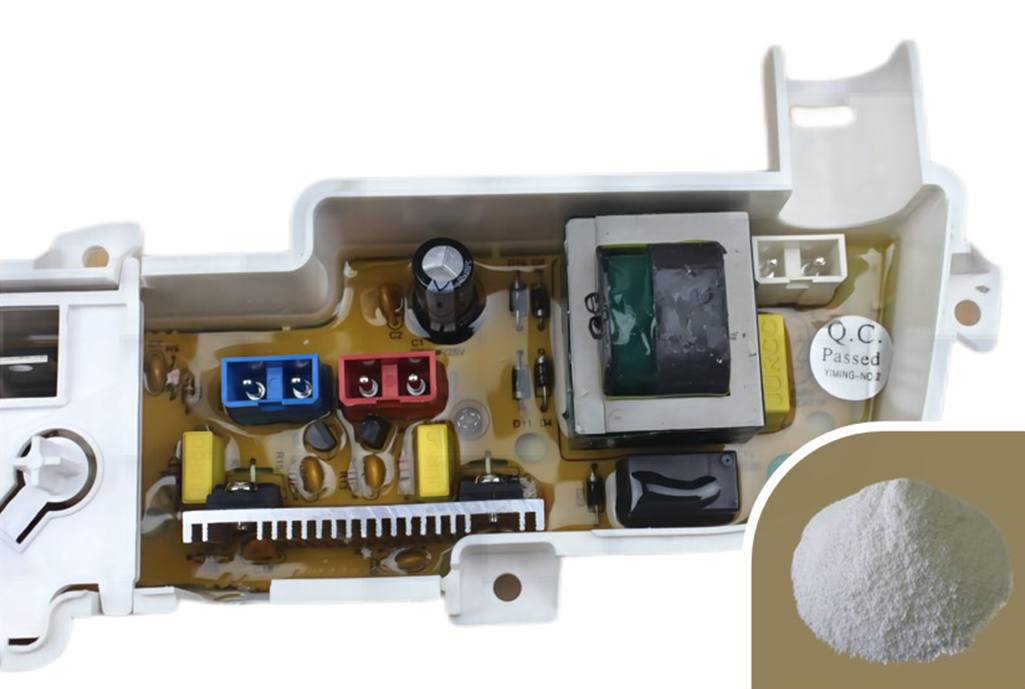
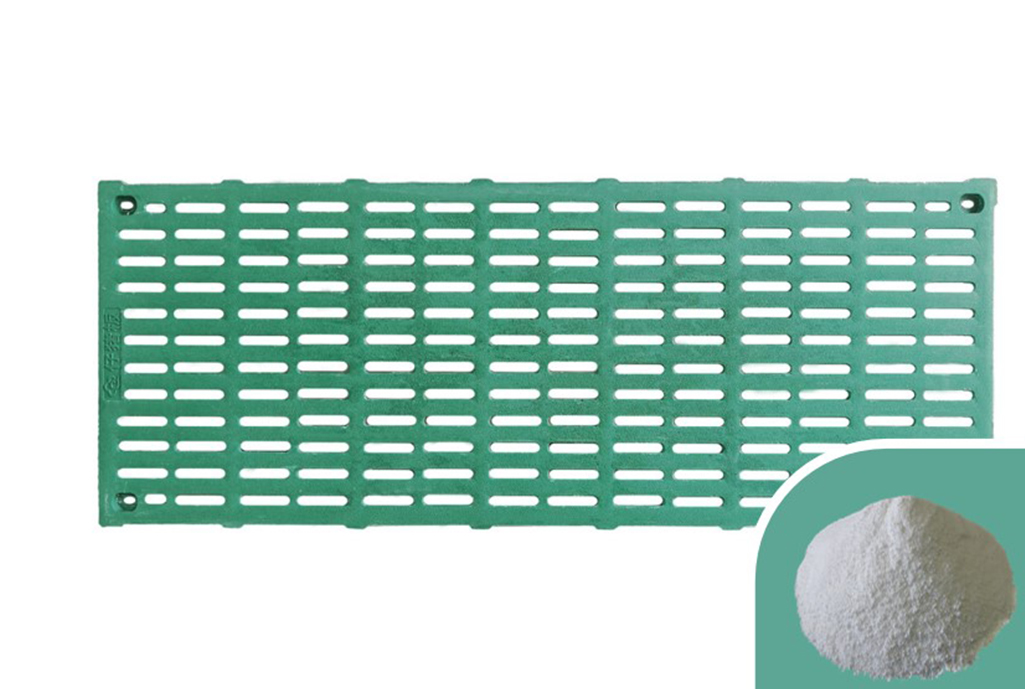


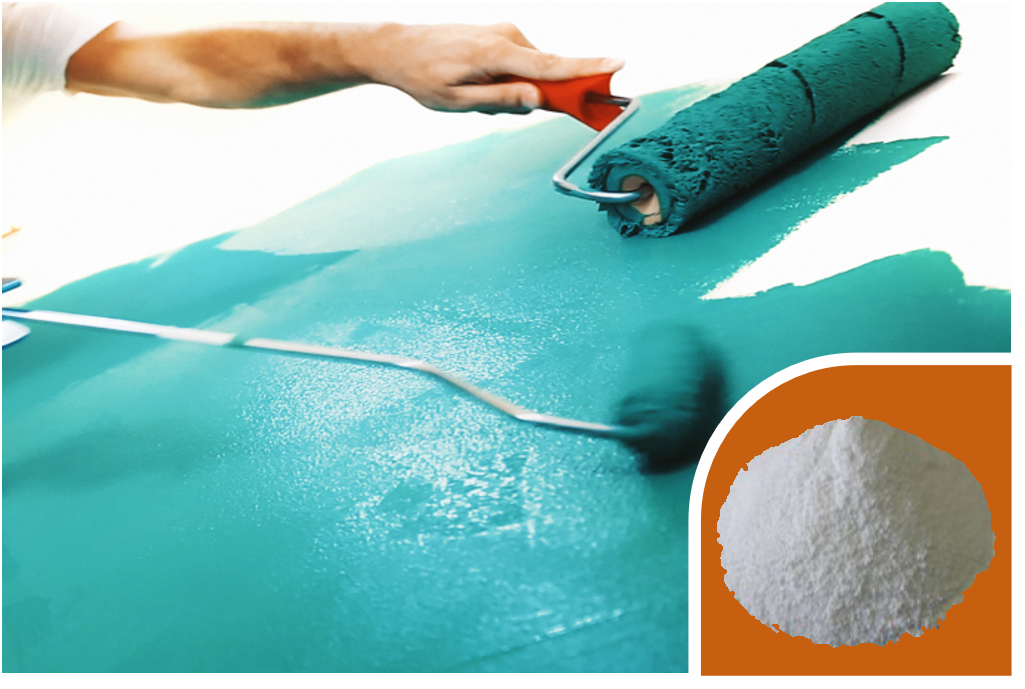
Halogen-Free Composite Flame Retardant for PP
Zhejiang Xusen Flame Retardants Incorporated Company formulates and produces halogen-free composite flame retardants for polypropylene. The XS-FR-8300 and XS-FR-8800 series are built for PP and for toughening- and fibre-added modified PP compounds, targeting UL-94 V-0 and V-2 respectively. We have worked on halogen-free flame retardant systems since 1997 and produce from two bases in Jiashan, Zhejiang and Juancheng, Shandong, with a combined annual capacity of 12,000 tons.
As a Composite flame retardant for PP manufacturer, we work at the compounding level rather than selling a powder against a data sheet. Grade, loading and carrier are set against your base resin, wall thickness, processing window and the flame rating the part has to hold.
The XS-FR Range for Polypropylene
Two series cover the ratings most often specified for PP parts. Both are halogen-free composite systems that combine phosphorus-nitrogen chemistry with inorganic and silicon-based components, and both are supported by the single-substance building blocks we produce in-house.
| Series | Target rating | Substrate fit | System character |
|---|---|---|---|
| XS-FR-8300 Series | UL-94 V-0 | PP homopolymer and copolymer; toughening- and fibre-added modified PP | Halogen-free composite system, phosphorus-nitrogen based |
| XS-FR-8800 Series | UL-94 V-2 | PP compounds where V-2 is the specified requirement | Halogen-free composite system for drip-tolerant ratings |
| Ammonium polyphosphate (APP) XS-APPII and modified APP | Building block | Acid source in phosphorus-nitrogen composites | High-polymerisation APP with low water solubility; modified grades for improved matrix compatibility |
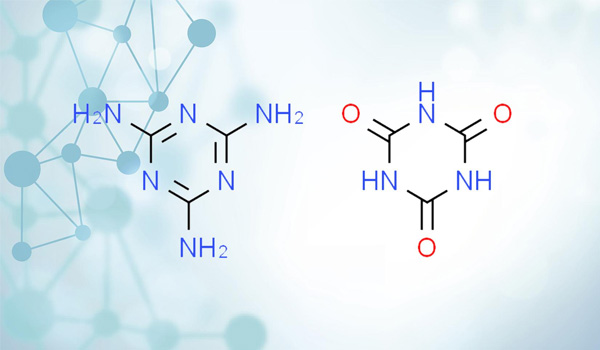
| Melamine cyanurate XS-MC-10 / 25 / 50 and XS-MC-15 | Building block | Nitrogen source and synergist in selected systems | Surface-modified MCA for dispersion and low speck count |
| Flame retardant masterbatch for PP | Dilution route | Converter-side addition during extrusion or injection moulding | Concentrated pellet form for metering at the machine |
Series designations indicate the target rating. The rating itself is confirmed on the finished compound at the specified thickness, because base resin, filler load and wall section all shift the result.
Flame Retardant Chemistry We Build Into PP
Polypropylene burns with little char and heavy drip, so a single mechanism rarely holds a rating. Our composite systems combine several routes in one additive package.
- Phosphorus-nitrogen systems: an acid source and a nitrogen source together promote char formation and interrupt the radical chain in the gas phase.
- Inorganic fillers: aluminium hydroxide and magnesium hydroxide release water vapour on heating, cooling the polymer, diluting combustible gases and forming a physical barrier.
- Silicon-based components: improve the thermal stability of the char layer and contribute smoke suppression.
- Synergistic additives: phosphorus and nitrogen chemistry combined in one package raises efficiency beyond the sum of the individual components.
- Halogen-free formulation: no brominated or chlorinated compounds, in line with WEEE, RoHS, REACH and EUP requirements.
Matching the System to the PP Compound
The same additive package behaves differently across PP grades, so the starting point is the compound rather than the rating alone.
- Unfilled homopolymer: the highest polymer content per unit volume, so char formation and drip control carry most of the load.
- Impact-modified copolymer: the rubber phase changes melt behaviour and can carry flame spread, so loading and dispersion are adjusted to suit.
- Glass-fibre reinforced PP: fibre content and fibre-matrix coupling affect char integrity and wicking, and the composite is tuned for fibre-added modified materials.
- Mineral-filled compounds: existing filler reduces the headroom for flame retardant, so the package is balanced against total filler load.
- Converter dosing: where addition happens at the machine, the same chemistry is supplied as a masterbatch.
Process Fit: Compounding, Moulding and Extrusion
Composite flame retardants for PP are dosed at the compounding stage or, in masterbatch form, at the converter. Feeding accuracy, screw configuration and melt temperature decide whether the additive disperses fully or leaves agglomerates that appear as specks and weak points in the finished part.
The thermal window matters. PP is normally processed well below the decomposition range of the nitrogen and phosphorus components, so the package stays intact through extrusion and injection moulding. Where a compound runs at the upper end of the window or sees long residence times, we adjust the carrier and stabiliser package instead of simply raising loading.
- Compounding: side feeding and downstream addition protect heat-sensitive components and improve distribution.
- Injection moulding: gate design, wall thickness and flow length set the practical loading for a V-0 part.
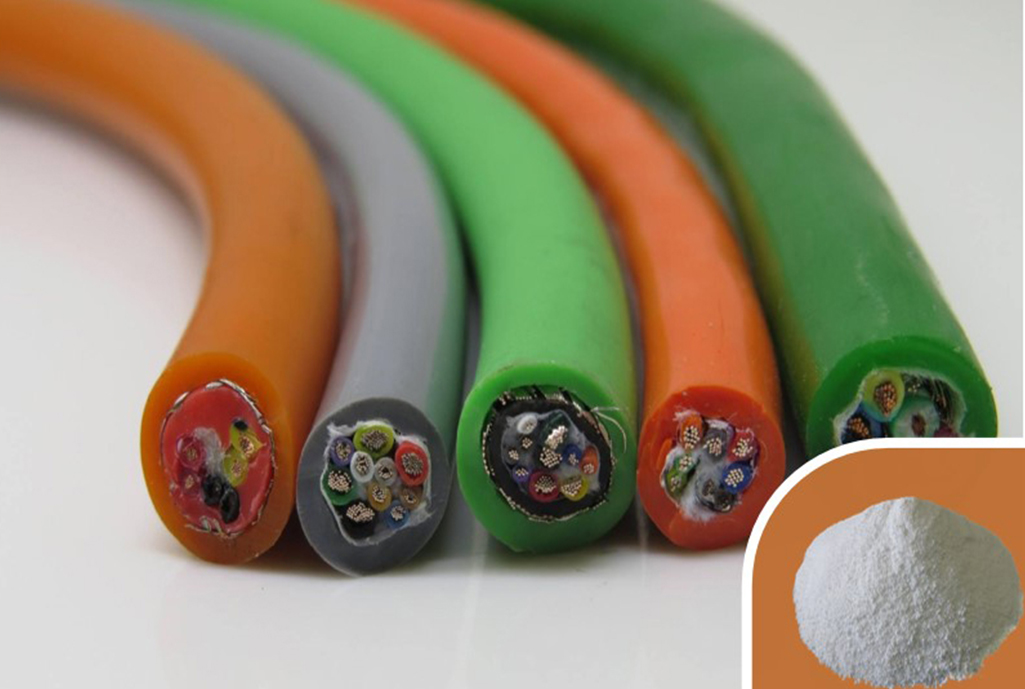
- Cable and profile extrusion: surface finish, elongation and ageing behaviour guide the choice between composite powder and masterbatch.
- Appearance: colour and odour control matter for appliance, automotive interior and coated textile applications.
Critical Specifications We Confirm Before Quotation
A quotation is only meaningful against a defined working point. We confirm the following with you before proposing a grade and loading.
- Required rating and the thickness at which it must be demonstrated.
- Base resin type, MFI and comonomer content; filler and reinforcement type and percentage.
- Processing route, melt temperature, residence time and any regrind content.
- Mechanical targets after addition and the acceptable property retention.
- Electrical requirements for the part, including tracking behaviour where relevant.
- Colour, odour and surface appearance requirements, plus ageing or water exposure expected in service.
- Regulatory set for the destination market and the documentation needed with the shipment.
Capacity, Quality Control and Compliance Evidence
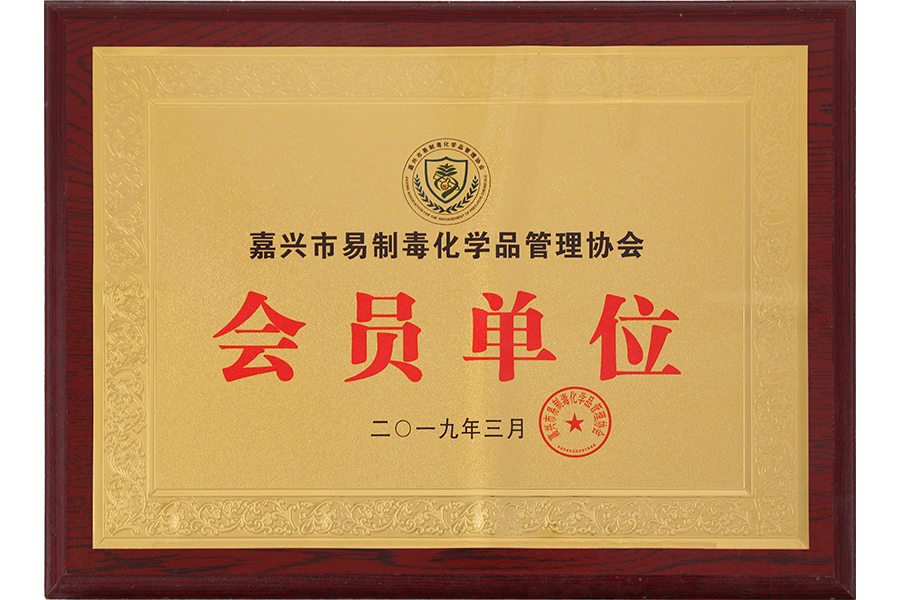
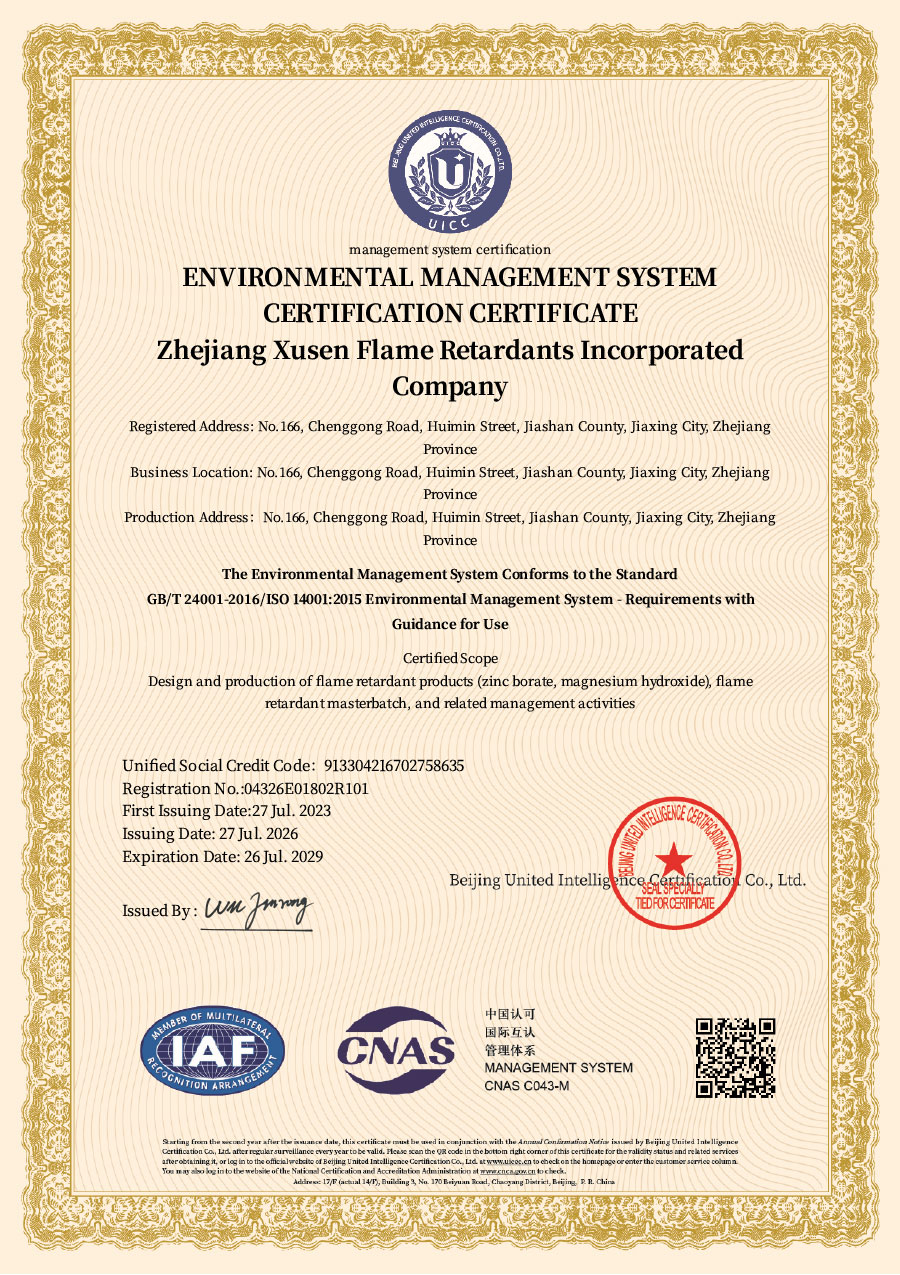
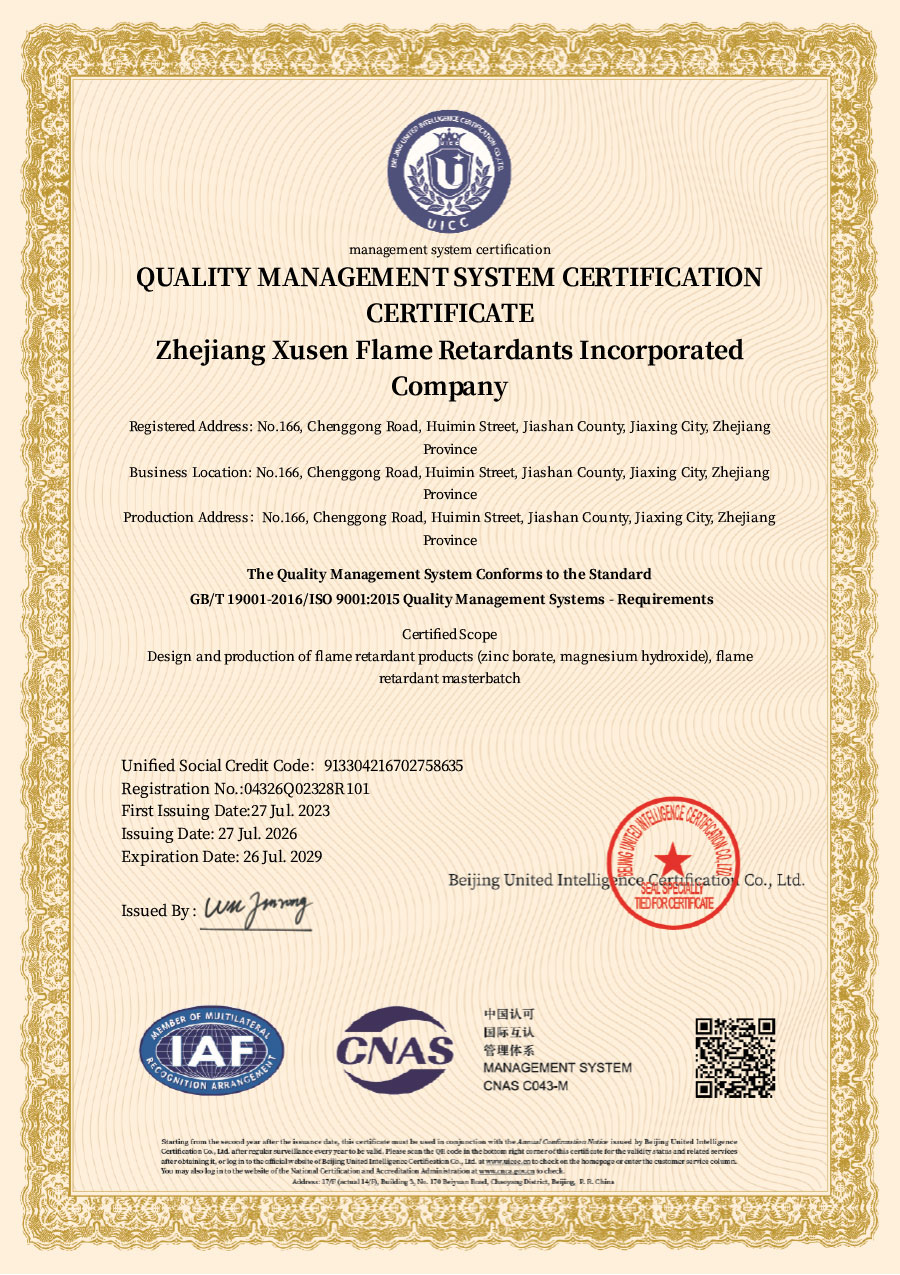
Production runs from two bases, Jiashan in Zhejiang and Juancheng in Shandong, with a current annual capacity of 12,000 tons. Every stage of product formation follows the ISO 9001-2015 quality management system, supported by in-house production workshops, warehouses and inspection equipment.
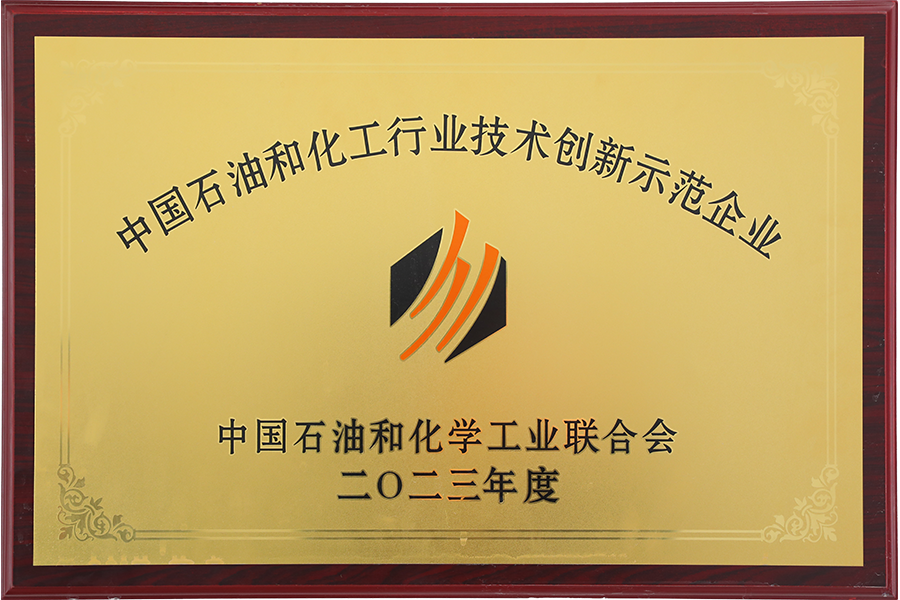
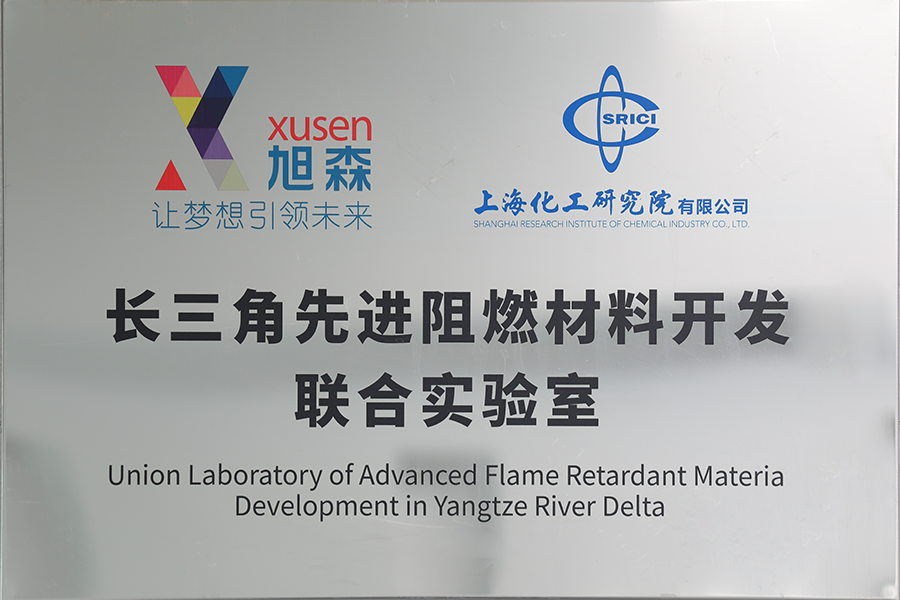
Our Zhejiang provincial-level scientific research laboratory works alongside a joint laboratory established with the Shanghai Institute of Chemistry. Together with Beijing Technology and Business University, Shandong Haihuai Institute and Shandong Brothers, we operate a light industry flame retardant engineering technology research centre. We hold invention and utility model patents and have taken part in drafting national and industry standards.
On compliance, our products meet WEEE, RoHS, REACH and EUP requirements. RoHS test reports are available for the flame retardant for polyolefin, APP and ATH grades, together with halogen and RoHS 3.0 test reports for MCA. Documentation is issued with the batch so that incoming inspection and customer audits have a defined reference.
Customization, Packaging and Delivery Scope
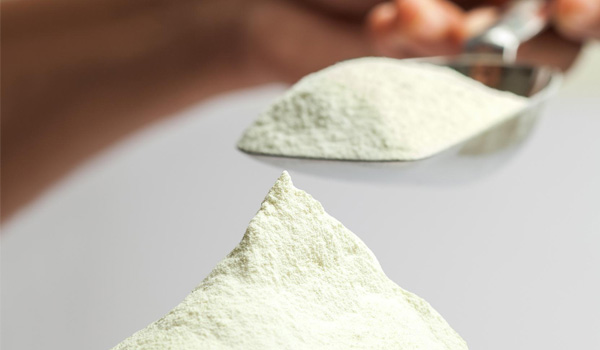
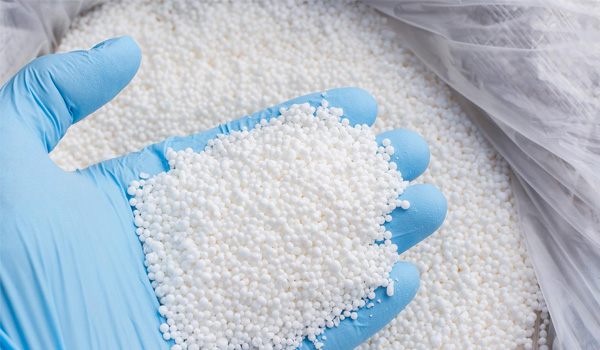
Composite flame retardant for PP is supplied as a powder in 25 kg bags with a 12-month shelf life from production. Product should be stored in a cool, dry place, and handling should follow the protective measures in the MSDS; packaging is disposed of according to local environmental requirements.
Where a standard series does not fit the compound, we adjust the system — acid and nitrogen source ratio, carrier, surface treatment and additive package — and confirm the revised working point on your material. Custom development uses the same laboratory and pilot equipment as the standard range, and the outcome is documented for your incoming inspection.
Information We Use to Configure Your Solution
| Project input | Why we need it | What it determines |
|---|---|---|
| Base resin and grade, MFI | Melt behaviour and char formation | Starting system and loading range |
| Filler or reinforcement type and percentage | Available headroom for the additive | Total loading and dispersion route |
| Target rating and test thickness | Defines the acceptance criterion | Grade selection: XS-FR-8300 or XS-FR-8800 |
| Processing route and melt temperature | Thermal exposure of the additive | Carrier and stabiliser package |
| Mechanical and electrical targets | Property retention after addition | Balance between rating and physical performance |
| Destination market and compliance set | Restricted substances and documentation | Test reports and declarations issued with the batch |
| Annual volume and delivery pattern | Production scheduling across both bases | Packaging format and delivery scope |
Frequently Asked Questions
Which Xusen series should I use for UL-94 V-0 in PP?
The XS-FR-8300 series is formulated for PP and for toughening- and fibre-added modified PP with a V-0 target. Whether V-0 is reached at your wall thickness depends on base resin, filler content and loading, so we confirm the rating on the finished compound rather than on the additive alone.
Is the composite flame retardant for PP halogen-free?
Yes. The range contains no brominated or chlorinated compounds and meets WEEE, RoHS, REACH and EUP requirements. RoHS test reports for the flame retardant for polyolefin are available with the shipment.
Can you supply the flame retardant as a masterbatch instead of powder?
Yes. The same chemistry is supplied as a concentrated masterbatch for converters who dose at the machine during extrusion or injection moulding, which suits lines without separate additive feeding.
What is the packaging and shelf life?
Standard packaging is 25 kg per bag with a 12-month shelf life from production. Store in a cool, dry place and follow the MSDS handling measures during use.
What do you need from us to prepare a quotation?
Base resin and MFI, filler or fibre content, target rating and test thickness, processing route and melt temperature, mechanical and electrical targets, colour requirements, destination market and expected annual volume. With those inputs we propose a grade, an indicative loading and the documentation set that ships with the batch.
Do you also supply flame retardants for other polymers?
Yes. We produce Composite flame retardant for PA and polyester grades, single-substance flame retardants including APP, MCA, organophosphorus and ATH, plus functional additives and masterbatches for the same polymer families.