Tel: +86-0573-89103923 / +86 182 6841 1181

E-mail:globalmarketing@xusen.com



 English
 عربى
عربى 简体中文
简体中文What Is Melamine Cyanurate? A Simple Guide to This Flame-Retardant Additive
2026-09-23
If you work anywhere near plastics manufacturing, wiring, connectors, or flame-retardant materials, chances are you've come across the name Melamine Cyanurate at some point. It sounds like a complicated lab chemical, but its job is actually pretty simple to understand once you break it down. This guide walks through what Melamine Cyanurate is, how it works, where it's used, and what to look for if you're buying it for your own products.
Content
- 1 What Exactly Is Melamine Cyanurate?
- 2 How Does Melamine Cyanurate Actually Stop Fires?
- 3 Where Is Melamine Cyanurate Commonly Used?
- 4 Why Manufacturers Choose Melamine Cyanurate Over Other Flame Retardants
- 5 What to Check Before Buying Melamine Cyanurate
- 6 Handling and Storage Tips
- 7 Common Questions About Melamine Cyanurate
What Exactly Is Melamine Cyanurate?
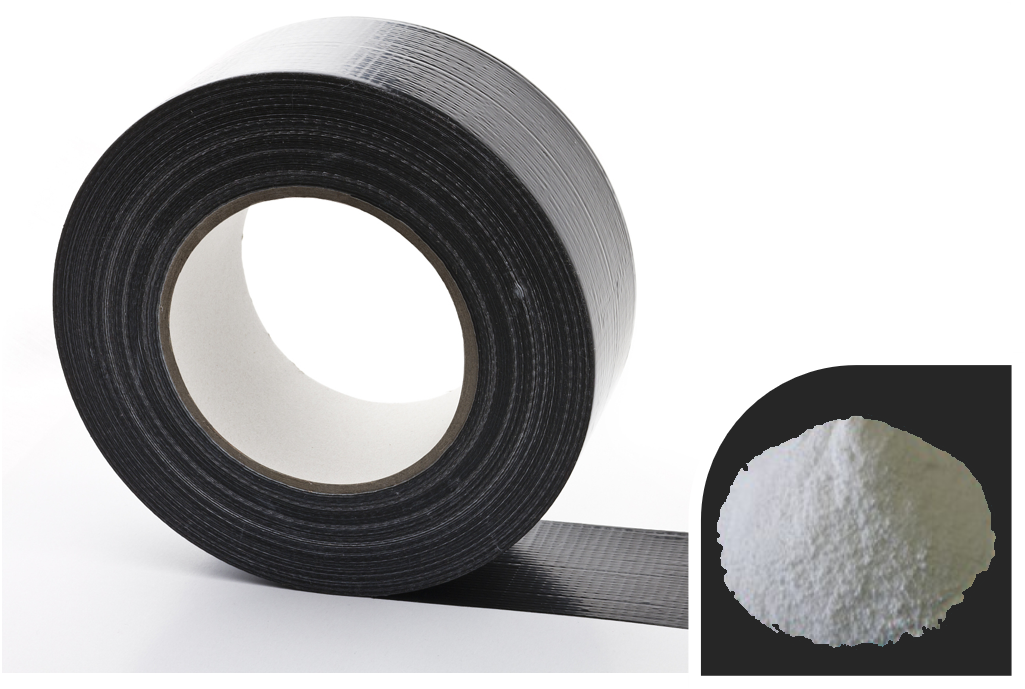
Melamine Cyanurate, often shortened to MCA, is a white crystalline powder formed by combining two separate compounds: melamine and cyanuric acid. When these two react together in water, they form a stable salt through hydrogen bonding. The result is a fine, non-toxic powder that doesn't dissolve easily in water or most common solvents, which is exactly why it holds up so well when mixed into plastic resins.
Unlike halogenated flame retardants, Melamine Cyanurate doesn't release corrosive or toxic gases when it burns. That single feature is the main reason it has become so popular across industries that are trying to move away from bromine- and chlorine-based additives.
How Does Melamine Cyanurate Actually Stop Fires?
Melamine Cyanurate works through what's called an intumescent, gas-phase and condensed-phase mechanism. In plain terms, here's what happens when a material containing MCA is exposed to high heat:
- At around 300°C, the melamine component begins to decompose and release nitrogen-based gases such as ammonia and nitrogen oxide.
- These gases dilute the oxygen and flammable vapors around the burning surface, starving the flame of what it needs to keep going.
- At the same time, the decomposition absorbs heat energy, which cools down the material and slows the spread of fire.
- A char layer can also form on the surface, acting as a physical barrier that further blocks heat and oxygen from reaching the material underneath.
This combination of gas dilution, heat absorption, and barrier formation is what makes Melamine Cyanurate an effective self-extinguishing additive without needing halogens.
Where Is Melamine Cyanurate Commonly Used?
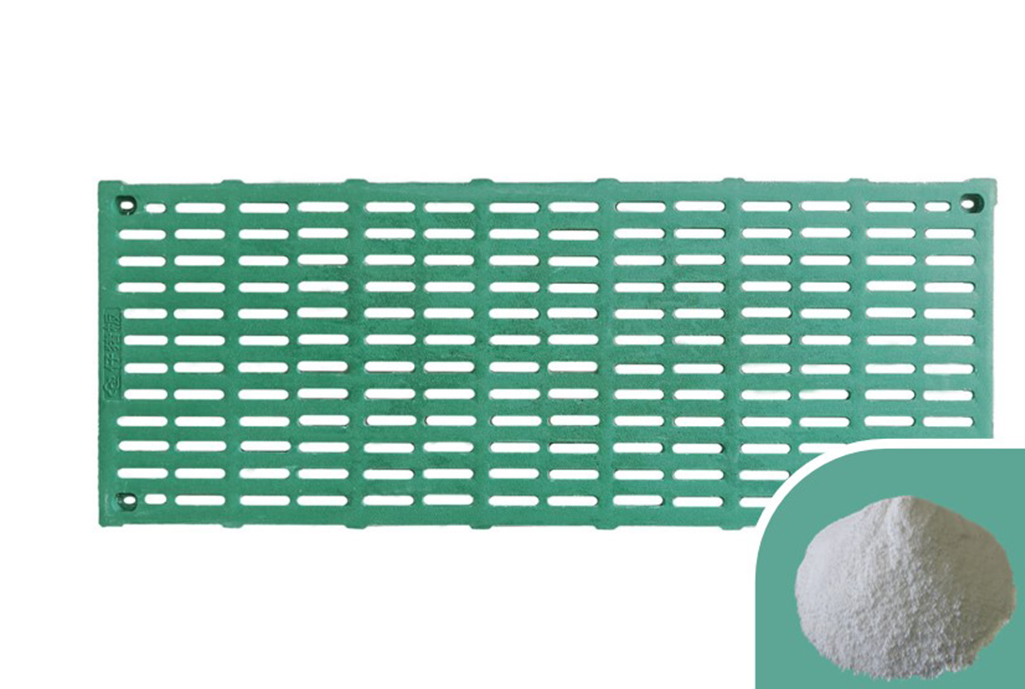
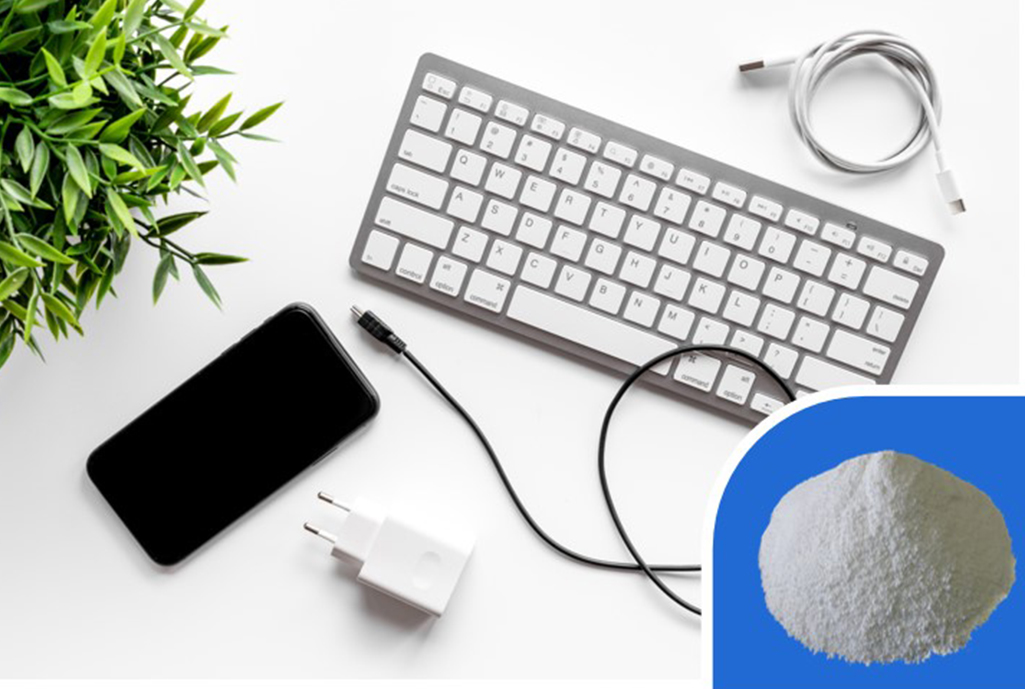
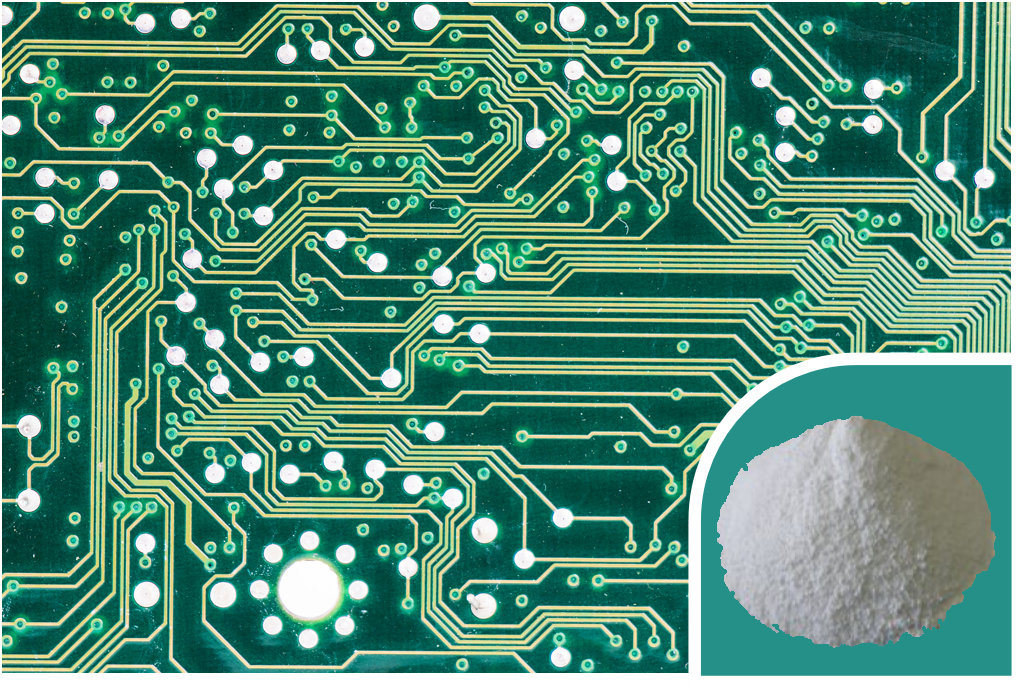
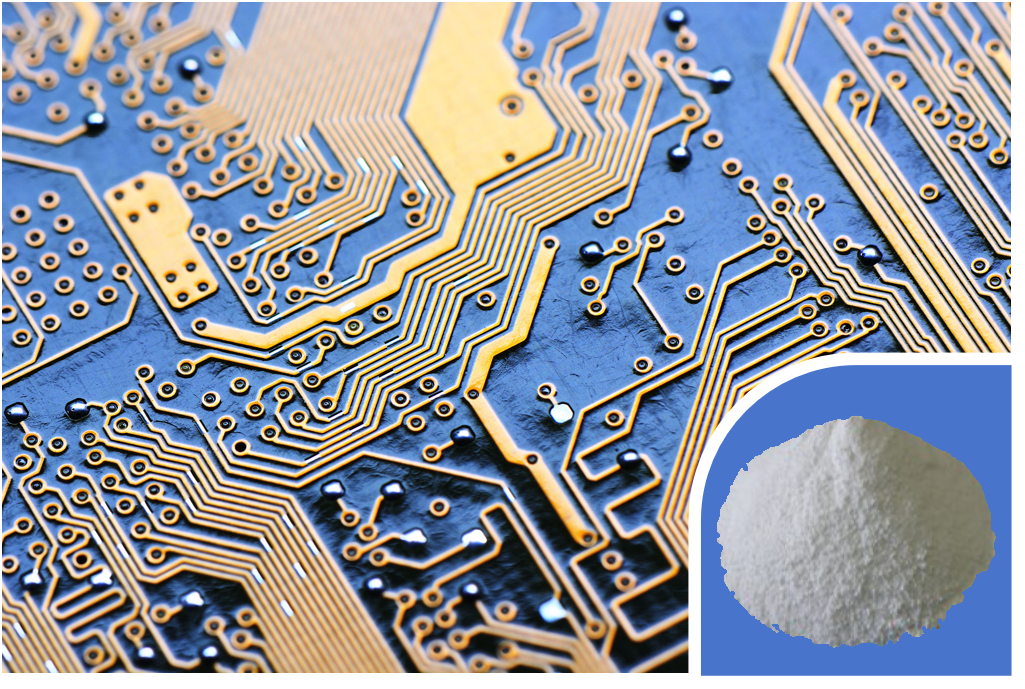
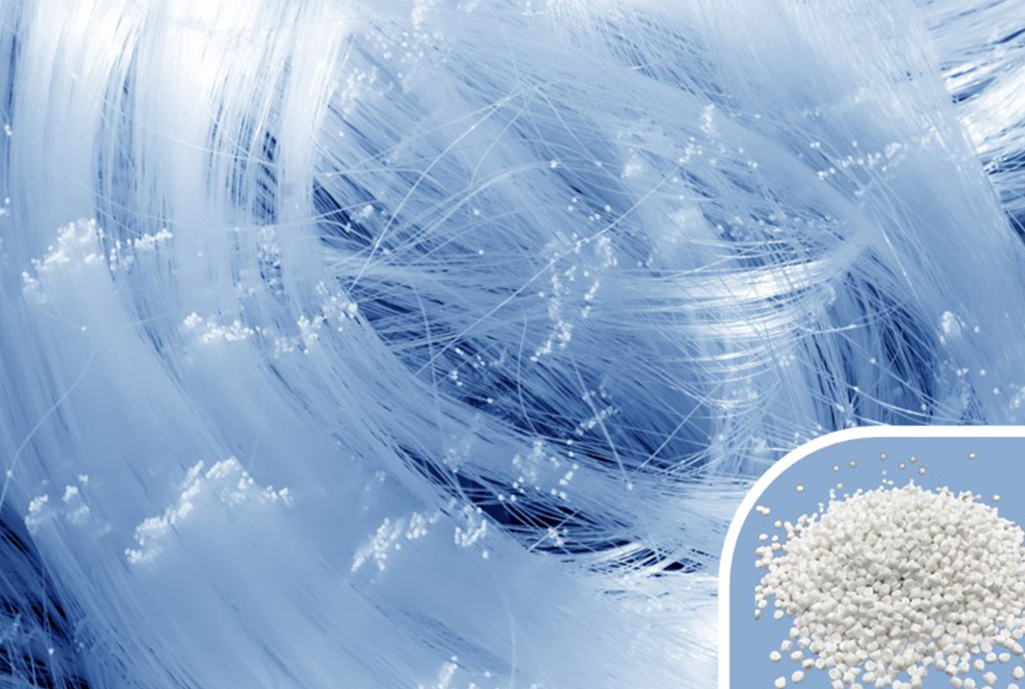
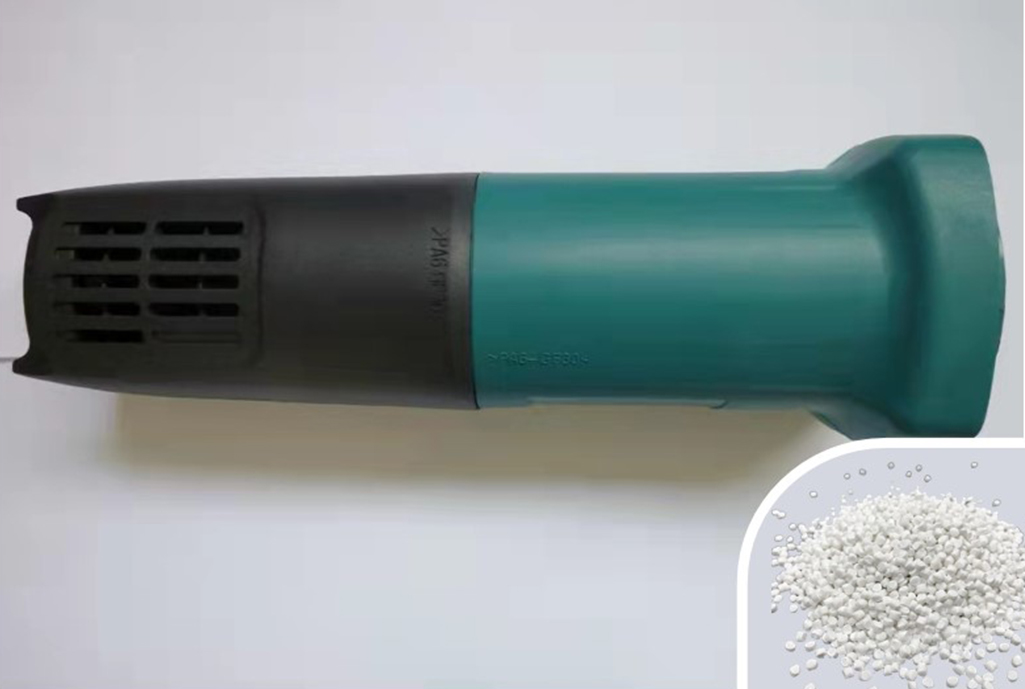
The single biggest application for Melamine Cyanurate is in unreinforced or glass-fiber-reinforced polyamides, especially nylon 6 (PA6) and nylon 66 (PA66). These materials are widely used in electrical and electronic parts, and MCA gives them flame resistance without ruining their mechanical strength or electrical insulation properties.
Typical End Products
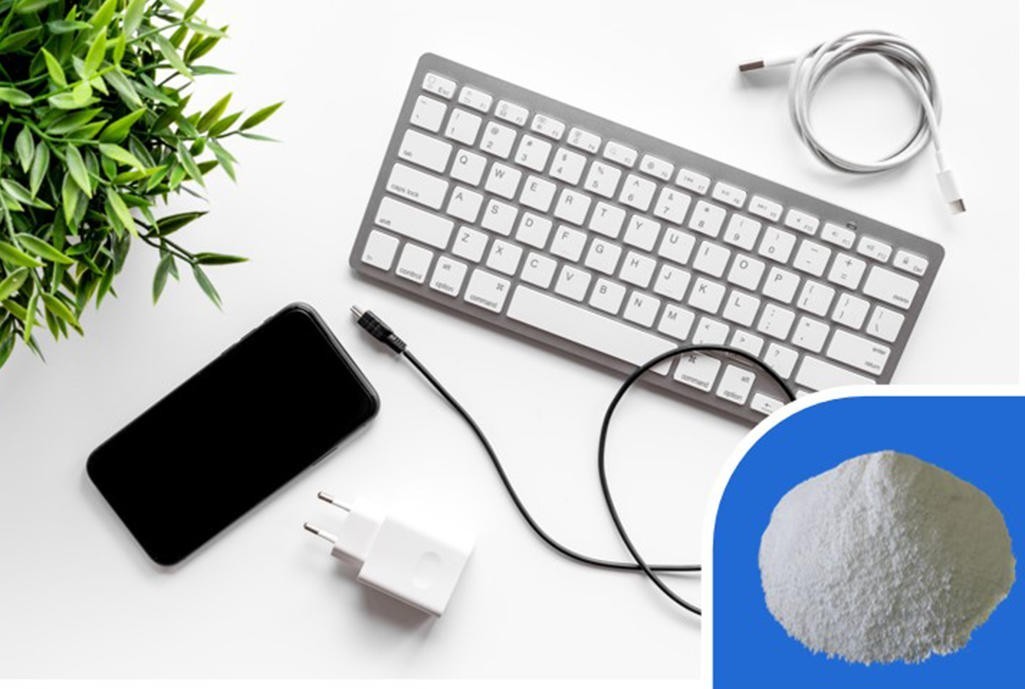
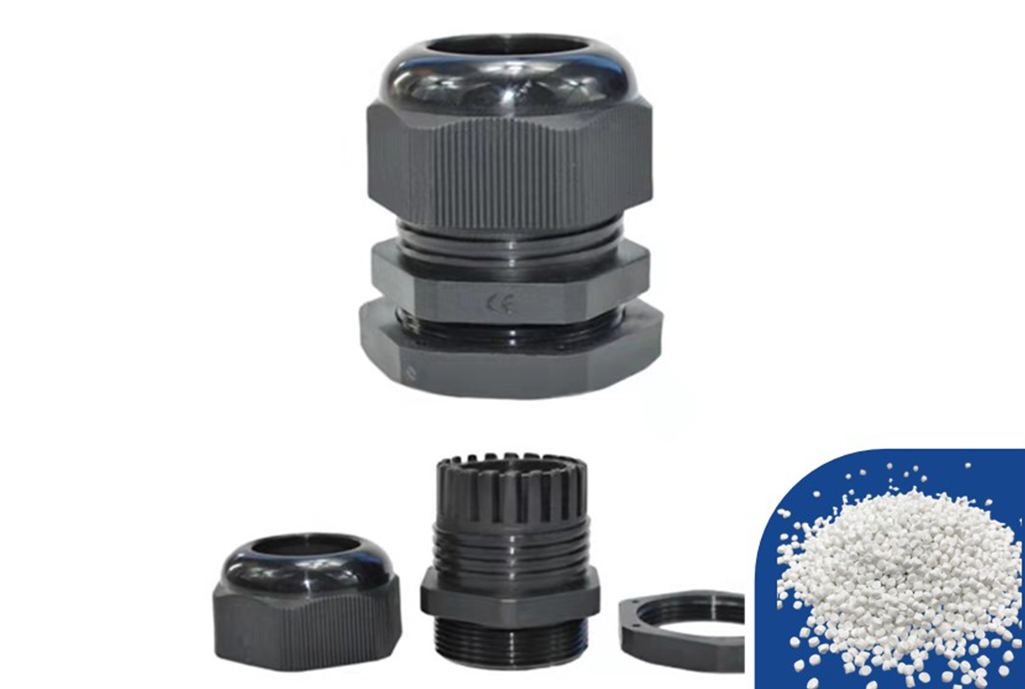
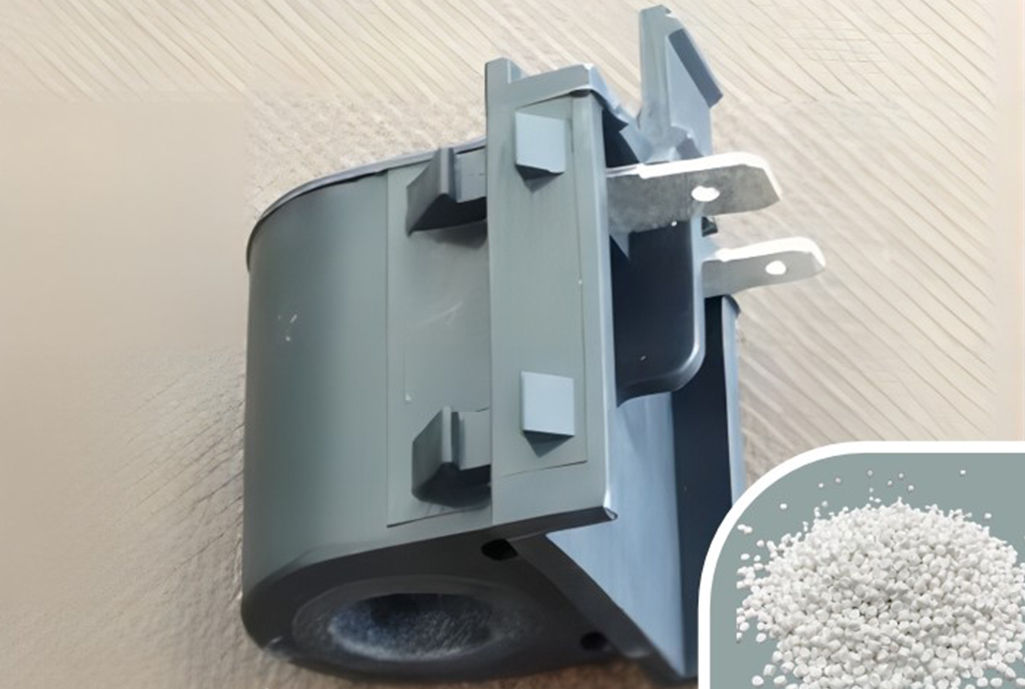
- Electrical connectors and plugs
- Circuit breakers and switch housings
- Cable ties and wire insulation components
- Automotive under-the-hood parts exposed to heat
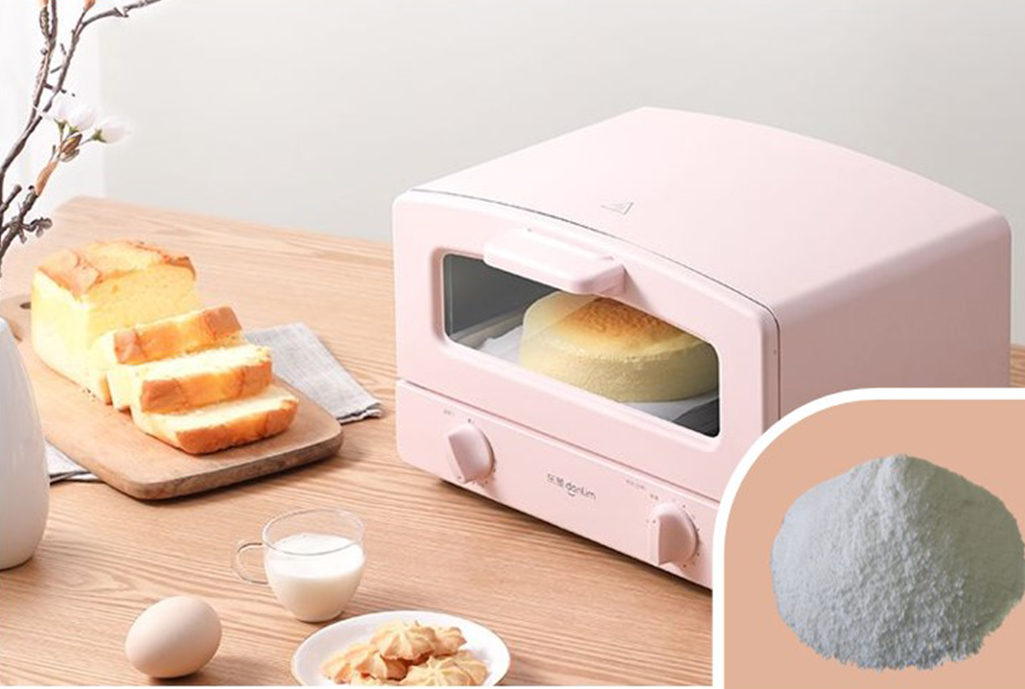
- Appliance housings such as fan blades and motor covers
It's worth noting that Melamine Cyanurate is not recommended for materials that will be used continuously above 300°C, since that's roughly where its protective decomposition reaction begins. For high-temperature applications, manufacturers typically switch to other flame-retardant systems.
Why Manufacturers Choose Melamine Cyanurate Over Other Flame Retardants
There are dozens of flame-retardant additives on the market, so it helps to understand what makes Melamine Cyanurate stand out for the right applications.
| Feature | Melamine Cyanurate | Halogenated Flame Retardants |
| Toxic gas release when burning | No | Often yes |
| Effect on plastic color | Minimal, stays white/neutral | Can yellow over time |
| Impact on mechanical strength | Low impact | Can reduce toughness |
| Best suited temperature range | Below 300°C | Varies by type |
| Regulatory trend | Favored, halogen-free | Facing restrictions in many regions |
Because it keeps materials lightweight, doesn't corrode processing equipment, and produces far less smoke than many alternatives, Melamine Cyanurate is a favorite for products that need to pass strict flammability standards like UL 94 V-0 while still meeting environmental regulations such as RoHS and REACH.
What to Check Before Buying Melamine Cyanurate
If you're sourcing Melamine Cyanurate for production, the quality of the powder directly affects how well it performs in the final product. Here are the main specifications worth reviewing before placing an order.
Particle Size
Finer, more uniform particle sizes disperse more evenly through resin during compounding, which improves flame-retardant performance and reduces the risk of weak spots in the finished part. Most industrial grades fall in the range of a few microns to around 20 microns.
Purity Level
High-purity Melamine Cyanurate, typically above 99%, ensures consistent decomposition behavior and reduces impurities that could affect the color or electrical properties of the final plastic part.
Moisture Content
Since MCA is used in melt-processed plastics, excess moisture can cause bubbling or surface defects during extrusion or injection molding. Reputable suppliers will list moisture content, usually kept below 0.5%.
- Ask for a certificate of analysis (COA) with every batch
- Request particle size distribution data, not just an average value
- Confirm the supplier's production complies with REACH and RoHS
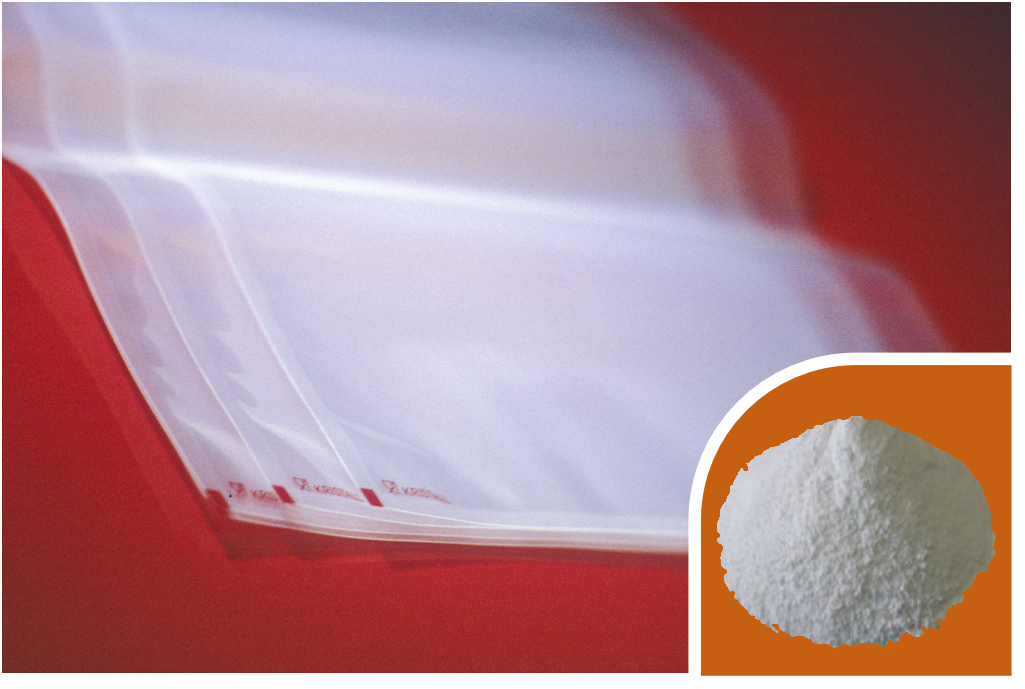
- Check packaging, since MCA should be stored in sealed, moisture-proof bags
Handling and Storage Tips
Melamine Cyanurate is considered low-toxicity and is generally easy to handle compared to many other flame-retardant chemicals, but a few basic precautions go a long way in keeping quality consistent and workers safe.
- Store in a cool, dry area away from direct sunlight and humidity
- Keep bags sealed when not in use to prevent moisture absorption
- Use dust masks and basic PPE during handling, since fine powders can irritate the respiratory tract
- Avoid mixing with strong acids or oxidizing agents during storage
- Rotate stock using a first-in, first-out approach to avoid long-term storage issues
Common Questions About Melamine Cyanurate
Is Melamine Cyanurate safe for consumer products? Yes, it's widely regarded as low in toxicity and is approved for use in many consumer electronics and appliance components, provided the supplier meets recognized safety and purity standards.
Can Melamine Cyanurate replace all halogen flame retardants? Not always. It performs best in polyamide-based plastics and has temperature limitations, so it isn't a universal substitute for every halogenated system, especially in high-heat engineering plastics.
Does adding Melamine Cyanurate change the look of the final product? In most cases, no. It typically stays white or off-white and blends well into both natural and colored resins without causing noticeable yellowing.
Understanding these basics about Melamine Cyanurate makes it much easier to decide whether it's the right flame-retardant choice for a specific application, and what to look for when comparing suppliers or grades.


contact details
Address:No. 166, Chenggong Road, Economic Development Zone, Jiashan County, Jiaxing City, Zhejiang Province
TEL: +86-0573-89103923 / +86 182 6841 1181
E-mail: globalmarketing@xusen.com
Quick link
Product
News Center