

 English
 عربى
 简体中文

 +86-0573-89103923 / +86 182 6841 1181



Functional Additives for PP — Engineered Around Polypropylene Processing
Zhejiang Xusen Flame Retardants Incorporated Company is a Functional additives for PP manufacturer supplying a defined family of nucleating agents, a heat resistant stabilizer, a hyperdispersant, a polar modifier and three anti-dripping agents for polypropylene homopolymer, copolymer and filled or flame-retardant PP compounds. The range is produced alongside our halogen-free flame retardants and masterbatches, so a complete PP formulation can be assembled from one source with one set of compliance documents.
We have worked in halogen-free flame retardants since 1997. Two production bases — Jiashan in Zhejiang and Juancheng in Shandong — support an annual capacity of 12,000 tons, and the functional additive line draws on the same surface-treatment and compounding technology used across our composite flame retardant systems.
The range addresses four recurring problems in PP compounding:
- Slow crystallisation, low stiffness and long cycle times.
- Thermal ageing, yellowing and embrittlement in continuous-service parts.
- Poor filler dispersion and weak interfacial adhesion in highly loaded compounds.
- Melt dripping that blocks a vertical burn rating in flame-retardant PP.
The Functional Additive Range for PP
Each grade is a standalone additive, but they are designed to work together in the same compound. The table below maps the supplied range to its function and its most common application fit.
| Product family | Model | Function in PP | Typical application fit |
|---|---|---|---|
| Nucleating agent | XS-CH-401 | β-crystal nucleation; toughening and rigidity enhancement | PP pressure pipe, impact-modified compounds, sheet and profiles |
| Nucleating agent | XS-CH-402 | α-crystal nucleation; rigidity and transparency enhancement | Thin-wall packaging, transparent containers, housewares, fast-cycle moulding |
| Heat resistant stabilizer | XS-KY-830 | Long-lasting heat resistance | Under-hood parts, appliance housings, hot-fill and sterilisation duty, electrical components |
| Hyperdispersant | XS-HD-602 | Improves dispersion of filler and enhances physical performance | Talc, calcium carbonate and glass-fibre filled PP; ATH and intumescent flame-retardant compounds |
| Polar modifier | XS-PMP-507 | Improving the polarity of PP resin | Painted and printed PP parts, glass-fibre reinforced compounds, PP bonded to polar substrates |
| Anti-dripping agent | XS-FR-A500 | Fluorine-based melt-strength control | Intumescent and phosphorus-nitrogen flame-retardant PP systems |
| Anti-dripping agent | XS-FR-A505 | Fluorine, encapsulated | Automated gravimetric feeding; compounds sensitive to dusting and surface defects |
| Anti-dripping agent | XS-FR-A522 | Silicon-based char promotion and melt-viscosity control | Halogen-free systems where fluorinated additives are excluded |
Nucleating Agents: XS-CH-401 and XS-CH-402
Both grades control crystallisation in PP, but they steer it toward different crystal forms and therefore different property balances. XS-CH-401 / XS-CH-402 Nucleating Agent For PP covers the two options.
- XS-CH-401 — β-crystal nucleating agent. Promotes β-form crystallisation for toughening and rigidity enhancement. Suited to PP pressure pipe, impact-modified compounds, sheet and profiles where impact strength and elongation must be retained or improved.
- XS-CH-402 — α-crystal nucleating agent. Promotes α-form crystallisation for rigidity and transparency enhancement. Suited to thin-wall packaging, transparent containers, housewares and fast-cycle injection moulding where stiffness, haze and cycle time are the controlling variables.
Nucleating agents also shorten cycle time by raising the crystallisation temperature, which is frequently the commercial reason for adding them. Loading is set against the target stiffness, haze and cycle time rather than a fixed figure.
Heat Resistance and Long-Term Stability: XS-KY-830
XS-KY-830 Heat Resistant Stabilizer For PP is formulated for long-lasting heat resistance in PP parts that see sustained elevated temperature — under-hood components, appliance housings, hot-fill and sterilisation applications, and electrical parts that must hold mechanical properties through thermal ageing.
PP degradation during melt processing and service appears as yellowing, surface crazing, loss of impact strength and eventual embrittlement. A stabiliser matched to the real thermal load keeps the compound inside its property window for the intended service life.
- Thermal ageing resistance in continuous-service parts.
- Colour and surface retention through repeated melt histories — pelletising, compounding, re-drying, moulding.
- Property retention in hot-fill, sterilisation and under-hood duty cycles.
Dispersion and Polarity Control: XS-HD-602 and XS-PMP-507
Filled and flame-retardant PP compounds live or die on dispersion. XS-HD-602 Hyperdispersant For PP improves the dispersion of filler and enhances physical performance — relevant wherever talc, calcium carbonate, glass fibre, ATH or an intumescent flame-retardant system is loaded at high phr. Poor dispersion shows up as agglomerates, black specks, scattered tensile and impact data, and surface defects on the finished part.
XS-PMP-507 Polar Modifier For PP raises the polarity of PP resin. Non-polar PP bonds poorly to polar fillers, glass fibre, paints, inks and adhesives; the modifier improves wetting and adhesion at those interfaces, which supports painted and printed PP parts, glass-fibre reinforced compounds and PP composites bonded to polar substrates.
Anti-Dripping Agents: XS-FR-A500, XS-FR-A505 and XS-FR-A522
Melt dripping is the failure mode that most often prevents a flame-retardant PP compound from holding a vertical burn rating. XS-FR-A500 / A505 / A522 Anti Dripping Agent gives three routes to the same outcome.
- XS-FR-A500 — fluorine. Fluorine-based anti-dripping agents build a fibrillar network in the melt that raises melt strength and stops polymer dripping away from the flame. The standard route for intumescent and phosphorus-nitrogen flame-retardant PP systems working toward a vertical burn rating.
- XS-FR-A505 — fluorine, encapsulated. Encapsulation improves dispersion and reduces dusting during weighing and feeding, which matters on automated gravimetric lines and in compounds where surface defects are a reject driver.
- XS-FR-A522 — silicon. A silicone-based route for formulators who need to avoid fluorinated additives, or who want additional char promotion and melt-viscosity control in a halogen-free system.
Matching Additives to the PP Process Window
Additive selection follows the process, not the other way round. The variables that move the answer most are base resin type, filler and flame-retardant loading, melt temperature, residence time and the target property set.
- Homopolymer or copolymer. Impact copolymer already carries a rubber phase, so the nucleating agent is chosen for stiffness and cycle time rather than for toughening.
- Injection or extrusion. Injection moulding rewards fast crystallisation; extrusion and pipe work rewards melt strength and β-crystal toughening.
- Filled or unfilled. Loadings above roughly 20 phr of mineral filler make the hyperdispersant the first additive to review.
- Flame-retardant or non-FR. Only flame-retardant compounds need an anti-dripping agent, and the choice between fluorine and silicone follows the restricted-substance list.
- Thin-wall or thick section. Thin-wall parts are dominated by flow and crystallisation; thick sections are dominated by heat ageing and internal stress.
Quality, Compliance and Documentation
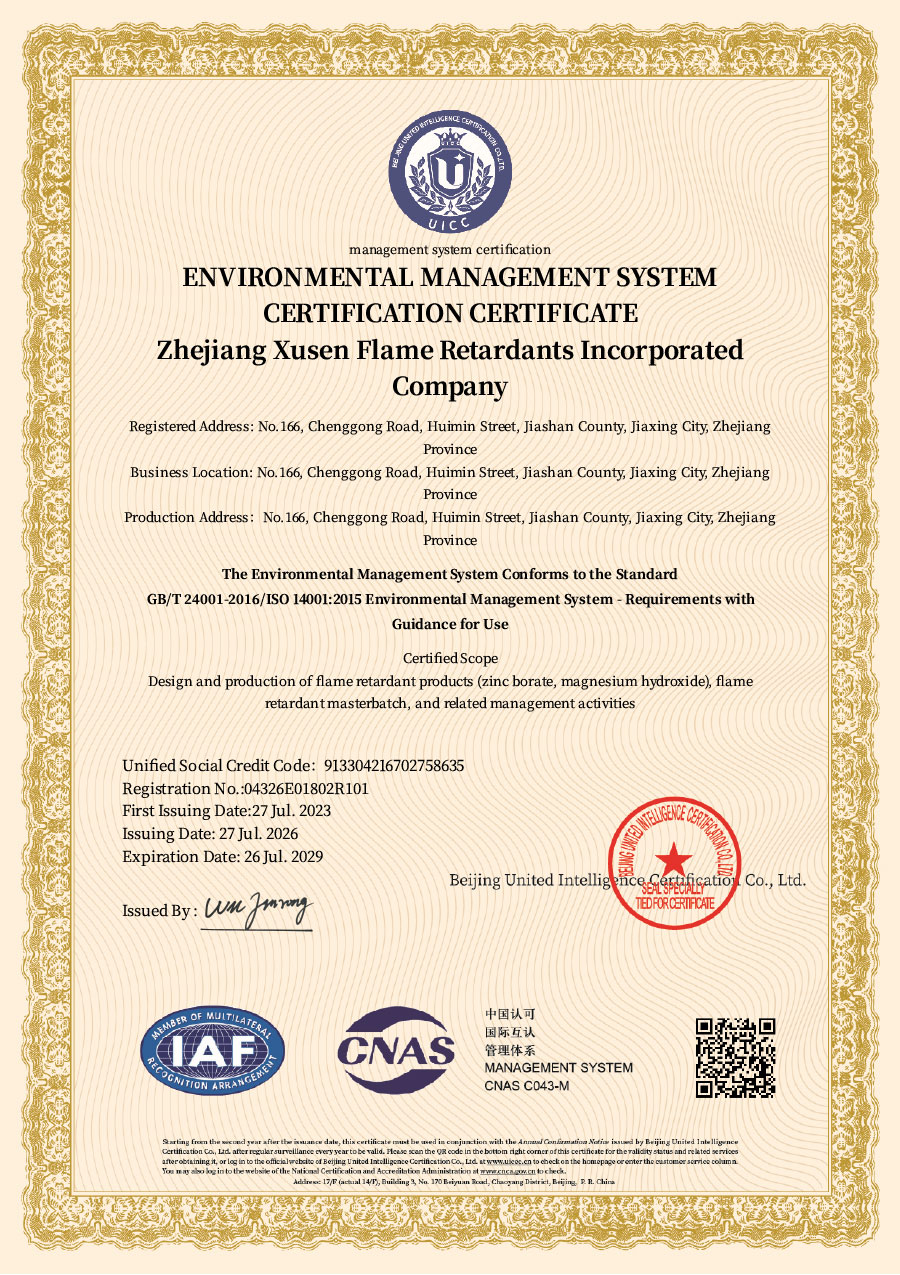
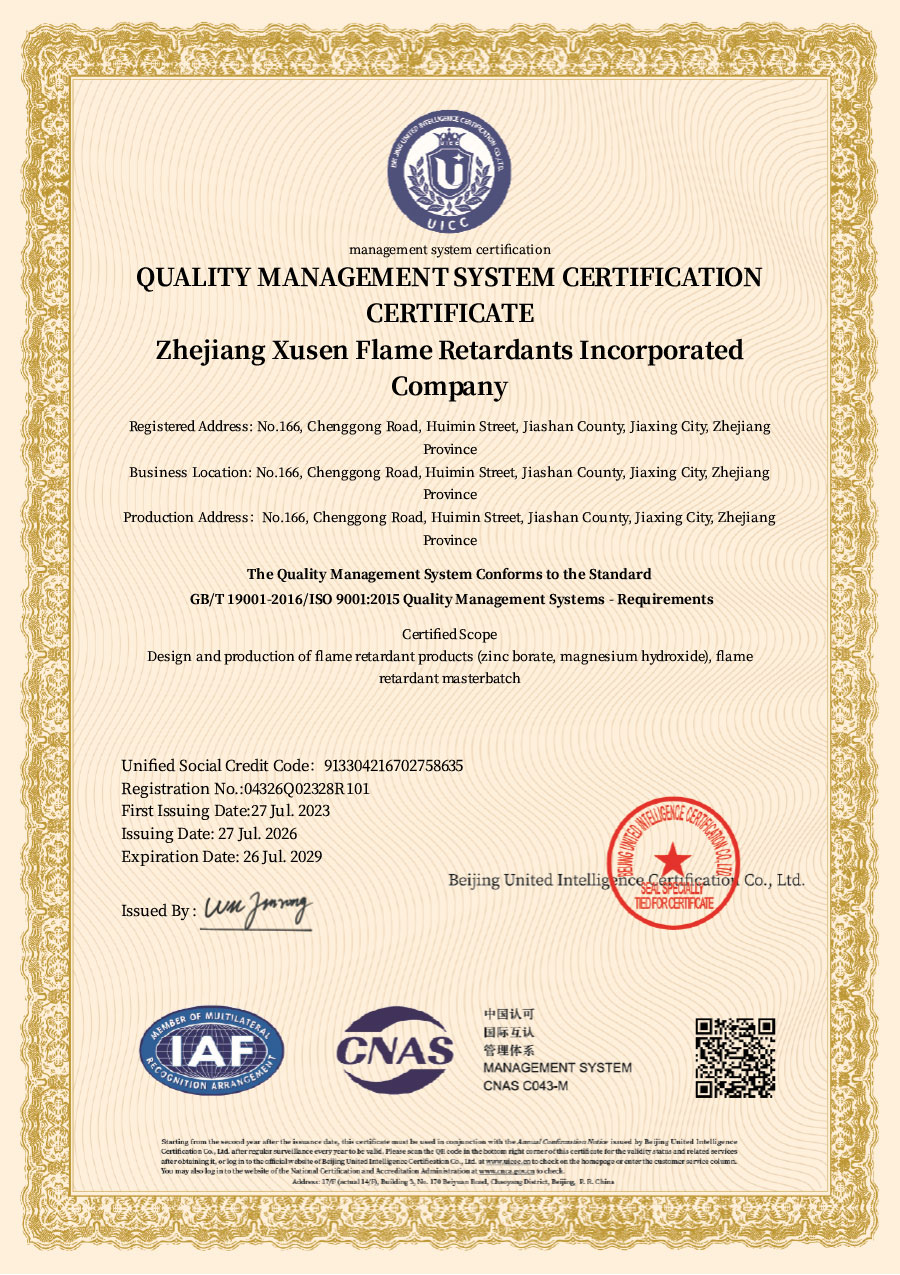
Every step of our product formation process follows the ISO 9001-2015 quality management system. Products comply with WEEE, RoHS and EUP requirements, and our MCA and APP grades are REACH registered. RoHS test reports are issued for APP, ATH, flame retardant for PA and flame retardant for polyolefin, with halogen and RoHS 3.0 test reports for MCA.
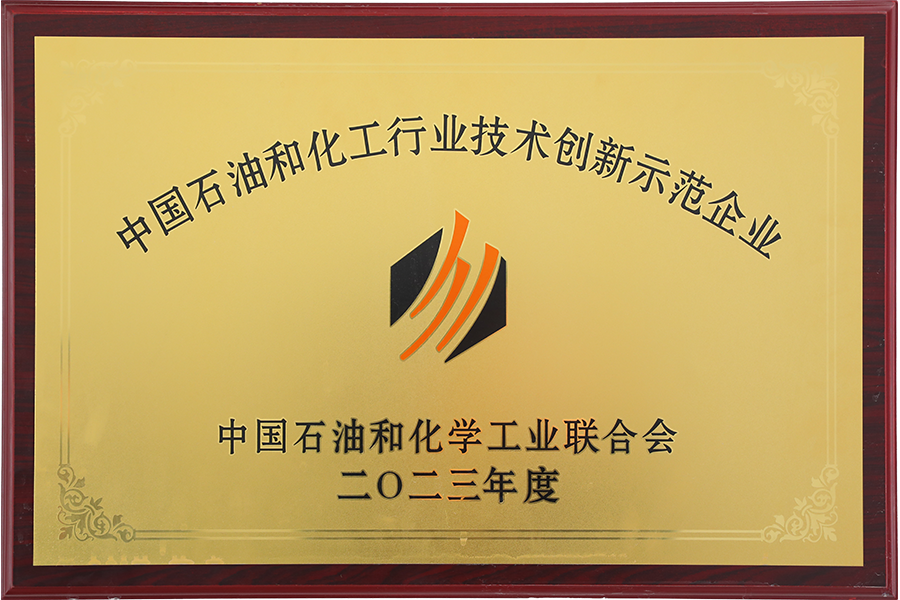
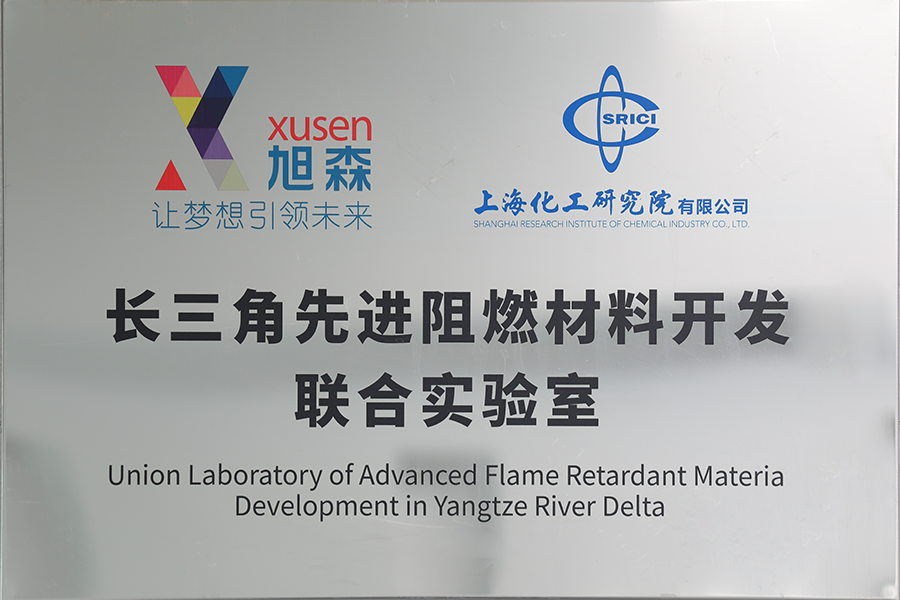
Our Zhejiang provincial-level scientific research laboratory operates alongside a joint laboratory established with the Shanghai Institute of Chemistry, and we participate in China's advanced light industry flame retardant engineering technology research centre with Beijing Technology and Business University, Shandong Haihuai Institute and Shandong Brothers. That work has produced a number of invention and utility model patents and participation in the formulation of national and industry standards.
Information We Use to Configure Your Solution
We prepare a functional additive recommendation and quotation from the working point, not from a catalogue number alone. The inputs below let us match grade, loading and delivery form to your line.
| Project input | What it determines |
|---|---|
| Base resin and grade | Homopolymer, random or impact copolymer, MFI, and whether the resin is virgin, recycled or a blend — sets nucleating behaviour and stabiliser demand |
| Target property set | Stiffness, impact, haze, heat-ageing retention, paint adhesion or burn rating, with the test method and acceptance level |
| Filler and flame-retardant system | Type and loading of talc, calcium carbonate, glass fibre, ATH, APP or intumescent system — sets dispersant and anti-dripping requirements |
| Process window | Melt temperature, residence time, shear level and cycle time, and whether the line is injection, extrusion, blow moulding or film |
| Line configuration | Gravimetric or volumetric feeding, downstream feed points, powder versus masterbatch handling, dust control |
| Compliance target | RoHS, REACH, WEEE, EUP or a customer-specific restricted substance list |
| Sample and trial plan | Quantity required for a machine trial, trial duration, and the measurements that will decide acceptance |
| Packaging and delivery | Bag format, pallet configuration, labelling language and destination |
Packaging, Storage and Handling
Functional additives for PP are supplied in 25 kg bags with a 12-month period stated on the packaging label. Storage is in a cool, dry place, away from direct sunlight and moisture.
Protective measures follow the requirements in the MSDS during use, and packaging is disposed of correctly in line with environmental standards. Recommended process parameters and quantities are empirical starting points; final loading is adjusted to your own equipment, raw materials and process, and is not used as a product acceptance standard.
Frequently Asked Questions
What functional additives for PP does Xusen supply?
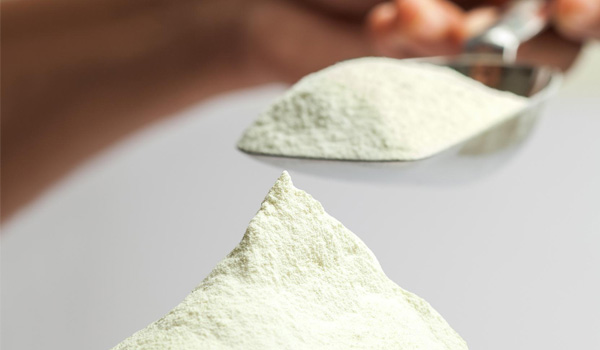
The range covers nucleating agents XS-CH-401 and XS-CH-402, heat resistant stabilizer XS-KY-830, hyperdispersant XS-HD-602, polar modifier XS-PMP-507, and anti-dripping agents XS-FR-A500, XS-FR-A505 and XS-FR-A522. They are supplied as powder in 25 kg bags and can be combined with our composite flame retardants and flame retardant masterbatch in the same PP formulation.
How do I choose between XS-CH-401 and XS-CH-402?
XS-CH-401 is the β-crystal grade for toughening and rigidity enhancement, used where impact strength and elongation are the controlling properties. XS-CH-402 is the α-crystal grade for rigidity and transparency enhancement, used where stiffness, haze and cycle time dominate. The decision follows the part, not the price per kilogram.
Which anti-dripping agent suits a halogen-free flame-retardant PP compound?
XS-FR-A500 is the standard fluorine route for intumescent and phosphorus-nitrogen systems. XS-FR-A505 is the encapsulated fluorine version for lines where dispersion quality and dusting matter. XS-FR-A522 is the silicon route where fluorinated additives are excluded or where extra char promotion is wanted.
What loading of functional additives should be used?
Recommended parameters and quantities are empirical starting points. Final loading is set against the base resin, filler and flame-retardant loading, melt temperature and residence time, and is confirmed on a machine trial. It is not used as a product acceptance standard.
What compliance evidence accompanies the products?
Products comply with WEEE, RoHS and EUP requirements, and MCA and APP grades are REACH registered. RoHS test reports are issued for APP, ATH, flame retardant for PA and flame retardant for polyolefin, with halogen and RoHS 3.0 test reports for MCA. Production follows the ISO 9001-2015 quality management system.
How are the additives packaged and stored?
Functional additives for PP are packed in 25 kg bags with a 12-month period stated on the label. They are stored in a cool, dry place away from direct sunlight and moisture, handled with the protective measures given in the MSDS, and the packaging is disposed of according to environmental standards.
Related Products and Categories
Our portfolio also includes Products, View All Products >>, View All Products >> for applications with different operating ranges, interfaces or integration requirements.