Tel: +86-0573-89103923 / +86 182 6841 1181

E-mail:globalmarketing@xusen.com



 English
 عربى
عربى 简体中文
简体中文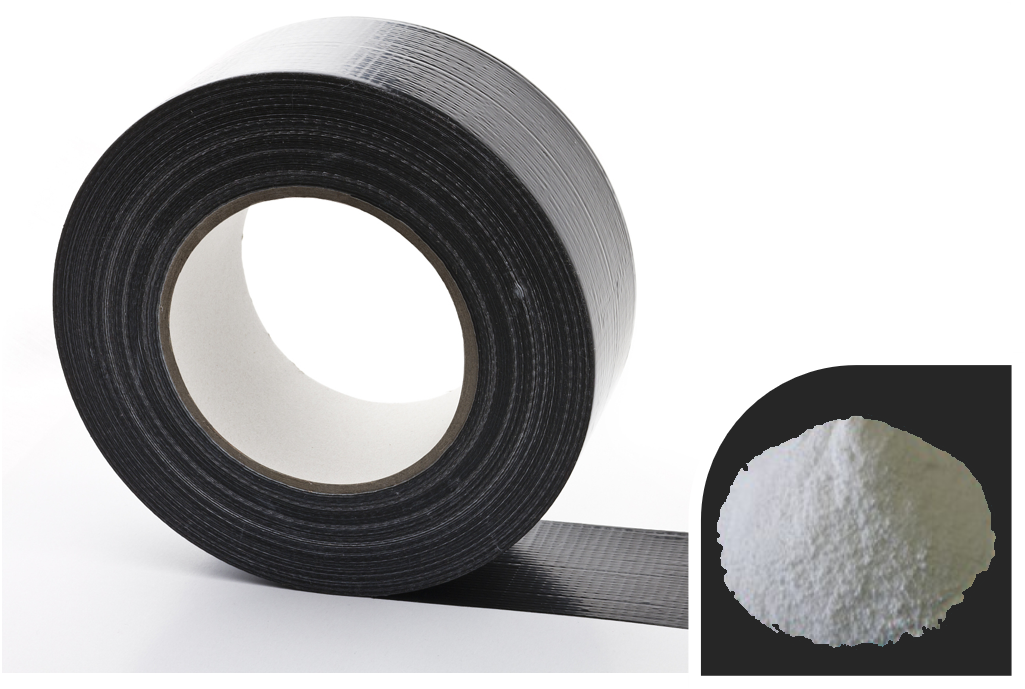
Composite Flame Retardant For Adhesive XS-FR- 308/XS-FR-708
Specification
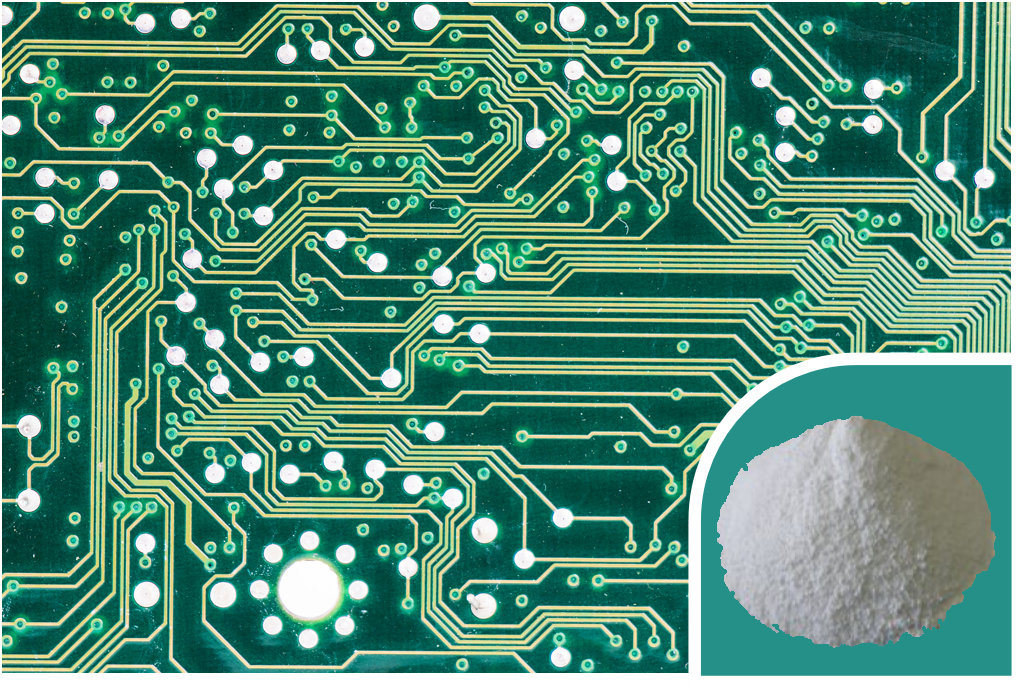
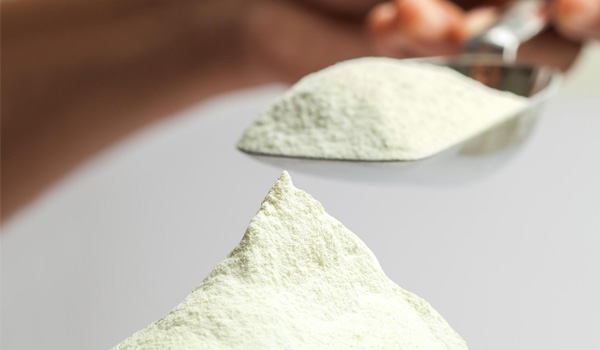
XS-FR-308/XS-FR-708 are nitrogen phosphorus composite, low smoke intumescentflame retardants, which are nitrogen phosphorus macromolecular structures. Afteradding these products, the polyester adhesive coating will foam and expand on thesurface of the coating during hot cracking or burning to form a layer of porous carbonlayer, which plays a role in heat insulation, oxygen insulation and flame retardlancy, andcan play a role in anti dripping. When the flame retardant decomposes, it can alsoproduce a large amount of incombustible gas to dilute the oxygen concentrationaround the combustorXS-fR-C308 also has thermal stability and processingand use performance,and is an ideal and efficient environment-friendly flameretardant XS-fR-C708 conforms to UL510 standard for PVC, PE and rubber insulatingtape.
Details

| Characteristics | Unit | XS-FR-308 | XS-FR-708 |
| Appearance | / | White Powder | White Powder |
| Effective Content | % | ≥99 | ≥99 |
| Water Content | % | ≤0.5 | ≤0.5 |
| Average Particle Size (D50) | um | 5~8 | 4~5 |
XS-FR-C308 is suitable for acrylic pressure-sensitive adhesives, and used for generaPET insulating tapes, with obvious flame-retardant and smoke-eliminating effects. It is recommended to add 15%~25.%.
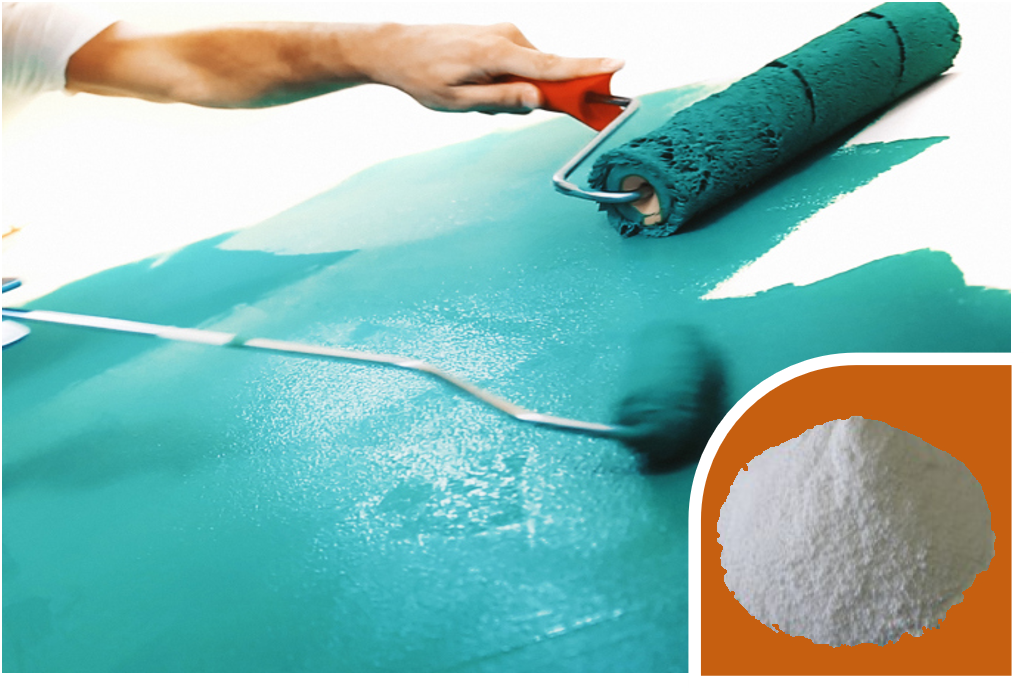
XS-FR-C708 is suitable for flame retardant of solvent-based acrylic pressure-sensitive adhesive, polyurethane, rubber and adhesive. To prepare flame retardant tapes and various coating adhesives on flexible substrates, the recommended dosage is 35%~40 %.
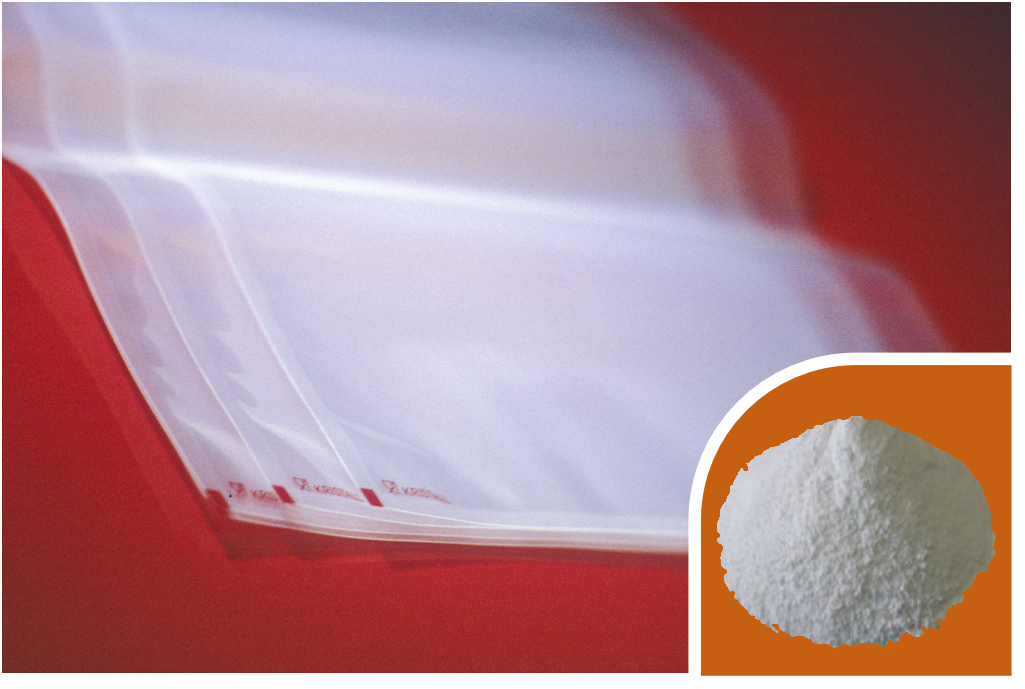
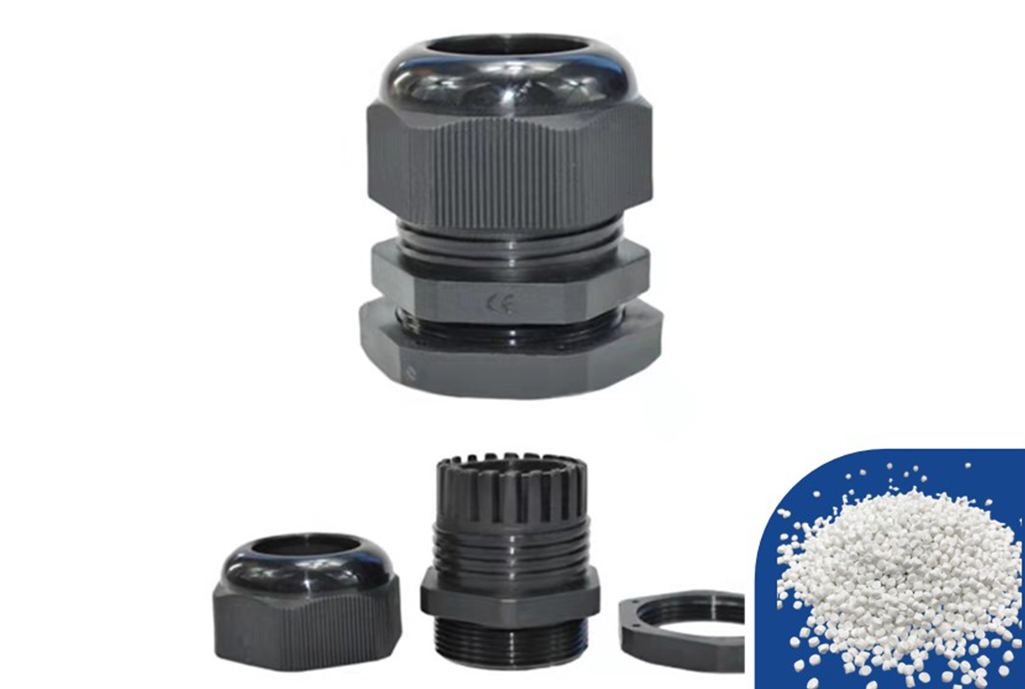
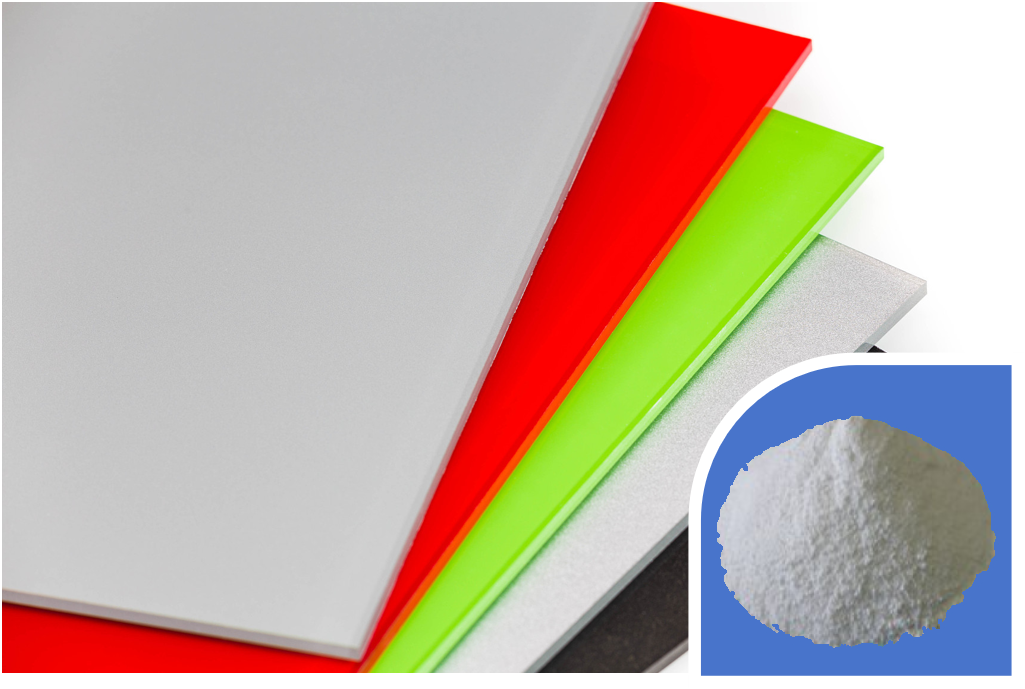
Manufacturing Facility in XUSEN
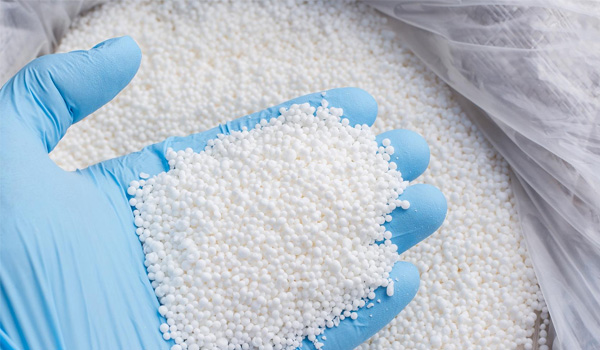
Professional Adhesives Flame Retardant manufacturer in China, We currently achieved an annual production capacity of 12,000 tons. We can also OEM, simply wholesale Nitrogen Phosphorus Composite Flame Retardant For Adhesives direct from manufacturer. We have our own production workshops and warehouses, equipped with complete production and quality inspection equipment.

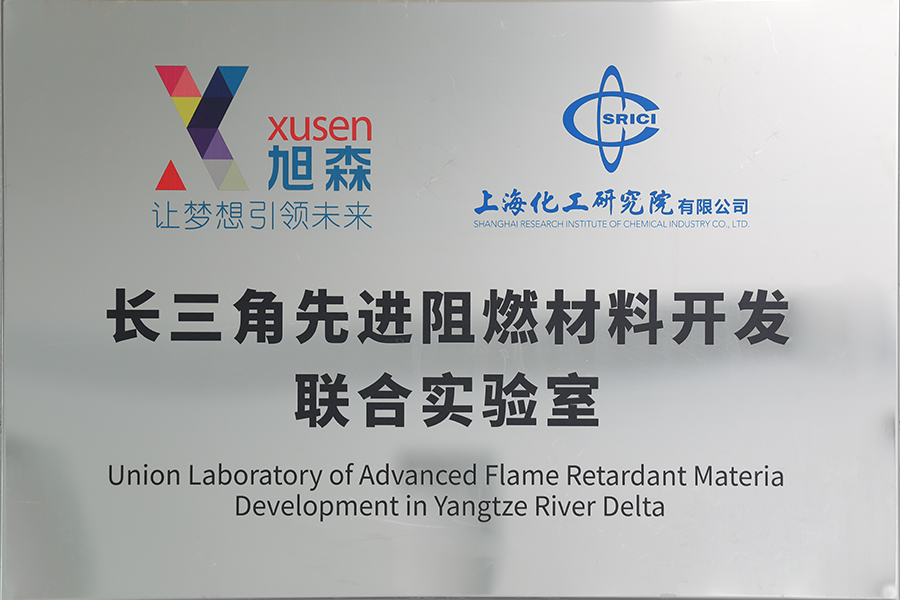
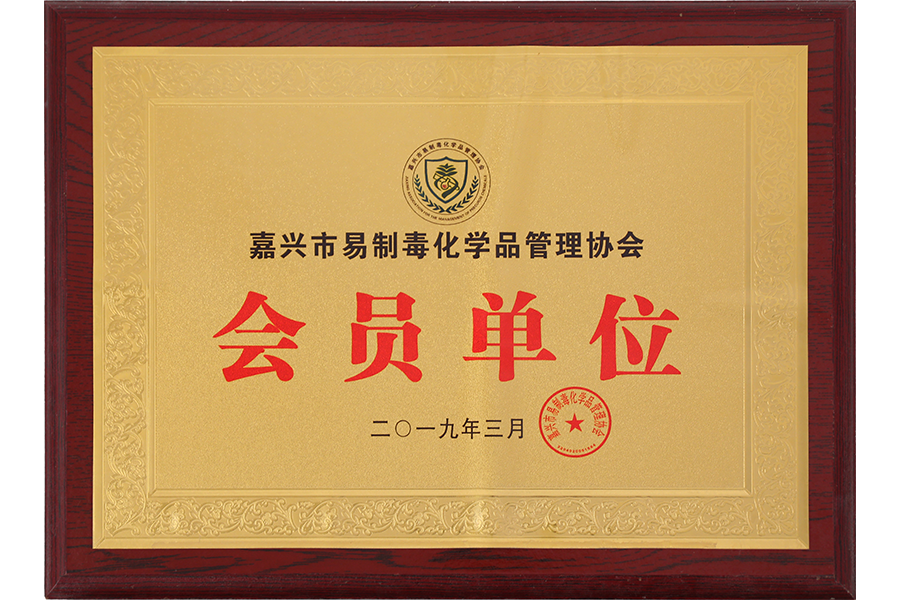
Certificate Of Honor


News
-
What Exactly Is Functional Additives Masterbatch? Functional additives masterbatch is a concentrated mixture of one or more functional additives carried in a resin base, made specifically so plastic p...
READ MORE -
What Is Flame Retardant Masterbatch for PP? Flame retardant masterbatch for PP is a concentrated additive pellet designed specifically to give polypropylene (PP) products the ability to resist ignitio...
READ MORE -
What Is Flame Retardant Masterbatch for PA? Flame retardant masterbatch for PA is a concentrated additive granule specifically designed to be blended with polyamide (nylon) resins such as PA6 and PA66...
READ MORE
Message Feedback
contact details
Address:No. 166, Chenggong Road, Economic Development Zone, Jiashan County, Jiaxing City, Zhejiang Province
TEL: +86-0573-89103923 / +86 182 6841 1181
E-mail: globalmarketing@xusen.com
Quick link
Product
News Center