Tel: +86-0573-89103923 / +86 182 6841 1181

E-mail:globalmarketing@xusen.com



 English
 عربى
عربى 简体中文
简体中文Organic Phosphorus Flame Retardants Explained: The Halogen-Free Solution Manufacturers Are Turning To
2026-07-31
Content
- 1 What Organic Phosphorus Flame Retardants Are and Why They Are Gaining Popularity
- 2 How Organic Phosphorus Flame Retardants Work
- 3 Common Types of Organic Phosphorus Flame Retardants
- 4 Advantages of Choosing Organic Phosphorus Flame Retardants
- 5 Common Applications Across Industries
- 6 Key Considerations When Selecting a Product
- 7 Working Effectively With Flame Retardant Suppliers
- 8 Final Thoughts on Using Organic Phosphorus Flame Retardants
What Organic Phosphorus Flame Retardants Are and Why They Are Gaining Popularity
As manufacturers across the plastics, textile, and electronics industries look for effective ways to reduce fire risk without relying on halogenated chemicals, organic phosphorus flame retardants have become one of the most widely adopted alternatives. These compounds contain phosphorus bonded within an organic molecular structure, allowing them to interrupt combustion through char formation and heat absorption rather than the gas-phase radical suppression typical of halogenated products. This approach has made organic phosphorus flame retardants a preferred choice in applications where halogen-free performance is either required by regulation or requested by environmentally conscious customers.
Beyond their halogen-free profile, organic phosphorus flame retardants are valued for their versatility, since they can be tailored into a wide range of chemical structures to suit different polymer systems, from rigid plastics to flexible foams and textile coatings. Understanding how these compounds function, where they perform best, and what tradeoffs to expect can help product developers make more informed formulation decisions.
How Organic Phosphorus Flame Retardants Work
Unlike halogenated flame retardants that primarily interfere with combustion in the gas phase, organic phosphorus flame retardants generally work in the condensed phase, meaning their protective action takes place on and within the material itself rather than in the surrounding air.
|
Mechanism |
How It Helps Suppress Fire |
|
Char layer formation |
Creates a protective barrier that blocks oxygen and heat transfer |
|
Dehydration promotion |
Accelerates carbon char formation instead of flammable gas release |
|
Phosphoric acid generation |
Forms a glassy, protective coating on the material surface |
|
Heat absorption |
Endothermic decomposition helps cool the surrounding material |
This char-forming mechanism is particularly effective for polymers with oxygen-containing structures, such as cellulose-based textiles or certain polyesters, which is one reason organic phosphorus flame retardants have become especially popular in fabric and paper-based fire safety applications.
Common Types of Organic Phosphorus Flame Retardants
Phosphate Esters
Phosphate esters, such as triphenyl phosphate and resorcinol bis phosphate, are among the most commonly used organic phosphorus flame retardants in engineering plastics, particularly in polycarbonate and acrylonitrile butadiene styrene blends used for electronics housings. These compounds also often function as plasticizers, offering the added benefit of improved processing flexibility alongside fire protection.
Phosphonates
Phosphonate-based organic phosphorus flame retardants are frequently used in polyurethane foams and coatings, where their chemical structure allows for good compatibility with polyol systems commonly used in foam manufacturing. These compounds tend to offer strong thermal stability, making them suitable for applications involving prolonged heat exposure during processing.
Reactive Phosphorus Compounds
Reactive organic phosphorus flame retardants are designed to chemically bond into the polymer backbone during the manufacturing process, rather than simply being blended in as an additive. This approach can significantly reduce the risk of the flame retardant leaching out or migrating to the material surface over time, which is a common concern with additive-type flame retardants in long-term applications.
Advantages of Choosing Organic Phosphorus Flame Retardants
- Halogen-free composition that meets increasingly strict environmental and health regulations in many regions
- Lower smoke and corrosive gas generation during combustion compared to many halogenated alternatives
- Good compatibility with a wide range of polymer systems, including plastics, foams, and textiles
- Ability to be tailored as reactive compounds for improved long-term durability in the finished product
- Dual functionality in some formulations, offering both flame retardancy and plasticizing benefits
These combined advantages explain why organic phosphorus flame retardants have steadily gained market share as manufacturers move away from traditional halogenated formulations in response to evolving regulatory and consumer expectations.
Common Applications Across Industries
Electronics and Electrical Housings
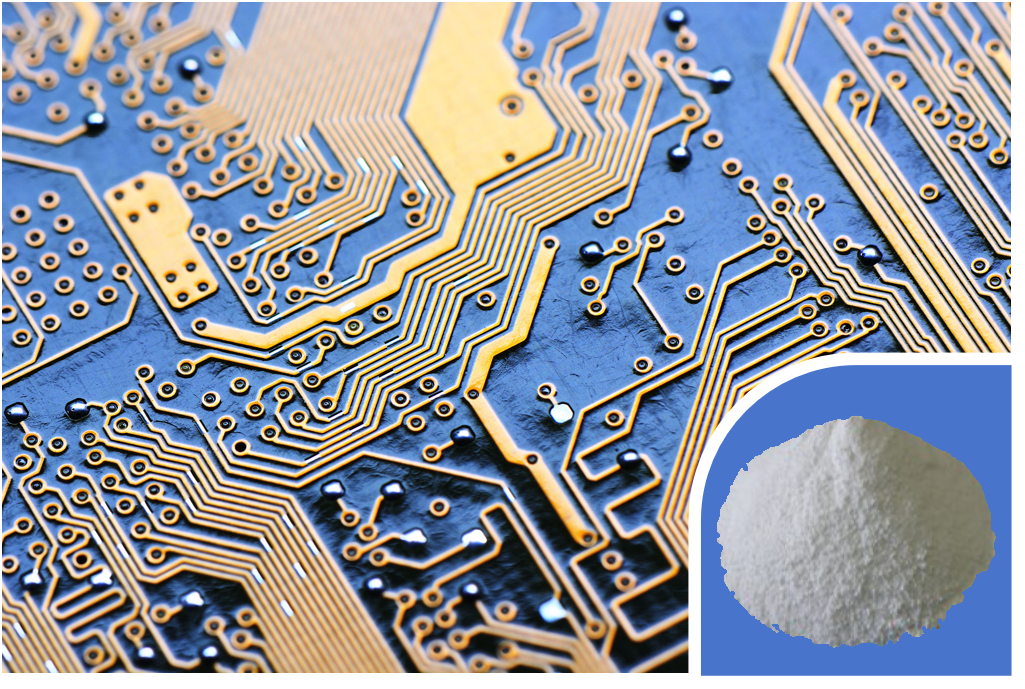
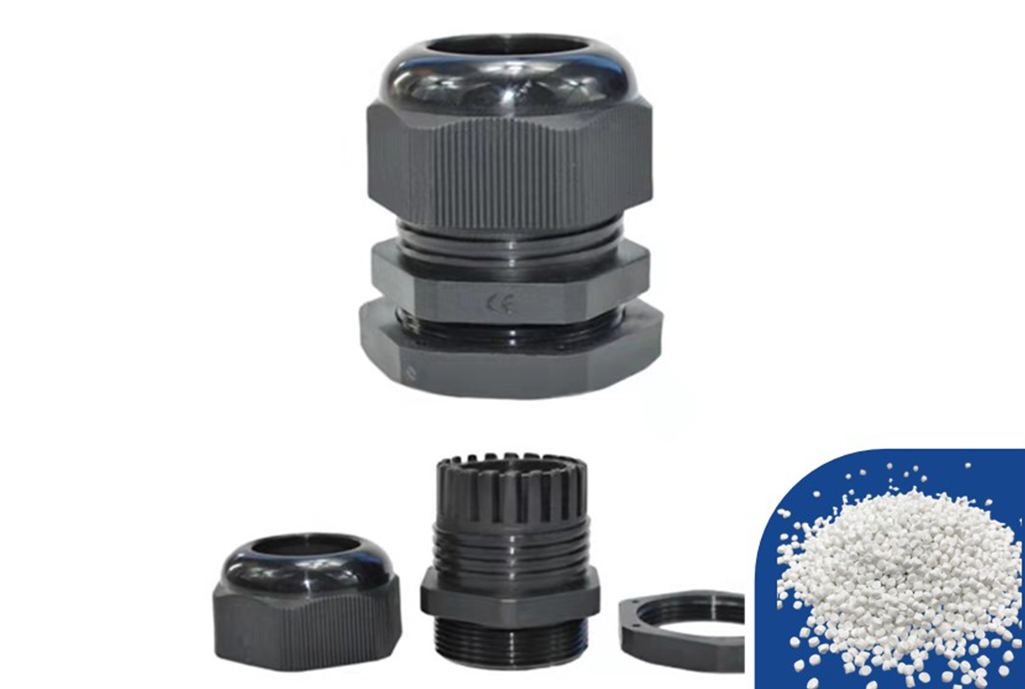
Organic phosphorus flame retardants are widely used in the plastic housings of electronics, appliances, and electrical components, where compliance with fire safety standards is essential for product certification. Their compatibility with engineering plastics like polycarbonate makes them a practical choice for manufacturers needing both fire performance and reliable mechanical properties.
Textiles and Upholstery
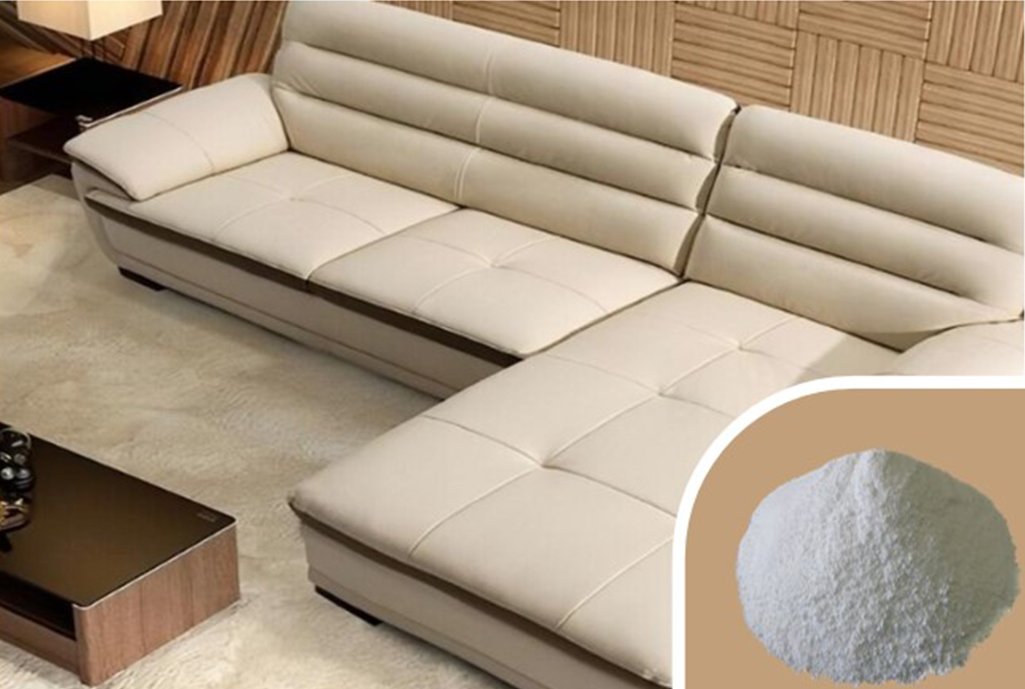
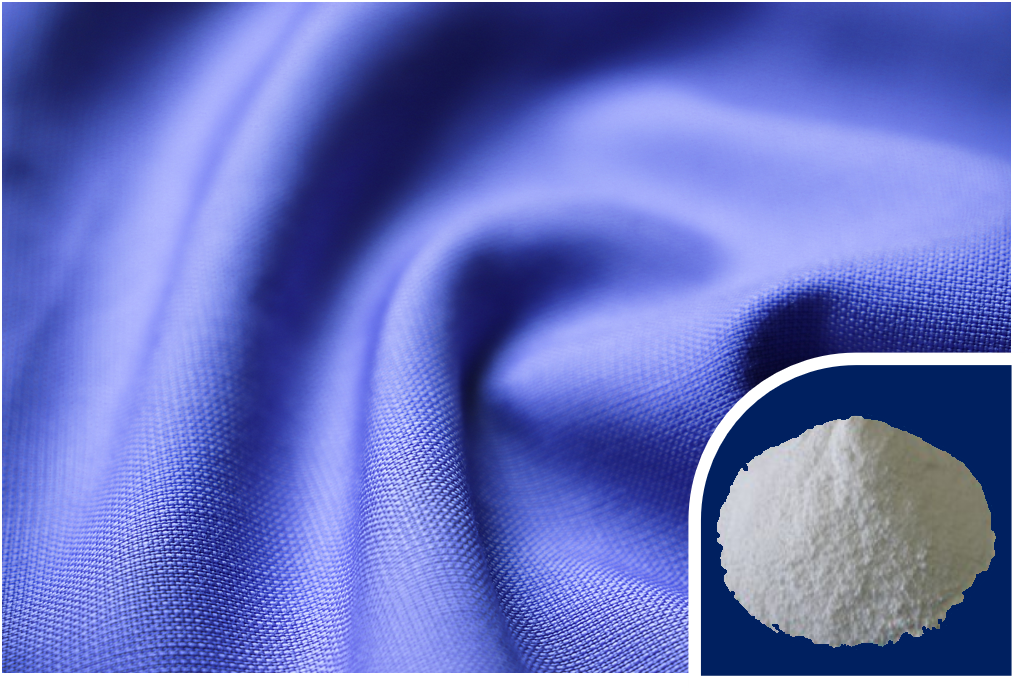
In the textile industry, organic phosphorus flame retardants are commonly applied to fabrics used in furniture upholstery, curtains, and workwear that require fire resistance certification. Because many of these compounds work well with cellulose-based fibers, they are particularly effective when applied to cotton or cotton-blend textiles.
Polyurethane Foam Products
Furniture cushioning, mattresses, and insulation foam often incorporate organic phosphorus flame retardants to meet fire safety standards without introducing the environmental persistence concerns associated with some halogenated foam additives. Phosphonate-based compounds in particular have found strong adoption in this application due to their compatibility with polyurethane chemistry.
Key Considerations When Selecting a Product
Evaluating Thermal Stability Requirements
Different organic phosphorus flame retardants have varying thermal stability profiles, and choosing a compound that can withstand your specific processing temperatures without premature degradation is essential. Reviewing technical data sheets for decomposition temperature ranges helps prevent issues like off-gassing or reduced flame retardant effectiveness during manufacturing.
Balancing Loading Levels With Mechanical Properties
Achieving the desired fire rating often requires a specific loading percentage of the flame retardant compound, but higher loading levels can sometimes affect the mechanical strength, flexibility, or surface finish of the final product. Testing multiple loading levels during formulation development helps identify the right balance between fire safety performance and product usability.
Confirming Regulatory Approval for Target Markets
Since regulatory requirements for flame retardant chemicals vary between regions and industries, confirming that a specific organic phosphorus flame retardant is approved for your target market and application is a necessary step before finalizing a formulation. This is particularly important for products intended for children's furniture, bedding, or other categories subject to additional scrutiny.
Working Effectively With Flame Retardant Suppliers
- Request detailed technical data sheets covering decomposition temperature, recommended loading range, and polymer compatibility
- Ask for third-party fire testing results relevant to your specific product category and target certification standard
- Request small batch samples for in-house testing before committing to large volume purchases
- Confirm consistent supply chain reliability, especially for reactive compounds that may require specialized production processes
- Discuss any known compatibility issues with other additives already used in your existing formulation
Building a strong working relationship with a knowledgeable supplier can significantly streamline the process of integrating organic phosphorus flame retardants into new or existing product lines, particularly when navigating complex regulatory requirements across multiple markets.
Final Thoughts on Using Organic Phosphorus Flame Retardants
Organic phosphorus flame retardants offer manufacturers a practical, halogen-free path to meeting fire safety standards across plastics, textiles, and foam applications. By carefully evaluating thermal stability, loading requirements, and regulatory approval for target markets, product developers can select a compound that delivers reliable fire performance while maintaining the mechanical and aesthetic qualities their customers expect. As environmental and safety regulations continue to evolve, these versatile compounds are likely to remain a central part of fire safety formulation strategies across many industries.






contact details
Address:No. 166, Chenggong Road, Economic Development Zone, Jiashan County, Jiaxing City, Zhejiang Province
TEL: +86-0573-89103923 / +86 182 6841 1181
E-mail: globalmarketing@xusen.com
Quick link
Product
News Center