

 English
 عربى
 简体中文

 +86-0573-89103923 / +86 182 6841 1181
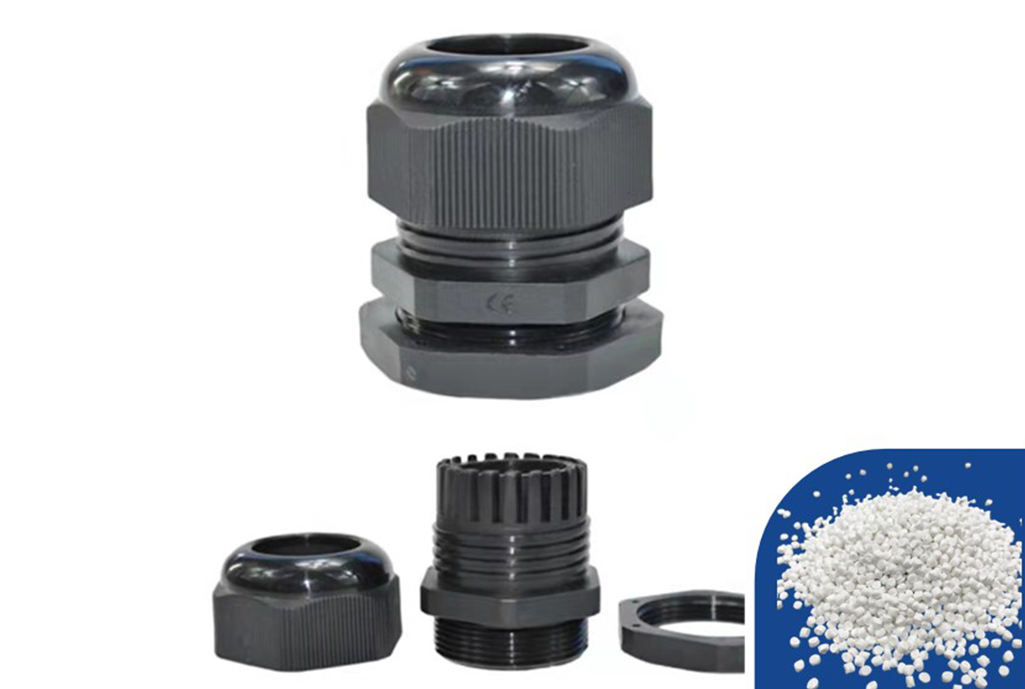


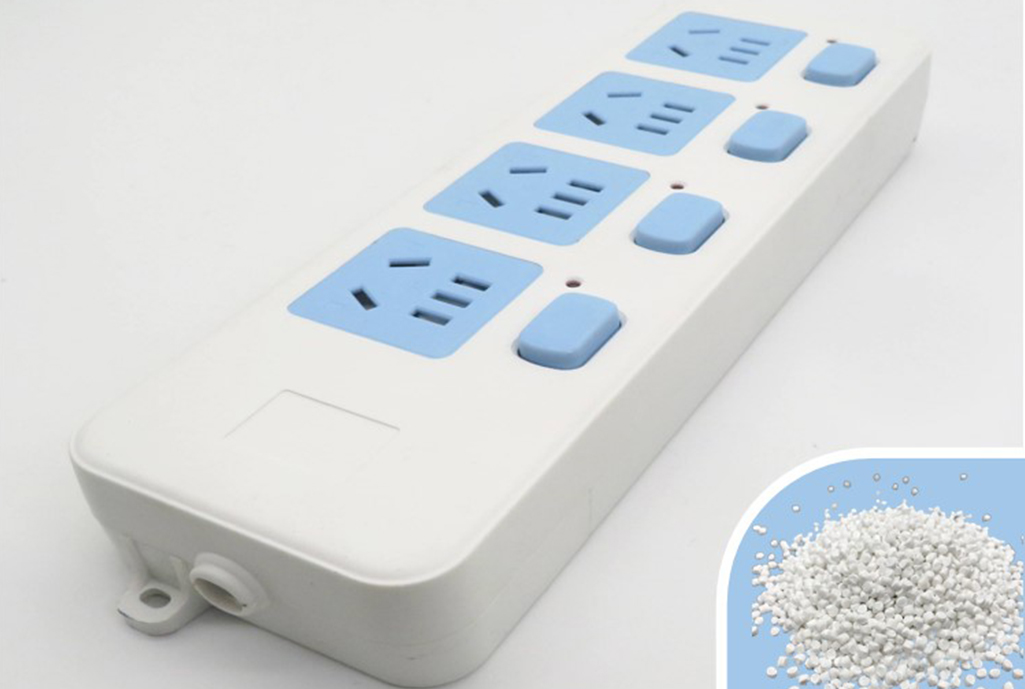
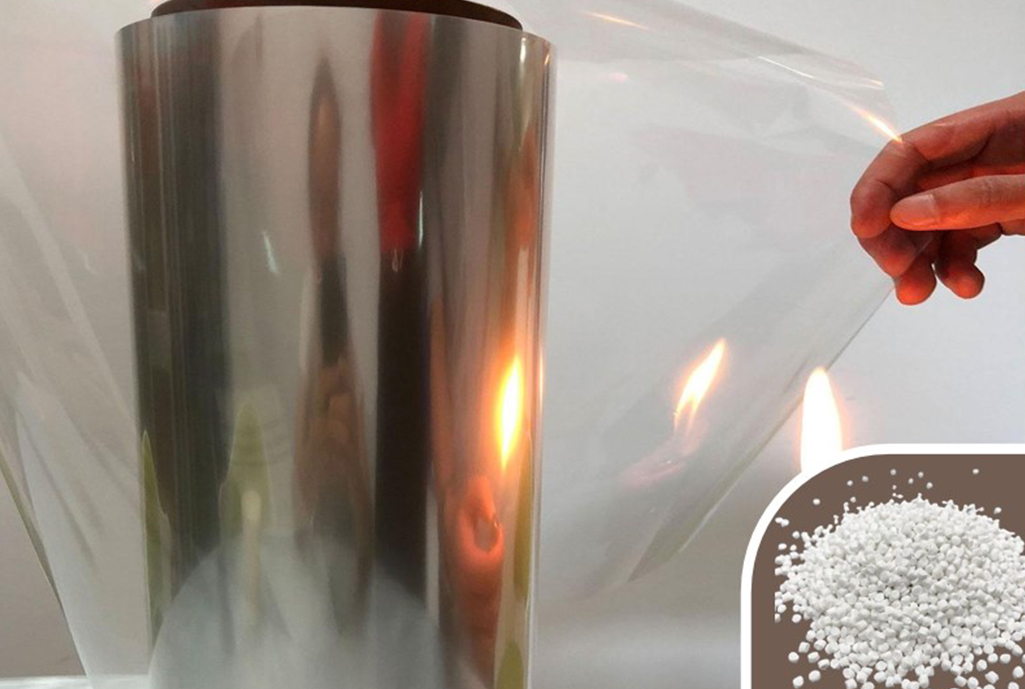
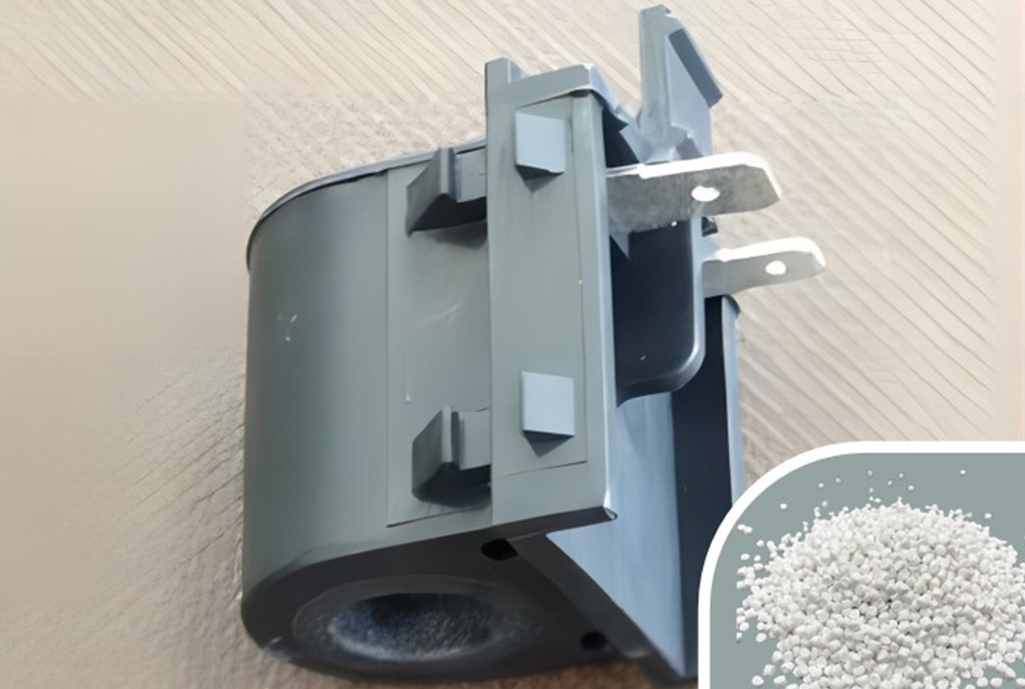

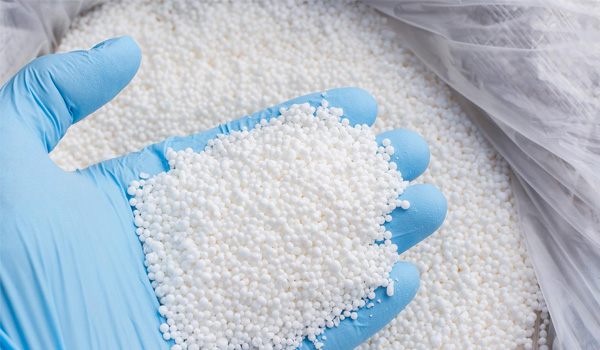


Zhejiang Xusen Flame Retardants Incorporated Company has developed and produced halogen-free flame retardants since 1997, and masterbatch is the delivery form most of our customers run directly at the extruder or the injection press. We supply flame retardant masterbatch as a pre-dispersed pellet: a polymer carrier — PA6, polypropylene or a polyester-compatible system — holding a defined proportion of flame retardant, so the additive reaches the melt already dispersed instead of being weighed, tumbled and fed as powder at the line.
Our Flame retardant masterbatch manufacturer range is organised by carrier polymer rather than by additive chemistry, because the carrier decides how a grade behaves in your process. The families below cover polyamide, polypropylene and polyester compounds, with grades formulated to reach UL-94 V-0 or V-2 in the customer's own test specimen and with adaptive reformulation where a standard grade does not match the working point.
Why Masterbatch Replaces Powder at the Line
Masterbatch exists to solve four practical problems that appear as soon as a flame retardant is dosed as powder: difficult unloading from the bag or silo, poor dispersion in the melt, uneven mixing between batches, and dust in the production hall. Because the masterbatch pre-disperses the flame retardant in a carrier resin, the finished part usually gains better physical properties than the same additive added as powder.
- Consistent let-down: flame retardant content is fixed in the pellet, so loading is set by the dosing ratio rather than by manual weighing.
- Cleaner handling: no powder dust at the feed throat, less housekeeping, simpler protective measures for operators.
- Better dispersion: pre-dispersion in the carrier reduces the agglomerates that show up as black or white points on the surface.
- Carrier matching: the carrier resin is chosen to match the base polymer, so viscosity and compatibility stay in range.
Product Range and Application Fit
The masterbatch line is grouped into three carrier families. Model numbering follows the flame retardant content: on PP grades, the last two digits indicate the flame retardant proportion in the masterbatch.
| Carrier family | Series / grade | Flame retardant system | Typical target | Application fit |
|---|---|---|---|---|
| PA6, PA66, PA12, PPA and their toughened or fibre-reinforced compounds | XS-FR-M3450 | MCA in a PA6 carrier | Halogen-free, low smoke | Connectors, terminal blocks, switchgear housings, cable accessories |
| PA, toughened and impact-modified | XS-FR-M3365 | Phosphorus-nitrogen system in a PA6 carrier | UL-94 V-0 oriented | Electrical housings, automotive under-hood parts, industrial hardware |
| PA, toughened | XS-FR-M3380 | Phosphorus-nitrogen system in a toughening-agent carrier | Flame retardancy with impact retention | Glass-filled and impact-modified nylon parts |
| PP homopolymer and modified PP | V-0 grade | Intumescent phosphorus-nitrogen composite | UL-94 V-0 | Corrugated pipe, conduit, appliance housings, profiles |
| PP homopolymer and modified PP | V-2 grade | Composite system | UL-94 V-2 | Interior parts and profiles with lower flame retardant demand |
| PBT and PET | XS-FR-M1380 / XS-FR-M1950 | Composite flame retardant system | Halogen-free flame retardancy for polyester | Connectors, coil bobbins, e-motor components |
| PBT | XS-FR-M1680 | ATO-based masterbatch | Additive masterbatch for PBT compounds | PBT grades requiring an ATO masterbatch |
Carrier Systems in Detail
Polyamide — PA6, PA66, PA12 and PPA
Our PA grades are built for PA6, PA66, PA12, PPA and their toughening and fibre-adding modified materials. Two additive routes are available: an MCA-based grade carried in PA6, and phosphorus-nitrogen grades carried in PA6 or in a toughening agent, which is the route we use when impact strength has to survive the flame retardant package.
- MCA route for unfilled and lightly filled nylon where low smoke and halogen-free chemistry matter.
- P/N route where a higher rating is required in glass-filled or otherwise demanding parts.
- Toughening-agent carrier keeps the masterbatch compatible with impact-modified compounds.
Polypropylene — V-0 and V-2 Grades
PP masterbatch is supplied in V-0 and V-2 grades for PP homopolymer and for toughening and fibre-adding modified PP. The carrier is PP, so the masterbatch dilutes into the base resin without introducing a foreign polymer phase.
- V-0 grade for corrugated pipe, conduit and appliance parts.
- V-2 grade for parts with lower flame retardant demand.
- Let-down ratio is agreed with the converter so flame retardant content in the final compound is reproducible.
Polyester — PBT and PET
For PBT and PET we supply a composite flame retardant masterbatch in the XS-FR-M1380 / M1950 series, together with the ATO masterbatch for PBT, XS-FR-M1680. Polyester runs hot, so the carrier and the additive package are selected together rather than separately, keeping the system stable inside the polyester processing window.
Critical Specifications We Fix Before a Grade Is Confirmed
- Carrier polymer and melt flow: matched to the base resin so the masterbatch disperses without a viscosity mismatch.
- Flame retardant content in the masterbatch: set by the let-down ratio your dosing equipment can actually hold.
- Target rating and test method: UL-94 V-0 or V-2, glow-wire and limiting oxygen index, stated against the specimen thickness you use.
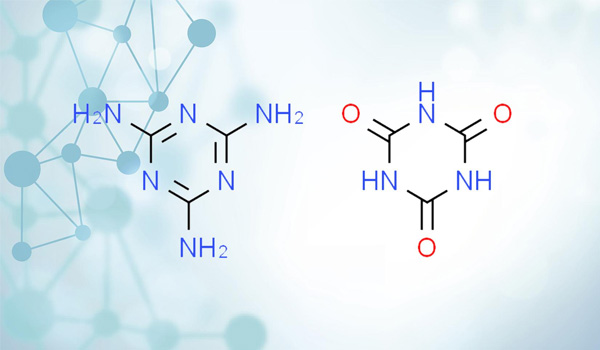
- Thermal window: MCA is stable to roughly 300–320 °C and decomposes around 350 °C, so barrel temperatures and residence time are checked against the grade.
- Mechanical retention: tensile, flexural and impact values after let-down, not only the flame test result.
- Surface quality: dispersion checked for black and white points, which matters most in thin-wall and high-gloss parts.
- Electrical and durability behaviour: comparative tracking index, dielectric strength, water solubility and migration resistance for parts carrying current or exposed to humidity.
Manufacturing Base, Capacity and Quality Control
We operate two production bases, in Jiashan, Zhejiang and Juancheng, Shandong, with a combined annual capacity of 12,000 tons that continues to expand. Both sites run their own production workshops and warehouses with production and quality inspection equipment on site.
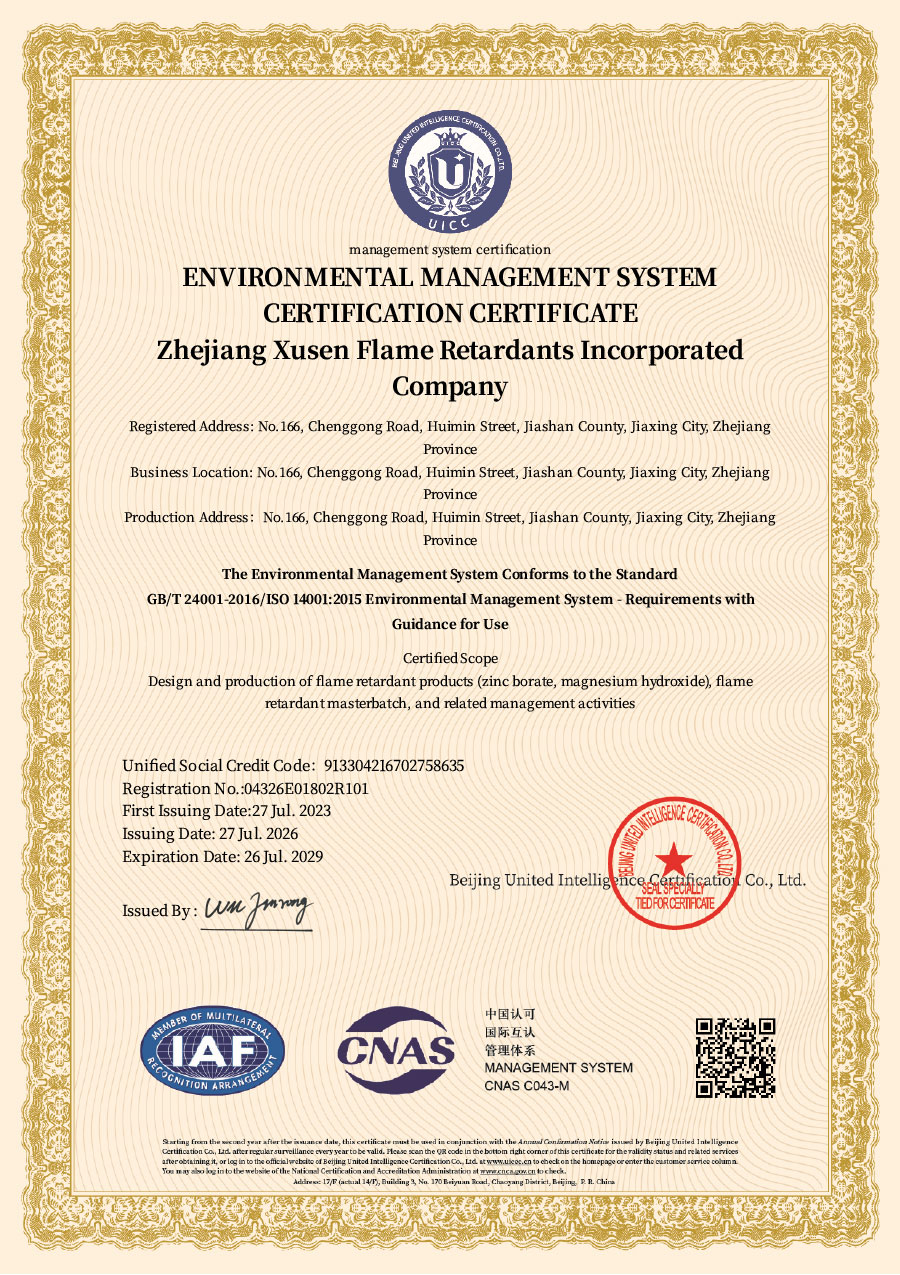
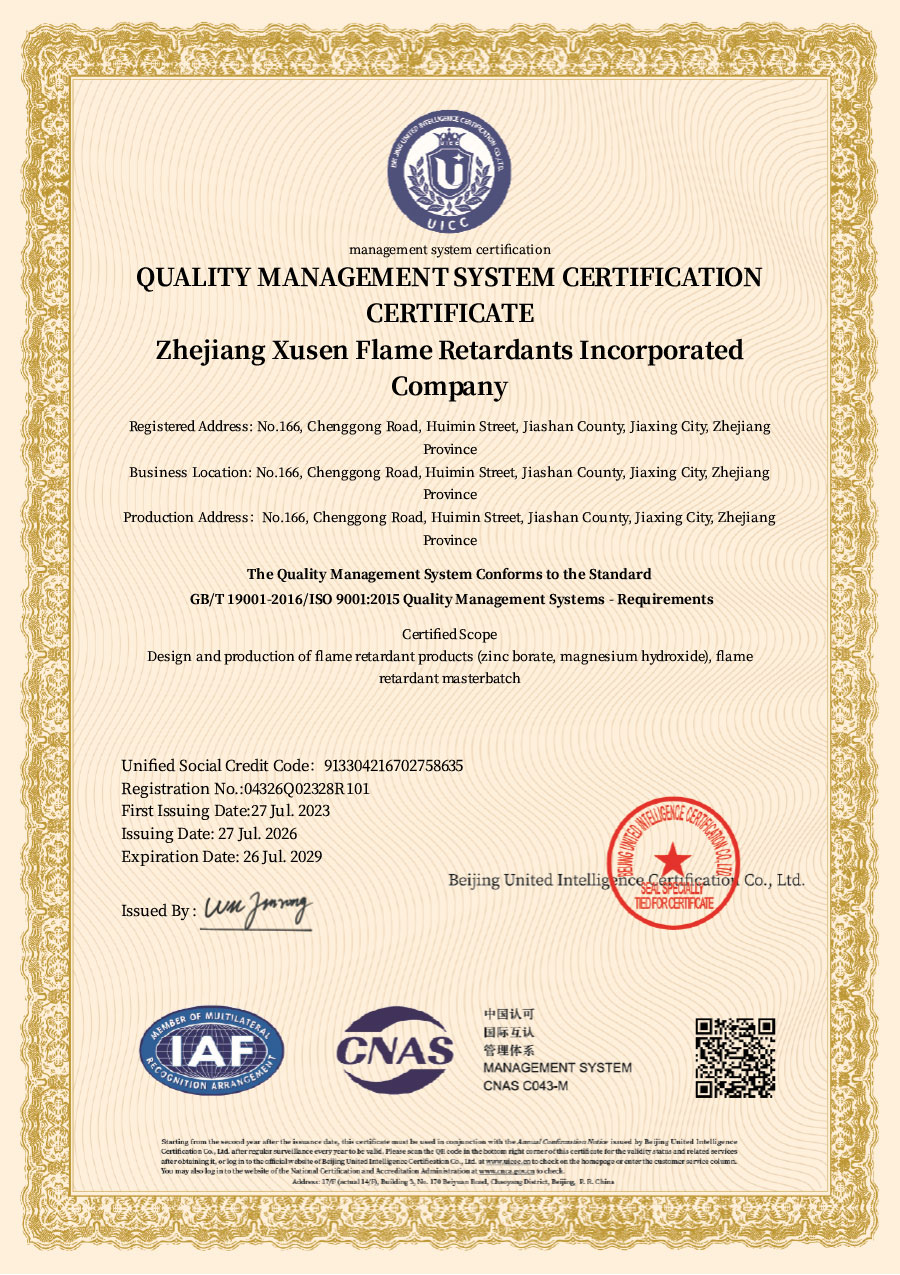
- Every step of product formation follows the ISO 9001-2015 quality management system.
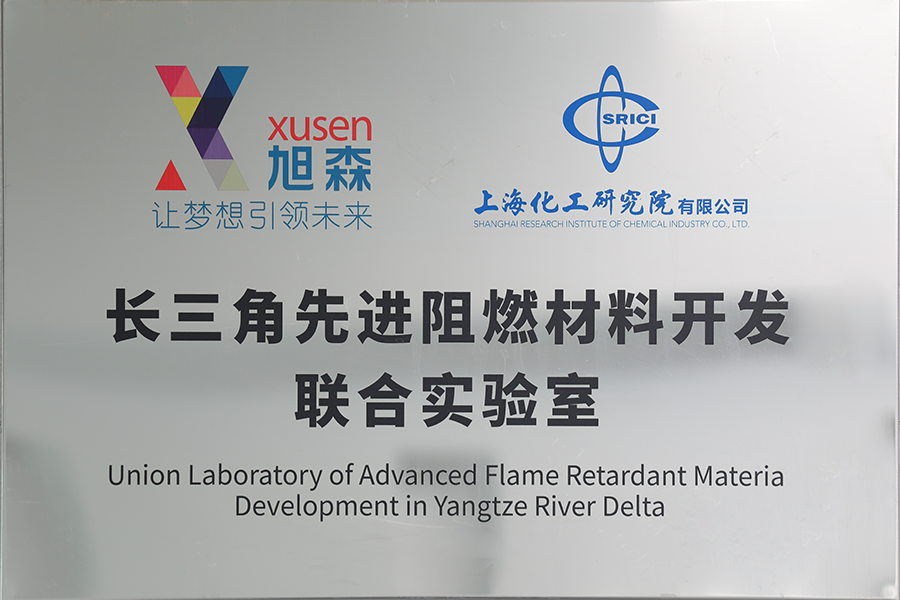
- A Zhejiang provincial-level scientific research laboratory, plus a joint laboratory with the Shanghai Institute of Chemistry for advanced flame retardant materials.
- Cooperation with Beijing Technology and Business University, Shandong Haihuai Institute and Shandong Brothers forms a light industry flame retardant engineering technology research centre.
- Four technology platforms support the masterbatch line: synthesis, composite flame retardant technology, surface treatment and masterbatch manufacturing.
Compliance Evidence and Documentation
Halogen-free chemistry is the base of the masterbatch line, and the documentation follows the same route. Our products comply with the WEEE, RoHS and EUP directives, and MCA and APP are REACH registered.
- RoHS test reports are held for APP, ATH, flame retardant for PA and flame retardant for polyolefin.
- MCA is supported by a halogen test report and a RoHS 3.0 report.
- Technical data sheets, MSDS and packaging labels travel with each shipment, and compliance targets are fixed at quotation stage so grade and documentation are agreed together.
Adaptive Improvement and Custom Masterbatch
Standard grades cover the common working points, and we make adaptive improvements to them where a customer's process or part characteristics call for it. That can mean shifting the carrier, changing the flame retardant loading, adjusting surface treatment for dispersion, or reformulating around a reinforcement or toughening package already present in the compound. Custom masterbatch is produced against the agreed specification rather than selected from a catalogue alone.
Information We Use to Configure Your Solution
| Information we need | How we use it |
|---|---|
| Carrier polymer, grade and melt flow index | Selects the carrier resin and matches melt viscosity so the masterbatch disperses cleanly |
| Target rating and test standard, with specimen thickness | Sets the flame retardant system and loading for the rating you must reach |
| Part wall thickness and geometry | Thin sections need higher loading and tighter dispersion control |
| Processing window: barrel temperatures, residence time, shear | Keeps the flame retardant below its decomposition range during compounding and moulding |
| Reinforcement and toughening package already in the compound | Adjusts carrier and loading so mechanical properties hold after let-down |
| Let-down ratio and dosing equipment | Fixes the flame retardant content inside the masterbatch pellet |
| Colour, surface appearance and odour requirements | Drives surface treatment and screening of the additive package |
| Annual volume, packaging format and delivery scope | Plans production scheduling, packing and shipment documentation |
Packaging, Storage and Handling
Masterbatch is packed in 25 kg bags with a 12-month shelf life, and the packaging label carries the grade and batch details. Product should be stored in a cool, dry place. During use, the protective measures in the MSDS apply, and packaging is disposed of according to local environmental requirements.
Frequently Asked Questions
What is the difference between flame retardant masterbatch and a powder flame retardant?
Masterbatch carries the flame retardant pre-dispersed in a polymer carrier, so it feeds as pellets instead of powder. That removes powder unloading and dust problems, gives more even mixing between batches, and generally produces better physical properties in the finished part.
Which masterbatch should I start with for PA6 or PA66 parts?
For unfilled and lightly filled nylon, the MCA-based XS-FR-M3450 in a PA6 carrier is the usual starting point. Where the part is glass-filled or needs a higher rating, the phosphorus-nitrogen grades XS-FR-M3365 and XS-FR-M3380 are the better fit, and the toughening-agent carrier version protects impact strength in modified compounds.
Can your PP masterbatch reach UL-94 V-0?
We supply PP masterbatch in both V-0 and V-2 grades for PP homopolymer and for toughening and fibre-adding modified PP. The rating is confirmed on the customer's own specimen at the agreed thickness and let-down ratio, because wall section and loading both affect the result.
What carrier do you use for PBT and PET?
The polyester line uses a composite flame retardant masterbatch in the XS-FR-M1380 / M1950 series, plus the ATO masterbatch XS-FR-M1680 for PBT. Carrier and additive package are selected together so the system stays stable in the hot polyester processing window.
What happens if a standard grade reduces impact strength in a glass-filled nylon?
We make adaptive improvements to the standard grades for exactly this situation — shifting the carrier, changing the flame retardant loading or reformulating around the reinforcement and toughening package already in your compound. Send the base resin data and the mechanical targets and we will configure the grade against them.
What do you need from us to prepare a configuration and quotation?
Base polymer and melt flow, target rating with test method and thickness, part geometry, processing window, existing reinforcement or toughening package, let-down ratio and dosing equipment, colour requirements, annual volume and packaging format. With those points we can fix the carrier, the flame retardant content and the documentation package, and quote against a defined specification.
Related Products and Categories
Our portfolio also includes Products, Melamine Cyanurate XS-MC-15 Series, Melamine Cyanurate XS-MC-10/ 25 / 50 Series for applications with different operating ranges, interfaces or integration requirements.