Tel: +86-0573-89103923 / +86 182 6841 1181

E-mail:globalmarketing@xusen.com



 English
 عربى
عربى 简体中文
简体中文Melamine Cyanurate Explained: How This Halogen-Free Flame Retardant Works and How to Use It
2026-10-16
Content
- 1 What Is Melamine Cyanurate and Why Do Plastics Makers Use It?
- 2 How Melamine Cyanurate Flame Retardant Works
- 3 Best Applications for MCA Flame Retardant
- 4 How to Choose the Right Melamine Cyanurate Grade
- 5 Processing Tips for Compounding With Melamine Cyanurate
- 6 Melamine Cyanurate vs Other Flame Retardants
- 7 Safety, Storage and Environmental Notes for MCA
- 8 Common Problems With Melamine Cyanurate and How to Fix Them
What Is Melamine Cyanurate and Why Do Plastics Makers Use It?
Melamine cyanurate, often shortened to MCA, is a white, fine crystalline powder formed when melamine and cyanuric acid react in equal molar amounts. The two molecules link through hydrogen bonds into a layered, graphite-like structure. This structure is the reason melamine cyanurate is stable at normal processing temperatures yet breaks down at the temperatures seen in a fire. It is one of the most widely used halogen-free flame retardants, particularly for polyamides such as PA6 and PA66.
Manufacturers choose MCA flame retardant for three practical reasons. First, it contains no chlorine or bromine, so it helps products meet halogen-free requirements in electronics, appliances and automotive parts. Second, it has low smoke and low toxicity compared with many halogenated systems. Third, it is light-colored and keeps parts easy to dye or leave natural. The compound is sold in several particle sizes, and the grade you choose has a big impact on how the final part performs.
Typical physical properties of melamine cyanurate are shown below. Values vary slightly by supplier, so always check the technical data sheet.
| Property | Typical Value |
| Appearance | White powder |
| Decomposition (sublimation) temperature | Above 320°C |
| Nitrogen content | About 49% |
| Median particle size (D50) | 1 to 5 microns for fine grades |
| Moisture content | 0.2% or lower |
How Melamine Cyanurate Flame Retardant Works
When a plastic part containing MCA is exposed to flame, the compound does not burn. Instead, it absorbs heat as it sublimes and decomposes, which cools the surface of the polymer. The decomposition releases nitrogen-rich gases, mainly ammonia and nitrogen, that dilute the oxygen and flammable gases near the flame. This is the gas-phase effect.
In nylon, there is an extra effect that makes melamine cyanurate especially effective. As the polymer melts and drips, the molten material carries away heat and flame with it. Dripping removes fuel from the burning area, which helps the sample self-extinguish. This is why MCA can reach a UL 94 V-0 rating in unreinforced PA6 and PA66 without a complex additive package.
Key Mechanisms at a Glance
- Endothermic decomposition that cools the polymer surface.
- Release of nitrogen gases that dilute oxygen and fuel vapors.
- Promotion of melt dripping in polyamides, which carries heat away.
- Low smoke generation compared with halogenated systems.
Best Applications for MCA Flame Retardant
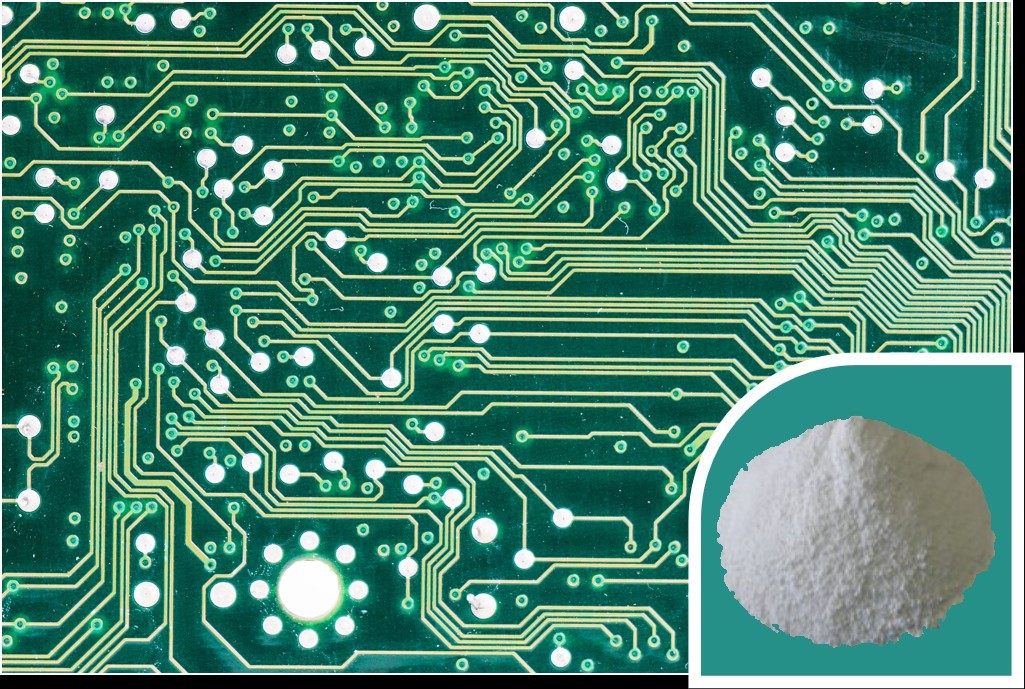
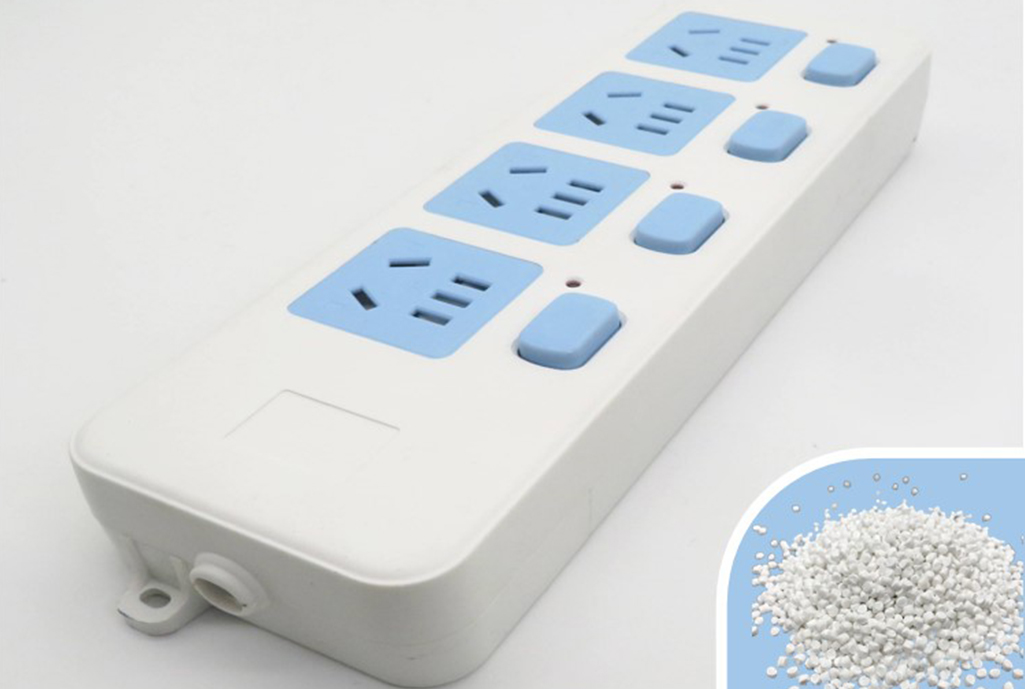
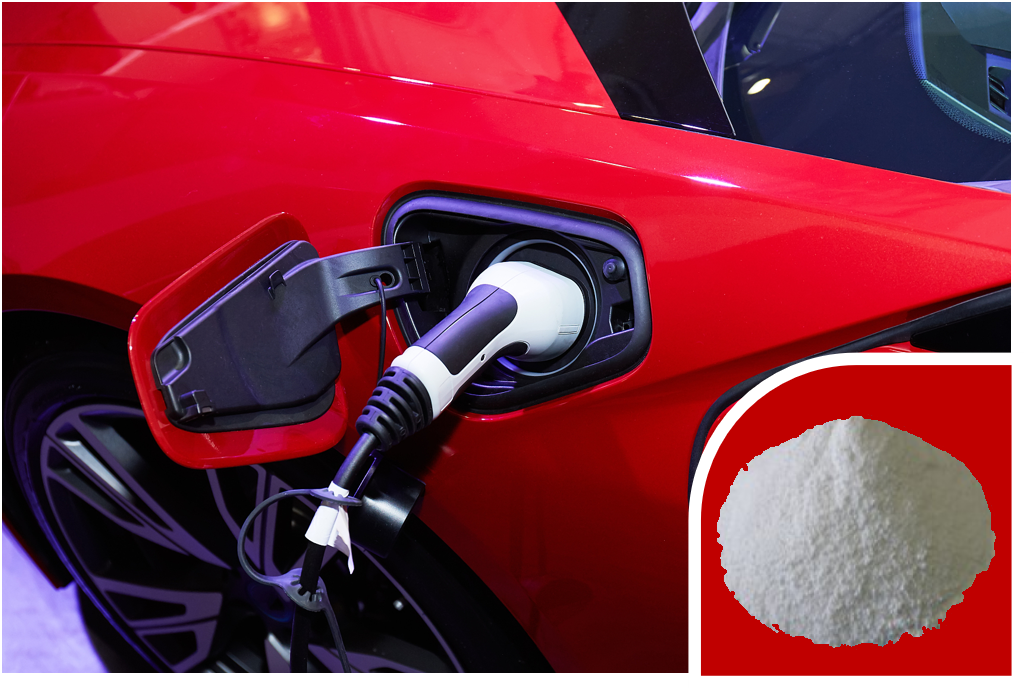
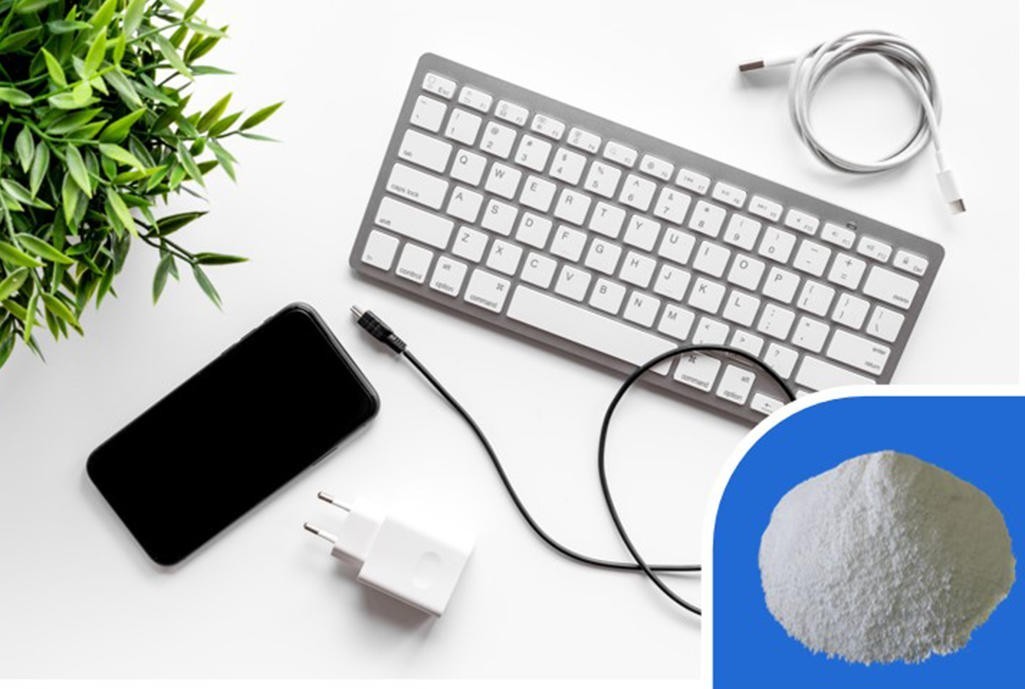
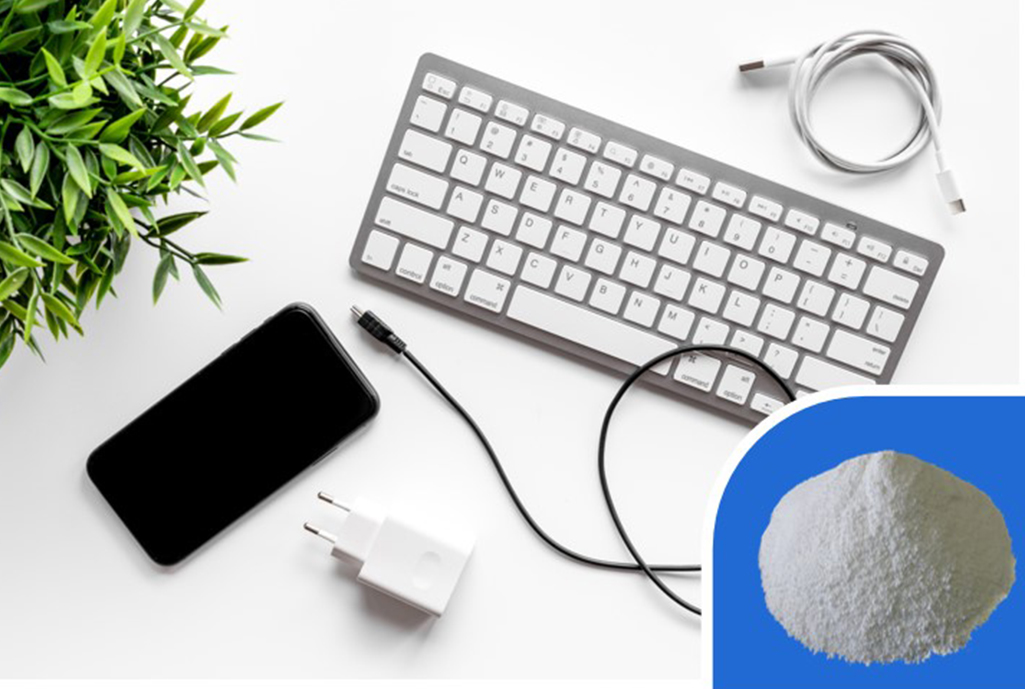
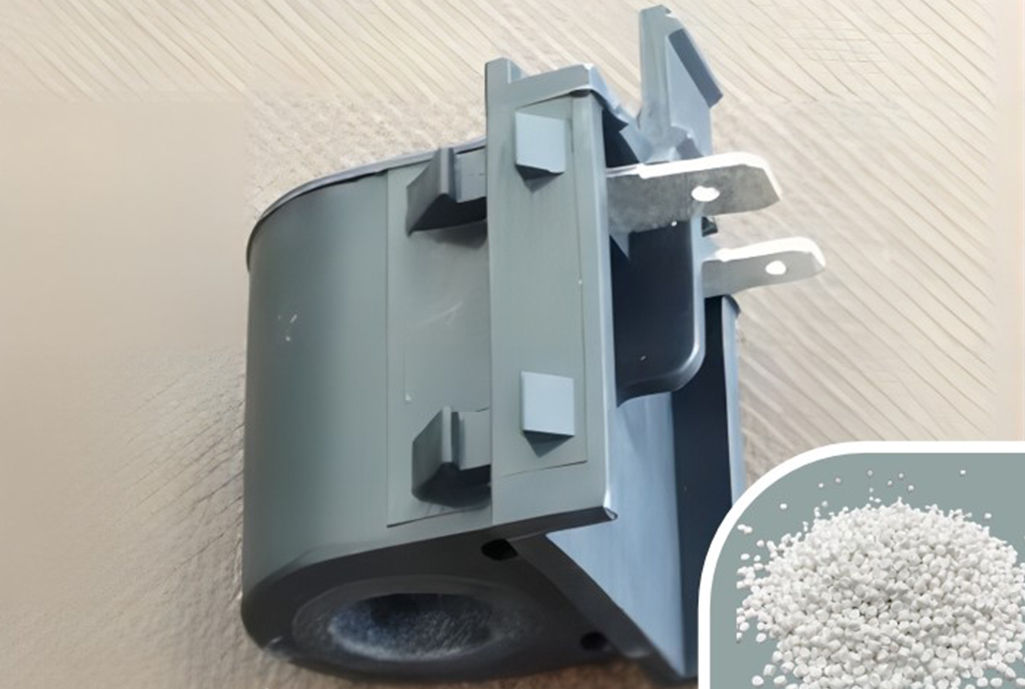
The strongest use for melamine cyanurate is in unreinforced polyamide 6 and polyamide 66, where it is often the first choice for halogen-free V-0 grades. You will find these materials in electrical connectors, circuit breaker housings, cable ties, switch parts, and appliance components. Because MCA keeps good electrical properties and comparative tracking index values, it suits parts that sit near live conductors.
MCA is less effective in glass-fiber reinforced nylon. The glass fibers act like a wick and stop the dripping mechanism, so additional synergists or a different flame retardant, such as a phosphorus-based system, are usually needed. Melamine cyanurate is also used in thermoplastic polyurethane (TPU), polyolefins and some coatings and intumescent systems, but the dosage and supporting additives change for each polymer.
| Material | Typical MCA Loading | Expected Result |
| PA6 (unreinforced) | 6 to 10 wt% | UL 94 V-0 at 0.8 to 3.2 mm |
| PA66 (unreinforced) | 6 to 10 wt% | UL 94 V-0 at 0.8 to 3.2 mm |
| Glass-filled PA | Not recommended alone | Needs synergist or phosphorus system |
| TPU | 20 to 30 wt% | Improved flame resistance |
These figures are starting points. Wall thickness, nylon grade, and other additives all shift the result, so run your own UL 94 tests before committing to a formulation.
How to Choose the Right Melamine Cyanurate Grade
Not every melamine cyanurate powder performs the same. Buyers should compare a few specifications before ordering, because small differences can change dispersion, mechanical strength and processing stability.
Particle Size and Dispersion
Finer particles, usually with a D50 around 2 microns, disperse better in the polymer and give more consistent flame retardancy at lower loadings. Coarse or clumped powder can reduce impact strength and leave visible specks on the surface. Some suppliers offer surface-treated MCA that mixes more easily and improves compatibility with the resin.
Purity and Moisture
Look for high purity with low free melamine and free cyanuric acid content. Excess free melamine can bloom to the surface of finished parts over time. Moisture should be kept very low, ideally 0.2% or below, because water can cause splay marks and hydrolysis during melt processing.
Checklist Before You Buy
- Request the technical data sheet with D50, D98, purity and moisture values.
- Ask for a small sample and test it in your own nylon grade.
- Confirm the thermal stability is suitable for your processing temperature.
- Check regulatory documents such as REACH registration and RoHS compliance.
- Verify batch-to-batch consistency with certificates of analysis.
Processing Tips for Compounding With Melamine Cyanurate
Good results depend on handling as much as on the material itself. Dry the nylon resin and the MCA powder before extrusion, since moisture is the most common cause of defects. Most compounders dry nylon to below 0.1% moisture and keep the melamine cyanurate in sealed bags until use.
Keep the melt temperature as low as the resin allows. For PA6, a range of about 230 to 260°C is typical, and for PA66, about 270 to 290°C. MCA is stable well above these temperatures, but long residence time and high shear can still cause discoloration or screw wear. Use a twin-screw extruder with good mixing elements and feed the powder through a side feeder or the main hopper with a well-controlled feed rate.
- Pre-blend the powder with pellets to avoid feed bridging.
- Use vacuum venting to remove moisture and volatiles during extrusion.
- Avoid excessive screw speed that raises melt temperature.
- Dry the finished pellets again before injection molding.
Melamine Cyanurate vs Other Flame Retardants
Melamine cyanurate is not the only halogen-free option, so it helps to understand where it fits. Compared with brominated flame retardants, MCA produces less smoke and no corrosive halogen gases, but it works in a narrower range of polymers. Compared with phosphorus-based systems such as aluminum diethyl phosphinate, it is usually cheaper, but it cannot protect glass-reinforced nylon on its own.
| Flame Retardant | Halogen-Free | Best For | Cost Level |
| Melamine cyanurate | Yes | Unreinforced PA6, PA66, TPU | Low to medium |
| Phosphinate salts | Yes | Glass-filled PA, PBT | Medium to high |
| Red phosphorus | Yes | Glass-filled PA (dark colors) | Medium |
| Brominated systems | No | Wide range of polymers | Medium |
Safety, Storage and Environmental Notes for MCA
Melamine cyanurate is generally regarded as low in acute toxicity, but it is still a fine powder, so dust control matters. Use local exhaust ventilation, wear a dust mask and gloves, and avoid creating airborne clouds during feeding and bag opening. As with any fine organic powder, keep it away from ignition sources.
Store MCA in its original sealed packaging in a cool, dry place. Because the powder can absorb moisture from humid air, reseal opened bags promptly and use older stock first. Always read the safety data sheet from your supplier and follow local regulations for handling, transport and waste disposal.
Common Problems With Melamine Cyanurate and How to Fix Them
Even a well-chosen MCA flame retardant can cause trouble if the process is not tuned. The table below lists the issues compounders report most often and the usual fixes.
| Problem | Likely Cause | Solution |
| Surface bloom or white film | Excess free melamine or overloading | Use higher-purity grade and reduce loading |
| Splay marks or bubbles | Moisture in powder or resin | Dry materials and use vacuum venting |
| Low impact strength | Poor dispersion or coarse particles | Choose finer or surface-treated grade |
| Failing V-0 rating | Low dosage or glass fiber present | Adjust loading or add a synergist |
| Yellowing | Excess heat or long residence time | Lower melt temperature and shorten residence time |
If problems continue after these adjustments, ask your melamine cyanurate supplier for technical support. A good supplier can recommend a grade or a synergist package that matches your polymer and part design.

contact details
Address:No. 166, Chenggong Road, Economic Development Zone, Jiashan County, Jiaxing City, Zhejiang Province
TEL: +86-0573-89103923 / +86 182 6841 1181
E-mail: globalmarketing@xusen.com
Product
News Center