

 English
 عربى
 简体中文

 +86-0573-89103923 / +86 182 6841 1181
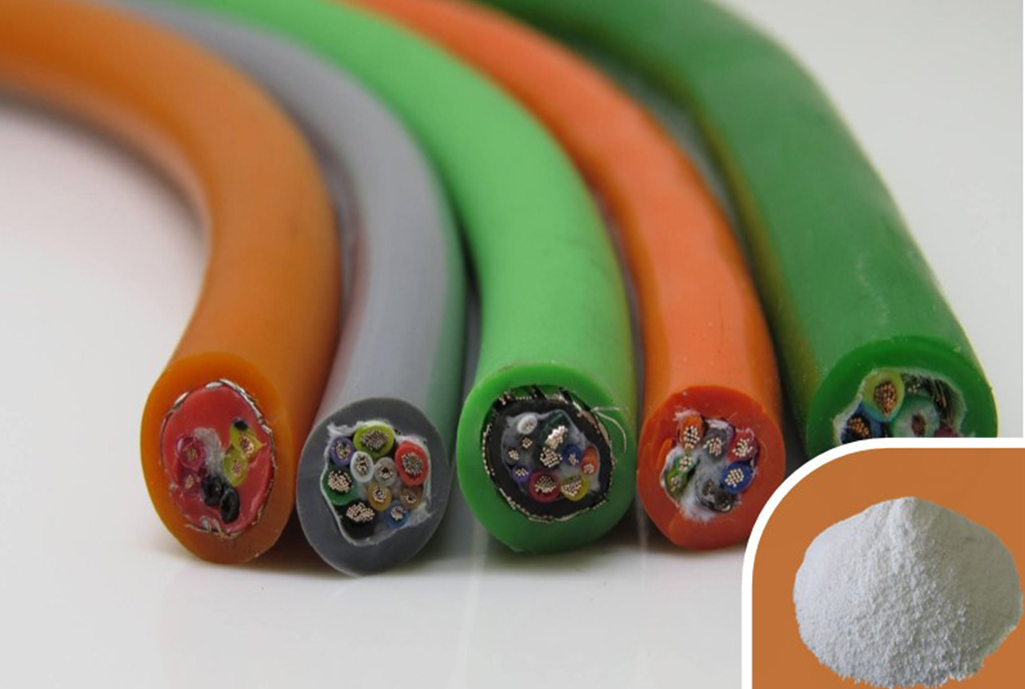

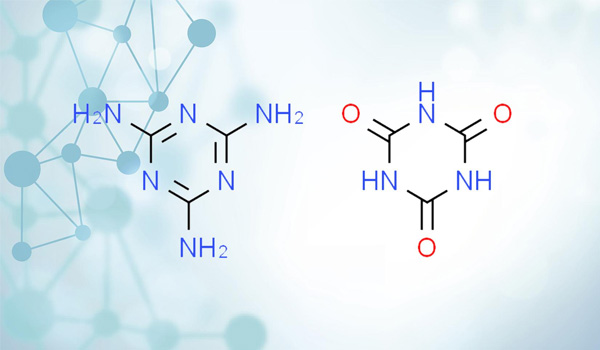


Zhejiang Xusen Flame Retardants Incorporated Company is a halogen-free flame retardant manufacturer in China whose organophosphorus grades serve formulators and converters working in engineering thermoplastics, thermosets, elastomers and coatings. The three families we supply in this category — Organic Subaluminum-Phosphate XS-FR-T310 Series, High Temperature Resistant halogen-free Flame Retardant XS-FR-T800 and Organic Phosphorus Flame Retardants XS-ADPPH-1410 — are phosphorus-based single substances rather than pre-compounded systems, so they can be dosed into a formulation that already carries its own char former, synergist or mineral filler balance.
Organophosphorus actives are specified where a project needs flame retardancy without the hydrogen halide release, dense smoke and corrosive combustion products associated with brominated and chlorinated systems. They sit inside our Single-substance flame retardants range alongside melamine cyanurate, ammonium polyphosphate and aluminum hydroxide, and are frequently combined with those chemistries to build a phosphorus–nitrogen or phosphorus–mineral package.
The Organophosphorus Range and Where Each Grade Is Positioned
Each grade in this family is aimed at a different balance of thermal stability, dispersion behaviour and compatibility with the host polymer. Selection starts from the processing window of the compound, not from a catalogue number.
- Organic Subaluminum-Phosphate XS-FR-T310 Series — an organophosphorus salt grade for thermoplastic and thermoset compounds in which a halogen-free phosphorus active is the primary flame-retardant mechanism.
- High Temperature Resistant halogen-free Flame Retardant XS-FR-T800 — positioned for polymers processed at elevated melt temperatures, including high-temperature polyamides and PBT, and for parts that must hold their properties through soldering, under-hood or high-speed rail service conditions.
- Organic Phosphorus Flame Retardants XS-ADPPH-1410 — an organic phosphorus grade for systems where the active has to disperse into PU insulation, epoxy, rubber, adhesive or coating formulations.
Because these are single substances, loading, co-additive package and dispersion route stay under the converter's control. We supply the active and the supporting data; the compounder keeps ownership of the final formulation and of the flame test result.
Mechanism: What the Phosphorus Active Does in a Fire
Organophosphorus flame retardants work through two coupled routes that reinforce each other during combustion.
- Gas phase. Phosphorus-containing species scavenge the H· and OH· radicals that propagate the chain reaction in the flame, lowering heat release and slowing flame spread.
- Condensed phase. At high temperature the active decomposes to acidic phosphorus derivatives that esterify and dehydrate the carbon backbone, building a phosphate-rich char layer that insulates the polymer and restricts oxygen access.
- Smoke and combustion products. With no halogen in the molecule, combustion does not generate hydrogen halides, and smoke emission is lower than in halogenated systems — relevant for egress routes, tunnels and enclosed electrical equipment.
- Persistence. The phosphorus active stays in the matrix rather than volatilising, so protection is retained across the service life of the part.
Application Fit by Substrate and Process
The table below maps the substrates we work with most often against what the organophosphorus active contributes and the variables we confirm before a grade is fixed.
| Substrate and process | Contribution of the phosphorus active | Variables confirmed at the working point |
|---|---|---|
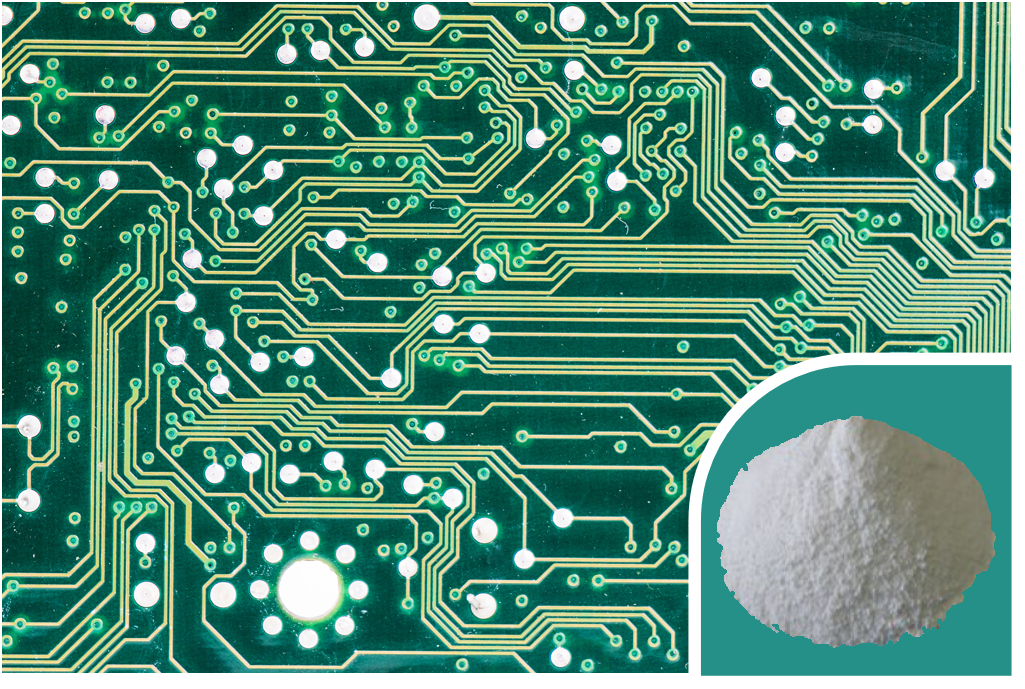
| PA6 / PA66 — injection moulded connectors, breakers, switchgear | Char promotion in a nitrogen-rich polyamide; pairs with MCA or phosphorus–nitrogen systems | Melt temperature and residence time, target rating, tensile and impact retention, colour |
| PBT / PET and other polyesters — connectors, coil formers | Supports char formation in aromatic polyesters without halogen | Drying regime, ester interchange and hydrolysis risk, intrinsic viscosity retention |
| PP and polyolefins — extrusion, cable compounds | Needs a char former or intumescent partner, since PP does not char on its own | Loading ceiling against elongation, filler balance, combination with ATH or magnesium hydroxide |
| PU insulation — rigid and flexible foam, panels | Phosphorus active carried in the polyol or isocyanate stream | Cell structure, catalyst interference, density, ageing behaviour |
| Epoxy resin — laminates, electrical castings | Phosphorus delivered as additive or built into the resin backbone | Cure schedule, glass transition temperature, dielectric properties |
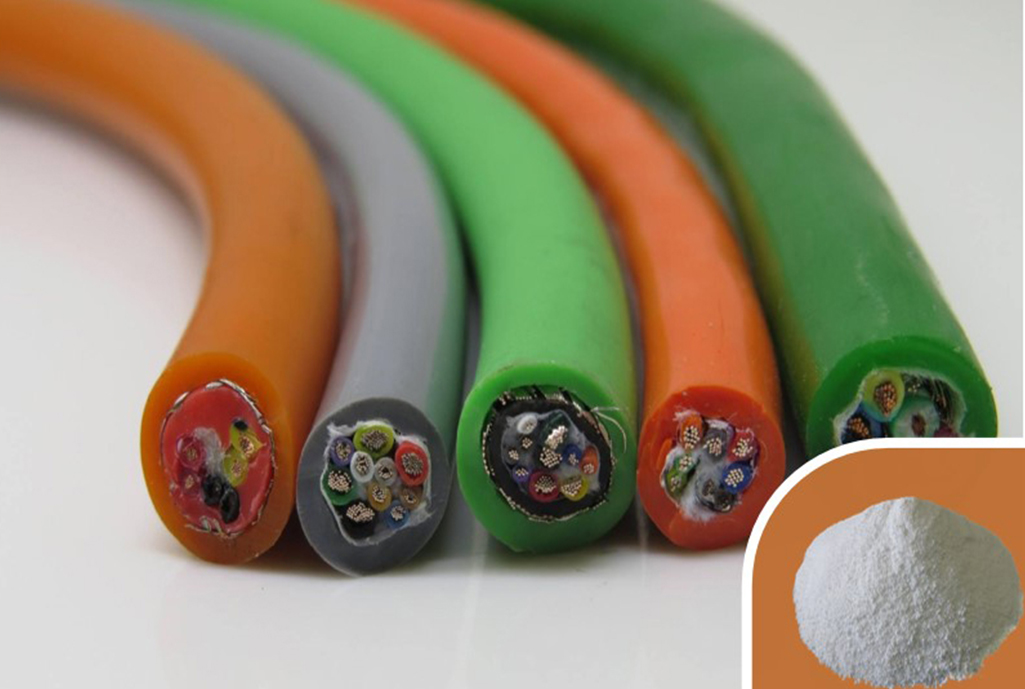
| TPE, rubber, cable sheathing | Halogen-free route for flexible compounds | Plasticiser interaction, elongation at break, surface finish |
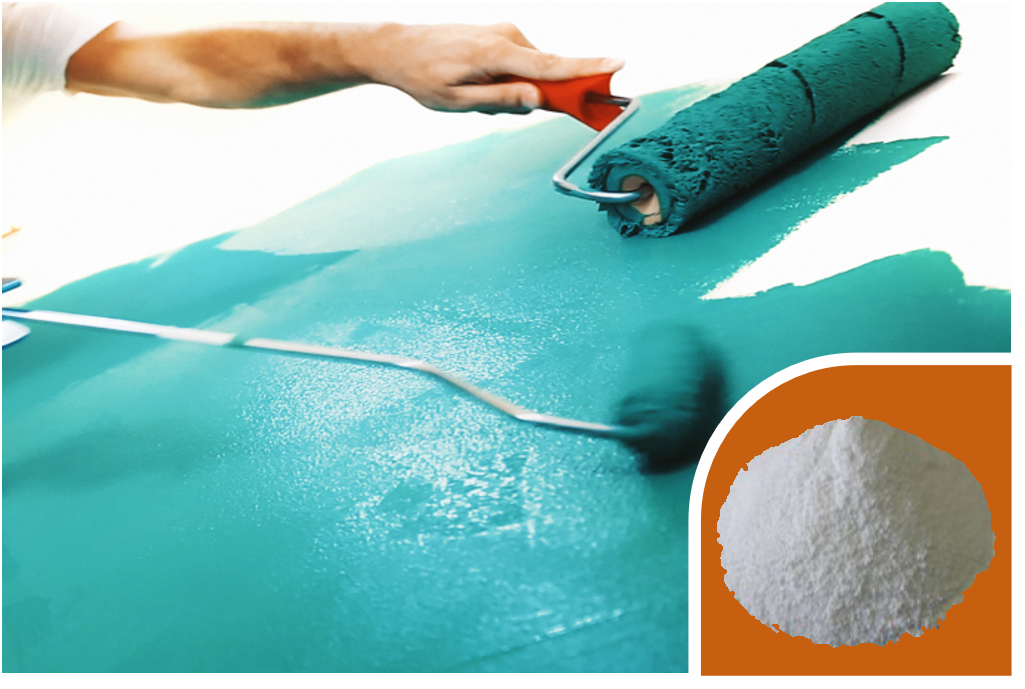
| Coatings, adhesives, carpet and fabric back-coating | Dispersion in water-borne or solvent-borne systems | Particle size, pH, water solubility, drying and curing behaviour |
Critical Specifications We Fix Before Quotation
A quotation for an organophosphorus grade is only meaningful once the working point is defined. These are the parameters we settle with the technical contact on your side.
- Phosphorus content and the loading required to reach the target flame rating in your specific compound.
- Decomposition onset relative to the polymer's processing temperature — the active has to survive compounding and moulding without premature breakdown.
- Water solubility and hydrolysis resistance, which matter most in PU, coatings and humid-service cable applications.
- Particle size distribution, including median and top cut, and how the powder disperses on your existing line.
- Moisture content, pH and bulk density for dosing accuracy and storage stability.
- Halogen content and the regulatory status of the delivered lot.
- Effect on mechanical, electrical and colour properties at the proposed loading.
- Compatibility with co-additives already in the formulation: char formers, synergists, ATH or magnesium hydroxide, stabilisers and pigments.
Supply Form, Surface Treatment and Integration Options
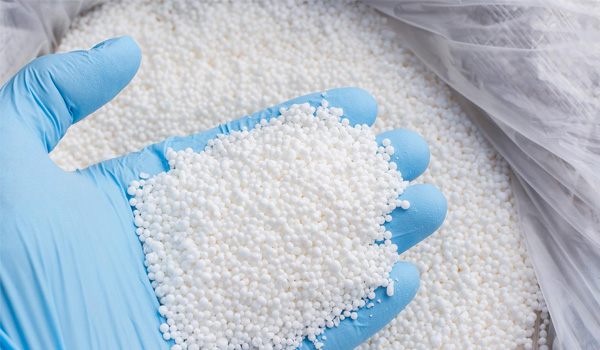
We supply the organophosphorus grades as powders. Where a formulation needs better compatibility with a specific matrix, lower water solubility or lower viscosity in the melt, surface treatment is the lever we discuss first, because it changes dispersion and wetting without altering the active's chemistry.
For lines that cannot handle powder dosing, the same actives can be delivered through our masterbatch and composite routes, where the phosphorus chemistry is pre-dispersed in a carrier matched to the host polymer. That decision is normally taken together with the loading calculation, since the carrier itself consumes part of the formulation budget.
Capacity, Quality Control and Compliance Evidence
Production runs from two bases, in Jiashan, Zhejiang and Juancheng, Shandong, with a combined annual capacity of 12,000 tons that continues to expand. Both sites operate their own production workshops and warehouses with complete production and quality inspection equipment.
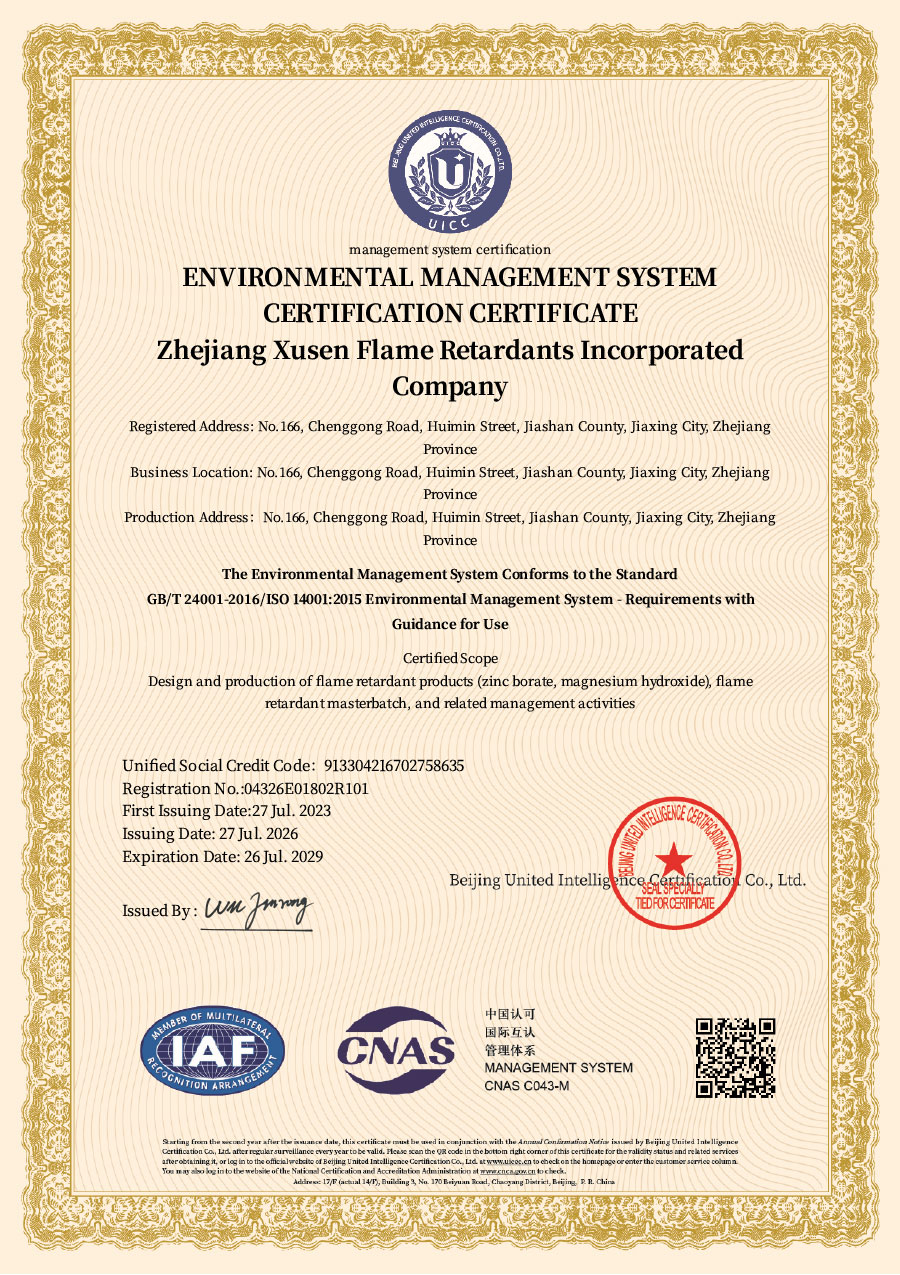
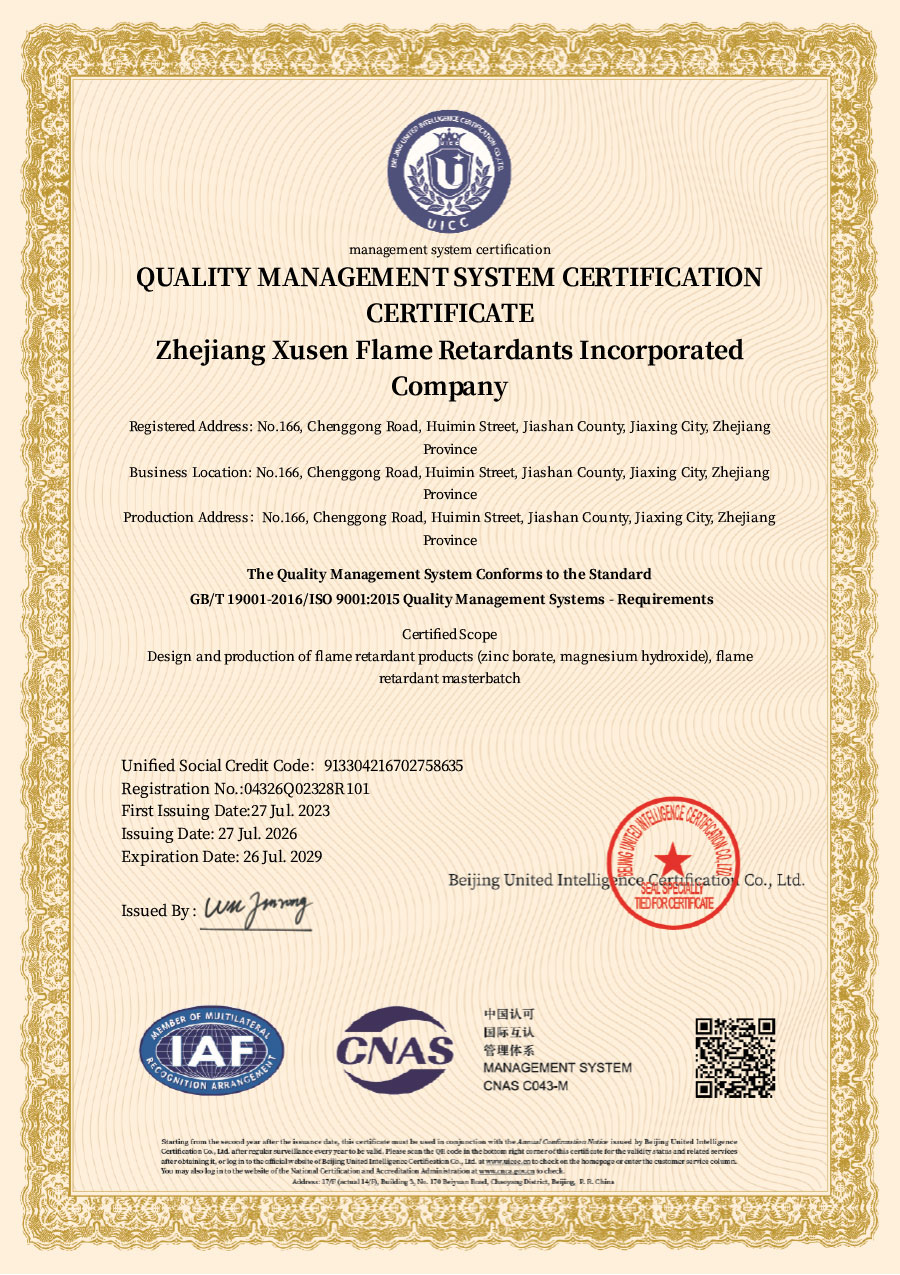
- Every stage of product formation follows the ISO 9001-2015 quality management system, from incoming raw material control through in-process checks to finished-goods inspection.
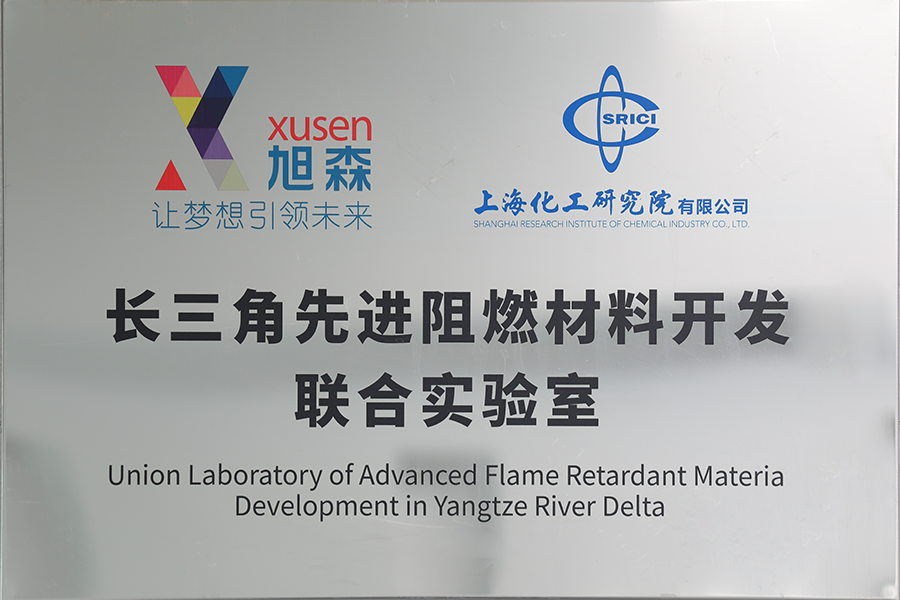
- Our Zhejiang provincial-level scientific research laboratory and the joint laboratory established with the Shanghai Institute of Chemistry support development work on flame-retardant materials.
- Together with Beijing Technology and Business University, Shandong Haihuai Institute and Shandong Brothers, we participate in China's advanced light industry flame retardant engineering technology research centre.
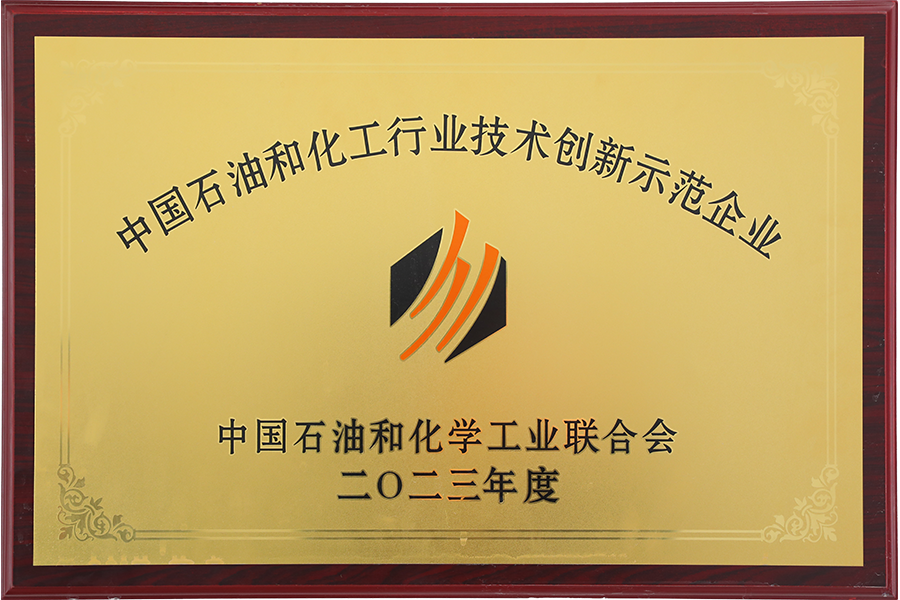
- We hold a number of invention patents and utility model patents and have taken part in formulating national and industry standards.
- Products comply with the WEEE, RoHS and EUP directives, and RoHS test reports are held for our APP, ATH, PA and polyolefin flame retardant grades.
Information We Use to Configure Your Solution
Our proposal is built from the working point, the material and the production target. The following inputs let us recommend a grade, a loading range and a supply form in one pass instead of several rounds.
- Polymer type, grade, melt flow and any recycled content in the formulation.
- Process route: injection, extrusion, cable, foam, coating or casting, with line temperatures and residence time.
- Target flame test standard and rating, plus any smoke, glow-wire or toxicity requirement.
- Maximum additive fraction the mechanical and electrical specification can accept.
- Co-additives already present, including fillers, stabilisers and colourants.
- Regulatory set for the destination market and the documentation language required.
- Colour, odour and surface requirements for the finished part.
- Annual volume, delivery point and packaging constraints at your plant.
Packaging, Documentation and Ongoing Supply
Packaging and palletisation are agreed with the order so the material arrives in a form your dosing equipment can handle. Shipments are accompanied by the technical data sheet, safety data sheet and a certificate of analysis tied to the production batch, and we keep batch records for traceability. Technical support continues after delivery: our team works with your process engineers on dispersion issues, loading adjustments and the transition from trial quantity to series supply.
Frequently Asked Questions
How do organophosphorus flame retardants differ from ammonium polyphosphate?
Ammonium polyphosphate is an inorganic phosphorus–nitrogen salt with high phosphorus and nitrogen content, low water solubility and good dispersion. Organophosphorus grades are organic phosphorus compounds with a different solubility, thermal stability and compatibility profile, which makes them the better fit in systems where an intumescent salt would hydrolyse, plasticise the matrix or interfere with curing. Both families sit in our single-substance range and are often used together.
Can these grades be used in PA and PBT compounds?
Yes. The Organic Subaluminum-Phosphate XS-FR-T310 Series and the high temperature resistant XS-FR-T800 are both positioned for engineering thermoplastics, including polyamides and polyesters used in connectors, breakers and switchgear. The loading and the co-additive package are set from the melt temperature window and the target rating of your specific grade.
Do you supply organophosphorus actives as a masterbatch?
We operate dedicated flame retardant masterbatch lines for PA, PP and polyester, and composite flame retardant systems for PA, PP, polyester and other uses. Where a plant cannot handle powder dosing, we review whether the organophosphorus active should be delivered through a masterbatch carrier instead, and which carrier matches the host polymer.
Which compliance documents accompany a shipment?
Products comply with the WEEE, RoHS and EUP directives. Shipments carry a certificate of analysis for the batch, the technical data sheet and the safety data sheet, and we issue the applicable RoHS and REACH declarations for the grade supplied. Where a customer's own regulatory file requires a specific declaration format, we prepare it against the delivered lot.
What loading will we need to reach a target flame rating?
Loading depends on the polymer, the co-additives already present, the part thickness and the test standard being applied. We calculate a starting range from the phosphorus content of the grade and the working point you describe, then confirm it on your compound. Trial quantities are supplied so the loading can be validated on your own line before series volume is committed.
How does a project start with Xusen?
Send the substrate and grade, the process route with line temperatures, the target flame test and rating, the maximum additive fraction the specification allows, the regulatory set for the destination market and the expected annual volume. Our technical team returns a recommended grade from the Organophosphorus manufacturer range, a loading range, the supply form and a quotation. Organic Phosphorus Flame Retardants XS-ADPPH-1410 is the usual starting point for PU, epoxy, rubber and coating systems.