


 English
 عربى
 简体中文

 +86-0573-89103923 / +86 182 6841 1181

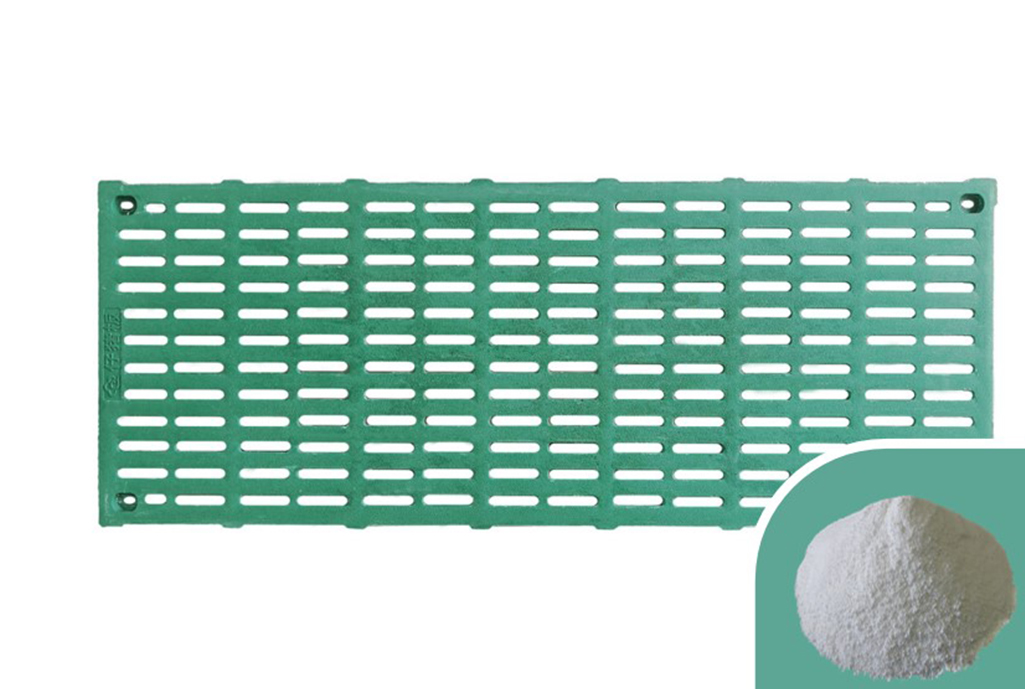
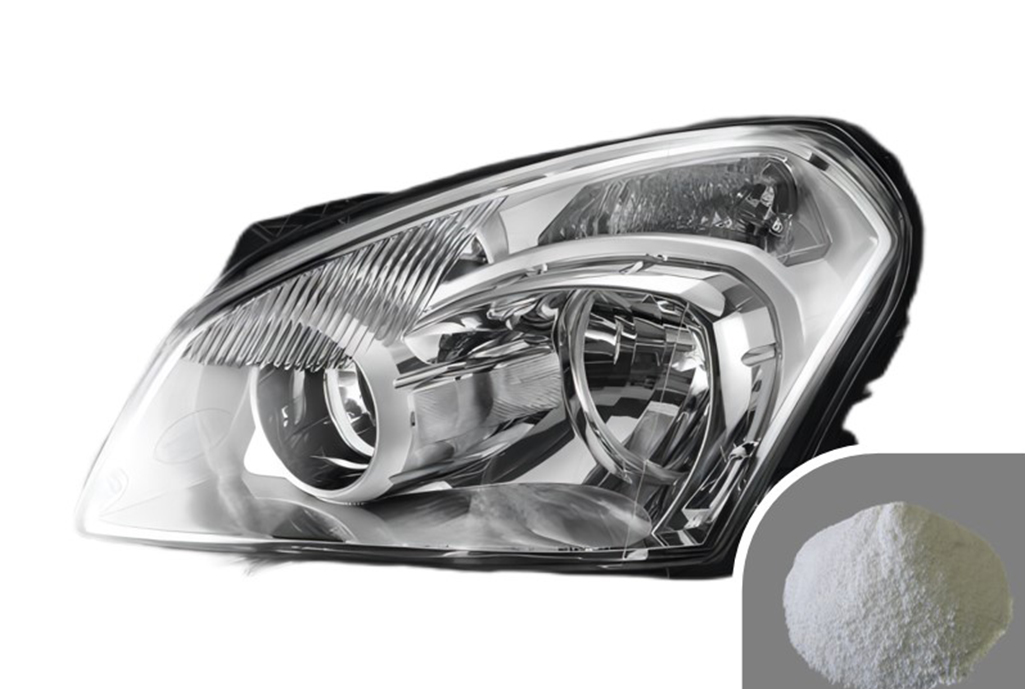



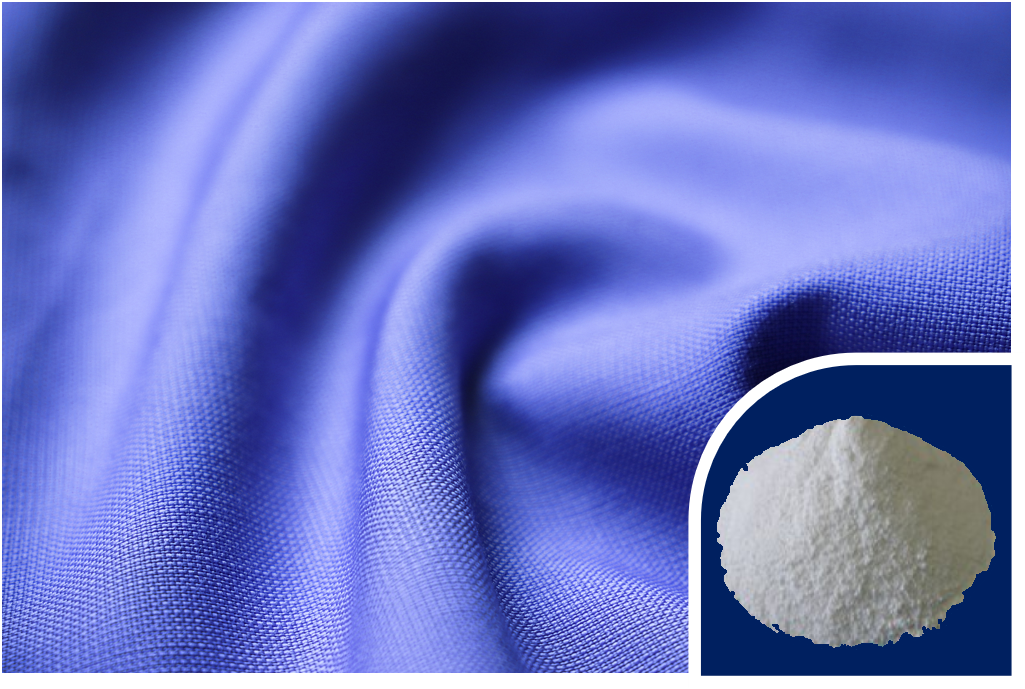
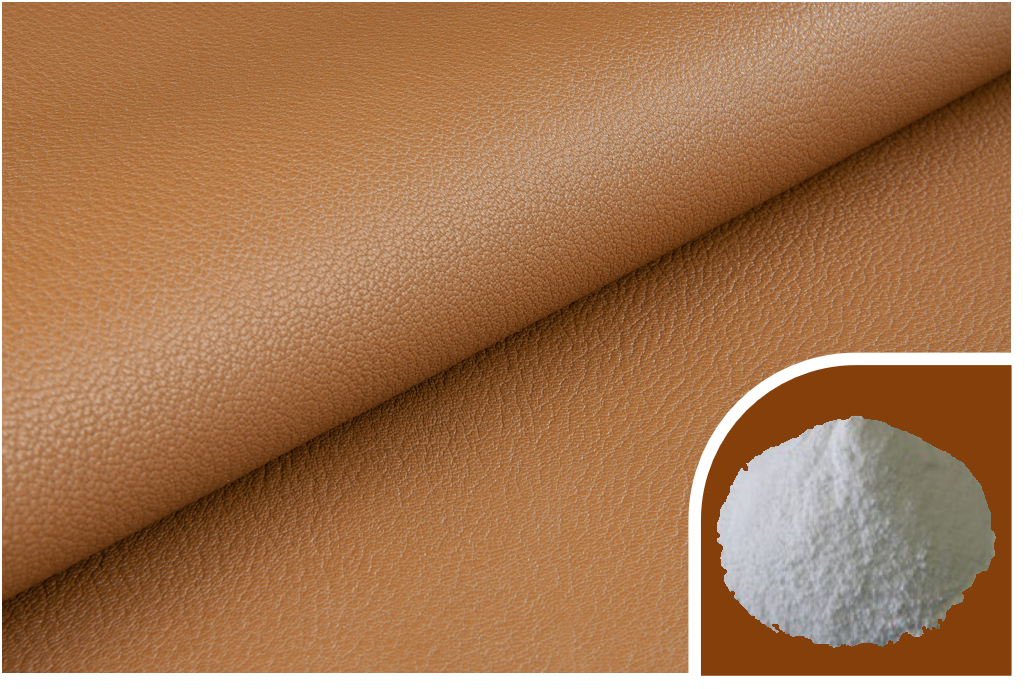
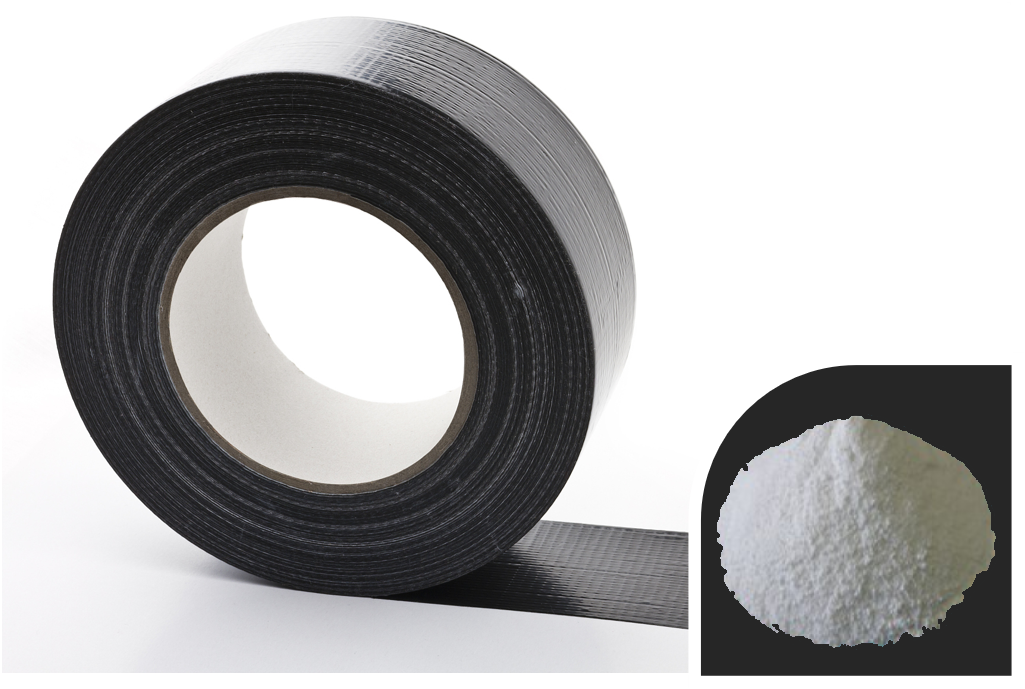
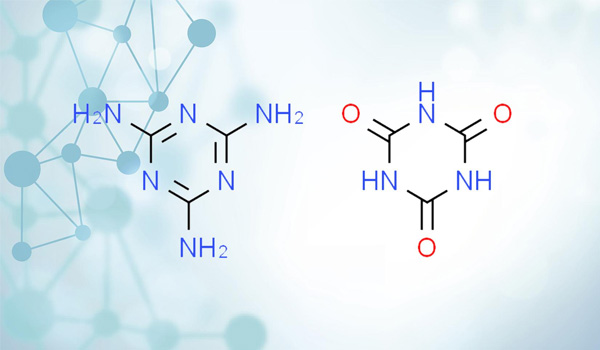
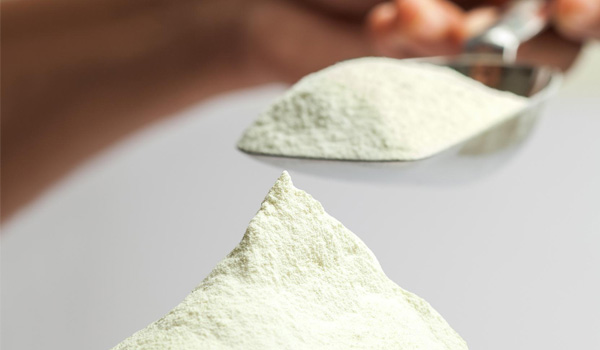

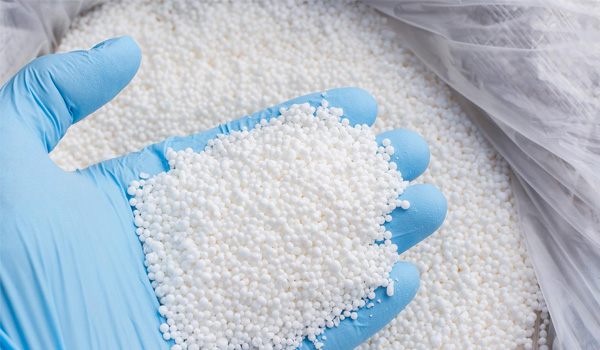
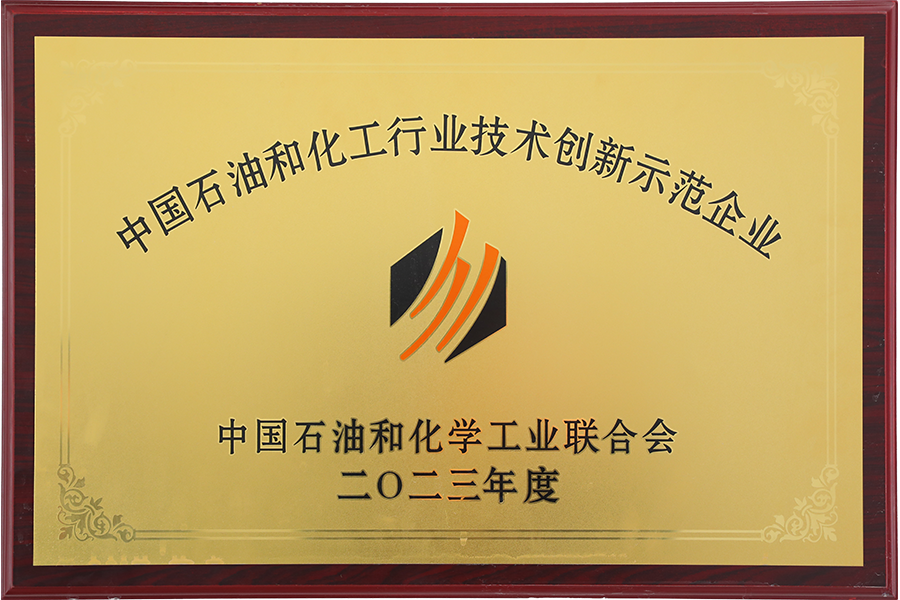
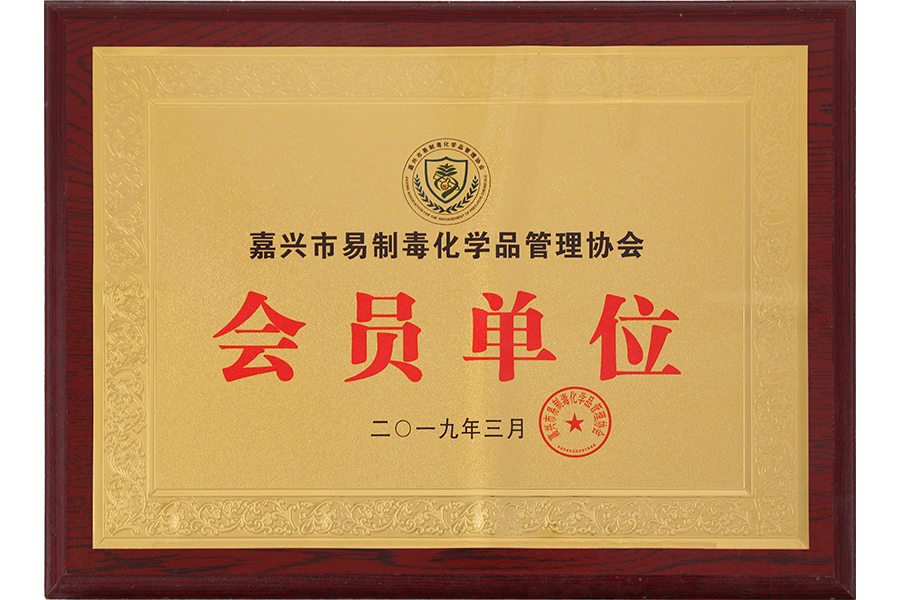
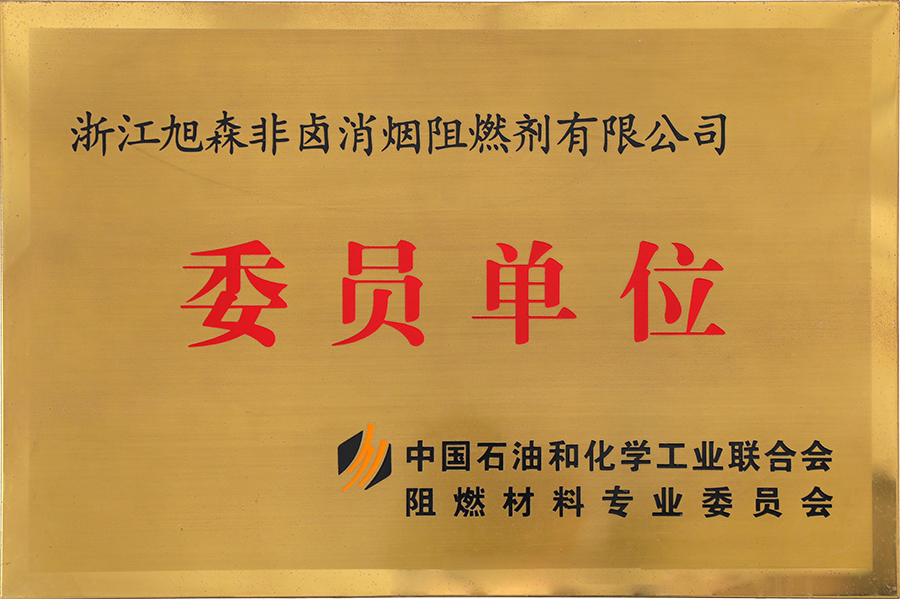
Zhejiang Xusen Flame Retardants Incorporated Company is a Composite flame retardants manufacturer in China, working exclusively in halogen-free flame retardancy since 1997. A composite flame retardant is a formulated blend of two or more active mechanisms — inorganic, phosphorus-nitrogen, nitrogen or silicon — built around the degradation chemistry of one host polymer. We supply these systems for PA, PP, PBT/PET and for thermoset, elastomer, adhesive and coating applications, and we tune the formulation to the working point of the customer's material rather than asking the customer to fit a fixed grade.
What a Composite System Delivers That a Single Additive Cannot
A single-substance flame retardant such as MCA, APP or ATH acts mainly through one mechanism. Composite systems pair a char former with a gas-phase diluent and a synergist so that condensed-phase and vapour-phase action reinforce each other, and the decomposition window of the package is matched to the processing temperature of the polymer.
- Lower total loading for the same rating — more formulation space for impact modifiers, glass fibre, stabilisers and pigment.
- Cleaner melt dispersion — surface-treated actives reduce black specks, die build-up and surface defects.
- Matched decomposition temperature — the system activates in the same window as the polymer instead of degrading it during compounding.
- Reduced migration and water solubility — relevant for parts that see humidity, washing or long service life.
- Halogen-free chemistry — supports WEEE, RoHS and EUP compliance without brominated or chlorinated actives.
Composite Flame Retardant Range and Application Matching
The range is organised by host polymer, because the same active package behaves differently in a semi-crystalline engineering plastic and in a thermoset. Each family below is supplied as a ready-to-use powder blend or, where the line calls for it, as a masterbatch.
| Product family | Host polymer / substrate | Active system | Series and target rating |
|---|---|---|---|
| Composite flame retardant for PA | PA6, PA66, toughened and glass-fibre modified grades | Phosphorus-nitrogen | XS-FR-3300 Series, formulated to UL-94 V-0 |
| Composite flame retardant for PP | PP homopolymer and copolymer, toughened and mineral-filled grades | Phosphorus-nitrogen, intumescent | XS-FR-8300 Series for UL-94 V-0; XS-FR-8800 Series for UL-94 V-2 |
| Composite flame retardant for polyester | PBT, PET and PBT/PET blends, reinforced or unreinforced | Phosphorus-based | XS-FR-1301 / XS-FR-1310 Series |
| Flame retardants for other uses | Silicone rubber, epoxy resin, PU, adhesives, fabric coating and carpet backing | Silicon, nitrogen, phosphorus and inorganic systems | XS-SI-6, XS-EP-7 Series, XS-FR-C303, XS-FR-308 / XS-FR-708, XS-FR-C103 / XS-FR-C301 |
Application Fit by Polymer Family
Polyamide (PA6 and PA66)
Nylon melts in the 220–260 °C band and is sensitive to both moisture and to additives that catalyse degradation, so the additive package has to be efficient at low loading. Our Composite flame retardant for PA range covers unfilled, toughened and glass-fibre reinforced grades, built around the XS-FR-3300 Series. The powder absorbs moisture from air, so bags stay sealed until use and the material is dried before compounding.
Polypropylene
PP burns cleanly and drips, so the system has to build char and hold the melt together long enough for the char to form. The Composite flame retardant for PP range addresses two working points: XS-FR-8300 Series for UL-94 V-0 and XS-FR-8800 Series for UL-94 V-2, both suitable for homopolymer, copolymer, toughened and mineral-filled compounds.
Polyester (PBT and PET)
PBT and PET process at higher temperatures and are frequently glass reinforced, which changes both the burning behaviour and the viscosity of the melt. The Composite flame retardant for polyester range, XS-FR-1301 and XS-FR-1310, is aimed at connectors, coil formers, housings and other injection-moulded parts in PBT, PET and their blends.
Thermosets, elastomers, adhesives and coatings
Outside the thermoplastics, our composite systems cover silicone rubber (XS-SI-6), epoxy resin (XS-EP-7 Series), PU (XS-FR-C303), adhesives (XS-FR-308 and XS-FR-708) and fabric coating (XS-FR-C103 and XS-FR-C301). These serve cable materials, TPE elastomers, PU insulation, rubber compounds, carpets and textile coatings, where the flame retardant has to work in a liquid or low-shear system rather than in a compounding extruder.
Critical Specifications We Work To
Every composite grade is defined by a set of parameters that are fixed before compounding trials begin. We confirm them against the customer's own test protocol.
- Target rating and specimen thickness — UL-94 V-0 or V-2, glow-wire or limiting oxygen index, measured at the wall thickness of the actual part.
- Loading level — expressed as a percentage of the compound, with the resulting effect on density and cost per part.
- Thermal behaviour — decomposition onset and the processing window relative to the polymer melt temperature.
- Active content — phosphorus and nitrogen content for phosphorus-nitrogen systems; solids and ash for inorganic systems.
- Physical form — particle size distribution, bulk density, moisture content and water solubility.
- Mechanical retention — tensile, flexural and notched impact values on the flame-retarded compound against the unmodified control.
- Electrical performance — comparative tracking index and dielectric behaviour where the part carries current.
- Appearance — whiteness or colour match for visible mouldings and coated fabric.
Manufacturing, Capacity and Quality Control
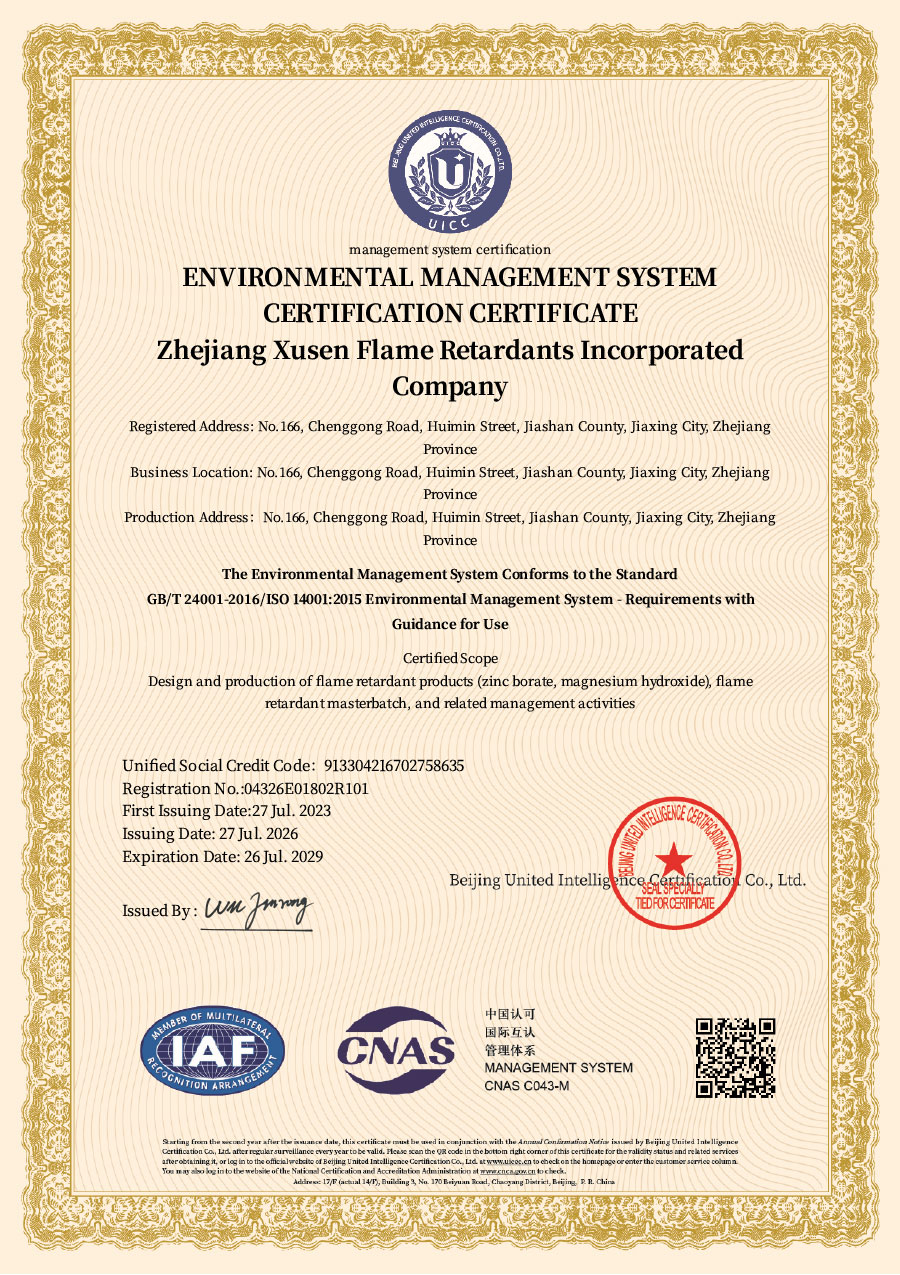
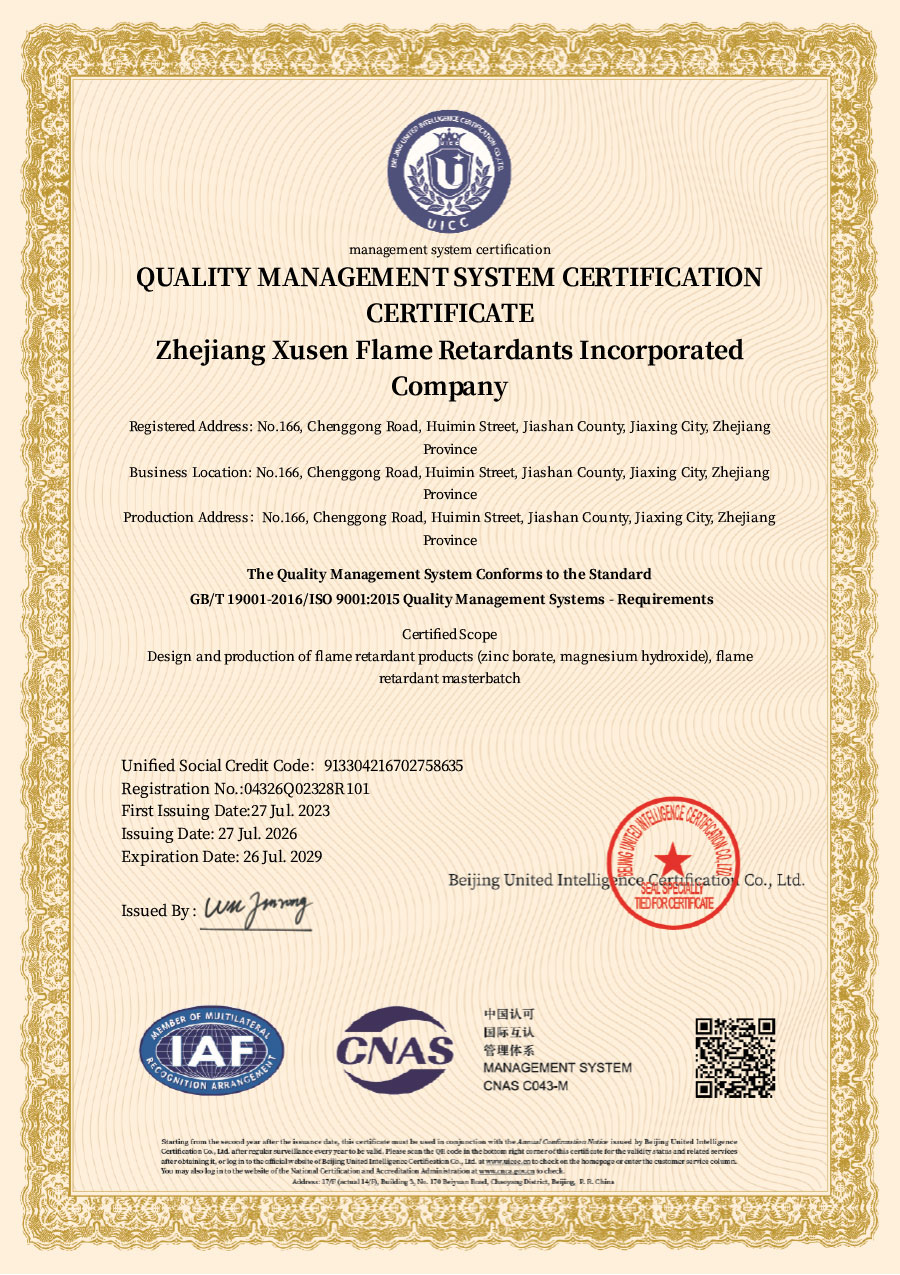
We operate two production bases, in Jiashan, Zhejiang and Juancheng, Shandong, with an annual capacity of 12,000 tons that continues to expand. Both sites run their own workshops and warehouses with complete production and inspection equipment, and every stage follows the ISO 9001-2015 quality management system.
Four platform technologies sit behind the range: synthesis of the single-substance actives, composite formulation, surface treatment and masterbatch manufacture. Surface treatment is what makes a composite usable in practice, because it controls dispersion, reduces black specks and lowers water solubility.
- Zhejiang provincial-level scientific research laboratory.
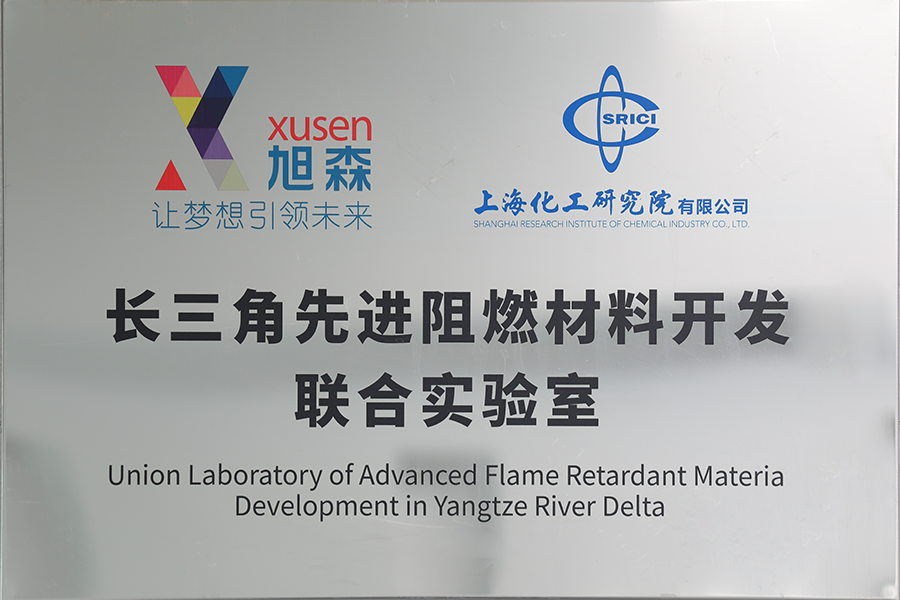
- Joint laboratory with the Shanghai Institute of Chemistry for advanced flame-retardant materials.
- Advanced light industry flame retardant engineering technology research centre established with Beijing Technology and Business University, Shandong Haihuai Institute and Shandong Brothers.
- Invention and utility model patents, plus participation in the formulation of national and industry standards.
- RoHS test reports for APP, ATH, flame retardant for PA and flame retardant for polyolefin; halogen and RoHS 3.0 test reports for MCA.
Configuration Options and Customization
We make adaptive improvements to the standard series so that a grade fits the customer's process and product characteristics. The variables we work with are the active ratio and synergist level, the surface treatment chemistry matched to the carrier resin, particle size and distribution, powder blend or masterbatch form, and colour or whiteness for visible parts.
Recommended process parameters and dosages are based on empirical data. Users adjust them to their own equipment, raw materials and process, and they are not a product acceptance standard.
Packaging, Storage and Handling
- Standard packaging is 25 kg per bag, with a 12-month shelf life; details are on the packaging label.
- Store in a cool, dry place. The PA grades in particular absorb moisture from the air.
- Use soon after opening. If a bag has been stored for a period before use, bake at 90 °C for two hours.
- Follow the protective measures in the MSDS during handling and dispose of packaging according to local environmental standards.
Information We Use to Configure Your Solution
To return a workable formulation and a quotation, we work from the following project inputs:
- Polymer and grade — base resin, homopolymer or copolymer, filled or unfilled, glass content and any impact modifier already in the formulation.
- Target rating and test method — UL-94 class and specimen thickness, glow-wire, LOI or a customer-specific fire test.
- Process window — compounding equipment, melt temperature, residence time, injection or extrusion, and any downstream drying step.
- Property limits — minimum tensile, impact and elongation values, electrical requirements and colour.
- End application and compliance scope — part type, service environment, and whether WEEE, RoHS, EUP or REACH documentation is required.
- Volume and delivery format — powder or masterbatch, bag size and the quantity the line consumes per batch or per year.
With those inputs we select a starting series, propose a loading level and supply a sample for the customer's own compounding and fire testing before a production quantity is fixed.
Frequently Asked Questions
What is the difference between a composite flame retardant and a single-substance flame retardant?
A single-substance product such as MCA, APP or ATH relies on one dominant mechanism. A composite flame retardant blends several actives so that char formation, gas-phase dilution and synergy work together. The practical difference is a lower total loading for the same UL-94 target, which leaves more room in the formulation for impact modifiers, reinforcement and stabilisers.
Which composite system suits PA6 or PA66?
The XS-FR-3300 Series is our phosphorus-nitrogen system for polyamide and is formulated to reach UL-94 V-0. It is used in unfilled, toughened and glass-fibre reinforced PA6 and PA66. Because the powder is hygroscopic, we recommend drying it before compounding and keeping bags sealed in the meantime.
Can you match a formulation to an existing glass-filled PP compound?
Yes. We make adaptive improvements to the standard series so a grade fits the customer's process and product characteristics. For PP we start from XS-FR-8300 Series for V-0 or XS-FR-8800 Series for V-2, then adjust the active ratio, surface treatment and particle size around the filler content, melt flow and processing temperature of the existing compound.
What compliance evidence accompanies your composite flame retardants?
Our products are formulated to comply with the WEEE, RoHS and EUP directives. We hold RoHS test reports for APP, ATH, flame retardant for PA and flame retardant for polyolefin, and halogen and RoHS 3.0 test reports for MCA. The relevant reports are issued with the quotation or the shipment, depending on the grade.
How should composite flame retardants be stored and handled?
Store in a cool, dry place and use soon after opening the bag. If material has been stored for a period before use, bake it at 90 °C for two hours. Standard packaging is 25 kg per bag with a 12-month shelf life, and handling follows the protective measures in the MSDS.
What do you need from us to quote a composite flame retardant?
The base polymer and grade, the target rating and test method with specimen thickness, the process window, the mechanical and electrical limits, the end application and compliance scope, and the delivery format and volume. With those we select a starting series, propose a loading level and send a sample for your own compounding and fire testing.