Tel: +86-0573-89103923 / +86 182 6841 1181

E-mail:globalmarketing@xusen.com



 English
 عربى
 简体中文
Ammonium Polyphosphate Made Simple: What It Is, How It Works, and How to Use It
2026-10-22
Content
- 1 What Is Ammonium Polyphosphate and Why Is It So Widely Used?
- 2 How Ammonium Polyphosphate Flame Retardant Works in a Fire
- 3 Phase I vs. Phase II Ammonium Polyphosphate: Which One Should You Choose?
- 4 Where Ammonium Polyphosphate Is Used in Real Products
- 5 How to Use APP in an Intumescent Formulation Step by Step
- 6 Quality Checks Before You Buy Ammonium Polyphosphate
- 7 Common Mistakes When Working with Ammonium Polyphosphate
- 8 Handling, Storage, and Safety Basics for Ammonium Polyphosphate
- 9 Final Thoughts on Choosing the Right Ammonium Polyphosphate
What Is Ammonium Polyphosphate and Why Is It So Widely Used?
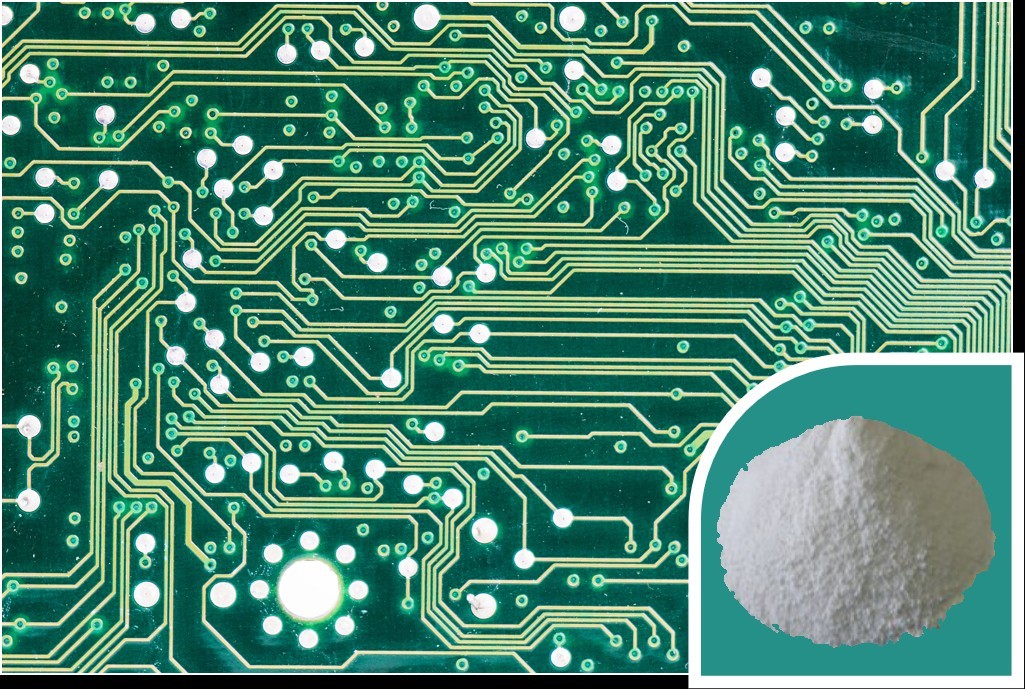
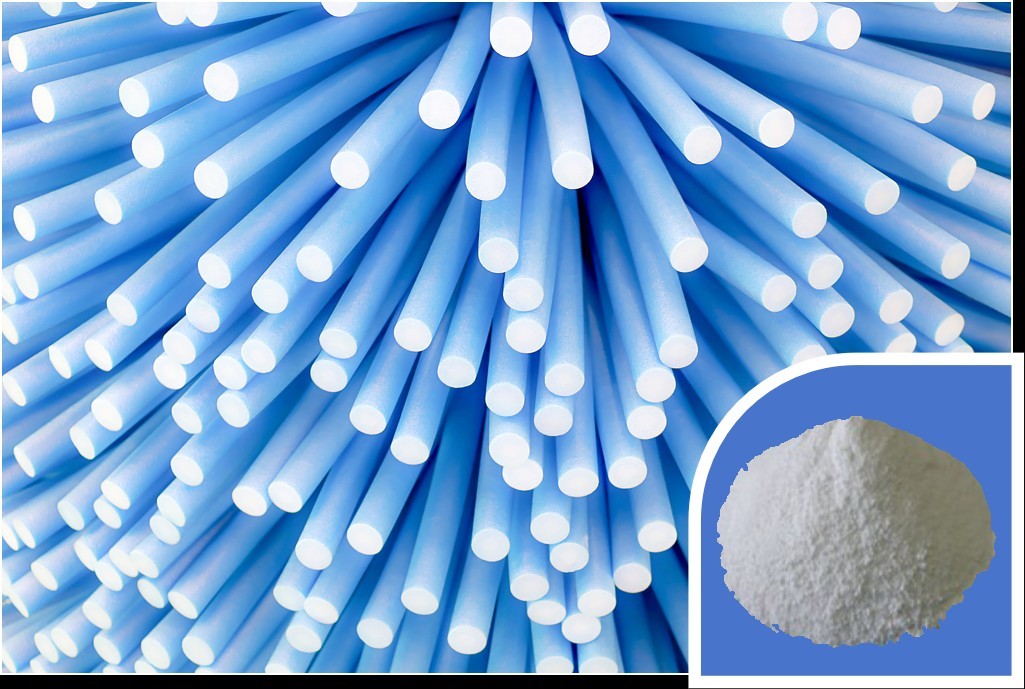
Ammonium polyphosphate, usually shortened to APP, is an inorganic salt made of long chains of phosphate units with ammonium ions attached. It is a white, free-flowing powder with no strong smell, and it contains roughly 30% to 32% phosphorus and 14% to 15% nitrogen in its common solid grades. That phosphorus and nitrogen pairing is the reason it works so well as a halogen-free flame retardant, and also why it doubles as an efficient fertilizer in liquid form.
You may see this material sold under other names, such as APP flame retardant, polyphosphoric acid ammonium salt, or intumescent flame retardant APP. They all point to the same chemistry. What really separates one product from another is the chain length (degree of polymerization), the water solubility, the particle size, and whether the particles have been surface-treated.
Manufacturers choose ammonium polyphosphate because it produces no dioxins or corrosive hydrogen halide gases when it burns, it generates very little smoke compared with halogenated systems, and it is relatively low in toxicity. As regulations on brominated flame retardants have tightened, APP has become one of the first alternatives engineers consider.
How Ammonium Polyphosphate Flame Retardant Works in a Fire
APP protects materials mainly through a condensed-phase mechanism, meaning it acts on the burning material itself rather than in the flame. When the temperature rises above about 250°C to 300°C, the compound breaks down and releases ammonia gas and polyphosphoric acid. The acid then does the heavy lifting.
The three-part intumescent system
In most real formulations, ammonium polyphosphate is the acid source in a three-part system. The other two parts are a carbon source and a gas source. Here is what each does:
- Acid source (APP): produces polyphosphoric acid on heating, which dehydrates the carbon source.
- Carbon source (commonly pentaerythritol): turns into a carbon-rich char once dehydrated by the acid.
- Gas source (commonly melamine): releases non-flammable gases that puff the char into a thick, foam-like layer.
What the foam-like char does
The swollen char layer can be many times thicker than the original coating. It slows heat transfer to the material underneath, blocks oxygen from reaching the fuel, and traps flammable vapors. This is why steel beams coated with intumescent paint can keep their strength for 30, 60, or even 120 minutes in a standard fire test.
Phase I vs. Phase II Ammonium Polyphosphate: Which One Should You Choose?
Solid APP is generally sold in two crystalline forms, and picking the wrong one is one of the most common reasons a formulation underperforms. The short version: Phase I is cheaper and easier to dissolve, while Phase II is more stable and better for demanding applications.
| Property | APP Phase I | APP Phase II |
| Chain length | Shorter (n below about 100) | Longer (n above about 1000) |
| Water solubility | Higher | Very low |
| Thermal stability | Starts to decompose earlier | Stable up to about 270°C or higher |
| Typical uses | Paper, textiles, wood treatment, low-cost coatings | Plastics, intumescent paints, epoxy, polyurethane |
| Relative cost | Lower | Higher |
If your product will be exposed to moisture, rain, or high processing temperatures, Phase II ammonium polyphosphate is almost always the safer choice. Many suppliers also offer surface-modified grades coated with melamine, silane, or resin, which further reduce water absorption and improve compatibility with polymers.
Where Ammonium Polyphosphate Is Used in Real Products
Intumescent paints and coatings
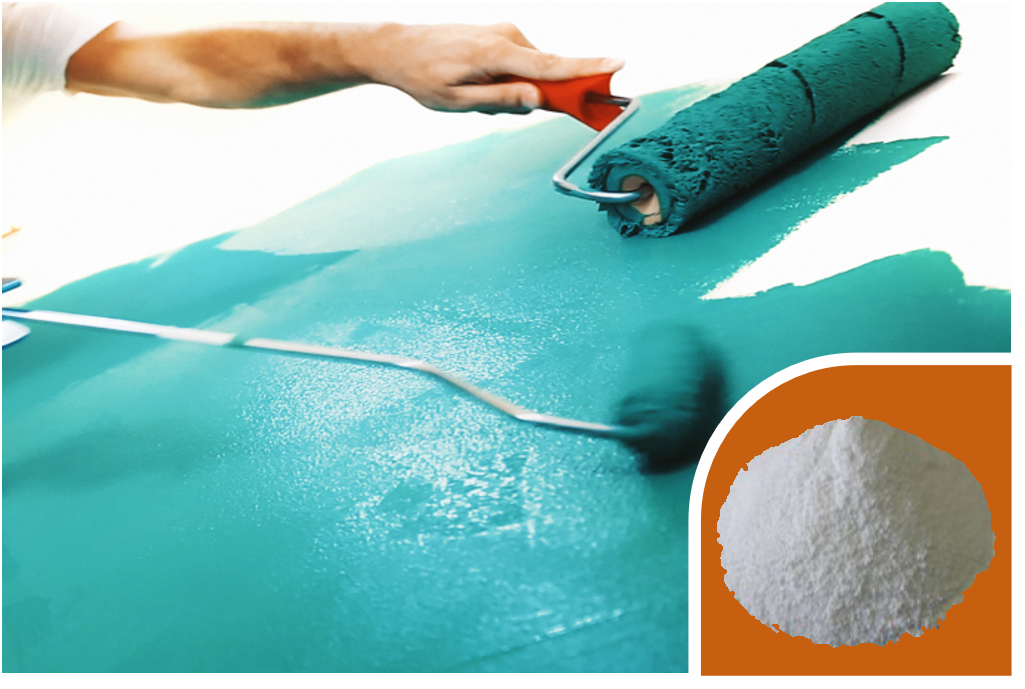
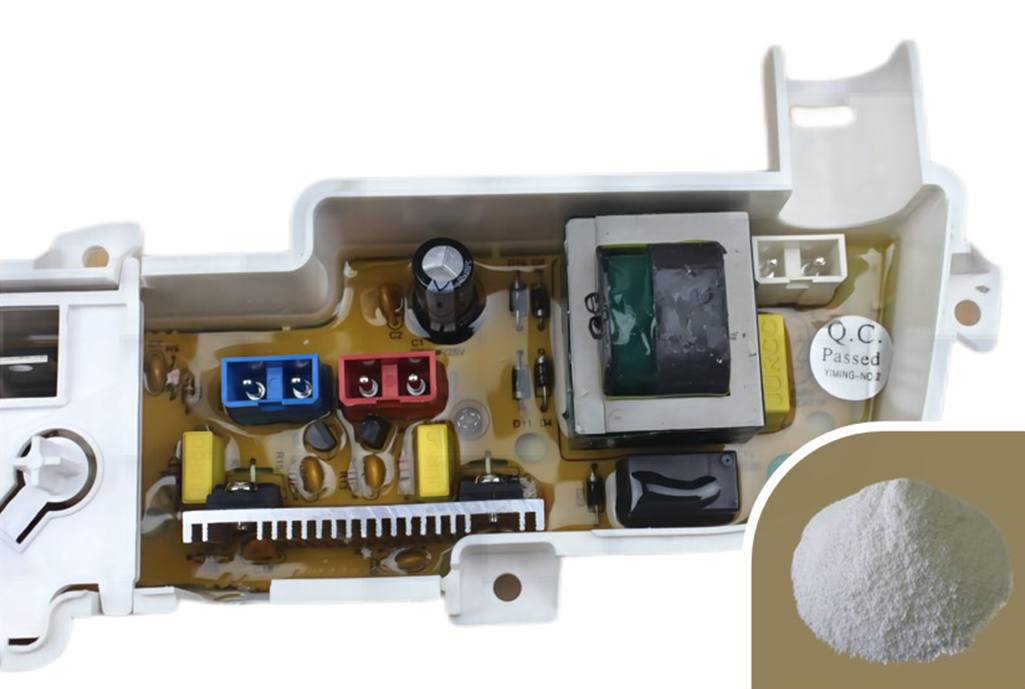
This is the biggest application. Water-based and solvent-based intumescent coatings for structural steel, wooden panels, and cables rely on APP as the acid source. Typical APP content in these coatings falls between 20% and 35% by weight, combined with pentaerythritol, melamine, titanium dioxide, and a film-forming resin.
Plastics and rubber
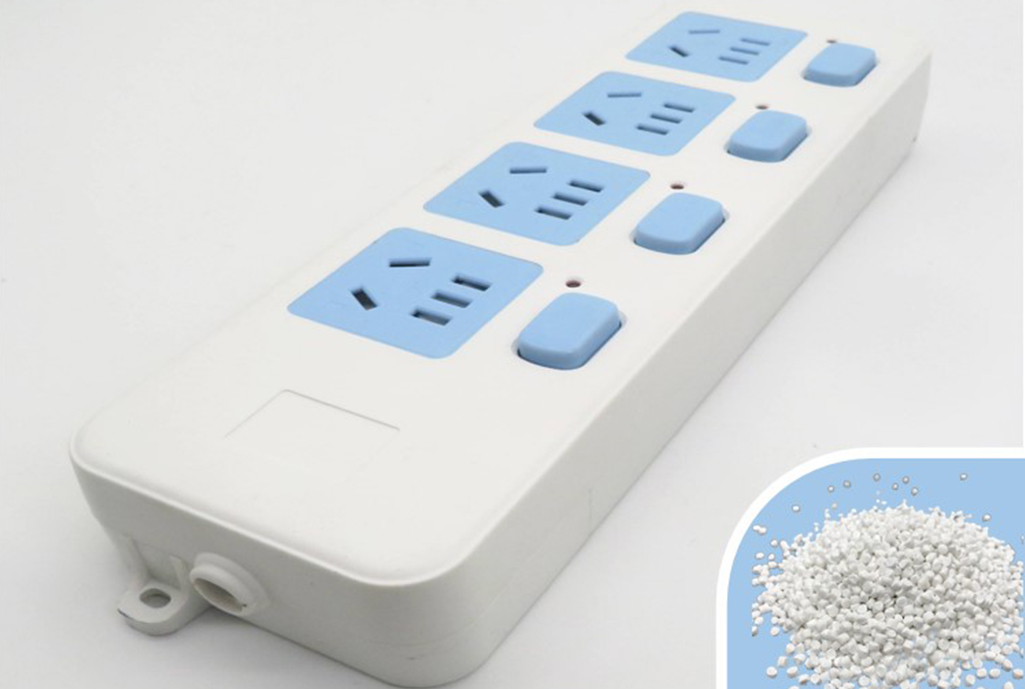
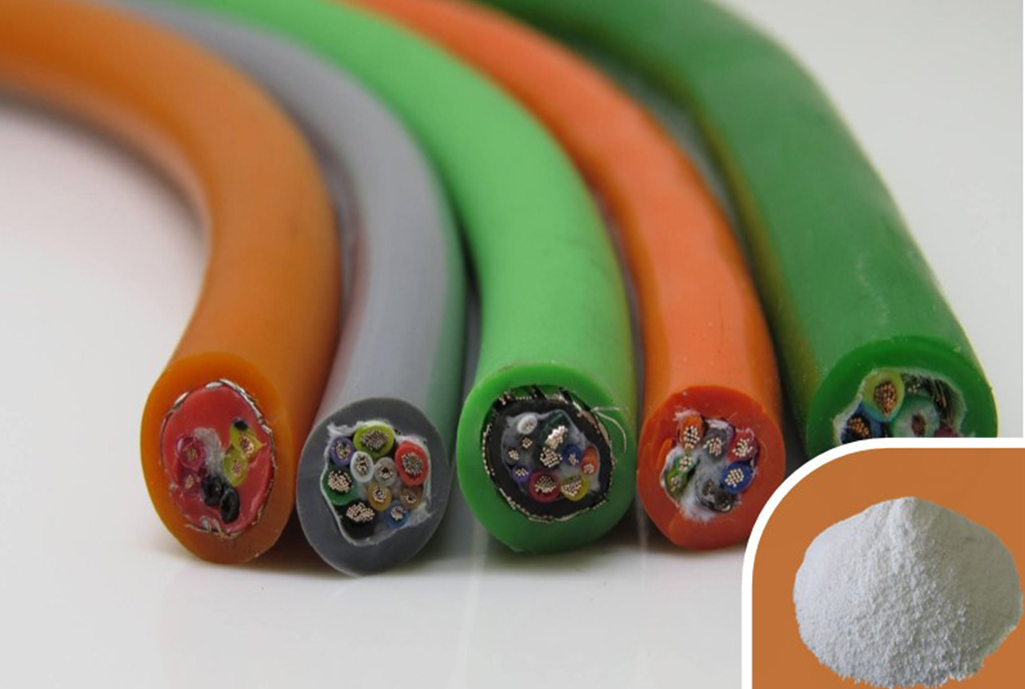
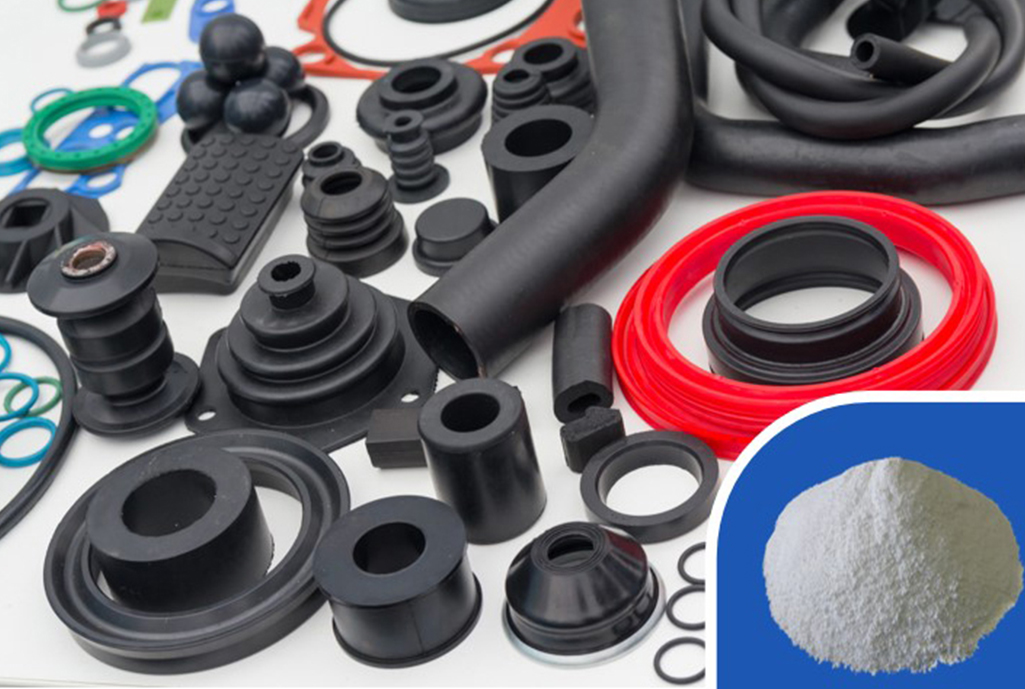
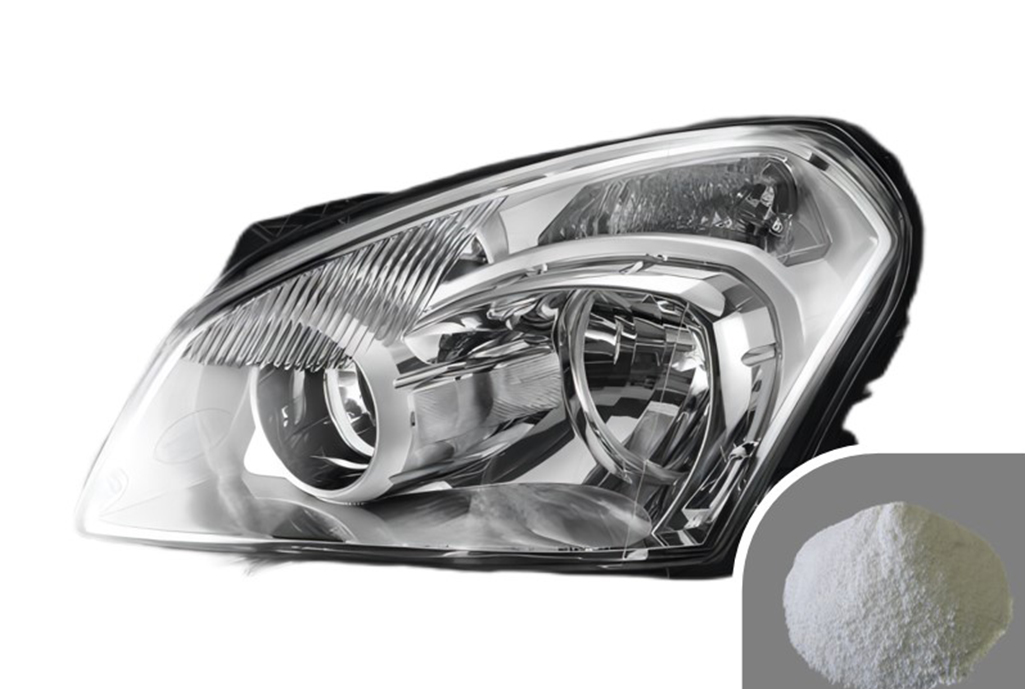
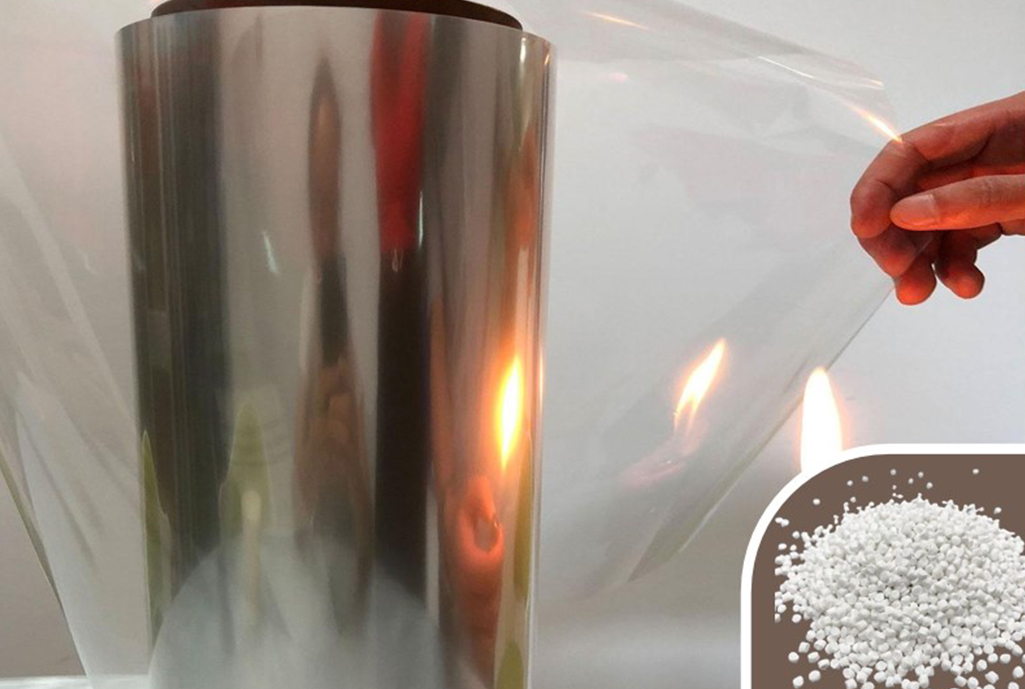
In polypropylene, polyethylene, and thermoplastic polyurethane, APP-based systems help reach UL 94 V-0 ratings without halogens. Loadings are usually higher than in coatings, often 20% to 30% for polypropylene, so particle size and surface treatment matter a great deal for keeping mechanical properties acceptable.
Foams, wood, and textiles
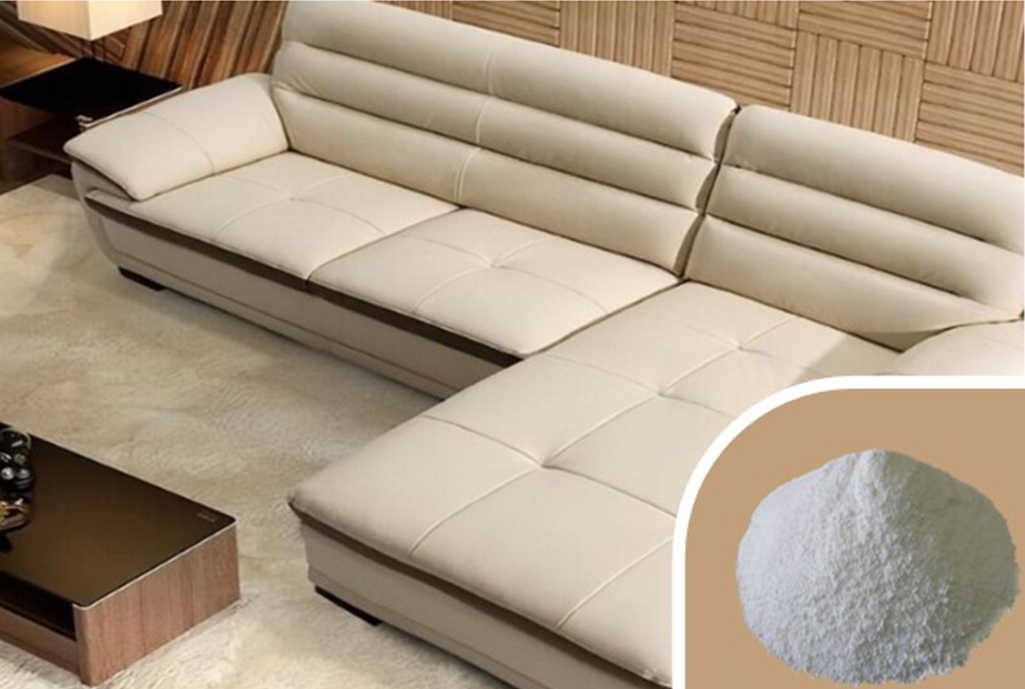
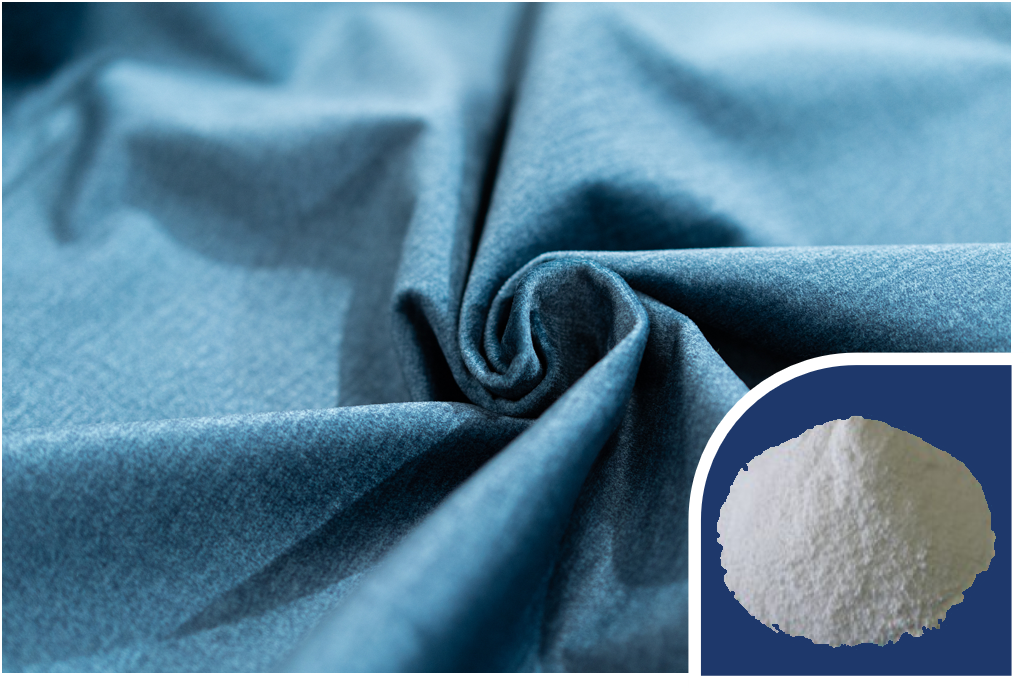
Flexible and rigid polyurethane foams, wood-based panels, and back-coated textiles all use APP to meet fire codes. Because it is a solid powder, it is usually dispersed in a binder or polyol before application.
Fire-fighting and agriculture
Liquid ammonium polyphosphate is the base of many aerial forest-fire retardants, because it leaves a phosphate residue that keeps vegetation from igniting even after the water evaporates. In agriculture, the same chemistry appears as liquid fertilizer grades such as 10-34-0 and 11-37-0, which supply phosphorus and nitrogen in one product and hold micronutrients well in solution.
How to Use APP in an Intumescent Formulation Step by Step
A common starting point for a lab-scale intumescent system is a ratio of about 3 parts APP to 1 part pentaerythritol to 1 part melamine. From there, you adjust based on fire-test results. The following steps keep the process predictable:
- Dry the powders first if they have picked up moisture, since damp APP can cause foaming and viscosity problems in coatings.
- Disperse APP, pentaerythritol, and melamine into the resin or polymer under moderate shear, so the particles separate without being crushed.
- Add titanium dioxide at a few percent to strengthen the char and improve its heat resistance.
- Test the finished sample with a cone calorimeter, limiting oxygen index, or the relevant standard for your market before scaling up.
- Adjust one variable at a time, for example the APP loading or the particle size, so you know exactly what changed the result.
Quality Checks Before You Buy Ammonium Polyphosphate
Two bags labeled ammonium polyphosphate can behave very differently. Ask for a technical data sheet and confirm the following parameters before placing an order:
| Parameter | What to Look For | Why It Matters |
| Phosphorus (P2O5) content | Around 70% or higher for flame-retardant grades | Higher content means better flame-retardant efficiency |
| Water solubility | Low for Phase II, often below 0.5 g per 100 mL | Prevents leaching and keeps coatings durable |
| Average particle size | About 10 to 20 microns for most applications | Affects dispersion, viscosity, and mechanical strength |
| Decomposition temperature | Above 250°C, higher for plastics | Must survive processing without breaking down early |
| Moisture content | Below about 0.25% | Reduces clumping and processing defects |
Common Mistakes When Working with Ammonium Polyphosphate
- Using Phase I in an outdoor or humid environment, which leads to leaching and a gradual loss of fire protection.
- Skipping the synergists, since APP alone often cannot form a strong char without a proper carbon and gas source.
- Overloading the polymer, which can pass the fire test but make the plastic brittle or hard to process.
- Ignoring processing temperature, because even Phase II can start to decompose in high-temperature engineering plastics if the grade is not suited to them.
- Storing bags open in a damp warehouse, which causes caking and inconsistent dosing.
Handling, Storage, and Safety Basics for Ammonium Polyphosphate
Ammonium polyphosphate is considered low in toxicity and is not classified as flammable or explosive, but it is still a fine powder. Wear a dust mask, safety glasses, and gloves when handling large quantities, and use ventilation to keep airborne dust down. Avoid contact with strong oxidizers and strong alkalis.
Store sealed bags in a cool, dry place away from direct sunlight, and reseal opened packaging right away. Under good conditions, the product typically stays usable for a year or more. If it has formed hard lumps, dry and sieve it before use, and test a small batch first, because moisture damage can sometimes change its performance.
On the environmental side, APP does not contain halogens, heavy metals, or formaldehyde in quality grades. Because it contains phosphorus and nitrogen, it should not be dumped into waterways in large amounts, so follow local waste regulations when disposing of spills or off-spec material.
Final Thoughts on Choosing the Right Ammonium Polyphosphate
The right ammonium polyphosphate flame retardant depends on your end product. Coatings and plastics generally need Phase II grades with low solubility and fine, consistent particles, while paper, wood, and low-cost applications can often work with Phase I. Pair APP with the correct carbon and gas sources, test at a small scale, and confirm the key specifications with your supplier. Following those steps will get you reliable fire performance without unnecessary cost.

contact details
Address:No. 166, Chenggong Road, Economic Development Zone, Jiashan County, Jiaxing City, Zhejiang Province
TEL: +86-0573-89103923 / +86 182 6841 1181
E-mail: globalmarketing@xusen.com
Product
News Center