

 English
 عربى
 简体中文

 +86-0573-89103923 / +86 182 6841 1181
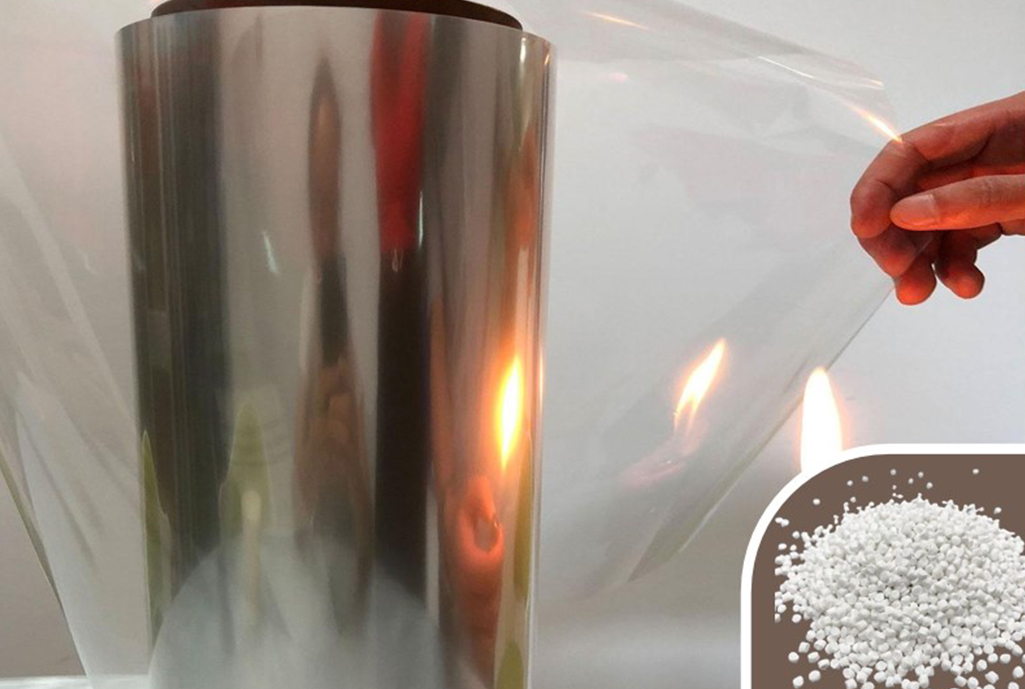
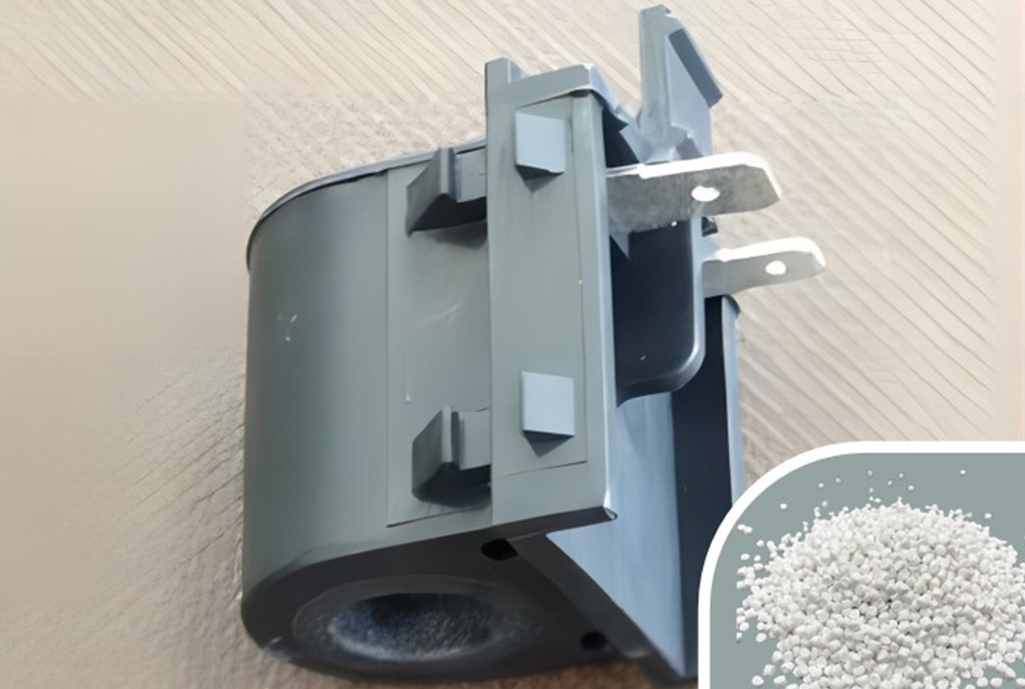

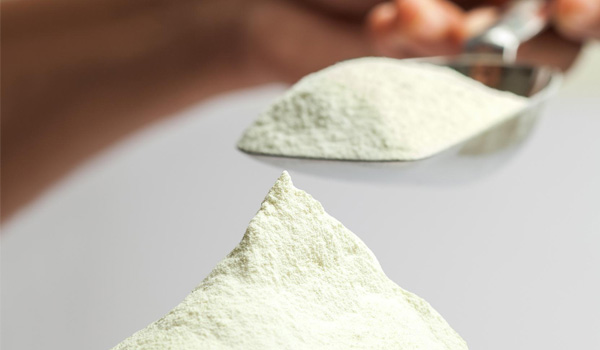



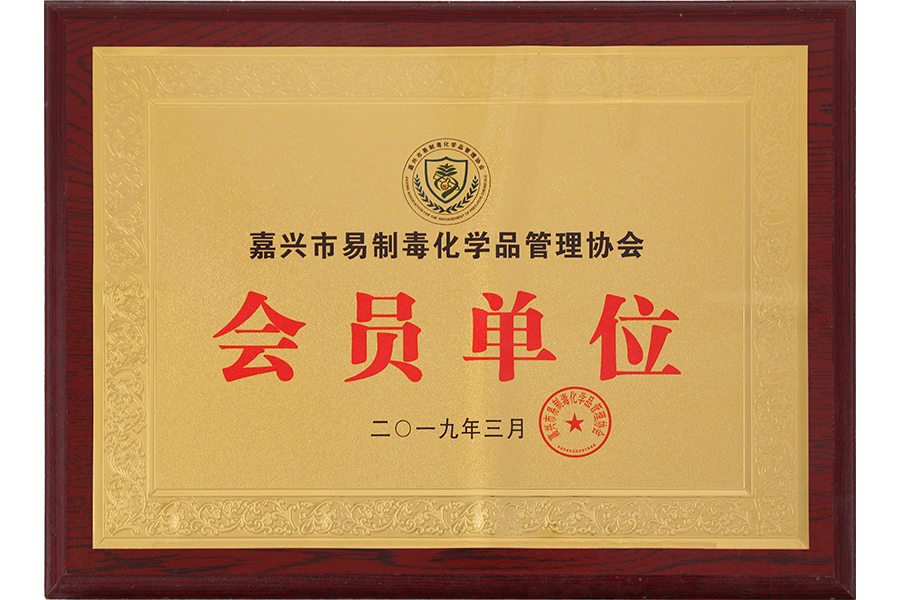

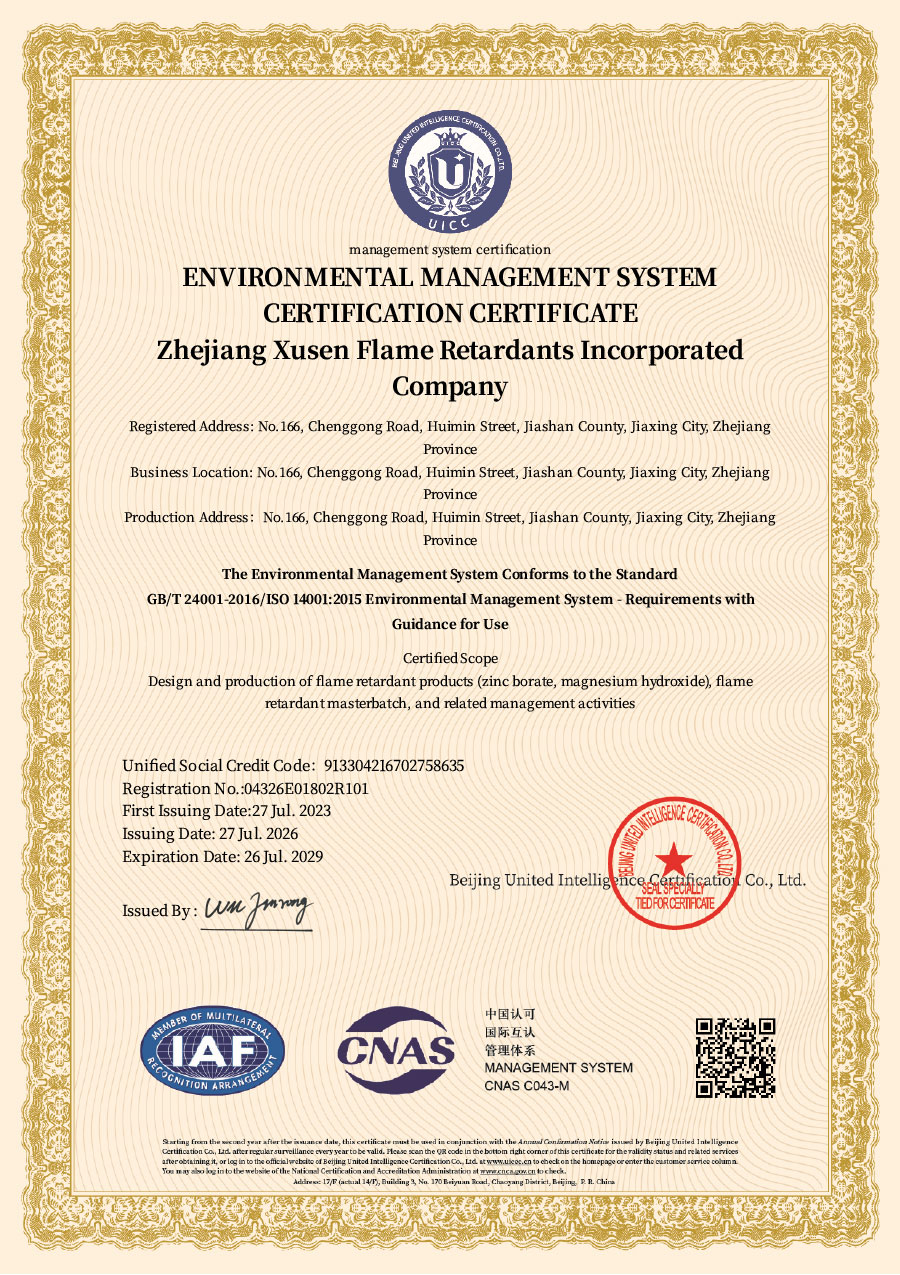
Zhejiang Xusen Flame Retardants Incorporated Company has worked on halogen-free flame retardants since 1997. As a flame retardant masterbatch for polyester manufacturer in China, we carry that chemistry into PBT, PET and copolyester compounds through concentrated pellet grades, companion additive masterbatches and the single-substance flame retardants behind them. Two production bases in Jiashan, Zhejiang and Juancheng, Shandong support an annual capacity of 12,000 tons.
The Polyester Masterbatch Range We Manufacture
Our polyester masterbatch family is built on halogen-free phosphorus-nitrogen and nitrogen chemistry, delivered in a carrier that matches the base resin so the pellets disperse cleanly during compounding, injection moulding or melt spinning. Grades are supplied as free-flowing pellets for gravimetric dosing at the hopper throat or side feeder.
- Composite Flame Retardant Masterbatch for PBT/PET XS-FR-M1380/M1950 Series — composite halogen-free masterbatch for PBT and PET compounds, applied to unfilled and glass-reinforced grades.
- ATO Masterbatch for PBT XS-FR-M1680 — a companion masterbatch for PBT formulations where an ATO-based additive package is specified.
- Single-substance building blocks — Melamine cyanurate (MCA) XS-MC-15 (wet synthesis) and XS-MC-10/25/50 (dry synthesis), high-polymerization Ammonium Polyphosphate XS-APPII, modified APP, organophosphorus and aluminum hydroxide (ATH).
- Functional additives for polyester — processing and property modifiers that can be co-supplied with the flame retardant package from the same production base.
Application Fit Across Polyester Processes
Polyester covers a wide processing window, from PBT injection moulding at moderate melt temperatures to PET fibre spinning and film extrusion where filtration pressure and die deposits matter. A masterbatch has to survive that window without degrading the carrier, releasing volatiles or leaving plate-out on tooling. We match the carrier and the additive package to the process the compound will actually run on.
| Grade / system | Base polymer | Function in the compound | Typical application fit | Supply form |
|---|---|---|---|---|
| XS-FR-M1380 composite masterbatch | PBT / PET | Halogen-free flame retardancy in filled and unfilled compounds | Electrical connectors, switch housings, coil formers, e-mobility parts | Pellets |
| XS-FR-M1950 composite masterbatch | PBT / PET | Halogen-free flame retardancy with emphasis on mechanical retention | Thin-wall and structural parts, glass-fibre reinforced grades | Pellets |
| XS-FR-M1680 ATO masterbatch | PBT | Companion additive masterbatch for specified ATO packages | PBT grades where the formulation calls for an ATO-based system | Pellets |
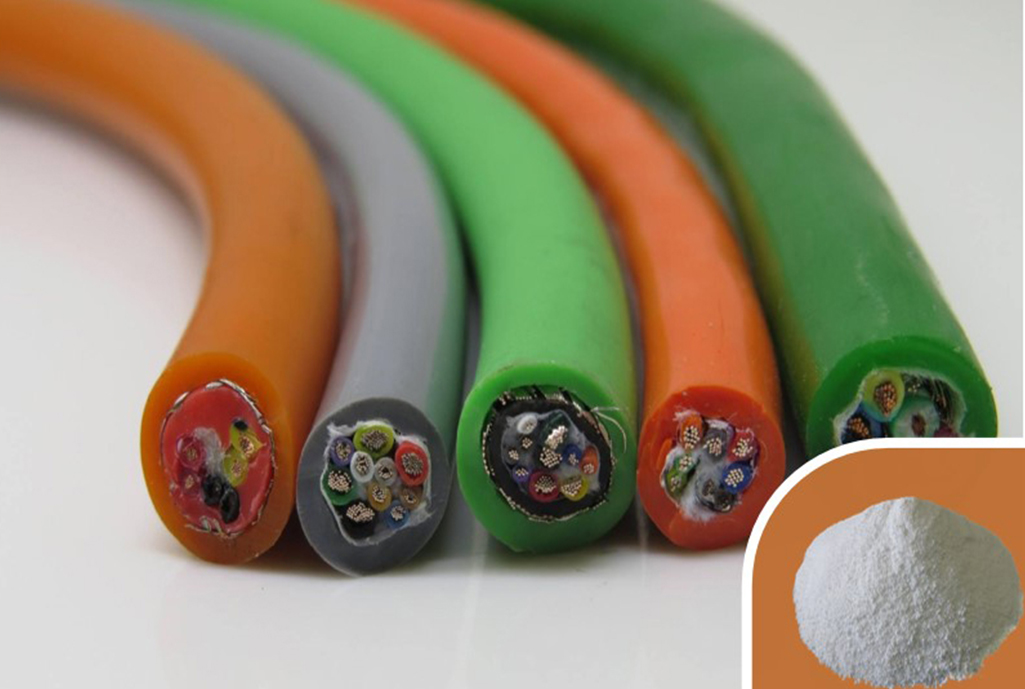
| MCA XS-MC-15 / XS-MC-10/25/50 | Polyester, PA and other thermoplastics | Nitrogen-based flame retardancy and char promotion | Wire and cable, electronic appliances, building materials, textile coatings | Powder |
| XS-APPII high-polymerization APP | Polyester, PP, coatings | Phosphorus-nitrogen flame retardancy, intumescent systems | Cable compounds, coatings, adhesives | Powder |
| Modified APP series | Polyester, thermosets | Lower water solubility and better matrix compatibility after surface treatment | Moisture-sensitive and thermoset systems | Powder |
Critical Specifications We Confirm Before Quotation
Flame retardant loading is not transferable between polyester grades. The same masterbatch behaves differently in a PBT homopolymer, a PBT/PET blend and a recycled PET stream, and the required loading shifts with wall thickness and filler content. We confirm the following points with the project team before a grade and let-down ratio are fixed.
- Base polymer identity and grade, including virgin or recycled feedstock and any blend ratio
- Melt processing window, residence time and the equipment the compound will run on
- Target flame performance: classification and specimen thickness, limiting oxygen index, glow-wire requirement or a customer-specific standard
- Filler and reinforcement content, impact modifiers and other additives already in the formulation
- Colour and appearance requirements, including freedom from black specks and surface defects
- Electrical targets such as comparative tracking index and dielectric strength where the part is live
- Mechanical retention after ageing, and any hydrolysis or heat-ageing test the part must pass
- Drying regime and permitted moisture content before processing
- Halogen content limits and the RoHS, REACH or WEEE declarations the end product requires
Manufacturing, Capacity and Quality Control
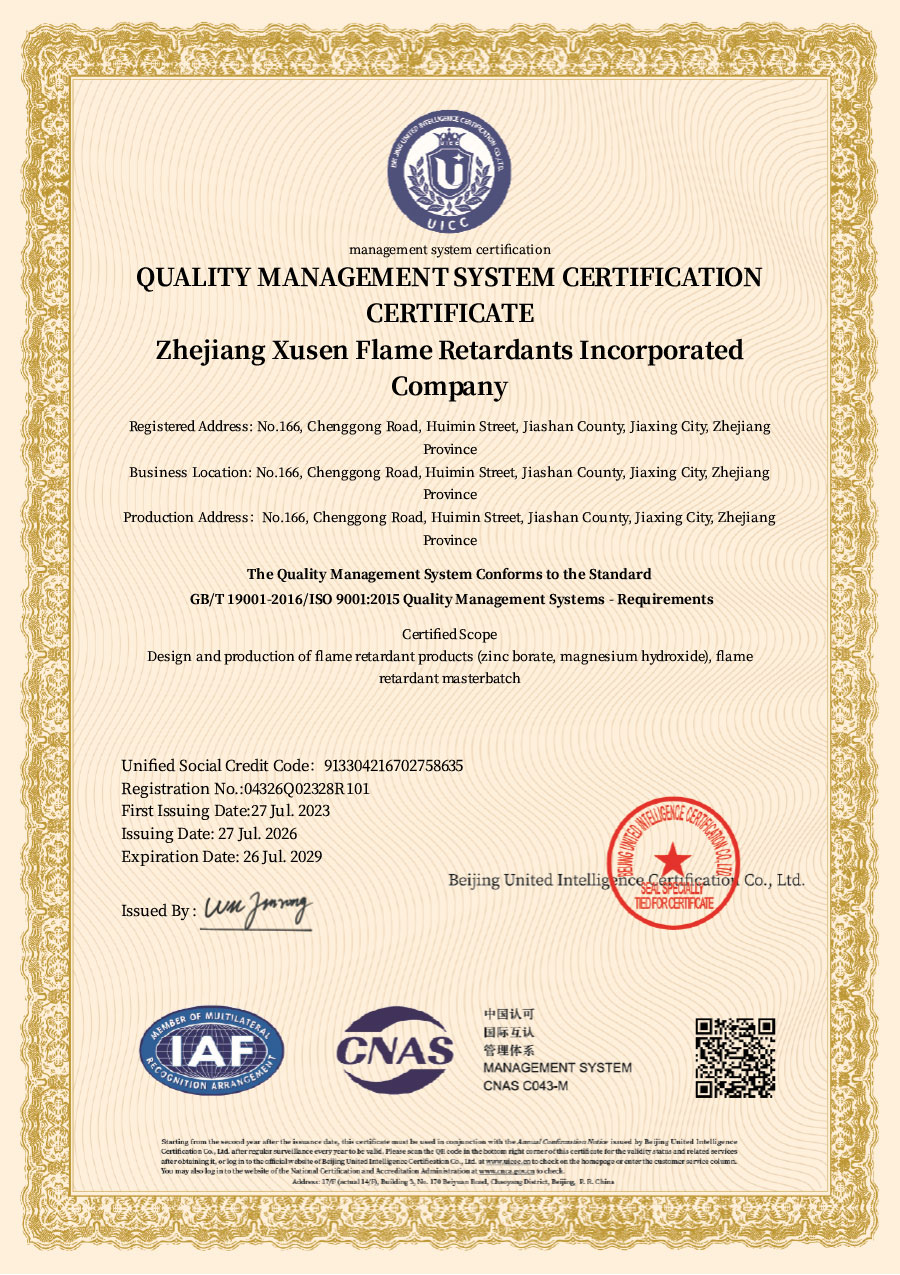
Masterbatch production runs on our own compounding lines at the Jiashan and Juancheng bases, supported by complete production and quality inspection equipment on site. Every step of the product formation process follows the ISO 9001-2015 quality management system, from incoming raw material control through to final inspection of the pellet.
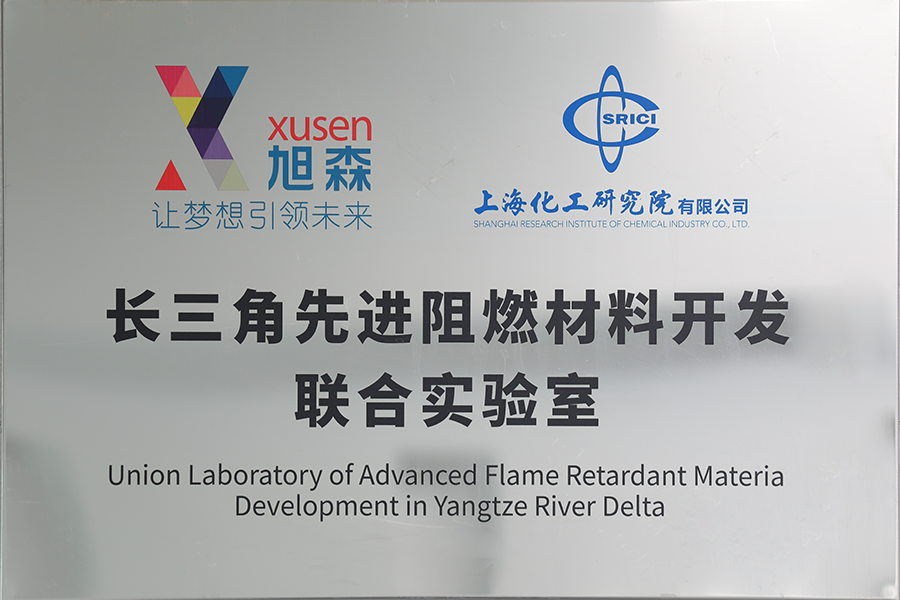
Formulation work is supported by our Zhejiang provincial-level scientific research laboratory and by the joint laboratory established with the Shanghai Institute of Chemistry for advanced flame retardant materials. We also work with Beijing Technology and Business University, Shandong Haihuai Institute and Shandong Brothers through China's advanced light industry flame retardant engineering technology research center. The company holds a number of invention and utility model patents and has participated in the formulation of national and industry standards.
Line Integration, Trials and Process Support
We configure the masterbatch around the line interface rather than around a catalogue number: dosing point, let-down ratio, drying regime and the temperature profile the polyester actually sees. For fibre and film lines where filtration pressure and die deposits are sensitive, we adjust particle size distribution and dispersion behaviour in the carrier.
- Trial quantities for line trials, moulding trials and validation runs before production scale-up
- Support in setting the initial loading and adjusting it against the measured flame and mechanical result
- Batch traceability from raw material through compounding to the delivered lot
- Packaging arranged to suit the handling and storage conditions at the customer plant
Compliance Evidence and Documentation
Our products comply with the requirements of the WEEE, RoHS and EUP directives, and our MCA and APP chemistry is REACH registered. RoHS test reports are held for APP, ATH, flame retardant for PA and flame retardant for polyolefin, alongside an MCA halogen test report and MCA RoHS 3.0 test report. These documents are released with the grade supplied so the compliance file for the end product can be completed without a separate testing round.
Information We Use to Configure Your Solution
A configuration and quotation are prepared from the working point, the material and the production target. The following inputs let us select the grade, set the loading and quote against a defined scope.
- Base resin, grade and supplier, with virgin or recycled status
- Part or product type, wall thickness and the flame rating it must reach
- Processing method, machine type and typical cycle or line speed
- Current formulation, existing additive package and current loading
- Filler, reinforcement and impact modifier content
- Colour, surface and electrical requirements
- Annual volume, order pattern and preferred packaging
- Compliance declarations and test reports required for the end market
Frequently Asked Questions
What is flame retardant masterbatch for polyester used for?
It is a concentrated pellet additive blended with PBT, PET or copolyester during compounding, injection moulding or melt spinning. The pellets carry halogen-free phosphorus-nitrogen or nitrogen chemistry into the melt at a controlled let-down ratio, so the finished part meets its flame requirement while the base resin keeps its processing behaviour. Typical end uses include electrical connectors and housings, coil formers, e-mobility components, cable and insulation parts, and technical textile or film products where flame performance is specified.
Which grade suits PBT electrical components?
The XS-FR-M1380 and XS-FR-M1950 composite masterbatches are the starting point for PBT and PET compounds. M1380 is used where flame performance is the primary requirement in filled or unfilled grades; M1950 is chosen when mechanical retention in thin-wall or glass-reinforced parts carries more weight. The final choice follows from wall thickness, glass content, the target classification and the mechanical values the part must hold, and we confirm it on a trial rather than from a data sheet alone.
Is the masterbatch halogen-free and RoHS compliant?
Yes. The polyester masterbatch range is built on halogen-free chemistry, and our products comply with the WEEE, RoHS and EUP requirements. MCA and APP are REACH registered. We hold an MCA halogen test report and an MCA RoHS 3.0 test report, together with RoHS test reports for APP, ATH, flame retardant for PA and flame retardant for polyolefin, and we release the relevant documents with the supplied grade.
What let-down ratio should be used?
There is no single figure that applies across polyester. The loading depends on the target classification and specimen thickness, the base resin and its viscosity, filler and reinforcement content, and the processing conditions the compound sees. We set an initial ratio from the project data, then adjust it against the measured flame and mechanical result from the trial run, so the production loading is fixed on evidence rather than assumption.
Can you supply trial quantities before full production?
We supply trial quantities for line trials, moulding trials and validation runs, and we support the scale-up once the loading and process window are confirmed. The same formulation is used for trial and production lots, so the result obtained on the trial line carries over to the commercial run. Related grades for other polyester-adjacent systems, such as composite flame retardant for polyester and flame retardant masterbatch for PA, follow the same trial and validation route.
What information do you need to prepare a quotation?
We need the base resin and grade, the part or product type with its wall thickness, the flame rating it must reach, the processing method and equipment, the existing formulation and loading, filler and reinforcement content, colour and electrical requirements, annual volume and preferred packaging, and the compliance declarations the end market requires. With those inputs we can select the grade, propose a starting loading and quote against a defined scope.