Tel: +86-0573-89103923 / +86 182 6841 1181

E-mail:globalmarketing@xusen.com



 English
 عربى
عربى 简体中文
简体中文PP Flame Retardant Masterbatch Explained: How It Stops Plastic From Burning
2026-10-10
Content
- 1 What Is Flame Retardant Masterbatch for PP
- 2 How Flame Retardant Masterbatch for PP Actually Works
- 3 Main Types of Flame Retardant Masterbatch for PP
- 4 Key Properties to Check Before Buying Flame Retardant Masterbatch for PP
- 5 Where Flame Retardant Masterbatch for PP Is Commonly Used
- 6 How to Determine the Right Dosage
- 7 Common Problems and How to Fix Them
- 8 Flame Retardant Standards and Testing to Know
- 9 Tips for Choosing a Reliable Flame Retardant Masterbatch Supplier
- 10 Final Thoughts
What Is Flame Retardant Masterbatch for PP
Flame retardant masterbatch for PP is a concentrated pellet additive that is blended with raw polypropylene resin during extrusion or injection molding to give the final plastic product the ability to resist ignition, slow down flame spread, and reduce dripping when exposed to fire. Because pure polypropylene is highly flammable on its own — it melts, drips, and burns quickly once ignited — manufacturers who make PP products for electrical housings, automotive parts, pipes, packaging, or construction components rely on flame retardant masterbatch to bring the material up to safety codes without redesigning the entire production line.
Unlike raw flame retardant powders, which are messy, dusty, and hard to disperse evenly, masterbatch carriers pre-mix the active flame retardant chemistry with a PP-compatible carrier resin. This makes dosing simple: a factory just adds a percentage of masterbatch pellets into the hopper alongside virgin PP, and the extruder or molding machine does the rest.
How Flame Retardant Masterbatch for PP Actually Works
Flame retardant masterbatch interrupts the combustion process at one or more stages: ignition, heat release, flame propagation, or smoke generation. Different chemistries target different stages, which is why understanding the mechanism helps when selecting the right product for a specific application.
Gas Phase Action
Some flame retardants release non-flammable gases such as hydrogen bromide or hydrogen chloride when heated. These gases dilute the oxygen and flammable vapors around the burning surface, effectively starving the flame. Brominated flame retardant masterbatch typically works this way and is valued for strong performance at relatively low loading levels.
Solid Phase Action
Intumescent flame retardant masterbatch, usually built around phosphorus-nitrogen synergists, forms a swollen, insulating char layer on the surface of the burning PP. This char acts like a barrier, cutting off oxygen supply and slowing heat transfer into the unburned material below.
Heat Absorption Action
Mineral-based flame retardants like aluminum hydroxide or magnesium hydroxide decompose endothermically, absorbing heat and releasing water vapor that dilutes flammable gases. This route is halogen-free and produces low smoke, though it usually requires higher loading to be effective.
Main Types of Flame Retardant Masterbatch for PP
Choosing between flame retardant systems depends on the target flame rating, regulatory requirements, mechanical property tolerance, and cost budget. The table below compares the most common types used in PP processing.
| Type | Typical Loading | Strengths | Trade-offs |
| Brominated FR Masterbatch | 8–15% | High efficiency, low dosage, strong UL94 V-0 performance | Restricted in some regions, higher smoke density |
| Intumescent (P-N Based) Masterbatch | 15–25% | Halogen-free, low smoke and toxicity, RoHS friendly | Higher loading may affect stiffness and surface finish |
| Mineral-Based (ATH/MDH) Masterbatch | 30–50% | Very low toxicity and smoke, cost-effective raw material | Needs very high loading, can reduce impact strength |
| Nitrogen-Based Masterbatch | 10–20% | Good char formation, moderate cost, halogen-free | Performance sensitive to processing temperature |
Key Properties to Check Before Buying Flame Retardant Masterbatch for PP
Not all flame retardant masterbatch products are interchangeable. Before placing an order, it helps to confirm the following technical points with the supplier so the material actually performs in your specific product.
- Target flame rating (UL94 V-0, V-1, V-2, or 5VA/5VB) that matches your end-product certification requirement
- Limiting Oxygen Index (LOI) value, since most flame retardant PP compounds need an LOI above 26% to be self-extinguishing in air
- Carrier resin compatibility — the masterbatch carrier should be PP-based, not PE or another polymer, to avoid phase separation
- Processing temperature window, since some phosphorus-based additives can decompose above 220–230°C
- Impact on mechanical properties such as tensile strength, elongation, and impact resistance at the recommended dosage
- Halogen content, needed if the product must comply with RoHS, REACH, or halogen-free electrical standards
- Color and dispersion quality, especially for transparent or light-colored PP applications
Where Flame Retardant Masterbatch for PP Is Commonly Used
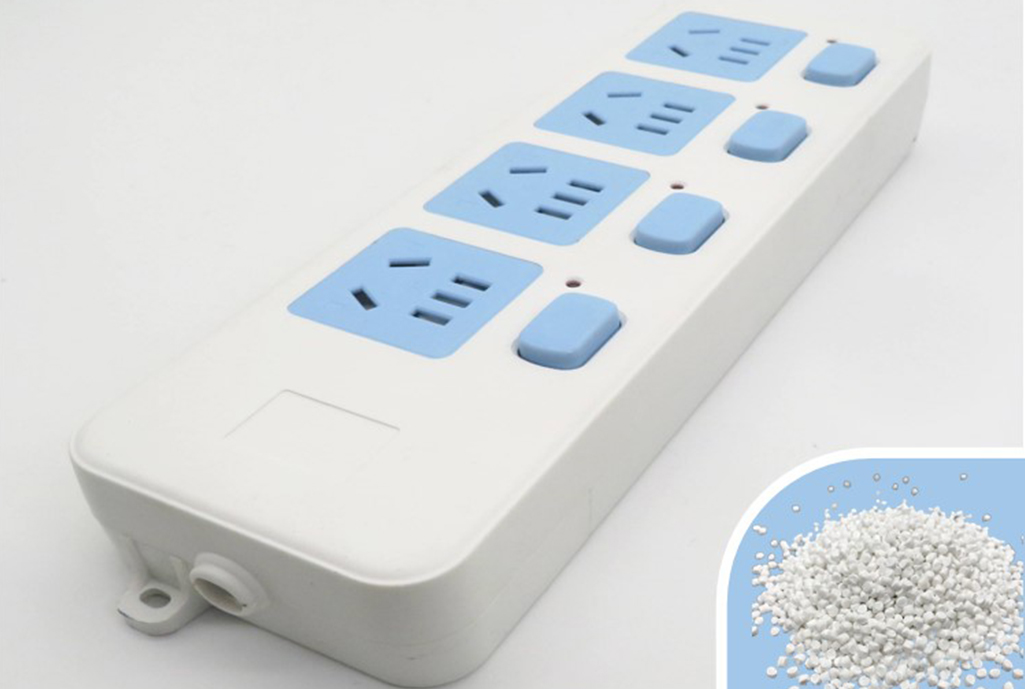
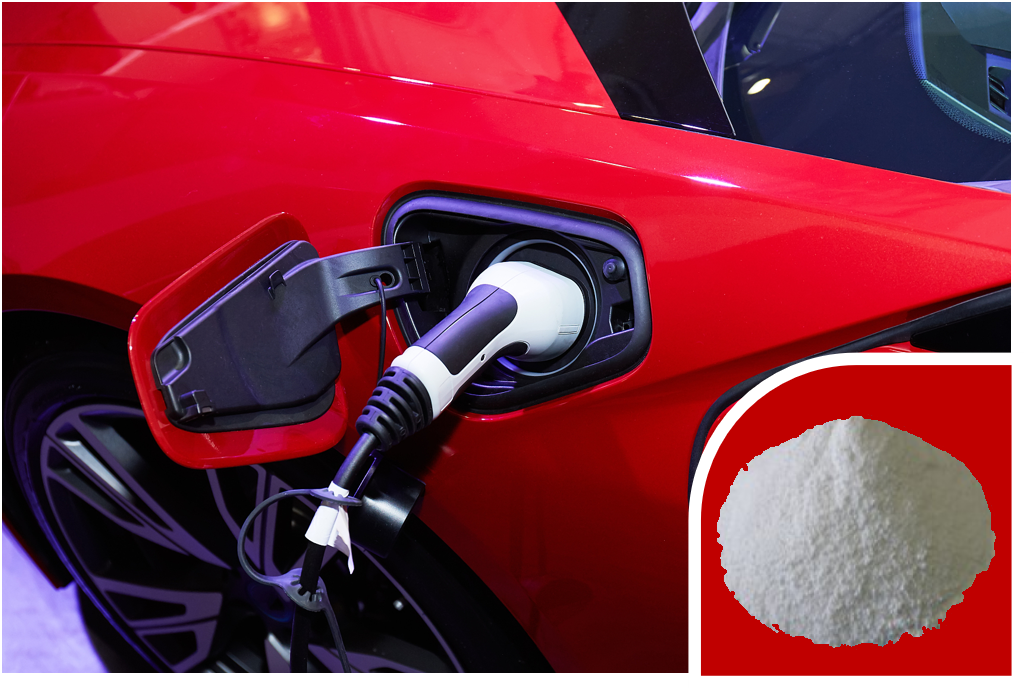
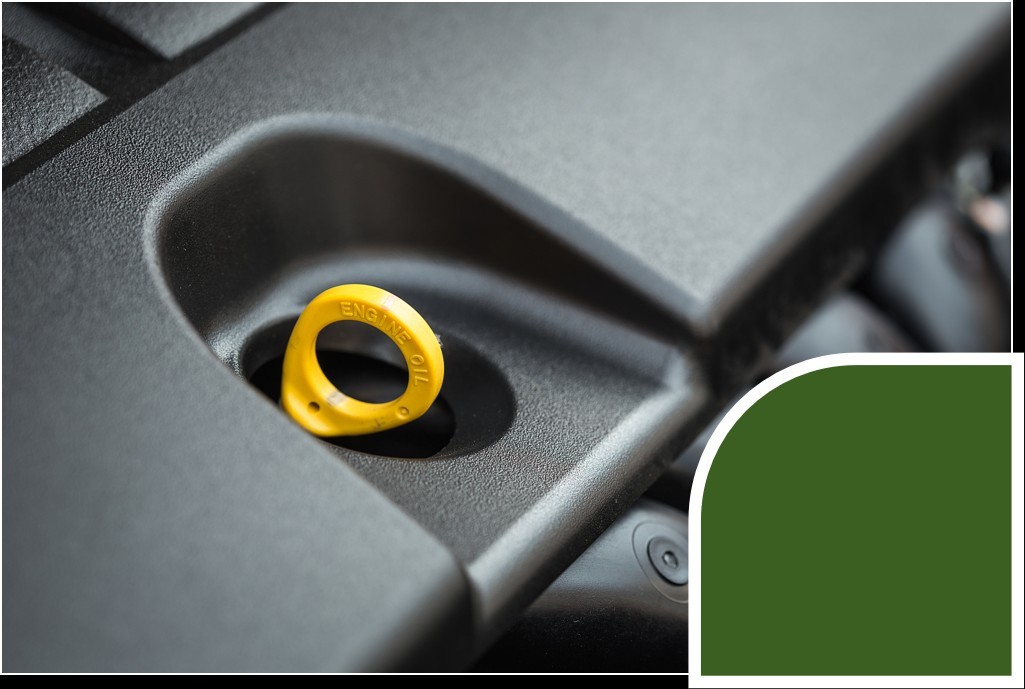
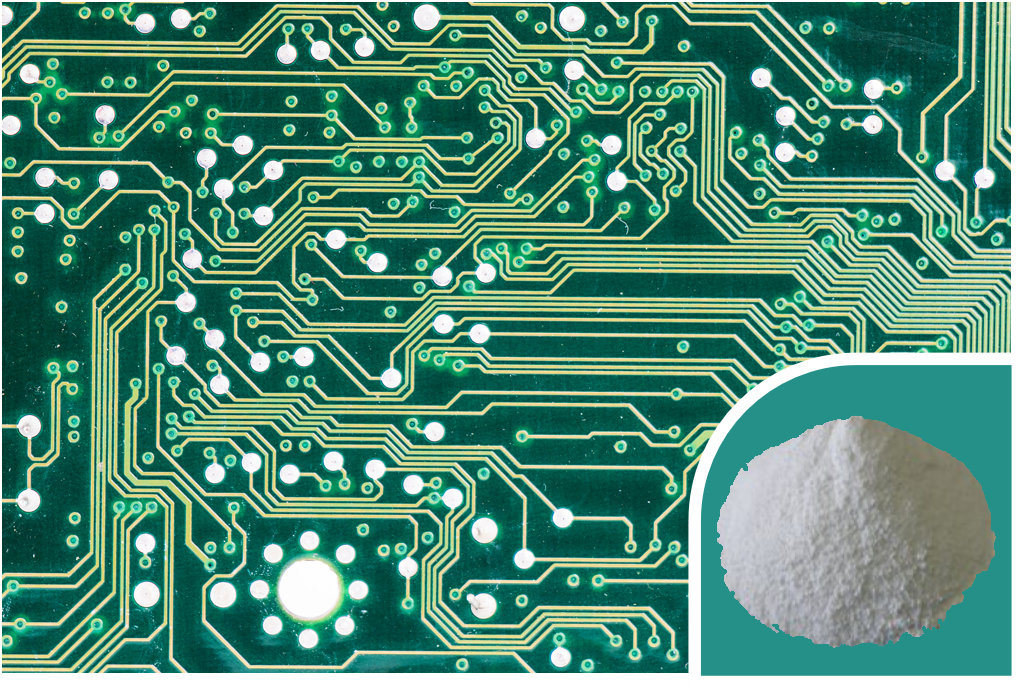
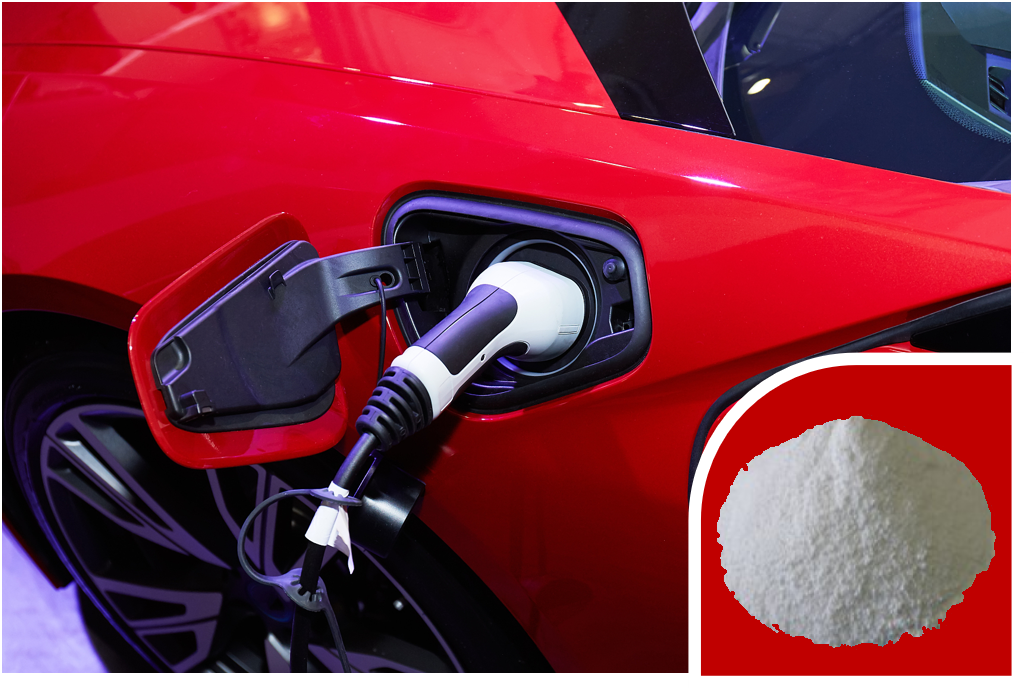
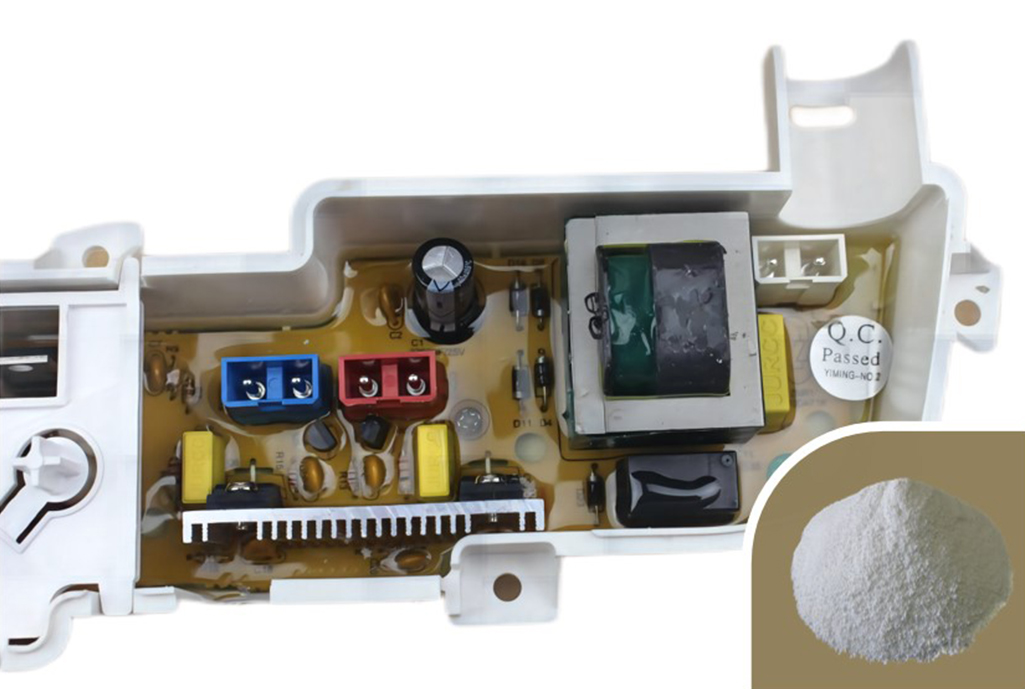
Flame retardant PP compounds show up across a wide range of industries wherever fire safety codes apply. Electrical and electronic housings, switch boxes, cable trays, and connectors are among the largest users, since these products sit near live wiring and heat sources. In construction, flame retardant PP is used in pipes, insulation boards, and ducting where building codes require self-extinguishing behavior. The automotive sector uses it in interior trim, wiring conduits, and under-hood components that must meet FMVSS 302 or similar flammability standards. Home appliances, especially those with internal wiring like fans, small kitchen devices, and power strips, also depend heavily on flame retardant masterbatch to pass safety certification before reaching the market.
How to Determine the Right Dosage
Dosage is never one-size-fits-all. It depends on the wall thickness of the finished part, the flame rating target, and the specific chemistry of the masterbatch. As a general starting point, thin-walled parts under 1.5mm often need a higher percentage of flame retardant masterbatch to achieve V-0 because there is less material mass to slow the flame. Thicker parts can sometimes reach the same rating with a lower dosage. It is standard practice to run small-batch trial molding at two or three dosage levels, then send samples for UL94 vertical burn testing before committing to full production. Skipping this trial step is one of the most common reasons factories fail certification on the first attempt.
Common Problems and How to Fix Them
Poor Dispersion or Surface Spotting
This usually happens when the masterbatch carrier resin has a mismatched melt flow index compared to the base PP, or when mixing time is too short. Switching to a masterbatch with a carrier MFI closer to the base resin, or extending screw residence time, typically resolves it.
Reduced Impact Strength
High mineral filler loading can make parts brittle. Adding a compatible impact modifier alongside the flame retardant masterbatch, or switching to a more efficient intumescent system that needs lower loading, can help recover toughness.
Failing UL94 Testing
Failures often trace back to insufficient dosage, moisture in the pellets before molding, or inconsistent wall thickness in the mold design. Pre-drying resin and masterbatch at the recommended temperature before processing is a simple fix that is frequently overlooked.
Flame Retardant Standards and Testing to Know
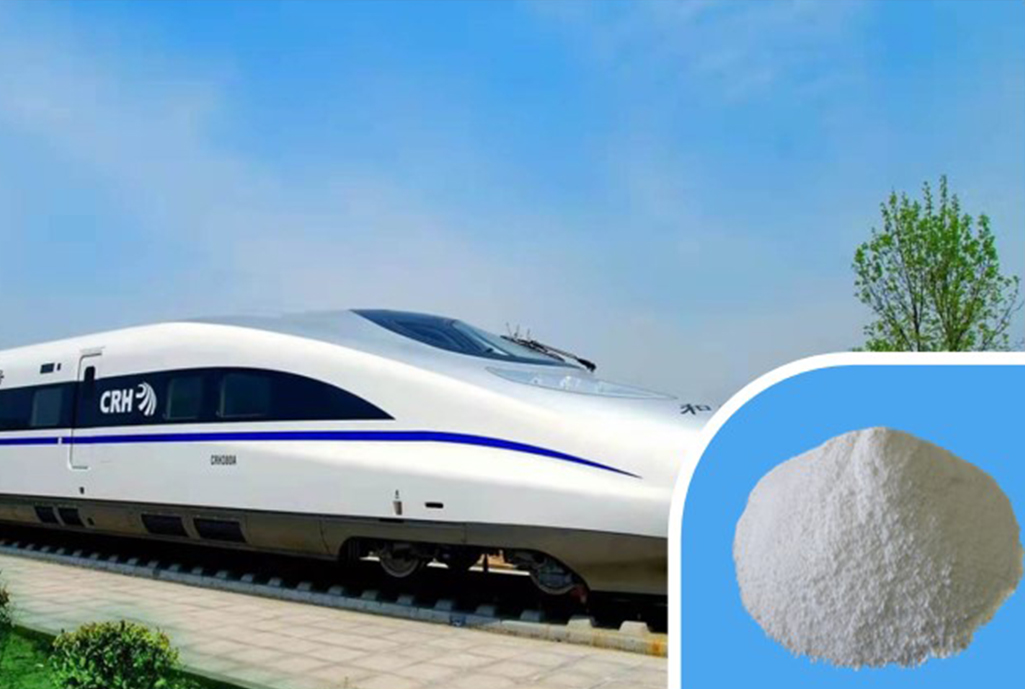
Before shipping any flame retardant PP product, it should be validated against the standard relevant to its market and application. UL94 is the most widely referenced test in North America, rating materials from V-2 up to 5VA based on how quickly a flame self-extinguishes and whether burning drips occur. In Europe, EN 45545 governs flammability for rail applications, while IEC 60695 covers general electrical and electronic equipment. Automotive parts are typically checked against FMVSS 302 or ISO 3795. Confirming which standard your customer requires before selecting a flame retardant masterbatch prevents costly rework later in the certification process.
Tips for Choosing a Reliable Flame Retardant Masterbatch Supplier
- Ask for third-party test reports (UL, SGS, or equivalent lab) rather than relying only on the supplier's internal data
- Request small sample batches for in-house trial runs before committing to bulk orders
- Check batch-to-batch consistency records, since flame retardant performance can vary if raw material sourcing is inconsistent
- Confirm technical support is available for dosage optimization and troubleshooting during production ramp-up
- Verify regulatory documentation such as RoHS, REACH, or halogen-free declarations if your export market requires them
Final Thoughts
Flame retardant masterbatch for PP is one of the most practical ways to turn a naturally flammable plastic into a material that meets strict fire safety requirements without overhauling production equipment. Getting the best results comes down to matching the right chemistry — brominated, intumescent, mineral, or nitrogen-based — to the target flame rating, running proper dosage trials, and working with a supplier who can back up performance claims with real test data.



contact details
Address:No. 166, Chenggong Road, Economic Development Zone, Jiashan County, Jiaxing City, Zhejiang Province
TEL: +86-0573-89103923 / +86 182 6841 1181
E-mail: globalmarketing@xusen.com
Product
News Center