Tel: +86-0573-89103923 / +86 182 6841 1181

E-mail:globalmarketing@xusen.com



 English
 عربى
عربى 简体中文
简体中文Composite Flame Retardant: How It Really Works to Stop Fires
2026-07-13
Content
- 1 What Is a Composite Flame Retardant, Really?
- 2 How Does a Composite Flame Retardant Actually Work?
- 3 Common Types of Composite Flame Retardants
- 4 Why Combine Flame Retardants Instead of Using Just One?
- 5 Where Composite Flame Retardants Are Used
- 6 How to Choose the Right Composite Flame Retardant
- 7 The Future of Composite Flame Retardant Technology
What Is a Composite Flame Retardant, Really?
A composite flame retardant is not a single chemical — it's a blend of two or more flame-retardant ingredients that work together to slow down or stop a fire. Instead of relying on one additive to do all the work, manufacturers combine different compounds (such as phosphorus-based, nitrogen-based, halogen-based, or mineral fillers) so that each one covers a weakness the others might have. The result is a more balanced, more reliable fire protection system that performs better than any single ingredient could on its own.
This approach has become the standard in industries like construction, electronics, automotive, and textiles, where fire safety standards keep getting stricter every year. A well-designed composite flame retardant doesn't just delay ignition — it can reduce smoke, limit the spread of flames, and even help materials self-extinguish once the heat source is removed.
How Does a Composite Flame Retardant Actually Work?
To understand why combining flame retardants is so effective, it helps to know the basic ways fire-retardant chemistry interrupts a fire. Most composite systems rely on a mix of the following mechanisms working at the same time:
Cooling the Surface
Some additives release water vapor or absorb heat as they break down, which lowers the surface temperature of the material and slows the rate at which it can keep burning.
Forming a Protective Char Layer
Phosphorus and nitrogen-based components often react together to create a tough, carbon-rich crust on the material's surface. This char layer acts like a shield, cutting off oxygen and blocking heat from reaching the layers underneath.
Diluting Flammable Gases
Mineral fillers such as aluminum hydroxide or magnesium hydroxide release inert gases when heated, which dilutes the flammable gases escaping from the burning material and makes it harder for the fire to sustain itself.
Interrupting the Chemical Chain Reaction
Halogen-based or certain synergist compounds can interfere directly with the chemical reactions happening in the flame, effectively starving the fire of the free radicals it needs to keep spreading.
Common Types of Composite Flame Retardants
There isn't a single "best" composite flame retardant — the right combination depends on the base material, the required fire rating, and other performance needs like strength or flexibility. Here's a quick comparison of the most widely used composite systems:
| Composite Type | Main Components | Best Suited For |
| Phosphorus-Nitrogen Composite | Ammonium polyphosphate + melamine derivatives | Plastics, foams, textiles |
| Mineral-Based Composite | Aluminum hydroxide + magnesium hydroxide | Cables, rubber, construction materials |
| Halogen-Free Synergist Composite | Phosphorus compounds + silicon or boron additives | Electronics, eco-friendly products |
| Nano-Enhanced Composite | Nanoclay or carbon nanotubes + traditional retardants | High-performance composites, aerospace |
Why Combine Flame Retardants Instead of Using Just One?
Using a single flame-retardant additive often means making a trade-off — you might get great fire resistance but sacrifice mechanical strength, or you might need such a high loading amount that the material becomes brittle or heavy. Composite formulations solve this by letting smaller amounts of multiple ingredients work together, which is often called a "synergistic effect." Here are the main advantages this brings:
- Lower overall additive loading, which helps preserve the material's strength and flexibility
- Better smoke suppression compared to single-component systems
- Improved compatibility with different base resins or fibers
- More consistent performance across a wider range of temperatures
- Easier to meet halogen-free and environmental regulations

Where Composite Flame Retardants Are Used
Because fire safety requirements vary so much from industry to industry, composite flame retardants are formulated differently depending on where they'll be applied. Here are some of the most common real-world uses:
Electrical and Electronics
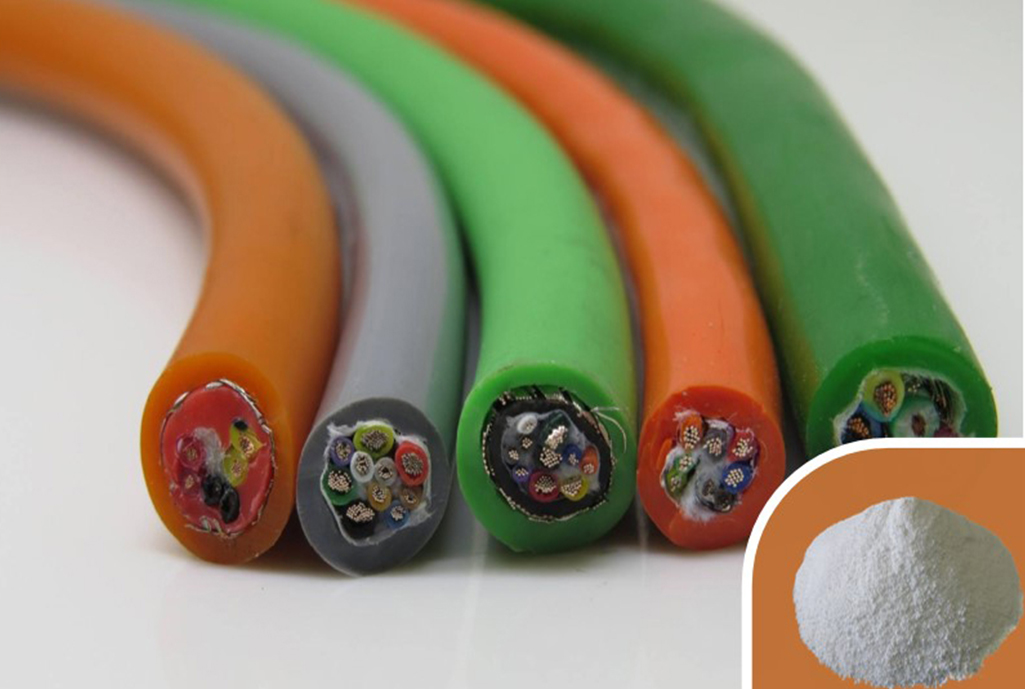
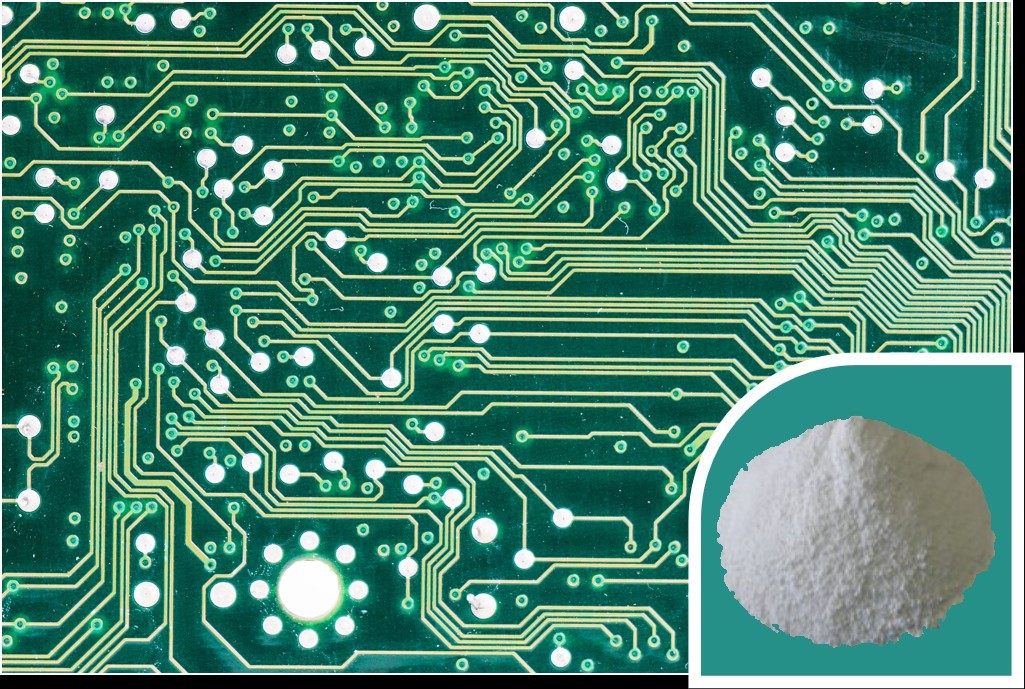
Cable insulation, connectors, and circuit boards rely heavily on halogen-free composite systems to prevent toxic smoke release while still meeting strict flammability standards like UL94.
Construction and Building Materials
Insulation panels, wall coatings, and structural composites use mineral-based or phosphorus-nitrogen blends to slow flame spread and protect occupants during evacuation time.
Automotive and Transportation
Interior panels, seating foam, and wiring harnesses need flame retardants that won't compromise weight savings, making nano-enhanced and synergist composites popular choices.
Textiles and Protective Gear
Workwear, curtains, and upholstery fabrics often use phosphorus-nitrogen composites because they offer good flame resistance without making the fabric feel stiff or uncomfortable.
How to Choose the Right Composite Flame Retardant
Picking the right composite formulation isn't just about checking a fire rating box — it requires looking at the whole picture of how the material will be made, used, and disposed of. Consider these factors before making a decision:
- What base material (plastic, rubber, fabric, foam) the retardant needs to be compatible with
- Which fire safety standard or certification the final product must meet
- Whether halogen-free or low-smoke requirements apply to your market or region
- How the additive will affect mechanical properties like flexibility, color, and weight
- Long-term cost, including processing temperature and additive dosage needed
The Future of Composite Flame Retardant Technology
As environmental regulations tighten worldwide, the trend is clearly moving away from older halogenated systems toward halogen-free, bio-based, and nano-enhanced composite formulations. Researchers are also exploring intelligent flame retardants that activate only when a certain temperature threshold is reached, reducing unnecessary chemical load in the material during normal use. For anyone working with plastics, textiles, or building materials, staying informed about these advances in composite flame retardant technology isn't just a compliance issue — it's becoming a real competitive advantage in safer, more sustainable product design.








contact details
Address:No. 166, Chenggong Road, Economic Development Zone, Jiashan County, Jiaxing City, Zhejiang Province
TEL: +86-0573-89103923 / +86 182 6841 1181
E-mail: globalmarketing@xusen.com
Product
News Center