

 English
 عربى
 简体中文

 +86-0573-89103923 / +86 182 6841 1181



Zhejiang Xusen Flame Retardants Incorporated Company has developed and produced halogen-free flame retardant systems since 1997. Our Functional additives for polyester manufacturer range covers nucleating agents, flow modifiers and thermal stabilizers for PET, PBT and PC/PET processing, supplied alongside the composite flame retardant and masterbatch families we produce for compounders, fibre and film lines, and injection moulders. Each grade is selected for a defined job in the melt — controlling crystallization, raising flow, or holding molecular weight through a hot processing window — rather than acting as a general-purpose filler.
What the Polyester Functional Additive Range Covers
Three product families make up the current polyester additive offer, and each one addresses a different point of failure in polyester processing. They can be supplied as individual additives or converted into a masterbatch for gravimetric dosing.
| Product | Primary function | Typical polyester application fit |
|---|---|---|
| XS-CH-201 Nucleating Agent for PET | Controls crystallization rate and crystal uniformity | PET injection-moulded parts, sheet and film where cycle time and clarity have to be balanced |
| XS-LU-504 Flowability Modifier for PC/PET | Raises melt flow and improves filling of thin sections | PC/PET blends for electrical housings, automotive interior parts and complex mouldings |
| XS-KY-140 Polyester Thermal Resistant Stabilizer | Limits thermal degradation and viscosity drift | PET and PBT fibre, film and engineering parts processed at high melt temperature |
| Masterbatch conversion | Delivers the same function in pellet form with a matched carrier | Lines using gravimetric dosing, where dust control and feed accuracy matter |
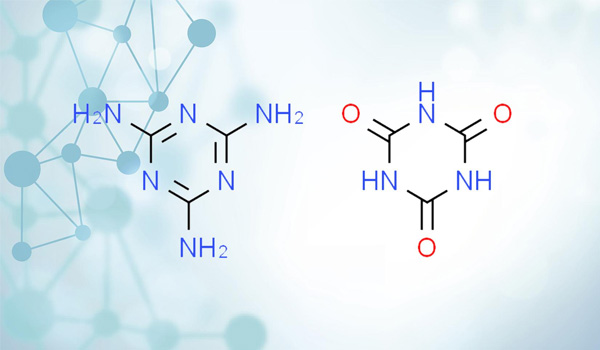
The same polyester compounds often need flame retardancy as well. We supply melamine cyanurate XS-MC-15 and XS-MC-10/25/50 series, high-polymerization ammonium polyphosphate XS-APPII series and modified APP grades, so a functional additive and a flame retardant package can be balanced together rather than sourced separately.
Application Fit Across Polyester Processing Routes
Polyester reaches the market as fibre, film, sheet, bottle resin and engineering parts, and the additive requirement changes with each route. The working point, not the polymer name alone, decides which grade fits.
- Fibre and filament: crystallization control and thermal stabilization support spinning continuity, reduce breaks and protect tenacity through the draw stage.
- Film and sheet: particle size and dispersion influence haze, filter pressure value and surface defects, so nucleating agents are chosen with optical targets in view.
- Injection moulding: faster, more uniform crystallization shortens cycle time and reduces warpage in technical parts.
- PC/PET blends: flow modifiers improve cavity filling in thin-wall electrical and automotive components without forcing a higher barrel temperature.
- Recycled PET streams: stabilizers help absorb the viscosity and colour variation that comes with reclaimed flake.
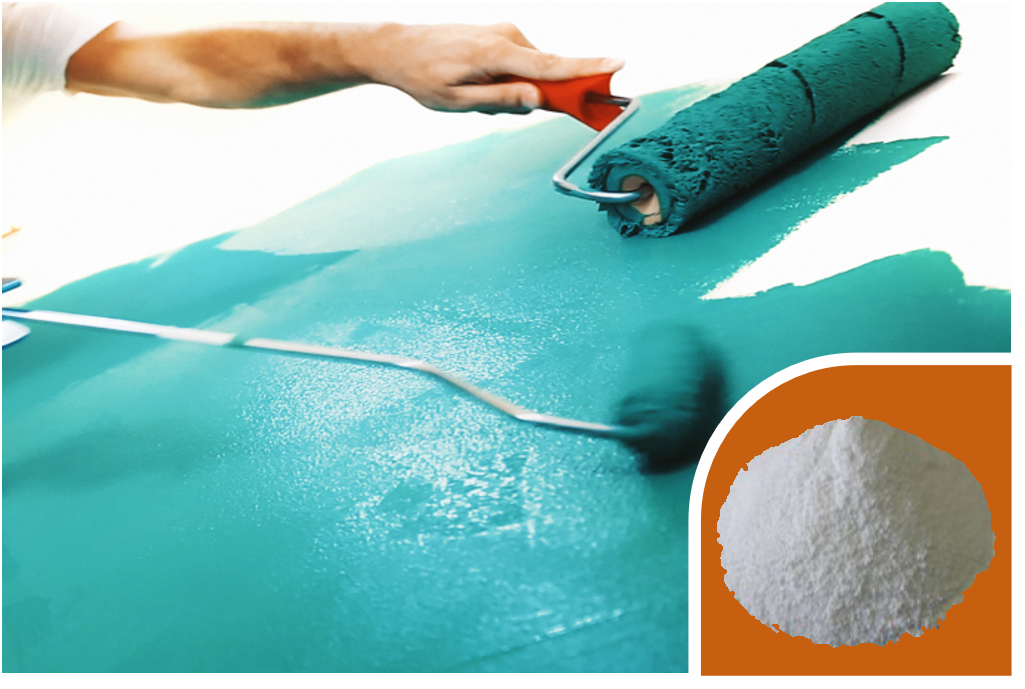
- Coatings and fabric backings: additives are matched to the carrier system and cure schedule rather than to a melt process.
Process and Material Considerations That Shape the Grade
Polyester melts are unforgiving. PET and PBT sit close to their degradation threshold during drying and extrusion, so an additive has to work inside a narrow thermal window without driving acetaldehyde generation, viscosity loss or yellowing. We look at the drying regime, the melt temperature profile and the residence time before proposing an addition level.
Dispersion quality decides whether a nucleating agent or stabilizer performs at all. Uneven distribution shows up as inconsistent cycle times, surface defects or gel formation, which is why surface treatment and carrier selection are treated as part of the product rather than as an afterthought.
- Substrate and grade: virgin PET, recycled flake, PBT and PC/PET blends each crystallize differently and tolerate different thermal ceilings.
- Processing route: spinning, cast film, sheet extrusion, compounding and injection moulding place different demands on dispersion and dosing accuracy.
- Addition level: nucleating agents and stabilizers work at low loadings; over-dosing can embrittle the part or shift colour.
- Interaction with flame retardants: phosphorus-nitrogen systems and MCA alter melt rheology and can shift the crystallization profile, so both packages are evaluated together.
- Colour and clarity: for bottle, film and fibre grades, dispersion quality directly affects haze and specks.
- Moisture and storage: packaging format and drying practice are agreed so the additive reaches the feed throat in the right condition.
Specifications We Confirm Before a Quotation Is Prepared
A functional additive is only as good as the working point it is matched to. These are the parameters we fix with the customer before a configuration and price are issued.
- Base resin, grade, intrinsic viscosity or melt flow rate, and filler or reinforcement content.
- Target function and the test method used to measure it — crystallization temperature, cycle time, melt flow, viscosity retention or colour.
- Starting addition level and the dosing equipment available on the line.
- Delivery form: neat additive or masterbatch, and the carrier resin if masterbatch is chosen.
- Compliance target: RoHS, WEEE, EUP, a halogen-free declaration or a customer specification.
- Trial quantity, packaging size and delivery schedule.
- Any interaction with an existing flame retardant, pigment or filler package.
Production Capacity, Quality Control and Compliance Evidence
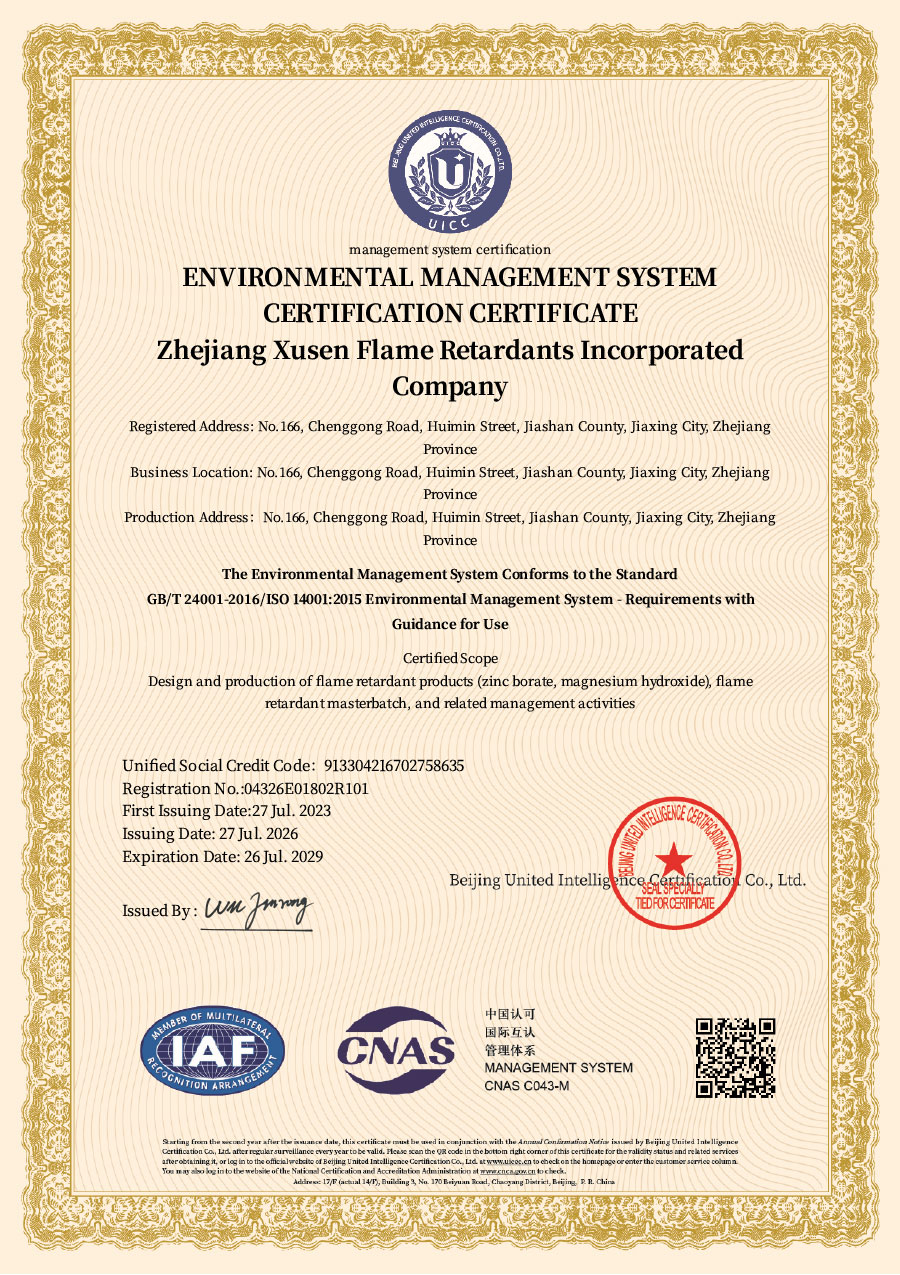
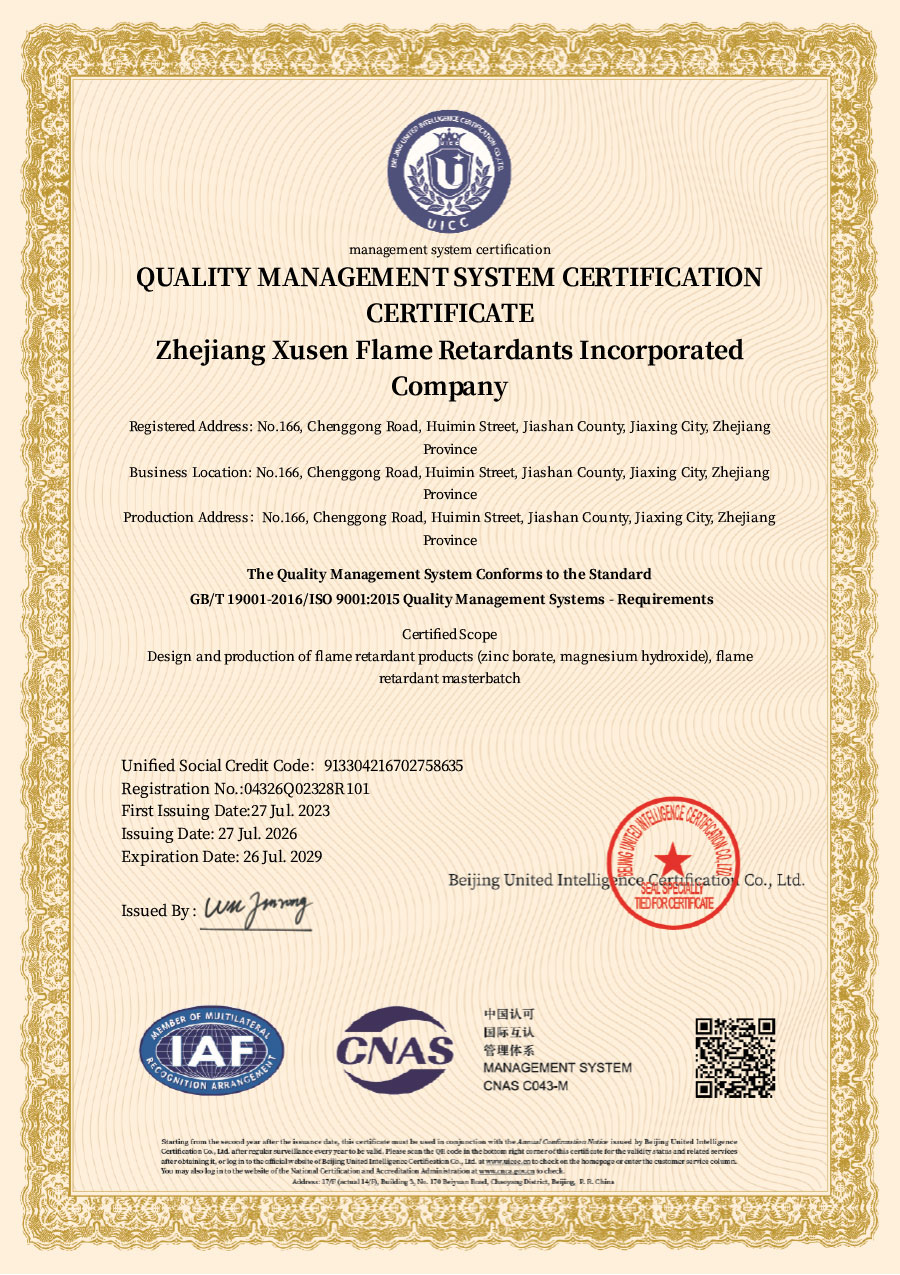
Two production bases, in Jiashan, Zhejiang and Juancheng, Shandong, give us a combined annual capacity of 12,000 tons, and that figure continues to expand. Our own production workshops and warehouses are supported by complete production and quality inspection equipment, and every step of the product formation process follows the ISO9001-2015 quality management system.
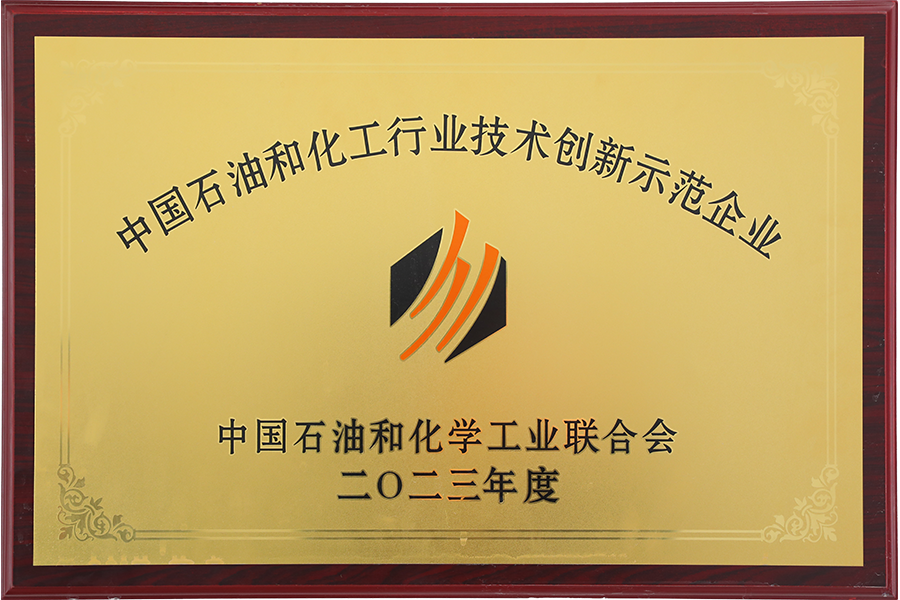
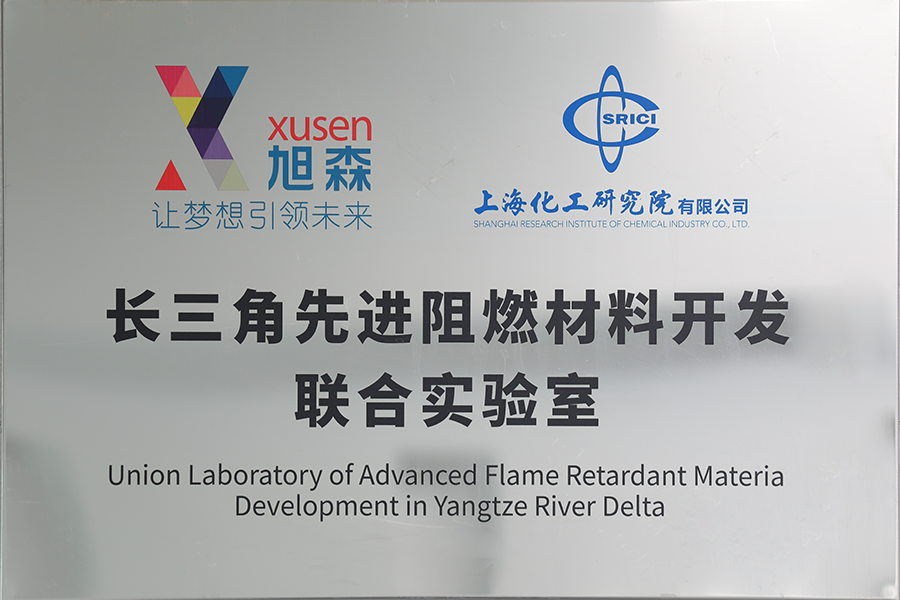
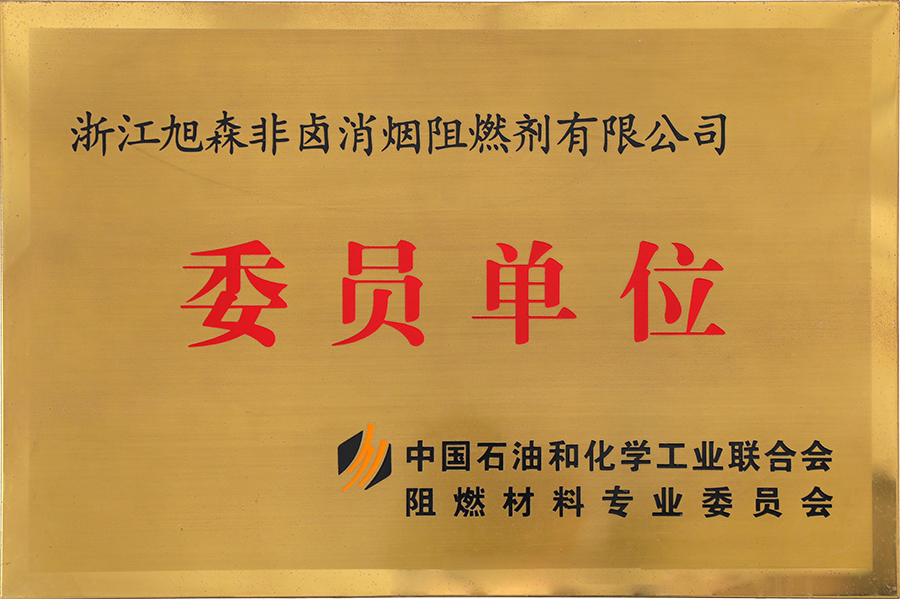
Research capability sits behind the range. Our Zhejiang provincial-level scientific research laboratory operates alongside a joint laboratory established with the Shanghai Institute of Chemistry, and we are part of China's advanced light industry flame retardant engineering technology research center together with Beijing Technology and Business University, Shandong Haihuai Institute and Shandong Brothers. The company holds invention and utility model patents and has taken part in drafting national and industry standards.
- All our products comply with the requirements of the WEEE, RoHS and EUP directives.
- RoHS test reports are available for our APP, ATH, PA flame retardant and polyolefin flame retardant grades.
- MCA grades carry halogen test and RoHS 3.0 reports.
- Batch-level certificate of analysis is issued against the agreed specification parameters.
Customization, Masterbatch Conversion and Technical Support
Functional additives can be supplied as neat products or converted into a functional additives masterbatch with a carrier matched to the customer's polyester. Masterbatch form suits lines with gravimetric dosing and reduces dust exposure at the feed throat.
Where a compound needs both a functional additive and flame retardancy, we balance the package against a composite flame retardant for polyester or a single-substance system. The same engineering approach is applied to other polymers through our functional additives for PA range.
Custom development starts from the customer's own resin and target test method. We run laboratory and pilot evaluation, adjust the formulation against measured results, and scale to production batches once the working point is fixed. Process and technical support continues through the trial and into routine supply.
Packaging, Delivery and Documentation Scope
- Packaging format, unit weight and pallet configuration are agreed with the order and confirmed before shipment.
- Each unit carries batch number, production date and net weight.
- Certificate of analysis covering the agreed specification parameters.
- Safety data sheet and handling guidance in the required language.
- Loading plan and delivery schedule coordinated with the customer's production calendar.
Information We Use to Configure Your Solution
The more precisely the working point is described, the faster a usable grade and addition level can be proposed. This is the input matrix we work from.
| Project input | Why we need it | Useful form |
|---|---|---|
| Polyester substrate and grade | Sets the thermal window, crystallization behaviour and additive compatibility | Resin datasheet, intrinsic viscosity, filler content |
| Target function | Determines whether nucleation, flow or thermal stabilization is the primary requirement | Written performance target and test method |
| Processing route | Defines dispersion requirements, dosing point and residence time | Line type, screw configuration, temperature profile |
| Addition level window | Balances performance against mechanical properties and colour | Existing formulation or trial plan |
| Compliance target | Confirms which declarations and reports must accompany the batch | Standard reference or customer specification |
| Delivery form | Decides whether neat additive or masterbatch conversion is the better fit | Dosing equipment and carrier preference |
| Volume and schedule | Sets trial batch size, packaging and production planning | Trial quantity and annual demand |
Frequently Asked Questions
Which functional additives for polyester does Xusen supply?
XS-CH-201 nucleating agent for PET, XS-LU-504 flowability modifier for PC/PET and XS-KY-140 polyester thermal resistant stabilizer, available as neat additives or as masterbatch. MCA and APP flame retardant systems are supplied from the same production base for compounds that need both functions.
Can the additives be delivered as a masterbatch instead of a neat product?
Yes. We convert the functional additive into masterbatch form with a carrier matched to the base polyester. This suits lines with gravimetric dosing and reduces dust at the feed throat.
How is the addition level decided for a PET or PC/PET compound?
From the substrate, the processing route and the test method used to judge performance. We start from a laboratory trial on the customer's own resin and adjust against crystallization behaviour, melt flow, colour and mechanical properties before fixing a production level.
What compliance documentation is available?
All our products comply with WEEE, RoHS and EUP requirements. RoHS test reports are available for APP, ATH, PA flame retardant and polyolefin flame retardant grades, and MCA grades carry halogen test and RoHS 3.0 reports. A batch certificate of analysis is issued against the agreed specification.
Do you develop custom grades for a specific polyester formulation?
We do. Development begins with the customer's resin and target specification, moves through laboratory and pilot evaluation, and scales to production batches once the working point is confirmed. Process and technical support continues through routine supply.
What information is needed to prepare a configuration and quotation?
Base resin and grade, target function and test method, processing route, addition level window, preferred delivery form, compliance target, trial quantity and delivery schedule. With those inputs we can propose a grade, an addition level and a trial plan.