Tel: +86-0573-89103923 / +86 182 6841 1181

E-mail:globalmarketing@xusen.com



 English
 عربى
عربى 简体中文
简体中文Flame Retardant Masterbatch for PA – A Practical Guide for Nylon Manufacturers
2026-08-25
Content
- 1 What Is Flame Retardant Masterbatch for PA?
- 2 Why Nylon Products Often Need Flame Retardant Protection
- 3 Main Types of Flame Retardant Masterbatch for PA
- 4 How to Choose the Right Flame Retardant Masterbatch for Your PA Application
- 5 How to Add Flame Retardant Masterbatch During PA Processing
- 6 Common Problems When Using Flame Retardant Masterbatch in PA
- 7 Typical Applications of Flame Retardant PA Products
- 8 Final Thoughts on Selecting a Flame Retardant Masterbatch for PA
What Is Flame Retardant Masterbatch for PA?
Flame retardant masterbatch for PA is a concentrated additive granule specifically designed to be blended with polyamide (nylon) resins such as PA6 and PA66 during injection molding or extrusion. Instead of dosing raw flame retardant powders directly into the resin, manufacturers use a pre-dispersed masterbatch that carries a precise ratio of flame retardant active ingredients, carrier resin, and processing aids. This makes dosing simpler, safer, and far more consistent from batch to batch.
Because PA is widely used in electrical connectors, automotive parts, and industrial components, its flammability behavior matters a lot. A PA flame retardant masterbatch helps the finished part self-extinguish quickly, resist dripping, and pass fire safety standards like UL94 V-0, V-1, or V-2, without requiring engineers to redesign the entire formulation from scratch.
Why Nylon Products Often Need Flame Retardant Protection
Pure PA resin is combustible and, once ignited, can continue burning and dripping molten material. In applications close to electrical circuits, heat sources, or public spaces, this creates real fire risk. That's why many industries mandate flame retardant grades of nylon as a baseline requirement rather than an optional upgrade.
- Electrical and electronic parts (connectors, sockets, circuit breaker housings) need to meet UL94 fire ratings.
- Automotive under-the-hood components are exposed to heat and must resist ignition from engine-area hazards.
- Building and construction materials made from PA composites often require fire classification for code compliance.
- Consumer appliances with internal wiring need flame retardant housings to reduce liability and insurance risk.
Main Types of Flame Retardant Masterbatch for PA
Not all flame retardant masterbatches work the same way. The choice of chemistry affects fire performance, mechanical properties, color, and cost. Below are the three chemistries most commonly used in PA flame retardant masterbatch formulations.
Halogenated Flame Retardant Masterbatch
These masterbatches typically use brominated compounds paired with antimony trioxide as a synergist. They offer strong flame retardant efficiency at relatively low loading levels and are cost-effective for many industrial applications. The tradeoff is that halogenated systems can release corrosive and potentially toxic gases when burned, which is why many regions and industries are shifting away from them.
Halogen-Free Phosphorus-Based Masterbatch
Phosphorus-based flame retardant masterbatch, often built around red phosphorus or organic phosphinates, has become the mainstream choice for PA6 and PA66. It forms a protective char layer during combustion, slowing heat transfer and limiting flame spread. This chemistry is favored in electronics and appliances because it avoids halogen-related emissions while still achieving V-0 ratings at practical thickness levels.
Nitrogen-Based and Intumescent Systems
Nitrogen-based flame retardants, sometimes combined with phosphorus in intumescent systems, work by releasing non-flammable gases that dilute oxygen near the flame front and promote char formation. These are often chosen when a formulation needs to balance flame retardancy with good mechanical toughness and lower smoke density.
| Type | Fire Performance | Halogen-Free | Typical Use Case |
| Halogenated (Br/Sb2O3) | High efficiency, low dosage | No | Industrial parts, cost-sensitive products |
| Phosphorus-Based | Reaches UL94 V-0 | Yes | Electronics, connectors, appliances |
| Nitrogen/Intumescent | Good, lower smoke | Yes | Automotive, transportation interiors |
How to Choose the Right Flame Retardant Masterbatch for Your PA Application
Selecting a flame retardant masterbatch for PA isn't just about hitting a fire rating on a data sheet. It involves matching the additive system to your resin grade, processing conditions, and end-use requirements. Consider the following factors before committing to a supplier or formulation.
- Target fire rating: confirm whether your product needs UL94 V-0, V-1, V-2, or a glow-wire test rating.
- Base resin type: PA6 and PA66 have different melting points and crystallization behavior, which affects flame retardant compatibility.
- Glass fiber reinforcement: reinforced PA grades often need adjusted flame retardant loading to maintain the same fire rating.
- Mechanical property retention: check impact strength, tensile strength, and elongation after adding the masterbatch.
- Color and surface finish: some flame retardant systems can cause yellowing or affect surface gloss.
- Regulatory requirements: RoHS, REACH, and halogen-free declarations may be mandatory depending on your target market.

How to Add Flame Retardant Masterbatch During PA Processing
Correct processing is just as important as choosing the right chemistry. Even a high-quality flame retardant masterbatch for PA can underperform if it's dosed or processed incorrectly.
- Dry the PA resin thoroughly before compounding, since nylon is hygroscopic and residual moisture can cause hydrolysis and weaken flame retardant performance.
- Follow the supplier's recommended dosage range, typically between 10% and 25% by weight depending on the target fire rating.
- Control barrel temperature carefully, since some phosphorus-based systems are sensitive to degradation at excessively high processing temperatures.
- Run small-batch trials and test UL94 or glow-wire samples before scaling up to full production.
Common Problems When Using Flame Retardant Masterbatch in PA
Even experienced compounders run into issues when integrating flame retardant masterbatch into PA formulations. Recognizing these problems early can save significant time and material cost.
- Drop in mechanical strength: often caused by excessive loading or poor dispersion; adjusting the carrier resin or adding a compatibilizer can help.
- Surface blooming or spots: usually linked to incompatible additive migration; lowering dosage or switching to a better-dispersed masterbatch resolves this in most cases.
- Inconsistent fire test results: frequently traced back to moisture in the resin or inconsistent mixing; tightening drying and dosing procedures usually fixes it.
- Reduced flow during injection molding: high flame retardant loading can increase melt viscosity, so mold design and injection pressure may need adjustment.
Typical Applications of Flame Retardant PA Products
Flame retardant masterbatch for PA is used across a wide range of industries where fire safety, durability, and electrical insulation properties all matter at once.
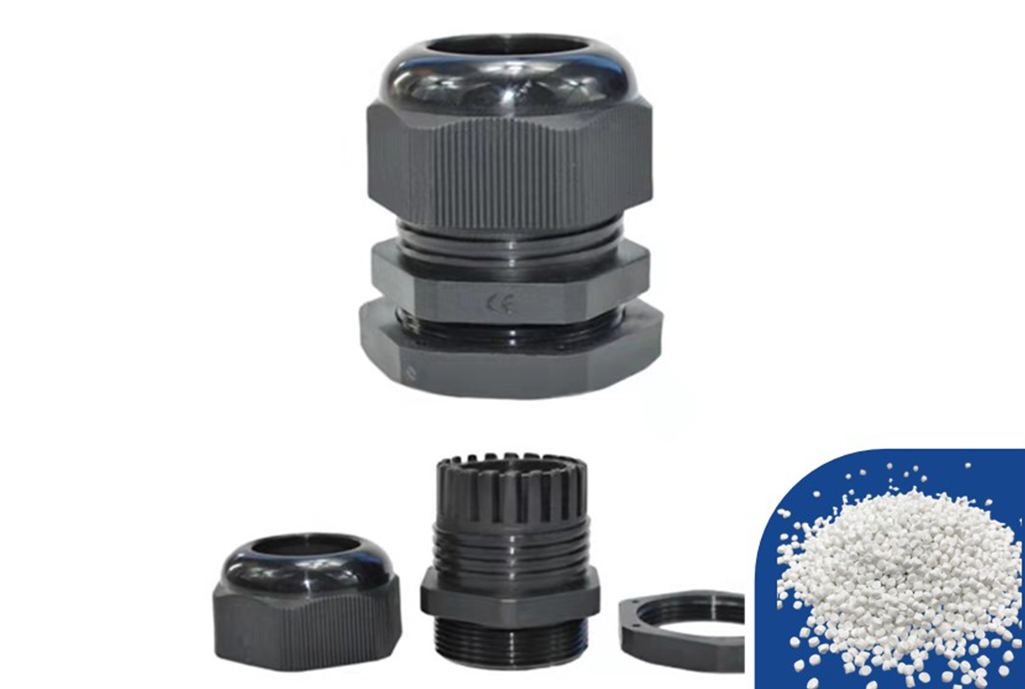
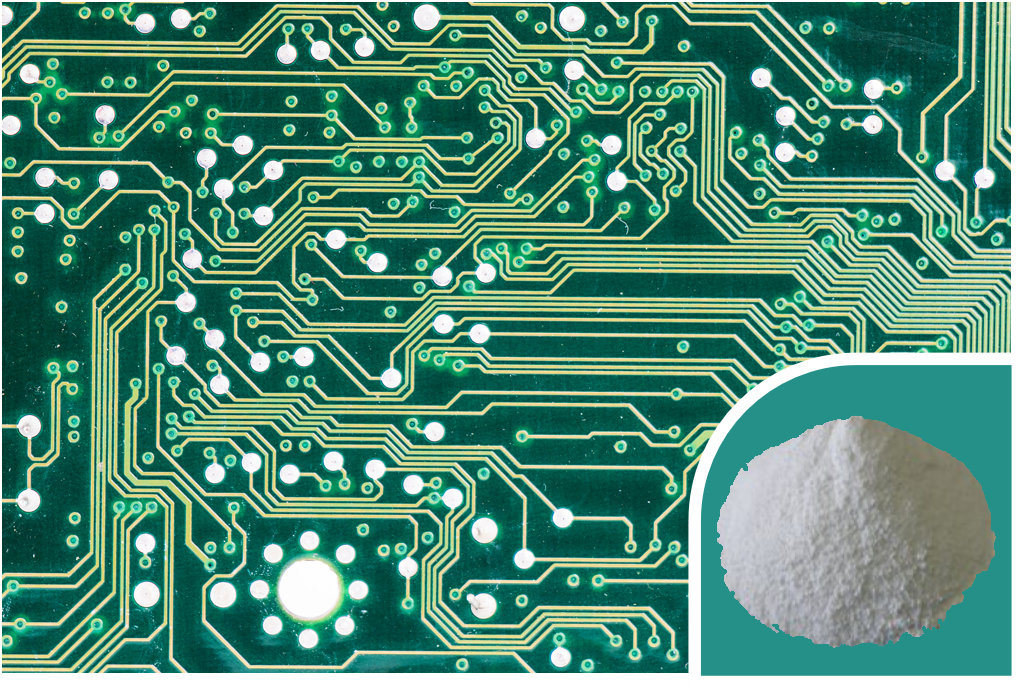
- Circuit breakers, terminal blocks, and electrical connectors.
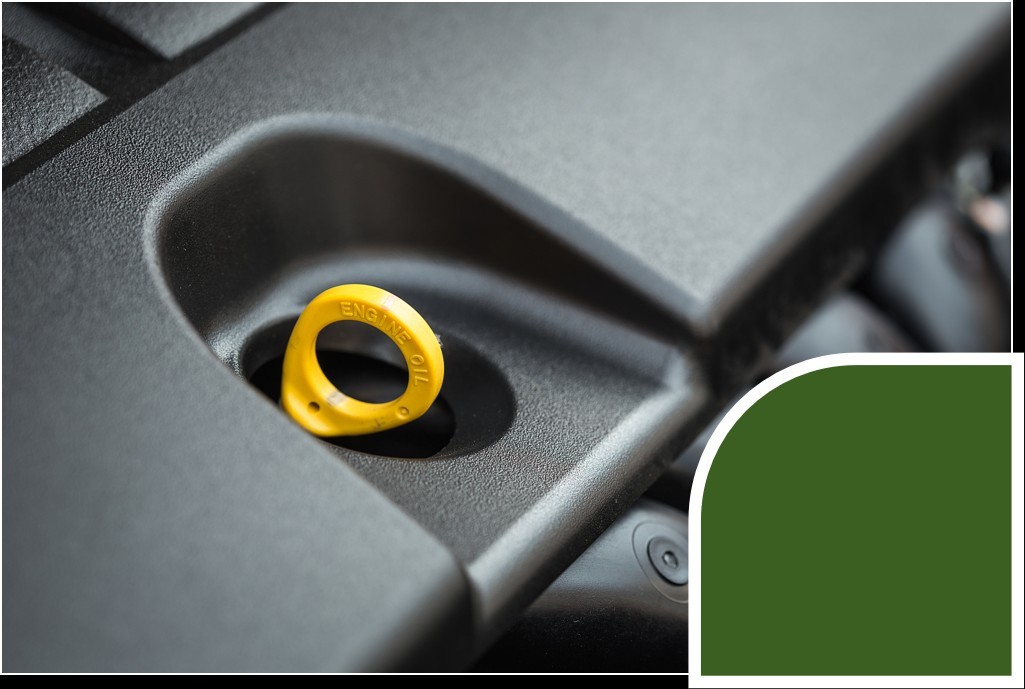
- Automotive engine covers, connectors, and under-the-hood housings.
- Household appliance housings such as hair dryers, kettles, and power tool casings.
- Industrial cable ties, junction boxes, and switchgear components.
Final Thoughts on Selecting a Flame Retardant Masterbatch for PA
Choosing the right flame retardant masterbatch for PA comes down to balancing fire safety requirements with mechanical performance, processing conditions, and regulatory needs. Halogen-free phosphorus and nitrogen-based systems have become the preferred choice for most modern applications, but the best decision always depends on testing real samples under your specific processing conditions rather than relying on data sheets alone.



contact details
Address:No. 166, Chenggong Road, Economic Development Zone, Jiashan County, Jiaxing City, Zhejiang Province
TEL: +86-0573-89103923 / +86 182 6841 1181
E-mail: globalmarketing@xusen.com
Quick link
Product
News Center