Tel: +86-0573-89103923 / +86 182 6841 1181

E-mail:globalmarketing@xusen.com



 English
 عربى
 简体中文
Melamine Cyanurate Made Simple: What It Is, How It Works, and How to Use It in Nylon
2026-11-20
Melamine cyanurate, often shortened to MCA, is one of the most widely used halogen-free flame retardants for plastics. If you work with nylon, polyurethane, or coatings and need a fire-safe material without bromine or chlorine, this additive is probably already on your shortlist. This guide covers what melamine cyanurate is, how it protects a material from fire, how much to add, and which mistakes to avoid when processing it.
Content
- 1 What Is Melamine Cyanurate?
- 2 How Melamine Cyanurate Flame Retardant Works
- 3 Where Melamine Cyanurate Is Used
- 4 Melamine Cyanurate in Nylon: Practical Formulation Tips
- 5 Melamine Cyanurate vs. Other Flame Retardants
- 6 How to Choose a Good Melamine Cyanurate Supplier
- 7 Common Problems and How to Fix Them
- 8 Safe Handling and Regulatory Notes
- 9 Final Thoughts
What Is Melamine Cyanurate?
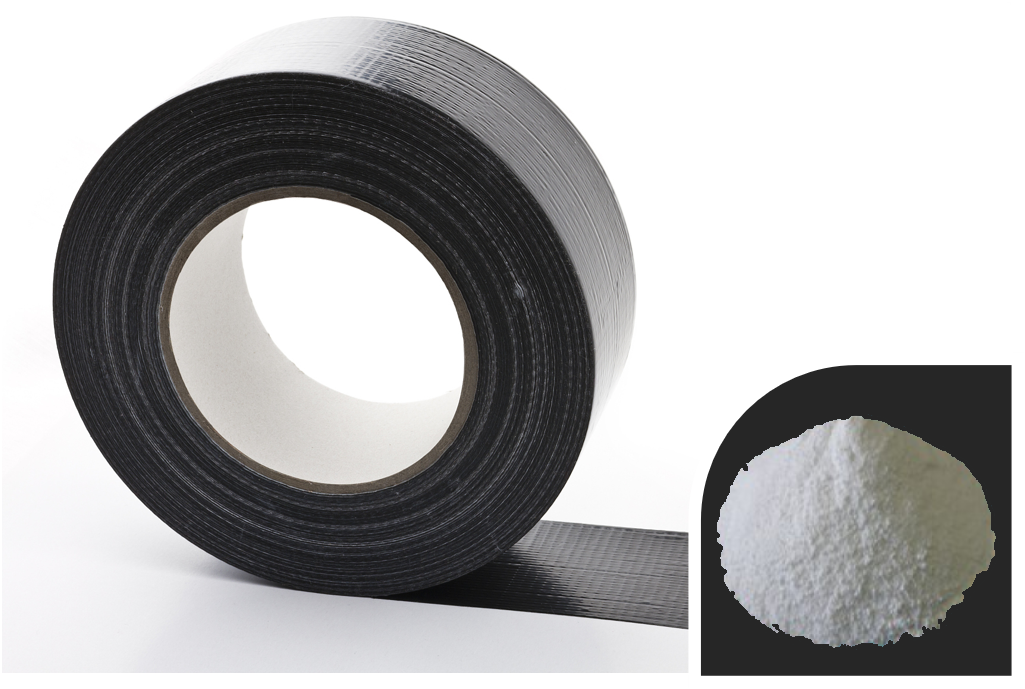
Melamine cyanurate is a white, odorless crystalline powder. It forms when melamine and cyanuric acid combine in a 1:1 ratio and bond through hydrogen bonds. Its layered crystal structure looks a lot like graphite, which gives the powder good thermal stability and a soft, slippery feel. Chemists also call it MCA, melamine cyanuric acid complex, or melamine-cyanuric acid salt. Its CAS number is 37640-57-6.
Key Properties at a Glance
- Appearance: fine white powder, typically with an average particle size of 2 to 5 microns for plastics use
- Nitrogen content: about 49 percent, which is the main driver of its flame-retardant effect
- Thermal stability: stable at normal nylon processing temperatures, with decomposition starting at roughly 350 °C
- Solubility: very low in water and most organic solvents, so it does not easily leach out of finished parts
- Halogen content: none, which suits halogen-free and low-smoke requirements
How Melamine Cyanurate Flame Retardant Works
The MCA flame retardant works through several actions at once. When a nylon part is exposed to fire, the heat reaches the melamine cyanurate particles inside it, and the additive breaks down and absorbs a large amount of energy in the process. This cools the surface of the plastic and slows its decomposition.
Heat Absorption and Gas Dilution
As the additive decomposes, it releases nitrogen-rich gases such as ammonia and nitrogen. These gases dilute the oxygen and the flammable vapors near the flame, making it harder for the fire to keep burning.
Melt Dripping That Carries Heat Away
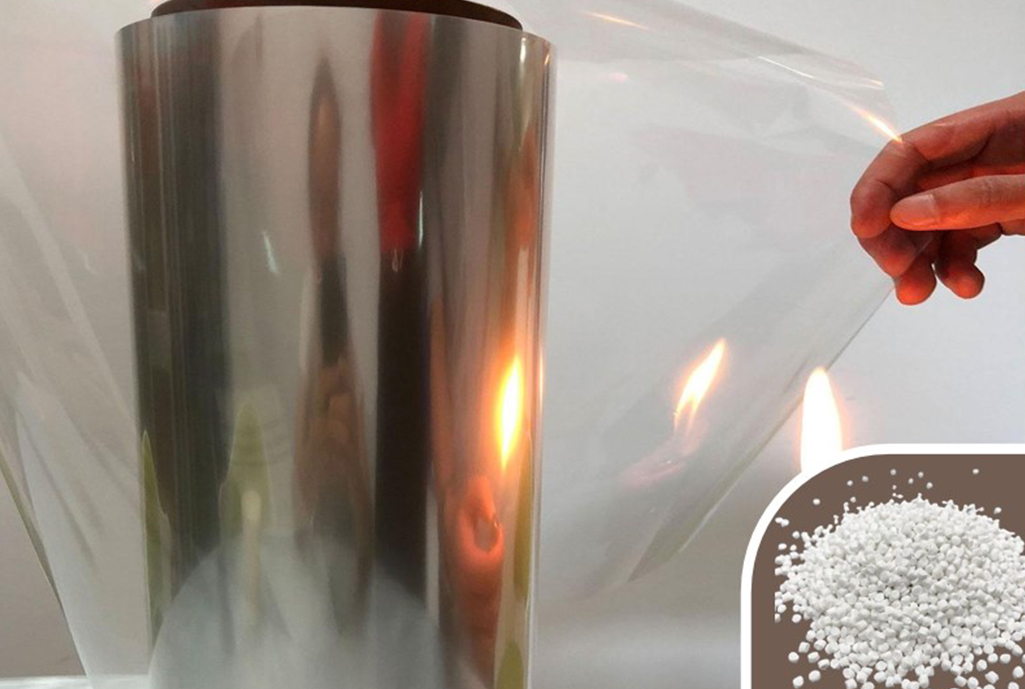
In unfilled nylon 6 and nylon 66, melamine cyanurate lowers the melt viscosity of the burning polymer. The plastic drips away from the flame and takes heat with it. This is why MCA nylon can reach a UL 94 V-0 rating even though it does not form a strong protective char. It also explains why the additive works best in unfilled grades, as explained later in this article.
Where Melamine Cyanurate Is Used
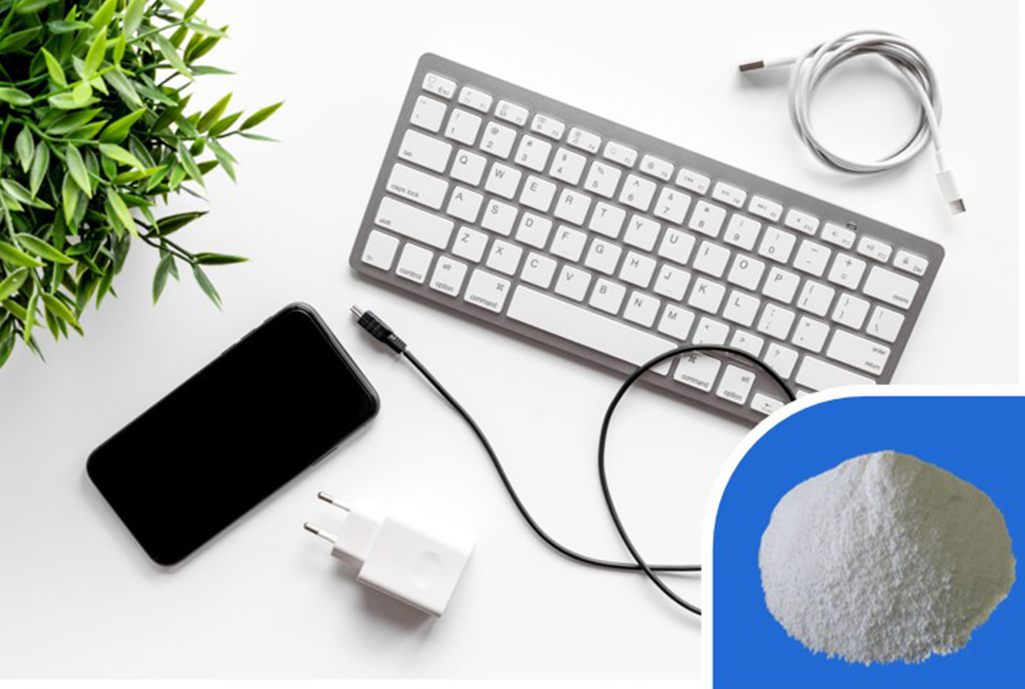
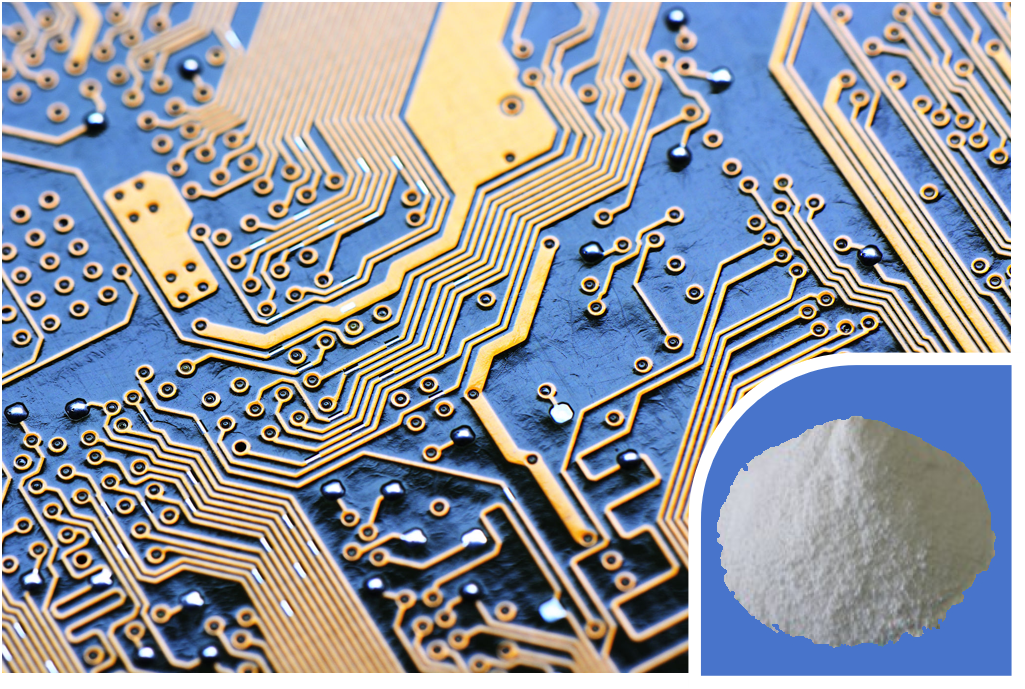
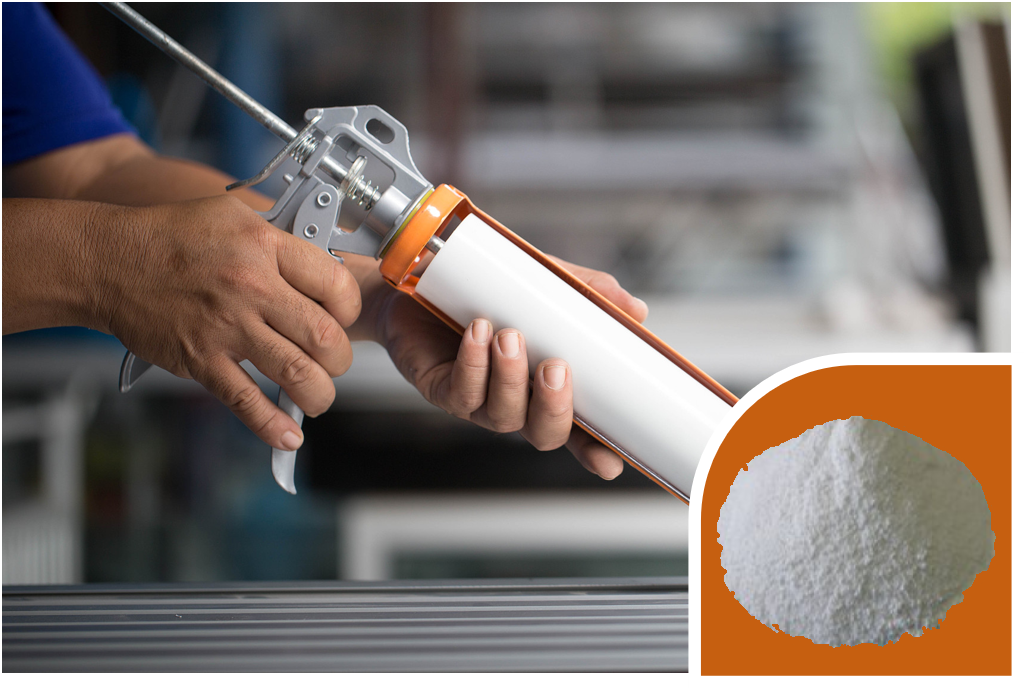
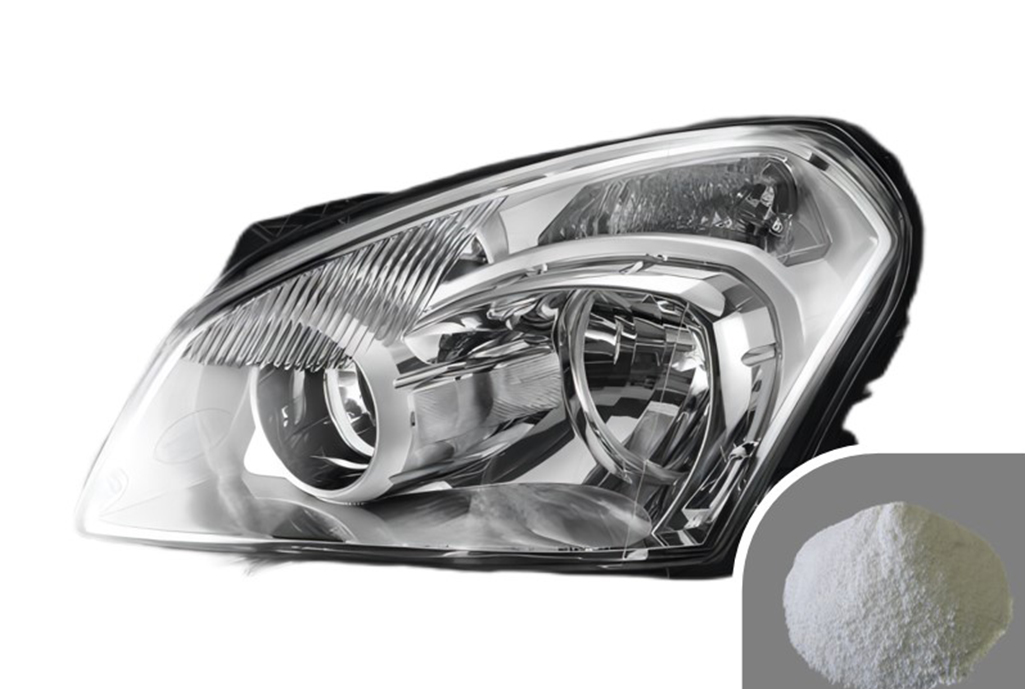
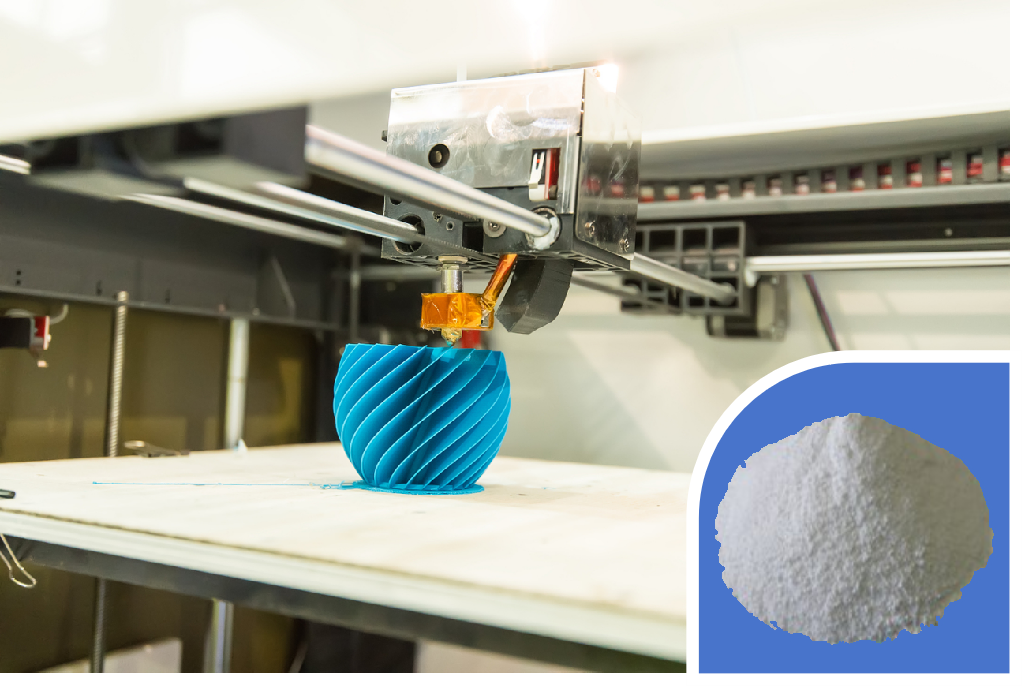
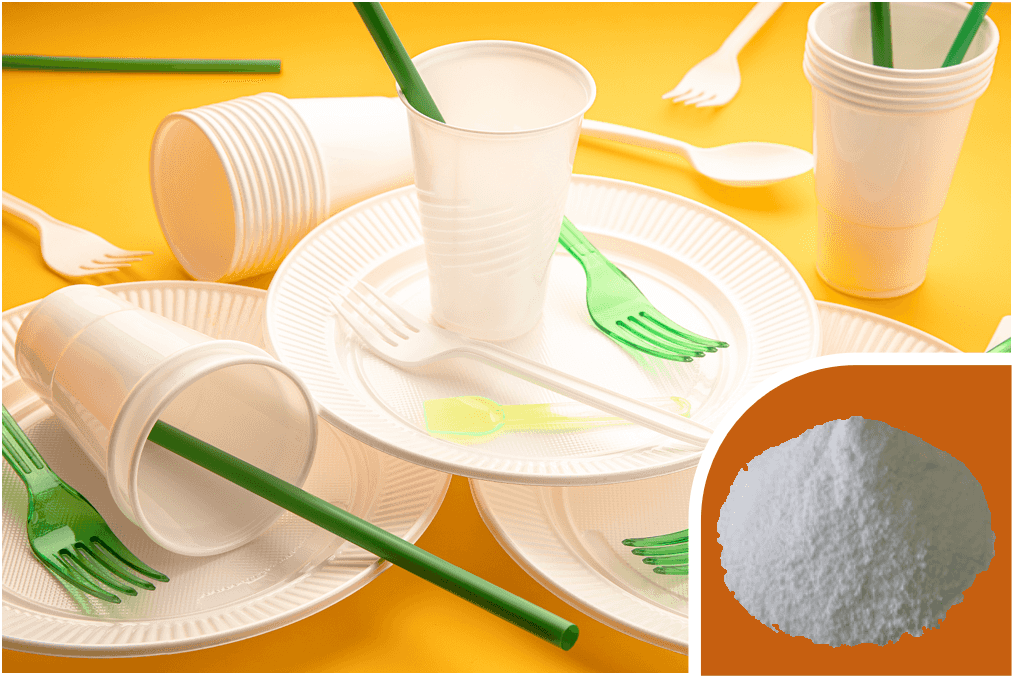
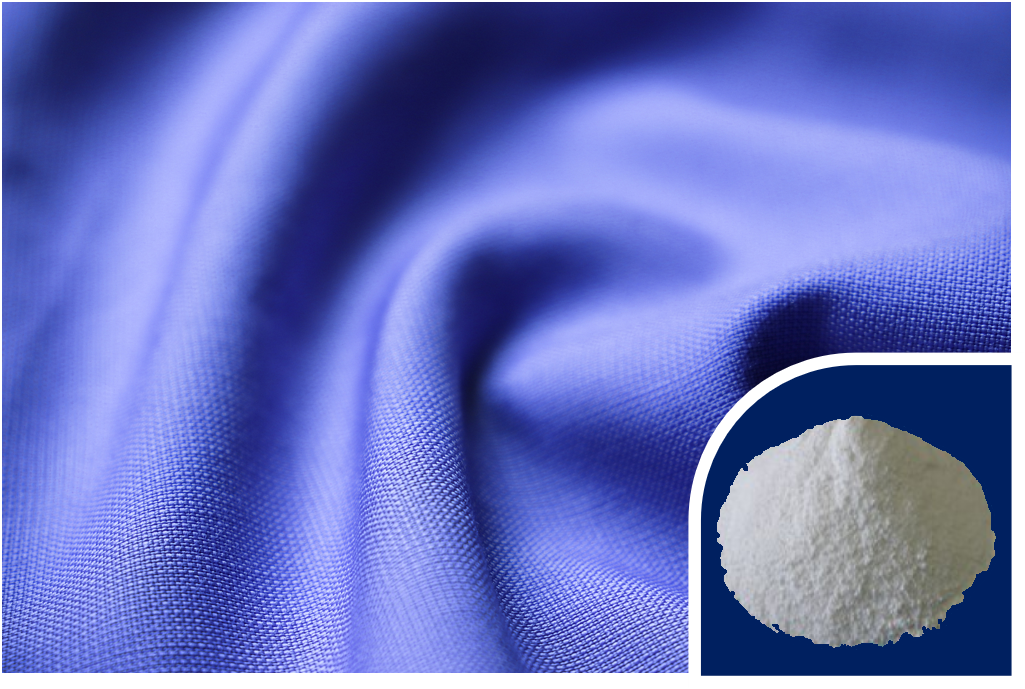
Nylon is by far the largest market for melamine cyanurate, but it is not the only one. The table below shows the most common applications and typical loading ranges. Exact levels depend on part thickness, resin grade, and the fire rating you need.
| Material | Typical MCA Loading | Common End Uses |
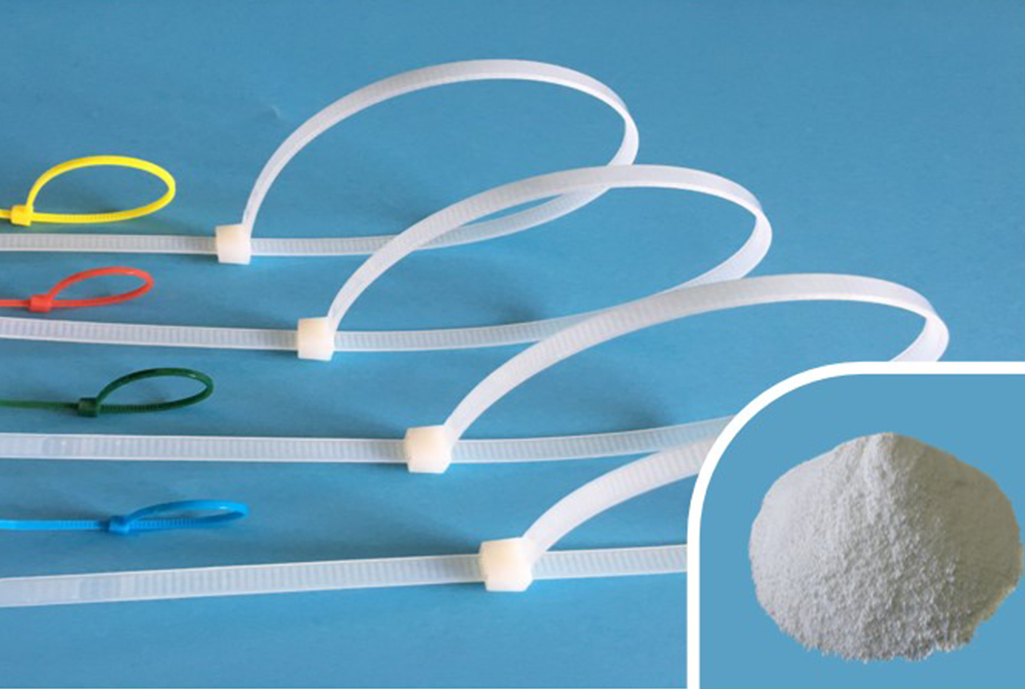
| Unfilled Nylon 6 (PA6) | 6% to 10% | Connectors, switches, cable ties |
| Unfilled Nylon 66 (PA66) | 5% to 8% | Electrical housings, terminal blocks |
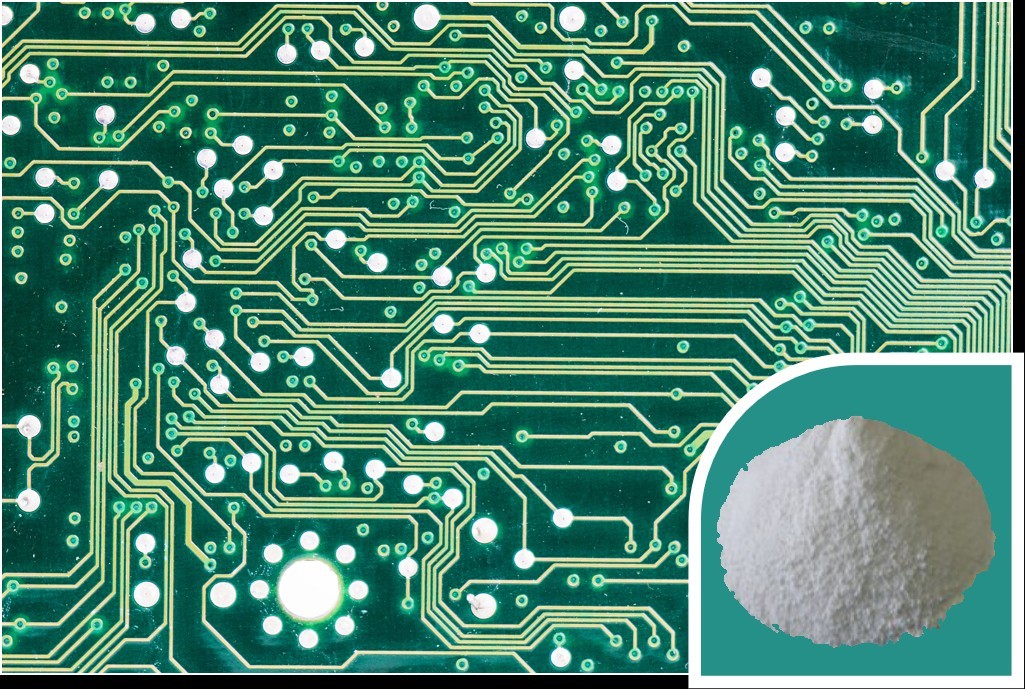
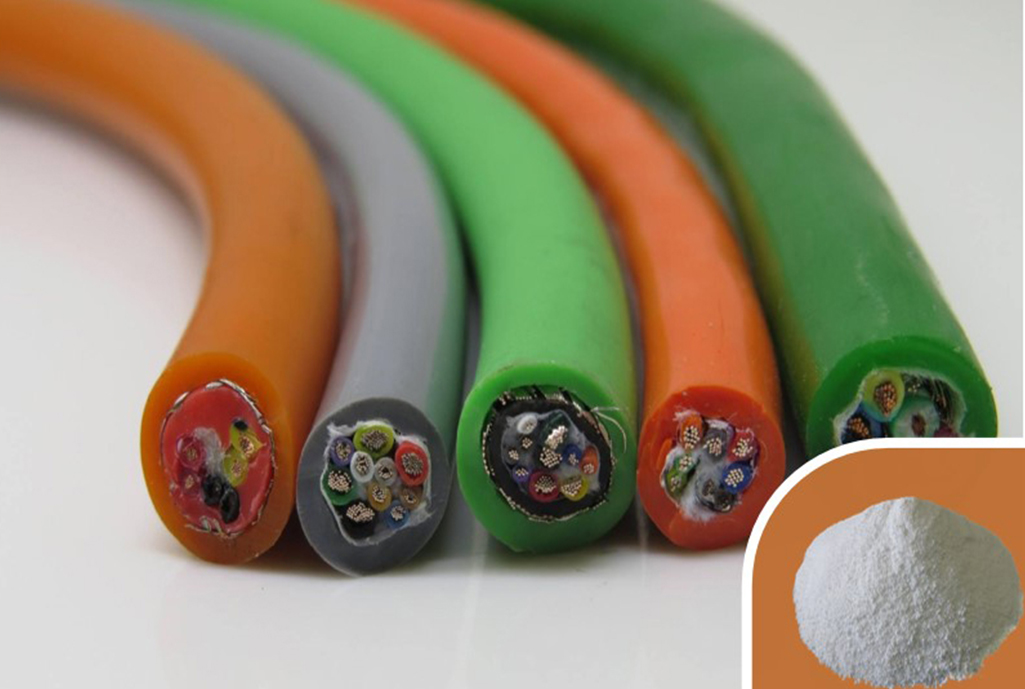
| Polyurethane foam and TPU | 10% to 30% | Furniture foam, cable sheathing |
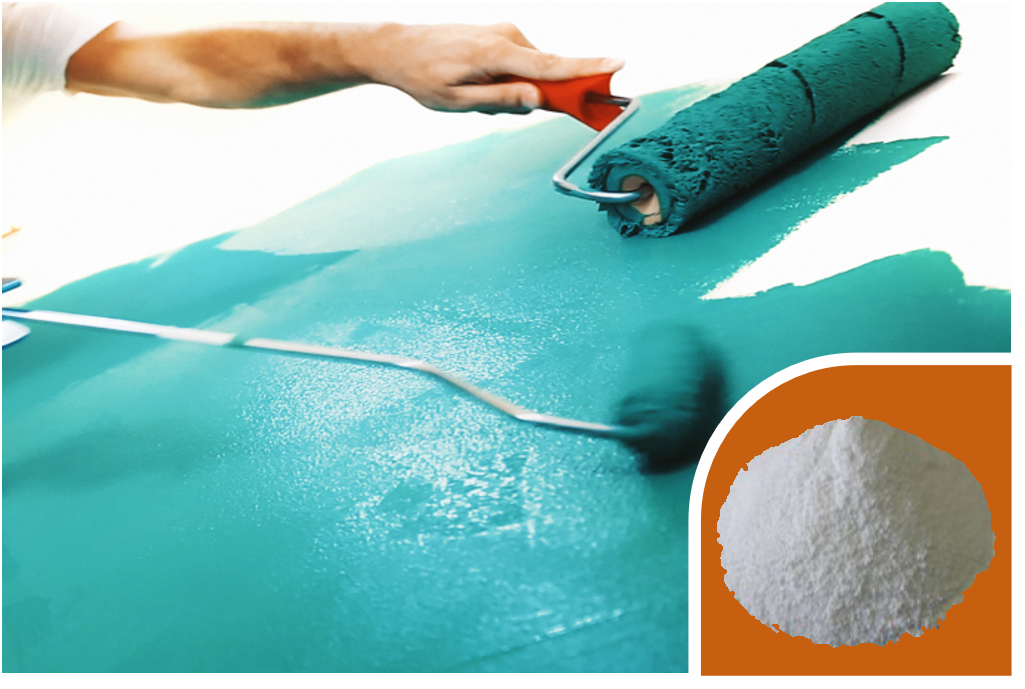
| Epoxy and intumescent coatings | Formulation dependent | Fire-protective paints, potting compounds |
Melamine Cyanurate in Nylon: Practical Formulation Tips
Getting good results from melamine cyanurate powder depends on a few details in formulation and processing. Small mistakes here can cost you the fire rating or weaken the mechanical properties.
Choose the Right Particle Size
Finer powder disperses more evenly and gives better impact strength and a smoother surface. Very fine grades, however, can clump and are harder to feed. For most injection molding work, a grade with an average size of 2 to 4 microns and a narrow distribution is a good starting point. For thin-wall parts or fibers, go finer.
Dry Everything Before Compounding
Nylon absorbs moisture, and so does the additive if it is stored badly. Dry the resin at 80 to 100 °C for 4 to 6 hours, and keep the MCA moisture level at or below 0.2 percent. Wet material causes splay marks, bubbles, and loss of molecular weight, which hurts both strength and flame performance.
Set Sensible Processing Temperatures
- PA6 compounding: barrel temperatures around 230 to 260 °C
- PA66 compounding: barrel temperatures around 270 to 290 °C
- Use a twin-screw extruder with good mixing elements so the additive breaks up and spreads evenly
- Avoid long residence times at the top of the temperature range, since this can cause discoloration
Know the Limits with Glass Fiber
Melamine cyanurate relies on dripping to remove heat. Glass fibers act like wicks and hold the burning polymer in place, so the drip mechanism stops working. For glass-filled nylon, flame retardant systems based on metal phosphinates or red phosphorus are normally a better choice, sometimes combined with MCA as a synergist.
Melamine Cyanurate vs. Other Flame Retardants
No single flame retardant is best for every job. The comparison below helps you decide whether MCA flame retardant fits your project.
| Type | Halogen-Free | Works in Glass-Filled Nylon | Color Flexibility | Smoke and Corrosion |
| Melamine cyanurate | Yes | Poor | Excellent (white base) | Low |
| Red phosphorus | Yes | Good | Limited (red or dark) | Low |
| Metal phosphinates | Yes | Good | Good | Low |
| Brominated systems | No | Good | Good | Higher |
How to Choose a Good Melamine Cyanurate Supplier
Two products can both be labeled melamine cyanurate and still perform very differently in your compound. Ask for a technical data sheet and a test sample before you place a large order, and compare the following points.
- Purity: look for 99.5 percent or higher, with low levels of free melamine and free cyanuric acid
- Moisture content: 0.2 percent or less, with moisture-proof packaging
- Particle size distribution: a narrow range, confirmed by laser diffraction data
- Whiteness and thermal stability: important for light-colored parts and for high-temperature compounding
- Batch consistency: ask about quality control records so each lot behaves the same way in your line
- Surface-treated grades: available from some suppliers to improve dispersion and reduce moisture pickup
Common Problems and How to Fix Them
Mold Deposit and Surface Bloom
If you see a powdery film on the mold or part, the cause is usually excess additive, poor dispersion, or overly high melt temperature. Reduce the loading to the lowest level that still passes your test, improve mixing, and clean vents regularly.
Loss of Impact Strength
Adding any solid flame retardant lowers toughness to some degree. Use finer, well-dispersed MCA, and consider a small amount of impact modifier or a surface-treated grade to recover some of the lost performance.
Inconsistent UL 94 Results
Test results that vary from batch to batch usually point to moisture, uneven mixing, or changes in the resin grade. Dry both materials thoroughly, check the feeding accuracy of your equipment, and condition test bars under the standard conditions before testing.
Safe Handling and Regulatory Notes
Melamine cyanurate is generally regarded as a low-toxicity additive, but as with any fine powder, you should limit dust. Use local ventilation or dust collection during weighing and feeding, wear a dust mask and gloves, and store the powder in a cool, dry place in sealed bags. Regulations covering melamine-based substances change over time, so always check the current safety data sheet from your supplier and confirm that the grade meets the rules for your market and your end application, especially for electronics, wire and cable, and anything that touches food or skin.
Final Thoughts
Melamine cyanurate remains a practical, cost-effective choice for halogen-free flame retardancy in unfilled nylon and several other polymers. It works best when you match the particle size to your process, keep everything dry, and respect its limits in glass-filled systems. Start with a small trial at the recommended loading, test against your target UL 94 rating, and adjust from there. With the right grade and good compounding practice, MCA can deliver reliable fire safety with excellent color and low smoke.

contact details
Address:No. 166, Chenggong Road, Economic Development Zone, Jiashan County, Jiaxing City, Zhejiang Province
TEL: +86-0573-89103923 / +86 182 6841 1181
E-mail: globalmarketing@xusen.com
Product
News Center