Tel: +86-0573-89103923 / +86 182 6841 1181

E-mail:globalmarketing@xusen.com



 English
 عربى
عربى 简体中文
简体中文Flame Retardant Masterbatch for PP: A Simple Guide to Making PP Safer
2026-09-04
Content
- 1 What Is Flame Retardant Masterbatch for PP?
- 2 How Flame Retardant Masterbatch Works in PP Products
- 3 Main Types of Flame Retardant Masterbatch for PP
- 4 Comparing Flame Retardant Masterbatch Types
- 5 How to Choose the Right Flame Retardant Masterbatch for Your PP Application
- 6 Best Practices for Processing Flame Retardant Masterbatch with PP
- 7 Common Mistakes to Avoid When Using PP Flame Retardant Masterbatch
- 8 Final Thoughts on Selecting Flame Retardant Masterbatch for PP
What Is Flame Retardant Masterbatch for PP?
Flame retardant masterbatch for PP is a concentrated additive pellet designed specifically to give polypropylene (PP) products the ability to resist ignition, slow down flame spread, and self-extinguish once the fire source is removed. Unlike raw flame retardant powders, which are hard to handle and disperse evenly, masterbatch carries the active flame retardant ingredients inside a PP or compatible carrier resin. This makes it easy to add directly into your existing extrusion or injection molding process, without changing your equipment or workflow.
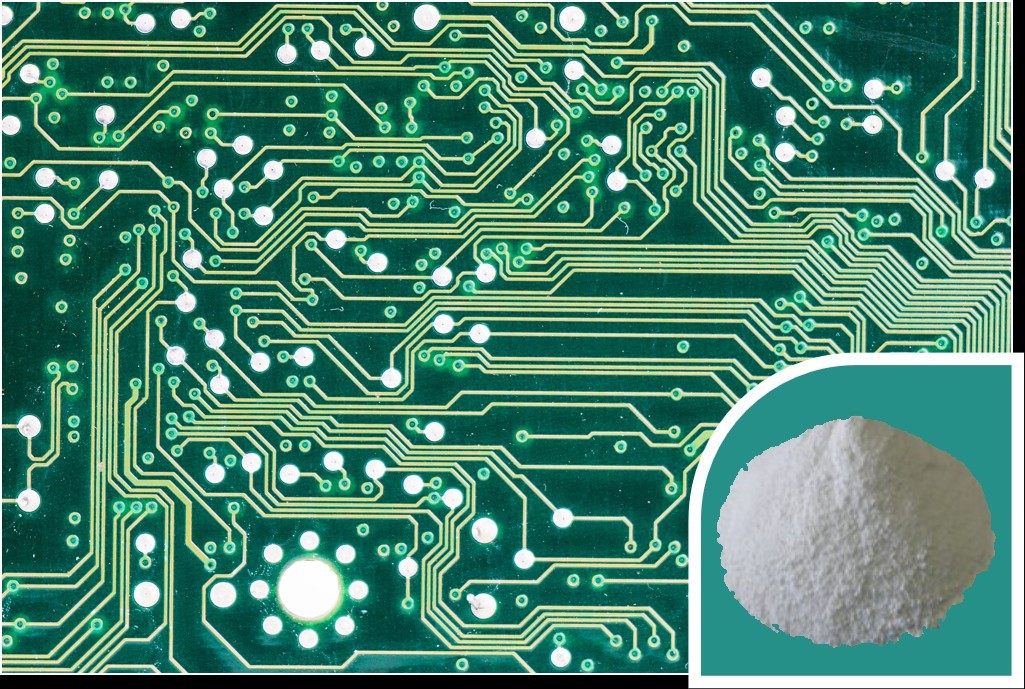
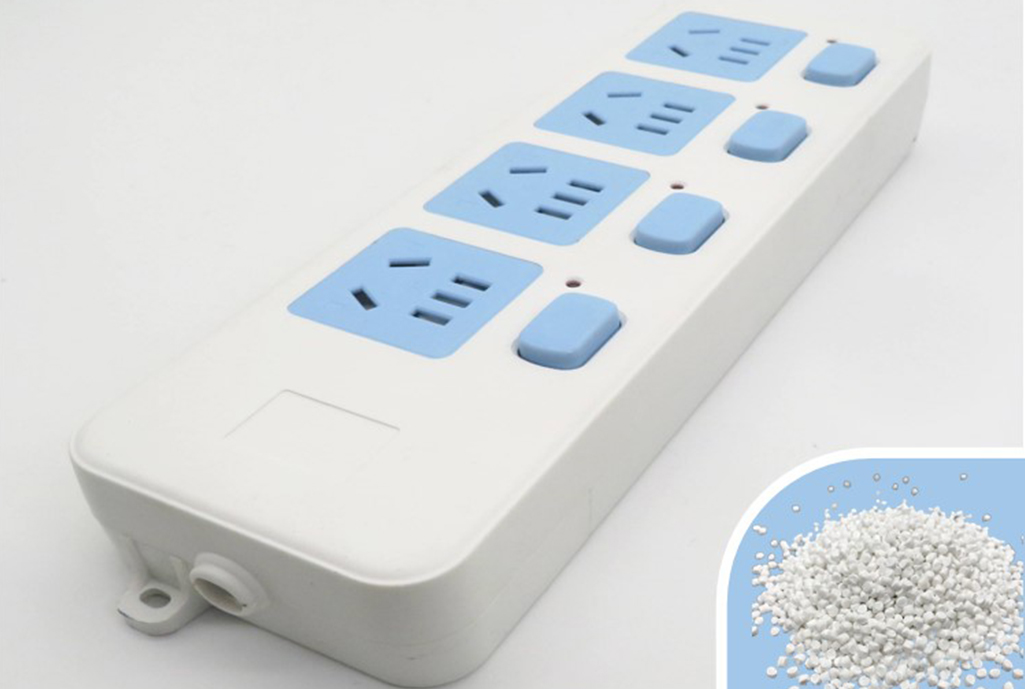
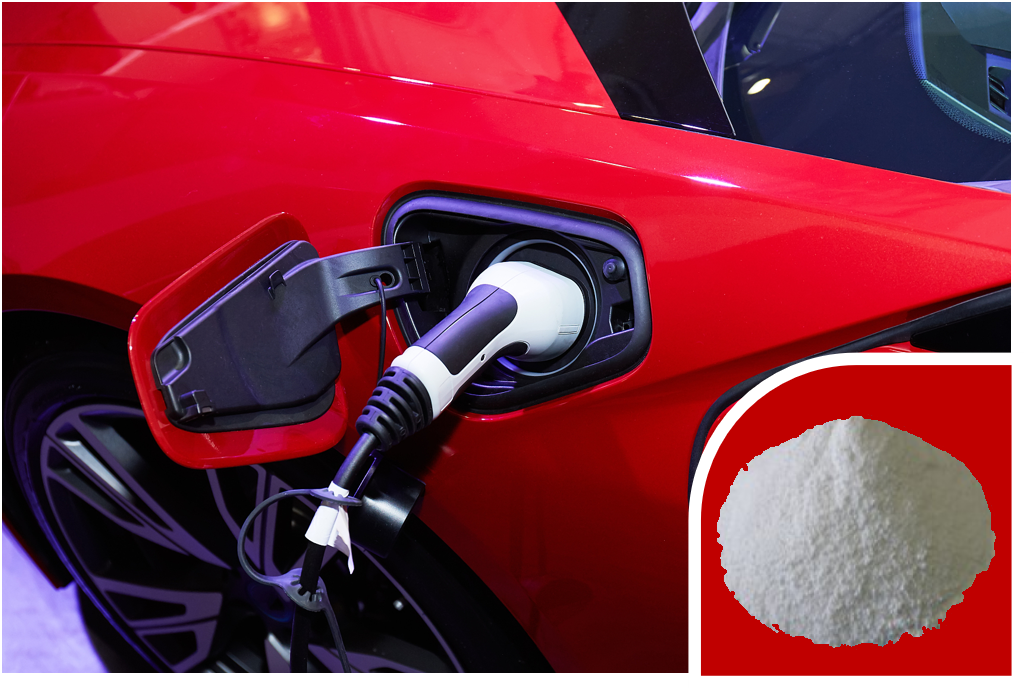
Because polypropylene is naturally flammable and tends to drip while burning, many industries — including electronics, automotive, construction, and packaging — require flame retardant PP masterbatch to meet safety codes such as UL94, GB8624, or EN13501. Choosing the right masterbatch not only helps products pass certification but also protects end users and reduces liability risks for manufacturers.
How Flame Retardant Masterbatch Works in PP Products
The core function of flame retardant masterbatch is to interrupt the combustion cycle. When PP is exposed to heat, it decomposes into flammable gases that fuel the fire. Flame retardant masterbatch changes this process in one or more of the following ways:
- Releasing non-flammable gases that dilute the oxygen and combustible gases around the flame
- Forming a protective char layer on the surface that blocks heat and oxygen from reaching the material underneath
- Absorbing heat through endothermic reactions, lowering the surface temperature
- Interrupting the free-radical chain reaction that keeps a flame burning
A well-formulated PP flame retardant masterbatch often combines two or more of these mechanisms, which is why intumescent and synergistic systems tend to outperform single-component solutions in real-world fire tests.
Main Types of Flame Retardant Masterbatch for PP
Not all flame retardant masterbatches are built the same way. The choice largely depends on your product's application, required fire rating, and whether halogen-free formulation is mandatory in your target market.
Halogen-Free Flame Retardant Masterbatch
This type uses intumescent systems, typically based on ammonium polyphosphate (APP), combined with nitrogen and phosphorus sources. It is increasingly preferred because it produces less toxic smoke and corrosive gas during combustion, making it suitable for cables, home appliances, and children's products where environmental and health regulations (such as RoHS and REACH) apply.
Halogenated Flame Retardant Masterbatch
Built on brominated or chlorinated compounds, often paired with antimony trioxide as a synergist, this type delivers strong flame retardant efficiency at lower dosages. However, it tends to generate more smoke and can release corrosive or toxic gases when burned, so its use is being phased out in many consumer-facing applications.
Inorganic Flame Retardant Masterbatch
Using fillers like magnesium hydroxide (MDH) or aluminum hydroxide (ATH), this type is valued for being low-smoke, low-toxicity, and cost-effective, though it usually requires higher loading levels, which can affect the mechanical properties of the final PP product.
Comparing Flame Retardant Masterbatch Types
| Type | Typical Loading | Smoke Level | Best For |
| Halogen-Free (APP-based) | 15–25% | Low | Cables, appliances, consumer goods |
| Halogenated | 8–15% | High | Industrial parts, non-consumer use |
| Inorganic (MDH/ATH) | 30–50% | Very Low | Building materials, low-cost items |
How to Choose the Right Flame Retardant Masterbatch for Your PP Application
Selecting the correct masterbatch is not just about passing a fire test — it's about balancing flame retardant performance with the mechanical, aesthetic, and cost requirements of your final product. Consider the following factors before making a decision:
- Required fire rating (UL94 V-0, V-1, V-2, or specific regional standards)
- Whether the product will be used indoors, outdoors, or in high-heat environments
- Impact on mechanical properties such as impact strength, elongation, and tensile strength
- Color and surface finish requirements, since some flame retardants can cause yellowing or reduced gloss
- Regulatory compliance in the target export market, especially regarding halogen content
- Processing method — injection molding, blown film, extrusion, or fiber spinning may each require a different masterbatch carrier resin
Best Practices for Processing Flame Retardant Masterbatch with PP
Even a high-quality flame retardant masterbatch can underperform if it's not processed correctly. Follow these practical tips to get consistent, reliable results:
Control Drying and Moisture
Some flame retardant additives, particularly APP-based systems, are moisture-sensitive. Pre-drying the masterbatch at the recommended temperature before processing helps prevent bubbling, surface defects, and reduced flame retardant efficiency.
Maintain the Right Processing Temperature
Flame retardant masterbatch typically has a narrower processing temperature window than standard PP. Overheating can cause premature decomposition of the flame retardant components, weakening their effectiveness and sometimes producing odor or discoloration.
Ensure Proper Dispersion
Uneven dispersion leads to inconsistent flame retardant performance across the finished product. Using a well-designed screw configuration and appropriate mixing time in the extruder helps the masterbatch blend thoroughly with the base PP resin.
Test Before Mass Production
Always run small-batch trials and send samples for fire testing (such as UL94 vertical burning tests) before committing to full-scale production. This helps confirm the correct dosage and catch any compatibility issues early.
Common Mistakes to Avoid When Using PP Flame Retardant Masterbatch
Many manufacturers run into avoidable problems when switching to flame retardant PP formulations. Being aware of these common pitfalls can save time and material costs:
- Adding too little masterbatch to cut costs, resulting in failed fire tests
- Ignoring compatibility between the masterbatch carrier resin and the base PP grade
- Overlooking the effect of flame retardants on impact strength, leading to brittle finished parts
- Skipping moisture control, which causes visible surface defects
- Failing to retest after changing suppliers, since formulations can vary even under the same product name
Final Thoughts on Selecting Flame Retardant Masterbatch for PP
Flame retardant masterbatch for PP plays a critical role in helping manufacturers meet fire safety regulations without redesigning their entire production process. The right choice depends on your specific application, required certification level, and long-term goals around sustainability and regulatory compliance. Working closely with your masterbatch supplier, running proper trials, and following correct processing practices will help you achieve both safety compliance and consistent product quality.


contact details
Address:No. 166, Chenggong Road, Economic Development Zone, Jiashan County, Jiaxing City, Zhejiang Province
TEL: +86-0573-89103923 / +86 182 6841 1181
E-mail: globalmarketing@xusen.com
Product
News Center