Tel: +86-0573-89103923 / +86 182 6841 1181

E-mail:globalmarketing@xusen.com



 English
 عربى
 简体中文
What Is Ammonium Polyphosphate (APP)? Types, Uses and Buying Tips
2026-11-13
Ammonium Polyphosphate, usually shortened to APP, is a white, odorless inorganic salt made of long chains of phosphate units linked with ammonium ions. Its general formula is (NH4PO3)n. It is mainly used as a halogen-free flame retardant, but it also serves as a liquid fertilizer and a base for fire-fighting products. If you buy, formulate or test materials that must resist fire, understanding APP saves a lot of trial and error.
Content
- 1 What Ammonium Polyphosphate Actually Is
- 2 Phase I vs Phase II: Which One Do You Need?
- 3 How APP Flame Retardant Works
- 4 Where Ammonium Polyphosphate Is Used
- 5 Typical Dosage and Formulation Tips
- 6 How to Choose a Good Ammonium Polyphosphate Supplier
- 7 Safe Handling and Storage
- 8 Common Questions About APP Flame Retardant
What Ammonium Polyphosphate Actually Is
Ammonium polyphosphate is produced by heating phosphoric acid or phosphate sources with ammonia or urea. The result is a polymer of phosphate. The longer the chain, the more stable and less water soluble the product becomes. A typical APP powder contains about 31% to 32% phosphorus and 14% to 15% nitrogen, and these two elements are exactly what make it effective against fire.
You may also see it called polyammonium phosphate, APP flame retardant, or ammonium polyphosphate powder, depending on the supplier and the form. They all refer to the same family of products, so always check the chain length and the phase on the technical data sheet rather than relying on the name alone.
Phase I vs Phase II: Which One Do You Need?
This is the most important choice when buying Ammonium Polyphosphate. The two crystalline forms behave very differently in processing and in the finished product.
| Property | APP Phase I | APP Phase II |
| Chain length (n) | Shorter, usually below 100 | Longer, usually above 1000 |
| Water solubility | Higher | Very low |
| Decomposition temperature | Around 150°C to 200°C | Above 250°C |
| Typical use | Water-based coatings, paper, textiles | Plastics, rubber, intumescent paints, cables |
| Cost | Lower | Higher |
As a rule of thumb, if your material is processed above 200°C, such as polypropylene extrusion or injection molding, choose APP Phase II. Phase I would start to break down during processing and cause bubbles, discoloration and poor mechanical performance.
How APP Flame Retardant Works
Ammonium polyphosphate works mainly in the condensed phase, meaning it acts on the burning material itself instead of in the flame. When heated, it releases polyphosphoric acid and ammonia gas. The acid helps the polymer or carbon source form a dense char layer, while the ammonia dilutes flammable gases and helps the char swell.
The three-part intumescent system
Most APP-based fire protection uses three components working together:
- Acid source: Ammonium Polyphosphate releases phosphoric acid on heating.
- Carbon source: pentaerythritol (PER) or a similar polyol turns into char.
- Gas source: melamine releases nitrogen gas that makes the char expand into a thick foam.
Why the char layer matters
The foamed char can be tens of times thicker than the original coating. It insulates the substrate, slows heat transfer, and blocks oxygen from reaching the material underneath. This is why an intumescent paint with APP can keep a steel beam below its critical temperature for 30 to 120 minutes.
Where Ammonium Polyphosphate Is Used
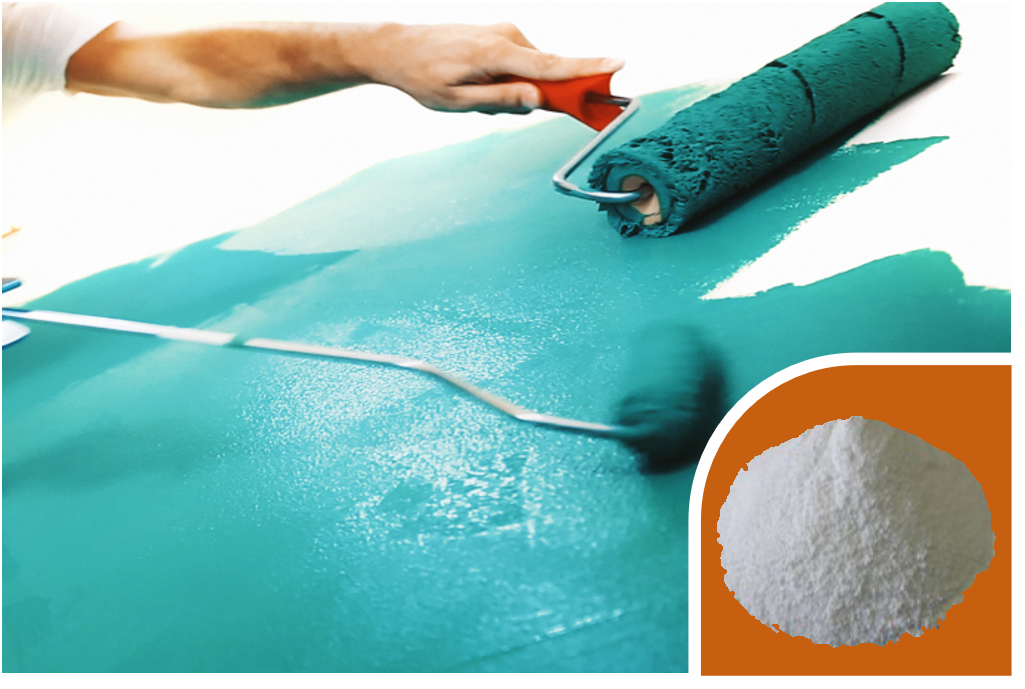
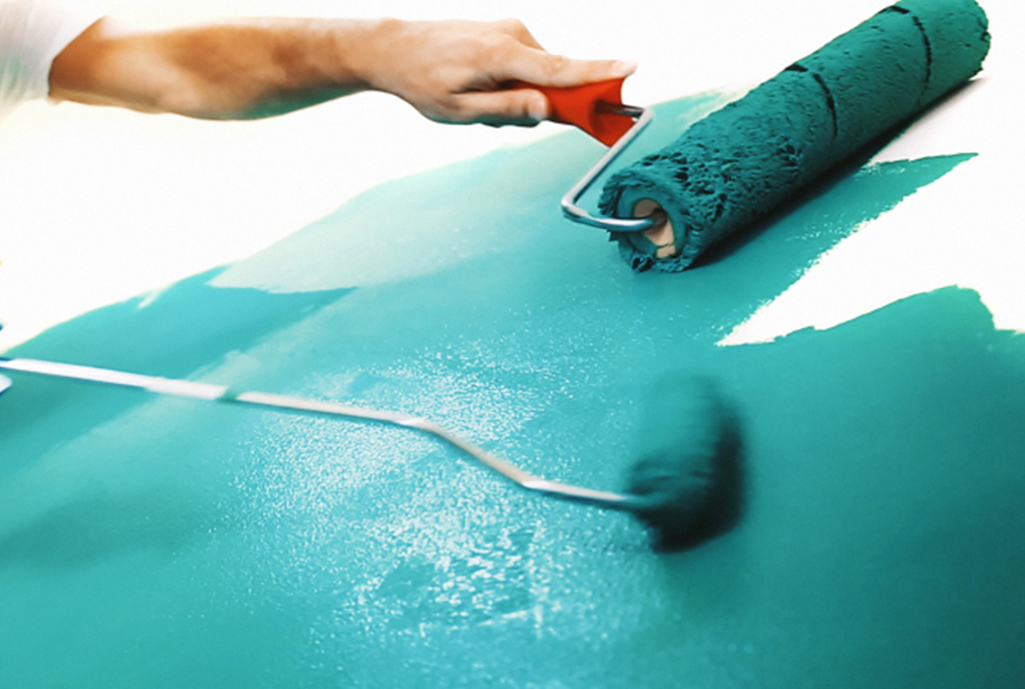
- Intumescent coatings: fire-resistant paints for structural steel, wood and cable trays.
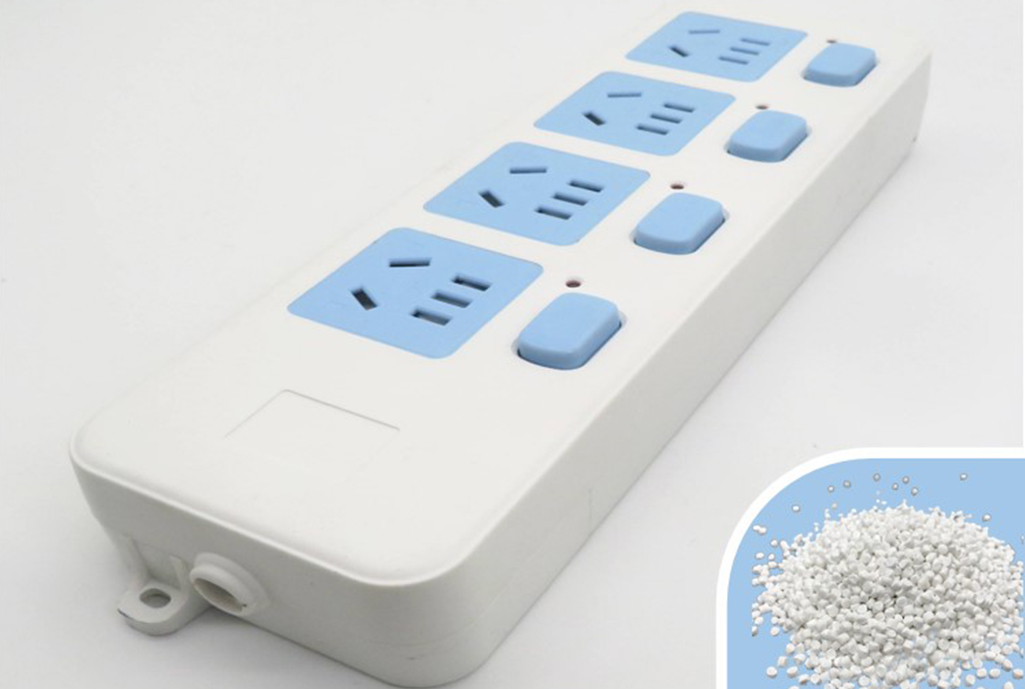
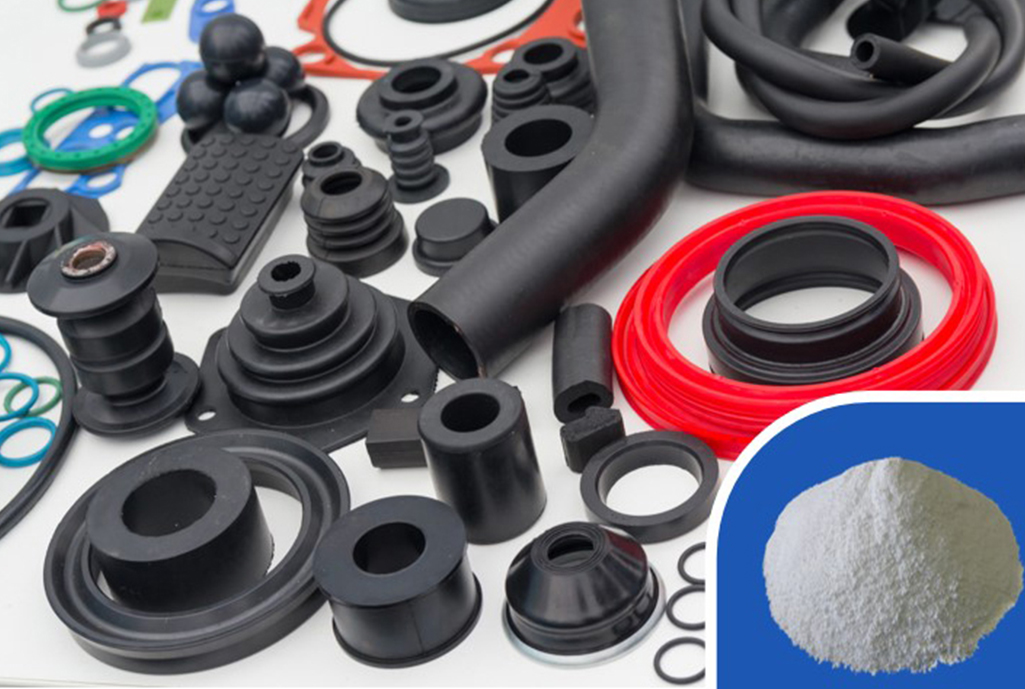
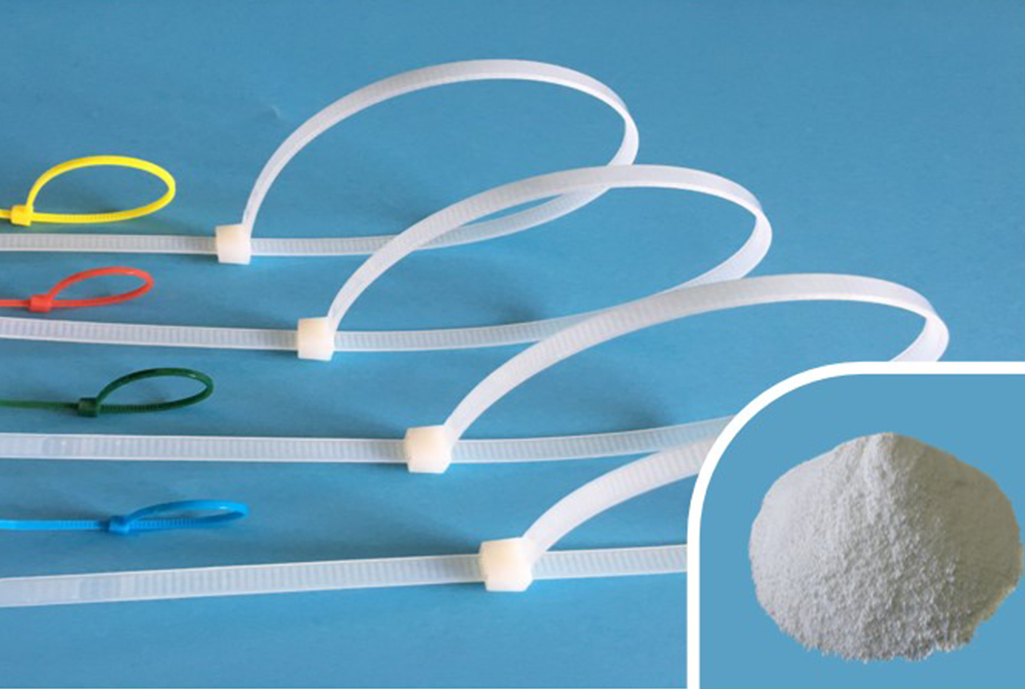
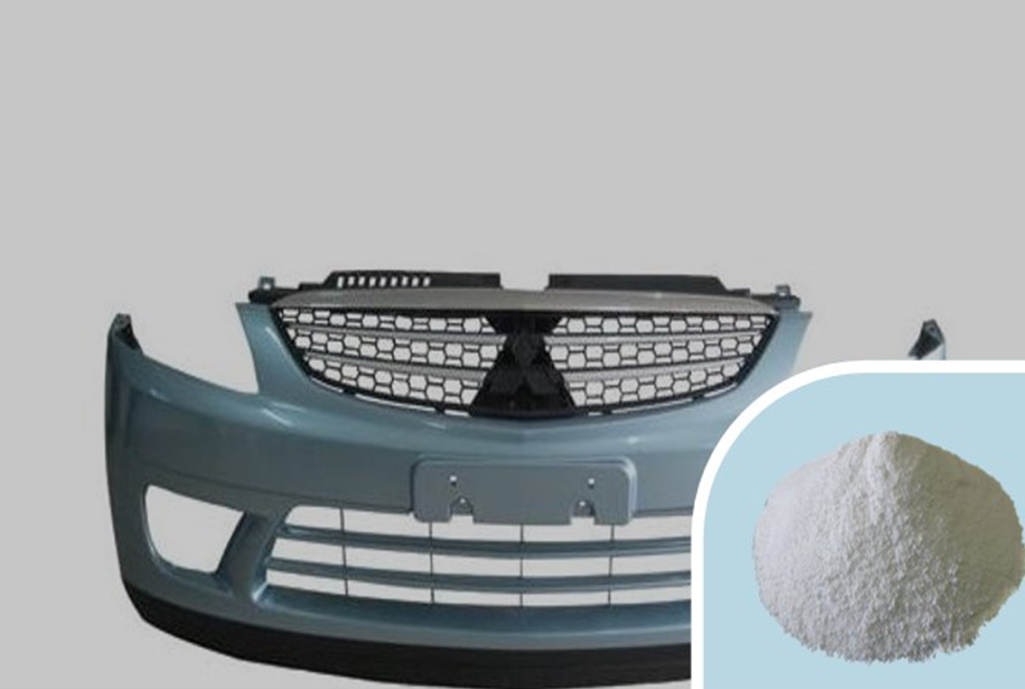
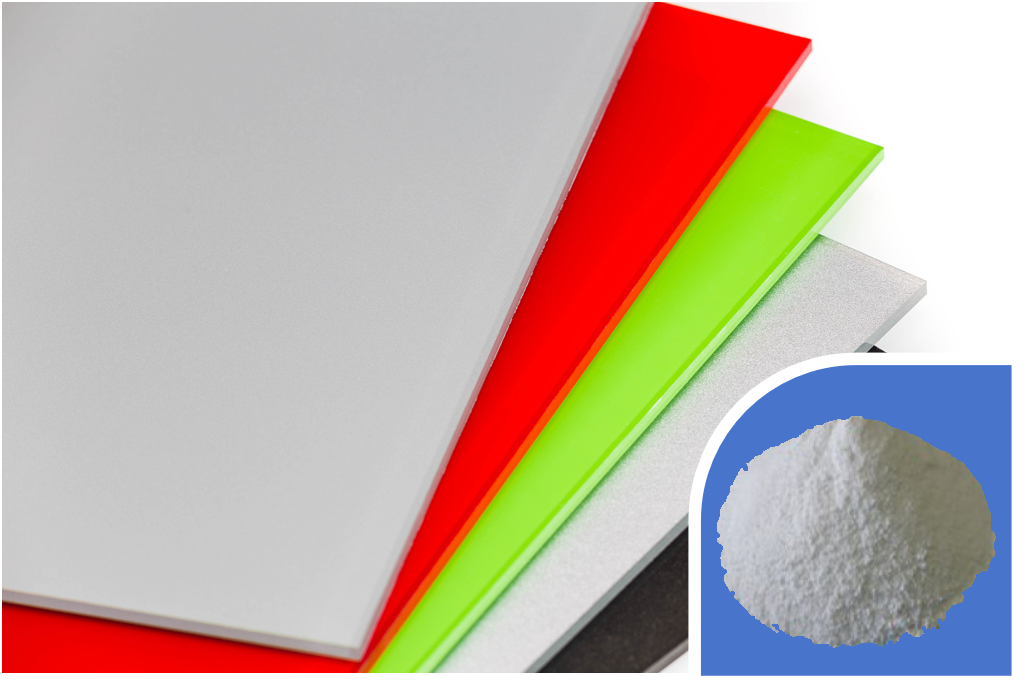
- Plastics: polypropylene, polyethylene, epoxy resin and polyurethane foam, often to reach UL 94 V-0.
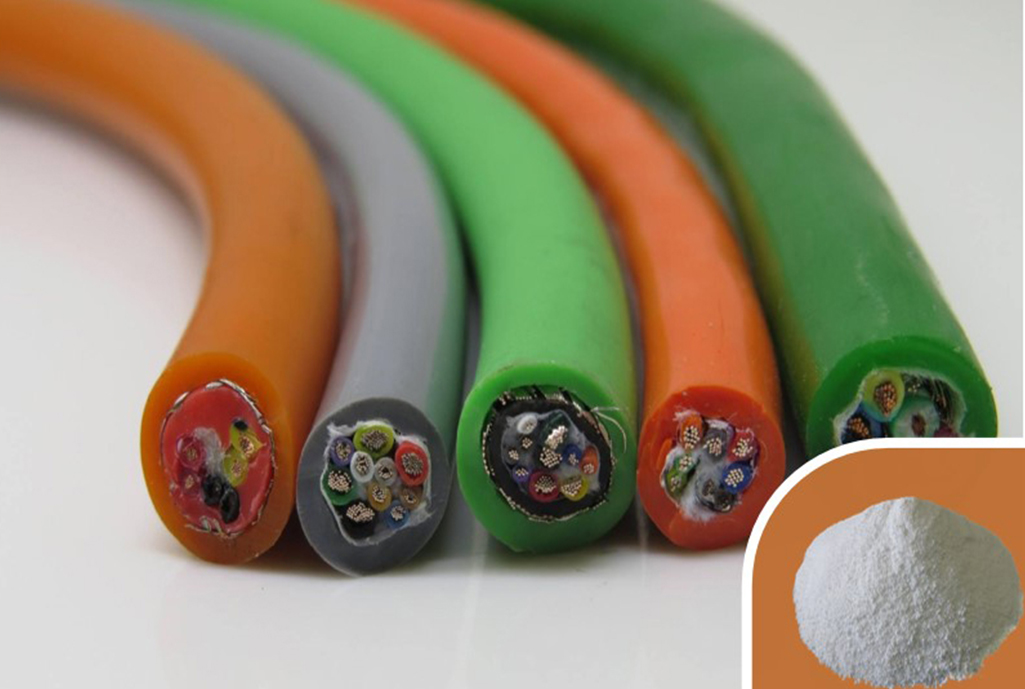
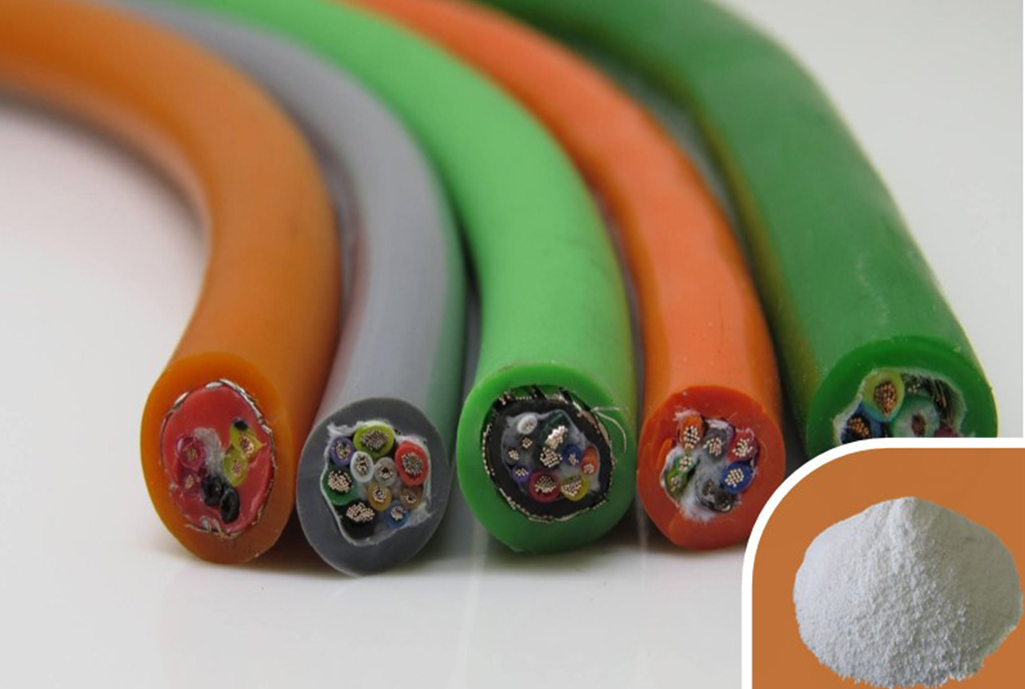
- Wire and cable compounds: halogen-free, low-smoke formulations.
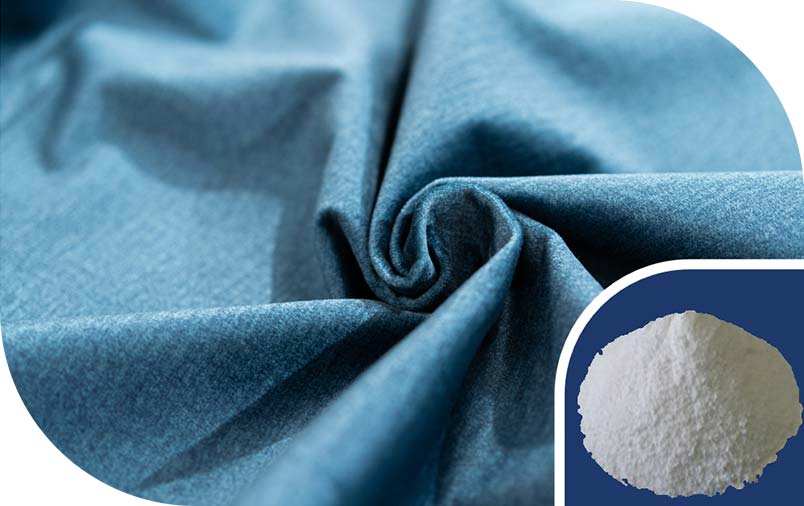
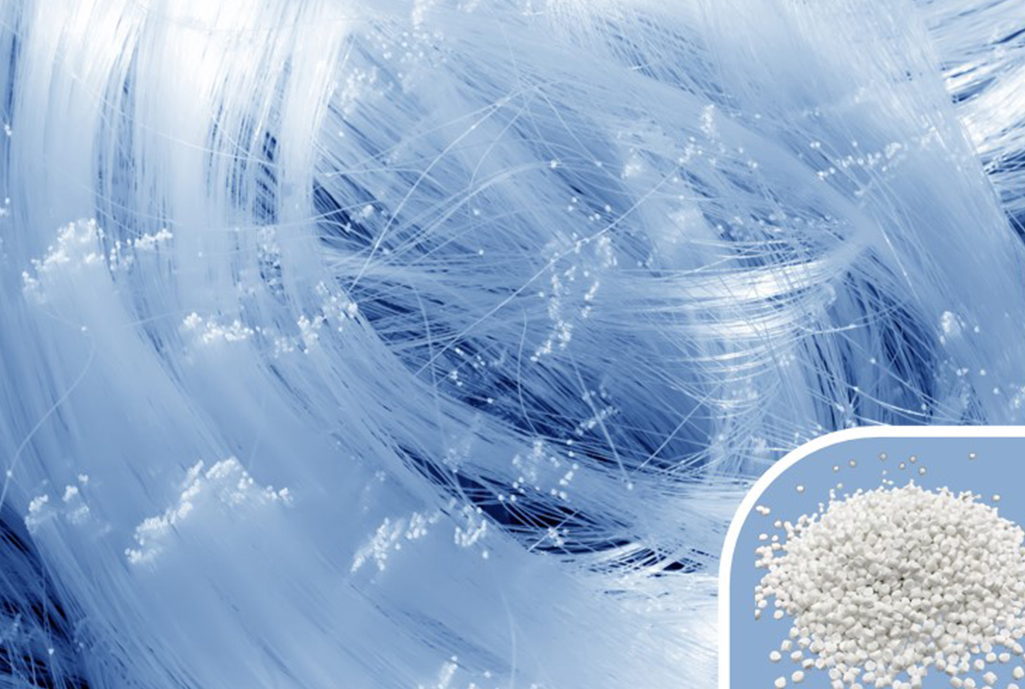
- Textiles and paper: back-coatings and treatments for curtains, upholstery and packaging.
- Fire-fighting products: long-term wildfire retardants and some fire-extinguishing powders.
- Agriculture: liquid ammonium polyphosphate fertilizer such as 10-34-0 and 11-37-0 grades.
Typical Dosage and Formulation Tips
The right amount of APP depends on the material, thickness and fire rating you need. The figures below are common starting points, and you should always confirm them with your own burn tests.
| Application | Typical APP loading | Common partners |
| Intumescent paint | 15% to 30% | PER, melamine, titanium dioxide |
| Polypropylene | 20% to 30% | PER, melamine, synergists |
| Epoxy resin | 10% to 25% | Zinc borate, silica |
| Polyurethane foam | 10% to 20% | Expandable graphite |
Improve dispersion and water resistance
Plain APP powder can absorb moisture and clump in resin systems. Surface-treated or microencapsulated APP, coated with melamine resin, silane or silicone, disperses better, resists water and keeps mechanical properties higher at the same loading. For outdoor paint or humid environments, this upgrade is usually worth the extra cost.
Use synergists to cut the dose
Adding small amounts of zinc borate, nano clay, expandable graphite or organic montmorillonite can strengthen the char and reduce the total amount of APP needed. This helps keep the plastic tough and lowers the overall formulation cost.
How to Choose a Good Ammonium Polyphosphate Supplier
Quality varies widely between batches and manufacturers, so check these points before placing a large order:
- Phosphorus and nitrogen content: look for P2O5 of about 71% or higher and nitrogen of about 14% or higher for standard Phase II grades.
- Water solubility: Phase II should be very low, often under 0.5 g per 100 ml at 25°C.
- Particle size: an average of 8 to 15 microns is common for plastics, and finer for coatings.
- Moisture content: below 0.25% helps avoid bubbles during processing.
- Test reports and compliance: ask for a COA, SDS and REACH or RoHS statements, and request a sample for your own UL 94 or fire-resistance test.
Safe Handling and Storage
Ammonium Polyphosphate is considered low in toxicity and is not classified as flammable, but the fine powder can irritate the eyes, nose and throat. Use dust masks and safety glasses when handling bulk powder, and provide local ventilation in mixing areas.
Store it in sealed bags or drums in a cool, dry warehouse away from strong alkalis and direct moisture. Open bags should be resealed immediately, since absorbed water reduces flowability and can cause defects in the final product. Under good conditions the shelf life is typically 12 to 24 months.
Common Questions About APP Flame Retardant
Is Ammonium Polyphosphate halogen-free?
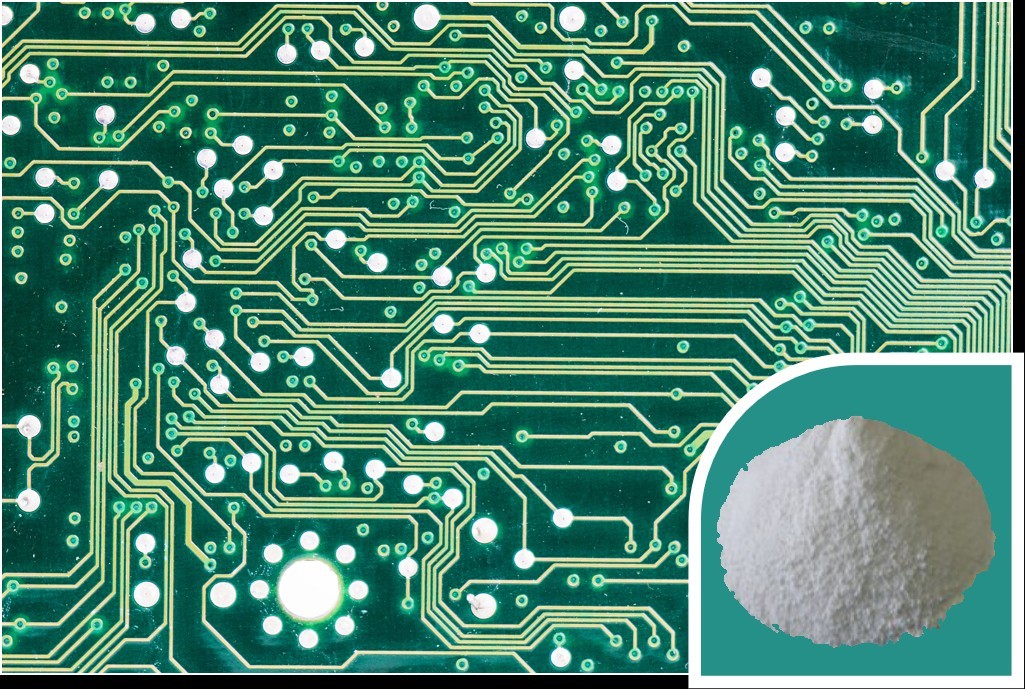
Yes. It contains no chlorine or bromine, so it does not produce corrosive hydrogen halide gases when burned. This makes it a popular replacement for halogenated flame retardants in cables, electronics and building materials.
Can APP be used alone?
In some polymers with their own carbon source, such as polyurethane or certain epoxies, it can work alone. In polyolefins like polypropylene it usually needs a carbon source and a gas source to form a good intumescent char.
Does it affect the strength of plastics?
High loadings can reduce impact strength and elongation. Using surface-treated APP, compatibilizers and good mixing equipment keeps these losses small and helps maintain stable product performance.

contact details
Address:No. 166, Chenggong Road, Economic Development Zone, Jiashan County, Jiaxing City, Zhejiang Province
TEL: +86-0573-89103923 / +86 182 6841 1181
E-mail: globalmarketing@xusen.com
Product
News Center