Tel: +86-0573-89103923 / +86 182 6841 1181

E-mail:globalmarketing@xusen.com



 English
 عربى
عربى 简体中文
简体中文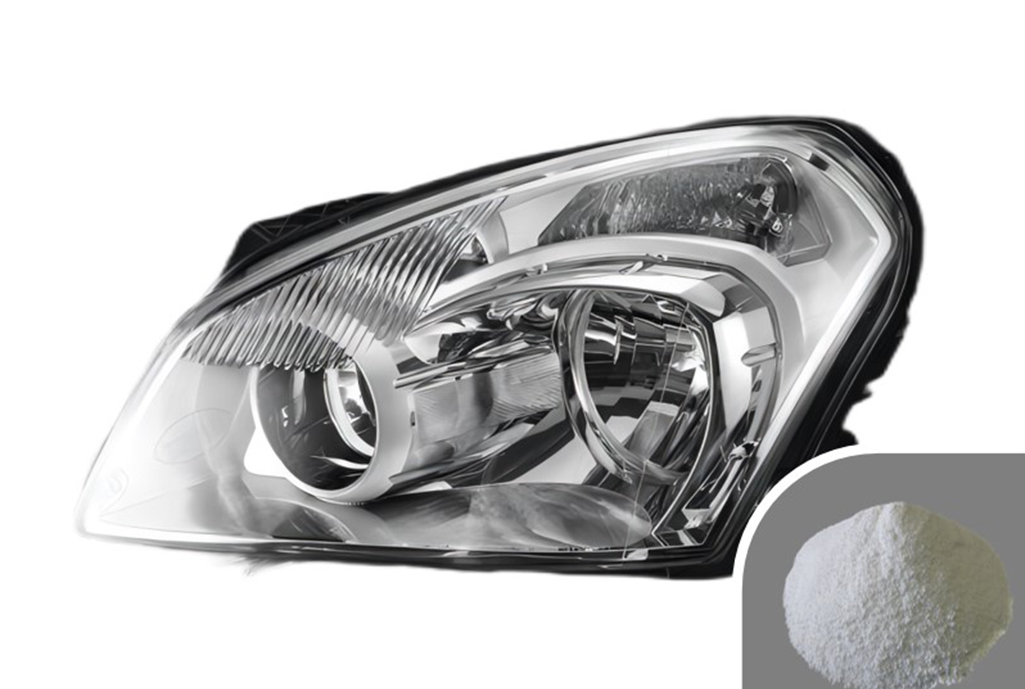
Composite Flame Retardant For PBT/PET XS-FR-1301/1310 Series
Specification
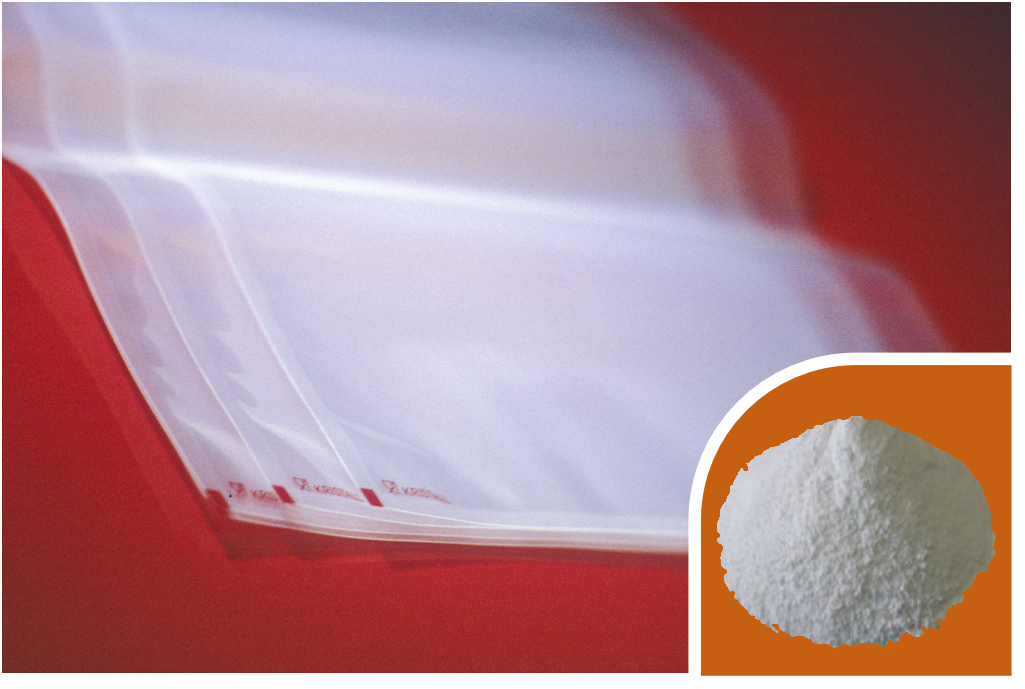
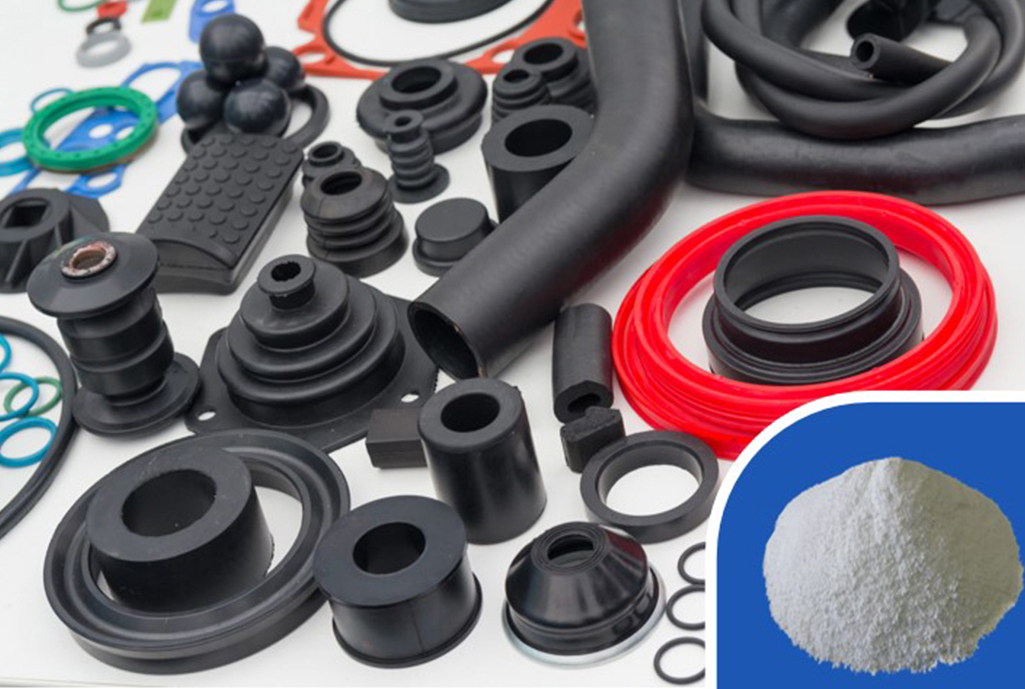
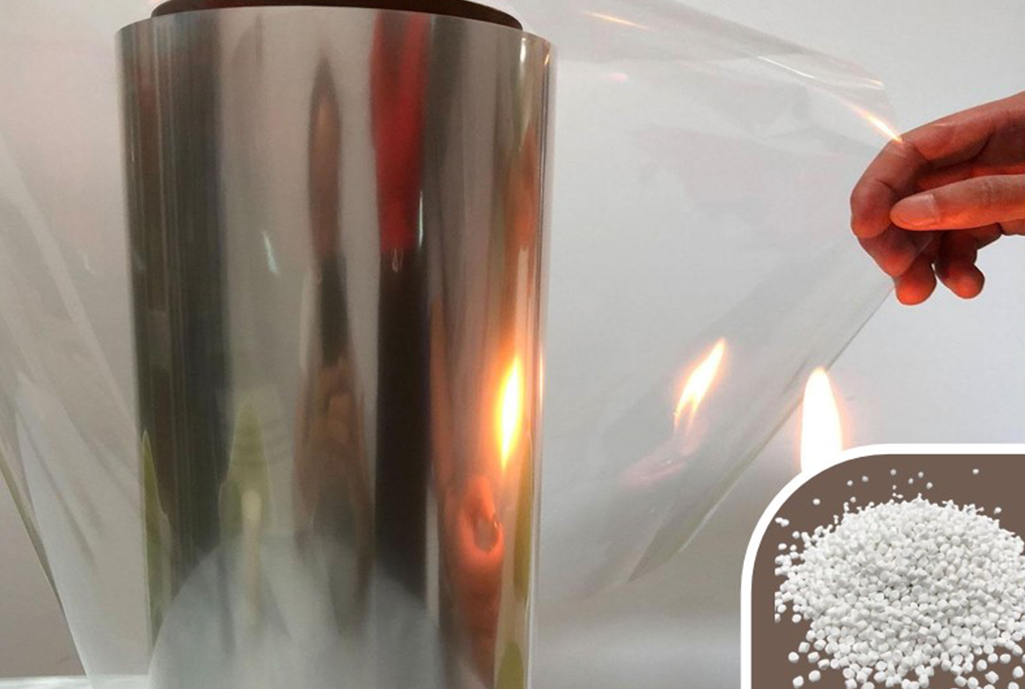
This series of products are halogen-free and environmentally friendly flame retardants based on phosphorus and nitrogen. After adding the flame retardants of this series to polyester resins (PBT, PET), the resin surface expands to form a porous carbon layer during thermal cracking or burning, which plays the role of heat insulation, oxygen insulation and prevention of molten droplets. The flame retardants also have a certain effect of suppressing the amount of smoke generated, and no toxic or corrosive gases will be generated, In addition, this series of products has no water absorption and no precipitation, and thermal stability and processing performance, Their are ideal and efficient environment-friendly flame retardants.
Details

| Characteristics | XS-FR-1301 | XS-FR-1310 |
| Phosphorus Content % | ≥18 | ≥16 |
| Nitrogen Content % | ≥16 | ≥16 |
| Water-Solubility % | <0.2 | ≤0.3 |
| Relative Density g/cm³ | 1.2 | 1.46 |
| Average Particle Size(D50)um | ~6 | ~20 |
| Thermal Decomposition Temperature | ≥280 | ≥330 |
| Volatile Matter | ≤0.4 | ≤0.4 |
| Recommended Addition % | XS-FR-1301 | XS-FR-1310 | |||
| Glass Fiber Content% | 15 | 30 | 15 | 30 | |
| PBT | 1.6mm V-0 | 20 | 18 | 20 | 16 |
| PET | 1.6mm V-0 | 34 | 29 | 14 | 11 |
| The processing temperature should be moderate to avoid the decomposition of the flame retardant caused by higher temperatures. Although the thermal decomposition temperature of this product is greater than 280℃, due to the high shear heat of the screw, if the set screw temperature is too high, the superposition effect of heating and shearing will easily occur, resulting in local overheating of the screw and causing decomposition of flame retardant. | |||||

Manufacturing Facility in XUSEN
Professional Composite Flame Retardant For PBT/PET XS-FR-1301/1310 Series manufacturer in China, We currently achieved an annual production capacity of 12,000 tons. We can also OEM, simply wholesale Composite Flame Retardant For PBT/PET XS-FR-1301/1310 Series direct from manufacturer. We have our own production workshops and warehouses, equipped with complete production and quality inspection equipment.
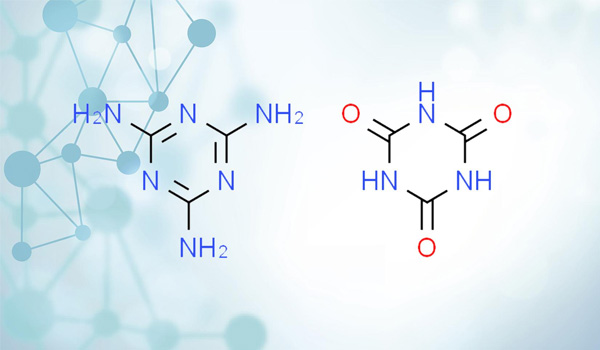
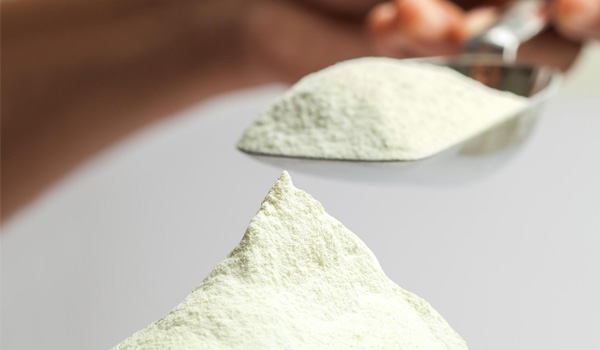

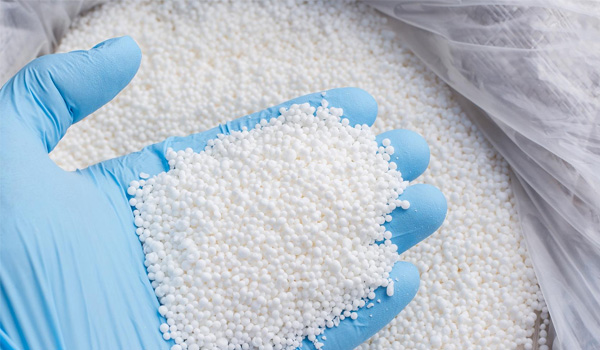
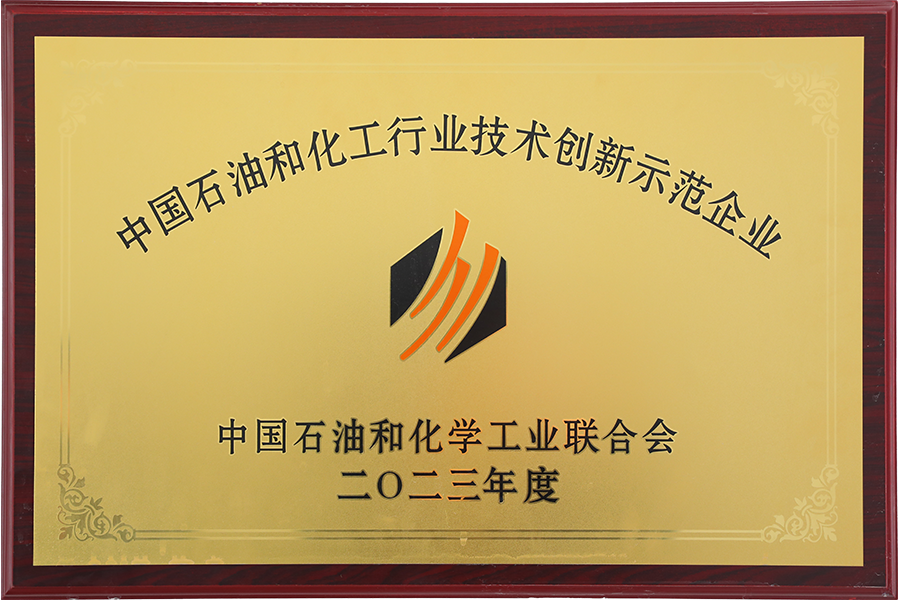
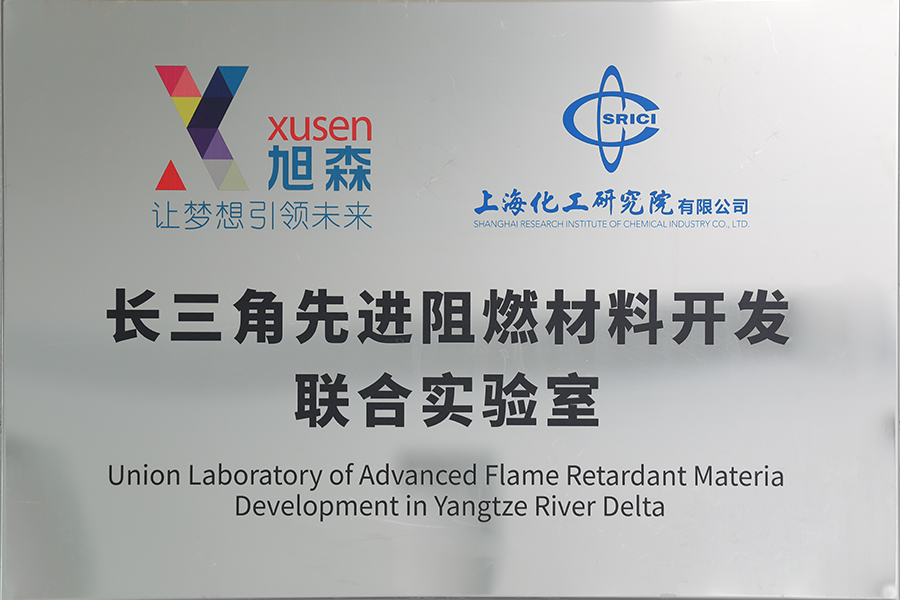
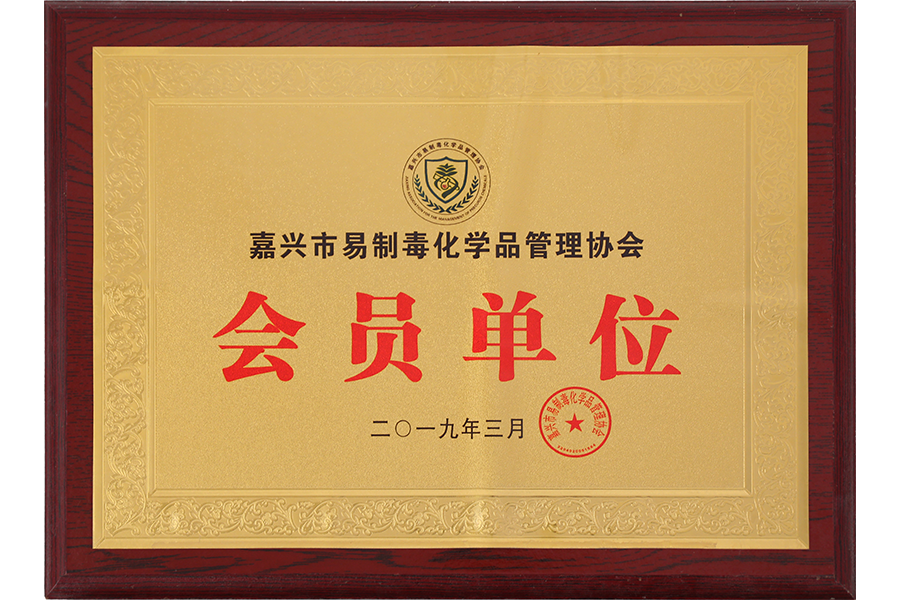
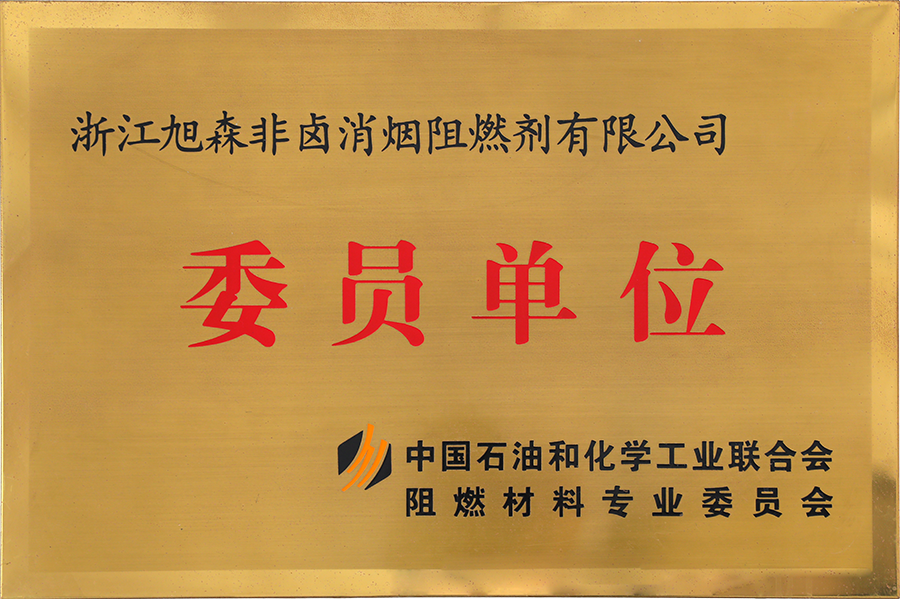
Certificate Of Honor
News
-
If you work anywhere near plastics manufacturing, wiring, connectors, or flame-retardant materials, chances are you've come across the name Melamine Cyanurate at some point. It sounds like a complicat...
READ MORE -
What Is Halogen-Free Flame Retardant and Why It Matters A halogen-free flame retardant is a chemical additive used to slow down or prevent the spread of fire in materials like plastics, cables, textil...
READ MORE -
What Exactly Is Functional Additives Masterbatch? Functional additives masterbatch is a concentrated mixture of one or more functional additives carried in a resin base, made specifically so plastic p...
READ MORE
Message Feedback
contact details
Address:No. 166, Chenggong Road, Economic Development Zone, Jiashan County, Jiaxing City, Zhejiang Province
TEL: +86-0573-89103923 / +86 182 6841 1181
E-mail: globalmarketing@xusen.com
Quick link
Product
News Center