Tel: +86-0573-89103923 / +86 182 6841 1181

E-mail:globalmarketing@xusen.com



 English
 عربى
عربى 简体中文
简体中文Composite Flame Retardant for PA: Engineering Synergy in Polyamide Formulation
2026-08-04
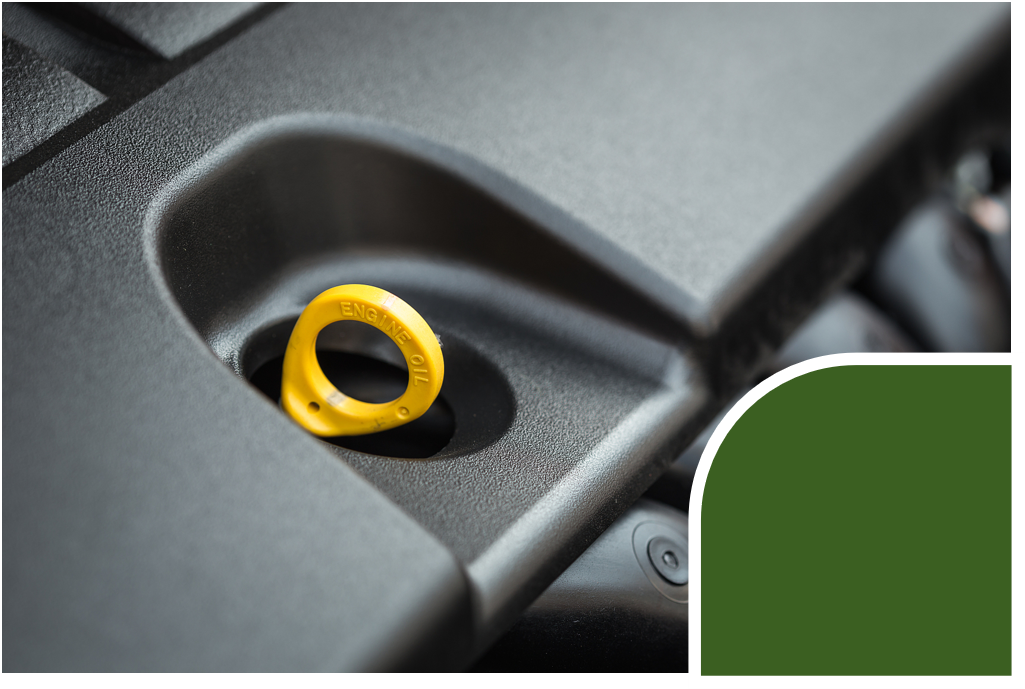
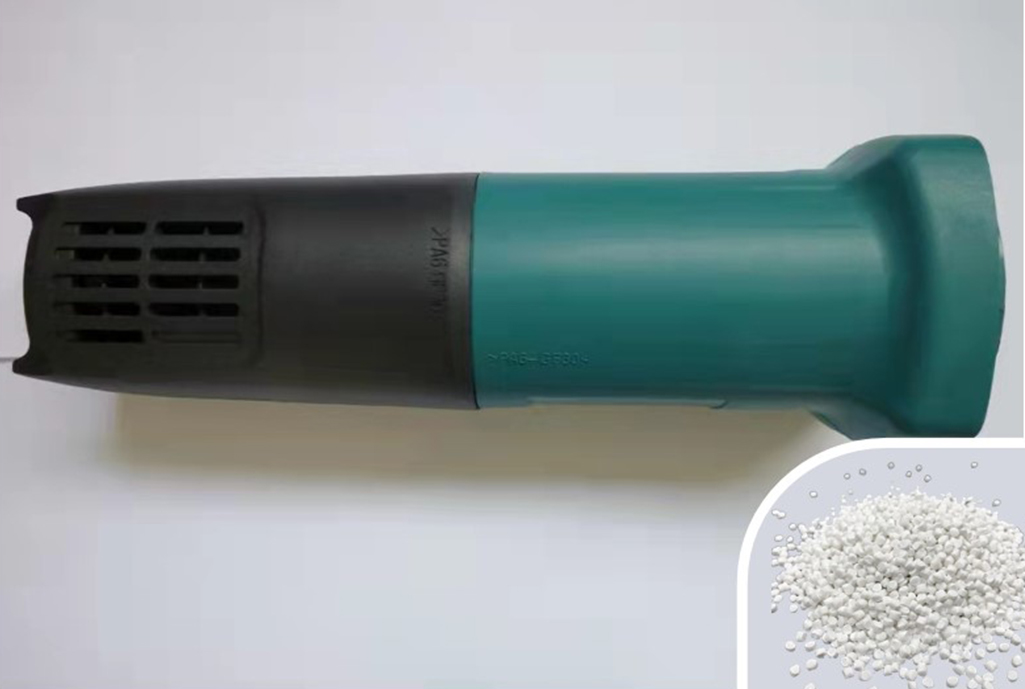
Polyamide (PA), encompassing variants such as PA6, PA66, PA12, and high-temperature aromatic polyamides, stands as a cornerstone of engineering thermoplastics. Its exceptional tensile strength, fatigue resistance, and thermal endurance render it indispensable for automotive under-hood components, electrical connectors, relay housings, and consumer electronics. However, the intrinsic combustibility of polyamide—characterized by a limiting oxygen index (LOI) of approximately 22% to 24% and a pronounced tendency for molten dripping—constitutes a critical liability. Achieving stringent flame retardancy standards, particularly the UL94 V-0 rating at thin-wall sections (0.4 mm to 0.8 mm), necessitates the deployment of sophisticated additive systems. The single-component approach has proven inadequate; the modern solution resides in the composite flame retardant—a meticulously orchestrated ensemble of synergistic agents designed to intervene across multiple degradation pathways without compromising the polymer's processing window or mechanical integrity.
Content
- 1 The Mechanistic Imperative: Why Composite Systems Outperform Monolithic Additives
- 2 Architecture of the Ternary Composite System
- 3 Processing Challenges and Formulation Equilibrium
- 4 Electrical Integrity and Corrosion Resistance
- 5 The Phenomenon of Plate-Out and Migration Mitigation
- 6 Toward Sustainable and Multifunctional Systems
The Mechanistic Imperative: Why Composite Systems Outperform Monolithic Additives
The thermal decomposition of polyamide proceeds via a random chain scission mechanism, producing volatile hydrocarbons, cyclopentanone derivatives, and caprolactam monomers that feed the flame front. A singular additive, whether halogenated or phosphorus-based, can only address one facet of this cascade. Halogenated compounds, while effective in the gas phase through radical quenching, generate corrosive smoke and face regulatory headwinds. Conventional red phosphorus, though potent, imposes pigmentary limitations and releases toxic phosphine under humid conditions. The composite philosophy overcomes these bottlenecks by orchestrating a convergent assault: one component targets the gas phase to interrupt the combustion chain reaction, while a second component promotes condensed-phase charring to insulate the underlying substrate, and a third modulates the melt viscosity to suppress the incendiary drip that propagates secondary fires.
Architecture of the Ternary Composite System
A high-performance composite flame retardant for PA typically rests on a ternary or quaternary foundation, with each constituent assigned a precise kinetic role.
The primary active species is almost invariably an organic metal phosphinate, such as aluminum diethylphosphinate. This compound exhibits an exceptional thermal threshold, with an onset decomposition temperature exceeding 340°C, which comfortably surpasses the 260°C to 290°C melt-processing range of standard PA grades. Upon thermal stress, the phosphinate releases phosphorus-containing radicals that scavenge H· and OH· species in the vapor zone. Simultaneously, it catalyzes the transesterification of the polyamide chains, initiating a crosslinking reaction that elevates the melt viscosity. However, phosphinates alone, even at loading levels of 20% to 25% by weight, struggle to achieve a V-0 rating at sub-millimeter thicknesses without inducing significant plate-out and mold fouling.
This deficiency mandates the integration of a nitrogen-based synergist, most commonly melamine polyphosphate or melamine cyanurate. The nitrogen species performs a dual function. During the early stages of pyrolysis, it liberates inert ammonia and nitrogen gases, which dilute the oxygen concentration in the immediate vicinity of the decomposing surface. More critically, it acts as a blowing agent within the condensed phase, expanding the developing carbonaceous layer into a microcellular foam. This foamed char exhibits thermal conductivity two orders of magnitude lower than the neat polymer, creating a formidable temperature gradient that shields the deeper layers from pyrolysis.
The third pillar involves a transition metal oxide or a Lewis acid catalyst, frequently zinc borate, zinc stannate, or fumed silica. These inorganic adjuncts, deployed at levels between 1% and 3%, serve as char-reinforcing agents. They anchor the polyphosphate structures formed during combustion, converting the fragile, friable char into a ceramic-reinforced composite that remains cohesive under the mechanical stress of a burning droplet. This ceramic phase also imparts anti-dripping efficacy—the single most challenging criterion for PA UL94 certification—by physically entangling the degrading polymer chains and elevating the melt's elastic modulus beyond the threshold required for droplet detachment.
Processing Challenges and Formulation Equilibrium
The transition from a theoretical composite to a commercially viable masterbatch is fraught with rheological and thermal complexities. The cumulative loading of the composite system frequently reaches 18% to 28% of the total formulation. At these concentrations, the particulate additives impose a significant increase in melt viscosity, which directly impacts injection pressure and cycle times. To mitigate this, the particle size distribution of the inorganic synergists must be rigorously controlled to a median diameter (D50) below 5 micrometers. Finer particles increase the specific surface area and facilitate uniform dispersion, yet they also exacerbate agglomeration due to van der Waals forces. Consequently, a specialized surface treatment—typically a titanate or silane coupling agent—is applied during the compounding stage to reduce the interfacial tension between the polar PA matrix and the non-polar phosphinate surfaces, ensuring a homogeneous distribution without macroscopic phase segregation.
Thermal stability during extrusion is another decisive parameter. The compounding temperature profile must be precisely zoned: a lower feed-zone temperature to prevent premature decomposition of the melamine derivative, followed by a mid-zone temperature that ensures complete melting and distributive mixing, and a final die-zone temperature that avoids excessive residence time. Any degradation of the nitrogen component during processing releases off-gases that cause porosity in the final molded part, compromising both dielectric strength and aesthetic appearance.
Electrical Integrity and Corrosion Resistance
For PA employed in electrical applications, the composite flame retardant must not compromise the Comparative Tracking Index (CTI) or the insulation resistance. Many conventional flame retardants, particularly those containing ionic alkali metals, degrade the polymer's dielectric properties by facilitating ionic conduction across the surface. The aluminum phosphinate–melamine polyphosphate combination demonstrates a favorable profile; the alumina residues formed during decomposition are intrinsically insulating and, when combined with micronized wollastonite or calcined kaolin, can actually elevate the CTI from 300 volts to over 500 volts. This enhancement is attributed to the formation of a stable, non-carbonaceous surface layer that resists the electrochemical degradation pathways associated with tracking.
Conversely, corrosion of metallic molds and inserts is a persistent concern. Halogenated compounds are notorious for releasing hydrobromic or hydrochloric acid vapors at processing temperatures. The advanced composite systems circumvent this by maintaining a strictly halogen-free composition, thereby eliminating the risk of stress corrosion cracking in copper or brass contact pins that are often overmolded with the PA component.
The Phenomenon of Plate-Out and Migration Mitigation
A nuanced failure mode specific to compounded PA is the phenomenon of "plate-out"—the gradual deposition of the flame retardant additives onto the mold surface over successive injection cycles. This deposit causes surface defects, ranging from dull gloss to visible flow lines, and necessitates frequent mold stoppage for cleaning. In composite formulations, plate-out is typically driven by the migration of low-molecular-weight oligomers from the melamine component. To counteract this, modern formulations incorporate oligomeric or polymeric phosphazenes that possess a higher molecular weight, effectively anchoring the system and reducing the diffusion coefficient. Furthermore, the introduction of hyperbranched polymers that act as interfacial dispersants has demonstrated efficacy in stabilizing the suspension within the molten polymer, maintaining homogeneity over prolonged processing campaigns.
Toward Sustainable and Multifunctional Systems
The evolutionary trajectory of composite flame retardants for PA is shifting toward bio-derived phosphorus sources and inorganic-based char formers that reduce the overall fossil-carbon footprint. Additionally, the design criterion is expanding beyond fire safety to incorporate antimicrobial functionality and UV stabilization, yielding all-in-one additive packages. However, the fundamental engineering challenge remains unchanged: achieving the delicate stoichiometric balance where the chemical reactivity of the retardant does not catalyze the hydrolytic degradation of the PA backbone. This is particularly critical for PA66, which is susceptible to amide exchange reactions in the presence of strong acidic functionalities.
In practice, the successful composite flame retardant is less a chemical formula and more a systems-engineering product. It respects the thermodynamics of the extruder screw, the hydrodynamics of the injection mold, and the kinetics of the combustion reaction simultaneously. For the polymer technologist, the composite approach offers the latitude to tune performance incrementally—adjusting the phosphinate to nitrogen ratio to tailor the char yield, or modulating the metal oxide content to fine-tune the dripping behavior—without redesigning the entire formulation. It is this modular synergy that elevates the composite flame retardant from a mere additive to an indispensable architectural element of high-performance polyamide engineering, enabling the material to fulfill its promise of strength and resilience without sacrificing the paramount imperative of fire safety.



contact details
Address:No. 166, Chenggong Road, Economic Development Zone, Jiashan County, Jiaxing City, Zhejiang Province
TEL: +86-0573-89103923 / +86 182 6841 1181
E-mail: globalmarketing@xusen.com
Quick link
Product
News Center