Tel: +86-0573-89103923 / +86 182 6841 1181

E-mail:globalmarketing@xusen.com



 English
 عربى
عربى 简体中文
简体中文Flame Retardant Masterbatch for Polyester: A Simple Way to Build Fire Safety Right Into the Fiber
2026-07-01
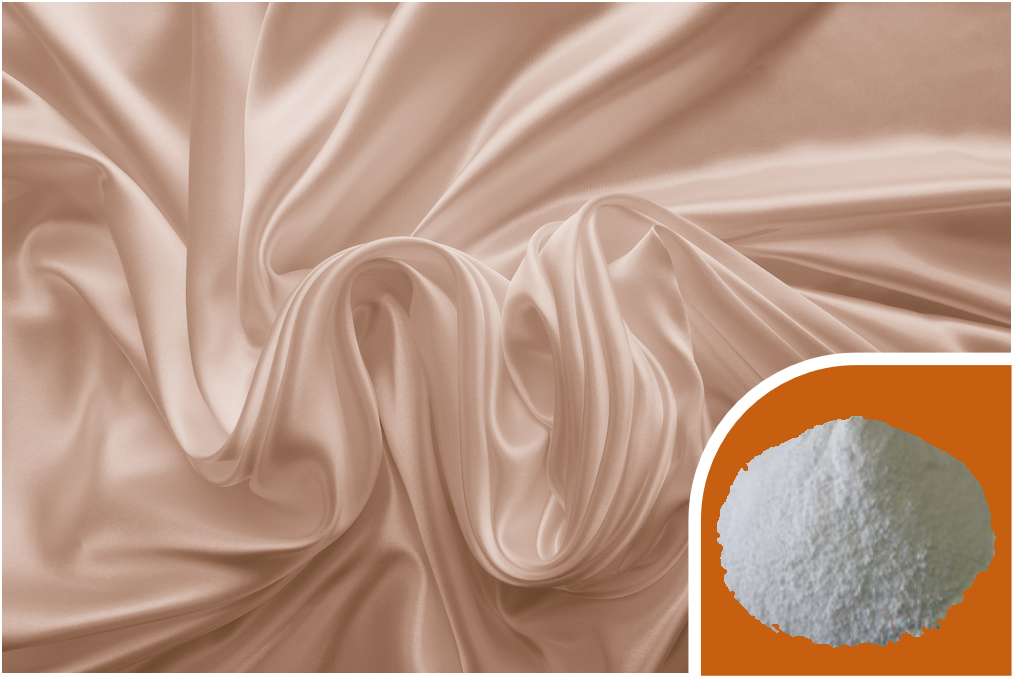
Polyester fiber and textiles are everywhere, from upholstery and curtains to workwear and automotive interiors, but raw polyester offers very little resistance to fire on its own. A flame retardant masterbatch for polyester gives manufacturers a practical, consistent way to build fire resistance directly into the fiber during spinning, rather than relying solely on post-production topical treatments that can wash out or wear off over time. This article explains what flame retardant masterbatch is, how it works in polyester applications, the main chemistry options available, and how to choose and process the right masterbatch for a given product.
Content
- 1 What a Flame Retardant Masterbatch Actually Is
- 2 Main Flame Retardant Chemistries Used in Polyester Masterbatch
- 3 Comparing Masterbatch Flame Retardancy to Other Treatment Methods
- 4 Key Factors to Evaluate When Choosing a Masterbatch
- 5 Processing Tips for Working with FR Masterbatch in Polyester
- 6 Typical Applications for Flame Retardant Polyester
- 7 Final Thoughts on Flame Retardant Masterbatch for Polyester
What a Flame Retardant Masterbatch Actually Is
A masterbatch is a concentrated mixture of additive, in this case flame retardant compounds, dispersed in a carrier resin that's compatible with the base polymer it will be blended into. For polyester applications, the carrier resin is typically a polyester-compatible base that allows the flame retardant masterbatch to be melt-blended directly with virgin polyester resin during fiber spinning or sheet extrusion. Rather than handling raw flame retardant powders, which can be difficult to disperse evenly and unpleasant to handle in a production environment, manufacturers add a measured percentage of masterbatch pellets into the polymer melt, where they disperse uniformly and impart flame retardant properties throughout the entire fiber or product.
This approach differs significantly from topical or back-coating flame retardant treatments applied after a fabric is woven. Because the flame retardant masterbatch is incorporated into the polymer itself before fiber formation, the resulting fire resistance is inherent to the fiber and tends to hold up far better through repeated washing, abrasion, and prolonged use, which is a major reason masterbatch-based flame retardancy has become the preferred method for durable, wash-resistant flame retardant polyester products.
Main Flame Retardant Chemistries Used in Polyester Masterbatch
Several flame retardant chemistry families are commonly formulated into masterbatch for polyester, each with different performance characteristics and regulatory considerations.
Phosphorus-Based Flame Retardants
Phosphorus-based additives, including organophosphate compounds, work primarily by promoting char formation on the fiber surface when exposed to heat, creating a protective barrier that slows further combustion. These have become increasingly popular as halogen-free alternatives that still deliver strong flame retardant performance in polyester fiber and film applications.
Halogenated Flame Retardants
Halogenated compounds, typically brominated, work by interrupting the combustion process in the gas phase, releasing flame-inhibiting radicals when heated. While effective and historically widely used, halogenated systems face increasing regulatory scrutiny in many markets due to environmental and smoke toxicity concerns, pushing formulators toward phosphorus-based or other halogen-free alternatives where regulations require it.
Nitrogen-Phosphorus Synergistic Systems
Combining nitrogen-containing compounds with phosphorus-based flame retardants creates a synergistic effect, where nitrogen compounds release non-flammable gases while phosphorus compounds drive char formation. This combination often allows lower overall additive loading while still achieving strong flame retardant performance, which helps preserve the fiber's mechanical properties and dyeability.
Comparing Masterbatch Flame Retardancy to Other Treatment Methods
Polyester manufacturers have a few different paths to achieving flame retardant performance, and masterbatch-based approaches offer distinct advantages over surface treatments in most durability-focused applications.
| Method | Durability Through Washing | Effect on Fabric Hand Feel | Process Stage |
| Topical/Back-Coating Treatment | Reduces over repeated washing | Can stiffen fabric noticeably | Applied after weaving/knitting |
| Flame Retardant Masterbatch | Permanent, built into the fiber | Minimal change to feel | Added during fiber spinning |
| Inherently FR Copolymer Fiber | Permanent | Minimal, but higher fiber cost | Built into polymer chemistry itself |
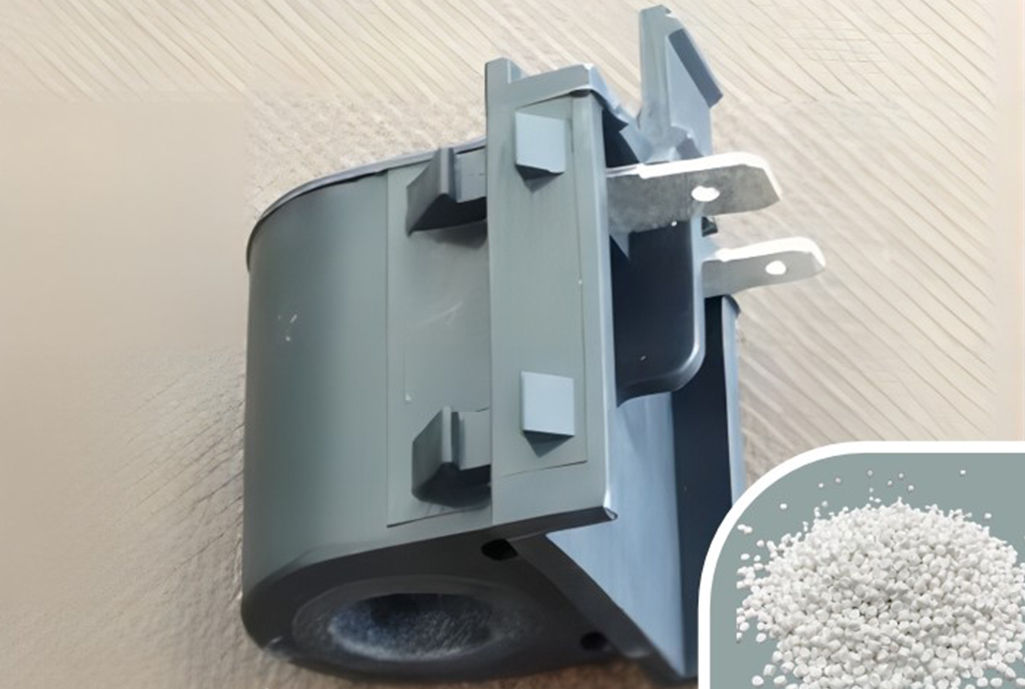
Masterbatch sits as a strong middle ground between topical treatments and fully inherent flame retardant copolymer fibers, offering durable, wash-resistant performance without the higher cost and supply complexity of specialty inherently flame retardant polymer chemistries.
Key Factors to Evaluate When Choosing a Masterbatch
Selecting the right flame retardant masterbatch for a polyester application involves balancing fire performance with fiber quality, cost, and regulatory compliance.
- Target flame retardant standard, such as specific vertical flame test ratings or limiting oxygen index requirements for the end application
- Compatibility with the spinning process, since masterbatch needs to disperse evenly without clogging spinnerets or causing fiber breaks
- Impact on fiber tensile strength, elongation, and dyeability after the flame retardant additive is incorporated
- Halogen content and regulatory compliance, particularly for markets requiring REACH or other halogen-free certifications
- Thermal stability of the masterbatch at typical polyester melt processing temperatures, to avoid degradation or discoloration
Processing Tips for Working with FR Masterbatch in Polyester
Getting consistent flame retardant performance from masterbatch requires attention to dosing accuracy and processing conditions during fiber spinning or extrusion.
- Follow the supplier's recommended addition ratio closely, since underdosing can fail fire testing while overdosing wastes material and may affect fiber properties
- Dry both the masterbatch and base polyester resin thoroughly before processing, since residual moisture can cause hydrolysis and weaken fiber strength
- Monitor melt temperature carefully, since some flame retardant compounds can begin to degrade if processing temperatures run too high
- Run trial batches and test fire performance before committing to full production runs, especially when switching to a new masterbatch supplier or grade
- Check spinneret condition regularly, since some flame retardant particles can contribute to gradual wear or blockage over long production runs
Typical Applications for Flame Retardant Polyester
Flame retardant polyester made with masterbatch additives serves a wide range of industries where fire safety standards apply to textile and fiber products.
- Home and contract furnishings, including upholstery fabric, curtains, and mattress ticking
- Automotive interior textiles such as seat covers, headliners, and carpeting
- Workwear and protective clothing requiring flame resistant certification
- Hospitality and institutional textiles, including hotel bedding and curtains subject to strict fire codes
- Geotextiles and industrial fabrics used in environments with elevated fire risk
Final Thoughts on Flame Retardant Masterbatch for Polyester
Flame retardant masterbatch gives polyester manufacturers a reliable, durable way to meet fire safety requirements without the wash-out concerns that come with topical treatments or the higher cost of specialty inherently flame retardant fiber chemistries. By selecting the right additive chemistry for the target fire rating and regulatory market, paying close attention to dosing and processing conditions, and testing thoroughly before full-scale production, manufacturers can produce flame retardant polyester products that hold up to real-world use while meeting the specific fire codes their industry demands. As demand for halogen-free, long-lasting flame retardant textiles continues to grow, masterbatch-based solutions are likely to remain a central tool in polyester fiber and fabric production.



contact details
Address:No. 166, Chenggong Road, Economic Development Zone, Jiashan County, Jiaxing City, Zhejiang Province
TEL: +86-0573-89103923 / +86 182 6841 1181
E-mail: globalmarketing@xusen.com
Quick link
Product
News Center