Tel: +86-0573-89103923 / +86 182 6841 1181

E-mail:globalmarketing@xusen.com



 English
 عربى
عربى 简体中文
简体中文Halogen-Free Flame Retardant 101: What It Is and Why More Industries Are Switching
2026-07-07
Halogen-free flame retardant technology has moved from a niche compliance checkbox to a mainstream requirement across electronics, construction, automotive, and textile industries. As regulations tighten around brominated and chlorinated additives and end customers increasingly demand lower-toxicity materials, manufacturers need a clear understanding of what halogen-free flame retardants actually are, how they perform compared to older halogenated systems, and how to select and process them correctly. This article breaks down the chemistry behind halogen-free flame retardants, where they're used, how to evaluate performance, and what to watch for during formulation and processing.
Content
- 1 What Makes a Flame Retardant Halogen-Free
- 2 Main Categories of Halogen-Free Flame Retardants
- 3 Halogen-Free Versus Halogenated Flame Retardants
- 4 Where Halogen-Free Flame Retardants Are Used
- 5 Evaluating Halogen-Free Flame Retardant Performance
- 6 Formulation and Processing Considerations
- 7 Final Thoughts on Choosing Halogen-Free Flame Retardants
What Makes a Flame Retardant Halogen-Free
A halogen-free flame retardant is any flame retardant additive that achieves fire resistance without relying on chlorine or bromine-based compounds, which were the dominant flame retardant chemistry for decades due to their effectiveness and relatively low cost. Halogenated flame retardants work primarily by interrupting combustion in the gas phase, releasing halogen radicals that disrupt the chain reaction sustaining a flame. While effective, this same chemistry has drawn increasing scrutiny because halogenated compounds can release toxic and corrosive gases during combustion, and some have raised long-term environmental persistence and bioaccumulation concerns.
Halogen-free flame retardants instead rely on alternative mechanisms, most commonly char formation, water release, or gas dilution, to slow or stop combustion. Because these mechanisms work differently from halogenated systems, halogen-free formulations often require careful engineering to match the fire performance of older halogenated additives without compromising the mechanical properties, processability, or appearance of the finished material.
Main Categories of Halogen-Free Flame Retardants
Several distinct chemistry families fall under the halogen-free umbrella, each with its own strengths depending on the polymer system and application requirements.
Phosphorus-Based Flame Retardants
Phosphorus compounds, including organophosphates and phosphinates, are among the most widely used halogen-free options. They work mainly by promoting the formation of a protective char layer on the material's surface when exposed to heat, which insulates the underlying material and limits the supply of flammable decomposition products to the flame.
Metal Hydroxide Fillers
Aluminum hydroxide and magnesium hydroxide are mineral-based flame retardants that release water vapor when heated, cooling the material and diluting flammable gases near the flame front. These fillers are cost-effective and widely available, though they typically require high loading levels to achieve strong fire performance, which can affect mechanical properties at high concentrations.
Nitrogen-Based Flame Retardants
Nitrogen-containing compounds, such as melamine derivatives, release non-flammable gases like nitrogen and ammonia when heated, diluting oxygen near the combustion zone. These are frequently paired with phosphorus-based additives in synergistic blends, since the combination often outperforms either chemistry used alone.
Intumescent Systems
Intumescent flame retardants combine an acid source, carbon source, and blowing agent that react together under heat to form an expanded, insulating char foam. This foam layer significantly slows heat transfer and oxygen access to the underlying material, making intumescent chemistry one of the more effective halogen-free strategies for demanding fire ratings.
Halogen-Free Versus Halogenated Flame Retardants
Choosing between halogen-free and halogenated flame retardant systems involves weighing fire performance, regulatory compliance, smoke toxicity, and cost.
| Factor | Halogen-Free Flame Retardant | Halogenated Flame Retardant |
| Smoke Toxicity | Generally lower | Can release corrosive, toxic gases |
| Regulatory Trend | Increasingly favored or required | Increasingly restricted in many markets |
| Typical Loading Level | Often higher, depending on chemistry | Often lower for equivalent performance |
| Cost | Varies, some options cost more | Historically lower cost |
While halogenated additives can still offer cost and loading advantages in some applications, the long-term regulatory and market trend clearly favors halogen-free solutions, particularly in electronics, automotive interiors, and any product sold into markets with strict environmental or fire-smoke-toxicity requirements.
Where Halogen-Free Flame Retardants Are Used
Halogen-free flame retardant formulations have become standard or preferred across a wide range of industries, often driven by both regulation and end-customer demand.
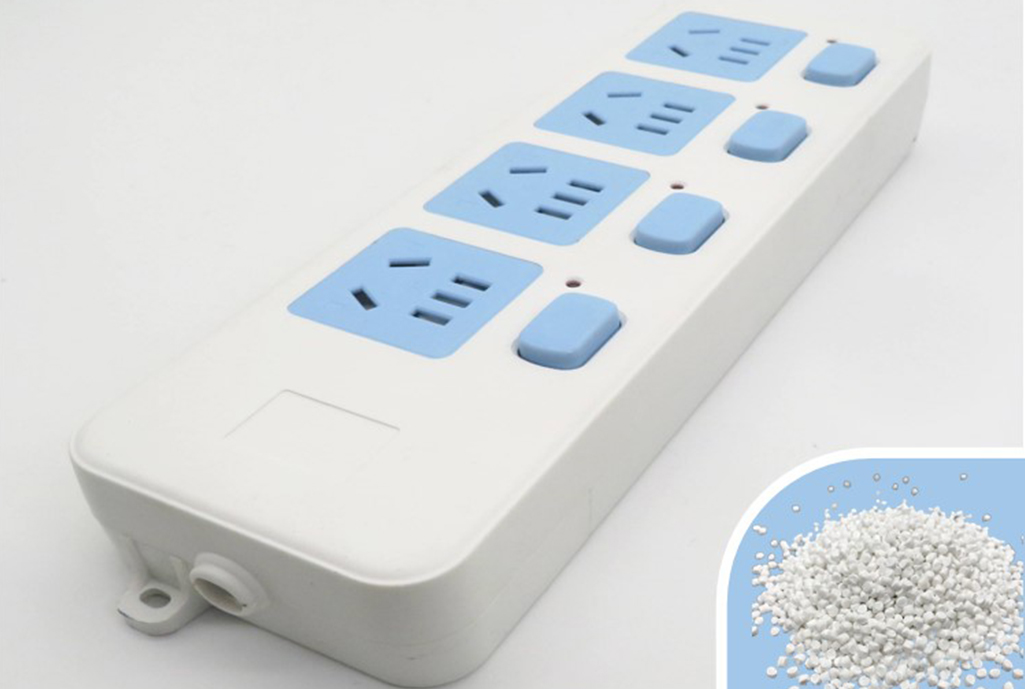
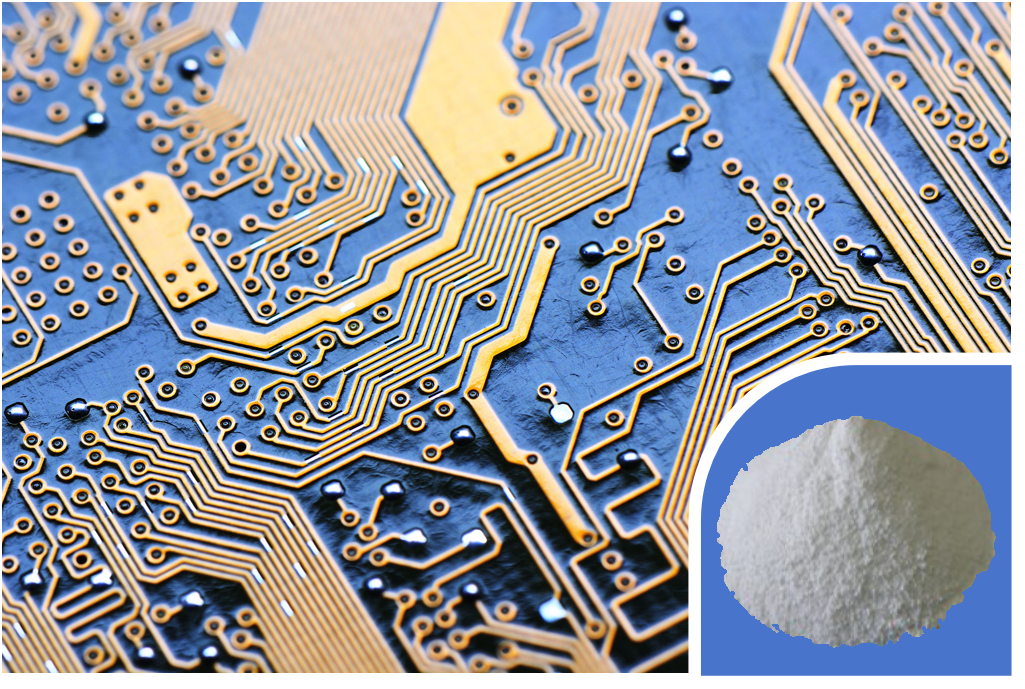
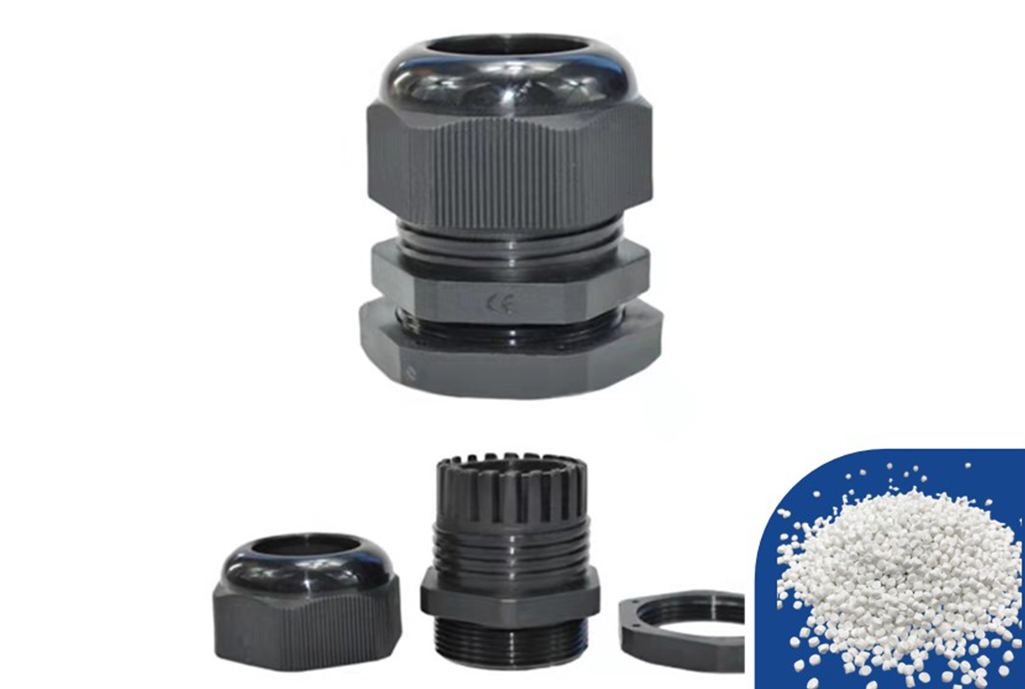
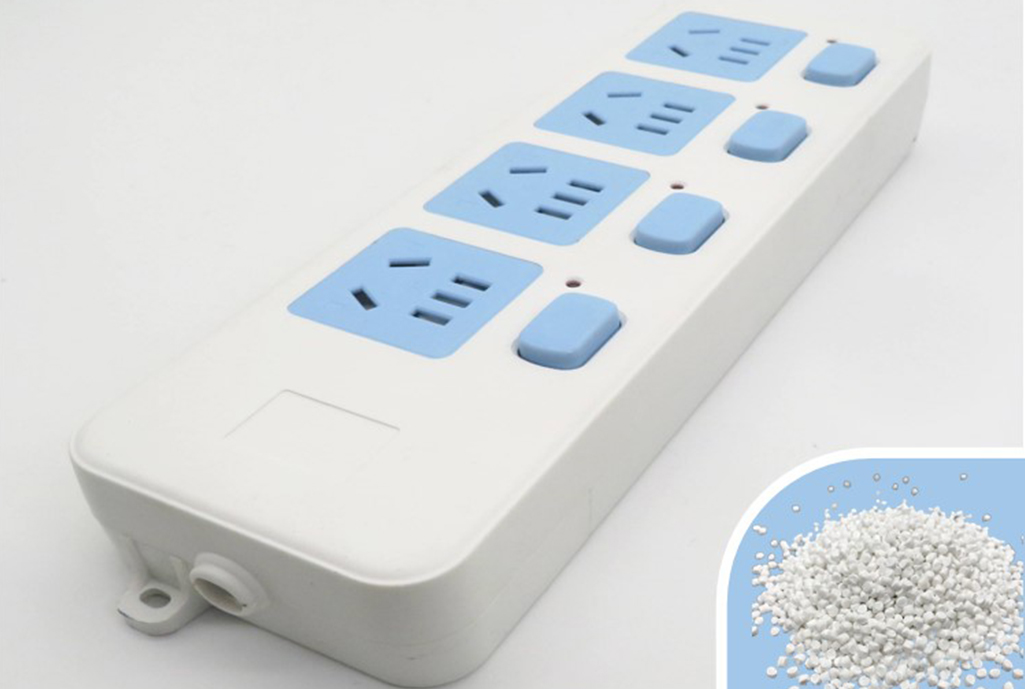
- Electronics and electrical components, including circuit boards, connectors, and cable insulation
- Building and construction materials such as insulation panels, wiring conduit, and roofing membranes
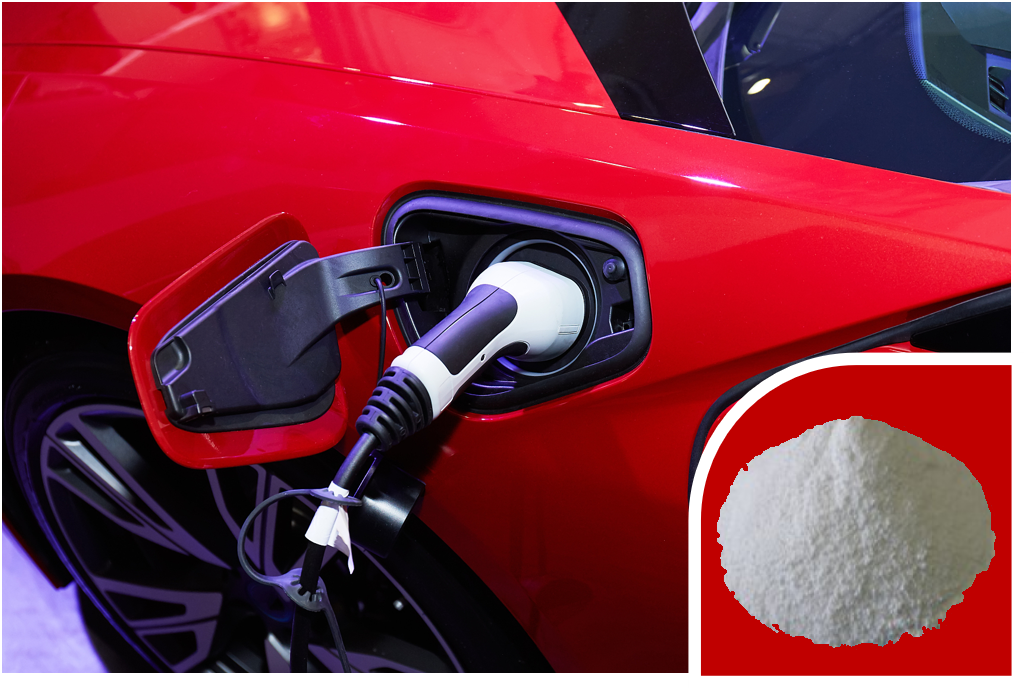
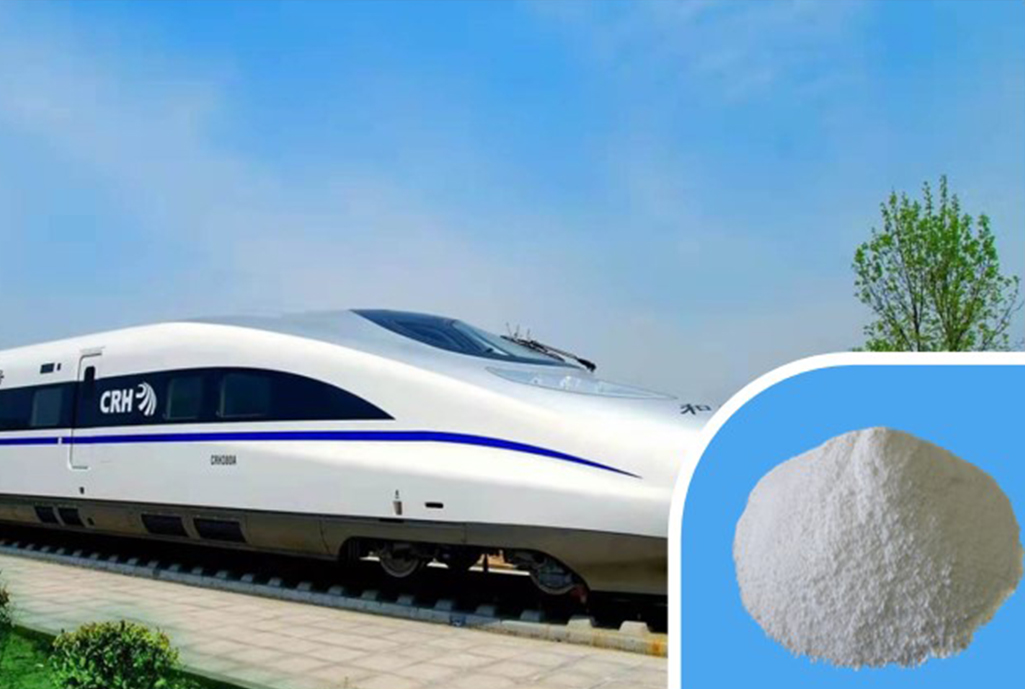
- Automotive components, particularly interior parts where occupants could be exposed to combustion smoke
- Textiles and upholstery used in furniture, transportation, and hospitality settings
- Consumer electronics housings, where many manufacturers now market products as halogen-free by default
Evaluating Halogen-Free Flame Retardant Performance
When comparing halogen-free flame retardant products or formulations, a handful of standardized tests and metrics give a reliable picture of expected real-world performance.
- UL 94 flammability rating, which classifies materials by burn behavior and self-extinguishing time
- Limiting oxygen index (LOI), indicating the minimum oxygen level needed to sustain combustion
- Cone calorimeter results, which measure heat release rate and smoke production under controlled burning conditions
- Mechanical property retention, since flame retardant loading can affect tensile strength, impact resistance, and elongation
- Thermal stability during processing, to confirm the additive won't degrade or discolor the material at typical melt temperatures
Formulation and Processing Considerations
Switching to or formulating with halogen-free flame retardants often requires adjustments compared to legacy halogenated systems, since the underlying chemistry and particle characteristics can behave differently during compounding.
Adjusting for Higher Loading Requirements
Many halogen-free systems, particularly mineral fillers, require higher loading levels than halogenated alternatives to reach equivalent fire ratings. This often means revisiting compatibilizers, impact modifiers, or processing aids to offset the mechanical property losses that come with higher filler content.
Managing Dispersion and Particle Size
Halogen-free flame retardant particles, especially mineral fillers and intumescent components, need thorough and even dispersion throughout the polymer matrix to perform consistently. Poor dispersion can create weak points where fire performance falls short even if the average loading level meets specification.
Testing Across the Full Production Process
Because halogen-free additives can behave differently under shear and heat compared to halogenated alternatives, it's worth testing fire performance and mechanical properties at multiple stages, from initial compounding through final part molding, rather than relying solely on raw material data sheets.
Final Thoughts on Choosing Halogen-Free Flame Retardants
Halogen-free flame retardant technology has matured into a reliable, well-established alternative to traditional halogenated systems, offering lower smoke toxicity and better alignment with tightening global regulations without requiring manufacturers to sacrifice fire performance. Understanding the different chemistry families, whether phosphorus-based, mineral filler, nitrogen-based, or intumescent, and matching the right system to the specific polymer and application is the key to a successful halogen-free formulation. As more industries move away from halogenated additives, investing the time to properly evaluate and process halogen-free flame retardants now will pay off in both regulatory compliance and long-term product safety.




contact details
Address:No. 166, Chenggong Road, Economic Development Zone, Jiashan County, Jiaxing City, Zhejiang Province
TEL: +86-0573-89103923 / +86 182 6841 1181
E-mail: globalmarketing@xusen.com
Product
News Center