Tel: +86-0573-89103923 / +86 182 6841 1181

E-mail:globalmarketing@xusen.com



 English
 عربى
عربى 简体中文
简体中文Composite Flame Retardant for Polyester: Multiphase Synergy in a Challenging Matrix
2026-08-11
Polyester, encompassing polyethylene terephthalate (PET), polybutylene terephthalate (PBT), and their engineering copolymers, represents one of the most versatile families of synthetic polymers. Its domains span textile fibers, packaging films, injection-molded electrical components, and automotive interior parts. Yet, this versatility is shadowed by a fundamental vulnerability: polyester is inherently combustible, with a limiting oxygen index (LOI) hovering around 21% to 23%, rendering it readily ignitable and prone to sustained combustion accompanied by copious smoke and molten drips. The challenge of flame-retarding polyester is uniquely acute because the polymer's ester linkages are susceptible to hydrolytic and thermal cleavage during processing, and many conventional additives that perform admirably in other matrices—such as polyolefins or styrenics—either decompose prematurely at polyester's processing temperatures or catalyze undesirable degradation reactions. The composite flame retardant, therefore, emerges not as a convenience but as a necessity—a carefully balanced formulation that must intervene in the combustion cycle while preserving the polymer's rheological integrity, mechanical performance, and, in many applications, its optical clarity.
Content
- 1 The Thermal Decomposition Signature of Polyester and Its Implications
- 2 The Core Synergy: Phosphorus–Nitrogen–Metal Oxide Triads
- 3 Addressing the Hydrolytic Sensitivity of Polyester
- 4 Processing Rheology and Dispersion Challenges
- 5 Impact on Optical and Surface Properties
- 6 Application-Specific Differentiation: Fibers versus Engineering Plastics
- 7 Environmental and Regulatory Trajectories
- 8 The Kinetic Balancing Act
The Thermal Decomposition Signature of Polyester and Its Implications
Understanding the flame retardant strategy for polyester begins with its pyrolysis chemistry. Upon heating above 300°C, the polymer undergoes a β-ester scission mechanism, yielding cyclic oligomers, acetaldehyde, carbon monoxide, and a volatile mixture of carboxylic acids and vinyl esters. This decomposition is highly endothermic but produces a rich fuel supply that sustains the flame. Critically, unlike polyamides which tend to char modestly, polyester exhibits a poor char-forming tendency; the degradation products volatilize almost completely, leaving negligible residue. This absence of a protective condensed-phase layer means that flame retardancy must heavily rely on gas-phase radical quenching or, alternatively, on the rapid promotion of an insulating char through catalytic crosslinking. A single additive rarely achieves both objectives effectively; hence, the composite approach, which layers multiple mechanisms, is the only viable pathway to achieving stringent standards such as UL94 V-0 at 0.8 mm or the LOI values exceeding 30% demanded by railway and aerospace interior specifications.
The Core Synergy: Phosphorus–Nitrogen–Metal Oxide Triads
The most potent composite systems for polyester revolve around the phosphorus–nitrogen (P–N) synergistic pair, often augmented by a transition metal oxide or a Lewis acid. The phosphorus component typically manifests as an organic phosphinate, a phosphonate oligomer, or an aromatic phosphate ester. Among these, aluminum diethylphosphinate has gained prominence due to its high thermal stability (decomposition onset > 350°C) and its compatibility with the melt-processing window of PET and PBT, which spans 260°C to 290°C. In the gas phase, the phosphorus species generate PO· and HPO· radicals that effectively quench the chain-propagating H· and OH· radicals, reducing the heat release rate. However, phosphorus alone is insufficient; it requires the nitrogen co-agent to amplify its activity. The nitrogen partner, often melamine polyphosphate, melamine cyanurate, or a piperazine-based pyrophosphate, serves as both a blowing agent and a crosslinking promoter. As the temperature rises, the nitrogen compound releases ammonia and water vapor, which dilutes the flammable gas mixture in the vapor zone. Simultaneously, it facilitates the phosphorylation of the polyester chains, promoting an intramolecular ester exchange that leads to cyclization and subsequent char formation.
The third component—an inorganic synergist such as zinc borate, zinc oxide, or magnesium hydroxide—acts as a char stabilizer. In polyester, the char formed by P–N systems tends to be voluminous but structurally weak, easily disrupted by the turbulence of the flame or the mechanical stress of dripping. The metal oxide introduces a ceramic reinforcement: under pyrolysis, it reacts with the polyphosphate species to form a glassy, refractory layer that coats the char surface, enhancing its cohesion and oxidation resistance. This metal-phosphate glass also reduces the permeability of the char to oxygen and volatile fuel gases, effectively starving the flame. Moreover, the presence of zinc or magnesium species has been shown to suppress the generation of hazardous aromatic volatiles, such as styrene and benzene derivatives, thereby reducing the smoke density and toxicity—an increasingly critical parameter in fire safety engineering.
Addressing the Hydrolytic Sensitivity of Polyester
A defining constraint in formulating composite flame retardants for polyester is the hydrolytic instability of the ester bond. Many traditional halogenated or acidic additives catalyze the scission of the polymer backbone during extrusion or injection molding, leading to a dramatic reduction in molecular weight and, consequently, mechanical properties such as impact strength and elongation at break. This is particularly pronounced in PET, which is processed in the presence of trace moisture; the residual water, combined with acidic decomposition products from certain flame retardants, accelerates chain hydrolysis. The composite formulation must therefore incorporate an acid-scavenging or buffering agent—often a finely divided hydrotalcite or calcium stearate—that neutralizes any protic species released during compounding. Equally important is the selection of the phosphorus source: aryl phosphates, while effective, tend to liberate phenolic derivatives that are acidic; aluminum phosphinates, by contrast, exhibit a neutral pH in the molten state and are far less aggressive toward the polyester backbone.
Furthermore, the compatibility of the composite with the solid-state polymerization (SSP) process, which is routinely used to increase the intrinsic viscosity of PET for bottle-grade or industrial-fiber applications, must be considered. The composite must not preclude the SSP reaction, nor should it migrate to the surface during the elevated-temperature, reduced-pressure stages. This necessitates a molecular-weight distribution in the additives that minimizes volatility and diffusion. Oligomeric or polymeric phosphonates, with a number-average molecular weight above 1,500 Da, are increasingly favored over monomeric esters because they remain anchored within the polymer matrix, reducing the risk of exudation and thermal volatilization.
Processing Rheology and Dispersion Challenges
The incorporation of a composite flame retardant at typical loadings of 12% to 25% by weight significantly alters the melt viscosity of polyester. Unlike the relatively forgiving polyamide matrix, polyester exhibits a pronounced shear-thinning behavior, and the addition of high-surface-area particulates—especially the inorganic synergists—increases the low-shear viscosity, which can impair mold filling in thin-wall components. To mitigate this, the particle size of the metal oxide or borate must be rigorously controlled to a submicron level, ideally with a median diameter below 2 micrometers, and the surface should be treated with a silane or titanate coupling agent to enhance interfacial adhesion and reduce interparticle friction. The compounding process itself must employ a twin-screw extruder with a high shear rate and a moderate residence time (typically under 90 seconds) to achieve distributive mixing without subjecting the composite to prolonged thermal stress, which could prematurely activate the phosphorus–nitrogen crosslinking reaction and generate undesirable gel particles.
Another processing nuance is the tendency of certain composite components to cause "screw slippage" due to the lubricating effect of the low-molecular-weight fractions, particularly if melamine cyanurate is used as the nitrogen source. This can be counterbalanced by the inclusion of a small amount (0.5% to 1%) of a highly branched polyester oligomer that acts as a processing aid, improving the melt homogeneity and reducing the torque fluctuation.
Impact on Optical and Surface Properties
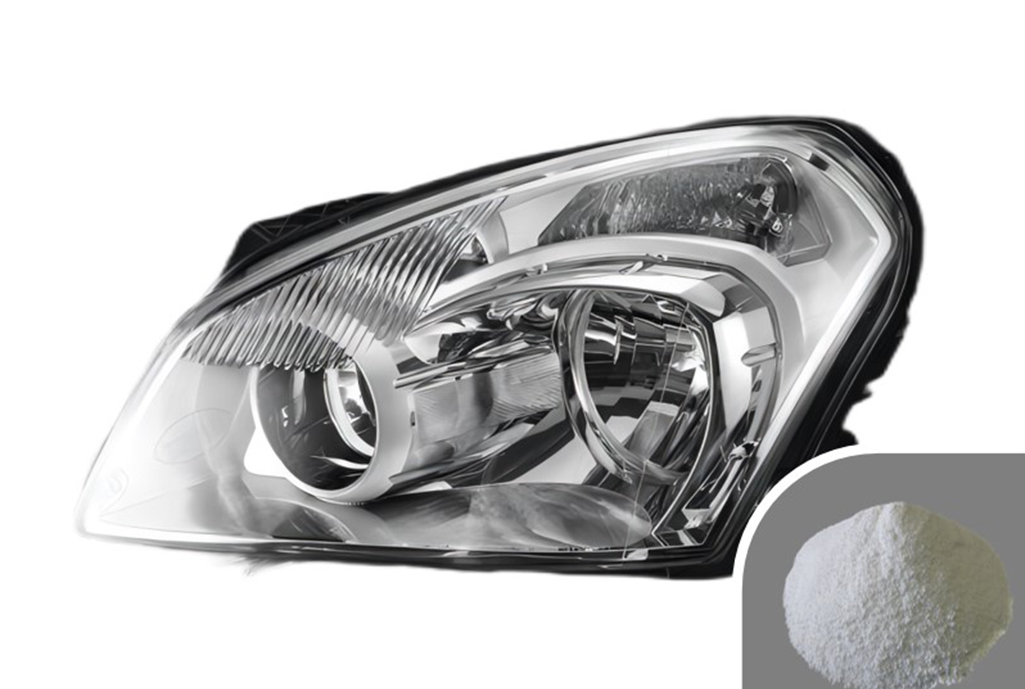
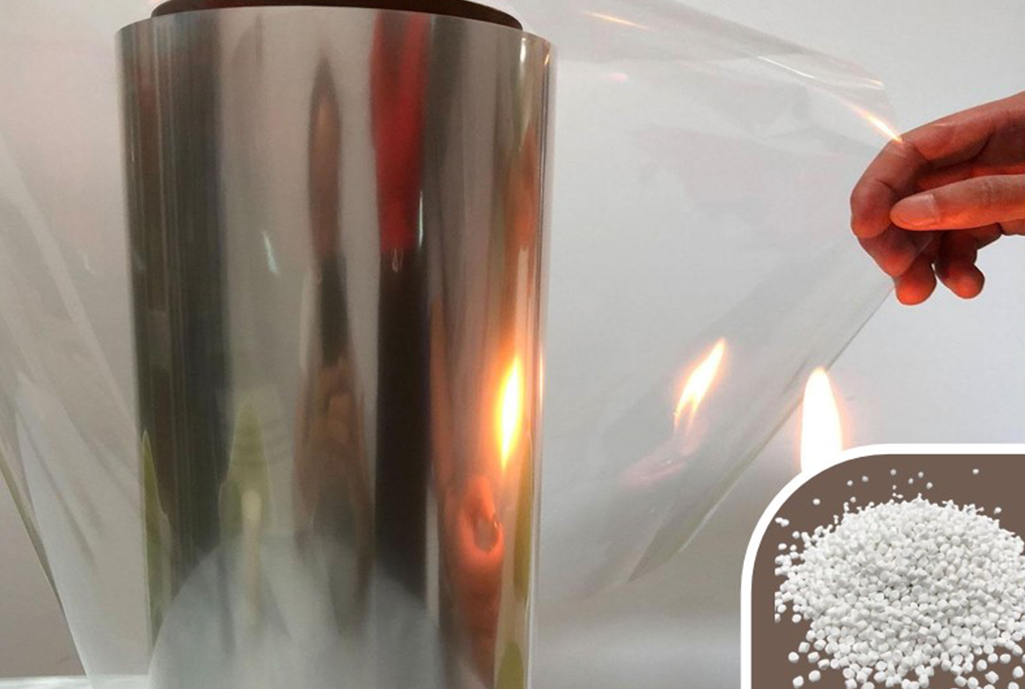
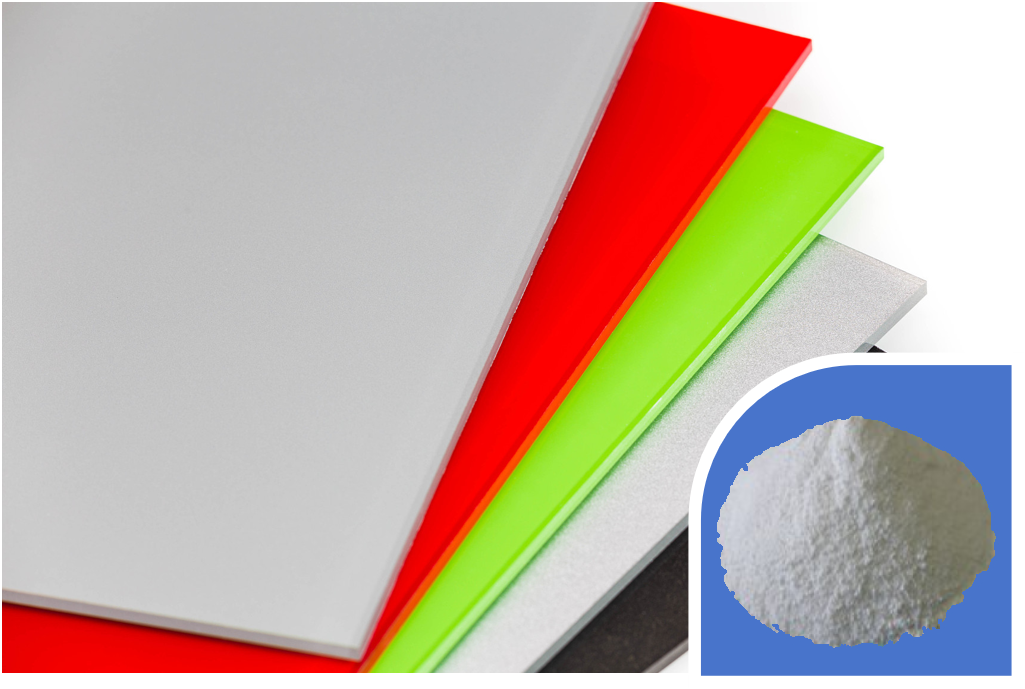
In applications such as transparent films, optical fibers, or high-gloss housings, the flame retardant composite must not compromise clarity or surface aesthetics. The refractive index mismatch between the polyester matrix (approximately 1.57 to 1.59) and the inorganic particles (often above 1.60) produces light scattering, manifesting as haze. To preserve transparency, the composite designer may opt for a fully organic P–N system where both the phosphorus and nitrogen components are dissolved or compatibilized at the molecular level, such as a reactive phosphinate that copolymerizes with the polyester during melt polycondensation. These reactive composites, while more expensive, eliminate phase separation and yield optically clear materials with only a minor increase in yellowness index. Alternatively, for opaque or dark-colored engineering grades, the haze is inconsequential, and the formulation can incorporate higher levels of inorganic synergists to maximize char reinforcement.
Surface finish also demands attention: the migration of the flame retardant to the mold surface during injection cycles—a phenomenon analogous to the "plate-out" observed in polyamides—can cause dull spots and flow marks. In polyester, this is often exacerbated by the lower polarity of the matrix compared to polyamide, which reduces the thermodynamic driving force for dispersion. The use of a polymeric compatibilizer, such as a glycidyl methacrylate-functionalized elastomer, can anchor the additive particles within the bulk and significantly suppress surface exudation.
Application-Specific Differentiation: Fibers versus Engineering Plastics
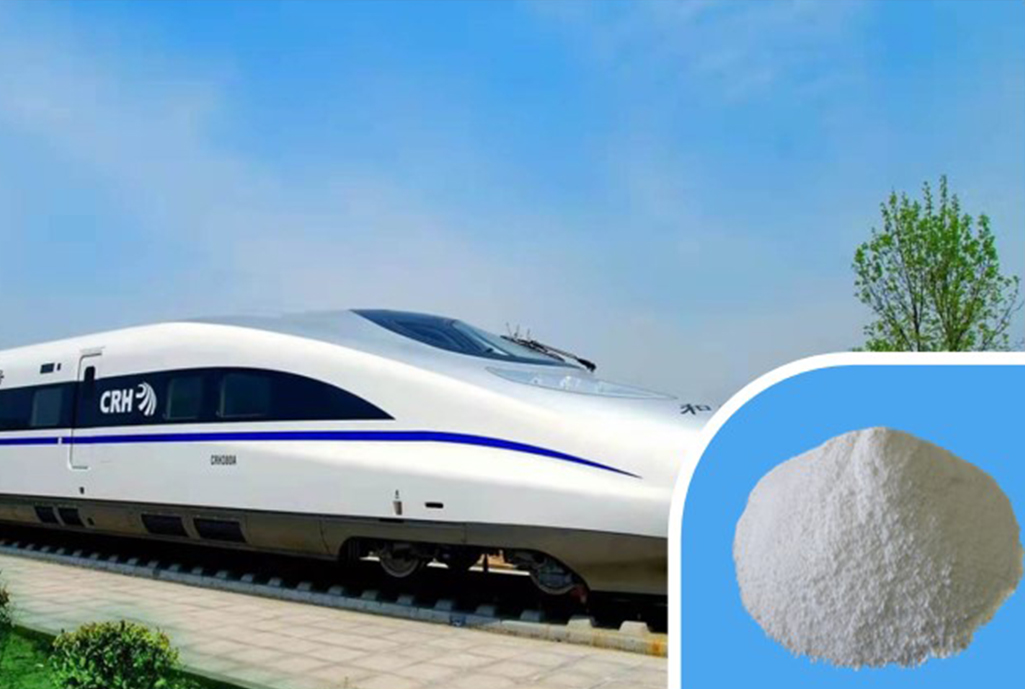
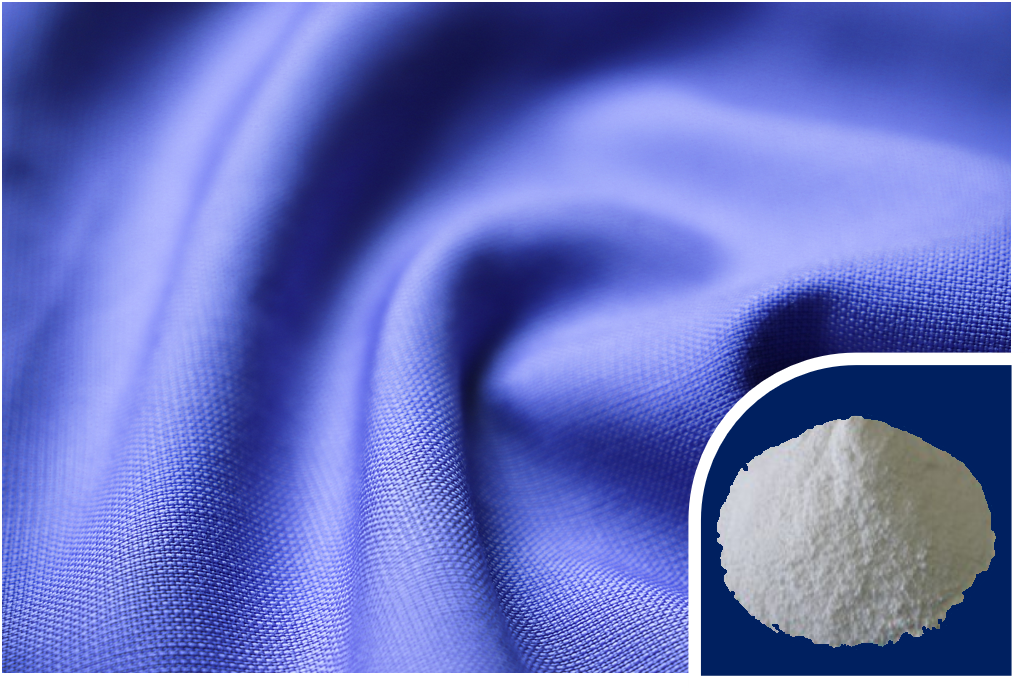
The composite flame retardant must be tailored to the intended physical form of the polyester. For textile fibers, which require fine denier and high tensile strength, the additive loading is constrained by spinnability: excessive solids disrupt the melt-spinning process, causing filament breakage. Here, the composite favors highly reactive, low-viscosity phosphonates that copolymerize into the PET chain, providing inherent flame retardancy without particulates. For staple fibers and nonwovens, a surface-applied composite coating, rather than a bulk compound, is often more practical.
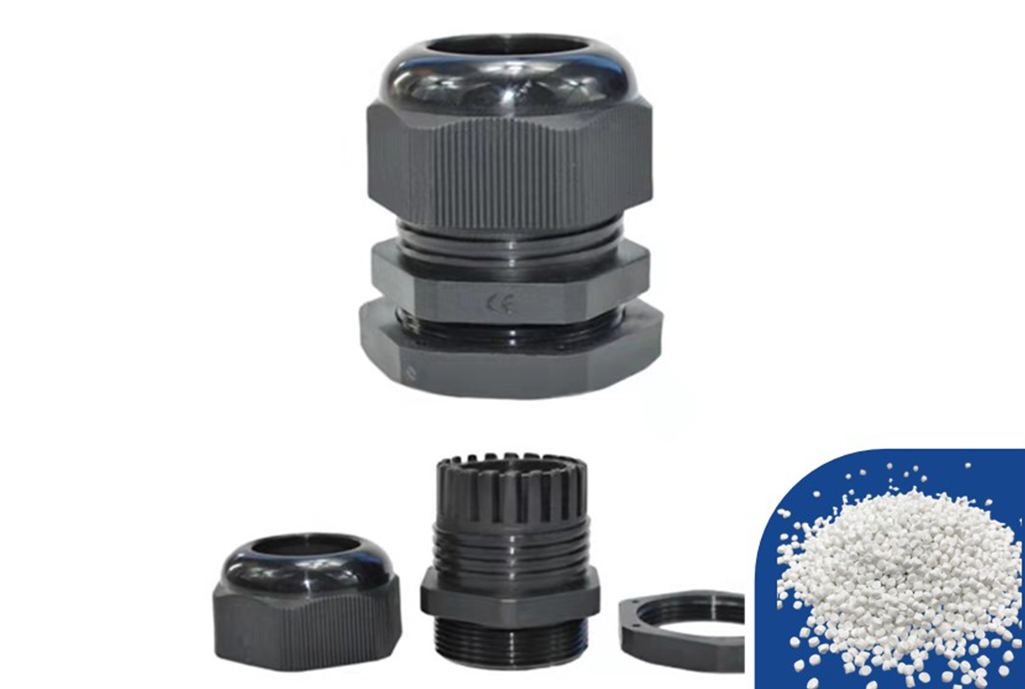
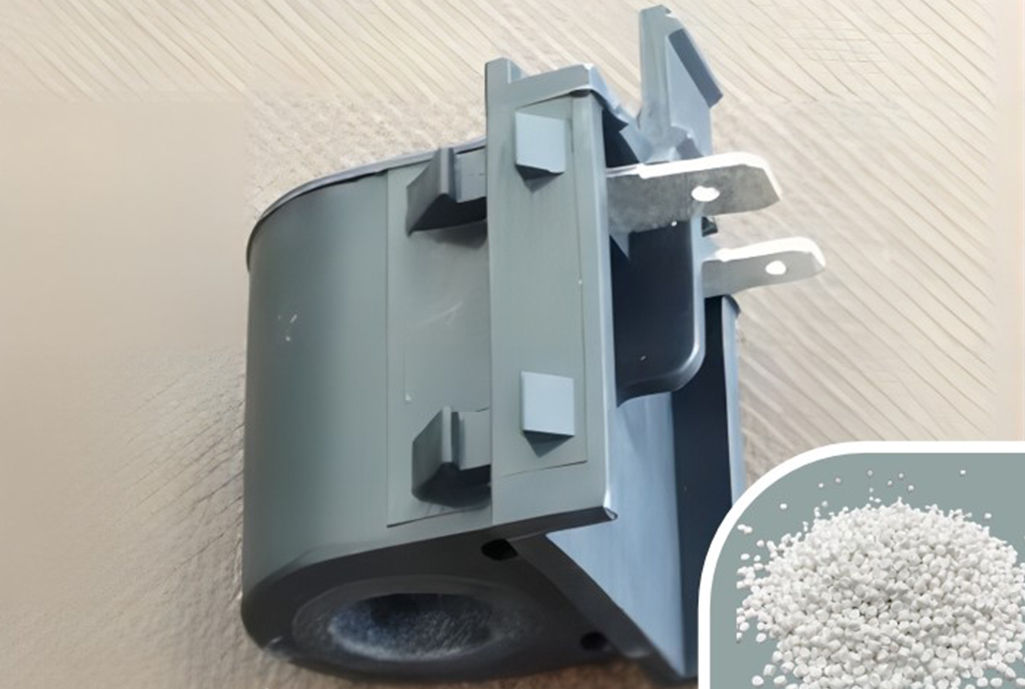
For injection-molded PBT and PET engineering grades, the emphasis shifts to maintaining the balance of toughness, stiffness, and dielectric properties. In electrical connectors and circuit-breaker housings, the flame retardant composite must preserve the Comparative Tracking Index (CTI) and the volume resistivity. The metal oxide component, if chosen as zinc stannate, actually improves the arc resistance by forming a conductive–resistive transition layer that distributes electrical stress. Meanwhile, the phosphinate–melamine system does not introduce ionic contaminants, ensuring that the insulation resistance remains above 10^15 ohms even under humid aging conditions.
Environmental and Regulatory Trajectories
The shift away from halogenated flame retardants has been particularly forceful in the polyester sector, driven not only by regulatory frameworks such as the EU's RoHS and REACH but also by the requirements of the electronics industry's greener supply chains. The composite P–N systems are unequivocally halogen-free and, when properly formulated, produce significantly less smoke and no corrosive halide gases upon combustion. However, the environmental footprint of the synthesis of organic phosphinates and the mining of metal oxides remains a concern. Recent developments explore the use of bio-based phosphorus sources, such as phytic acid derivatives and lignin phosphates, as components of the composite. These materials introduce additional challenges in thermal stability and color, but they represent the frontier of sustainable flame retardant engineering for polyester.
The Kinetic Balancing Act
Ultimately, the composite flame retardant for polyester is an exercise in kinetic orchestration. The thermal decomposition events must be sequenced precisely: the nitrogen component should release its blowing gases just as the phosphorus species initiates crosslinking, and the metal oxide should sinter to a glassy phase at the temperature corresponding to the peak heat release rate. If the char formation occurs too early, it traps unreacted polymer beneath and causes internal pressure build-up; if too late, the flame has already consumed the fuel. This temporal alignment is achieved through careful selection of the decomposition onset temperatures of each component—a process that demands both thermal gravimetric analysis data and empirical validation in actual combustion tests. The successful composite, therefore, is not merely a sum of its parts but a carefully timed cascade of chemical events that transforms a highly flammable polymer into a self-extinguishing material, without sacrificing the processability, mechanical strength, or aesthetic quality that have made polyester indispensable in modern manufacturing.





contact details
Address:No. 166, Chenggong Road, Economic Development Zone, Jiashan County, Jiaxing City, Zhejiang Province
TEL: +86-0573-89103923 / +86 182 6841 1181
E-mail: globalmarketing@xusen.com
Quick link
Product
News Center