Tel: +86-0573-89103923 / +86 182 6841 1181

E-mail:globalmarketing@xusen.com



 English
 عربى
عربى 简体中文
简体中文Composite Flame Retardant for PP: How to Make Polypropylene Fire-Safe Without Killing Its Strength
2026-06-23
Polypropylene burns easily and drips as it melts, which makes it one of the more challenging plastics to use in any application with fire safety requirements. A composite flame retardant for PP solves this problem by combining two or more flame retardant mechanisms into a single additive system, delivering better fire performance than any single flame retardant could achieve on its own while minimizing the tradeoffs in mechanical strength and processability that often come with heavy flame retardant loading. This article explains how composite flame retardants work in polypropylene, the main chemistry types used, how to select and dose them correctly, and what to watch for during compounding and processing.
Content
- 1 Why Polypropylene Needs a Composite Flame Retardant Approach
- 2 Main Chemistry Types Used in PP Flame Retardant Composites
- 3 Comparing Flame Retardant Approaches for PP
- 4 Key Performance Properties to Evaluate
- 5 Dosing and Compounding Considerations
- 6 Common Applications for Flame Retardant PP Compounds
- 7 Final Thoughts on Choosing a Composite Flame Retardant for PP
Why Polypropylene Needs a Composite Flame Retardant Approach
Polypropylene is a hydrocarbon polymer made up entirely of carbon and hydrogen, which means it has no inherent flame resistance and burns readily once ignited. Worse, PP tends to melt and drip while burning, which can spread flames to surrounding materials rather than self-extinguishing. A single flame retardant additive, such as a halogenated compound or a basic phosphorus-based system, can address part of this problem, but pushing any one additive type to a high enough loading to pass demanding fire standards often comes at the cost of brittleness, poor impact resistance, or processing difficulties.
A composite flame retardant gets around this limitation by blending complementary mechanisms, such as a gas-phase flame inhibitor with a char-forming intumescent system, so that each component works at a lower loading than it would need on its own while still achieving the combined fire performance required. This synergy is the entire point of composite or synergistic flame retardant systems, and it's why most modern flame-retardant PP formulations rely on multi-component blends rather than a single additive.
Main Chemistry Types Used in PP Flame Retardant Composites
Composite flame retardant systems for polypropylene typically combine additives from a few established chemistry families, each contributing a different mechanism to slow or stop combustion.
Intumescent Flame Retardant Systems
Intumescent systems combine an acid source, a carbon source, and a blowing agent that react together when heated to form an expanded, insulating char layer on the polymer surface. This char layer physically blocks oxygen and heat from reaching the unburned plastic beneath it, making intumescent chemistry one of the most effective halogen-free approaches for flame retardant PP.
Phosphorus-Nitrogen Synergistic Blends
Phosphorus compounds promote char formation while nitrogen-containing compounds release non-flammable gases that dilute oxygen near the flame front. When combined, these two mechanisms reinforce each other, often allowing a lower total additive loading than either component would need alone to reach the same fire rating.
Halogen-Free Mineral and Nanocomposite Additions
Some composite systems incorporate mineral fillers like magnesium hydroxide or aluminum hydroxide alongside organic flame retardants, or use nanoclay and layered double hydroxide additives to improve char stability and reduce smoke generation. These additions are increasingly popular in formulations targeting both fire safety and low-smoke, low-toxicity requirements.
Comparing Flame Retardant Approaches for PP
Formulators choosing a flame retardant strategy for polypropylene generally weigh fire performance against cost, mechanical impact, and regulatory considerations like halogen content.
| Approach | Fire Performance | Mechanical Impact | Halogen Content |
| Single Halogenated FR | Good | Moderate reduction in toughness | Contains halogens |
| Single Mineral Filler FR | Moderate, needs high loading | Significant stiffness increase, brittleness risk | Halogen-free |
| Composite Intumescent System | Excellent at lower loading | Minor impact, more manageable | Typically halogen-free |
| Phosphorus-Nitrogen Composite | Excellent with synergy | Minimal compared to single additives | Halogen-free |
This comparison is part of why halogen-free composite systems have steadily gained market share over older halogenated single-additive approaches, especially as regulations in electronics, construction, and automotive markets increasingly restrict or discourage halogenated flame retardants.
Key Performance Properties to Evaluate
When comparing composite flame retardant products for a specific PP application, a few performance metrics consistently matter most to formulators and end users alike.
- Limiting oxygen index (LOI), which indicates the minimum oxygen concentration needed to sustain combustion
- UL 94 flammability rating, since most commercial and industrial applications require a specific V-0, V-1, or V-2 classification
- Smoke density and toxicity during combustion, which is increasingly regulated in building and transportation applications
- Impact strength and tensile properties of the finished compound after flame retardant loading
- Thermal stability during processing, since some flame retardant components can degrade or off-gas at typical PP processing temperatures
Dosing and Compounding Considerations
Getting the most out of a composite flame retardant for PP isn't just about choosing the right chemistry; proper dosing and compounding practice has a major effect on final part performance.
Finding the Right Loading Level
Composite systems are formulated to reach target fire ratings at lower total loading than single-component alternatives, but going below the recommended loading range can leave a compound short of its intended UL 94 or LOI rating. Most suppliers provide a recommended loading range based on the specific PP grade and target fire performance, and starting testing within that range rather than guessing saves significant development time.
Maintaining Dispersion During Compounding
Composite flame retardants often consist of multiple particle types with different densities and particle sizes, which makes uniform dispersion during twin-screw extrusion compounding especially important. Poor dispersion can create localized weak points in fire performance as well as inconsistent mechanical properties across a molded part.
Balancing Flame Retardancy with Mechanical Properties
Even well-designed composite systems introduce some tradeoff in mechanical performance, so it's common practice to pair a flame retardant package with compatibilizers or impact modifiers that help restore toughness and processability lost to the added filler content.
Common Applications for Flame Retardant PP Compounds
Flame retardant polypropylene compounded with composite additive systems shows up across a wide range of industries where fire safety standards apply to plastic components.
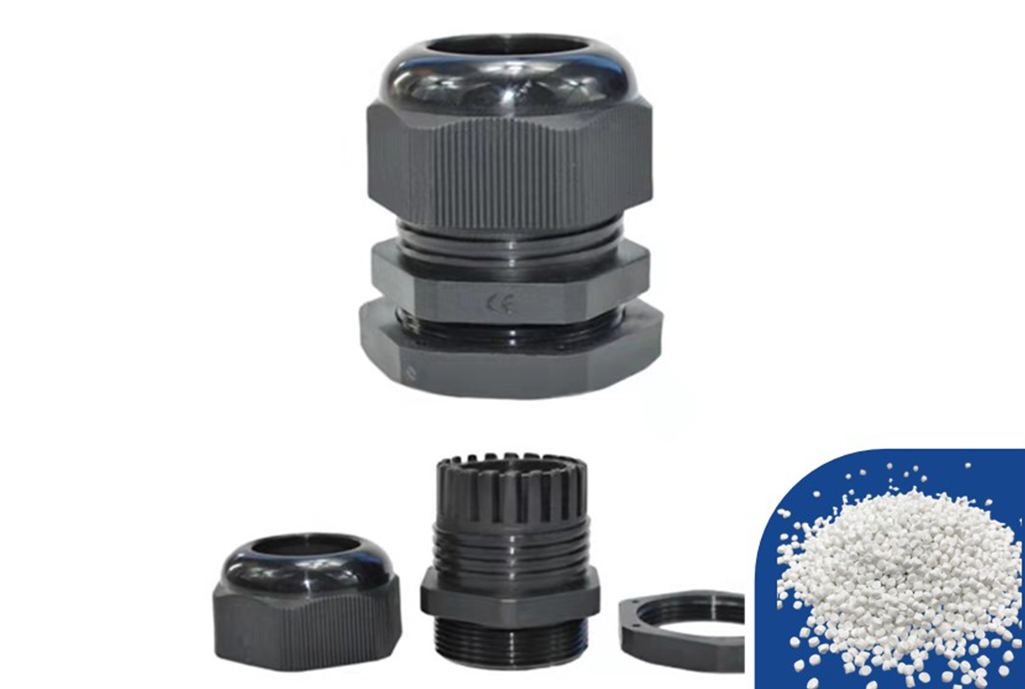
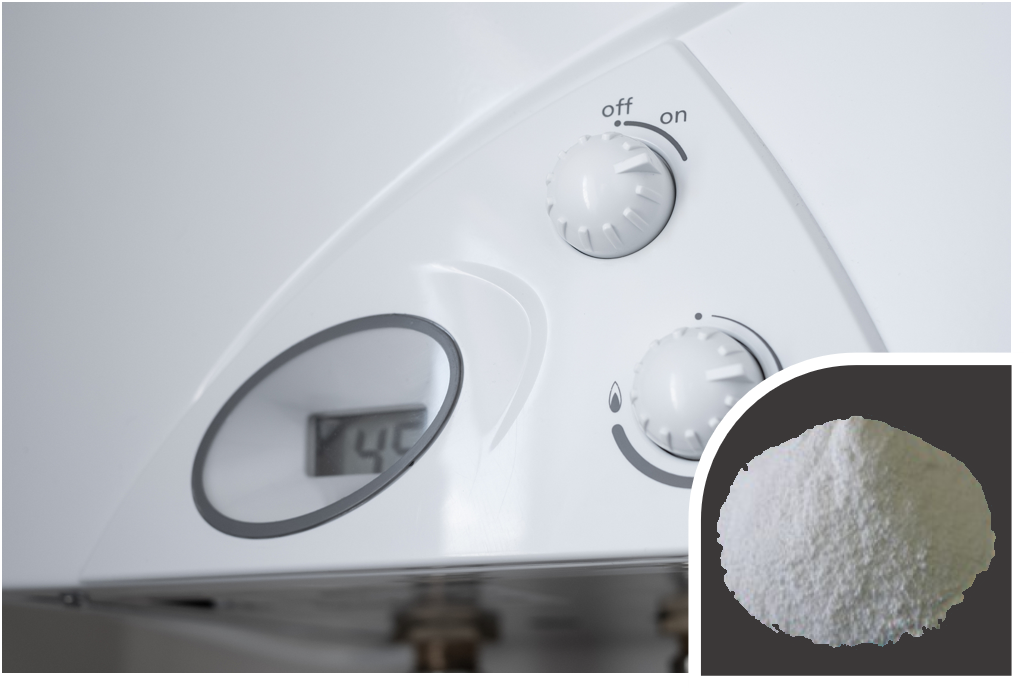
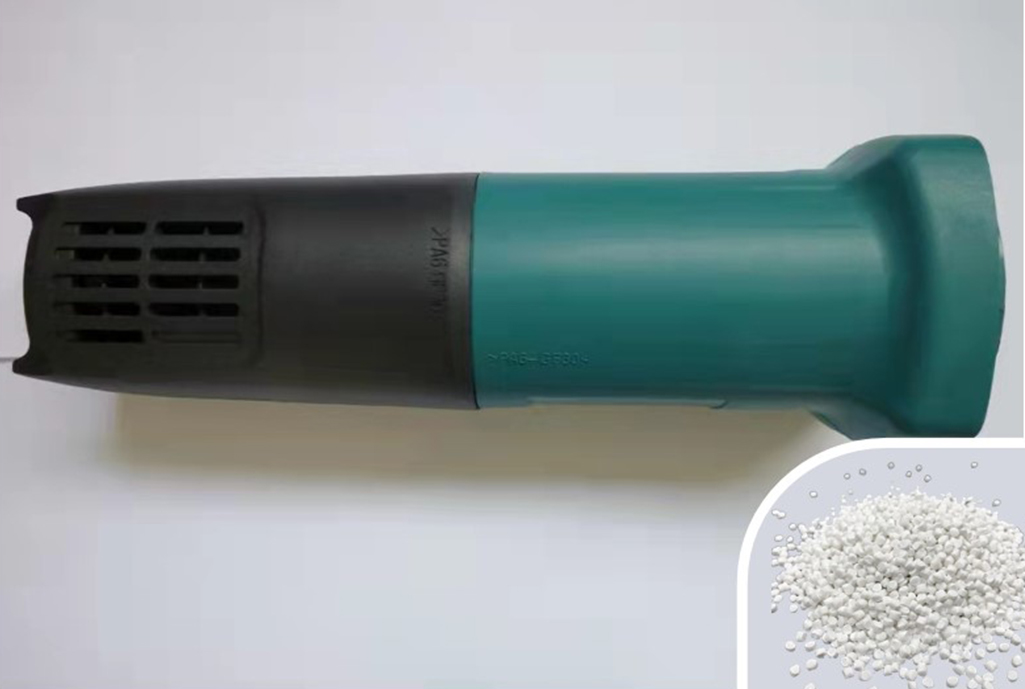
- Electrical enclosures, junction boxes, and connectors requiring UL 94 V-0 or V-2 ratings
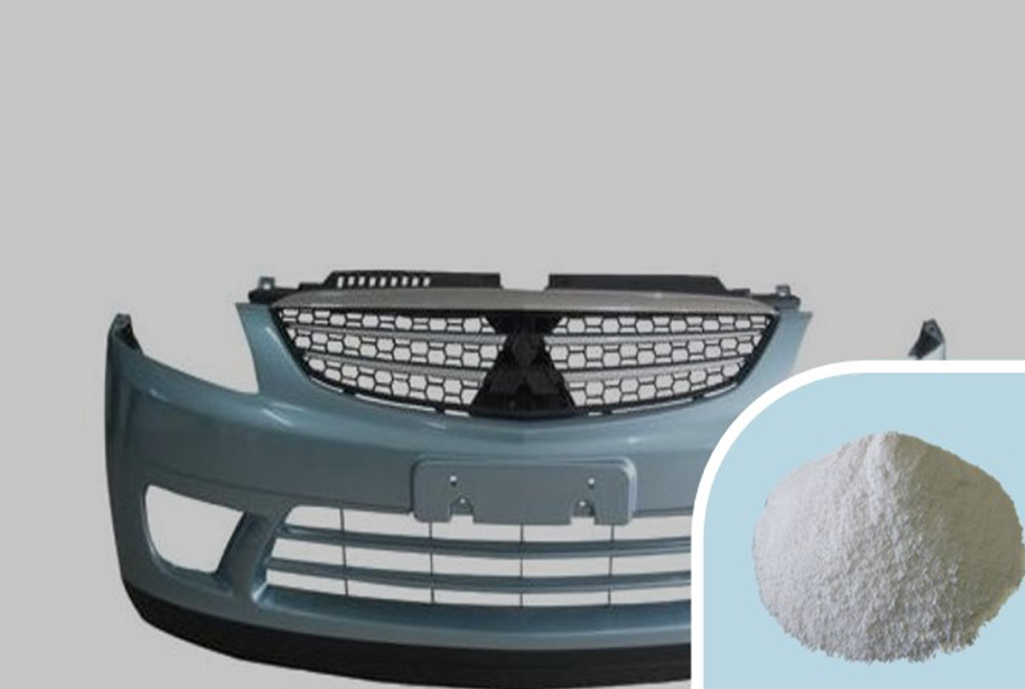
- Automotive interior components such as air ducts, battery housings, and trim pieces
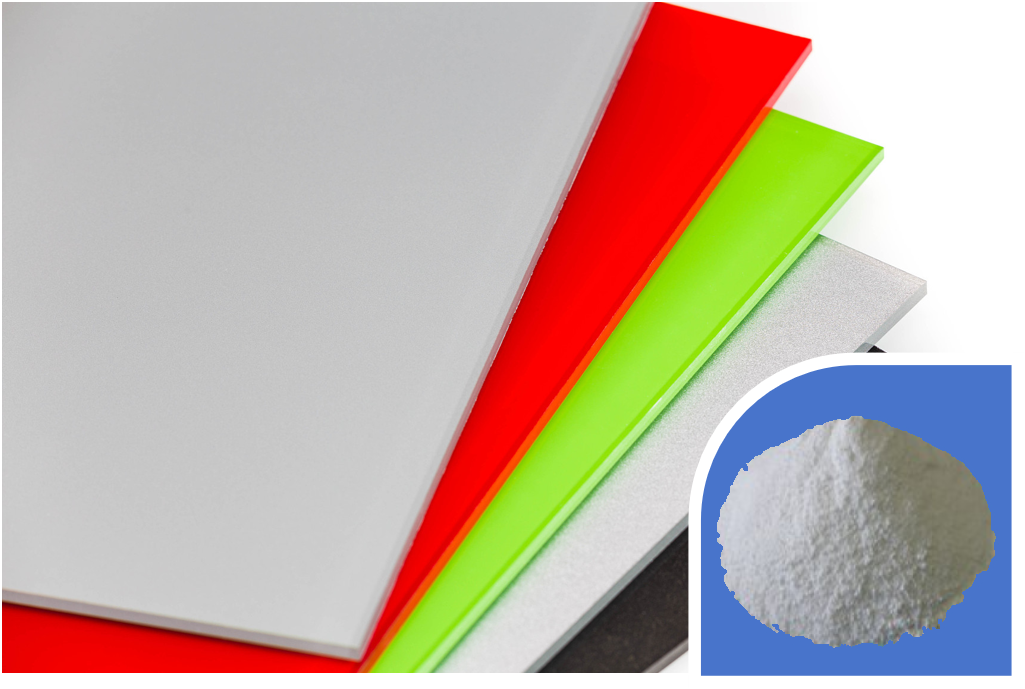
- Building and construction products including pipe insulation, wall panels, and conduit
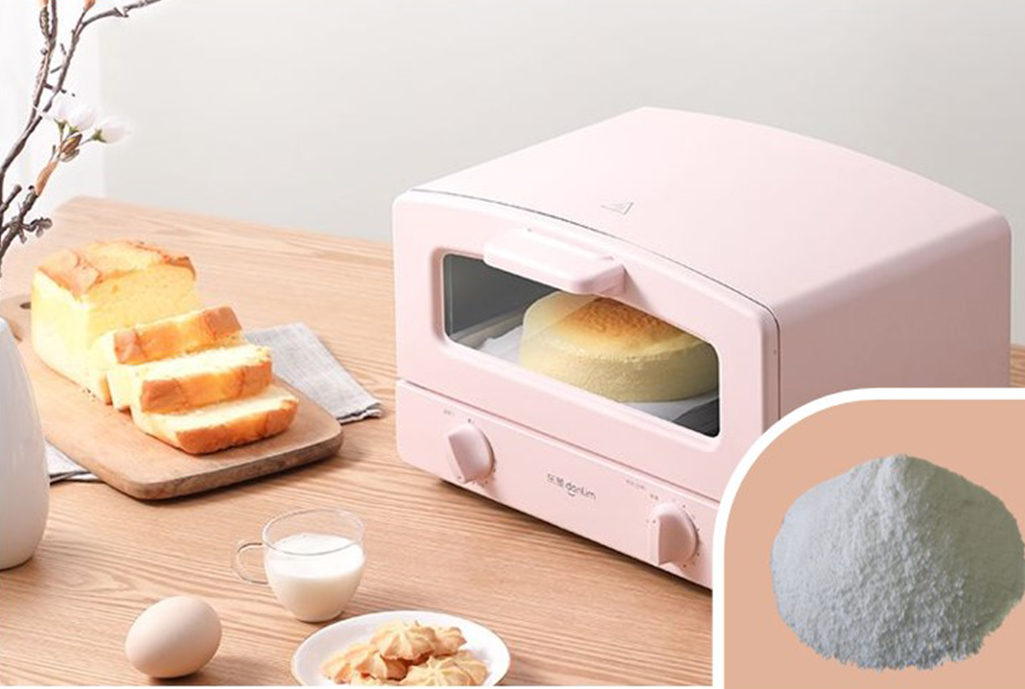
- Appliance housings and components exposed to elevated temperatures during normal use
- Consumer electronics casings where halogen-free fire safety is increasingly a purchasing requirement
Final Thoughts on Choosing a Composite Flame Retardant for PP
A composite flame retardant for polypropylene offers a practical path to meeting demanding fire safety standards without sacrificing the mechanical performance and processability that make PP a popular engineering plastic in the first place. By understanding the underlying chemistry, whether intumescent, phosphorus-nitrogen synergistic, or mineral-enhanced, and by paying close attention to loading levels and compounding practice, formulators can develop PP compounds that perform reliably across electrical, automotive, and construction applications. As fire codes and environmental regulations continue to push the industry toward halogen-free solutions, composite flame retardant systems are likely to remain the standard approach for flame-retardant polypropylene for years to come.



contact details
Address:No. 166, Chenggong Road, Economic Development Zone, Jiashan County, Jiaxing City, Zhejiang Province
TEL: +86-0573-89103923 / +86 182 6841 1181
E-mail: globalmarketing@xusen.com
Quick link
Product
News Center