Tel: +86-0573-89103923 / +86 182 6841 1181

E-mail:globalmarketing@xusen.com



 English
 عربى
عربى 简体中文
简体中文Composite Flame Retardant For PP: A Practical Guide to Safer and Stronger Polypropylene
2026-04-22
Content
- 1 What Is Composite Flame Retardant For PP?
- 2 Why Use Composite Flame Retardants Instead of Single Additives?
- 3 Main Types of Composite Flame Retardant For PP
- 4 Key Performance Indicators to Evaluate
- 5
- 6 How to Choose the Right Composite Flame Retardant For PP
- 7 Common Application Areas of Flame Retardant PP
- 8 Processing Tips for Better Performance
- 9 Future Trends in Composite Flame Retardant For PP
What Is Composite Flame Retardant For PP?
Composite Flame Retardant For PP refers to a specially engineered combination of flame-retardant materials designed to improve the fire resistance of polypropylene (PP). Instead of relying on a single additive, these systems combine multiple components that work together to achieve better performance, stability, and efficiency.
Polypropylene is widely used due to its lightweight, durability, and cost-effectiveness. However, it is inherently flammable. By incorporating a composite flame retardant system, manufacturers can significantly reduce ignition risk, slow flame spread, and meet strict fire safety standards.
Why Use Composite Flame Retardants Instead of Single Additives?
Using a composite system offers clear advantages over traditional single-component flame retardants. Each ingredient plays a specific role, creating a synergistic effect that enhances overall fire resistance while maintaining material performance.
- Improved flame retardancy with lower additive loading
- Better mechanical properties compared to single additives
- Enhanced thermal stability during processing
- Reduced smoke and toxic gas emission
- More environmentally friendly options, especially halogen-free systems
Main Types of Composite Flame Retardant For PP
Intumescent Flame Retardant Systems
Intumescent systems are among the most common composite flame retardants for PP. They expand when exposed to heat, forming a protective char layer that insulates the material from flames and oxygen.
- Typically include acid source, carbon source, and blowing agent
- Excellent for halogen-free applications
- Widely used in electrical and construction materials
Halogen-Free Composite Systems
Halogen-free flame retardants are increasingly popular due to stricter environmental regulations. These systems often combine phosphorus-based compounds, nitrogen-based additives, and mineral fillers.
They offer lower smoke density and reduced toxicity, making them suitable for indoor applications and transportation industries.
Mineral-Based Composite Flame Retardants
Mineral fillers such as aluminum hydroxide or magnesium hydroxide are often combined with other agents to create a composite system. These materials release water when heated, helping to cool the surface and dilute flammable gases.
Although cost-effective, they usually require higher loading levels, which may affect mechanical properties if not properly formulated.
Key Performance Indicators to Evaluate
When selecting a composite flame retardant for PP, it is important to evaluate performance based on real application requirements. Below are key indicators to consider:
| Parameter | Description | Importance |
| LOI (Limiting Oxygen Index) | Minimum oxygen level needed for combustion | Higher LOI means better flame resistance |
| UL-94 Rating | Standard flammability classification | V-0 is the highest rating |
| Smoke Density | Amount of smoke released during burning | Lower is safer |
| Mechanical Strength | Impact on tensile and impact properties | Critical for structural parts |
How to Choose the Right Composite Flame Retardant For PP
Choosing the right solution depends on your specific application, processing method, and regulatory requirements. A one-size-fits-all approach rarely works in real production.
- Identify required fire safety standards (e.g., UL-94 V-0)
- Consider processing conditions like extrusion or injection molding
- Balance flame retardancy with mechanical performance
- Evaluate environmental and regulatory compliance
- Test compatibility with other additives or fillers
Common Application Areas of Flame Retardant PP
Composite flame retardant PP materials are used across many industries where fire safety is critical. Their versatility makes them suitable for both industrial and consumer applications.
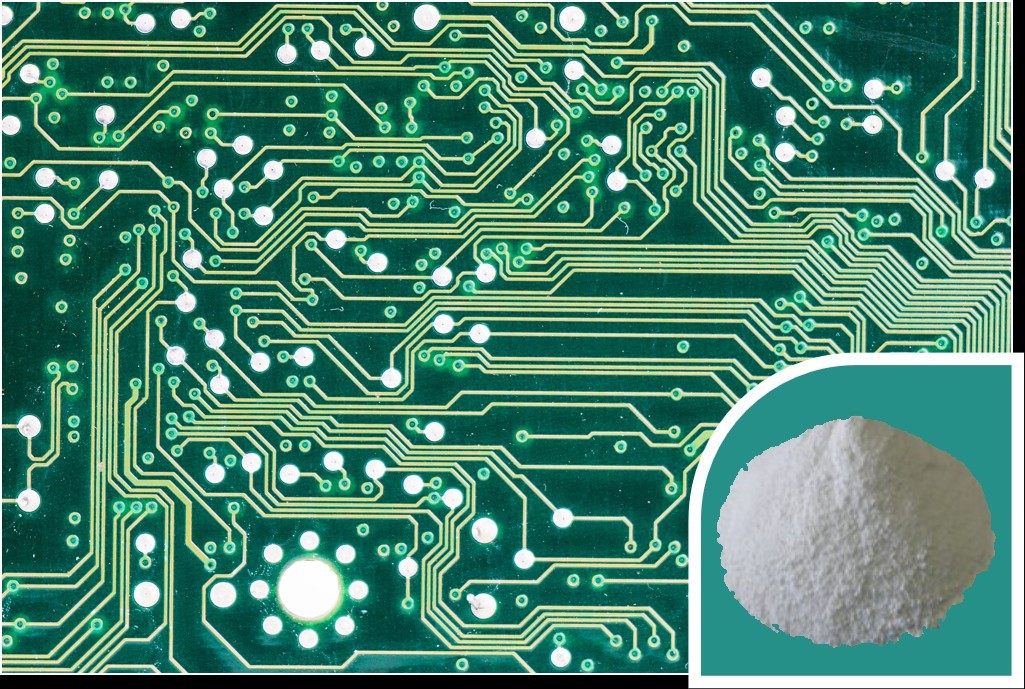
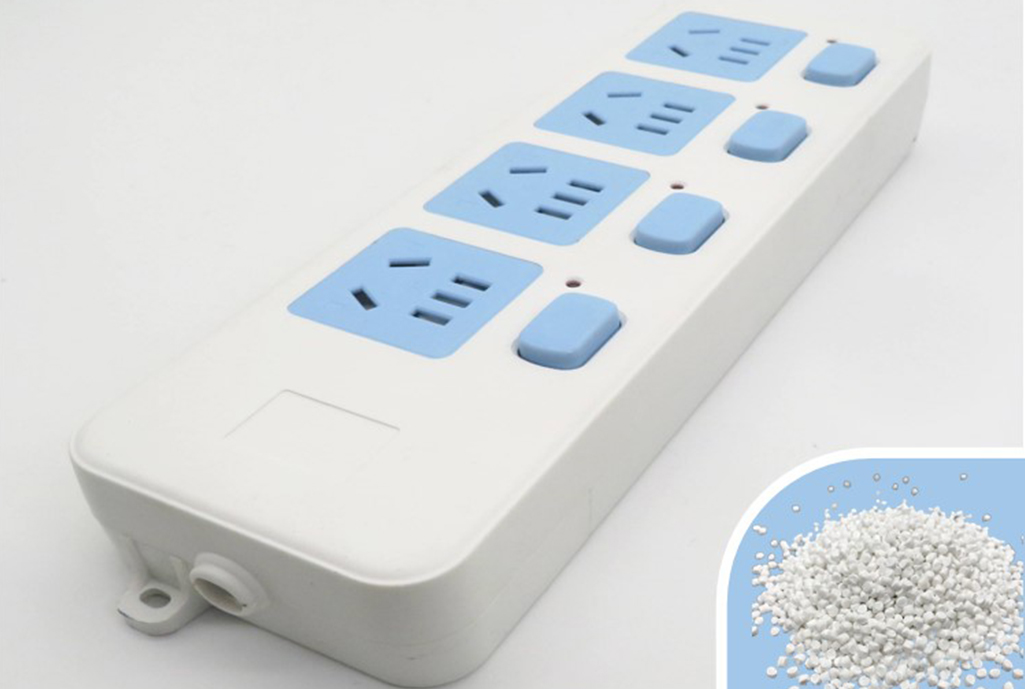
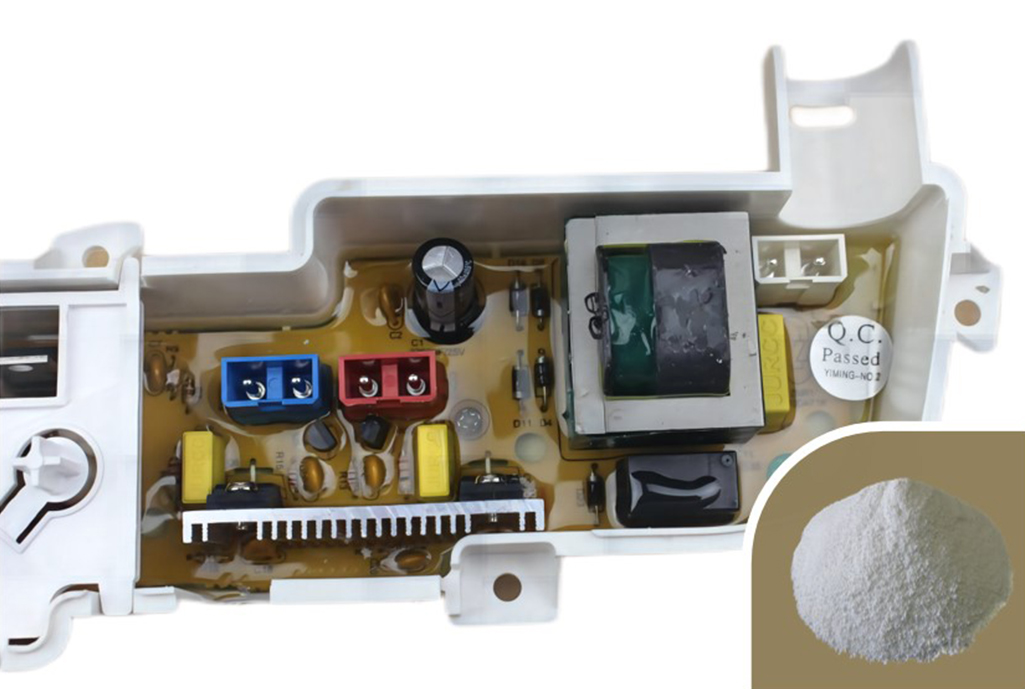
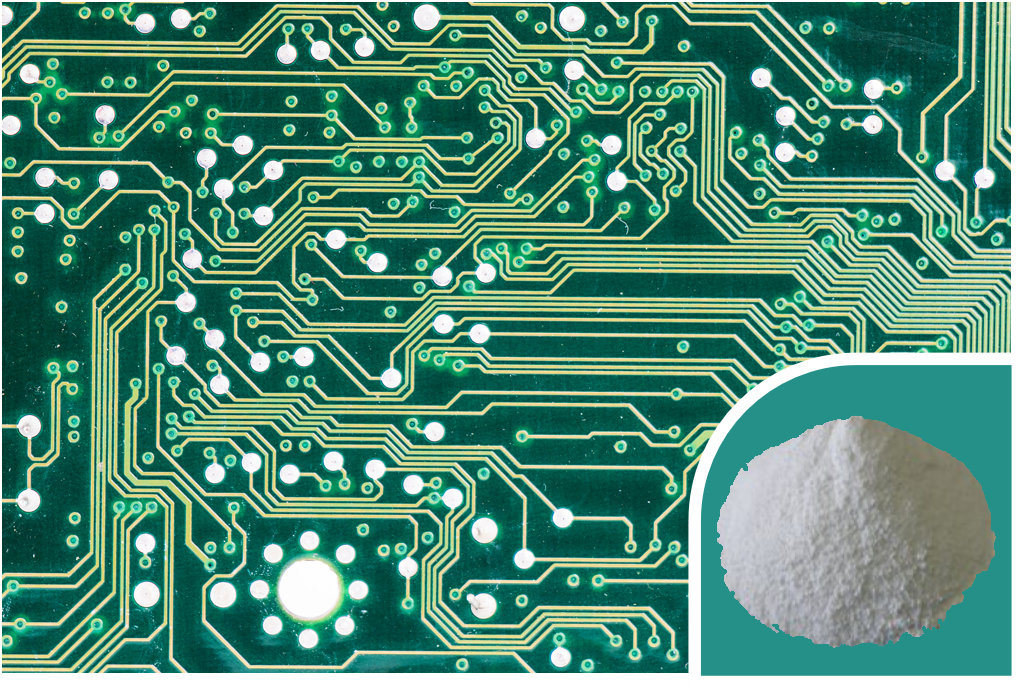
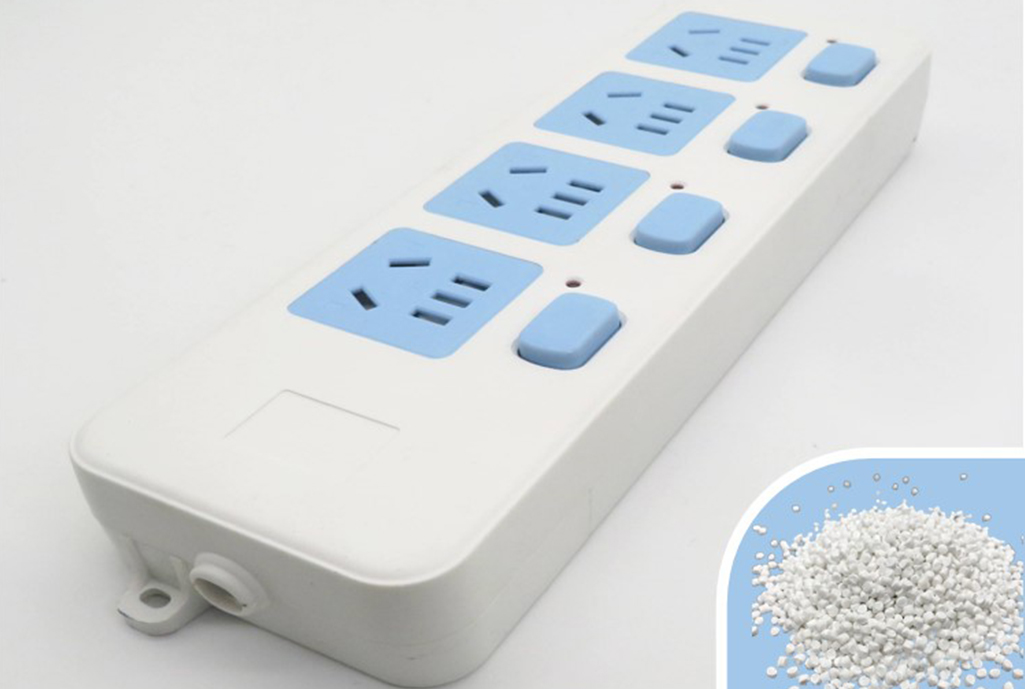
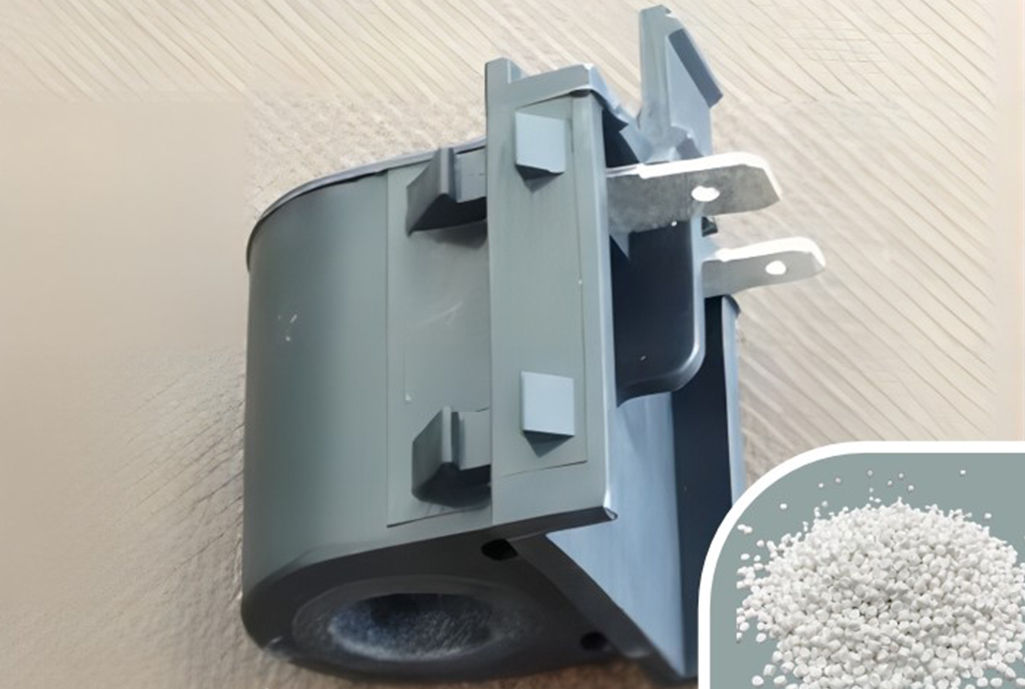
- Electrical housings and connectors
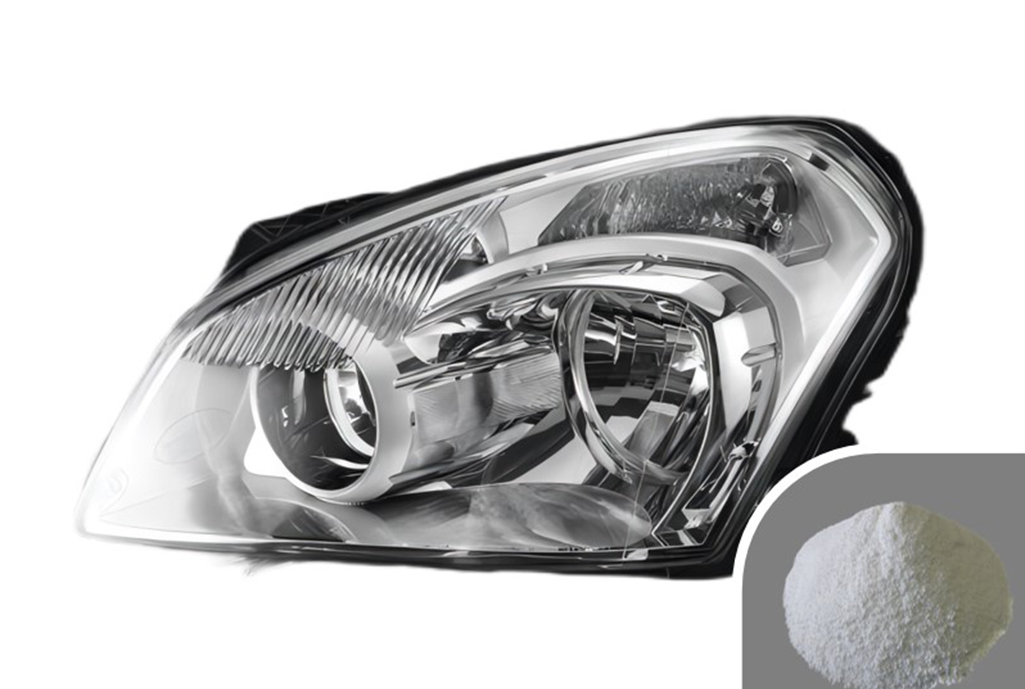
- Automotive interior components
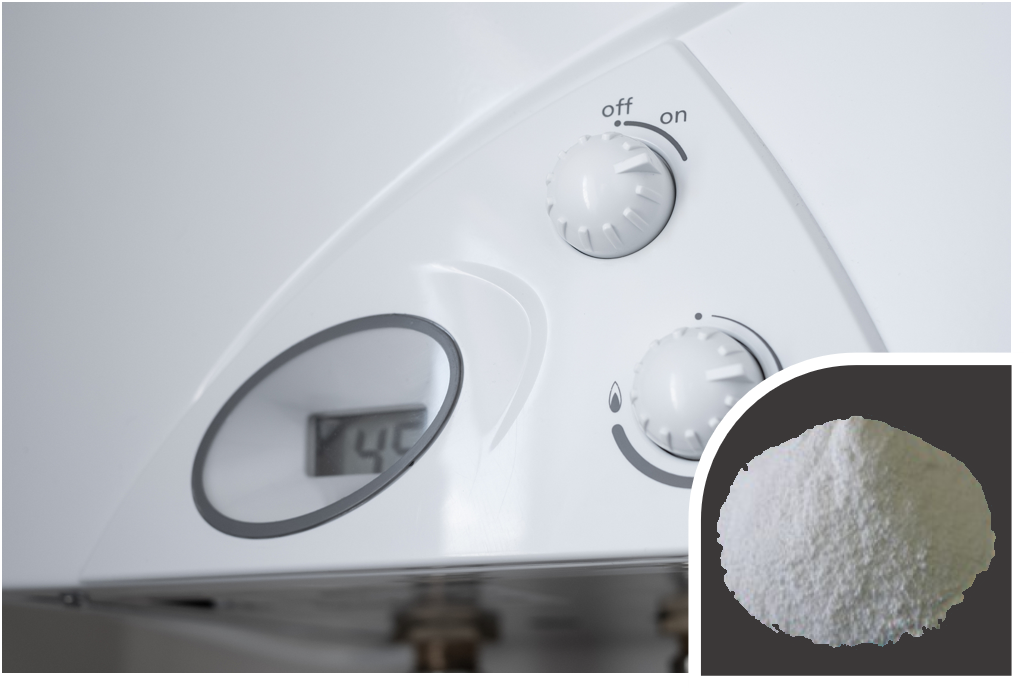
- Home appliances and casings
- Construction materials and panels
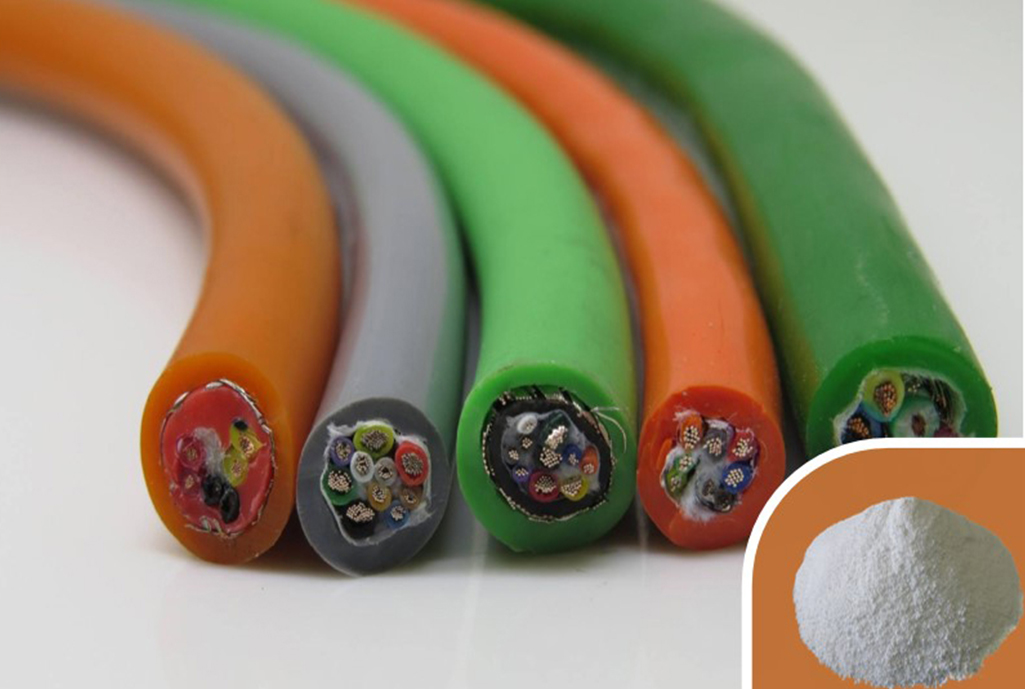
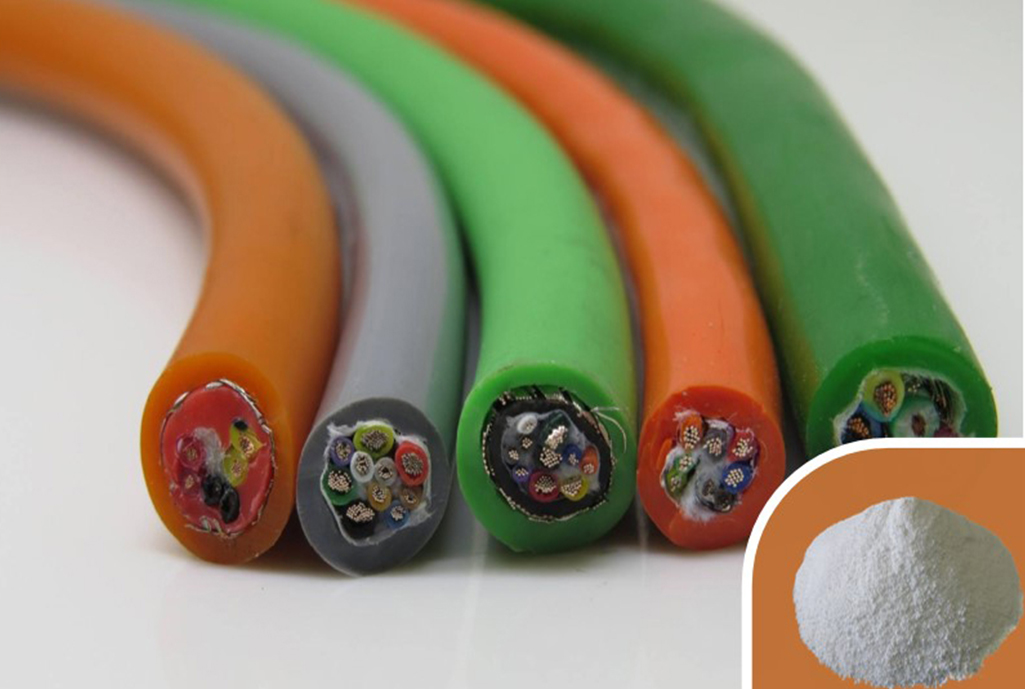
- Cable insulation and protective parts
Processing Tips for Better Performance
Even the best composite flame retardant for PP will not perform well if processing is not optimized. Proper dispersion and temperature control are essential for achieving consistent results.
- Ensure uniform mixing to avoid weak points
- Control processing temperature to prevent degradation
- Use compatibilizers if necessary to improve bonding
- Conduct regular quality testing during production
Future Trends in Composite Flame Retardant For PP
The development of composite flame retardant systems is moving toward higher efficiency, lower environmental impact, and better material performance. Innovations such as nano-additives, bio-based flame retardants, and multifunctional systems are becoming more common.
As regulations tighten and industries demand safer materials, composite flame retardant for PP will continue to evolve, offering smarter and more sustainable solutions for modern manufacturing.




contact details
Address:No. 166, Chenggong Road, Economic Development Zone, Jiashan County, Jiaxing City, Zhejiang Province
TEL: +86-0573-89103923 / +86 182 6841 1181
E-mail: globalmarketing@xusen.com
Product
News Center