Tel: +86-0573-89103923 / +86 182 6841 1181

E-mail:globalmarketing@xusen.com



 English
 عربى
عربى 简体中文
简体中文Composite Flame Retardant For PA: Keep Your Nylon Parts Safe from Fire
2026-04-15
Content
- 1 What Is Composite Flame Retardant For PA and Why Does It Matter?
- 2 How Composite Flame Retardants Work in Polyamide Materials
- 3 Common Types of Composite Flame Retardant For PA
- 4 Choosing the Right Flame Retardant System for Your PA Application
- 5
- 6 Processing Tips for Adding Flame Retardants to Polyamide
- 7 Testing and Certification: Making Sure Your FR PA Meets Standards
- 8 Real-World Applications Where Composite Flame Retardant For PA Shines
What Is Composite Flame Retardant For PA and Why Does It Matter?
Composite flame retardant for PA refers to specialized additive systems designed to make polyamide (nylon) plastics resistant to ignition and flame spread. Unlike single-component retardants, composite formulations combine multiple active ingredients—like phosphorus-nitrogen synergists, mineral fillers, and intumescent agents—to deliver balanced fire safety without sacrificing the mechanical strength, heat resistance, or processability that make PA6 and PA66 so valuable. For engineers designing electrical connectors, automotive components, or industrial housings, choosing the right composite flame retardant for PA isn't just about passing a test—it's about ensuring product safety, regulatory compliance, and long-term reliability in real-world fire scenarios.
How Composite Flame Retardants Work in Polyamide Materials
Flame retardancy in nylon isn't about making the plastic "unburnable"—it's about interrupting the fire triangle (heat, fuel, oxygen) at key stages. Composite flame retardant for PA typically works through multiple mechanisms: forming a protective char layer that insulates the underlying material, releasing non-flammable gases that dilute oxygen near the flame, and capturing free radicals that sustain combustion. This multi-action approach is why composite systems outperform single additives, especially in demanding applications like under-hood automotive parts or high-voltage electrical enclosures where both fire safety and mechanical performance are non-negotiable.
The Chemistry Behind Flame Retardancy in Nylon
Polyamide's inherent chemistry—rich in nitrogen and amide bonds—actually helps certain flame retardants work more efficiently. Phosphorus-based additives, for example, react with PA's nitrogen to create a stable, intumescent char that shields the polymer from heat. Meanwhile, mineral fillers like magnesium hydroxide absorb heat through endothermic decomposition, cooling the material surface. When these components are carefully balanced in a composite flame retardant for PA, they create synergistic effects that achieve UL94 V-0 ratings at lower loading levels, preserving the nylon's toughness and flow properties during injection molding.
Common Types of Composite Flame Retardant For PA
Selecting the right flame retardant system depends on your performance requirements, processing method, and regulatory environment. Below are the most widely used composite formulations for polyamide, along with their ideal applications and key trade-offs.
| Type | Key Components | Best For | Limitation |
| Phosphorus-Nitrogen Synergistic | APP, melamine derivatives, phosphinates | Electrical connectors, thin-wall parts | Can reduce impact strength if overloaded |
| Mineral-Filled Composite | Mg(OH)₂, Al(OH)₃, surface-treated fillers | Wire/cable, construction components | Higher loading needed; may affect surface finish |
| Halogen-Free Intumescent | Char formers, acid sources, blowing agents | Consumer electronics, green-certified products | Sensitive to processing temperature/humidity |
| Nano-Enhanced Composite | Clay, CNTs, or graphene + traditional FR | High-performance automotive, aerospace | Higher cost; requires specialized dispersion |
Choosing the Right Flame Retardant System for Your PA Application
Picking the optimal composite flame retardant for PA starts with defining your non-negotiables: What fire rating is required (UL94 V-0, V-1, 5VA)? What mechanical properties must be maintained (impact strength, tensile modulus)? Are there regulatory constraints (RoHS, REACH, halogen-free mandates)? For thin-wall electrical parts, a high-efficiency phosphorus-nitrogen system may achieve V-0 at 15% loading, preserving flow. For large structural components where cost matters more than ultimate strength, mineral-filled composites offer reliable protection at lower material cost. Always request test plaques molded under your actual processing conditions—lab data on pure resin rarely translates directly to production parts.
- Define required fire rating and testing standard upfront (e.g., UL94, GWIT, LOI)
- Balance flame retardant loading with mechanical property retention—test impact and tensile
- Verify compatibility with colorants, stabilizers, and other additives in your formulation
- Consider processing window: some FR systems degrade above 280°C or absorb moisture
- Request real-part testing, not just plaques, for critical safety applications
Processing Tips for Adding Flame Retardants to Polyamide
Even the best composite flame retardant for PA can underperform if processing isn't optimized. Dry polyamide thoroughly before compounding—moisture causes hydrolysis and reduces FR effectiveness. Use moderate screw speeds and melt temperatures to avoid degrading heat-sensitive additives; many phosphorus-based systems start decomposing above 300°C. For masterbatch approaches, ensure good dispersion by using twin-screw extruders with mixing elements. And always condition molded parts before fire testing—residual stress or moisture can skew results. Small adjustments like these ensure your flame retardant polyamide delivers consistent, certified performance batch after batch.
Testing and Certification: Making Sure Your FR PA Meets Standards
Passing a flame test in the lab doesn't guarantee field performance. For composite flame retardant for PA to deliver real safety, validate it under conditions that mimic end-use: test at actual part thicknesses (UL94 ratings are thickness-dependent), after aging or chemical exposure, and with your specific color/additive package. Pursue recognized certifications like UL QMFZ2 for flame retardant compounds, or IEC 60695 for electrotechnical applications. Keep detailed documentation of formulations, processing parameters, and test reports—this speeds up customer approvals and simplifies audits. When fire safety is on the line, thorough validation isn't optional; it's essential.
- Test at final part thickness—UL94 V-0 at 1.5mm doesn't guarantee V-0 at 0.8mm
- Include aging studies: heat, humidity, and UV exposure can degrade FR performance
- Validate with your actual colorants and fillers—they can interfere with flame retardancy
- Pursue third-party certification (UL, TÜV, SGS) for customer confidence and market access
- Maintain batch traceability and COAs for quality audits and recalls
Real-World Applications Where Composite Flame Retardant For PA Shines
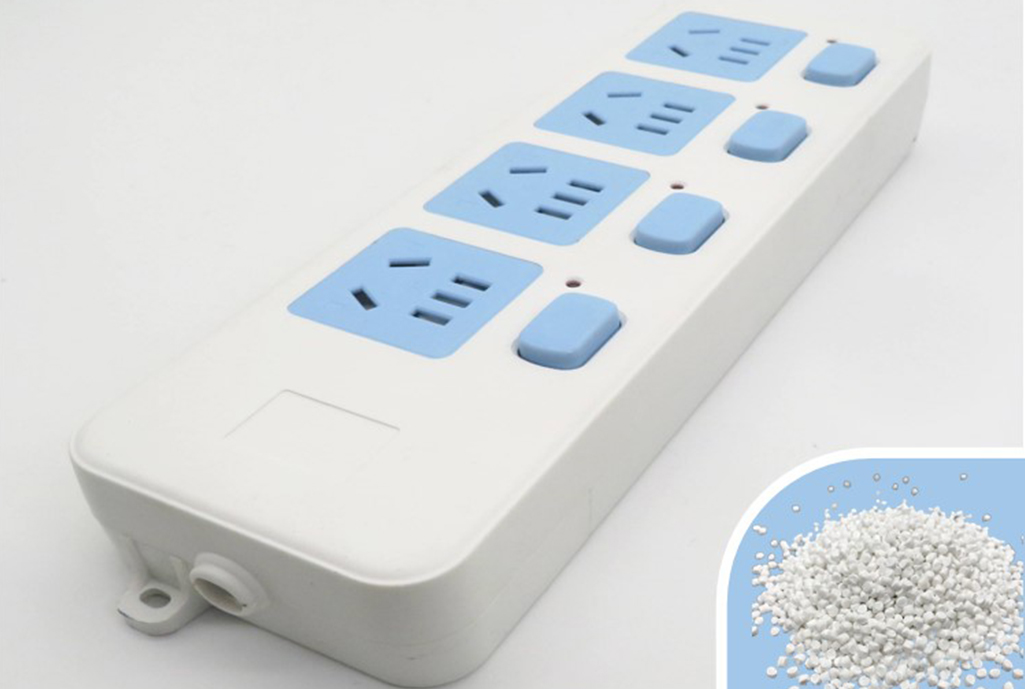
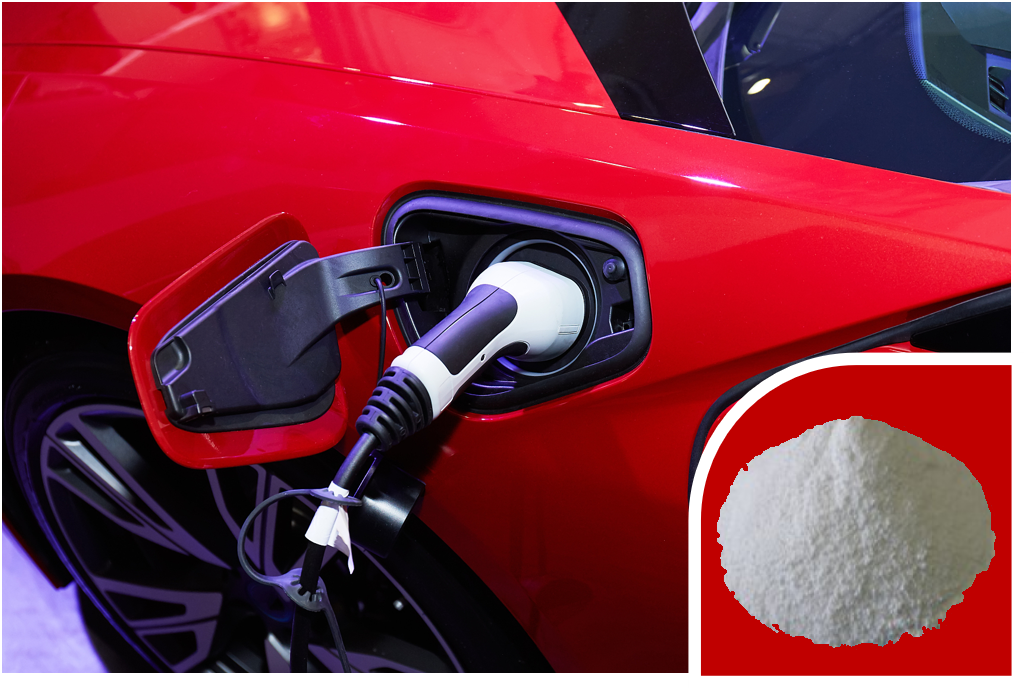
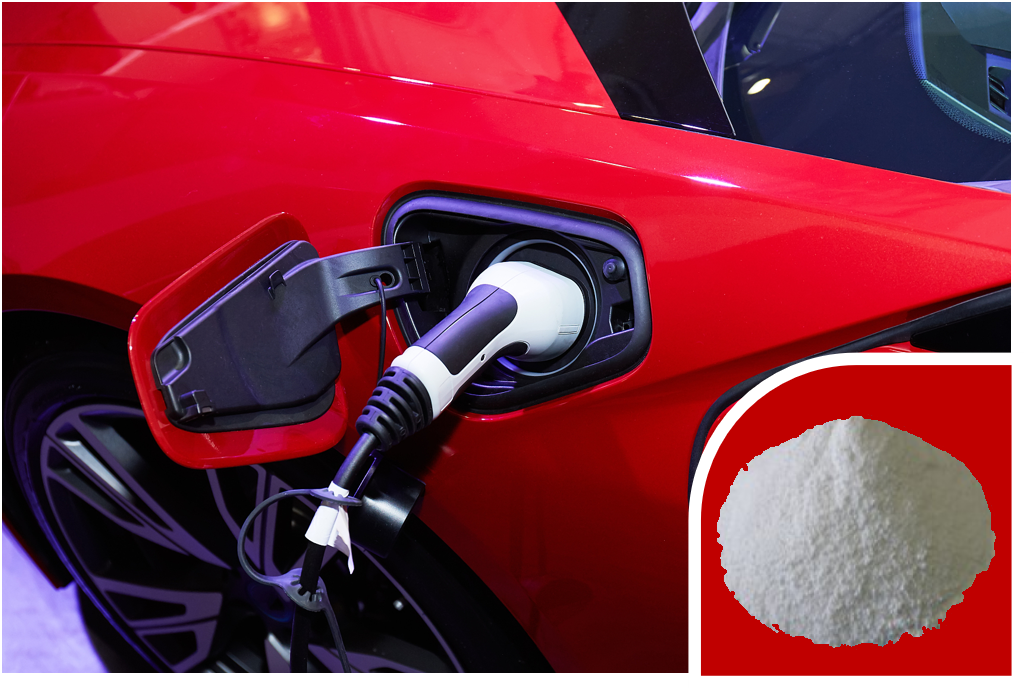
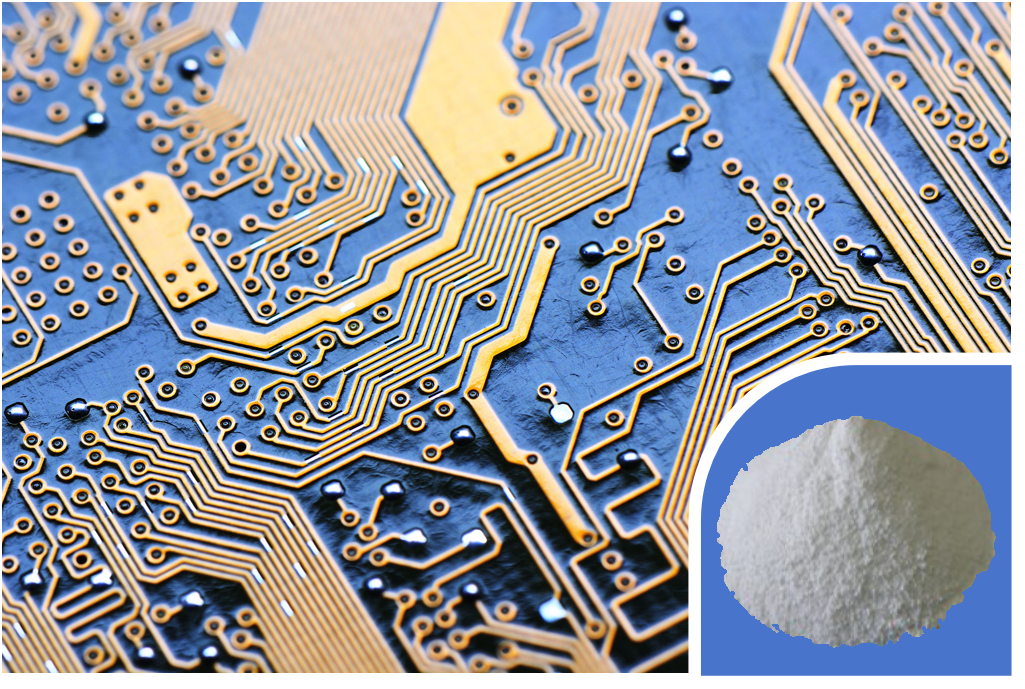
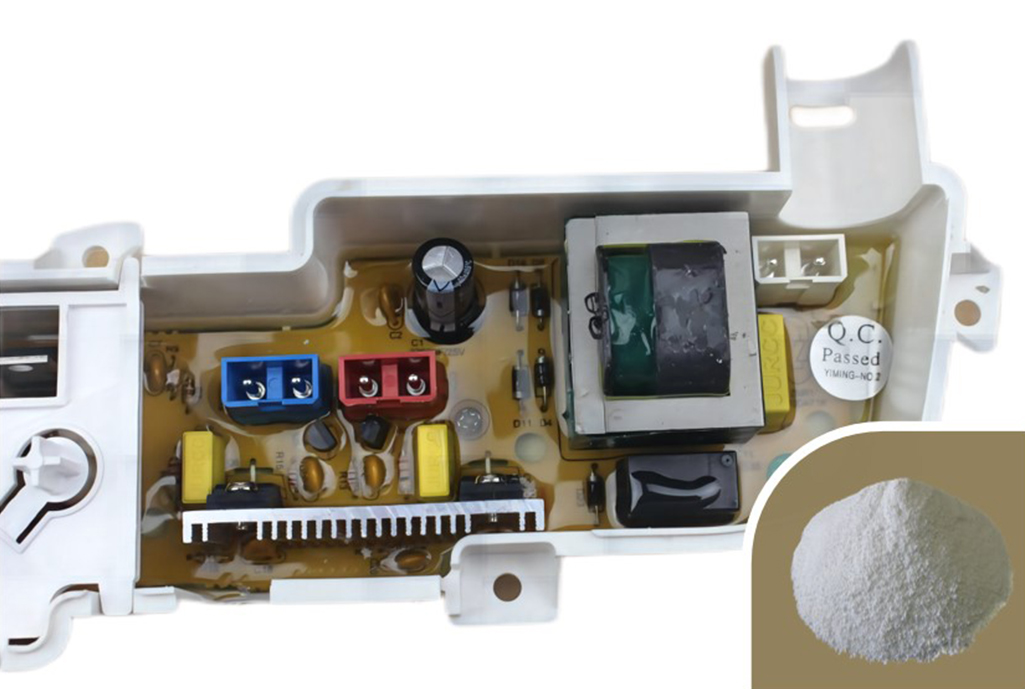
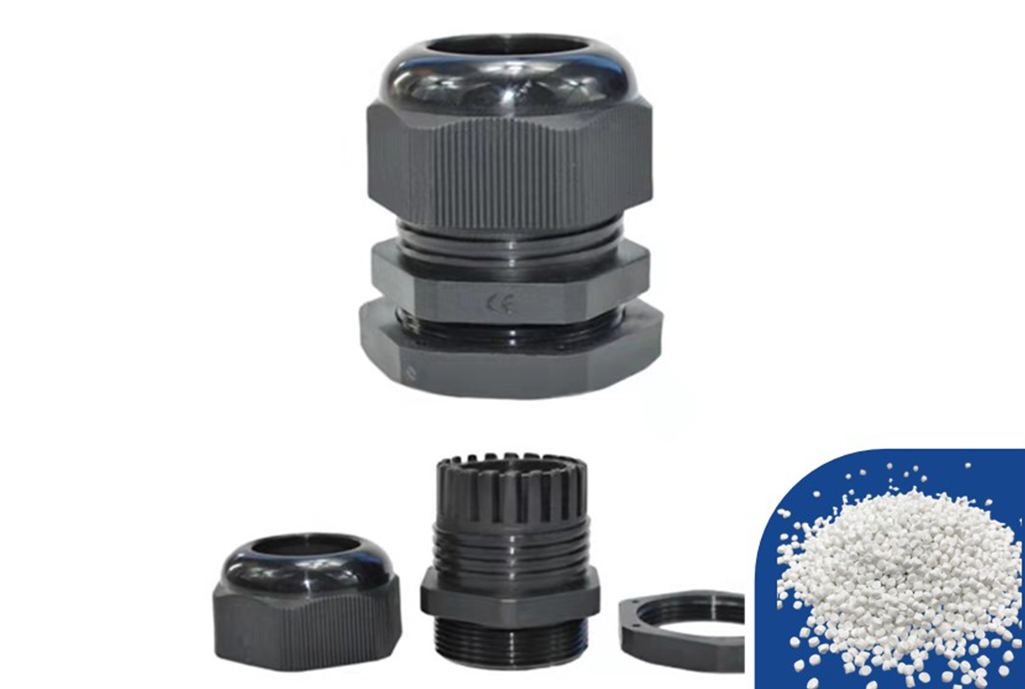
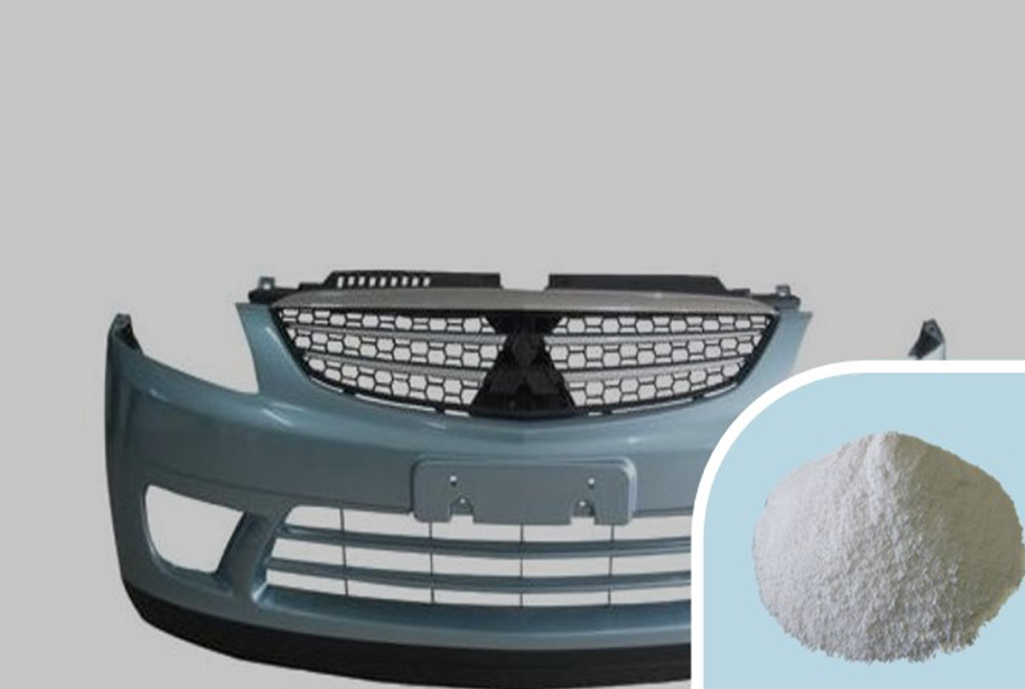
Composite flame retardant for PA isn't just a lab curiosity—it's enabling safer products across industries. In electric vehicles, FR PA66 battery housings and charging connectors prevent thermal runaway propagation. In consumer electronics, halogen-free FR nylon meets strict eco-standards while protecting users from electrical fires. Industrial applications like circuit breakers, sensor housings, and cable glands rely on these materials to maintain integrity during fault conditions. By matching the right composite flame retardant system to your application's unique demands, you get fire safety without compromising the design freedom, weight savings, or durability that make polyamide the material of choice.



contact details
Address:No. 166, Chenggong Road, Economic Development Zone, Jiashan County, Jiaxing City, Zhejiang Province
TEL: +86-0573-89103923 / +86 182 6841 1181
E-mail: globalmarketing@xusen.com
Product
News Center