Tel: +86-0573-89103923 / +86 182 6841 1181

E-mail:globalmarketing@xusen.com



 English
 عربى
عربى 简体中文
简体中文Why Composite Flame Retardant Materials Are a Game-Changer
2026-02-18
Composite flame retardant materials are becoming increasingly popular in industries that prioritize safety and durability. Unlike traditional flame retardants, composite flame retardants combine multiple components to enhance fire resistance without compromising material strength or flexibility.
Content
Key Components of Composite Flame Retardants
These materials usually consist of a mix of:
- Inorganic fillers such as aluminum hydroxide or magnesium hydroxide
- Organic phosphorus-based flame retardants
- Synergistic additives that improve smoke suppression and thermal stability
Benefits of Using Composite Flame Retardant Materials
Composite flame retardants offer several advantages over conventional solutions:
- Enhanced fire resistance and reduced flammability
- Improved mechanical strength and durability of the base material
- Reduced smoke and toxic gas emissions during combustion
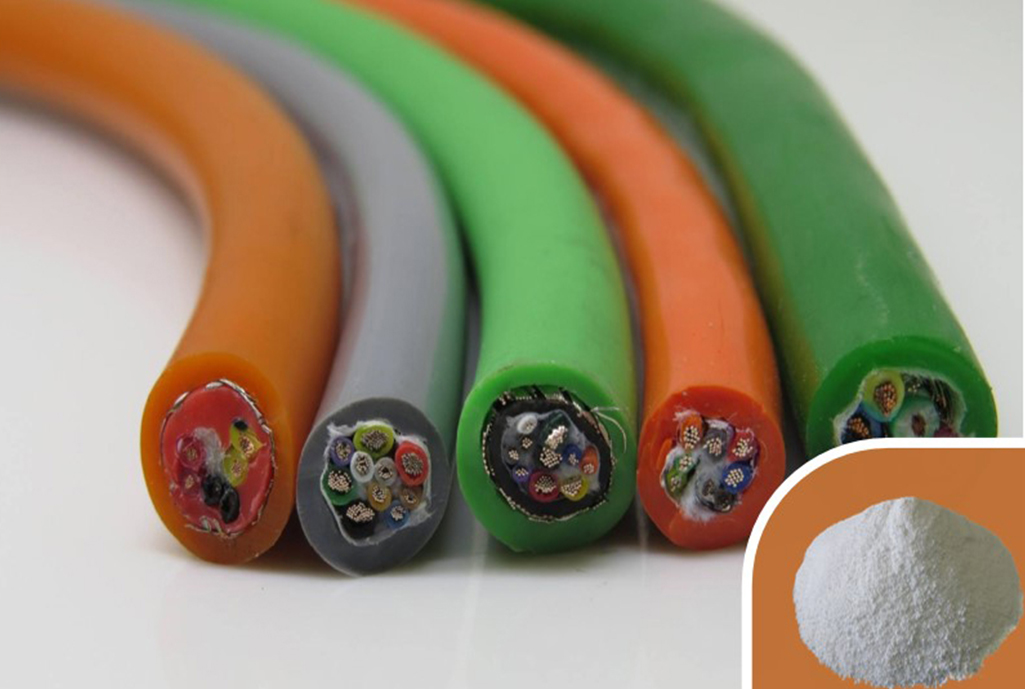
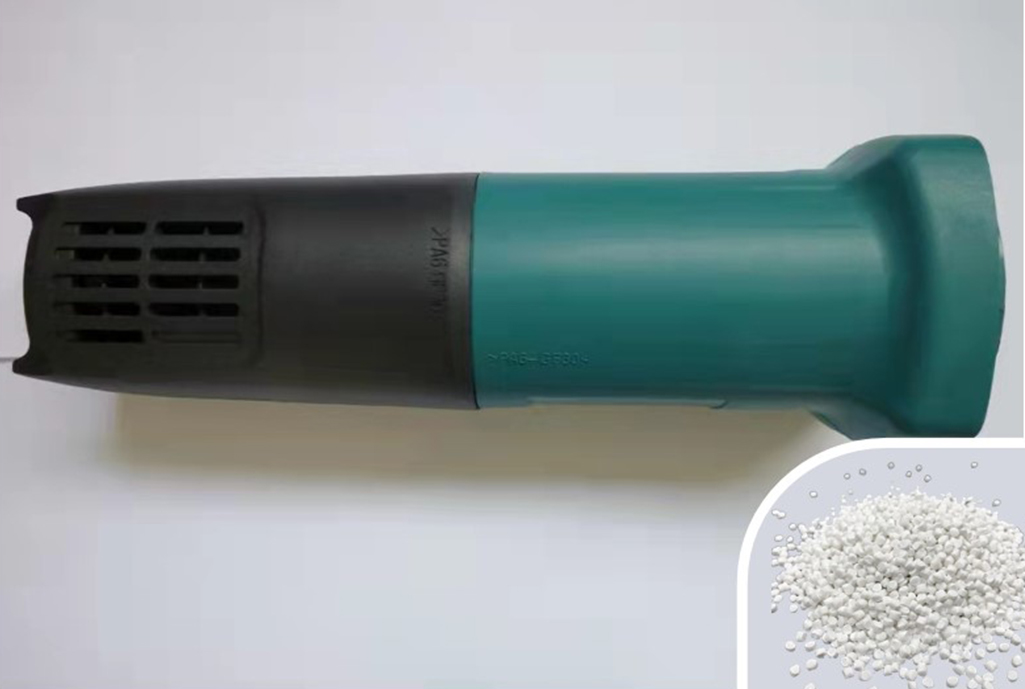
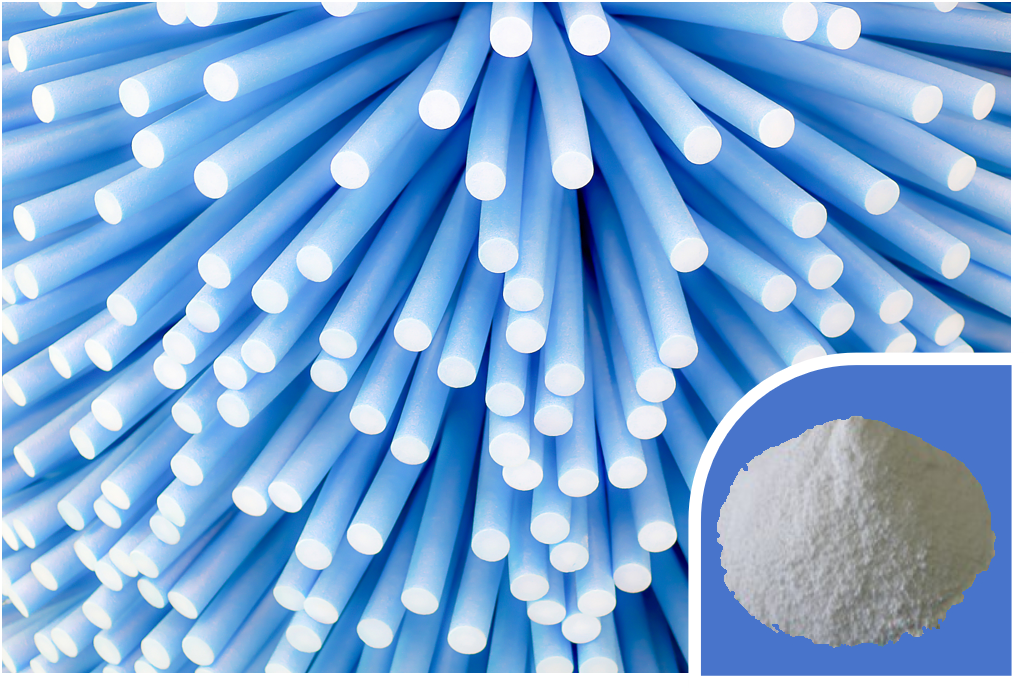
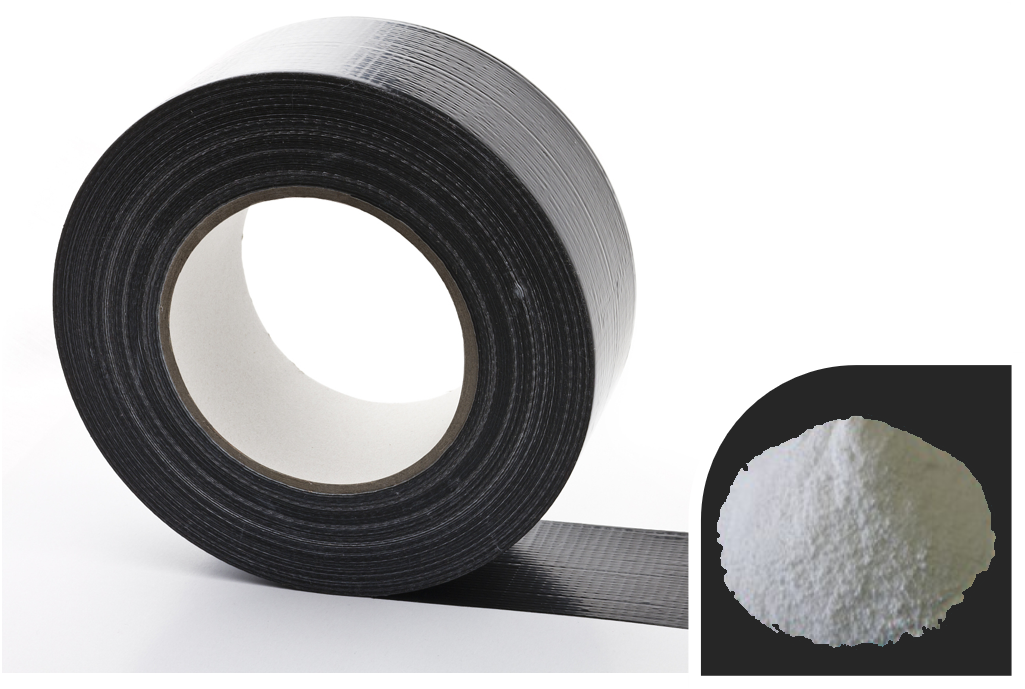
- Versatile application in plastics, textiles, coatings, and electronics

Applications of Composite Flame Retardants
Composite flame retardants are widely used in industries where fire safety is critical:
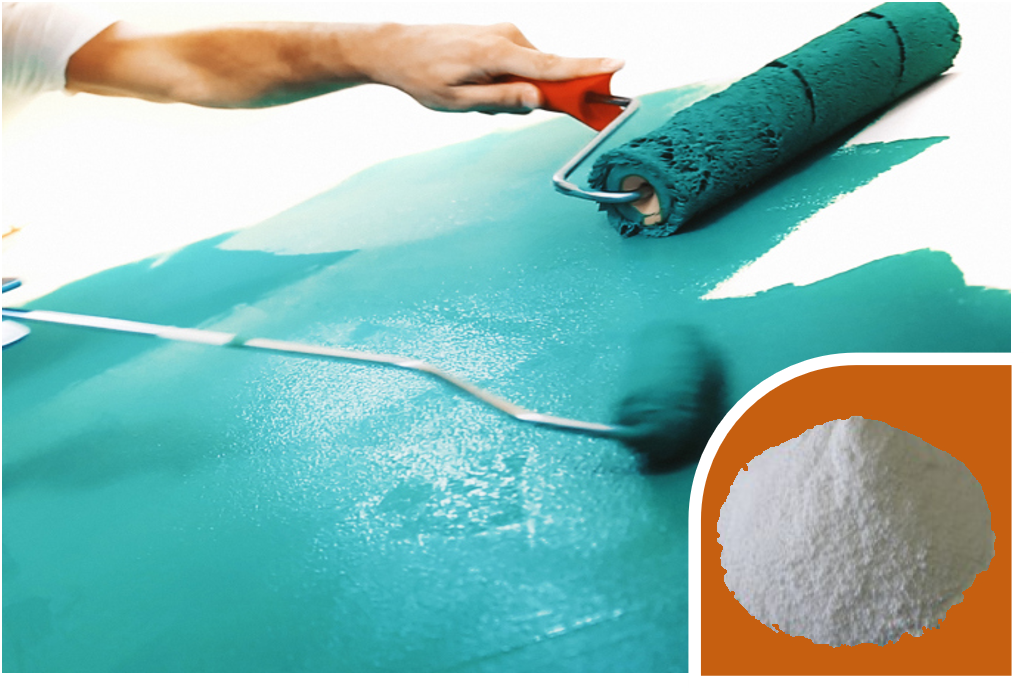
- Construction materials such as insulation panels and fireproof coatings
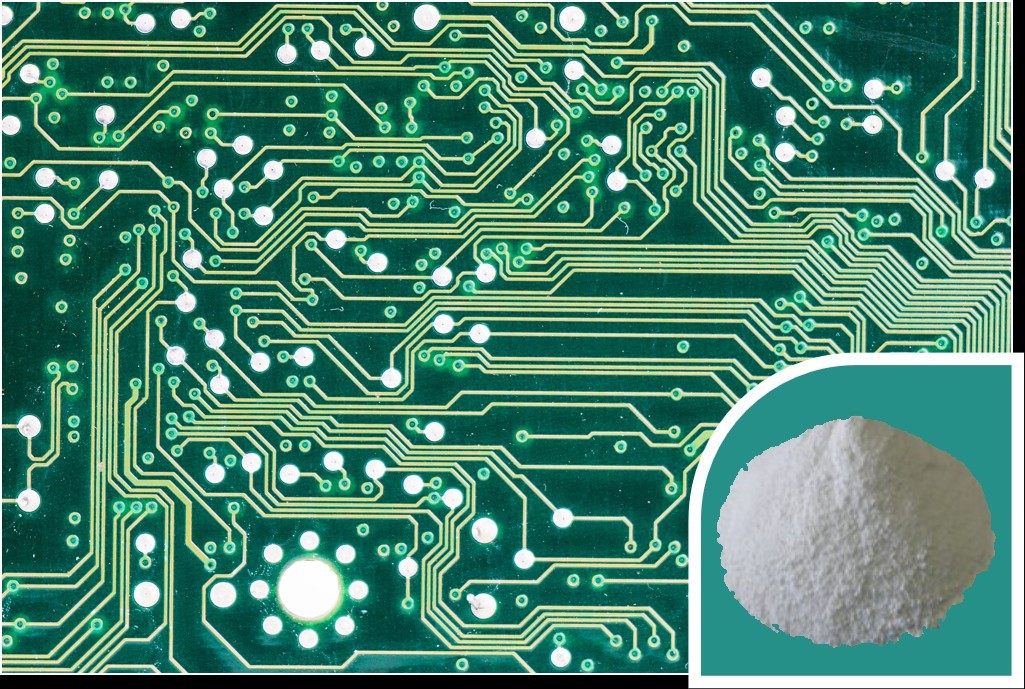
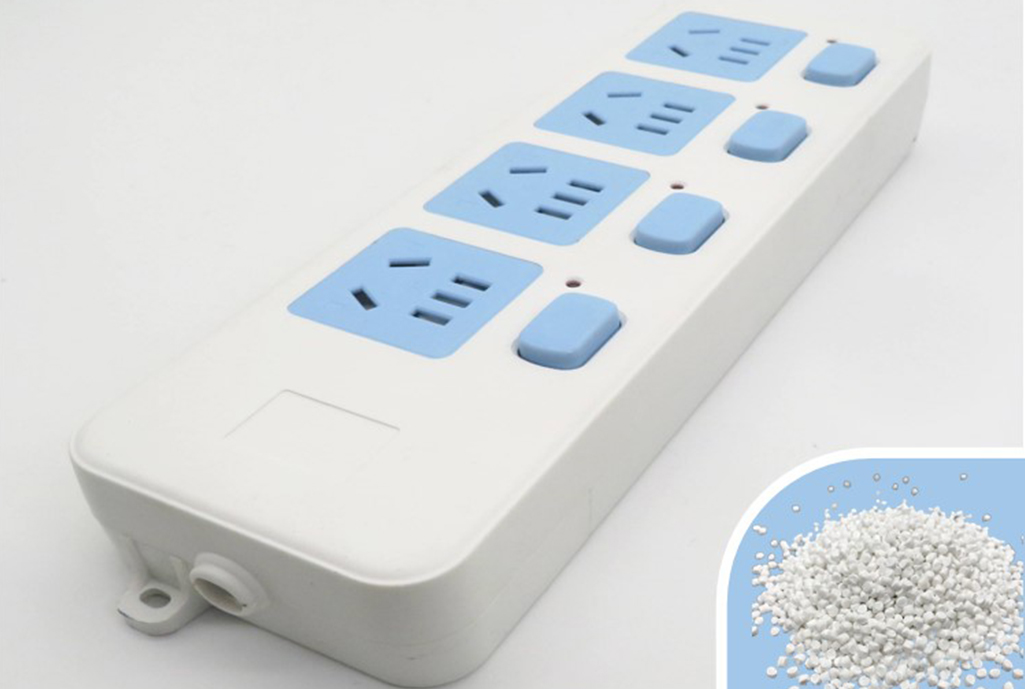
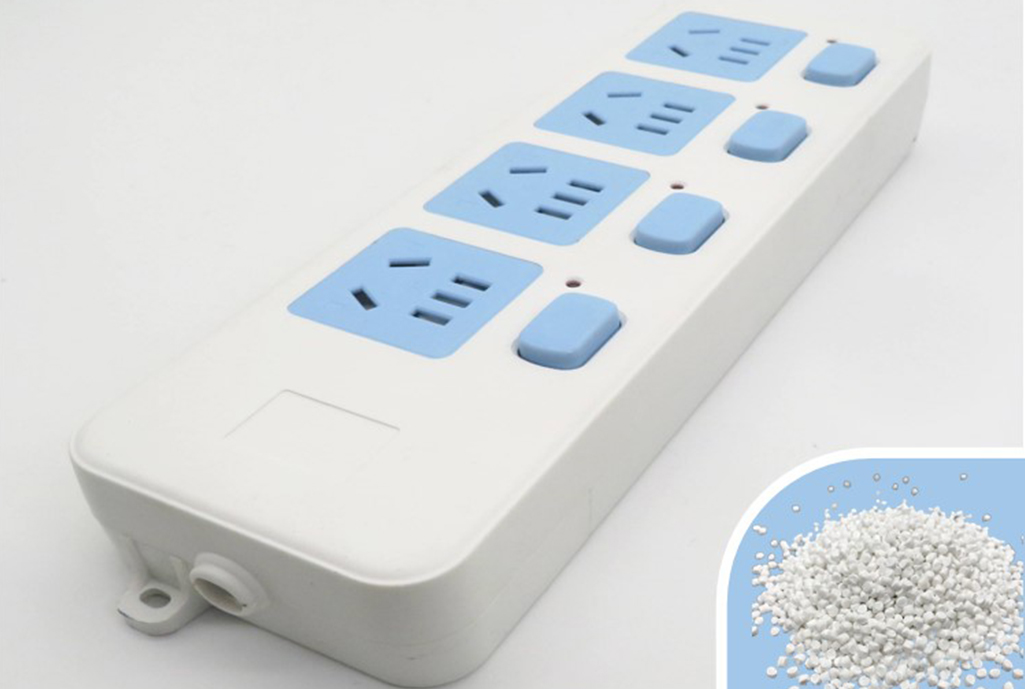
- Electronics and electrical devices to prevent circuit fires
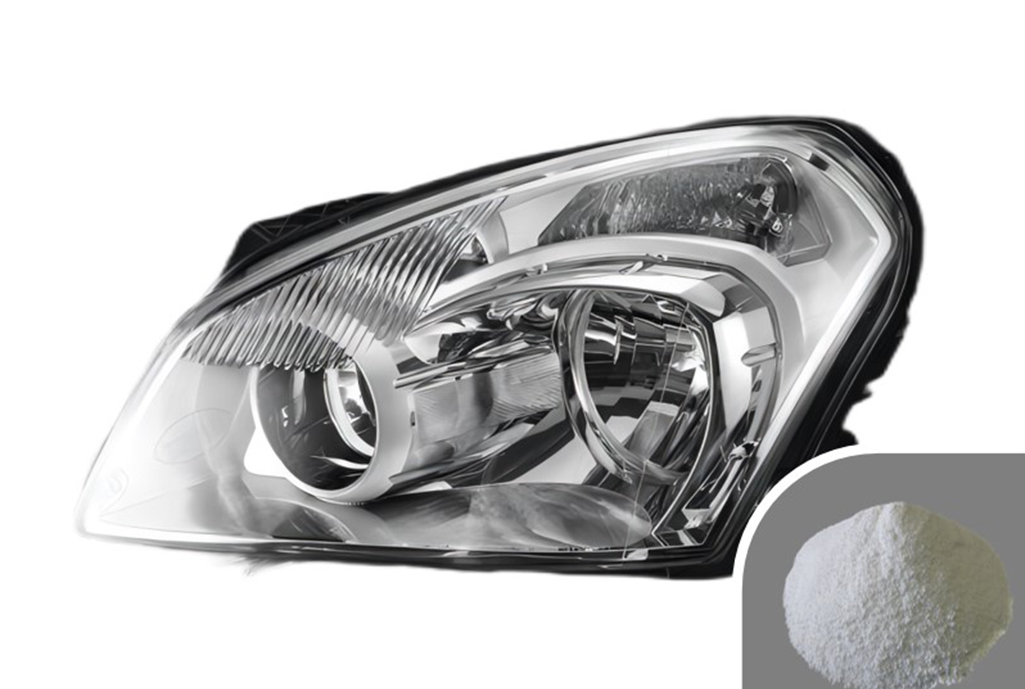
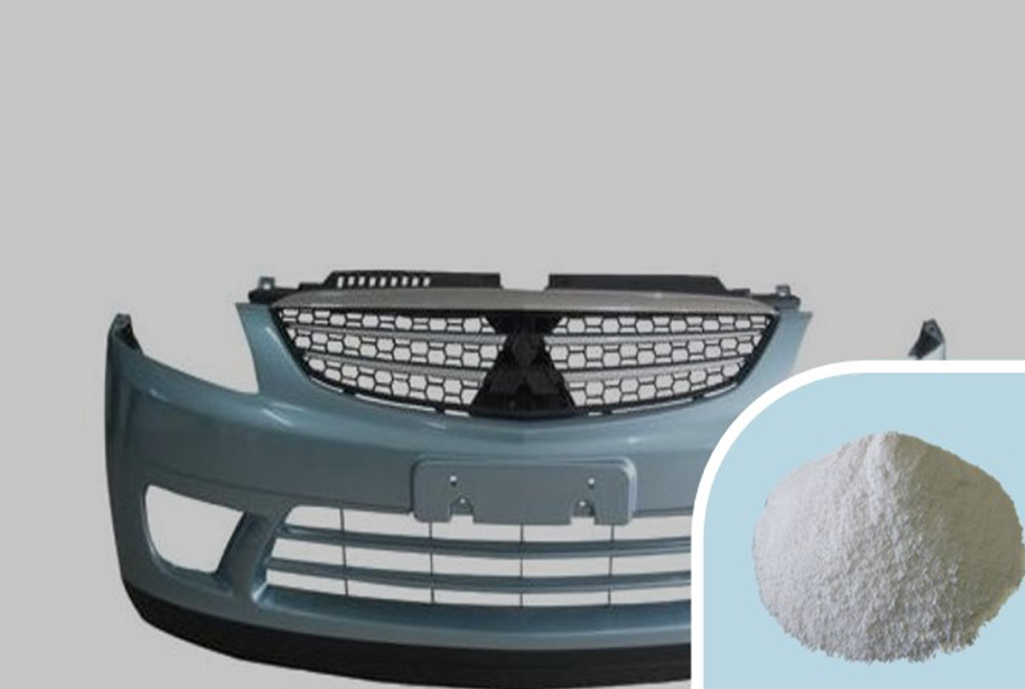
- Automotive interiors and aerospace components for high-temperature protection
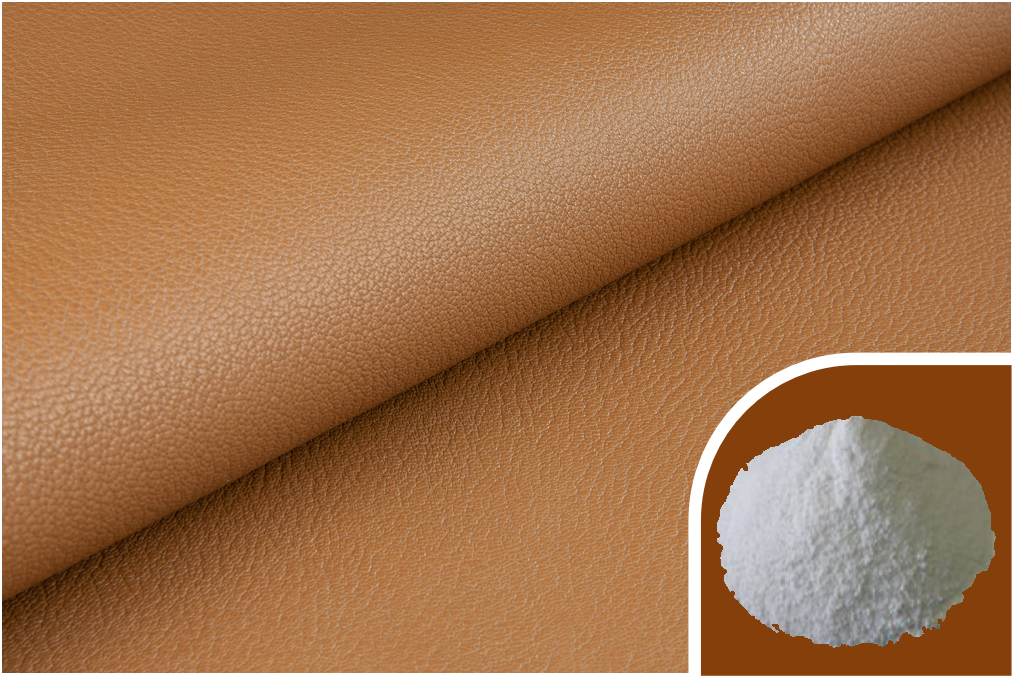
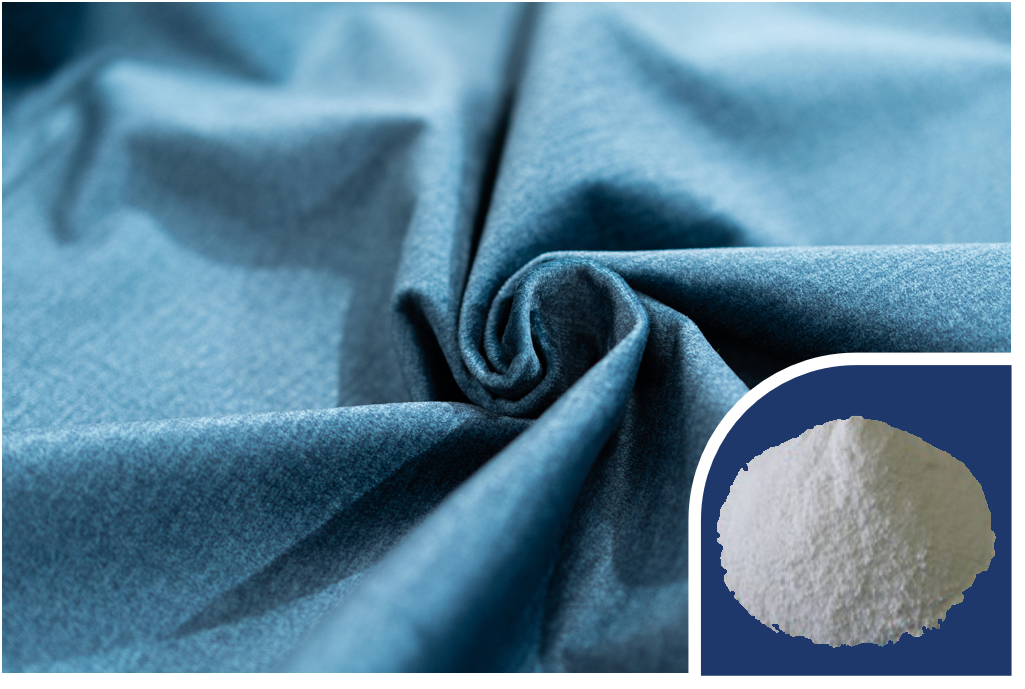
- Textiles and upholstery to meet strict fire safety regulations
Tips for Choosing the Right Composite Flame Retardant
When selecting a composite flame retardant, consider the following factors:
- Type of base material to ensure compatibility
- Required fire resistance level according to safety standards
- Environmental and regulatory compliance, especially for halogen-free options
- Processing method and temperature tolerance
Performance Comparison of Common Flame Retardants
| Type | Flame Retardancy | Smoke Emission | Mechanical Impact |
| Traditional Halogen-Based | Moderate | High | Low |
| Inorganic Fillers | High | Low | Moderate |
| Composite Flame Retardant | High | Low | High |
In conclusion, composite flame retardants provide a reliable solution for fire safety across multiple industries, combining performance, safety, and versatility.





contact details
Address:No. 166, Chenggong Road, Economic Development Zone, Jiashan County, Jiaxing City, Zhejiang Province
TEL: +86-0573-89103923 / +86 182 6841 1181
E-mail: globalmarketing@xusen.com
Product
News Center