Tel: +86-0573-89103923 / +86 182 6841 1181

E-mail:globalmarketing@xusen.com



 English
 عربى
عربى 简体中文
简体中文Functional Additives Masterbatch: What It Is and How to Choose the Right One
2026-09-08
Content
- 1 What Exactly Is Functional Additives Masterbatch?
- 2 Common Types of Functional Masterbatch and What They Do
- 3 Why Manufacturers Choose Masterbatch Over Raw Additives
- 4 How to Choose the Right Functional Masterbatch for Your Product
- 5 Typical Dosage and Processing Tips
- 6 Industries That Rely on Functional Additives Masterbatch
- 7 Common Mistakes to Avoid When Using Functional Masterbatch
What Exactly Is Functional Additives Masterbatch?
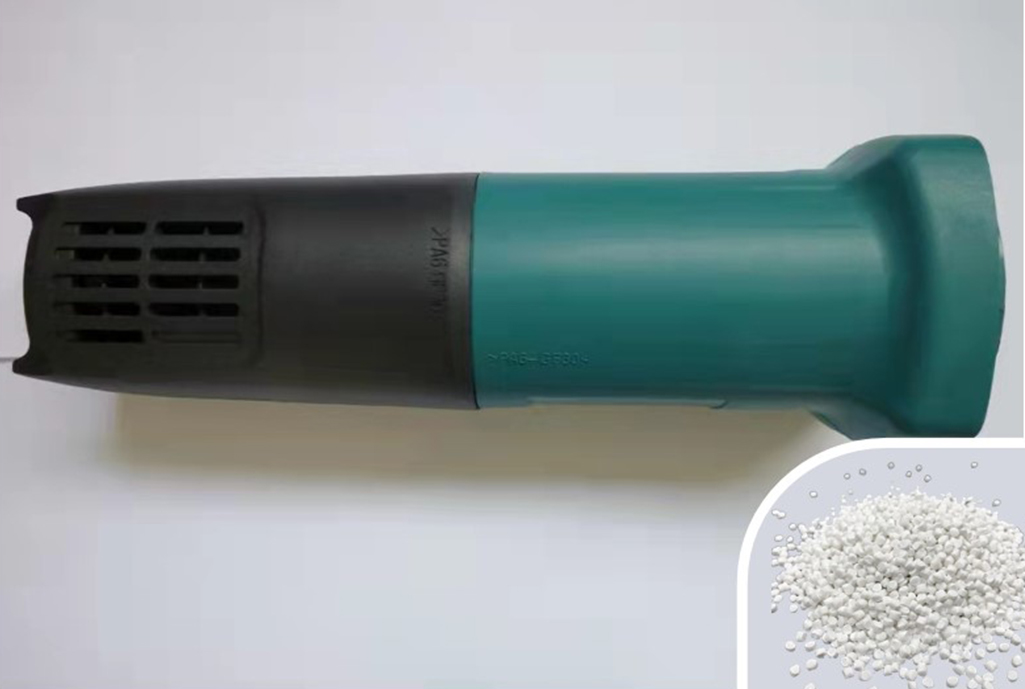
Functional additives masterbatch is a concentrated mixture of one or more functional additives carried in a resin base, made specifically so plastic processors can add special properties to their finished products without handling raw powders directly. Instead of measuring out tiny amounts of anti-static agents, flame retardants, or UV stabilizers by hand, manufacturers simply blend a small percentage of functional masterbatch into their base resin during extrusion or injection molding. This approach saves time, reduces dust and safety hazards, and ensures the additive disperses evenly throughout the plastic.
Unlike color masterbatch, which mainly changes the appearance of a product, functional additives masterbatch is designed to change how the plastic behaves — how it resists heat, blocks UV rays, conducts static, repels bacteria, or resists burning. Many factories now combine both color and functional masterbatch in a single production run to achieve products that look good and perform well at the same time.
Common Types of Functional Masterbatch and What They Do
There isn't just one kind of functional additives masterbatch — there are dozens, each engineered to solve a specific processing or performance problem. Below are the types most frequently used across packaging, automotive, agriculture, and consumer goods industries.
- Anti-static masterbatch – prevents dust attraction and static shock in films, electronics packaging, and industrial bags
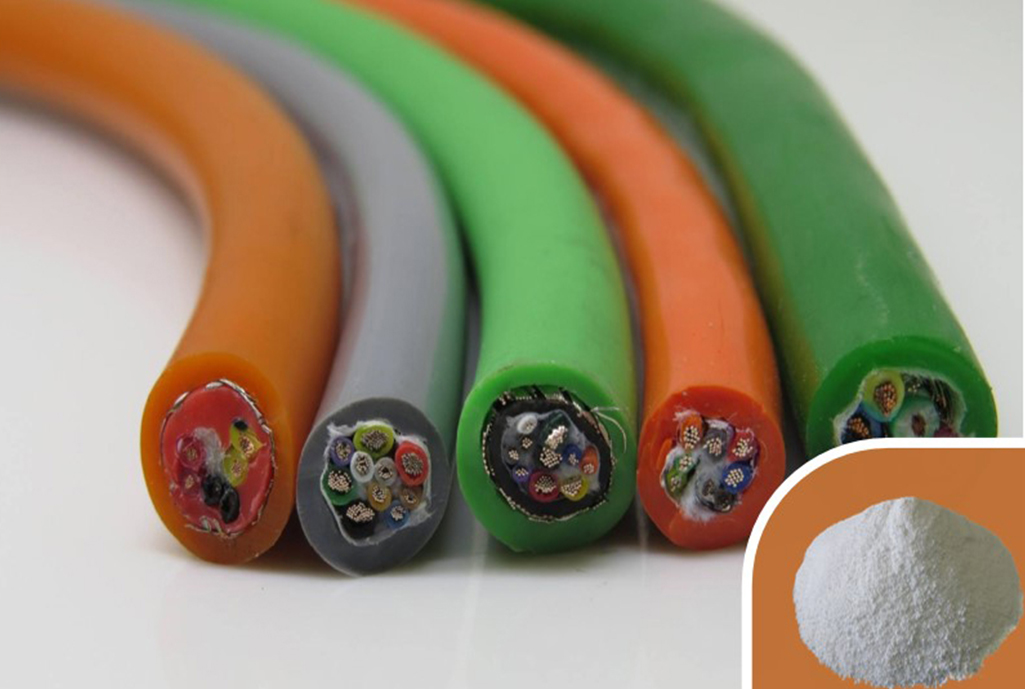
- Flame retardant masterbatch – slows or stops combustion in cables, construction materials, and appliance housings
- UV stabilizer masterbatch – protects outdoor products like agricultural film and garden furniture from sunlight degradation
- Anti-bacterial masterbatch – adds hygiene properties to medical devices, food packaging, and household items
- Slip and anti-block masterbatch – reduces friction between film layers so they don't stick together during production
- Anti-fog masterbatch – keeps food wrap and greenhouse film clear by preventing condensation buildup
- Foaming masterbatch – introduces controlled bubbles into plastic to reduce weight and material cost
Why Manufacturers Choose Masterbatch Over Raw Additives
Adding raw additive powder directly into a plastic production line sounds simple, but in practice it creates real headaches. Fine powders are difficult to disperse evenly, they can create clumps that weaken the final product, and many additives are irritating or hazardous to handle without protective equipment. Functional additives masterbatch solves these problems by pre-dispersing the active ingredient into a carrier resin that is compatible with the base material.
Better Dispersion, Fewer Defects
Because the additive is already melted and mixed into pellet form, it spreads through the base resin far more uniformly than loose powder ever could. This means fewer streaks, spots, or weak points in the final product, and more consistent performance from batch to batch.
Simplified Handling and Safety
Workers on the production floor can dose masterbatch pellets using the same equipment they already use for color masterbatch, without needing special ventilation or protective gear that raw chemical powders often require. This lowers training costs and reduces workplace safety risks.
How to Choose the Right Functional Masterbatch for Your Product
Picking the correct functional additives masterbatch isn't just about matching a label to a problem. Processors need to think about compatibility with their base resin, the processing method they use, and the final application environment of the product. A masterbatch that works beautifully in blown film extrusion may behave completely differently in injection molding.
| Factor | Why It Matters |
| Base resin type | Carrier resin in the masterbatch must be compatible with PE, PP, PVC, or other base polymer |
| Processing method | Extrusion, injection molding, and blow molding each require different melt flow characteristics |
| Dosage rate | Too little additive under-delivers performance; too much can raise cost or affect mechanical strength |
| End-use environment | Outdoor, food-contact, or medical applications each have different regulatory requirements |
| Certification needs | Food-grade, RoHS, or REACH compliance may be required depending on the market |
Typical Dosage and Processing Tips
Most functional additives masterbatches are used at a loading rate between 1% and 10% of the total resin weight, though some specialty products like flame retardant masterbatch can require higher percentages to achieve the desired rating. It's always best to start with the supplier's recommended dosage and run small test batches before committing to full production, since every base resin and machine setup behaves a little differently.
- Store masterbatch pellets in a dry, sealed environment to prevent moisture absorption
- Pre-dry hygroscopic masterbatches before processing to avoid bubbles or surface defects
- Keep melt temperature within the range recommended by the masterbatch supplier
- Run a small trial batch whenever switching to a new base resin or supplier
Industries That Rely on Functional Additives Masterbatch
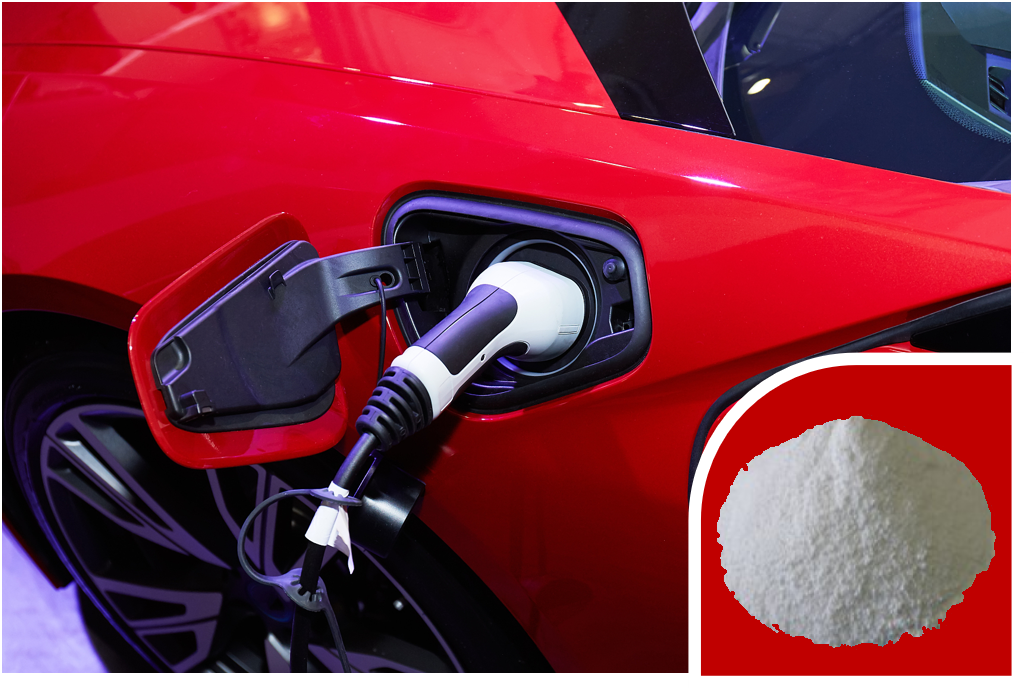
Functional masterbatch has become essential across a wide range of industries because it lets manufacturers fine-tune plastic performance without redesigning their entire formulation. Packaging companies use anti-fog and anti-static masterbatch to keep food fresher and safer during transport. Agricultural film producers depend on UV stabilizer masterbatch to extend the life of greenhouse covers and mulch film exposed to years of direct sunlight. Automotive parts manufacturers turn to flame retardant and anti-static masterbatch for interior components and wiring insulation, while medical device makers use anti-bacterial masterbatch to meet strict hygiene standards.
As sustainability becomes a bigger priority, more companies are also asking for functional masterbatch that supports recyclability, such as products designed to maintain their properties even when blended with recycled base resin. This trend is pushing masterbatch suppliers to develop formulations that balance performance, cost, and environmental impact.
Common Mistakes to Avoid When Using Functional Masterbatch
Even experienced processors run into trouble when they skip basic due diligence. One of the most frequent mistakes is assuming that a masterbatch which worked well with one resin will automatically work with another; carrier resin incompatibility can cause poor dispersion, surface haze, or reduced mechanical strength. Another common error is overdosing in an attempt to boost performance faster, which often backfires by making the plastic brittle or altering its color unexpectedly.
It's also easy to overlook shelf life and storage conditions. Functional additives masterbatch exposed to humidity or extreme temperatures for long periods can lose effectiveness before it even reaches the production line. Working closely with a reliable supplier, requesting technical data sheets, and running consistent quality checks are the simplest ways to avoid these pitfalls and get the performance you're paying for.



contact details
Address:No. 166, Chenggong Road, Economic Development Zone, Jiashan County, Jiaxing City, Zhejiang Province
TEL: +86-0573-89103923 / +86 182 6841 1181
E-mail: globalmarketing@xusen.com
Product
News Center