Tel: +86-0573-89103923 / +86 182 6841 1181

E-mail:globalmarketing@xusen.com



 English
 عربى
عربى 简体中文
简体中文What Is Halogen-Free Flame Retardant? A Simple Guide for Beginners
2026-09-18
Content
- 1 What Is Halogen-Free Flame Retardant and Why It Matters
- 2 How Halogen-Free Flame Retardants Work
- 3 Common Types of Halogen-Free Flame Retardants
- 4 Halogen-Free vs Halogenated Flame Retardants
- 5 Where Halogen-Free Flame Retardants Are Used
- 6 Key Advantages of Choosing Halogen-Free Flame Retardants
- 7 Challenges and Limitations to Consider
- 8 How to Choose the Right Halogen-Free Flame Retardant for Your Product
- 9 Future Trends in Halogen-Free Flame Retardant Technology
What Is Halogen-Free Flame Retardant and Why It Matters
A halogen-free flame retardant is a chemical additive used to slow down or prevent the spread of fire in materials like plastics, cables, textiles, and electronic components, without relying on chlorine or bromine-based compounds. Traditional flame retardants often contain halogens because they are effective at interrupting the combustion process, but they also release toxic and corrosive gases when burned, including hydrogen chloride and dioxins. This is why halogen-free flame retardant formulas have become the preferred choice for industries that care about safety, environmental impact, and regulatory compliance.
The shift toward halogen-free flame retardant solutions is not just a trend. It is largely driven by stricter fire safety codes, growing demand for eco-friendly materials, and the fact that halogen-free options produce far less smoke and toxic byproducts during a fire. For products used in enclosed spaces like trains, airplanes, data centers, and homes, this difference can be a matter of life and death during an emergency evacuation.
How Halogen-Free Flame Retardants Work
Unlike halogenated flame retardants that interrupt combustion in the gas phase, most halogen-free flame retardant systems work in the solid phase or through a combination of physical and chemical mechanisms. Understanding these mechanisms helps explain why different halogen-free formulations perform differently depending on the application.
Char Formation
Many halogen-free flame retardants, especially phosphorus-based ones, promote the formation of a stable carbon char layer on the surface of the burning material. This char acts as an insulating barrier, cutting off oxygen and slowing heat transfer to the material underneath.
Heat Absorption and Dilution
Mineral-based halogen-free flame retardants such as aluminum trihydrate (ATH) and magnesium hydroxide (MDH) release water vapor when heated. This process absorbs heat energy and dilutes flammable gases near the surface, reducing the intensity of the flame.
Intumescent Expansion
Intumescent halogen-free flame retardant systems swell up when exposed to heat, forming a thick, insulating foam layer. This expanded char significantly slows down flame spread and protects the underlying substrate for a longer period of time.
Common Types of Halogen-Free Flame Retardants
There is no single halogen-free flame retardant that fits every application. Manufacturers typically choose from several families of additives depending on the base material, required fire rating, and mechanical properties needed. The table below summarizes the most widely used types.
| Type | Main Compounds | Typical Use |
| Metal Hydroxides | Aluminum trihydrate (ATH), Magnesium hydroxide (MDH) | Cables, wires, rubber compounds |
| Phosphorus-Based | Ammonium polyphosphate (APP), organophosphates | Coatings, foams, engineering plastics |
| Nitrogen-Based | Melamine, melamine cyanurate | Polyamide and polyurethane products |
| Intumescent Systems | APP combined with char formers and blowing agents | Paints, building materials, cable jacketing |
| Silicon-Based | Silicone resins, silica | Electronics, high-temperature applications |
Halogen-Free vs Halogenated Flame Retardants
Choosing between halogen-free and halogenated flame retardants involves trade-offs in performance, cost, and safety. The comparison below highlights the key differences that matter most to product designers and safety engineers.
| Factor | Halogen-Free Flame Retardant | Halogenated Flame Retardant |
| Smoke Density | Low | High |
| Toxic Gas Release | Minimal | Significant (HCl, dioxins) |
| Regulatory Compliance | Meets RoHS, REACH, IEC 60754 | Restricted in many regions |
| Loading Level Required | Higher | Lower |
| Mechanical Property Impact | Can reduce flexibility if overloaded | Generally less impact at low loading |
Where Halogen-Free Flame Retardants Are Used
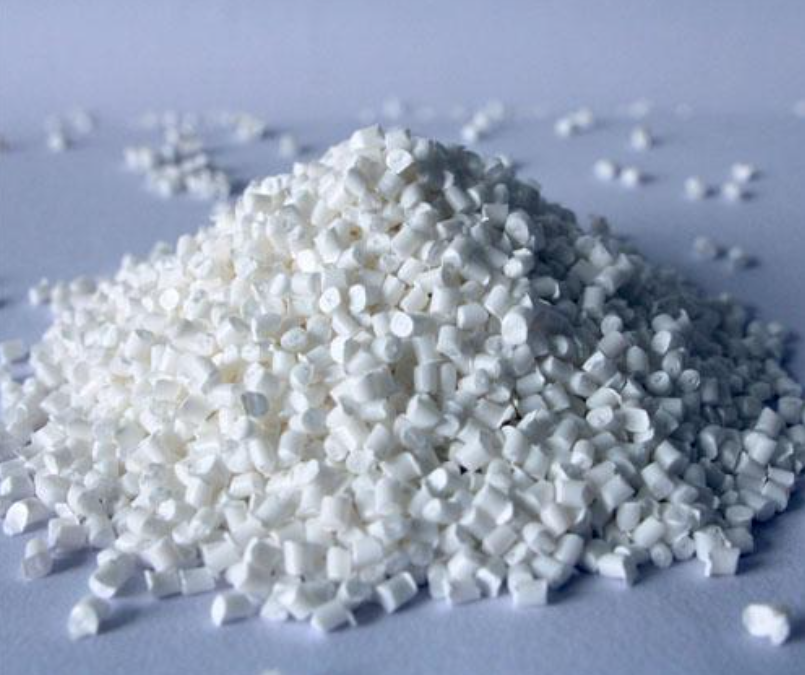
Halogen-free flame retardant materials have moved far beyond niche applications. Today they are standard in many industries where fire safety and low toxicity both matter. Some of the most common applications include:
- Low smoke zero halogen (LSZH) cables used in railways, subways, and tunnels
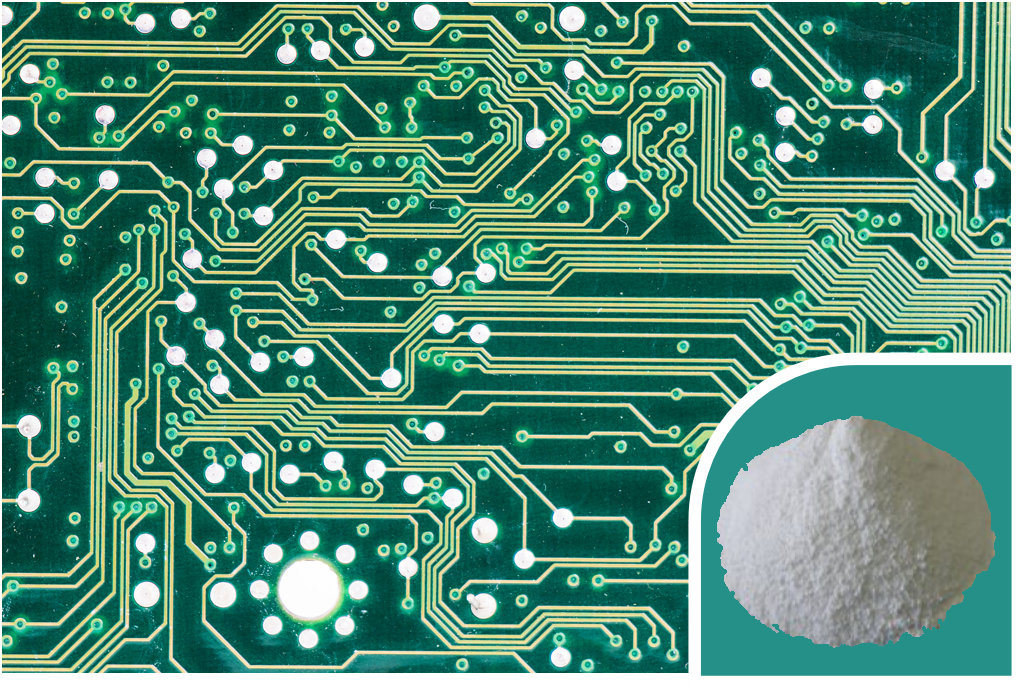
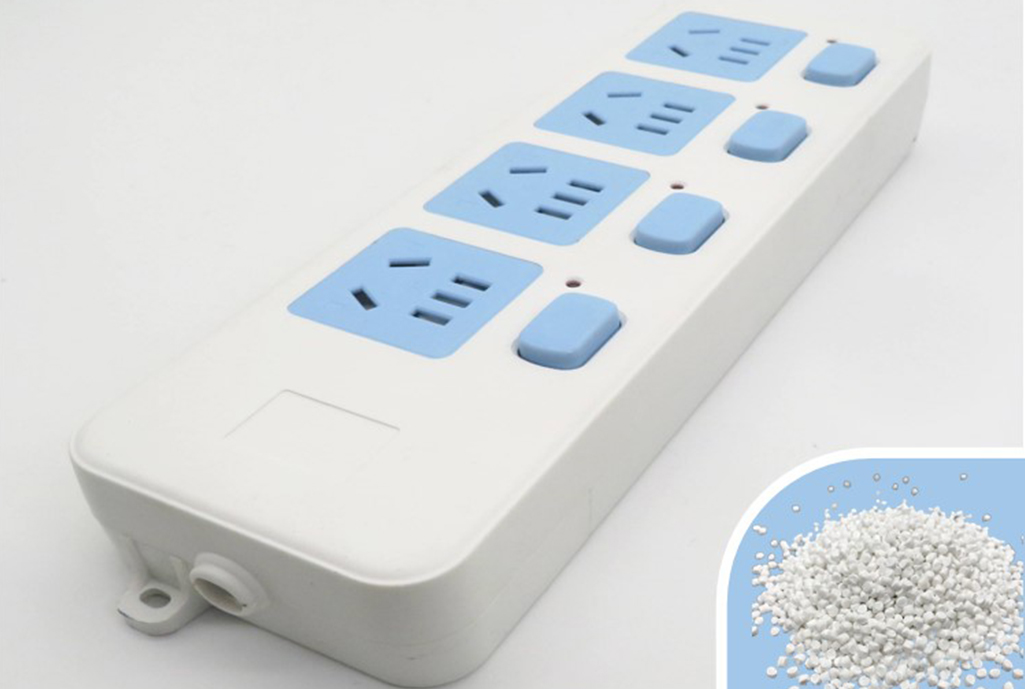
- Electrical enclosures, connectors, and circuit breakers in consumer electronics
- Building insulation panels and interior wall coatings
- Automotive interior components such as dashboards and wiring harnesses
- Furniture foam and textiles used in public spaces like hotels and offices
- Data center flooring and server housing components
In each of these cases, the goal is the same: reduce fire risk while limiting the release of corrosive smoke that can damage sensitive equipment or make evacuation more difficult for people nearby.
Key Advantages of Choosing Halogen-Free Flame Retardants
Manufacturers are increasingly choosing halogen-free flame retardant systems for reasons that go beyond simply meeting regulations. The practical benefits are significant across the entire product lifecycle.
- Lower toxicity during combustion, reducing health risks for occupants and first responders
- Reduced corrosive damage to nearby electronics and metal structures during a fire
- Easier compliance with international standards like RoHS, REACH, and IEC 60754
- Better recyclability of end-of-life products since halogen contamination is avoided
- Improved brand reputation among environmentally conscious customers and partners
Challenges and Limitations to Consider
While halogen-free flame retardant technology has improved dramatically, it is not without trade-offs. Being aware of these challenges helps set realistic expectations during product development.
Higher Additive Loading
To achieve the same fire rating, halogen-free flame retardant formulas often require a higher percentage of additive compared to halogenated versions. This can affect the weight, cost, and mechanical strength of the final product if not carefully balanced.
Processing Sensitivity
Some halogen-free flame retardants are sensitive to processing temperature and moisture, which means manufacturers need tighter control during extrusion or molding to avoid issues like degradation or poor dispersion.
Cost Considerations
Certain high-performance halogen-free flame retardant additives, particularly specialty phosphorus or intumescent systems, can carry a higher raw material cost. However, this is often offset by savings in compliance, insurance, and long-term liability.
How to Choose the Right Halogen-Free Flame Retardant for Your Product
Selecting the right halogen-free flame retardant depends on several practical factors rather than a one-size-fits-all answer. Before making a decision, it helps to evaluate the following points carefully.
- Base polymer type, since compatibility varies between polyolefins, polyamides, and elastomers
- Required fire rating, such as UL94 V-0, V-1, or specific LOI (limiting oxygen index) values
- Mechanical property targets, including tensile strength, flexibility, and impact resistance
- Processing method, whether extrusion, injection molding, or coating application
- Regulatory requirements specific to the target market or industry
- Budget constraints balanced against long-term performance and safety needs
Working closely with a material supplier who can provide test data and sample formulations is usually the fastest way to narrow down the right halogen-free flame retardant solution for a specific application.
Future Trends in Halogen-Free Flame Retardant Technology
Research into halogen-free flame retardant technology continues to accelerate as industries push for materials that are both safer and more sustainable. One growing area is bio-based flame retardants derived from natural sources like lignin, chitosan, and phytic acid, which aim to reduce reliance on synthetic chemicals altogether. Another trend is the development of nanostructured flame retardants, such as layered double hydroxides and nano-clays, which can achieve strong fire performance at much lower loading levels than traditional additives.
There is also increasing interest in multifunctional halogen-free flame retardant systems that combine fire resistance with other benefits like UV stability, antimicrobial properties, or improved mechanical strength. As regulations continue to tighten around the world and consumer awareness of chemical safety grows, halogen-free flame retardant solutions are expected to become the default choice across nearly every industry that deals with fire risk.


contact details
Address:No. 166, Chenggong Road, Economic Development Zone, Jiashan County, Jiaxing City, Zhejiang Province
TEL: +86-0573-89103923 / +86 182 6841 1181
E-mail: globalmarketing@xusen.com
Quick link
Product
News Center