Tel: +86-0573-89103923 / +86 182 6841 1181

E-mail:globalmarketing@xusen.com



 English
 عربى
عربى 简体中文
简体中文What Is Ammonium Polyphosphate (APP)? A Plain-English Guide to the Most Widely Used Flame Retardant
2026-06-16
Content
- 1 What Is Ammonium Polyphosphate (APP)?
- 2 How Ammonium Polyphosphate Works as a Flame Retardant
- 3 Key Properties and Grades of APP
- 4 Main Industrial Applications of APP
- 5 APP in Intumescent Systems: Choosing the Right Formulation
- 6 Safety, Handling, and Environmental Profile
- 7 Market Trends and the Future of APP
What Is Ammonium Polyphosphate (APP)?
Ammonium Polyphosphate — commonly written as APP or ammonium poly phosphate — is an inorganic salt formed by combining ammonia and phosphoric acid into long repeating phosphate chains. It appears as a fine white powder and is almost odorless at room temperature. What makes APP commercially important is its dual role: it acts as both a phosphorus source and a nitrogen source, two elements that work together to interrupt combustion. Because of this chemistry, APP has become the backbone of intumescent flame retardant (IFR) systems used across dozens of industries worldwide.
Unlike halogen-based flame retardants that release toxic gases when they burn, APP is considered a halogen-free flame retardant (HFFR). That distinction has driven much of its growth over the past two decades as manufacturers shift away from brominated and chlorinated additives under tightening environmental regulations in Europe, North America, and East Asia.
How Ammonium Polyphosphate Works as a Flame Retardant
APP does not simply make a material harder to ignite — it fundamentally changes how the material behaves when it encounters heat. The mechanism is best understood in three overlapping stages.
The Acid Source Stage
When temperatures rise above roughly 150–200°C, APP begins to decompose and releases polyphosphoric acid. This acid attacks the carbon-rich substrate (such as a polymer or wood fiber) and triggers a dehydration reaction, stripping hydrogen and oxygen atoms from the material and leaving behind a stable carbon skeleton.
The Char Formation Stage
The dehydrated carbon skeleton cross-links into a dense char layer. At the same time, the nitrogen component in APP — and in co-agents like melamine or pentaerythritol — produces non-flammable gases such as nitrogen and carbon dioxide. These gases puff the char up into a thick, insulating foam. This process is called intumescence, and the resulting foam barrier can expand to 50 times its original thickness.
The Insulating Barrier Stage
The intumescent char acts as a physical shield. It insulates the underlying material from radiant heat, cuts off the oxygen supply to the combustion zone, and slows the release of flammable volatile gases. The fire stalls because all three elements of the fire triangle — heat, oxygen, and fuel — are simultaneously disrupted.
Key Properties and Grades of APP
Not all ammonium polyphosphate products are equivalent. The performance of APP depends heavily on its degree of polymerization (chain length), particle size, and surface treatment. Manufacturers supply APP in several standard grades, most commonly classified as Phase I and Phase II.
|
Property |
APP Phase I |
APP Phase II |
|
Degree of Polymerization |
Low (n = 10–20) |
High (n > 1000) |
|
Water Solubility |
High (~80 g/L) |
Very low (<1 g/L) |
|
Thermal Stability |
Moderate (stable to ~150°C) |
High (stable to ~300°C) |
|
Typical Application |
Fertilizers, water-soluble coatings |
Plastics, intumescent coatings, rubber |
|
Surface Treatment |
Untreated |
Microencapsulated or silane-coated |
Phase II APP dominates flame retardant applications because of its low water solubility (which prevents leaching in humid environments) and its high decomposition temperature, which aligns well with the processing temperatures used in polymer compounding. Surface-treated or microencapsulated APP grades offer further improvements: better dispersion in polymer matrices, reduced moisture absorption, and improved compatibility with polyolefins like polypropylene and polyethylene.
Main Industrial Applications of APP
Ammonium polyphosphate fire retardant products are used wherever materials need to meet flammability standards without relying on halogenated chemistry. The following industries account for the largest consumption volumes.
Intumescent Fire-Protective Coatings
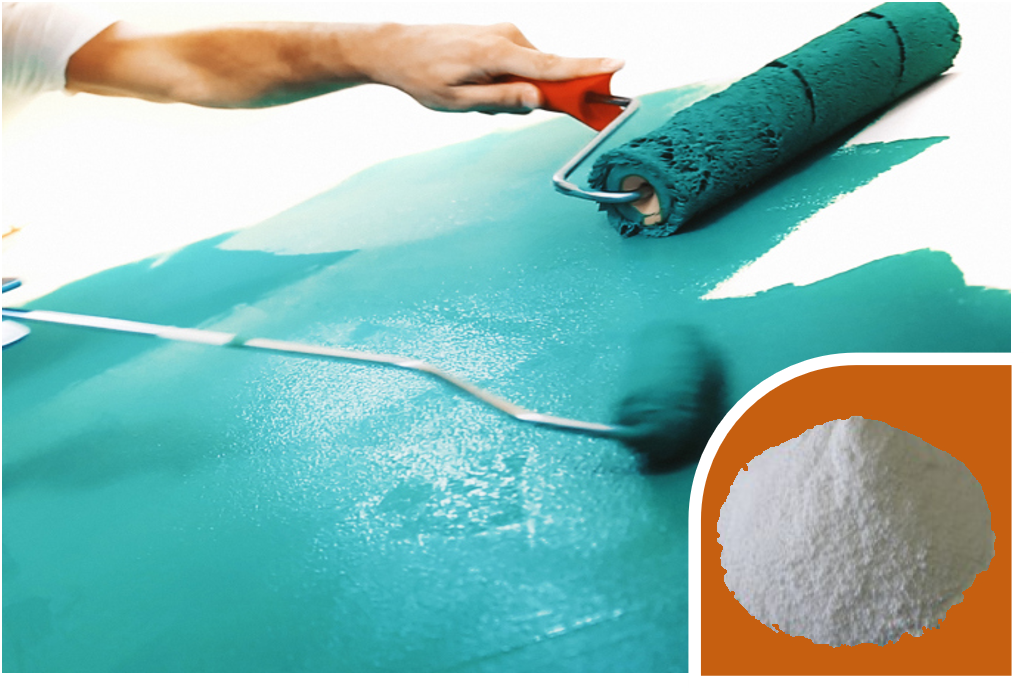
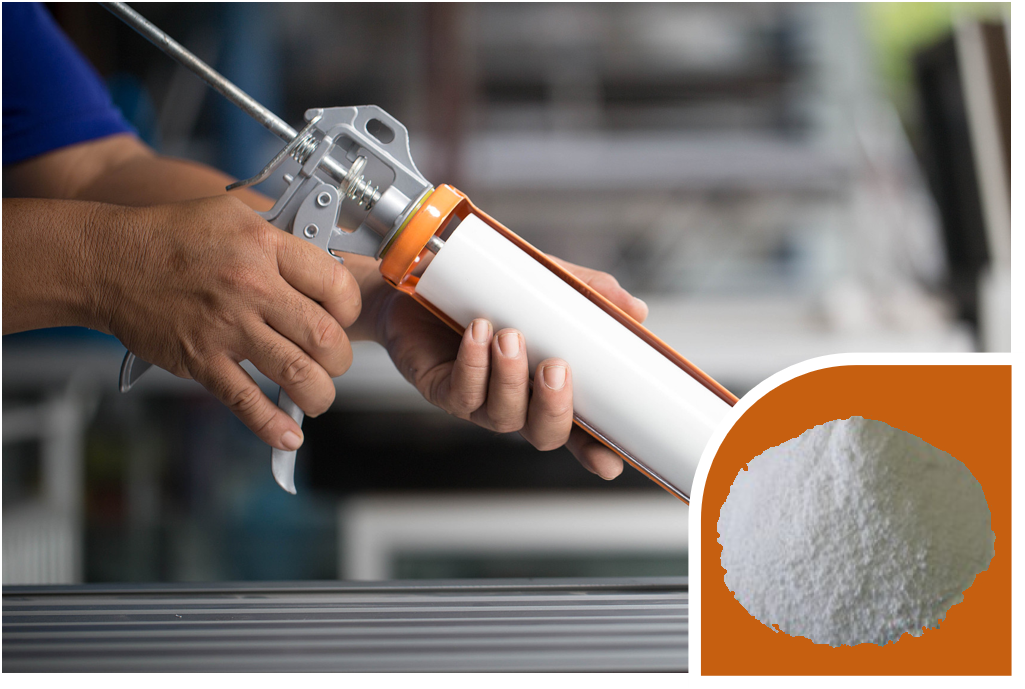
Steel loses roughly half its structural strength at 550°C, which is well below temperatures reached in a building fire. Intumescent coatings containing APP are applied to structural steel beams, columns, and decking to delay this temperature rise and extend the time available for evacuation and fire suppression. When exposed to fire, the coating swells into an insulating char layer several centimeters thick. APP-based intumescent paints are specified in commercial construction, offshore platforms, tunnels, and industrial facilities under standards such as BS 476, EN 13381, and ASTM E119.
Flame-Retardant Plastics and Polymers
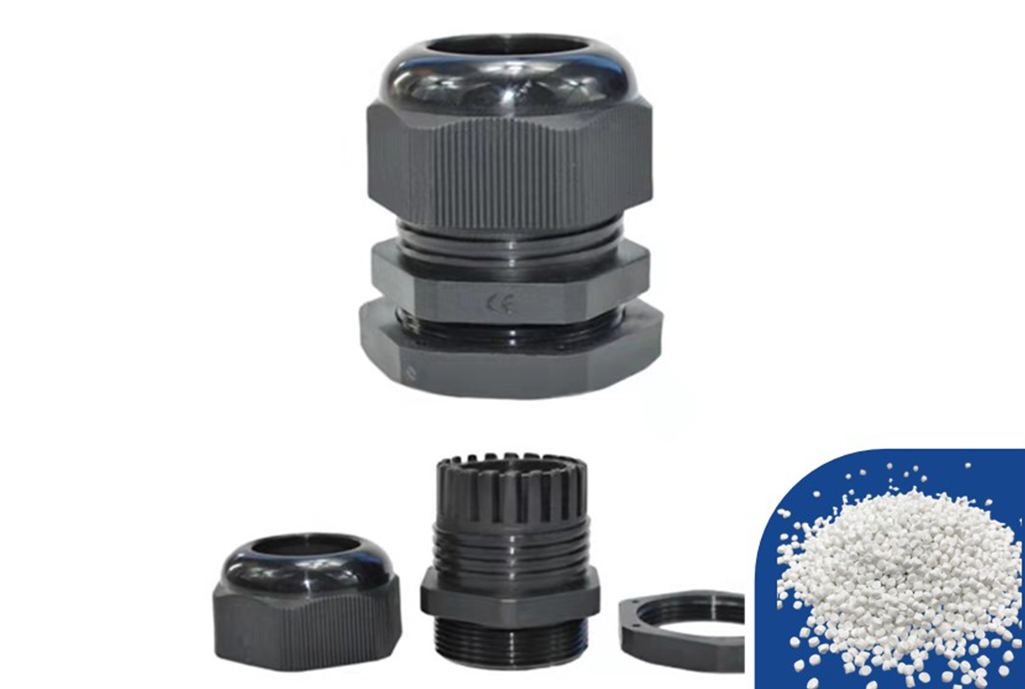
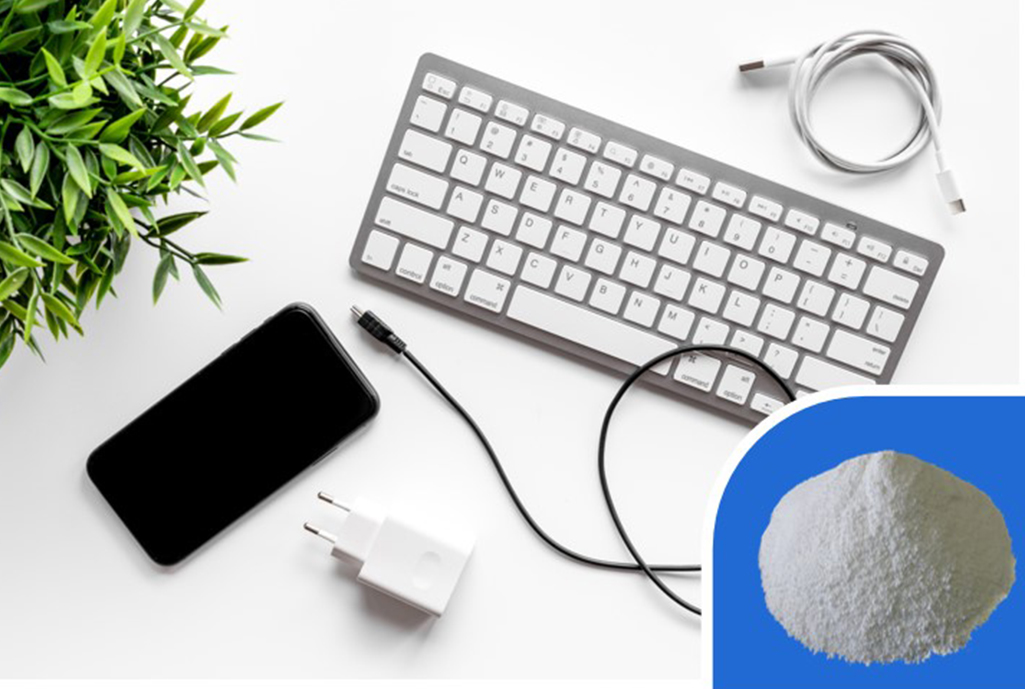
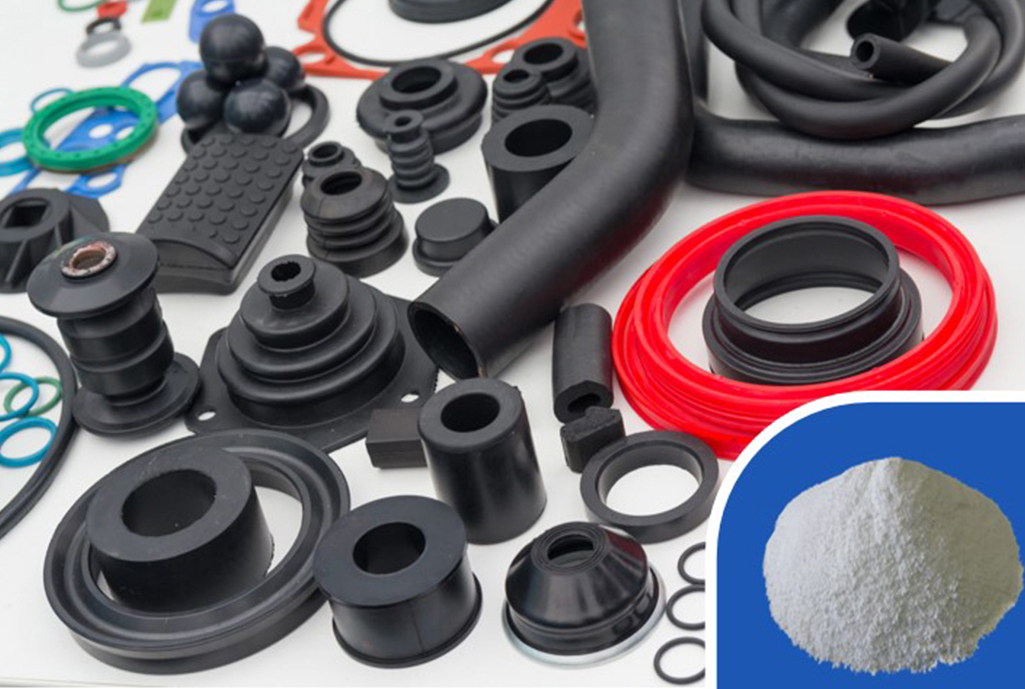
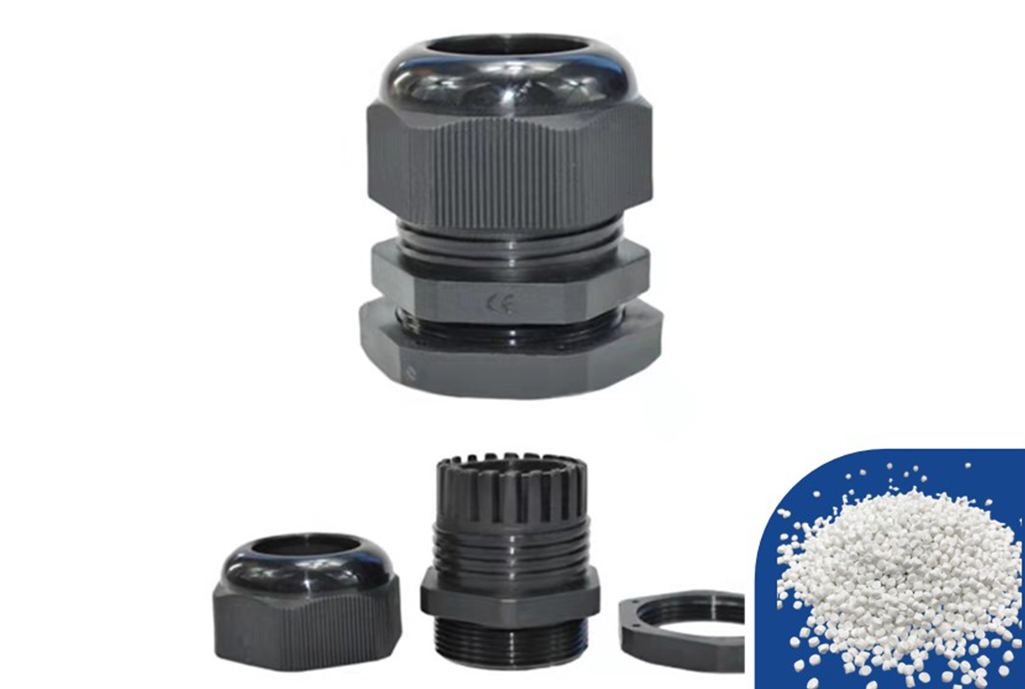
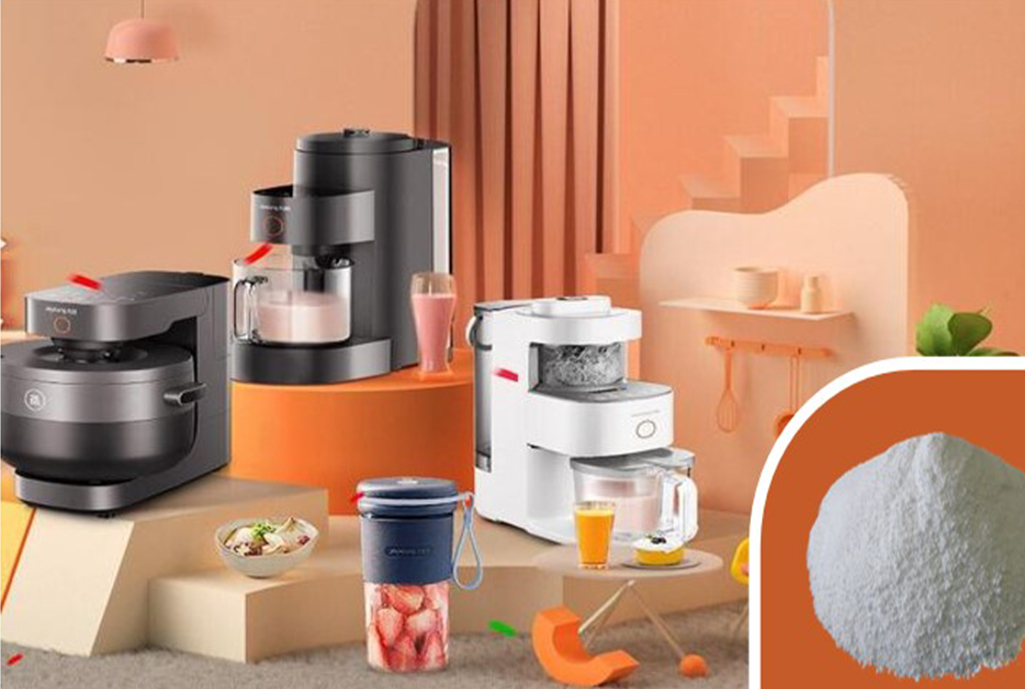
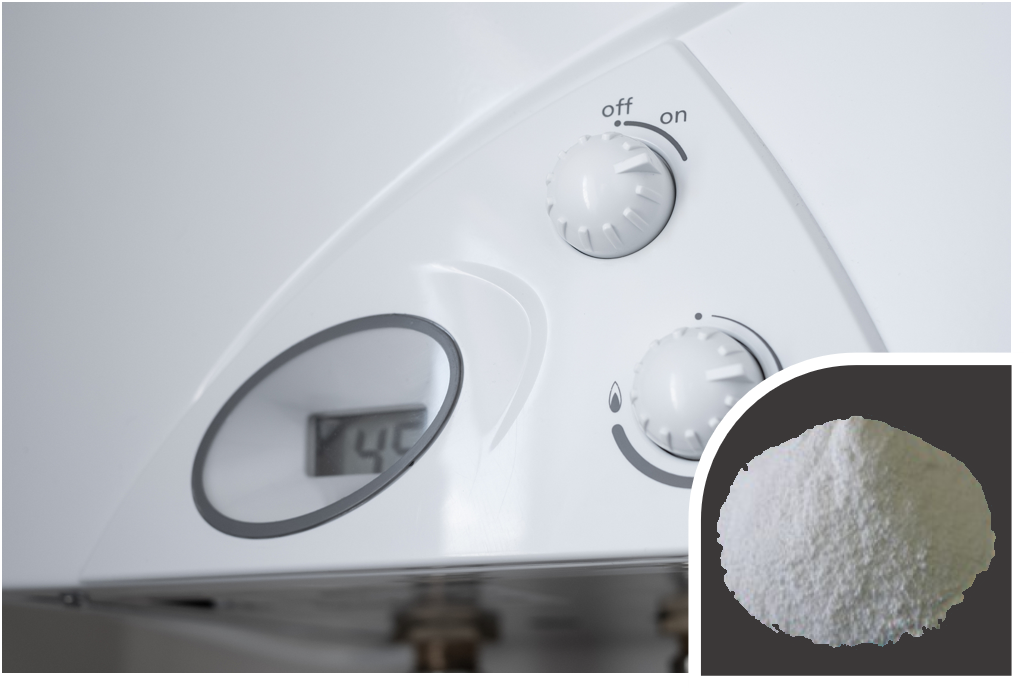
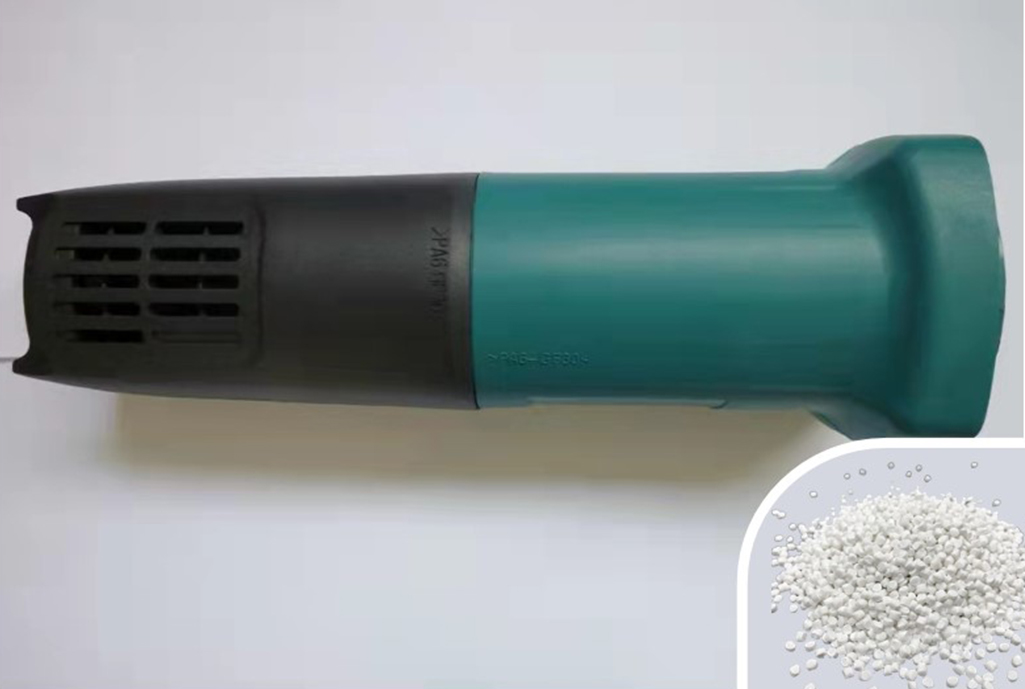
APP is compounded directly into polypropylene, polyurethane foam, epoxy resins, and thermoplastic elastomers to achieve UL 94 V-0 or V-2 ratings. In polypropylene, a typical IFR formulation combines APP with pentaerythritol (a carbon source) and melamine (a gas-blowing agent) at a total loading of 25–35% by weight. The resulting compound meets flame retardancy requirements for electrical housings, automotive interior panels, cable insulation, and appliance components — all without the processing issues associated with antimony-brominated systems.
Wood and Cellulosic Material Treatment
Wood is a naturally carbon-rich substrate ideally suited to APP's char-forming mechanism. APP is used in fire-retardant impregnation treatments for timber used in roofing, flooring, and wall panels, as well as in fire-retardant paints for wooden structural elements. Treated wood can achieve Class B or Class C reaction to fire ratings under EN 13501-1 standards. APP also finds use in medium-density fiberboard (MDF), particle board, and paper laminates for furniture and fit-out applications where building codes require reduced flame spread.
Agricultural Fertilizers
Phase I APP — the water-soluble grade — is an efficient concentrated phosphorus and nitrogen fertilizer. With an analysis of approximately 11% nitrogen and 60% P₂O₅, it delivers both macronutrients in a single product compatible with liquid fertigation systems and foliar sprays. It is used in precision irrigation agriculture, greenhouse production, and liquid blending operations. This is a chemically distinct application from flame retardant use, but it represents a major share of global APP production volume.
Firefighting Retardants
Aerial and ground-based firefighting operations use long-term fire retardant formulations that contain APP or ammonium phosphate salts as the active ingredient. When dropped ahead of a wildfire, these slurries coat vegetation and soil, leaving a phosphate residue that inhibits combustion even after the water carrier evaporates. Products such as Phos-Chek, which is widely used by forestry services in North America and Australia, rely on this chemistry.
APP in Intumescent Systems: Choosing the Right Formulation
APP does not operate in isolation in most flame retardant applications. It functions as the acid source in a three-component intumescent system. The full system requires:
- Acid source:Ammonium polyphosphate (APP) — generates polyphosphoric acid on heating
- Carbon source (char former):Pentaerythritol, starch, sorbitol, or the polymer matrix itself — provides the carbonaceous fuel for char formation
- Gas-blowing agent (spumific):Melamine, melamine cyanurate, or urea — generates inert gas to foam the char into an expanded, low-density insulating structure
The ratio between these three components determines the quality and timing of char formation. For coatings applications, the total loading, binder type, and APP particle size all affect adhesion, mechanical durability, and intumescent expansion ratio. Formulators typically evaluate performance using cone calorimetry (ISO 5660) and bench-scale furnace tests before proceeding to full certification testing.
When selecting an APP grade for a specific application, consider the following:
- Processing temperature:If the polymer is processed above 200°C (e.g., nylon or polyester), use high-polymerization Phase II APP with a thermal stability of at least 280–300°C to avoid premature decomposition during compounding.
- Humidity resistance:In outdoor or high-humidity environments, microencapsulated APP grades greatly reduce moisture uptake and the resulting loss of flame retardancy.
- Particle size:Finer particles (d50 < 10 µm) improve dispersion in solvent-based and waterborne coatings but may increase viscosity. Coarser grades (d50 15–25 µm) are easier to handle in melt compounding operations.
- Regulatory compliance:Confirm that the grade is REACH-compliant and, where applicable, listed under relevant food-contact or toy-safety regulations if the end product requires it.
Safety, Handling, and Environmental Profile
Ammonium polyphosphate has a favorable safety and environmental profile relative to most legacy flame retardants. Key points for handlers and formulators include:
- Toxicity:APP has low acute oral toxicity (LD50 > 2000 mg/kg in rodent studies) and is not classified as carcinogenic or mutagenic under GHS/CLP criteria. Standard industrial hygiene precautions — dust control, appropriate respirator for fine powder handling — apply.
- Environmental fate:APP breaks down in the environment to orthophosphate and ammonia, both naturally occurring compounds. Unlike organophosphate flame retardants, it does not bioaccumulate. However, because phosphorus is a nutrient, large releases into water bodies should be avoided to prevent eutrophication.
- Storage:Store in dry conditions away from moisture. Phase I APP in particular is hygroscopic and will cake if exposed to humidity. Phase II grades are more stable but should still be kept in sealed packaging at temperatures below 40°C.
- Halogen-free credentials:APP contains no halogens and does not generate dioxins, furans, or hydrogen halide gases on combustion — a major advantage in enclosed spaces such as tunnels, data centers, and marine vessels where smoke toxicity is a critical concern.
Market Trends and the Future of APP
Global demand for ammonium polyphosphate flame retardant grades has grown steadily, driven by several converging trends. The EU's RoHS and REACH frameworks, alongside similar legislation in China (GB standards) and the United States (California Proposition 65 and the CPSC Modernization Act), have pushed formulators away from halogenated systems. APP, as a well-established halogen-free alternative with decades of application data, has been a direct beneficiary.
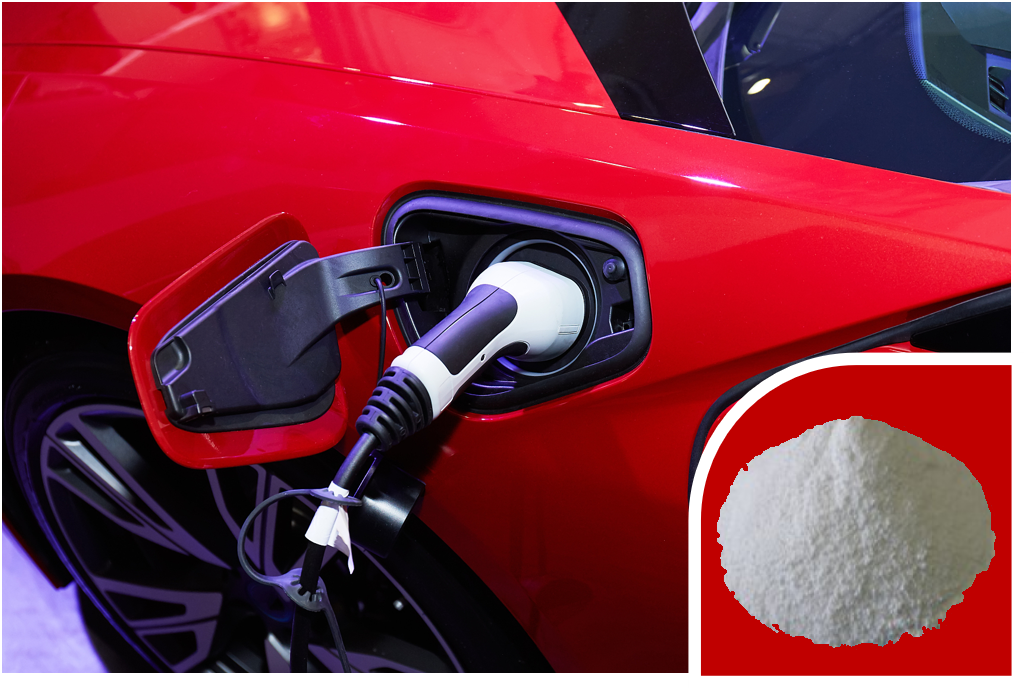
The expansion of electric vehicles is opening new demand. Battery enclosures, cable management systems, and under-floor polymer components all require flame retardancy, and the sensitivity of EV battery packs to halogen-containing compounds — which can corrode electronics — has increased interest in APP-based IFR systems for polypropylene and polyamide substrates.
Research and development is currently focused on several areas: nanoencapsulation of APP to improve compatibility with engineering resins, reactive APP grades that bond covalently to the polymer backbone rather than simply dispersing as a filler, and bio-based carbon source co-agents derived from starch and cellulose to improve the overall sustainability profile of intumescent systems. These advances are gradually extending the performance envelope of APP into temperature ranges and substrate types where it previously struggled to compete with halogenated systems.



contact details
Address:No. 166, Chenggong Road, Economic Development Zone, Jiashan County, Jiaxing City, Zhejiang Province
TEL: +86-0573-89103923 / +86 182 6841 1181
E-mail: globalmarketing@xusen.com
Quick link
Product
News Center