Tel: +86-0573-89103923 / +86 182 6841 1181

E-mail:globalmarketing@xusen.com



 English
 عربى
عربى 简体中文
简体中文Halogen-Free Flame Retardant: What It Is, How It Works, and Why More Industries Are Switching to It
2026-03-25
Content
- 1 Why the Industry Started Moving Away from Halogenated Flame Retardants
- 2 What Halogen-Free Flame Retardants Are and How They Work
- 3 The Main Chemical Families of Halogen-Free Flame Retardants
- 4 Key Application Areas Driving Demand for Halogen-Free Flame Retardant Materials
- 5 Comparing Halogen-Free and Halogenated Flame Retardant Systems Across Key Performance Criteria
- 6 Regulatory Standards and Testing Requirements for Halogen-Free Flame Retardant Materials
- 7 Practical Challenges in Formulating with Halogen-Free Flame Retardants
- 8 How to Select the Right Halogen-Free Flame Retardant System for Your Application
Why the Industry Started Moving Away from Halogenated Flame Retardants
For decades, halogenated flame retardants — compounds containing bromine or chlorine — were the dominant choice for fire protection in plastics, electronics, textiles, and construction materials. They worked well, were cost-effective, and could be incorporated into a wide range of polymer systems without dramatically compromising mechanical properties. The problem was not their effectiveness at preventing ignition. The problem was what happened when they burned anyway, or when they degraded over time in the environment.
When halogenated flame retardants combust, they release hydrogen halide gases — hydrogen bromide and hydrogen chloride — that are acutely toxic, highly corrosive, and capable of causing severe respiratory damage in fire evacuation scenarios. Beyond acute toxicity, certain brominated flame retardants, particularly polybrominated diphenyl ethers (PBDEs), were found to be persistent organic pollutants — they accumulate in biological tissue, resist environmental degradation, and have been detected in human blood, breast milk, and wildlife globally. This evidence triggered a wave of regulatory action beginning in the early 2000s, with the European Union's RoHS Directive restricting certain PBDEs in electronics in 2003 and the Stockholm Convention on Persistent Organic Pollutants adding several brominated compounds to its restricted list in subsequent years. These regulatory pressures, combined with growing demand from manufacturers seeking safer, more sustainable material profiles, drove the rapid development and adoption of halogen-free flame retardant systems as viable alternatives.
What Halogen-Free Flame Retardants Are and How They Work
A halogen-free flame retardant (HFFR) is any flame retardant compound or system that achieves fire resistance without containing fluorine, chlorine, bromine, or iodine — the halogen elements. This definition encompasses a broad and chemically diverse family of substances, united by their shared absence of halogens rather than by any single chemical mechanism. The practical consequence of this diversity is that different halogen-free flame retardant chemistries work through fundamentally different physical and chemical mechanisms, and selecting the right one for a given application requires understanding how each mechanism interacts with the host material and the fire conditions it is designed to resist.
Unlike halogenated systems, which primarily work in the gas phase by disrupting the radical chain reactions of combustion, halogen-free flame retardants typically act through one or more of the following mechanisms: endothermic decomposition that absorbs heat from the burning substrate, char formation that creates a protective carbonaceous barrier on the material surface, intumescence that causes the material to expand and form an insulating foam layer when heated, or fuel dilution through the release of inert gases that reduce the concentration of combustible vapors in the flame zone. Many modern halogen-free flame retardant formulations combine two or more of these mechanisms synergistically to achieve performance levels competitive with traditional halogenated systems, often while also delivering improved smoke suppression characteristics.
The Main Chemical Families of Halogen-Free Flame Retardants
Understanding the major halogen-free flame retardant chemical families helps formulators, product designers, and procurement professionals make informed decisions about which system is appropriate for their specific application, processing conditions, and regulatory requirements.
Phosphorus-Based Flame Retardants
Phosphorus-based compounds are the most commercially significant family within halogen-free flame retardants and include a wide range of inorganic and organic chemistries. Red phosphorus is one of the oldest and most effective phosphorus-based flame retardants, used in polyamides and thermoplastic elastomers, where it provides excellent flame retardancy at relatively low loadings. Organic phosphorus compounds — including phosphate esters, phosphonates, and phosphinates — are widely used in engineering plastics, epoxy resins, polyurethane foams, and textiles. Aluminum diethylphosphinate (AlPi), marketed under trade names such as Exolit OP, has become one of the most important halogen-free flame retardants for glass-fiber-reinforced polyamide and polyester compounds used in electrical and electronic components, offering high flame retardant efficiency with minimal impact on mechanical properties. Phosphorus compounds act primarily in the condensed phase by promoting char formation through dehydration reactions, though some also contribute to gas-phase flame inhibition through phosphorus radical species.
Nitrogen-Based Flame Retardants
Nitrogen-based halogen-free flame retardants work primarily through gas-phase dilution — releasing large volumes of inert nitrogen gases such as nitrogen, ammonia, and water vapor when heated, which dilute the combustible gas mixture and lower the flame temperature below the threshold required for sustained combustion. Melamine and melamine derivatives (melamine cyanurate, melamine polyphosphate, melamine borate) are the most widely used nitrogen-based flame retardants. Melamine cyanurate is particularly effective in unfilled polyamide 6 and polyamide 66, where it achieves UL 94 V-0 ratings at loadings of around 15–20% by weight. Melamine polyphosphate combines nitrogen and phosphorus mechanisms, making it effective in a broader range of polymer systems including polyurethane and polyolefins. Nitrogen-based systems are valued for their low toxicity, good thermal stability, and compatibility with a wide range of polymer matrices.
Mineral Flame Retardants
Mineral or inorganic halogen-free flame retardants are the largest volume category globally, dominated by aluminum trihydroxide (ATH) and magnesium hydroxide (MDH). Both compounds work through the same fundamental endothermic decomposition mechanism: when heated to their decomposition temperature — approximately 200°C for ATH and 300°C for MDH — they release chemically bound water as steam, absorbing substantial heat energy in the process and suppressing the surface temperature of the burning material below its combustion threshold. The released water vapor also dilutes combustible gases in the flame zone. MDH's higher decomposition temperature makes it compatible with polymers that are processed above 200°C, such as polypropylene and polyethylene, where ATH would decompose prematurely during compounding. The main limitation of mineral flame retardants is that they require very high loadings — typically 40–65% by weight of the compound — to achieve adequate flame retardancy. These high loadings significantly affect the mechanical properties of the host material and increase compound density, which limits their use in applications where weight, flexibility, or mechanical performance are critical constraints.
Intumescent Flame Retardant Systems
Intumescent halogen-free flame retardant systems represent one of the most technically sophisticated approaches to fire protection. An intumescent system typically consists of three functional components working together: an acid source (commonly ammonium polyphosphate), a carbon source (such as pentaerythritol or a polymer backbone with hydroxyl groups), and a blowing agent (often melamine or urea). When exposed to heat, the acid source decomposes and catalyzes dehydration of the carbon source to produce a carbonaceous char, while the blowing agent releases gases that expand the char into a multicellular foam structure. This expanded char forms a thick, thermally insulating, and mechanically cohesive barrier on the material surface that protects the underlying substrate from heat and prevents the release of combustible pyrolysis products into the flame. Intumescent systems are widely used in cable jacketing, polypropylene compounds, wire and cable insulation, coatings, and sealants, and are particularly valued in building and construction applications where protection of structural integrity during fire is critical.
Boron-Based and Other Emerging Halogen-Free Systems
Boron compounds including zinc borate and boric acid function as halogen-free flame retardants and smoke suppressants in polymers such as PVC replacements, rubbers, and polyolefins. Zinc borate is particularly valued as a synergist that enhances the performance of other flame retardant systems at lower total additive loadings. Emerging halogen-free flame retardant technologies include nano-composite systems — where nanoparticles such as montmorillonite clay, carbon nanotubes, or graphene are used to create a barrier effect at the nanoscale — and bio-based flame retardant systems derived from renewable materials such as phytic acid, lignin, and DNA, which represent an active area of academic and commercial research driven by sustainability goals.
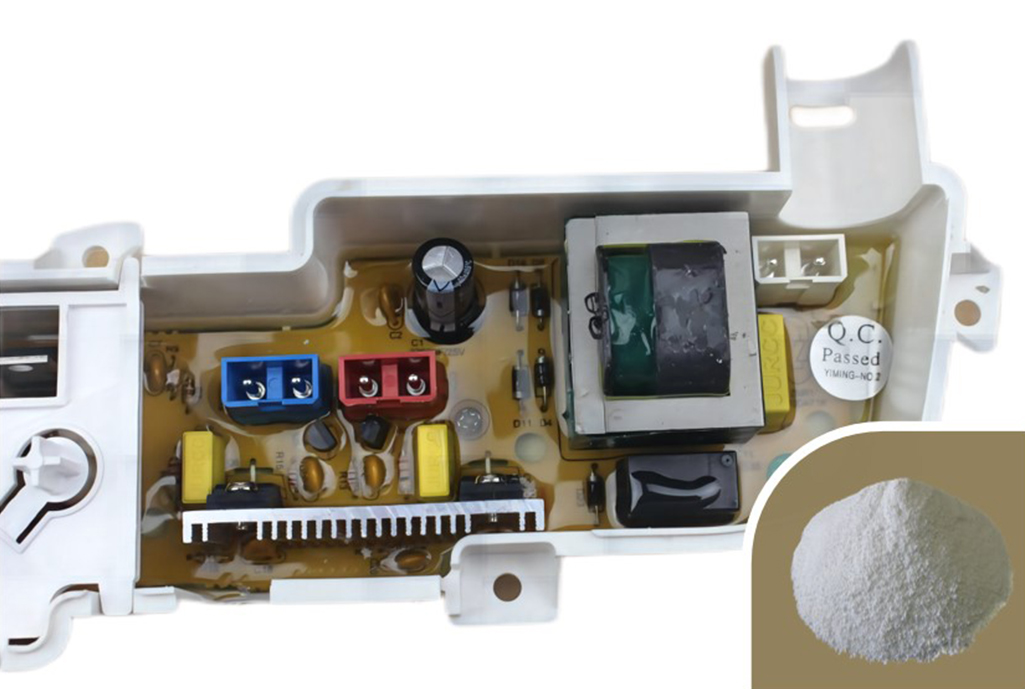
Key Application Areas Driving Demand for Halogen-Free Flame Retardant Materials
The transition to halogen-free flame retardant systems has been uneven across industries, with some sectors moving decisively to halogen-free specifications while others still rely on halogenated systems where performance requirements are difficult to meet otherwise. Understanding the key application drivers helps clarify where halogen-free technology is most mature and where the most active development is occurring.
- Wire and cable insulation and jacketing: This is the largest single application for halogen-free flame retardant compounds globally. Low smoke halogen-free (LSOH or LSZH) cables are mandated in confined public spaces — tunnels, railway carriages, ships, airports, and public buildings — where toxic smoke and corrosive gas generation from burning cables poses an unacceptable risk to evacuation and emergency response. LSZH cable compounds based on ATH or MDH-filled polyolefin systems are now the global standard in these environments and are increasingly specified in commercial building construction even where not legally required.
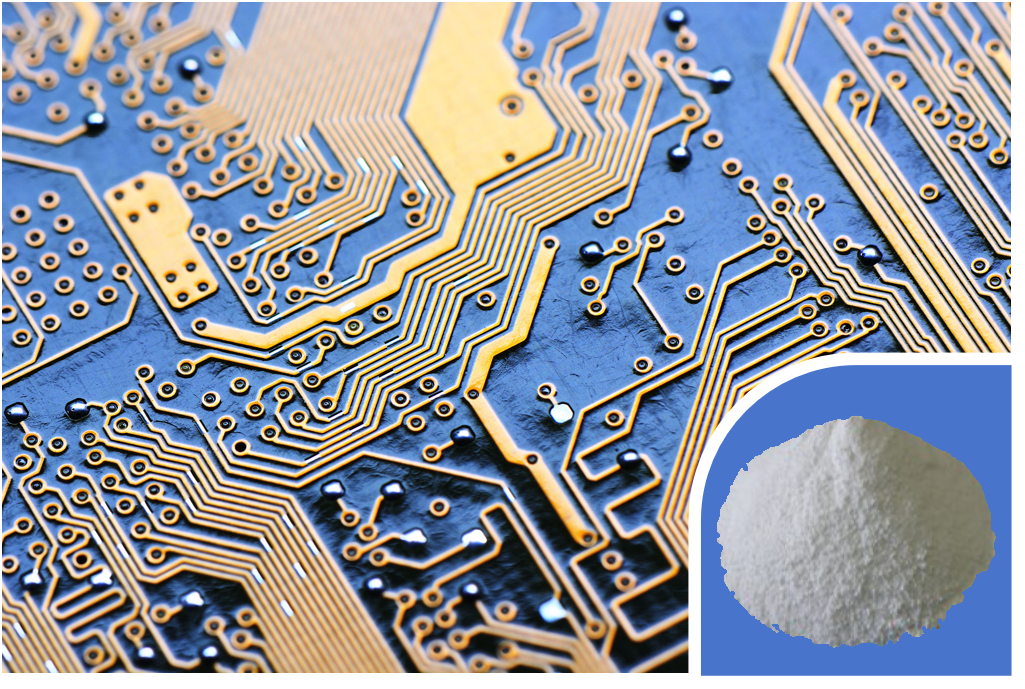
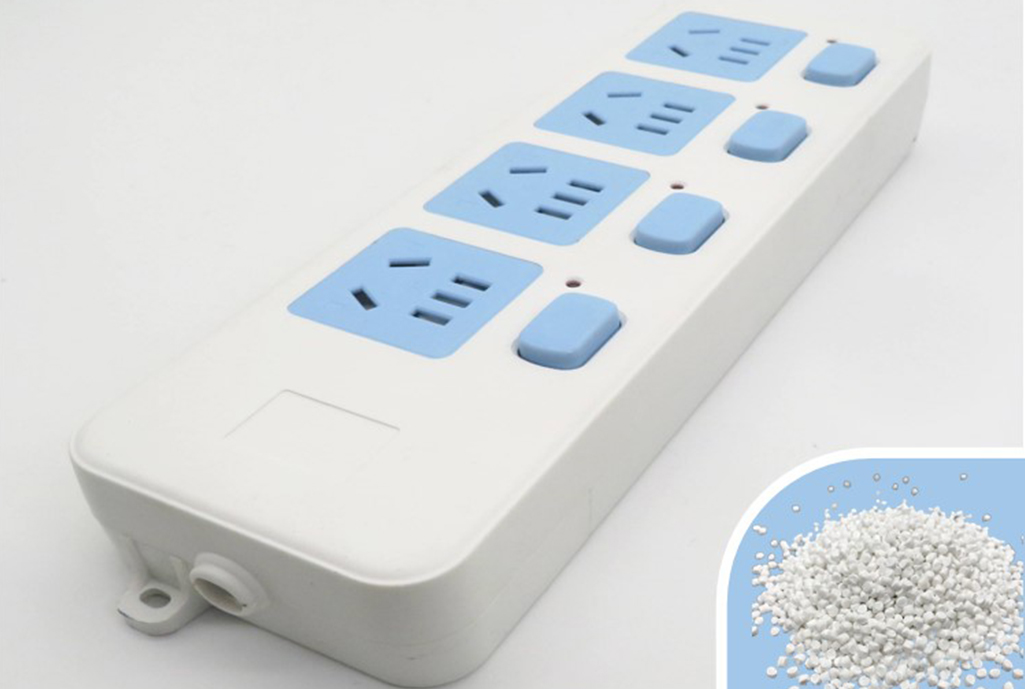
- Electrical and electronic components: Printed circuit boards, connectors, housings, and enclosures for consumer electronics, industrial equipment, and automotive electronics are subject to UL 94 flammability requirements and, in many markets, RoHS compliance that restricts specific halogenated flame retardants. Phosphinate-based systems, intumescent compounds, and nitrogen-phosphorus synergistic systems are widely used in engineering plastics for these components.
- Building and construction materials: Insulation foams, pipe insulation, cable management systems, wall panels, and structural composite materials increasingly use halogen-free flame retardant formulations to meet building codes that specify both fire performance and smoke toxicity requirements. Intumescent sealants and coatings are critical components of passive fire protection systems in modern buildings.
- Transportation: Automotive, railway, and aerospace applications have stringent fire safety standards that vary by market and vehicle type. Railway applications in Europe are governed by EN 45545, which imposes strict hazard level requirements for both flame spread and smoke toxicity — requirements that typically necessitate halogen-free flame retardant material solutions. Automotive applications increasingly specify halogen-free materials in interior components, particularly in electric vehicles where battery thermal runaway scenarios place additional fire risk demands on surrounding materials.
- Textiles and apparel: Flame retardant textiles for protective workwear, military uniforms, children's nightwear, and upholstered furniture use halogen-free finishing treatments based on phosphorus compounds, intumescent systems, or inherently flame-retardant synthetic fibers to meet standards such as EN ISO 11612, NFPA 2112, and UK BS 5852.
Comparing Halogen-Free and Halogenated Flame Retardant Systems Across Key Performance Criteria
Understanding the genuine trade-offs between halogen-free and halogenated flame retardant systems is essential for making informed material specification decisions. Neither system is universally superior — the right choice depends on the specific application requirements, regulatory environment, and performance priorities.
| Performance Criterion | Halogen-Free FR Systems | Halogenated FR Systems |
| Flame retardancy efficiency | Good to excellent depending on system; may require higher loadings | Very high efficiency at low loadings |
| Smoke toxicity during combustion | Low; no hydrogen halide gas release | High; releases toxic HBr or HCl |
| Smoke density during combustion | Generally lower | Can be higher, particularly brominated systems |
| Corrosivity of combustion gases | Low; minimal corrosive gas generation | High; corrosive halide gases damage electronics and metals |
| Impact on host polymer mechanical properties | Can be significant at high mineral loadings; less impact with efficient organic systems | Generally lower at equivalent FR performance |
| Environmental persistence | Generally low; most are not bioaccumulative | Some compounds are persistent organic pollutants |
| Regulatory compliance (RoHS, REACH) | Compliant with current major regulations | Several compounds restricted or banned |
| Cost | Variable; mineral types low cost, organic phosphorus types moderate to high | Generally lower per unit flame retardant effect |
Regulatory Standards and Testing Requirements for Halogen-Free Flame Retardant Materials
Specifying a halogen-free flame retardant material involves navigating multiple overlapping regulatory and testing frameworks that vary by application sector, geography, and end-use environment. Understanding the most important standards helps avoid compliance failures and ensures that flame retardant performance claims are substantiated by recognized test methods.
Flammability Performance Standards
UL 94 is the most widely referenced flammability standard for plastic materials in electrical and electronic applications globally. It classifies materials from HB (slowest burning, horizontal burn test) through V-2, V-1, and V-0 (increasingly stringent vertical burn tests) to 5VA and 5VB (the most demanding, requiring resistance to a 500W flame). Achieving UL 94 V-0 — which requires that test specimens self-extinguish within 10 seconds after each flame application with no flaming drips — is the baseline requirement for most electrical enclosure and connector applications. IEC 60332 covers flammability testing for cables and wires, with different parts addressing single cable burning, bunched cable propagation, and flame spread, which are critical for LSZH cable qualification.
Smoke and Toxicity Standards
IEC 61034 measures the smoke density produced by burning cables under defined conditions, and minimum light transmittance thresholds in this test are a core requirement for LSZH cable certification. IEC 60754 is the standard test for halogen acid gas content of combustion gases from cables — a material must release less than 0.5% by weight of hydrogen halide gas to pass, which by definition halogenated systems cannot achieve. EN 45545 for railway applications and IMO FTP Code for marine applications both combine fire performance tests with smoke toxicity assessments using FTIR analysis of combustion gases, establishing a toxicity index limit that halogen-free systems are specifically designed to meet.
Chemical Substance Regulations
The EU RoHS Directive currently restricts decabromodiphenyl ether (DecaBDE) and several other brominated flame retardants in electrical and electronic equipment. The EU REACH regulation places additional restrictions on substances of very high concern (SVHCs), with several halogenated flame retardants included on the SVHC candidate list. Halogen-free flame retardant systems are by definition free from bromine and chlorine compounds, providing a clear compliance pathway for manufacturers selling into markets with the most stringent chemical substance regulations. However, compliance with halogen-free specifications should be confirmed through supplier declarations and, for critical applications, verified by independent analytical testing using IEC 60754 or equivalent methods rather than assumed based on material descriptions alone.
Practical Challenges in Formulating with Halogen-Free Flame Retardants
While halogen-free flame retardants offer compelling safety and regulatory advantages, formulators and compound manufacturers face genuine technical challenges when developing halogen-free compounds that meet both fire performance requirements and the mechanical, processing, and aesthetic properties demanded by end-use applications. Understanding these challenges is important for setting realistic development timelines and expectations.
- High additive loadings with mineral systems: ATH and MDH require loadings of 40–65% by weight to achieve V-0 or equivalent performance, which significantly reduces elongation at break, tensile strength, and flexibility in polyolefin compounds. Achieving an acceptable balance between fire performance and mechanical properties requires careful optimization of particle size distribution, surface treatment of the filler, and selection of a polymer matrix with sufficient baseline toughness to tolerate high inorganic loading.
- Processing temperature constraints: ATH decomposes at approximately 200°C, which limits its use to polymers that can be processed below this temperature. Exceeding this temperature during compounding or injection molding causes premature water release, generating voids, surface defects, and loss of flame retardant effectiveness. Careful process temperature management and the use of surface-treated ATH grades with slightly elevated decomposition temperatures are key strategies for managing this constraint.
- Performance gaps in specific polymer systems: Halogen-free flame retardant systems that work well in one polymer may perform poorly in another due to differences in char formation tendency, melt viscosity, and chemical interaction between the additive and the polymer backbone. Developing halogen-free solutions for challenging substrates such as polycarbonate, ABS, or glass-fiber-reinforced thermosets often requires custom synergistic combinations and extended formulation development work.
- Color and aesthetics limitations: Some halogen-free flame retardants impose color constraints on the finished compound. Red phosphorus produces a dark red coloration that limits achievable final colors to dark shades. Certain phosphinate systems can cause yellowing under UV exposure or at processing temperatures. Formulators targeting light-colored or white compound aesthetics with halogen-free flame retardants may need to use UV stabilizers, color masterbatches, or switch to alternative flame retardant chemistries with better color compatibility.
- Moisture sensitivity: Some halogen-free flame retardant compounds, particularly those based on intumescent systems containing ammonium polyphosphate, are sensitive to moisture absorption. In high-humidity environments or applications involving water contact, moisture can cause surface blooming, hydrolytic degradation of the flame retardant, loss of mechanical properties, and reduction in fire performance over time. Encapsulated ammonium polyphosphate grades and selection of a hydrophobic polymer matrix are standard strategies for improving moisture resistance in these systems.
How to Select the Right Halogen-Free Flame Retardant System for Your Application
With such a diverse range of halogen-free flame retardant chemistries available, a systematic selection process is more reliable than relying on a single recommendation or defaulting to the most familiar option. Working through the following key questions provides a structured framework for narrowing down the appropriate system for any specific application.
- What polymer matrix is the flame retardant being incorporated into? The chemical compatibility between the flame retardant and the host polymer is the first filter. Phosphinates work well in polyamides and polyesters; ATH and MDH suit polyolefins and EVA; melamine derivatives are preferred for unfilled polyamides and polyurethanes; intumescent systems are widely applicable but particularly effective in polyolefins and coatings.
- What flammability classification or standard must the finished material meet? The target fire performance level — UL 94 rating, LOI value, cone calorimeter performance, or specific cable standard — sets the minimum effectiveness threshold the flame retardant system must achieve and directly influences the required loading level and the potential for a given chemistry to deliver it in your polymer.
- What processing temperatures does the compound experience? Compounding temperature, injection molding temperature, and extrusion temperature all impose thermal stability requirements on the flame retardant. Confirm that the selected flame retardant is thermally stable throughout the entire processing window before proceeding to compound trials.
- What mechanical properties must the finished compound retain? If tensile strength, elongation, impact resistance, or flexibility are critical, mineral-based systems at high loadings may be disqualifying. Efficient organic phosphorus or nitrogen-phosphorus systems that achieve adequate flame retardancy at lower loadings (10–25%) will preserve mechanical properties better and should be prioritized for mechanically demanding applications.
- Are there specific regulatory compliance requirements beyond flammability performance? If the product must comply with RoHS, REACH SVHC restrictions, food contact regulations, or specific market certifications, verify that the proposed flame retardant system is compliant with all applicable chemical substance regulations in the target markets before finalizing the formulation.


contact details
Address:No. 166, Chenggong Road, Economic Development Zone, Jiashan County, Jiaxing City, Zhejiang Province
TEL: +86-0573-89103923 / +86 182 6841 1181
E-mail: globalmarketing@xusen.com
Quick link
Product
News Center