Tel: +86-0573-89103923 / +86 182 6841 1181

E-mail:globalmarketing@xusen.com



 English
 عربى
عربى 简体中文
简体中文Ammonium Polyphosphate Explained: Grades, How It Works, and Where It's Used
2026-05-21
Ammonium polyphosphate (APP) is one of the most widely used halogen-free flame retardants in the world, and for good reason. It combines high phosphorus and nitrogen content in a single molecule, making it exceptionally effective as both a standalone flame retardant and the acid-source component of intumescent systems. It is non-toxic, environmentally compliant with RoHS and REACH, and compatible with a broad range of polymer systems and coatings formulations. This article covers what ammonium polyphosphate actually is, how its different grades differ, how it works as a flame retardant, where it is used, and what practical issues to watch for when formulating with it.
Content
- 1 What Ammonium Polyphosphate Is and How It Is Structured
- 2 Phase I vs. Phase II: The Most Important Product Distinction
- 3 How Ammonium Polyphosphate Works as a Flame Retardant
- 4 Key Application Areas for Ammonium Polyphosphate
- 5 The Water Resistance Problem and How Microencapsulation Solves It
- 6 Practical Formulation Considerations
What Ammonium Polyphosphate Is and How It Is Structured
Ammonium polyphosphate is an inorganic salt formed from polyphosphoric acid and ammonia. Its chemical formula is H(NH₄PO₃)nOH, where each monomer unit consists of a phosphate group with its negative charge neutralized by an ammonium cation, with the remaining two bonds available for chain polymerization. In branched forms, some monomers link to three other monomers instead of two, creating a cross-linked network structure rather than a simple linear chain. The ratio of phosphorus to nitrogen in the molecule—typically around 1:1—is central to its performance, because both elements contribute to flame retardancy through complementary mechanisms.
The physical and performance properties of ammonium polyphosphate change substantially with the degree of polymerization, which is measured by the value of n (the number of repeat units in the chain). Short-chain oligomers with n below 20 are water-soluble and thermally sensitive. Higher-polymerization grades with n above 50 are suitable for flame retardant applications. The two commercially dominant crystal phases—Phase I and Phase II—represent the most practically important distinction in the APP product family.
Phase I vs. Phase II: The Most Important Product Distinction
Understanding the difference between APP Phase I and APP Phase II is essential for selecting the right grade for a given application. The two phases differ fundamentally in chain length, crystal structure, thermal stability, and water resistance—all of which affect how they perform in service.
|
Property |
APP Phase I |
APP Phase II |
|
Chain length (n) |
< 100 (short, linear) |
> 1000 (long, cross-linked/branched) |
|
Thermal decomposition onset |
~150 °C |
~300 °C |
|
Water solubility |
High — hydrolysis-sensitive |
Very low (< 0.1 g/100 mL) |
|
Primary use |
Fertilizer, some textile treatments |
Flame retardant in polymers, coatings |
|
Processing temperature compatibility |
Low — limits polymer applications |
High — suitable for most thermoplastics |
APP Phase II dominates flame retardant applications. Its high polymerization degree and branched structure give it a thermal decomposition onset of approximately 300°C—well above the processing temperatures of most commodity thermoplastics like polypropylene and polyethylene. Its very low water solubility (below 0.1 g per 100 mL) means it does not leach out of the polymer matrix during exposure to humidity or water, which is critical for long-term performance in outdoor or humid environments. Phase I is occasionally blended with Phase II in specific coating formulations to modify viscosity and application characteristics, but it is not used as a primary flame retardant additive in polymers due to its poor thermal stability and high moisture sensitivity.
How Ammonium Polyphosphate Works as a Flame Retardant
APP functions as a flame retardant through both condensed-phase and gas-phase mechanisms, with the balance between the two depending on the polymer system and whether synergistic co-additives are present.
Condensed-Phase Char Formation
When exposed to heat, APP Phase II decomposes at around 300°C, releasing ammonia gas and generating polyphosphoric acid. The polyphosphoric acid acts as a powerful acid catalyst that dehydrates and cross-links the polymer matrix, promoting the formation of a carbonaceous char layer on the material surface. This char is the primary fire protection mechanism: it acts as a physical and thermal barrier that limits oxygen access to the burning substrate and blocks heat transfer back into the underlying material. The char significantly reduces the release rate of combustible volatile gases into the flame zone, starving the fire of fuel. The quality and stability of this char—its thickness, density, and resistance to oxidation—directly determines the flame retardant performance of the system.
Gas-Phase Dilution
In the gas phase, APP decomposition releases non-flammable ammonia and water vapor. These gases dilute the concentration of combustible pyrolysis products and oxygen in the immediate flame zone, reducing the rate of the combustion reaction. Carbon dioxide is also generated as the char layer undergoes secondary oxidation. While the gas-phase contribution of APP is less dominant than its condensed-phase char-forming mechanism, it is a meaningful contributor to overall flame suppression—particularly in the early stages of ignition before a substantial char layer has formed.
The Intumescent Mechanism
APP's most powerful application is as the acid-source component of intumescent flame retardant (IFR) systems. A classic intumescent formulation combines three functional components, each with a specific role:
- Acid source (APP):Releases polyphosphoric acid on heating, which catalyzes dehydration and char formation in the carbonizing agent.
- Char-forming agent (e.g., pentaerythritol, PER):A polyol that reacts with the phosphoric acid to form a carbonaceous char residue. Pentaerythritol is the most widely used; dipentaerythritol and starch are also used in specific formulations.
- Blowing agent (e.g., melamine):Decomposes to release non-flammable gases (primarily nitrogen and carbon dioxide) that expand the molten char into a thick, low-density foam layer. Melamine and its derivatives (melamine cyanurate, melamine polyphosphate) are the standard blowing agents.
When these three components act together in the correct ratios, the result is a dramatic volumetric expansion of the material surface—forming a thick, multicellular carbonaceous foam that insulates the underlying substrate with far greater effectiveness than a simple char layer alone. In polypropylene compounds, intumescent systems based on APP typically achieve UL 94 V-0 ratings at total IFR loadings of 25 to 30 wt%, with APP-to-pentaerythritol weight ratios commonly in the range of 3:1 to 4:1.
Key Application Areas for Ammonium Polyphosphate
Intumescent Coatings and Fireproof Paints
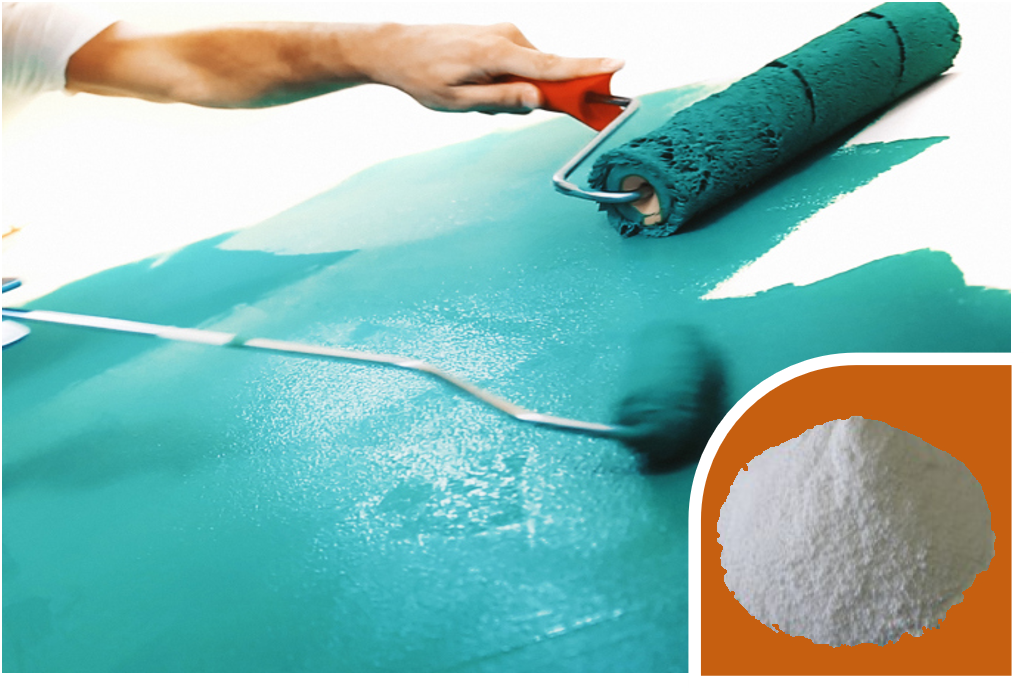
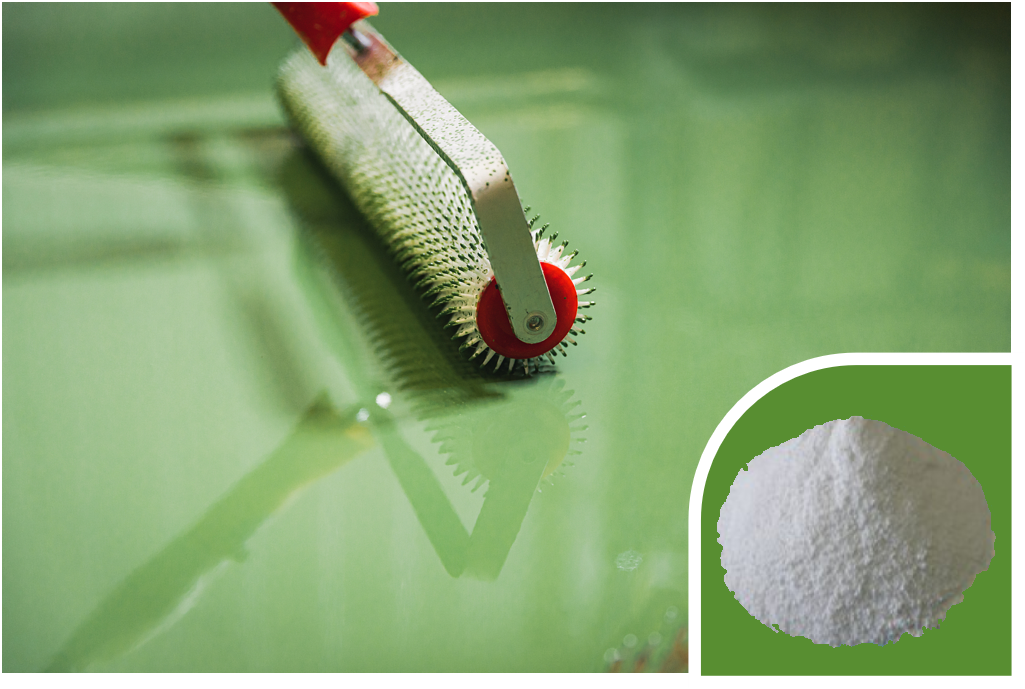
Intumescent coatings represent one of the largest and most commercially mature applications for ammonium polyphosphate. Water-based and solvent-based intumescent paints for structural steel fire protection, wood, and cable trays all rely on APP as the acid source. In a typical intumescent coating formulation, APP contributes 25 to 35 wt% of the total dry formulation weight, combined with 16 to 25 wt% pentaerythritol and 9 to 17 wt% melamine in a polymeric binder system. The coating remains thin and flexible during normal service life, but when exposed to fire temperatures, it expands to 50 to 100 times its original thickness, forming an insulating foam char that protects the substrate from structural damage for a rated fire resistance period—typically 30, 60, or 90 minutes. APP Phase II is the preferred grade for intumescent coatings due to its low water solubility and resistance to leaching in humid service environments.
Polypropylene and Polyolefin Compounds
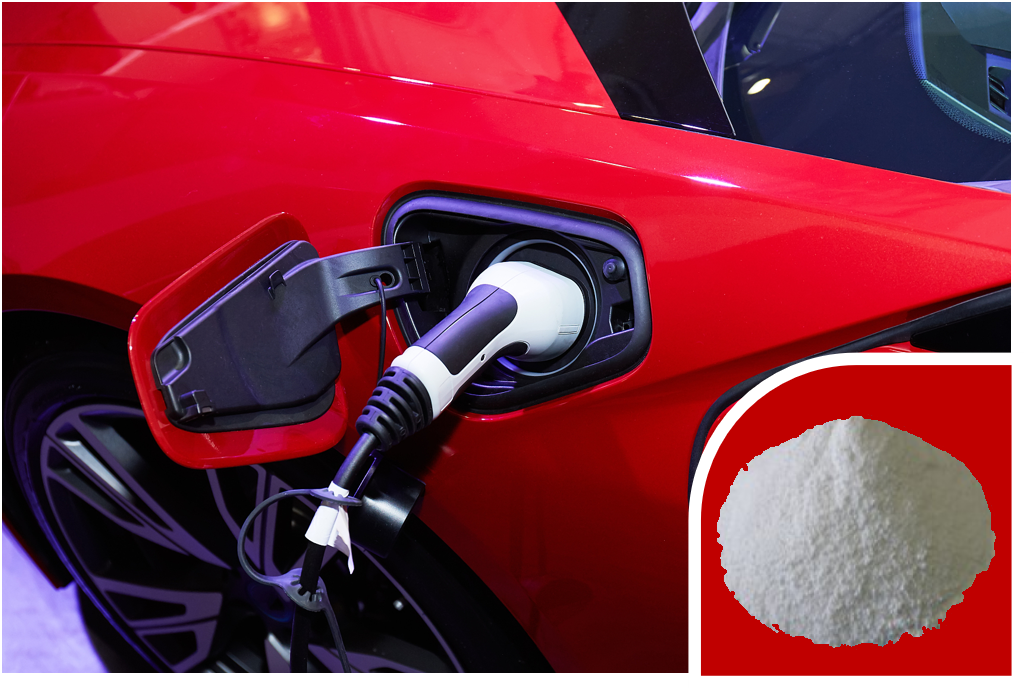
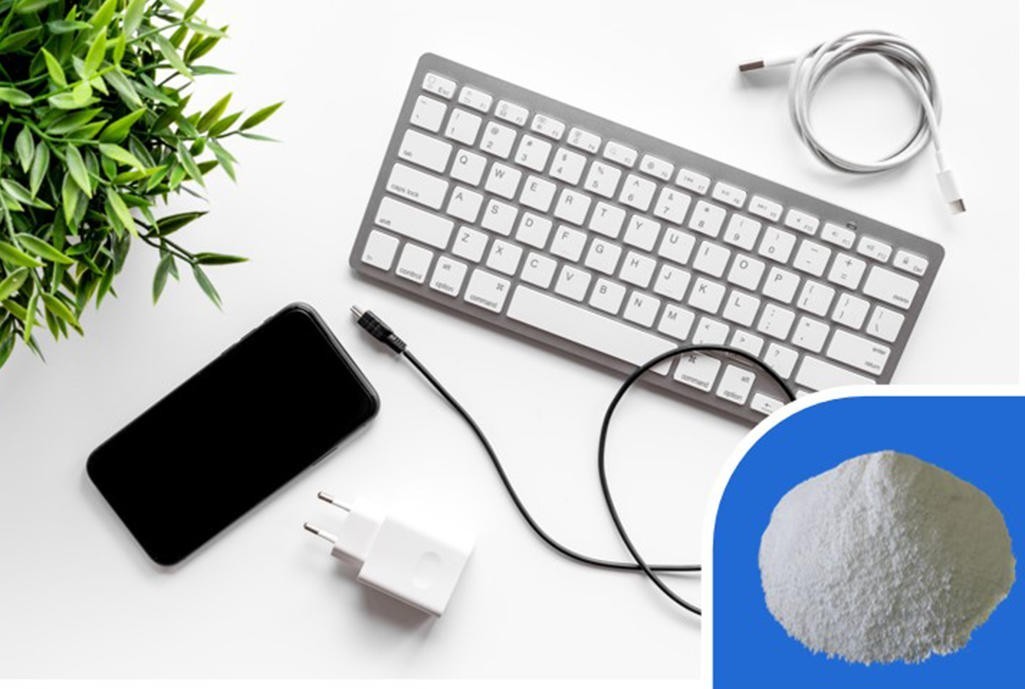
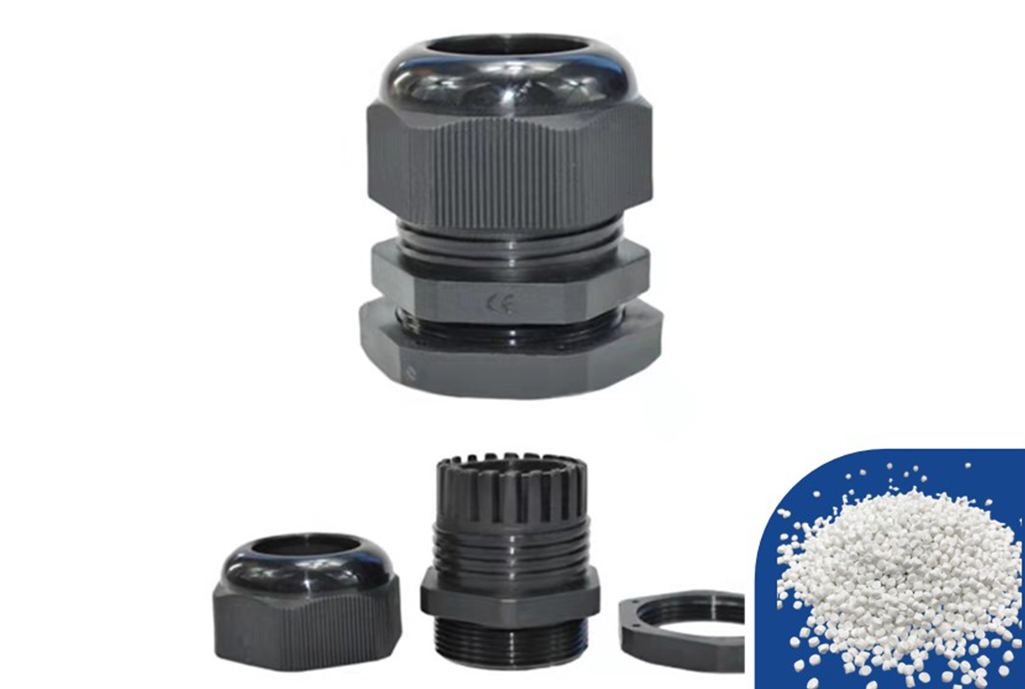
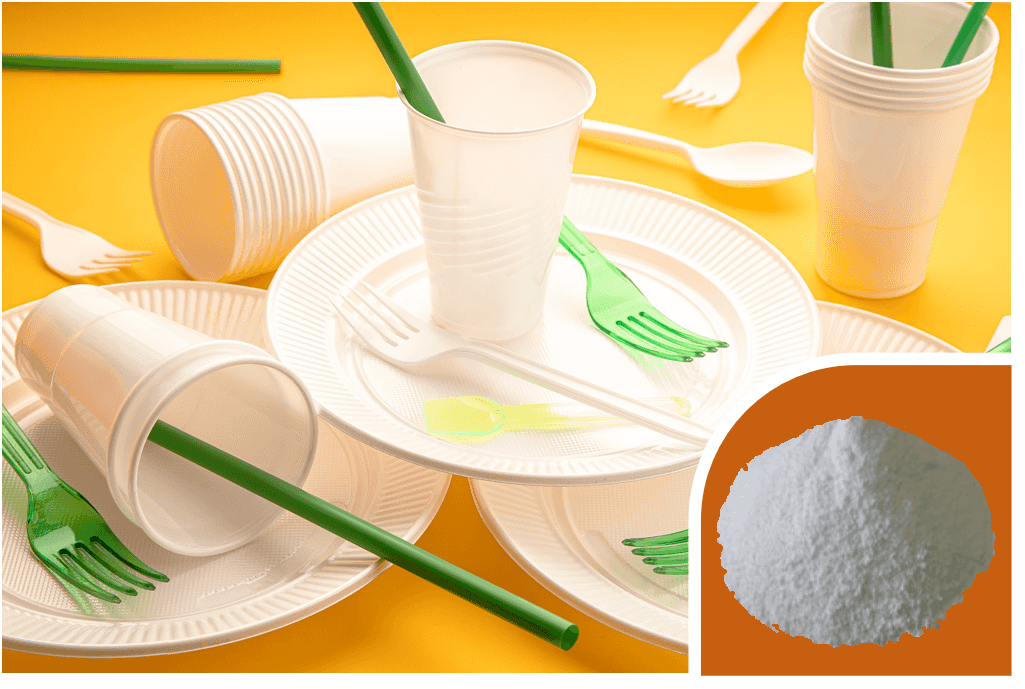
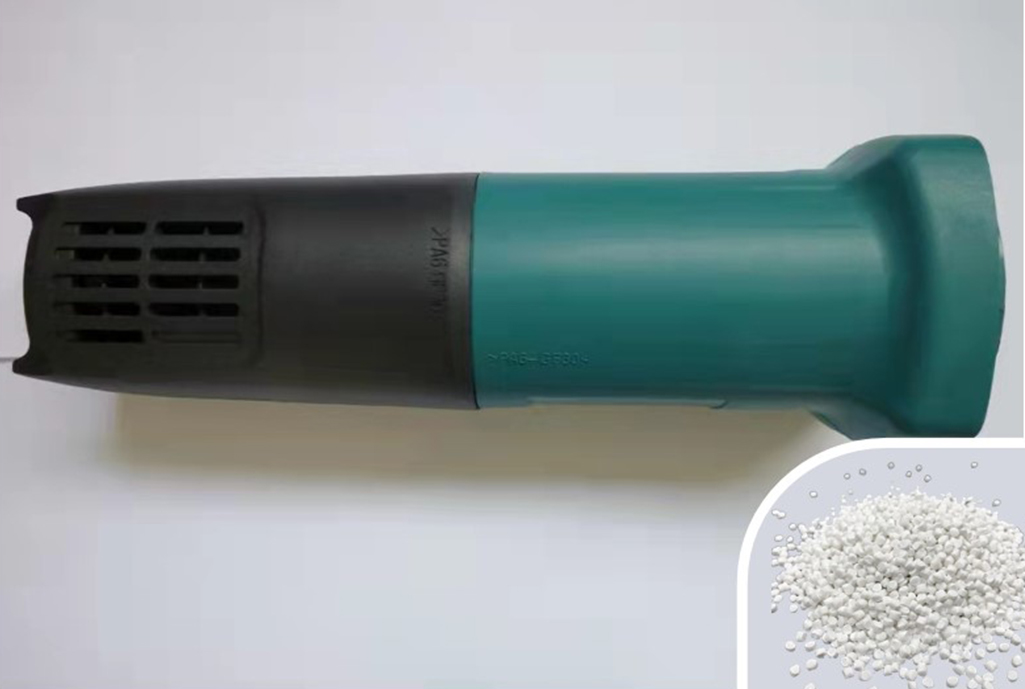
Polypropylene is inherently flammable—it ignites easily, burns with a dripping flame, and has no inherent char-forming tendency. This makes it one of the most important and most extensively studied substrates for APP-based intumescent flame retardant systems. APP in combination with pentaerythritol and melamine (or their derivatives) is the standard halogen-free flame retardant system for flame-retarded polypropylene used in electrical connectors, automotive interior components, appliance housings, and cable management systems. The challenge with polyolefins is compatibility: APP is a hydrophilic, polar material while polyolefin matrices are nonpolar. Poor interfacial adhesion between the APP particles and the polymer matrix leads to reduced mechanical properties. Surface treatment of APP particles—with silane coupling agents, melamine-formaldehyde resin coatings, or polyurethane microencapsulation—significantly improves dispersion and compatibility.
Polyurethane Foams
Both flexible and rigid polyurethane foams use APP as a flame retardant. In flexible foams for furniture upholstery and automotive seating, APP is applied either as a dry additive in the foam formulation or as a back-coating treatment on the fabric surface. Rigid polyurethane foams for building insulation incorporate APP as part of reactive formulations or as an additive. The challenge in polyurethane foam applications is that APP's hydrophilic nature can affect the foam cell structure and the foam's mechanical properties, particularly at the high loading levels needed for significant flame retardancy. APP Phase II, combined with melamine as a co-flame retardant, is the most common system used in these applications.
Epoxy Resins and Thermosets
Epoxy resins used in printed circuit board laminates, encapsulants, and structural adhesives increasingly require halogen-free flame retardancy. APP can be used as an additive in epoxy systems, where it promotes char formation in the cured resin matrix. However, APP's compatibility with epoxy systems requires careful formulation, as poor dispersion can create stress concentration points that weaken the cured material. Reactive phosphorus compounds are more common in high-performance PCB laminate applications, but APP-based intumescent systems are widely used in construction-grade epoxy coatings and structural adhesives where a reactive chemistry is not practical.
Textiles and Cellulosic Materials
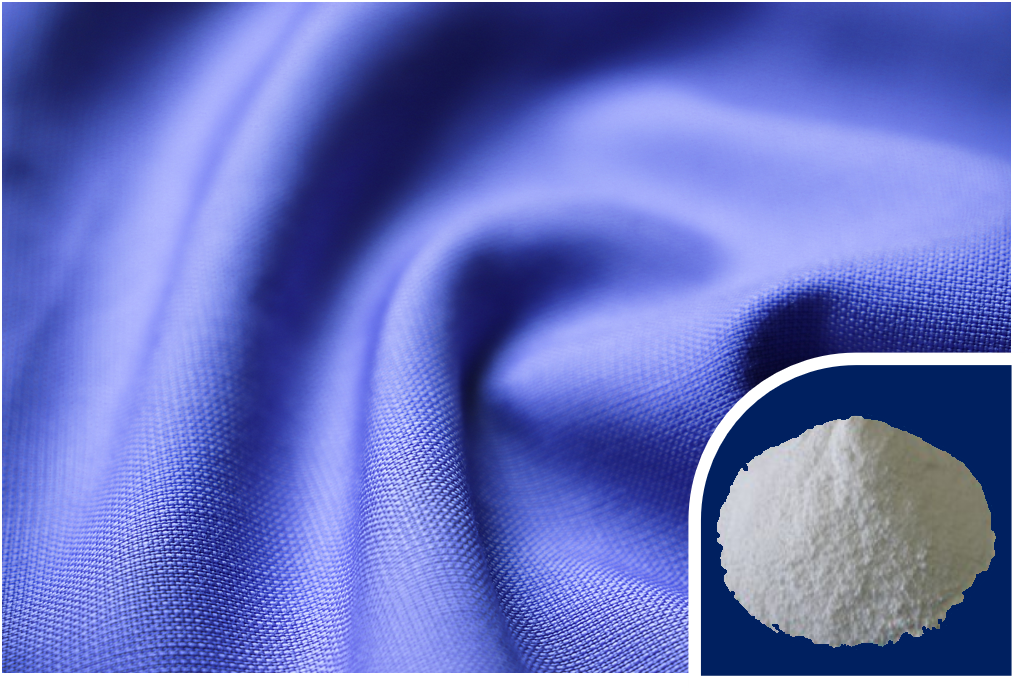
APP is used to flame-retard cellulosic textiles including cotton, rayon, and blended fabrics used in commercial upholstery, curtains, and industrial workwear. Water-soluble APP Phase I grades can be applied from aqueous solution, where they penetrate the fiber and provide durable flame retardancy after drying and curing. For applications requiring wash durability, back-coating with APP Phase II in a latex binder provides better resistance to repeated laundering than a simple impregnation treatment. APP is also effective as a flame retardant treatment for wood, where it promotes char formation and reduces flame spread rate.
The Water Resistance Problem and How Microencapsulation Solves It
Even APP Phase II, despite its very low inherent water solubility, presents a water resistance challenge in long-term service applications. When incorporated into polymer compounds that are exposed to humidity, moisture, or repeated water contact, APP particles at the surface or near-surface of the molded part can absorb moisture, causing surface blooming, reduction in surface resistance (a critical parameter for electrical applications), and gradual leaching of the flame retardant from the matrix over time. This is the primary limitation of uncoated APP in applications requiring outdoor weathering resistance or repeated wet contact.
Microencapsulation is the most effective solution. Microencapsulated ammonium polyphosphate (MCAPP) is produced by coating individual APP particles with a hydrophobic shell material before incorporating them into the polymer compound. Several shell chemistries are commercially available:
- Melamine-formaldehyde resin:The most widely used shell material for commercial MCAPP grades. Provides good hydrophobicity and flame retardant performance, though formaldehyde emissions during production are a concern in some regulatory contexts.
- Silicone (polysiloxane) and borosiloxane:Provide excellent hydrophobicity and thermal stability. Microencapsulation with hydroxyl silicone oil has been shown to upgrade TPU composites from UL 94 V-2 to V-0 at the same additive loading level compared to uncoated APP.
- Polyurethane:Glycerol-sorbitol based polyurethane shells offer hydrophobic surface properties and improved compatibility with polyolefin matrices.
- Epoxy resin:Used for bio-based MCAPP grades in combination with bio-derived epoxies, providing water resistance and improved char formation contribution from the shell itself.
The performance improvement from microencapsulation is substantial. EVA/MCAPP composites can maintain UL 94 V-0 ratings after immersion in water at 70°C for three days—conditions that cause significant performance degradation in composites using uncoated APP at the same loading level. The shell also improves the compatibility of APP with the nonpolar polymer matrix, which translates to better dispersion, reduced filler agglomeration, and improved mechanical properties of the final compound.
Practical Formulation Considerations
Particle Size and Its Effect on Performance
APP is available in a range of particle sizes, typically with d50 values between 5 and 50 micrometers. Finer particle sizes improve dispersion in polymer matrices and in coating formulations, contributing to more uniform char formation and better flame retardant performance per unit weight of additive. However, very fine grades tend to absorb more moisture from the atmosphere during handling and storage, increasing the risk of agglomeration before compounding. Standard commercial APP Phase II grades for polymer applications typically have d50 values in the 10 to 25 micrometer range, balancing dispersion quality against handling practicality.
Loading Levels and the Trade-Off with Mechanical Properties
Achieving UL 94 V-0 in polypropylene with an APP-based intumescent system typically requires a total flame retardant loading of 25 to 30 wt%. At these levels, the tensile strength, elongation at break, and impact resistance of the compound are measurably reduced compared to unfilled polypropylene. This is the central mechanical property challenge in APP-based IFR systems. Strategies to mitigate this trade-off include using microencapsulated APP grades that have better matrix compatibility, incorporating surface coupling agents such as silanes, using macromolecular char-forming agents that have higher molecular weight and better compatibility with the polymer matrix than low-molecular-weight pentaerythritol, and adding synergistic co-additives such as nano-silica or layered silicates that improve char quality and allow a reduction in total APP loading while maintaining the required flame performance rating.
Storage and Handling
Uncoated APP Phase II absorbs moisture from the atmosphere during storage, particularly in tropical climates or poorly controlled warehouse environments. Absorbed moisture causes agglomeration of the powder, making it difficult to feed and disperse uniformly in compounding equipment. Sealed, moisture-proof packaging—and storage at controlled humidity below 65% RH—is essential for maintaining the free-flowing character of the powder and the consistency of compounded flame retardant performance. Once absorbed moisture causes agglomeration, the agglomerates are difficult to break up and may persist as visible defects in the final compound. Microencapsulated grades are significantly more resistant to moisture uptake during storage and are preferred where storage conditions cannot be tightly controlled.


contact details
Address:No. 166, Chenggong Road, Economic Development Zone, Jiashan County, Jiaxing City, Zhejiang Province
TEL: +86-0573-89103923 / +86 182 6841 1181
E-mail: globalmarketing@xusen.com
Quick link
Product
News Center