Tel: +86-0573-89103923 / +86 182 6841 1181

E-mail:globalmarketing@xusen.com



 English
 عربى
عربى 简体中文
简体中文What Is a Halogen-Free Flame Retardant and How Do You Choose the Right One?
2026-05-13
Flame retardants have been a standard part of polymer and cable manufacturing for decades. For most of that history, the dominant chemistry relied on halogens—bromine and chlorine compounds that are highly effective at stopping combustion but release toxic gases when they burn. As regulatory pressure and environmental standards have tightened globally, halogen-free flame retardants (HFFRs) have moved from a niche preference to a mainstream requirement in electronics, wire and cable, construction, and transportation applications. This article explains what HFFRs actually are, how the main chemistries work, where they are used, and what to consider when selecting one for a specific application.
Content
- 1 Why Halogen-Free Flame Retardants Exist
- 2 The Four Main Types of Halogen-Free Flame Retardants
- 3 How HFFR Chemistries Compare Across Key Performance Parameters
- 4 Key Application Areas and What Each Demands
- 5 Regulatory Standards That Drive HFFR Selection
- 6 Practical Considerations When Selecting a Halogen-Free Flame Retardant
Why Halogen-Free Flame Retardants Exist
Traditional halogenated flame retardants—primarily brominated and chlorinated compounds—work by releasing halogen radicals during combustion. These radicals interrupt the free-radical chain reaction that sustains a fire, effectively poisoning the flame. The mechanism is highly efficient, which is why brominated flame retardants dominated the market for so long. The problem is what happens when a product containing them burns in a real fire: it releases hydrogen bromide (HBr) and hydrogen chloride (HCl) gases that are acutely toxic, severely corrosive to electronic equipment, and capable of causing serious respiratory injury to anyone in the area. Cleanup after a fire in a facility using halogenated materials is significantly more costly and hazardous than in a halogen-free environment.
Beyond fire scenarios, the persistence of certain brominated flame retardants in the environment—and their tendency to bioaccumulate in living organisms—drove regulatory action well before the fire toxicity issue became the focus. The EU's RoHS (Restriction of Hazardous Substances) directive restricts polybrominated biphenyls (PBBs) and polybrominated diphenyl ethers (PBDEs) in electrical and electronic equipment. REACH identifies several brominated flame retardants as Substances of Very High Concern (SVHC). In the United States, multiple states have enacted bans on specific brominated compounds. These regulations directly drove demand for halogen-free alternatives that can meet the same fire performance requirements without the associated toxicity and environmental liabilities.
The Four Main Types of Halogen-Free Flame Retardants
Halogen-free flame retardant chemistry is not a single class of compounds—it encompasses four distinct families, each operating through different mechanisms and suited to different polymer systems and application requirements.
Phosphorus-Based Flame Retardants
Phosphorus-based HFFRs are the most widely used halogen-free chemistry and are found in thermoplastics, thermosets, epoxy resins, and textile applications. They operate through two complementary mechanisms depending on the compound and polymer system. In the condensed phase, phosphorus compounds promote the formation of a carbonaceous char layer on the material surface when it is exposed to heat. This char acts as a physical barrier that limits oxygen access and blocks the transfer of heat back into the underlying material, slowing combustion. In the gas phase, certain organophosphorus compounds release phosphorus-containing radicals that interrupt the combustion chain reaction—a mechanism analogous to how halogens work, but without the toxic byproducts.
Key phosphorus-based HFFR chemistries include organophosphates (such as resorcinol bis(diphenyl phosphate), RDP, and bisphenol A bis(diphenyl phosphate), BDP), phosphonates, phosphinates (such as aluminum diethylphosphinate, widely used in polyamides and polyesters), and phosphazenes. Phosphorus flame retardants are particularly effective in oxygen- and nitrogen-containing polymers like polyamide, polyester, and epoxy, where the polymer matrix participates in the char-forming reaction. They are less effective in purely hydrocarbon polymers like polyethylene and polypropylene without additional synergists or co-additives.
Nitrogen-Based Flame Retardants and Intumescent Systems
Nitrogen-based HFFRs, primarily melamine and its derivatives (melamine cyanurate, melamine polyphosphate, melamine borate), work by releasing non-combustible nitrogen gases when heated. These gases dilute the fuel and oxygen concentration in the flame zone, reducing the heat release rate. Melamine cyanurate is widely used in polyamide (nylon) compounds, where it provides good flame retardancy at relatively low loading levels without the mechanical property penalties associated with high-filler systems.
Intumescent systems are a specific and highly practical sub-category that combines nitrogen- and phosphorus-based components. A classic intumescent formulation contains three functional components: an acid source (typically ammonium polyphosphate), a char-forming agent (such as pentaerythritol), and a blowing agent (often melamine). When heated, the acid source decomposes and dehydrates the char former, while the blowing agent releases gas that expands the resulting char into a thick, low-density foam layer. This expanding carbonaceous foam insulates the substrate from heat and flame with exceptional effectiveness. Intumescent coatings and intumescent additive systems are widely used in wire and cable jacketing, building and construction polymers, and structural steel fire protection.
Inorganic Mineral Flame Retardants
Aluminum trihydrate (ATH, also known as aluminum hydroxide) and magnesium hydroxide (MDH) are the highest-volume halogen-free flame retardants by tonnage globally. Both operate through the same physical dilution mechanism: when heated to their decomposition temperatures (ATH at approximately 200°C, MDH at approximately 300°C), they release chemically bound water. This endothermic decomposition absorbs heat, reducing the temperature of the burning polymer, while the released water vapor dilutes the combustible gases and oxygen in the flame zone.
The practical difference between ATH and MDH is their thermal stability. ATH begins decomposing at around 200°C, which limits it to polymers processed below that temperature—primarily polyolefins like EVA, PE, and PVC compounds processed at low temperatures. MDH's higher decomposition onset makes it suitable for engineering thermoplastics processed at higher temperatures such as polypropylene and certain polyamides. Both minerals require high loading levels—typically 40 to 65% by weight of the compound—to achieve V-0 or equivalent flame retardancy, which inevitably affects the mechanical properties and processability of the final compound. This loading level challenge is the primary driver for research into surface-treated and nano-structured inorganic flame retardants that achieve better dispersion and performance at lower loadings.
Nanocomposite and Hybrid Approaches
The most recent generation of halogen-free flame retardant development focuses on nanocomposite and hybrid systems that combine conventional HFFR chemistries with nanoscale materials. Layered silicates (nanoclays), layered double hydroxides (LDHs), carbon nanotubes, and graphene have all been investigated as synergistic components that improve flame retardancy at lower total additive loadings—helping to preserve the mechanical properties of the host polymer. These nanocomposite approaches are not yet mainstream in commodity applications due to cost and processing complexity, but they are increasingly relevant for high-performance applications in electronics and aerospace where the trade-off between loading level and mechanical performance is critical.
How HFFR Chemistries Compare Across Key Performance Parameters
Selecting the right halogen-free flame retardant requires balancing flame performance against processing requirements, mechanical property impact, cost, and regulatory compliance. The table below summarizes the main trade-offs across the four primary HFFR families.
|
HFFR Type |
Primary Mechanism |
Typical Loading |
Best Polymer Systems |
Key Limitation |
|
Phosphorus-based |
Char formation, gas-phase radical interruption |
5–25 % |
PA, PET, PBT, epoxy, polyurethane |
Less effective in pure polyolefins without synergists |
|
Nitrogen-based / Intumescent |
Gas dilution, expanding char barrier |
15–30 % |
PA, PP, polyolefins, coatings |
Moisture sensitivity in some formulations |
|
ATH (aluminum trihydrate) |
Endothermic water release |
40–65 % |
EVA, PE, low-temp PVC compounds |
Decomposes <200°C; high loading reduces mechanical properties |
|
MDH (magnesium hydroxide) |
Endothermic water release |
40–65 % |
PP, PA, higher-temp polyolefins |
Higher cost than ATH; high loading required |
Key Application Areas and What Each Demands
Wire and Cable
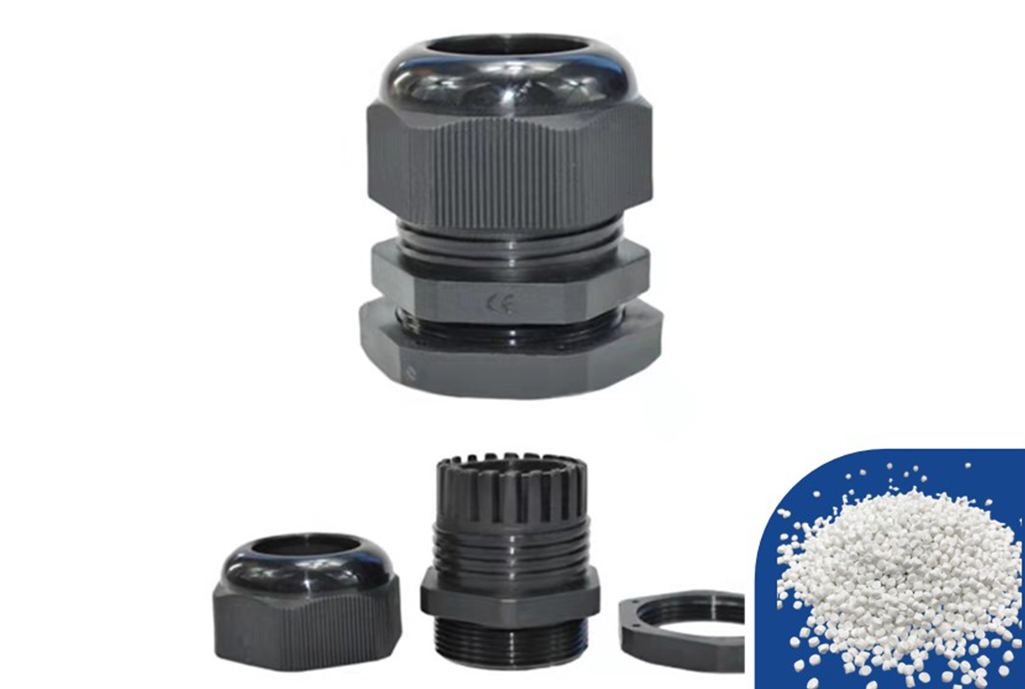
Wire and cable is the largest single application for halogen-free flame retardants, particularly low-smoke zero-halogen (LSZH or LS0H) cable compounds. In a fire inside a tunnel, data center, public transport vehicle, or office building, the smoke and toxic gas emission from burning cable can be as lethal as the fire itself. LSZH cables use HFFR compounds—typically high-loadings of ATH or MDH in polyolefin base resins, often combined with intumescent additives—to achieve both flame retardancy and low smoke density. The military was among the first adopters of LSZH standards; they are now standard in mass transit, telecommunications infrastructure, and marine applications globally. Standards governing LSZH cable performance include IEC 60332 (flame propagation), IEC 61034 (smoke density), and IEC 60754 (halogen acid gas emission).
Electronics and Printed Circuit Boards
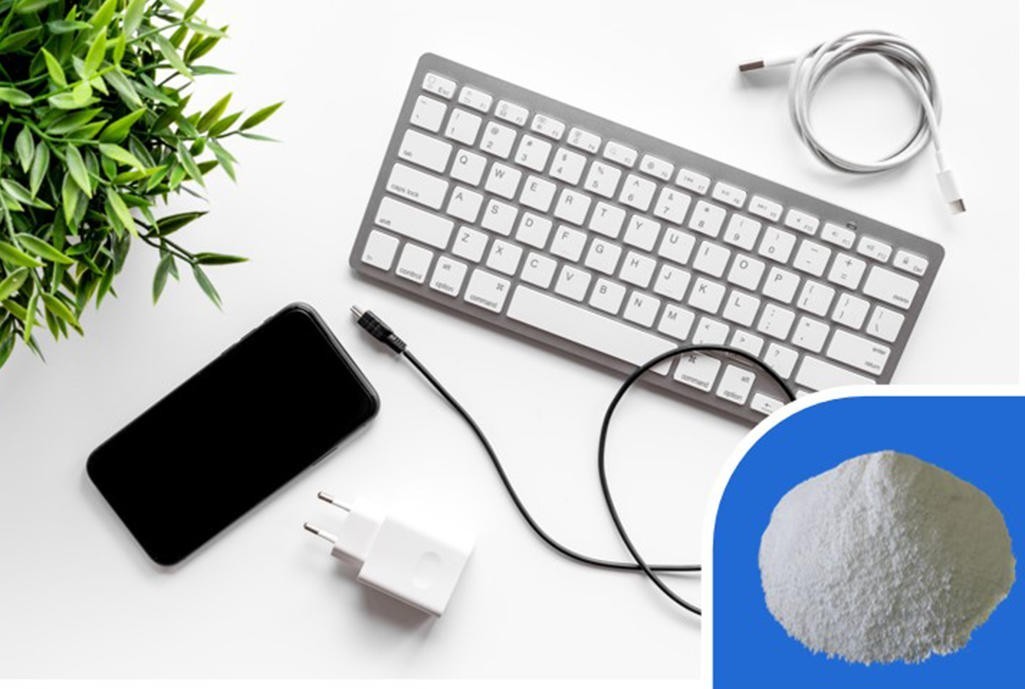
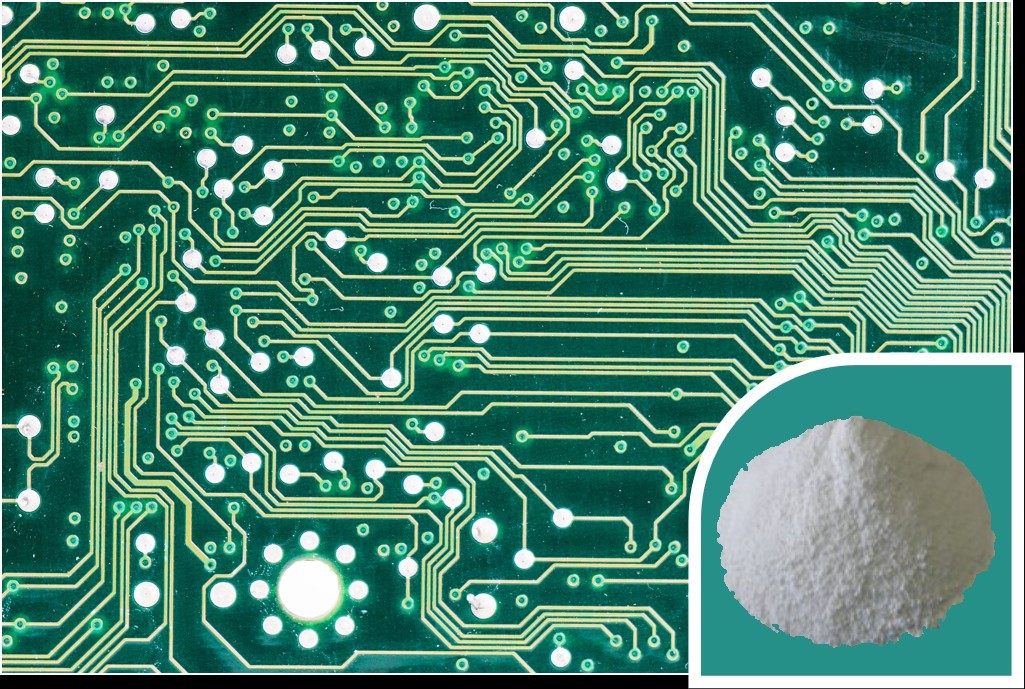
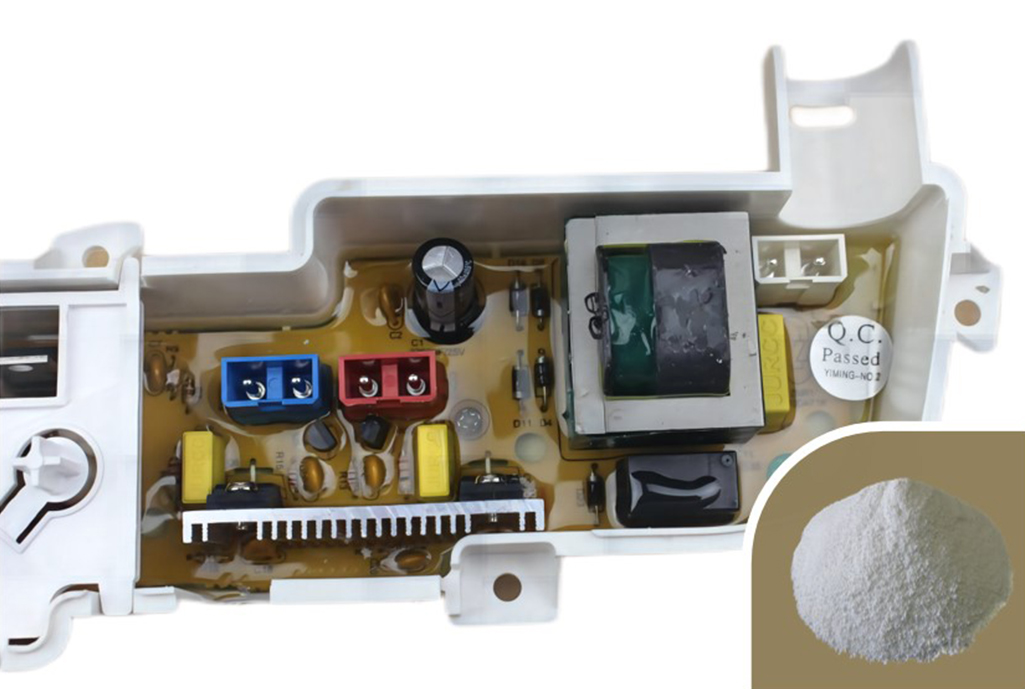
Electronics applications impose particularly demanding constraints on halogen-free flame retardant formulations. Epoxy resins used in FR4 printed circuit boards have traditionally been flame-retarded with tetrabromobisphenol A (TBBPA). Halogen-free PCB laminates use reactive phosphorus compounds—typically phosphorus-modified epoxy resins or phosphazene curing agents—that achieve UL 94 V-0 flame classification while meeting the halogen content limits defined by IEC 61249-2-21 (fluorine, chlorine, bromine, and iodine each below 900 ppm, total halogens below 1500 ppm). Beyond PCB laminates, encapsulants, connector housings, and cable management components in electronic equipment increasingly require HFFR compounds to comply with RoHS and major OEM customer specifications.
Building and Construction
Insulation foam, cable conduit, pipe insulation, and wall panel materials used in buildings are subject to fire performance requirements that vary significantly by jurisdiction but are universally trending more stringent after high-profile fires involving combustible cladding systems. Halogen-free intumescent coatings and additive systems are the primary HFFR solution in construction polymer applications. Polypropylene pipes, polyurethane foam panels, and polyolefin cable conduits all use HFFR additives—primarily intumescent systems or MDH—to meet building code requirements such as EN 13501 in Europe and ASTM E84 in North America.
Automotive and Transportation
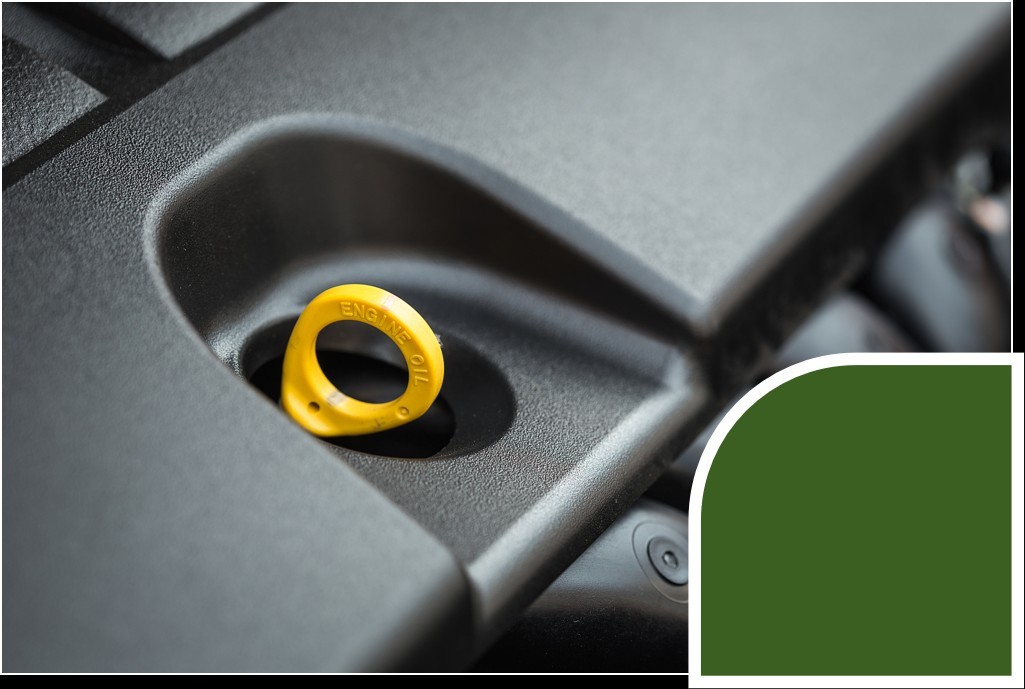
Interior polymers in vehicles—seat fabrics, wire harness jackets, instrument panel components, headliners—must meet fire performance standards while minimizing toxic gas and smoke emission in a confined space. The automotive sector predominantly uses phosphorus-based HFFRs in engineering thermoplastics like polyamide and polyester, combined with nitrogen-based synergists to achieve the required UL 94 or FMVSS 302 ratings at loading levels that don't compromise the mechanical performance of structural or semi-structural parts.
Regulatory Standards That Drive HFFR Selection
Understanding which regulations apply to a specific product or market is a prerequisite for HFFR selection, because the regulatory framework effectively defines the minimum performance target and, in some cases, restricts certain chemistries even within the halogen-free category.
- EU RoHS Directive:Restricts PBBs and PBDEs in electrical and electronic equipment placed on the EU market. Does not itself mandate HFFR use but eliminates the most common brominated alternatives, making HFFRs the practical compliance path for most applications.
- REACH SVHC List:Several brominated flame retardants appear on the Substances of Very High Concern candidate list, triggering supply chain communication and authorization requirements. Reformulating with HFFRs eliminates SVHC obligations for those substances.
- IEC 61249-2-21:The primary international standard defining halogen-free content limits for printed circuit board base materials. Sets maximum levels for F, Cl, Br, and I individually and in total.
- UL 94:The most widely referenced flammability standard for plastics used in electronic and electrical equipment. V-0, V-1, and V-2 ratings specify the maximum burn time and dripping behavior after ignition. HFFR compounds must achieve the required UL 94 rating for the target application.
- IEC 60332 / IEC 61034 / IEC 60754:Standards specific to wire and cable covering flame propagation, smoke density, and acid gas emission respectively. Together they define LSZH (low-smoke zero-halogen) cable performance requirements.
- State and national bans:Several US states—including California under Proposition 65 and specific TRIS and TDCPP prohibitions—restrict specific halogenated flame retardants in consumer products, furniture, and children's products. These bans continue to expand in scope.
Practical Considerations When Selecting a Halogen-Free Flame Retardant
Choosing an HFFR for a specific application involves more than matching the chemistry to the polymer. Several practical factors determine whether the selected system will perform reliably in production and in service.
Processing Temperature Compatibility
The flame retardant must be thermally stable at the processing temperature of the polymer. ATH, for example, is unsuitable for any compound processed above 200°C. Organophosphate plasticizer-type flame retardants can volatilize during high-temperature processing, reducing the effective concentration in the finished part and creating deposit problems on tooling. Always verify the thermal stability of the HFFR system against the peak melt temperature and residence time in the processing equipment, not just the nominal processing temperature of the polymer.
Impact on Mechanical Properties
High loading levels of inorganic mineral flame retardants—ATH and MDH—inevitably reduce the tensile strength, elongation at break, and impact resistance of the compounded material relative to the unfilled base resin. This trade-off is well understood and manageable through surface treatment of the filler particles (typically with silane or stearic acid coupling agents) and selection of compatible base resins. For applications where mechanical performance is critical, phosphorus-based or intumescent systems that achieve the required flame rating at lower loading levels are preferred, even at higher cost per unit of flame retardant.
Moisture and Hydrolytic Stability
Some halogen-free flame retardant systems are sensitive to moisture during processing or in service. Ammonium polyphosphate, a key component in many intumescent formulations, is hydrolytically sensitive in its uncoated form and will absorb moisture from the atmosphere, affecting both processing behavior and long-term performance. Microencapsulated or surface-coated grades with improved hydrolytic stability are available at a cost premium and should be specified for applications with humidity exposure or long outdoor service life requirements.
Color and Optical Properties
Red phosphorus is an effective and cost-efficient halogen-free flame retardant for polyamide and other engineering thermoplastics, but it constrains the final compound to dark colors—typically black or very dark red. Melamine-based and organophosphate systems have minimal impact on color and are compatible with the full range of colorant systems. For applications requiring white, light, or transparent colors, the choice of HFFR chemistry is constrained to systems with no inherent color contribution, which typically limits options to melamine derivatives, certain organophosphates, and ATH or MDH at loadings that don't create unacceptable opacity.
Synergist Combinations
Many HFFR systems perform significantly better in combination with secondary synergists than as standalone additives. Zinc borate, for example, synergizes with ATH and MDH by contributing to char formation and suppressing afterglow, allowing lower total filler loading for the same flame performance. Nitrogen-phosphorus synergy in intumescent systems—where the nitrogen component and phosphorus component work together more effectively than either does alone—is well established and exploited in commercial intumescent formulations. Understanding the synergist interactions available for a target polymer system can materially reduce additive loading, cost, and mechanical property impact.

contact details
Address:No. 166, Chenggong Road, Economic Development Zone, Jiashan County, Jiaxing City, Zhejiang Province
TEL: +86-0573-89103923 / +86 182 6841 1181
E-mail: globalmarketing@xusen.com
Quick link
Product
News Center