Tel: +86-0573-89103923 / +86 182 6841 1181

E-mail:globalmarketing@xusen.com



 English
 عربى
عربى 简体中文
简体中文What Is Melamine Cyanurate (MCA) and Why Does It Matter?
2026-05-06
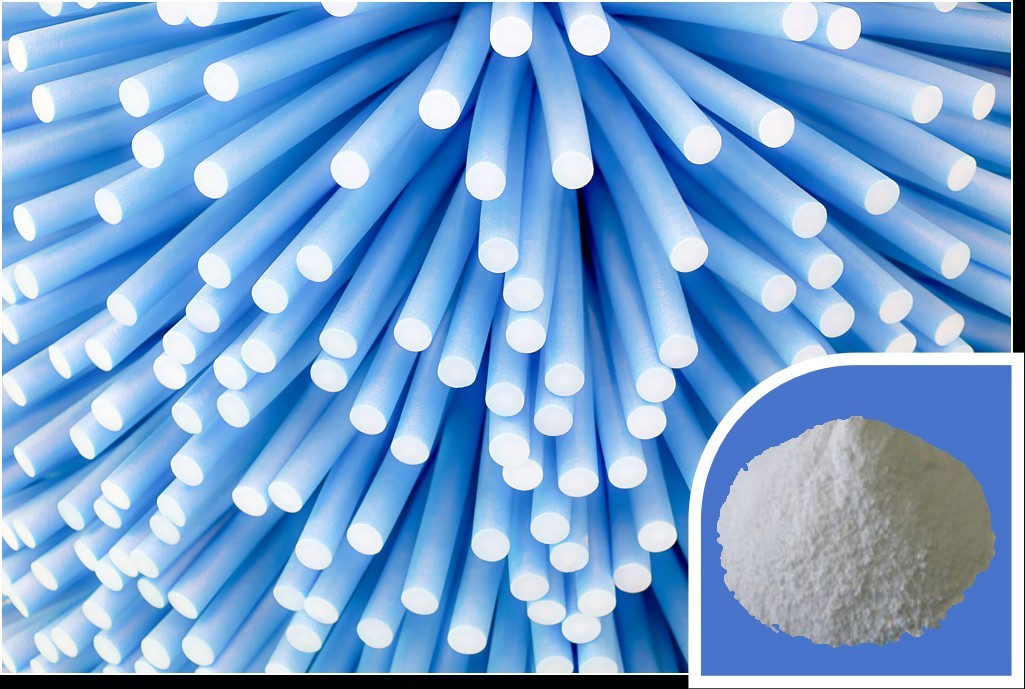
Melamine Cyanurate (MCA) is a halogen-free flame retardant formed by the equimolar combination of melamine and cyanuric acid. The result is a stable, crystalline white powder that has become one of the most widely used non-halogenated flame retardants in the plastics industry. As global regulations tighten around toxic halogen-based additives — especially in electronics and consumer goods — MCA has stepped in as a cleaner, safer, and highly effective alternative.
Its chemical formula is C6H9N9O3, and it works through a unique endothermic decomposition process rather than releasing toxic gases. This makes it especially suitable for engineering plastics where both fire safety and environmental compliance are non-negotiable. With demand growing in automotive, electrical, and textile sectors, understanding MCA — what it is, how it works, and where it fits — is increasingly important for materials engineers, product designers, and procurement teams alike.
Content
- 1 How Melamine Cyanurate Works: The Flame Retardancy Mechanism
- 2 Primary Applications of MCA Flame Retardant
- 3 MCA vs. Other Flame Retardants: A Practical Comparison
- 4 Key Grades and Forms of Melamine Cyanurate Available on the Market
- 5 Processing Considerations When Using MCA
- 6 Regulatory Status and Environmental Profile of MCA
- 7 Common Challenges and How to Solve Them
- 8 Emerging Trends and Future Outlook for MCA
How Melamine Cyanurate Works: The Flame Retardancy Mechanism
MCA's flame retardancy is primarily a physical and endothermic process, which sets it apart from many conventional flame retardants that work through chemical chain interruption or toxic gas dilution.
Endothermic Decomposition
When exposed to heat above approximately 320°C, MCA undergoes sublimation and decomposition. This process absorbs a significant amount of thermal energy, effectively cooling the polymer matrix and slowing down combustion. The decomposition releases non-flammable gases — primarily ammonia and carbon dioxide — which dilute oxygen and fuel vapors around the flame zone.
Char Formation and Melt Dripping Suppression
In polyamide (PA) systems, MCA also promotes charring at the surface of the material. This char layer acts as a physical barrier, insulating the underlying polymer from heat and limiting the spread of flame. Additionally, MCA is well-known for reducing melt dripping in nylon composites — a critical safety feature, since flaming drips can spread fires to adjacent materials.
Condensed Phase vs. Gas Phase Action
MCA operates mainly in the condensed phase (inside the polymer) rather than in the gas phase. This is why it pairs so effectively with other flame retardants that act in the gas phase, such as aluminum diethylphosphinate (AlPi). Combining these two types creates synergistic systems that achieve V-0 ratings at lower total additive loadings, preserving more of the base polymer's mechanical properties.
Primary Applications of MCA Flame Retardant
MCA is not a universal flame retardant — it shines in specific polymer systems where its decomposition temperature and compatibility align well with processing conditions. Here's where it's most commonly used:
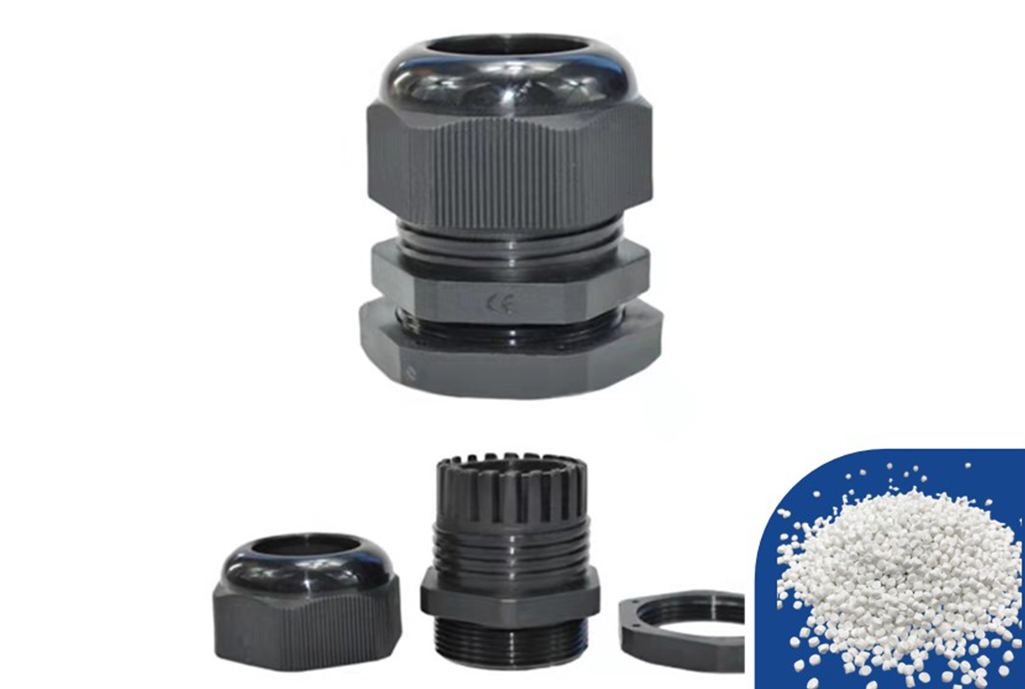
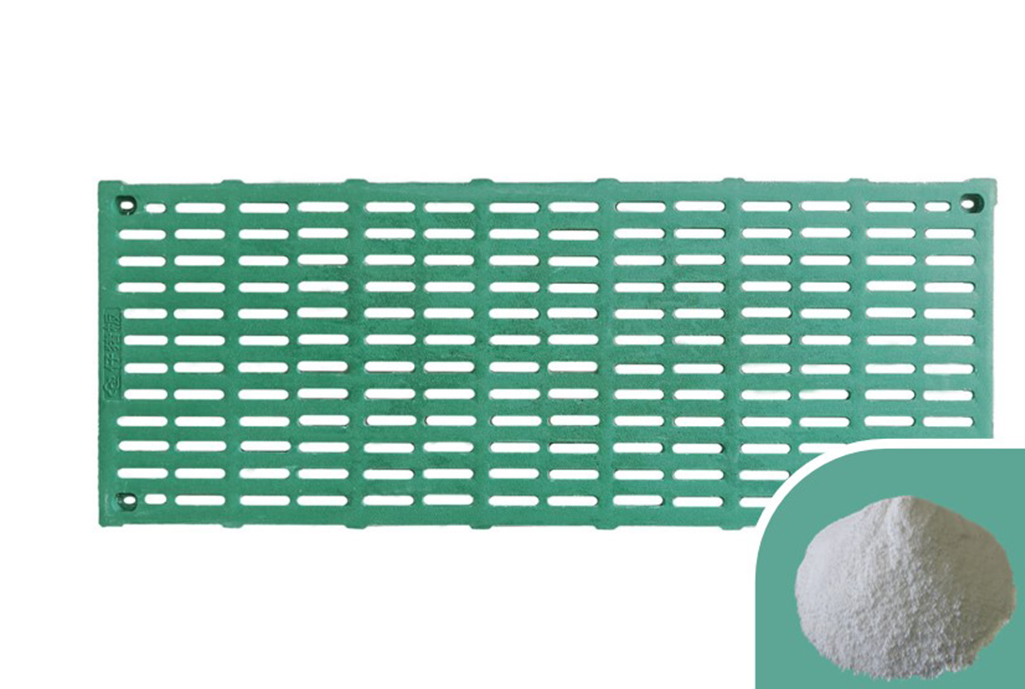
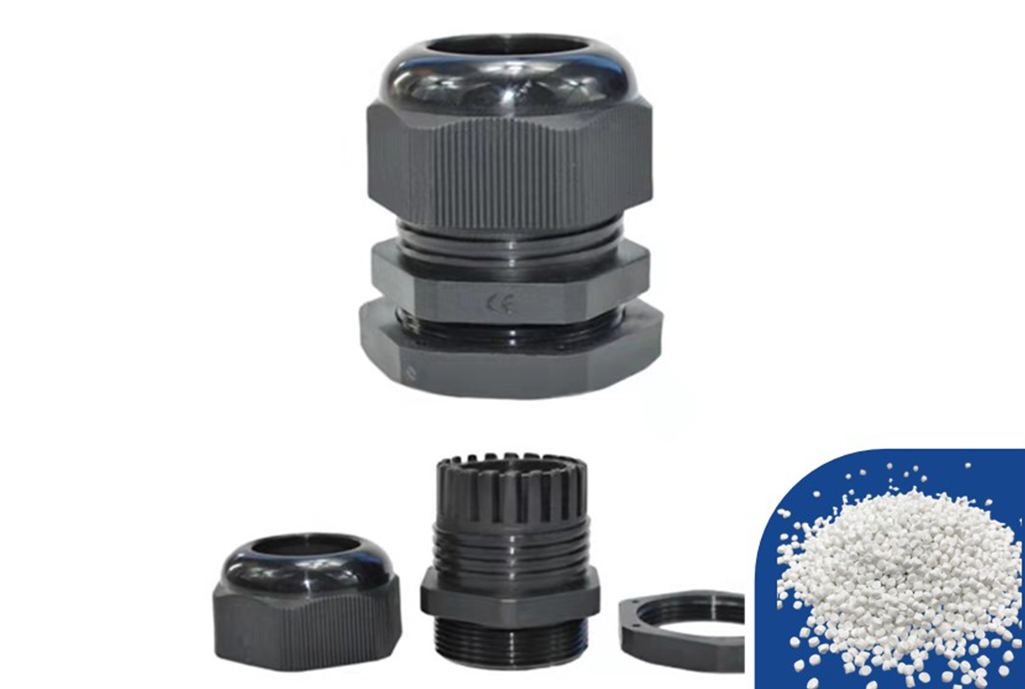
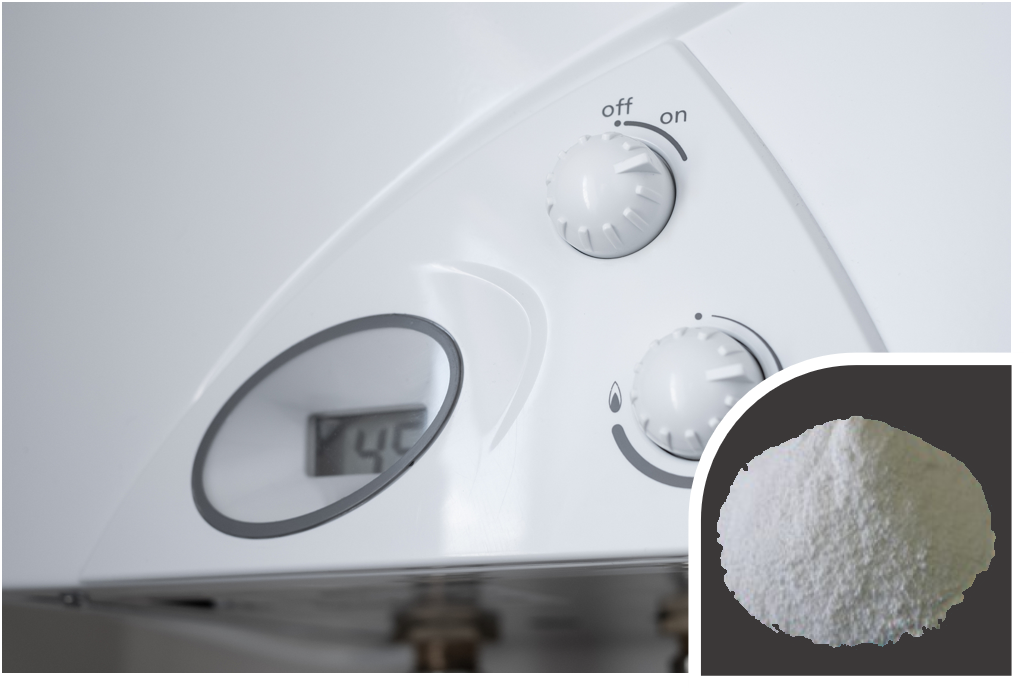
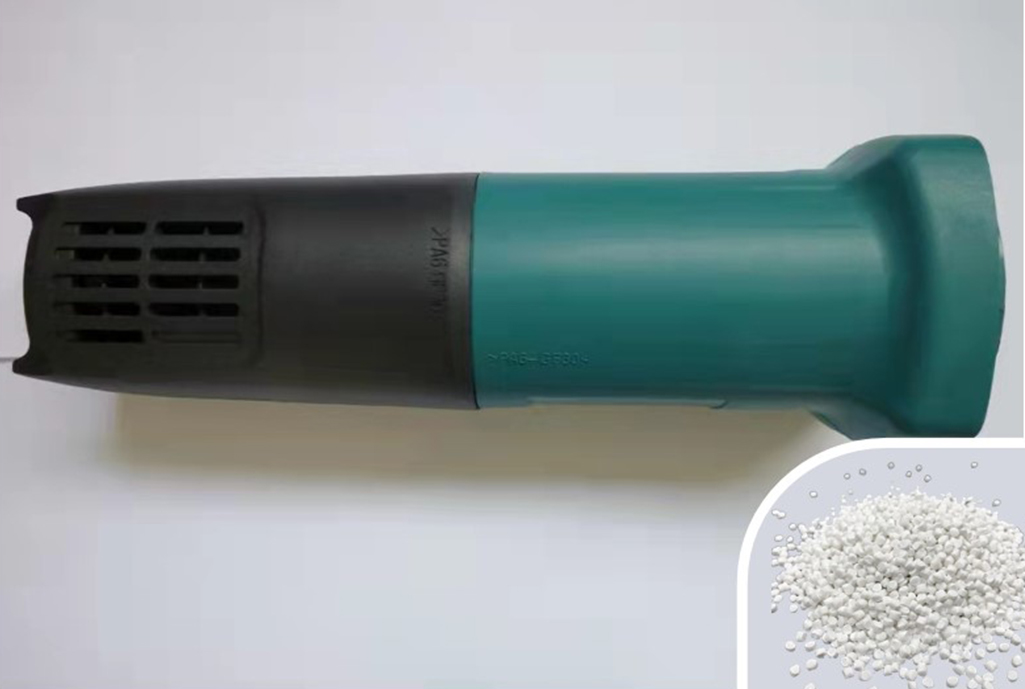
- Polyamide 6 (PA6) and Polyamide 66 (PA66):These are the bread-and-butter applications for MCA. At typical loadings of 10–20% by weight, MCA achieves UL 94 V-0 ratings in unreinforced nylon compounds. It's widely used in connectors, cable ties, and housing components for electronics.
- Glass-Fiber Reinforced Polyamide:In glass-filled PA6 and PA66 (GF grades), MCA is often combined with co-agents such as aluminum phosphinate or melamine polyphosphate to achieve V-0 at higher thicknesses and under more demanding test conditions.
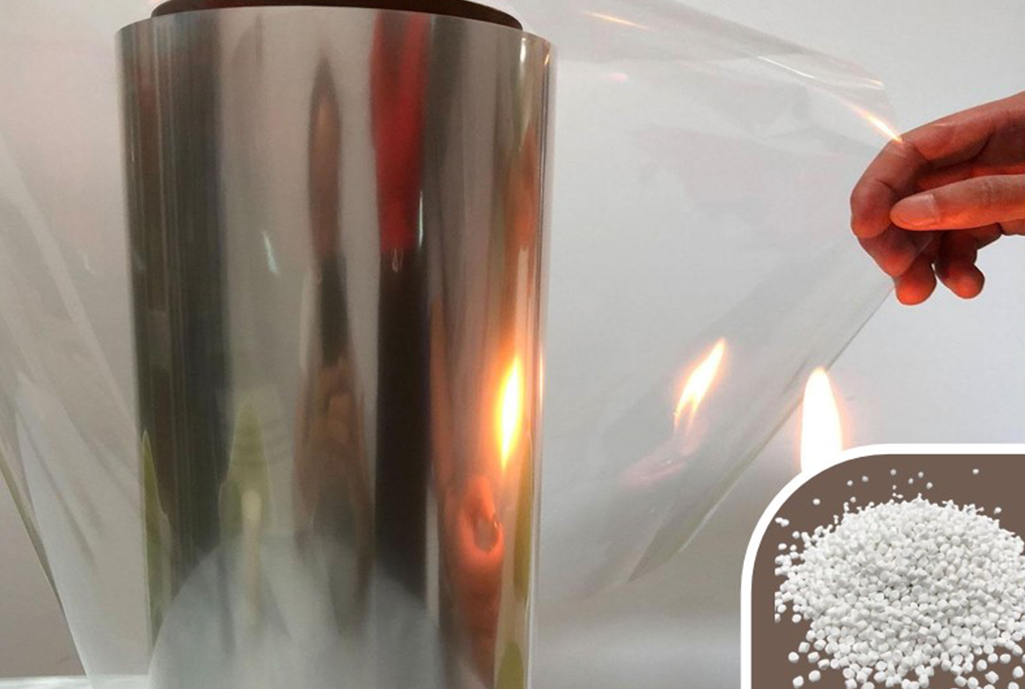
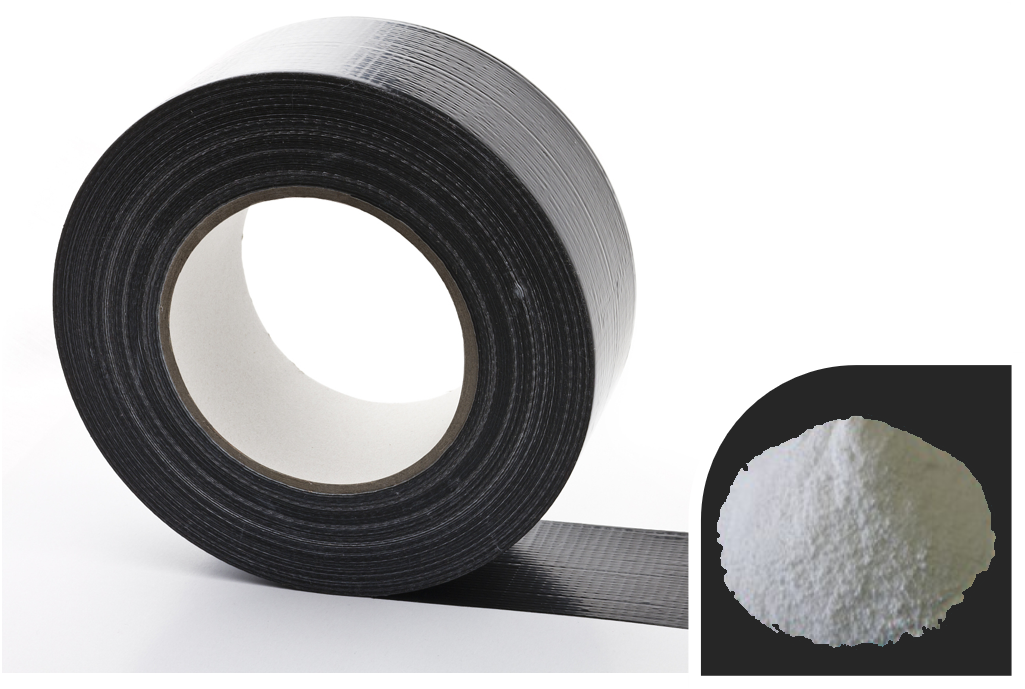
- Thermoplastic Polyurethane (TPU):MCA is increasingly used in flexible TPU applications, including wire and cable sheathing, footwear, and conveyor belts, providing flame retardancy without compromising flexibility.
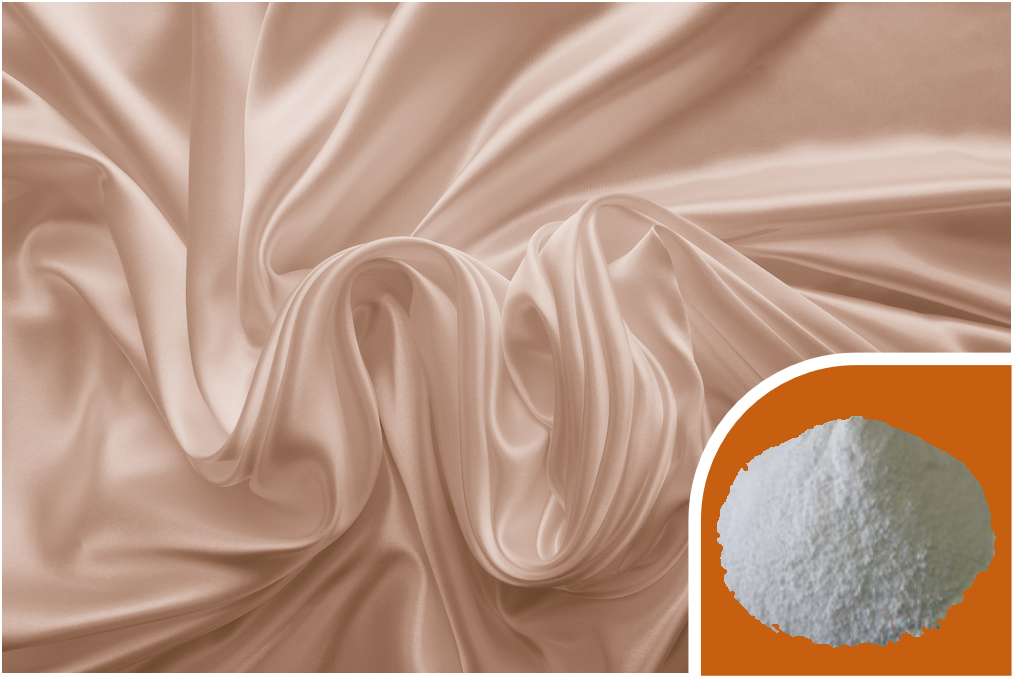
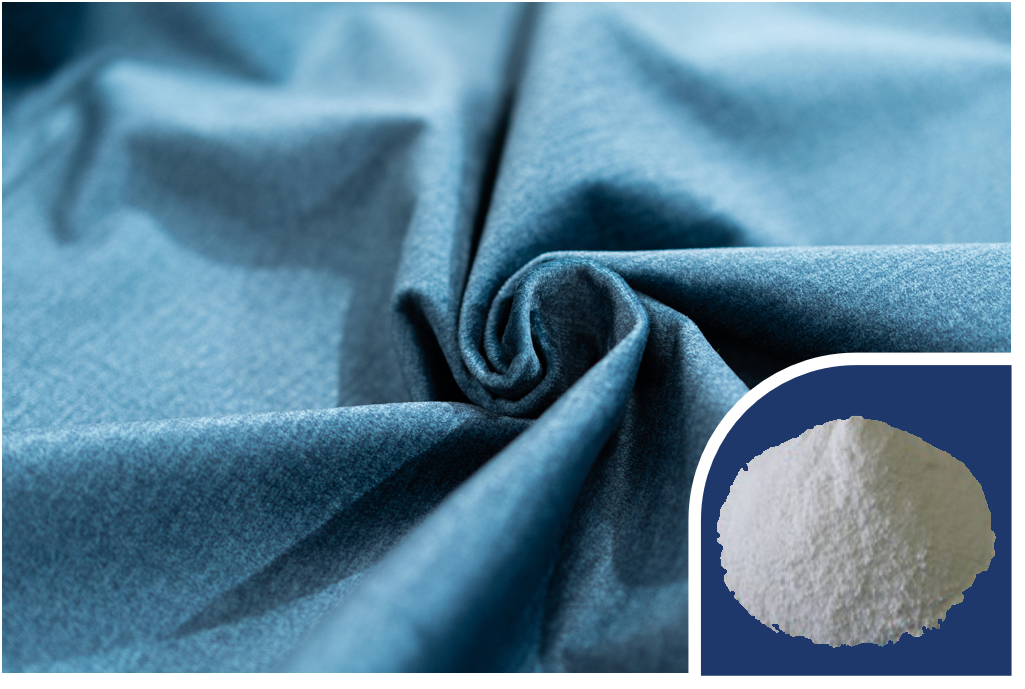
- Textiles and Fibers:In fiber spinning and fabric finishing, MCA-based compounds offer durable flame protection for workwear, upholstery, and technical textiles.
- Epoxy Resins and Coatings:MCA is used in intumescent coatings and epoxy systems, where it contributes to the swelling char layer that protects steel structures and substrates from fire damage.
MCA vs. Other Flame Retardants: A Practical Comparison
Choosing the right flame retardant involves weighing performance, cost, processing, and regulatory compliance. Here's how MCA stacks up against common alternatives:
|
Flame Retardant |
Type |
Best Polymers |
Key Advantage |
Key Limitation |
|
Melamine Cyanurate (MCA) |
Halogen-free |
PA6, PA66, TPU |
Low toxicity, good drip suppression |
Limited to lower-processing-temp polymers |
|
Melamine Polyphosphate (MPP) |
Halogen-free |
PA, PBT, GF systems |
Higher thermal stability |
Higher cost than MCA |
|
Brominated Flame Retardants (BFR) |
Halogenated |
Broad range |
High effectiveness at low loadings |
Regulatory concerns, toxic smoke |
|
Aluminum Hydroxide (ATH) |
Inorganic |
EVA, rubber, polyolefins |
Very low cost, smoke suppression |
High loading required (40–65%), reduces mechanical properties |
|
Red Phosphorus |
Halogen-free |
PA, PBT, thermosets |
Very efficient at low loadings |
Red color, handling safety concerns |
For unreinforced PA6 and PA66 where transparency or light coloring is not a constraint, MCA often offers the best balance of performance, processing ease, and cost-effectiveness among halogen-free options.
Key Grades and Forms of Melamine Cyanurate Available on the Market
Not all MCA products are created equal. Manufacturers offer various grades tailored to specific processing and end-use requirements. Understanding the differences helps in selecting the right grade for your application.
Standard (Non-Coated) MCA
Standard MCA grades are uncoated white powders with median particle sizes typically ranging from 3 to 10 microns. They are cost-effective and suitable for general-purpose PA6/PA66 applications. However, they can present challenges in terms of dust generation and dispersion in highly viscous polymer melts.
Surface-Treated or Coated MCA
Coated grades use silane, stearate, or other surface treatments to improve compatibility with the polymer matrix. These grades offer better dispersion, reduced agglomeration, and improved mechanical properties in the final compound. They are particularly recommended for thin-wall applications and precision-molded parts where homogeneity is critical.
Micronized MCA
Micronized grades feature very fine particle sizes (below 3 microns), which maximize surface area and enhance flame retardant efficiency. These grades are used in fiber applications and coatings where a smooth surface finish and fine dispersion are essential.
MCA Masterbatches
For processors who prefer easy-to-handle, pre-dispersed formats, MCA masterbatches are available in PA or other carrier resins. These eliminate dust handling issues and simplify dosing at the compounder or molder level, though they add cost compared to raw powder.
Processing Considerations When Using MCA
MCA is generally easy to process, but there are important practical points to keep in mind during compounding and molding.
- Processing Temperature Limits:MCA begins to decompose at around 320°C, which means it is not suitable for high-temperature engineering plastics like PPS, LCP, or PEEK that require processing temperatures above 300°C. For PA6 and PA66, typical melt processing occurs at 240–280°C, well within MCA's stability range.
- Drying:MCA itself is relatively moisture-insensitive, but the polyamide host resin must be thoroughly dried before compounding to avoid hydrolysis and viscosity loss. Target moisture levels below 0.2% for PA6 and 0.1% for PA66.
- Screw Design:A moderate compression ratio screw (typically 2.5:1 to 3:1) is recommended. Excessive shear can cause localized overheating and premature MCA decomposition, leading to off-gassing and surface defects in molded parts.
- Synergist Compatibility:When combining MCA with co-flame retardants like zinc borate or aluminum phosphinate, pre-test for compatibility to ensure no adverse reactions during processing. Some combinations can affect melt viscosity and require adjusted screw speeds or barrel temperatures.
- Tooling and Mold Maintenance:MCA-containing compounds can deposit sublimation residues on mold surfaces over long production runs, particularly in hot-runner systems. Regular mold cleaning cycles are recommended to maintain part quality and dimensional accuracy.
Regulatory Status and Environmental Profile of MCA
One of MCA's biggest selling points is its favorable regulatory and toxicological profile compared to halogenated alternatives.
REACH and RoHS Compliance
MCA is not listed as a substance of very high concern (SVHC) under the EU REACH regulation, and it is fully compliant with RoHS (Restriction of Hazardous Substances) directives. This makes it the go-to choice for electronics manufacturers shipping products into the European market, where both REACH and RoHS compliance are mandatory.
UL Yellow Card Listings
Many MCA-based compounds have been awarded UL Yellow Card listings, certifying their flame retardant performance for use in electrical and electronic components. This recognition simplifies product approval processes for manufacturers and gives end users confidence in the safety of finished parts.
Low Toxicity and Smoke Generation
During combustion, MCA-containing materials produce significantly lower amounts of toxic gases and smoke compared to bromine-based systems. The decomposition products — primarily nitrogen-containing gases and CO₂ — have much lower toxicity profiles. This is a key advantage in building and construction applications, transportation interiors, and anywhere that occupant safety during a fire event is paramount.
Recyclability
MCA does not significantly hinder the recyclability of PA6 or PA66 compounds, making it compatible with circular economy initiatives. While thermal stability during regrinding and reprocessing should be monitored, MCA-containing recyclates generally retain acceptable flame retardant performance through at least two to three processing cycles.
Common Challenges and How to Solve Them
While MCA is a practical and effective flame retardant, formulators occasionally encounter specific challenges. Here are the most common issues and practical solutions:
Challenge: Insufficient V-0 Performance in GF-Reinforced PA
Glass fiber reinforcement increases the thermal conductivity and the density of the polymer matrix, making it harder to achieve V-0 with MCA alone. Solution: Add a synergist such as aluminum diethylphosphinate (AlPi) or zinc borate at 2–5% loading alongside MCA. This combination can reliably achieve V-0 at 0.8 mm in 30% GF PA66.
Challenge: Impact on Mechanical Properties
High MCA loadings (above 15%) can reduce tensile strength and elongation at break, particularly in unfilled PA. Solution: Use surface-treated MCA grades that bond better to the polymer matrix, and consider optimizing the loading level by using synergists that allow lower total additive content while maintaining flame retardant performance.
Challenge: Yellowing or Discoloration
In some PA formulations, MCA can contribute to yellowing during processing or under UV exposure. Solution: Incorporate heat stabilizers (such as copper iodide/potassium iodide systems for PA) and UV stabilizers (HALS). Selecting high-purity MCA grades with low metal ion contamination also helps reduce discoloration.
Challenge: Moisture Absorption Effects
PA is inherently hygroscopic, and moisture absorbed during storage or use can affect the flame retardant performance of MCA-containing compounds in real-world conditions. Solution: Condition specimens according to IEC 60695 standards before testing, and design compounds with some performance margin above the minimum V-0 requirement to account for in-service moisture uptake.
Emerging Trends and Future Outlook for MCA
The demand for halogen-free flame retardants is accelerating worldwide, driven by stricter environmental legislation, growing consumer awareness, and the expansion of electric vehicles (EVs) and renewable energy infrastructure — all sectors that require certified fire-safe polymer components.
Within this trend, MCA is well-positioned for continued growth. Key areas of development include:
- EV Battery Components:Thermal management systems, battery housings, and high-voltage connectors in EVs use PA6 and PA66 extensively. MCA-based compounds are being qualified for these demanding applications, where V-0 performance combined with light weight and dimensional stability is essential.
- Bio-Based Polyamides:As bio-based PA alternatives (e.g., PA410, PA510 derived from castor oil) gain traction, formulators are evaluating MCA's compatibility with these newer polymer matrices — early results are promising.
- Nanocomposite Synergies:Research into combining MCA with nanoclay or graphene platelets is showing potential for achieving V-0 performance at significantly reduced total additive loadings, reducing the impact on mechanical properties.
- Improved Surface Treatments:New surface treatment chemistries are extending MCA's compatibility to a broader range of engineering polymers, gradually pushing its useful range beyond traditional PA applications.
As long as the global plastics industry continues to move away from halogenated flame retardants, Melamine Cyanurate (MCA) will remain one of the core tools in the halogen-free formulator's toolbox — practical, proven, and continuously evolving.



contact details
Address:No. 166, Chenggong Road, Economic Development Zone, Jiashan County, Jiaxing City, Zhejiang Province
TEL: +86-0573-89103923 / +86 182 6841 1181
E-mail: globalmarketing@xusen.com
Quick link
Product
News Center