Tel: +86-0573-89103923 / +86 182 6841 1181

E-mail:globalmarketing@xusen.com



 English
 عربى
عربى 简体中文
简体中文Flame Retardant Masterbatch: What It Is, How It Works, and How to Choose the Right One for Your Application
2026-04-01
Content
- 1 What Flame Retardant Masterbatch Actually Is and Why Manufacturers Use It
- 2 How Flame Retardant Masterbatch Works in a Polymer Matrix
- 3 The Main Types of Flame Retardant Masterbatch by Chemistry
- 4 Key Industries and Applications Using Flame Retardant Masterbatch
- 5 Critical Specifications to Evaluate When Selecting a Flame Retardant Masterbatch
- 6 Understanding Let-Down Ratios and How to Calculate the Right Addition Level
- 7 Common Processing Issues with Flame Retardant Masterbatch and How to Resolve Them
- 8 Flame Retardant Masterbatch vs. Direct Compounding: When Each Approach Makes More Sense
What Flame Retardant Masterbatch Actually Is and Why Manufacturers Use It
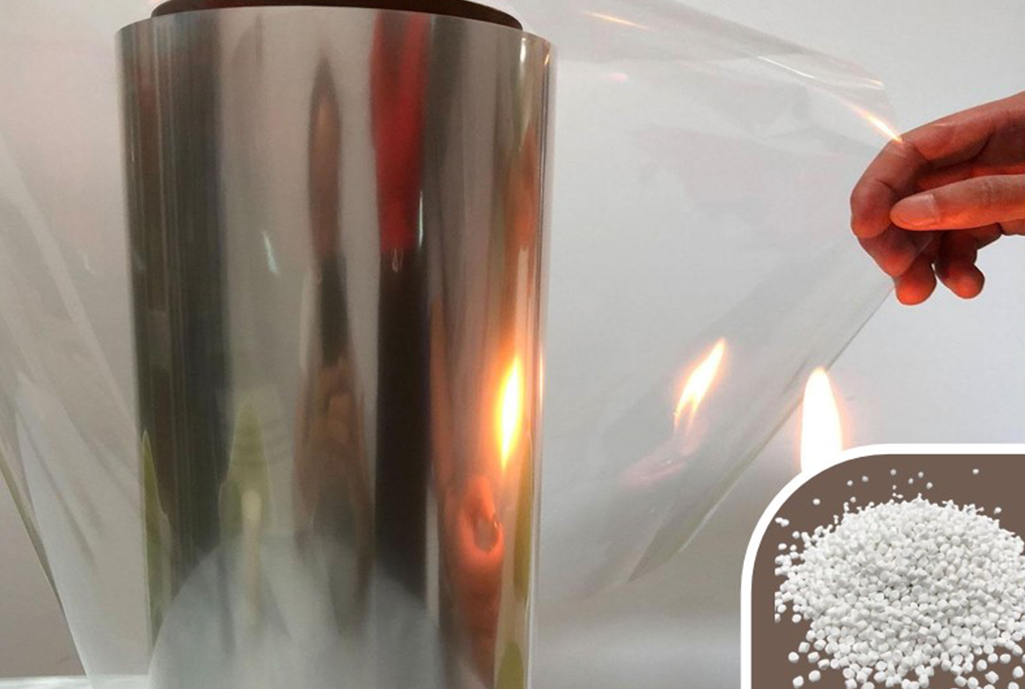
A flame retardant masterbatch is a concentrated mixture of flame retardant additives — and often co-additives such as synergists, stabilizers, and processing aids — pre-dispersed at high loading levels into a carrier resin that is compatible with the target polymer system. It is supplied as solid pellets or granules that can be blended directly into the base polymer during standard processing operations such as injection molding, extrusion, or blow molding, without requiring the manufacturer to handle raw flame retardant powders separately. The masterbatch format essentially pre-solves the dispersion challenge: the difficult and technically demanding work of uniformly distributing highly loaded flame retardant systems into a polymer matrix is done at the masterbatch manufacturing stage, so the end processor simply meters the correct proportion of masterbatch pellets into their polymer feed and achieves consistent, homogeneous flame retardancy in the finished part.
The reason masterbatch has become the preferred delivery format for flame retardants in many polymer processing operations comes down to a combination of practical manufacturing advantages. Handling raw flame retardant powders — many of which are fine, dusty, and potentially hazardous — in a production environment creates health, safety, and contamination risks that the masterbatch format eliminates entirely. Accurate dosing of small quantities of powder additives is technically challenging and prone to variation; dosing pre-weighed pellets through a standard gravimetric or volumetric feeder is far more reproducible. For processors running multiple polymer grades or colors through the same equipment, masterbatch also simplifies changeovers and reduces the risk of cross-contamination between batches. Collectively, these advantages make flame retardant masterbatch a more practical, consistent, and cost-effective route to fire-compliant polymer products than direct powder compounding for a broad range of manufacturing operations.
How Flame Retardant Masterbatch Works in a Polymer Matrix
The fire-protective function of a flame retardant masterbatch is delivered not by the carrier resin but by the active flame retardant chemistry it contains. When the finished polymer article is exposed to a heat source or flame, the flame retardant compounds dispersed throughout the material respond through one or more physical and chemical mechanisms that interrupt the combustion cycle. Understanding these mechanisms clarifies why different flame retardant masterbatch formulations are suited to different polymer systems and fire test requirements.
Gas-phase inhibition is one of the primary mechanisms used by halogenated flame retardant systems: halogen radical species released during thermal decomposition intercept the highly reactive hydroxyl and hydrogen radicals that sustain the flame chain reaction, effectively starving the flame of the reactive intermediates it needs to propagate. Condensed-phase char promotion is central to phosphorus-based systems, where phosphoric acid species generated during thermal decomposition catalyze dehydration of the polymer to form a stable, oxygen-impermeable carbonaceous char layer on the material surface, blocking heat transfer to unburned substrate and preventing the release of combustible pyrolysis products. Endothermic decomposition characterizes mineral-based flame retardants such as aluminum trihydroxide and magnesium hydroxide, which absorb substantial heat energy as they release water vapor at their decomposition temperatures, cooling the material surface and diluting combustible gases simultaneously. Intumescent systems combine acid source, carbon source, and blowing agent components to generate an expanding multicellular char foam under heat exposure, creating a thick insulating barrier that protects the underlying material. Many commercial flame retardant masterbatch formulations employ two or more of these mechanisms in synergistic combination to maximize performance efficiency at practical additive loadings.
The Main Types of Flame Retardant Masterbatch by Chemistry
Flame retardant masterbatches are produced across several distinct chemical families, each with different performance profiles, polymer compatibility characteristics, regulatory status, and cost structures. Selecting the right chemistry type is the most consequential decision in any flame retardant masterbatch specification process.
Brominated Flame Retardant Masterbatch
Brominated flame retardant masterbatches are among the most efficient commercially available, achieving UL 94 V-0 ratings in demanding engineering polymer systems at relatively low additive loadings — typically 5–15% by weight of the final compound depending on the polymer and the specific brominated compound used. They are widely used in electronics housings, connector components, and printed circuit board substrates made from ABS, HIPS, polycarbonate blends, and epoxy resins. The high flame retardant efficiency of brominated systems makes them attractive where minimizing the impact on polymer mechanical properties is critical. However, the regulatory environment for brominated flame retardants continues to tighten — several polybrominated diphenyl ether (PBDE) compounds are restricted under RoHS and the Stockholm Convention, and the trend in electronics, automotive, and construction markets is strongly toward halogen-free alternatives. Processors using brominated flame retardant masterbatch must verify that the specific brominated compound in the formulation is compliant with all applicable regulations in their target markets and monitor the evolving regulatory landscape closely.
Phosphorus-Based Flame Retardant Masterbatch
Phosphorus-based flame retardant masterbatches represent the most commercially dynamic segment of the halogen-free flame retardant masterbatch market. They encompass a chemically diverse range of compounds including organic phosphates, phosphonates, phosphinates, and red phosphorus, each suited to different polymer systems and fire performance requirements. Aluminum diethylphosphinate-based masterbatches have become particularly important in glass-fiber-reinforced polyamide (PA6, PA66) and polyester (PBT, PET) compounds for electrical and electronic connector and housing applications, where they deliver UL 94 V-0 performance at loadings of around 15–25% with relatively modest impact on the base resin's mechanical and electrical properties. Red phosphorus masterbatch offers very high flame retardant efficiency at low loadings in polyamides and thermoplastic elastomers but is limited to dark-colored applications due to its inherent red coloration. Organic phosphate ester masterbatches are widely used as reactive or additive flame retardants in polyurethane foams, epoxy systems, and polycarbonate compounds. The halogen-free status of phosphorus-based masterbatches makes them the primary choice for RoHS-compliant and REACH-compliant applications across electronics, automotive, and building products.
Mineral-Based Flame Retardant Masterbatch
Mineral flame retardant masterbatches based on aluminum trihydroxide (ATH) and magnesium hydroxide (MDH) are the backbone of the low-smoke zero-halogen (LSZH) cable and wire insulation industry. ATH masterbatch is used in EVA, PE, and other polyolefin systems processed below 200°C, while MDH masterbatch extends the application window to polymers processed above 200°C, including polypropylene and polyethylene compounds for demanding cable jacket applications. The endothermic decomposition mechanism of these minerals produces water vapor rather than toxic gases during combustion, delivering the low smoke density and near-zero halide gas evolution that are mandatory requirements in LSZH cable standards such as IEC 61034 and IEC 60754. The primary limitation of mineral-based masterbatches is that the high filler loadings required — typically 40–65% of active ingredient in the final compound — necessitate very high masterbatch let-down ratios or direct compounding of highly loaded masterbatch formulations, and the high mineral content significantly affects compound flexibility and mechanical strength, requiring careful formulation optimization to achieve an acceptable property balance.
Intumescent Flame Retardant Masterbatch
Intumescent flame retardant masterbatches combine the three functional components of an intumescent system — typically ammonium polyphosphate as the acid source, a polyol or the polymer backbone as the carbon source, and melamine or urea as the blowing agent — in a pre-dispersed masterbatch form for easy incorporation into polyolefin compounds, coatings, and cable applications. They are particularly valued in building and construction applications, including cable tray compounds, pipe insulation, and intumescent sealants, where the char-forming protective barrier mechanism provides effective structural protection under fire conditions. Encapsulated ammonium polyphosphate grades are commonly used in intumescent masterbatches to improve moisture resistance, which is a key durability concern in applications where long-term outdoor or high-humidity exposure is anticipated. Intumescent masterbatch systems can achieve UL 94 V-0 in polypropylene at total system loadings of 20–35%, offering a favorable property balance compared to mineral-based alternatives at equivalent fire performance levels.
Nitrogen-Based Flame Retardant Masterbatch
Nitrogen-based flame retardant masterbatches, primarily based on melamine and melamine derivative compounds such as melamine cyanurate and melamine polyphosphate, are widely used in polyamide systems and, in combination with phosphorus compounds, in a broad range of halogen-free applications. Melamine cyanurate masterbatch is a particularly cost-effective solution for achieving UL 94 V-0 in unfilled PA6 and PA66 at loadings of 15–20%, making it one of the most economical halogen-free flame retardant routes for polyamide components. The nitrogen-phosphorus synergy in melamine polyphosphate-based masterbatches makes them effective in polyurethane, polyolefin, and glass-fiber-reinforced polymer systems, where the combined gas-phase dilution and condensed-phase char mechanisms deliver better performance than either nitrogen or phosphorus alone at comparable loading levels.
Key Industries and Applications Using Flame Retardant Masterbatch
Flame retardant masterbatch is used across a wide range of industries and product categories wherever polymer materials must meet defined fire performance standards. The following sectors represent the most significant and technically demanding application areas.
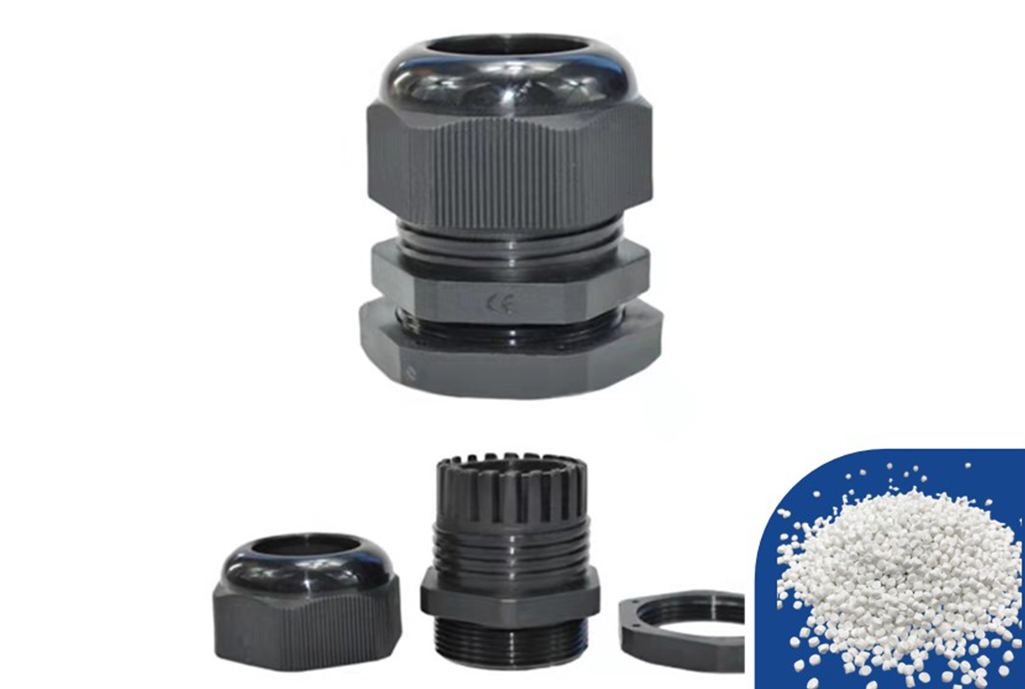
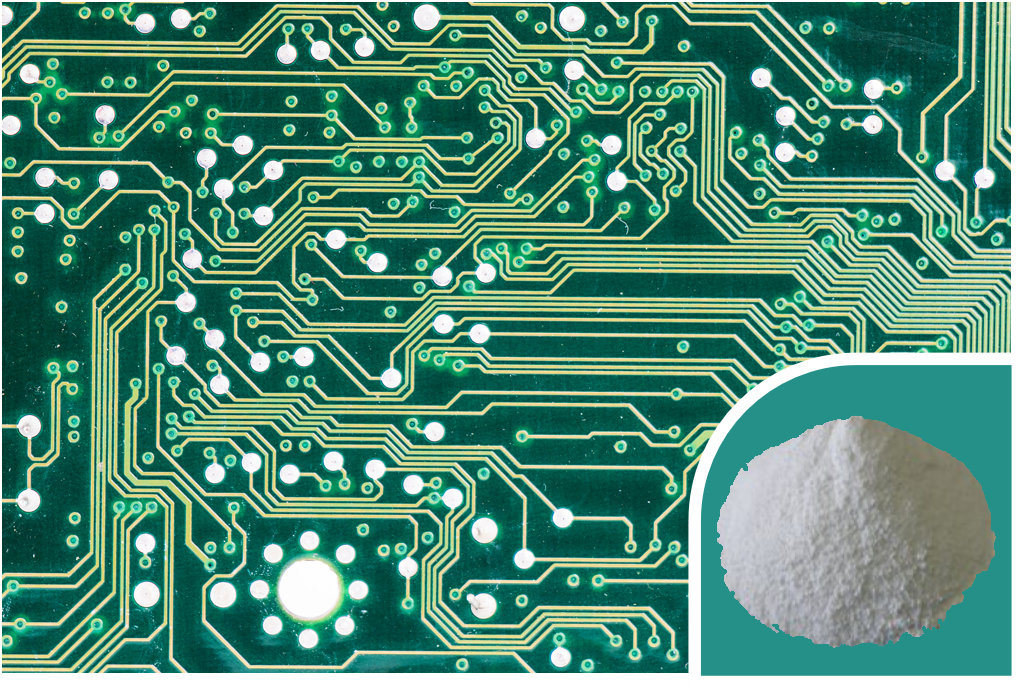
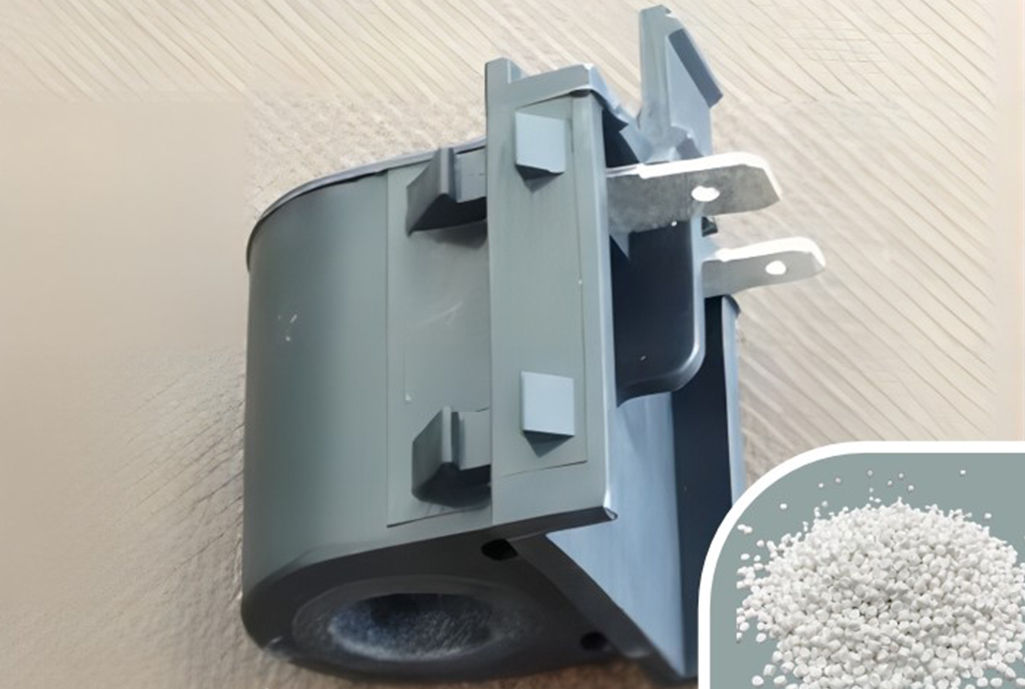
- Electrical and electronic components: Connectors, circuit breaker housings, cable management systems, switch gear components, and appliance enclosures all require UL 94-rated materials. Flame retardant masterbatch for engineering resins such as PA, PBT, PET, and PC/ABS is a core product category in the electronics supply chain, with phosphinate and brominated systems dominating depending on the halogen-free compliance requirements of the end market.
- Wire and cable insulation and jacketing: LSZH cable compounds for railway, marine, tunnel, airport, and commercial building applications are the largest volume application for mineral-based flame retardant masterbatch globally. The combination of IEC flammability, smoke density, and halide gas emission requirements in these applications makes ATH and MDH masterbatch the dominant solution, supplemented by synergistic co-additives to optimize mechanical properties at the required high mineral loadings.
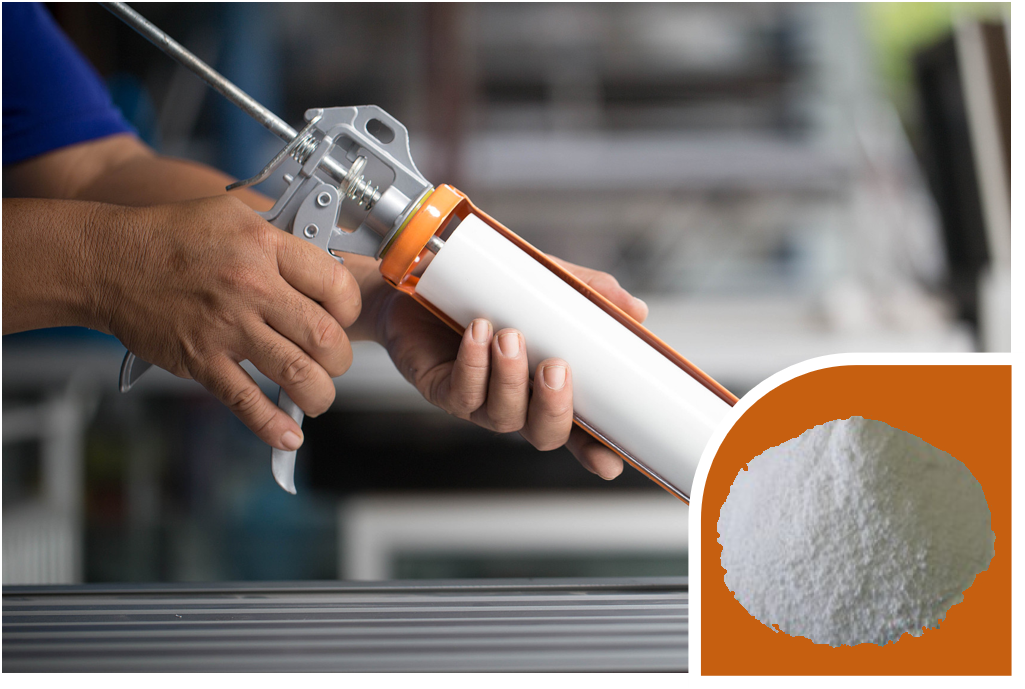
- Building and construction products: Pipe insulation, rigid and flexible foam insulation boards, cable conduit, roofing membrane, and wall panel materials produced from polyolefins, PVC, and polyurethane use flame retardant masterbatch to meet building code requirements including Euroclass fire classification, ASTM E84, and national construction product regulations.
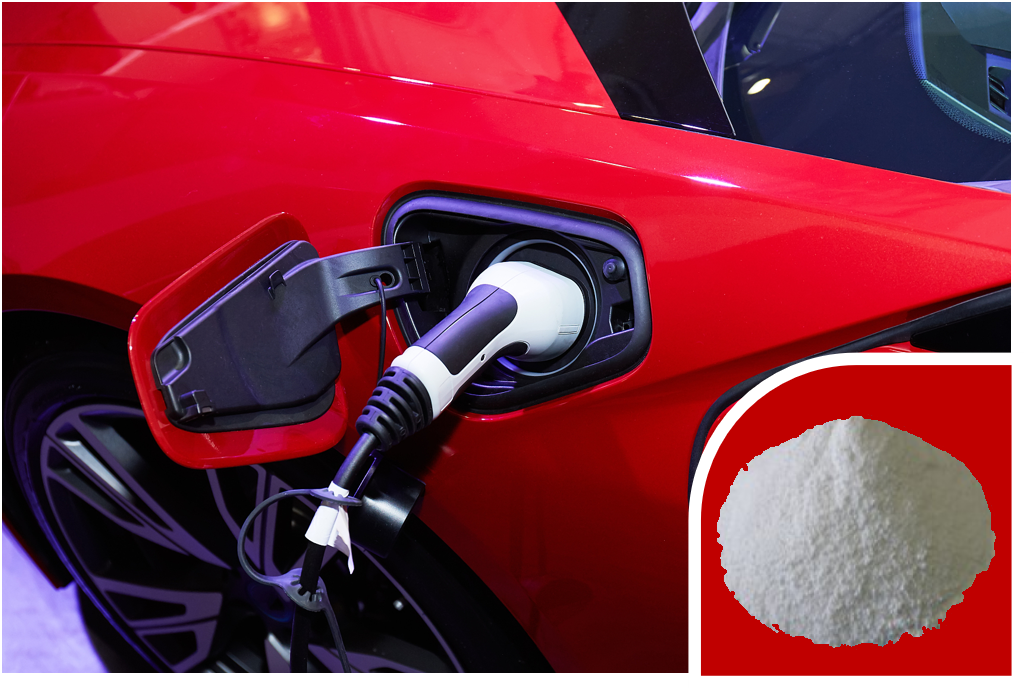
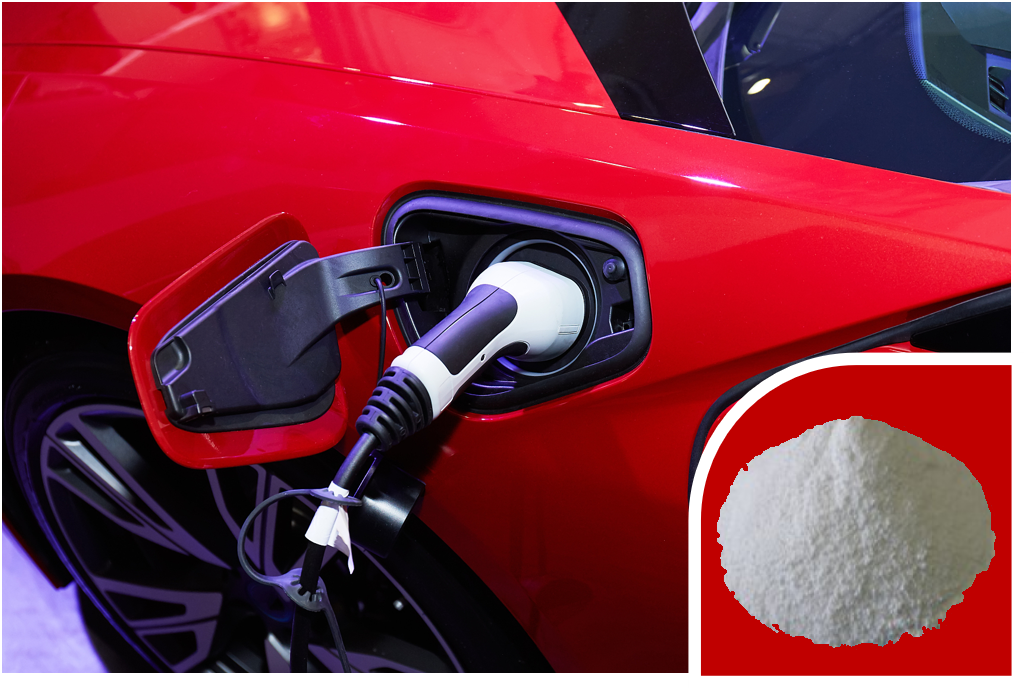
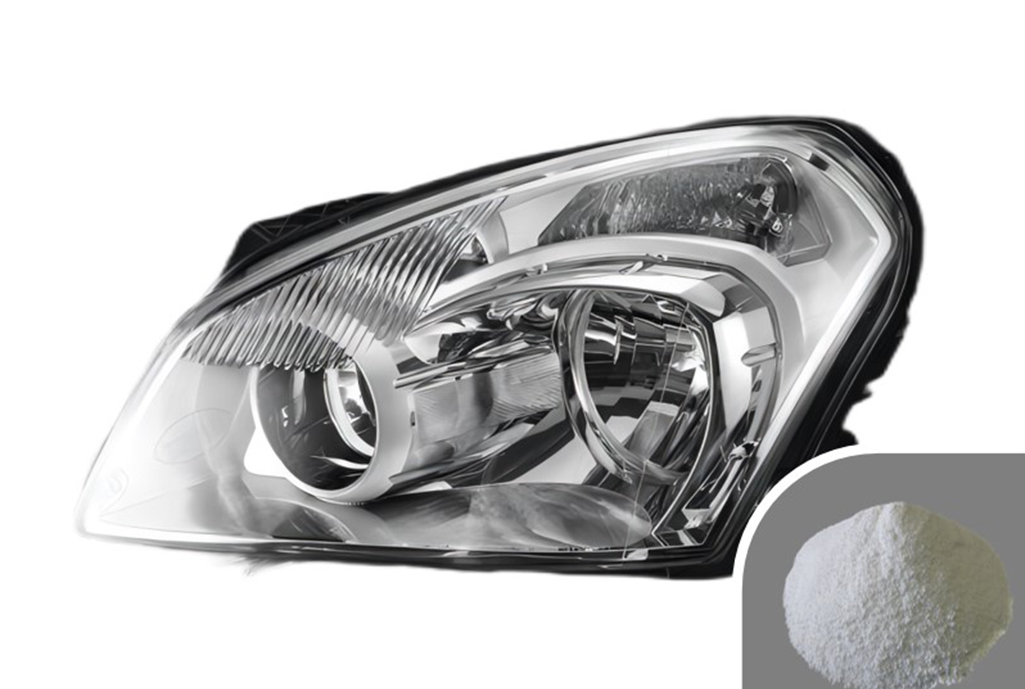
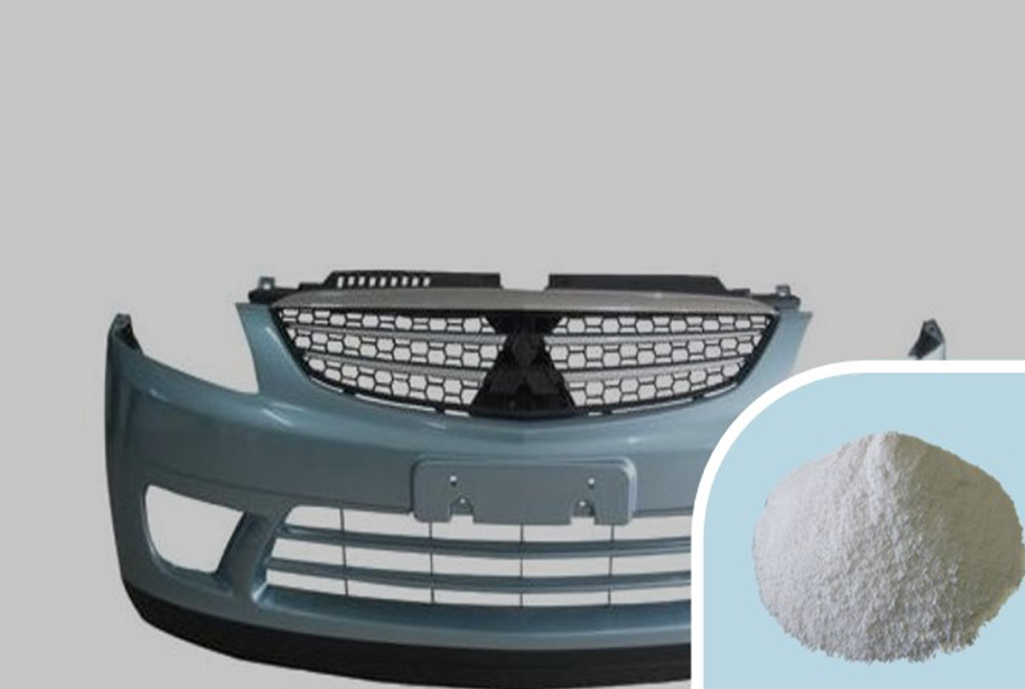
- Automotive and transportation: Interior trim components, under-hood electrical components, seat foam, and cable harness materials in passenger vehicles, commercial vehicles, and electric vehicles increasingly use halogen-free flame retardant masterbatch to meet FMVSS 302 and equivalent standards, as well as OEM-specific fire performance requirements that in many cases exceed minimum regulatory thresholds.
- Textiles and nonwovens: Flame retardant masterbatch for polypropylene and polyester fiber spinning is used in the production of fire-resistant nonwoven fabrics for furniture, mattress covers, protective workwear linings, and technical textiles. Fiber-grade masterbatch formulations require exceptionally fine and uniform dispersion of the flame retardant to avoid fiber breakage during spinning and to maintain uniform fire performance across the fabric structure.
- Agricultural films and packaging: Greenhouse films, agricultural mulch films, and some specialty packaging applications use flame retardant masterbatch where fire propagation risk is a concern, particularly in enclosed growing structures where polyethylene film can rapidly spread fire under certain conditions.
Critical Specifications to Evaluate When Selecting a Flame Retardant Masterbatch
With a wide range of flame retardant masterbatch products available from multiple suppliers, a structured evaluation of key technical specifications is essential to ensure the masterbatch you select will actually deliver the required fire performance, process smoothly in your equipment, and maintain the mechanical and aesthetic properties of your finished product.
| Specification Parameter | What to Look For | Why It Matters |
| Carrier resin compatibility | Carrier must be same family as or fully compatible with your base polymer | Incompatible carrier resin causes poor dispersion, delamination, and mechanical property loss |
| Active FR content (%) | Confirm the loading level needed in the final compound to pass your target standard | Determines the let-down ratio and the cost per kg of treated compound |
| Thermal stability | FR must be stable throughout your full processing temperature range | Premature decomposition causes processing defects, equipment contamination, and FR performance loss |
| MFI / melt flow compatibility | Masterbatch MFI should be close to or slightly above the base resin MFI | Significant MFI mismatch causes uneven distribution and processing inconsistency |
| Halogen-free compliance | Request IEC 60754 test data or supplier declaration for halogen content | Essential for RoHS, REACH, and LSZH cable compliance verification |
| Fire test performance data | Request UL 94, LOI, cone calorimeter, or cable standard test results at your target loading | Confirms the masterbatch can actually achieve the required classification in your polymer |
| Impact on mechanical properties | Request tensile, impact, and elongation data at recommended let-down ratio | High FR loadings can significantly reduce elongation, impact strength, and flexibility |
| Color and aesthetics | Check color of masterbatch and whether it limits achievable final part colors | Red phosphorus and some mineral systems constrain achievable color palette of finished parts |
Understanding Let-Down Ratios and How to Calculate the Right Addition Level
The let-down ratio is the proportion of flame retardant masterbatch added to the base polymer to achieve the required flame retardant concentration in the finished compound. Getting this calculation right is fundamental to achieving consistent fire performance and avoiding both under-dosing — which fails to meet the fire standard — and over-dosing, which wastes material, increases cost, and unnecessarily degrades mechanical properties.
The calculation starts from the required active flame retardant loading in the final compound, which is determined by the specific polymer system and the target fire test classification. For example, if a polypropylene compound requires 30% by weight of ATH to achieve the required cable fire performance, and the ATH masterbatch contains 70% active ATH in a polyolefin carrier, the let-down ratio is calculated as: required FR loading in compound (30%) divided by active content in masterbatch (70%) = 42.9% masterbatch addition rate, meaning approximately 43 parts of masterbatch per 57 parts of base polypropylene. If the same compound uses a more concentrated masterbatch at 80% ATH content, the masterbatch addition rate drops to 37.5%, reducing the dilution effect of the carrier resin on the final compound properties.
In practice, the let-down ratio recommended by the masterbatch supplier is the starting point, but it should always be validated by producing trial compounds at the recommended addition rate and testing them against the actual fire standard rather than relying solely on supplier data generated in a different polymer grade or processing conditions. Small differences in base resin grade, processing temperature, residence time, and part geometry can all affect fire test results, and what achieves V-0 in a supplier's laboratory formulation may need fine-tuning to achieve the same result in your specific production conditions.
Common Processing Issues with Flame Retardant Masterbatch and How to Resolve Them
Even well-specified flame retardant masterbatch products can cause processing problems if they are not handled, stored, or incorporated correctly. The following are the most frequently encountered issues and the practical steps for resolving each one.
- Poor dispersion and streaking: Visible streaks, agglomerates, or uneven distribution of the flame retardant in the finished part typically indicate insufficient mixing in the processing equipment, a significant MFI mismatch between masterbatch and base resin, or a carrier resin incompatibility. Increasing back pressure on the injection molding machine, using a mixing screw design with higher shear elements, reducing line speed on extrusion, or switching to a masterbatch with a carrier resin closer in MFI and chemical compatibility to the base polymer are the primary corrective actions.
- Decomposition and discoloration during processing: Yellowing, browning, or visible decomposition products in the processed compound indicate that the processing temperature exceeds the thermal stability limit of the flame retardant system. Reduce melt temperature and barrel zone temperatures, minimize residence time in the barrel by reducing shot size relative to barrel capacity, and verify that the masterbatch thermal stability specification covers the full temperature range of your process including any transient peak temperatures during startup or purging.
- Moisture-related surface defects: Silver streaks, splay marks, or surface voids in injection-molded parts using intumescent or ammonium polyphosphate-based masterbatch typically indicate moisture absorption in the masterbatch pellets before processing. Pre-dry masterbatch at the recommended temperature and time before use — typically 80°C for 2–4 hours for most polyolefin-based masterbatches — and store opened bags in sealed, moisture-proof containers to prevent re-absorption.
- Plate-out on mold surfaces or die faces: Accumulation of white or greasy deposits on mold surfaces or die faces during extended production runs can result from migration of flame retardant components to the surface of the melt under shear. This is more common with liquid phosphate ester additives or incompletely encapsulated mineral flame retardants. Switching to a masterbatch using a higher-grade encapsulated or surface-treated FR grade, adding a small amount of compatibilizer to improve FR-polymer interaction, or reducing mold temperature are the most effective corrective strategies.
- Inconsistent fire test results between production batches: Batch-to-batch variation in UL 94 or other fire test performance most commonly results from dosing inaccuracy in the let-down ratio, variation in masterbatch active content between supplier lots, or changes in base resin MFI or grade between batches. Implement gravimetric dosing control for the masterbatch addition, require certificate of analysis documentation from the masterbatch supplier confirming active FR content for each production lot, and establish a routine incoming quality control protocol that includes fire testing of a sample compound at the standard let-down ratio for each new masterbatch lot received.
Flame Retardant Masterbatch vs. Direct Compounding: When Each Approach Makes More Sense
Flame retardant masterbatch is not the only route to producing flame-retardant polymer compounds. Direct compounding — where raw flame retardant additives are mixed directly into the polymer on a twin-screw extruder to produce a fully compounded FR pellet — is an alternative approach that is preferred in certain production contexts. Understanding the genuine trade-offs between the two approaches helps manufacturers choose the most appropriate route for their specific volume, quality, and operational requirements.
Direct compounding offers several advantages for high-volume, single-product operations. It eliminates the carrier resin dilution effect of the masterbatch, allowing more precise control over the final compound formulation and potentially better mechanical properties. It is typically more cost-effective per kilogram of finished compound at large production scales because the masterbatch manufacturing margin is eliminated. And it provides greater formulation flexibility for customizing additive combinations, particle sizes, and loading levels to optimize performance for a specific application. The limitations are that it requires capital investment in twin-screw compounding equipment, involves handling raw powder additives with associated dust and safety management requirements, and produces fixed large-volume batches of a single formulation that may not suit manufacturers running multiple product variants in smaller volumes.
Flame retardant masterbatch is the better choice for processors who do not operate their own compounding lines, who need flexibility to produce multiple product variants with different flame retardant levels on the same processing equipment, who run relatively small batch sizes, or whose primary processing operation is injection molding or extrusion of finished parts rather than compounding. The masterbatch format's ability to deliver consistent, pre-qualified flame retardant performance through simple pellet addition with no powder handling is a significant operational advantage in these contexts, and the additional cost per kilogram of treated compound is typically more than justified by the savings in equipment, safety management, and quality control infrastructure that direct powder compounding would require.



contact details
Address:No. 166, Chenggong Road, Economic Development Zone, Jiashan County, Jiaxing City, Zhejiang Province
TEL: +86-0573-89103923 / +86 182 6841 1181
E-mail: globalmarketing@xusen.com
Quick link
Product
News Center