

 English
 عربى
عربى 简体中文
简体中文Silane-Treated Ammonium Polyphosphate
-- Steady & Reliable Manufacturer --
Introduction
Untreated APP has a polar, hydrophilic surface that does not mix easily with many resins. This can raise viscosity, cause sedimentation, and weaken the bond between filler and matrix. Silane-treated ammonium polyphosphate is APP whose surface has been modified with a silane coupling agent, giving a hydrophobic particle that blends and bonds better with organic resins.
The treatment makes the powder easier to wet out in epoxy, unsaturated polyester, polyurethane, and polyolefin systems, and helps hold viscosity down at high filler loadings. In cured parts, the silane layer improves adhesion between particle and matrix, which helps retain mechanical strength and reduces water uptake. Different silane types, such as amino, epoxy, and vinyl, can be selected to match the resin chemistry.
The core is high polymerization phase II APP, chosen for thermal stability and low solubility, so the fire performance of the base material is preserved.
Specification
| Parameter | Typical Value |
|---|---|
| Appearance | White free-flowing powder |
| Chemical Type | Crystalline phase II APP, silane surface treated |
| Silane Treatment Level | Approximately 0.5 to 2% (type depends on resin system) |
| Phosphorus (P) Content | 29 to 31% |
| Nitrogen (N) Content | 13 to 15% |
| Water Solubility (10% suspension, 25°C) | 0.1 g/100 mL max |
| Particle Size (D50) | 8 to 20 microns |
| Moisture Content | 0.3% max |
| Decomposition Onset | Above 275°C |
| Packaging | 25kg kraft bags with PE liner, 25kg woven bags, or 500kg / 1000kg jumbo bags |
Typical values only. Silane type and treatment level can be adjusted to the target resin. A certificate of analysis is supplied with every shipment.
Application
Silane-treated APP is most useful in resin systems where viscosity, adhesion, and moisture resistance are critical.
- Epoxy potting and encapsulation: Electronic potting compounds and adhesives with halogen-free flame retardancy.
- Epoxy laminates and coatings: Composite boards, structural laminates, and protective coatings.
- Unsaturated polyester and FRP: Building panels, ducts, and molded composite parts.
- Polyurethane systems: Rigid foams, cast elastomers, and sealants.
- Polyolefin compounds: PP and PE based flame-retardant compounds and cable materials.
Advantages
- Lower viscosity at high loading: Easier mixing, casting, and pumping of filled resin systems.
- Stronger filler-matrix bond: Improved adhesion helps retain tensile and flexural properties.
- Hydrophobic surface: Reduced moisture pickup and better resistance to humid conditions.
- Resin-matched silane options: Amino, epoxy, or vinyl types can be chosen to suit your resin chemistry.
- Halogen-free: Supports low-smoke, non-corrosive flame-retardant formulations.
Manufacturing Facility in XUSEN
We have our own production workshops and warehouses, equipped with complete production and quality inspection equipment.
As China Silane-Treated Ammonium Polyphosphate Suppliers and Silane-Treated Ammonium Polyphosphate Factory., With over 20 years in developing halogen-free flame-retardant products positions us as industry leaders in providing domestic flame-retardant solutions.
All our products comply with the stringent requirements of the WEEE, ROHS, and EUP directives.


Rubber and Plastic Industry
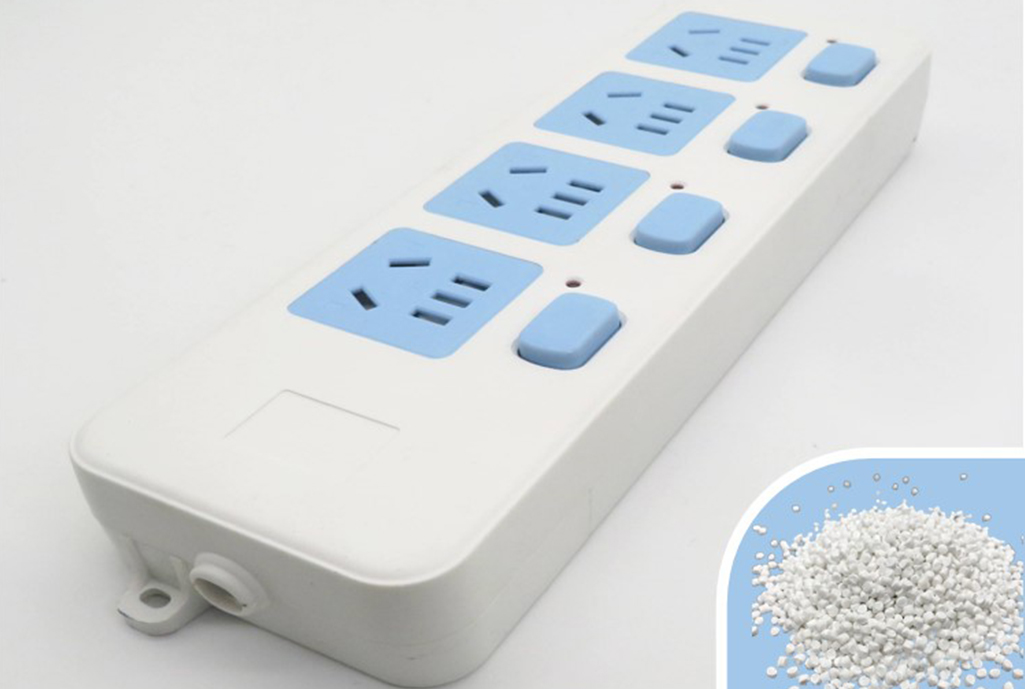
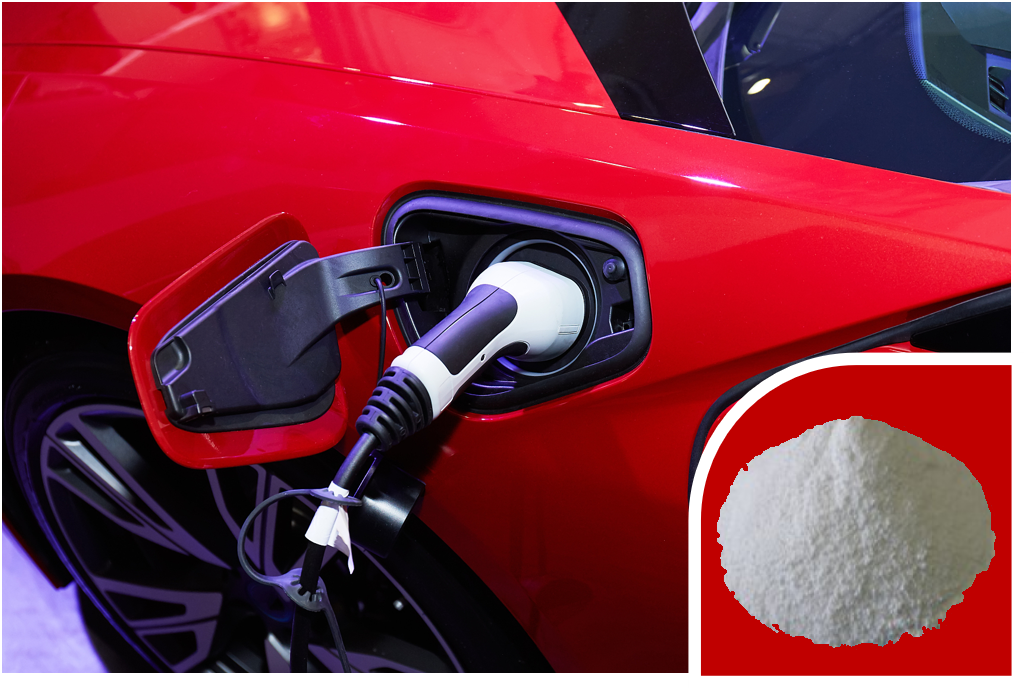
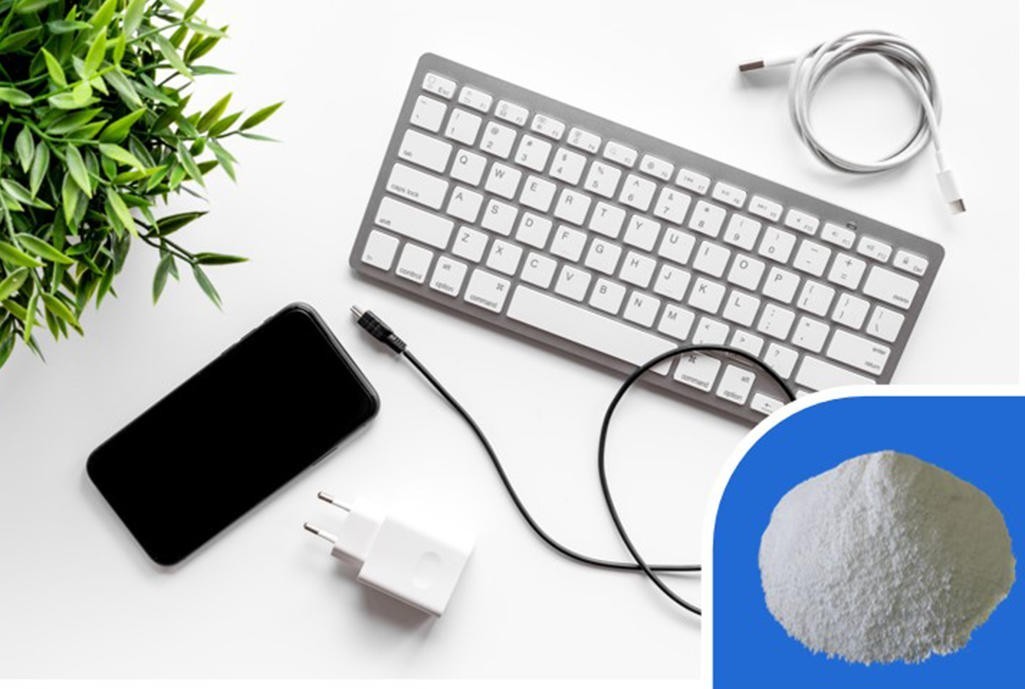
Suitable for materials such as PA, PP, polyester, elastomers, PE, EVA, PC, ABS, etc., widely used in household appliances, automobiles, electricians, cables, and other products.
Composite Materials Field
Suitable for composite flame retardant products based on epoxy resin, polyurethane, etc., we can jointly develop flame retardant products with users to meet the requirements of flame retardancy and physical properties.
Adhesive Field
Suitable for oil-based and water-based adhesives, and can be modified according to customer needs to adapt to user usage conditions and requirements, while maintaining good weather resistance and dispersibility.
Fabric coating field
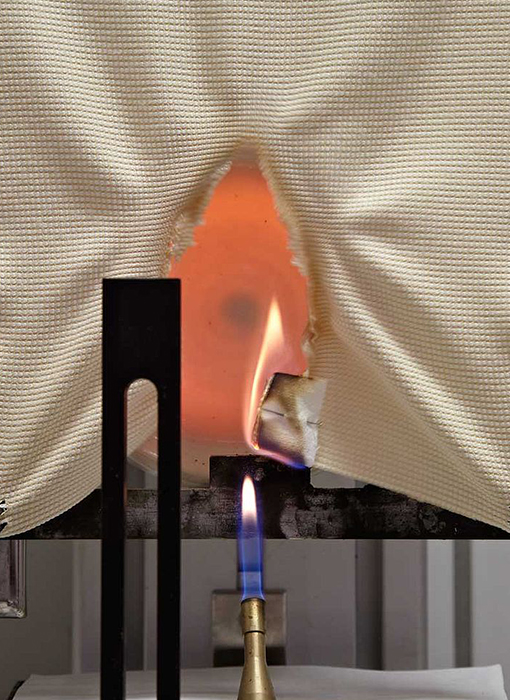
It is applicable to the flame retardant fabric coating based on acrylic lotion. The formula and process can be adjusted according to the user's requirements for flame retardancy, sizing amount, hand feel, etc. to meet the requirements for flame retardancy and physical properties.
Fireproof coatings field
In fireproof coatings, flame retardants are mainly used in APP. We have undergone specific processing techniques for coating APP, which can meet the quality requirements of well-known international manufacturers such as PPG and ICI.