Tel: +86-0573-89103923 / +86 182 6841 1181

E-mail:globalmarketing@xusen.com



 English
 عربى
عربى 简体中文
简体中文Why is Halogen-free Flame Retardant for PP Becoming the Industry Standard for Safety and Sustainability?
2026-01-06
Content
The Shift Toward Halogen-free Flame Retardant Solutions in Polypropylene
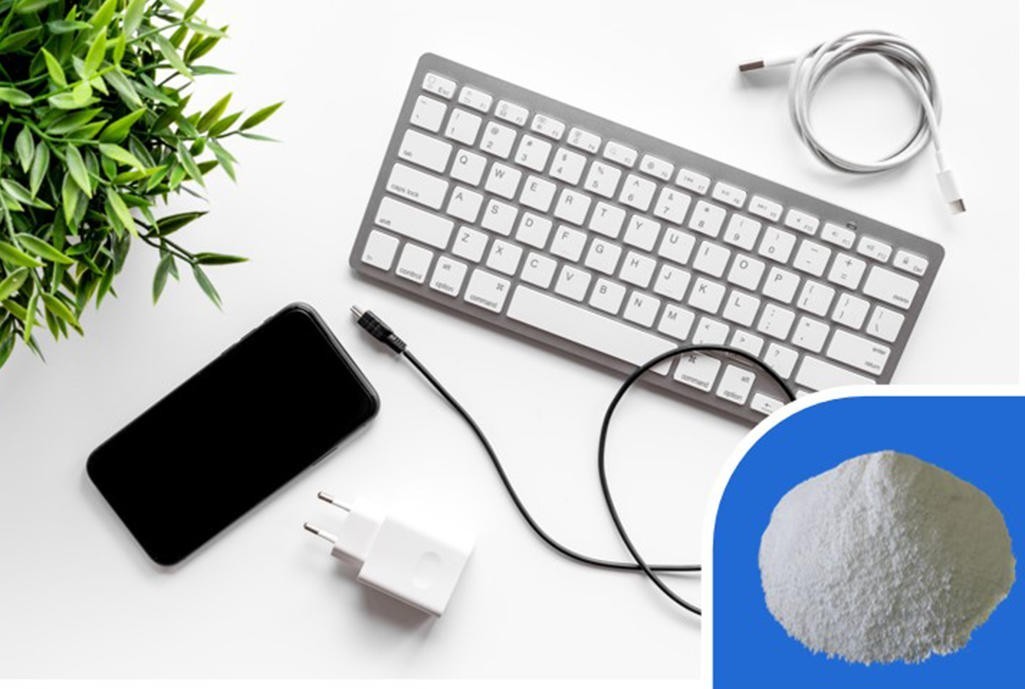
Polypropylene (PP) is one of the most widely used thermoplastics globally due to its excellent chemical resistance, low density, and mechanical versatility. However, its high flammability remains a significant hurdle in industries like electronics, automotive, and construction. Traditional halogenated flame retardants, while effective, release toxic gases and corrosive smoke during combustion. Halogen-free flame retardant (HFFR) systems have emerged as the superior alternative, focusing on Intumescent Flame Retardant (IFR) technology. These systems rely on a synergistic reaction between phosphorus and nitrogen to create a protective barrier, ensuring high-level safety without the environmental baggage of bromine or chlorine-based additives.
Core Mechanisms of Phosphorus-Nitrogen Synergetic Systems
The efficiency of halogen-free flame retardants for PP is largely driven by the intumescent mechanism. When exposed to heat, the flame retardant decomposes to form a thick, porous carbonaceous char layer on the surface of the polymer. This layer acts as a physical barrier that limits heat transfer to the underlying plastic, inhibits the escape of flammable gases, and prevents oxygen from reaching the fuel source. By isolating the three components of the fire triangle—heat, fuel, and oxygen—the HFFR system effectively self-extinguishes the flame while maintaining the structural integrity of the component for a longer duration during a fire event.
Advantages Over Traditional Halogenated Additives
- Low Smoke Density: HFFRs significantly reduce the amount of dark, thick smoke produced during a fire, which is critical for visibility in emergency evacuations.
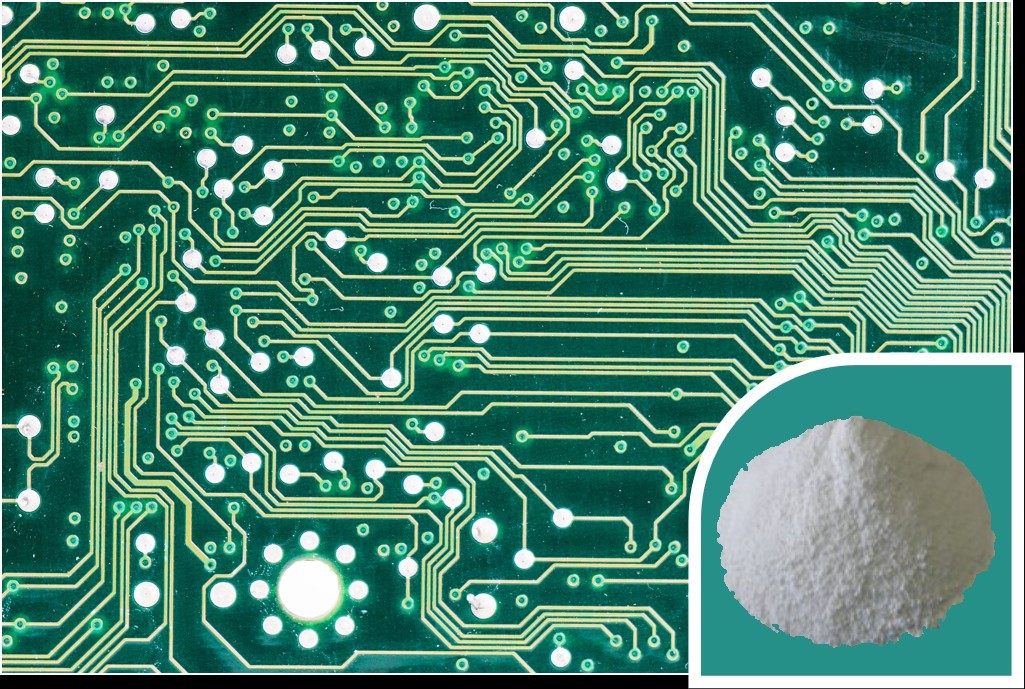
- Non-Corrosive Byproducts: Unlike halogenated versions, HFFR does not release hydrohalic acids, protecting sensitive electronic circuitry and metal components from post-fire corrosion.
- Environmental Compliance: These materials meet strict regulatory standards such as RoHS and REACH, ensuring global market accessibility and sustainability.
Performance Comparison and Application Specifications
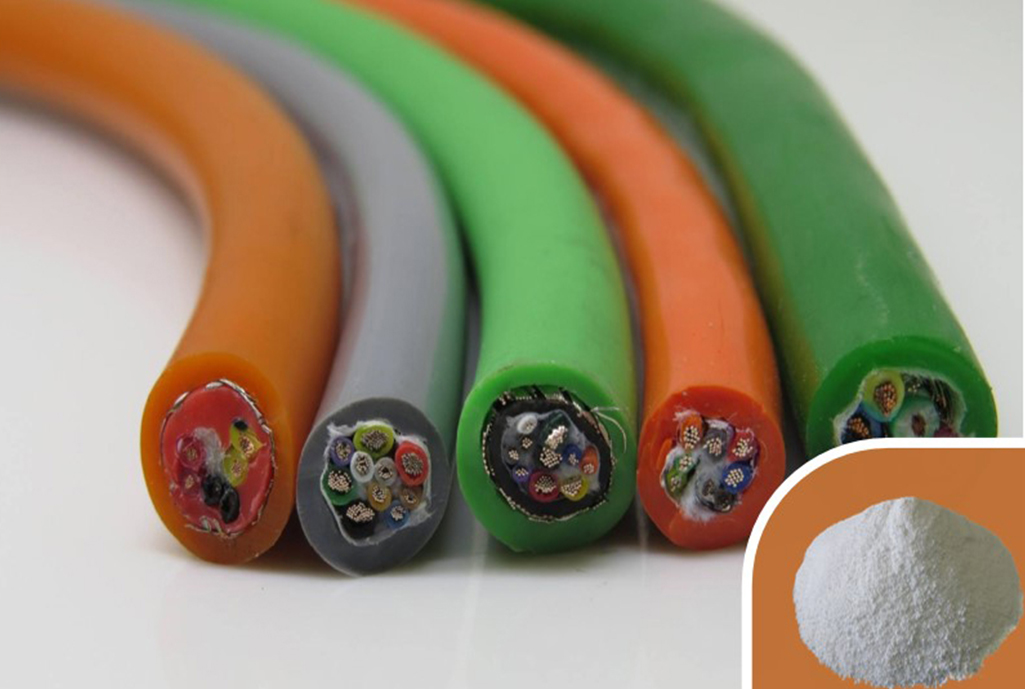
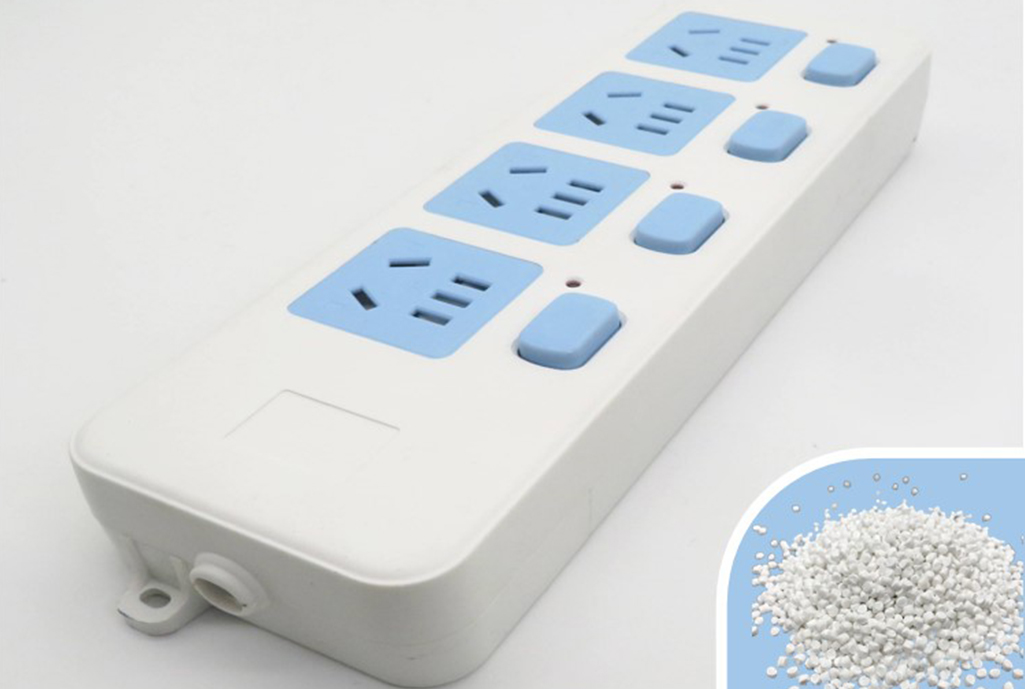
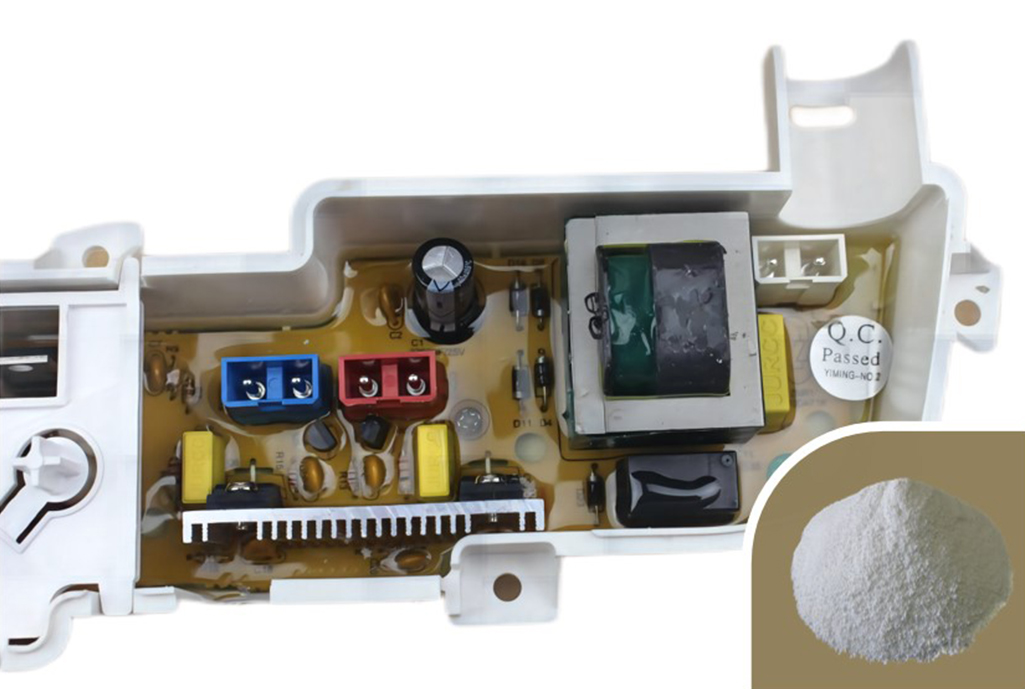
Selecting the right halogen-free flame retardant for PP requires balancing fire safety with the physical properties of the material. Intumescent systems generally offer a UL94 V-0 rating at lower loading levels compared to inorganic fillers like Magnesium Hydroxide (MDH). This lower loading helps in preserving the impact strength and flow characteristics of the PP resin, making it suitable for complex injection molding processes used in battery housings, electrical connectors, and household appliances.
| Property | Halogenated PP | Halogen-Free (IFR) PP |
| Flame Retardancy Rating | UL94 V-0 | UL94 V-0 |
| Smoke Toxicity | High (Toxic/Corrosive) | Low (Non-toxic) |
| Density Increase | Moderate | Minimal |
| UV Stability | Average | Excellent |
Key Considerations for Processing HFFR PP Compounds
Processing PP with halogen-free flame retardants requires careful temperature management. Because phosphorus-nitrogen systems are designed to react at high temperatures, processing the melt at excessively high heat can lead to premature decomposition of the flame retardant, resulting in surface defects or "blooming." It is recommended to maintain a processing temperature below 220°C. Additionally, the screw configuration should be optimized to ensure a uniform dispersion of the flame retardant powder within the PP matrix, as poor dispersion can lead to inconsistent fire performance and reduced mechanical durability.
Future Outlook for Flame Retardant Polypropylene
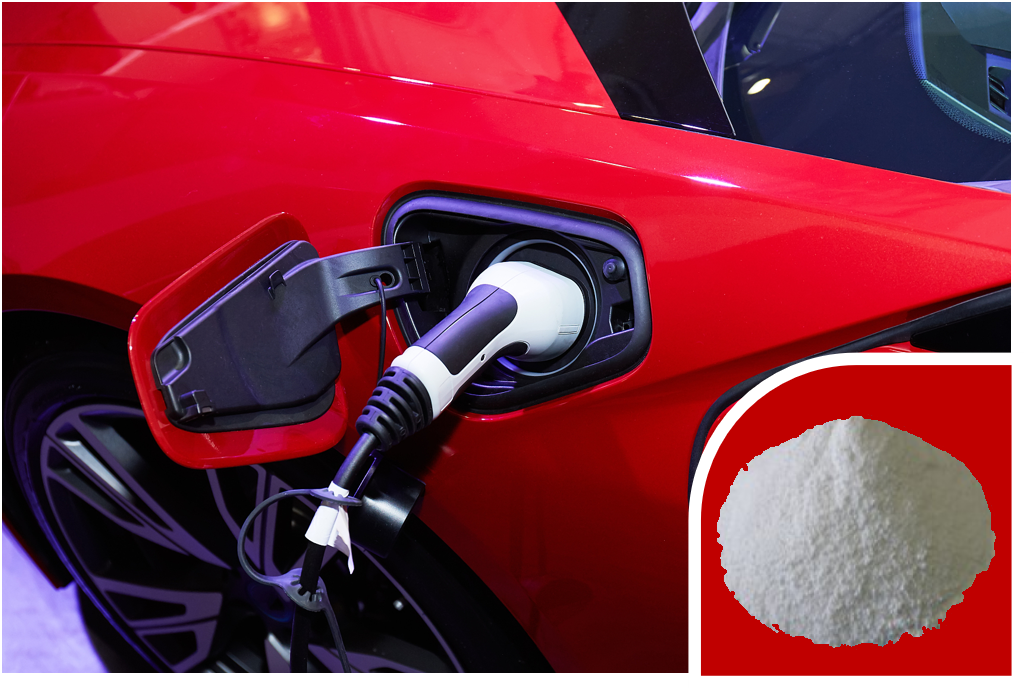
The demand for halogen-free flame retardant for PP is expected to grow as the electric vehicle (EV) market expands. The need for lightweight, fire-safe materials for battery modules and charging infrastructure is driving innovation in hyper-branched and micro-encapsulated HFFR technologies. These advancements aim to further reduce the dosage required to reach a V-0 rating while enhancing the water resistance and thermal stability of the final product, ensuring that PP remains a competitive and safe material choice for the next generation of industrial design.




contact details
Address:No. 166, Chenggong Road, Economic Development Zone, Jiashan County, Jiaxing City, Zhejiang Province
TEL: +86-0573-89103923 / +86 182 6841 1181
E-mail: globalmarketing@xusen.com
Product
News Center