Tel: +86-0573-89103923 / +86 182 6841 1181

E-mail:globalmarketing@xusen.com



 English
 عربى
عربى 简体中文
简体中文The Future of Fire Safety: High-Performance Flame Retardant Masterbatch in Polymer Engineering
2026-01-04
Content
Understanding the Mechanisms of Flame Retardant Masterbatch
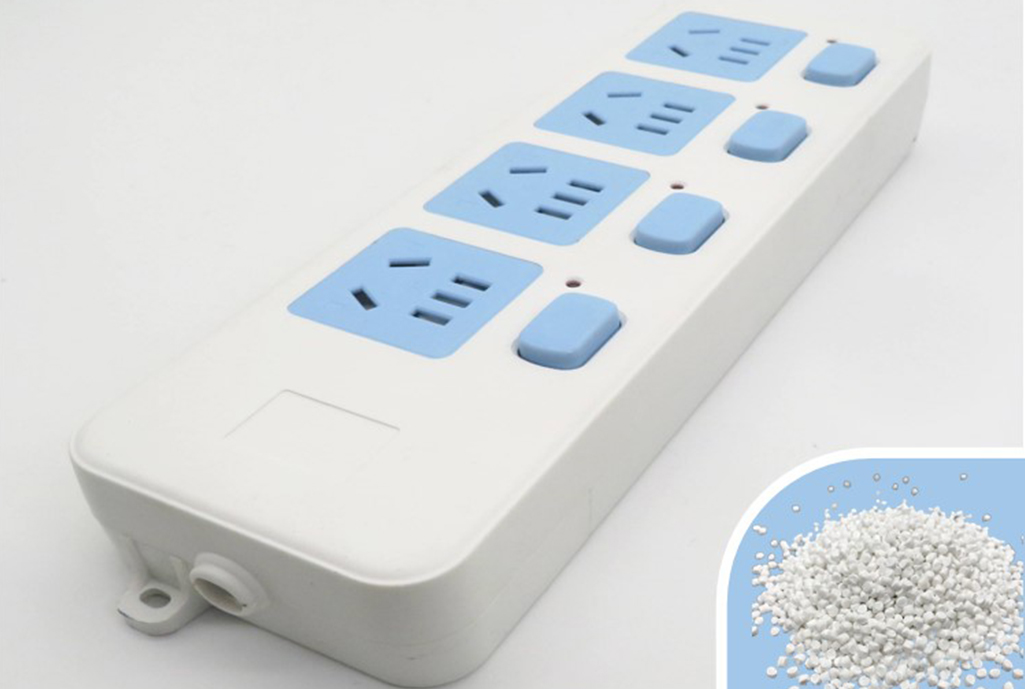
Flame retardant masterbatch is a concentrated mixture of fire-inhibiting additives encapsulated during a heat process into a carrier resin, which is then cooled and cut into granules. Unlike powder additives, masterbatches offer superior dispersion within the polymer matrix, ensuring that the final plastic product maintains consistent safety properties throughout. The primary function of these masterbatches is to delay the ignition of the polymer and slow down the spread of flames through chemical reactions that occur in either the gas or solid phase of combustion.
When heat is applied to a treated polymer, the flame retardant chemicals activate to suppress fire in several ways. Some work through endothermic degradation, absorbing heat to cool the substrate, while others form a protective "char" layer on the surface that acts as a thermal barrier between the flame and the fuel. By integrating these additives into a masterbatch format, manufacturers significantly reduce dust hazards in the factory environment and improve the efficiency of the injection molding or extrusion process.
Comparative Analysis of Masterbatch Types by Chemical Composition
Choosing the right flame retardant masterbatch depends heavily on the base polymer (such as PE, PP, ABS, or PA) and the specific regulatory requirements of the industry. The following table outlines the most common types used in modern manufacturing:
| Masterbatch Type | Primary Mechanism | Common Applications |
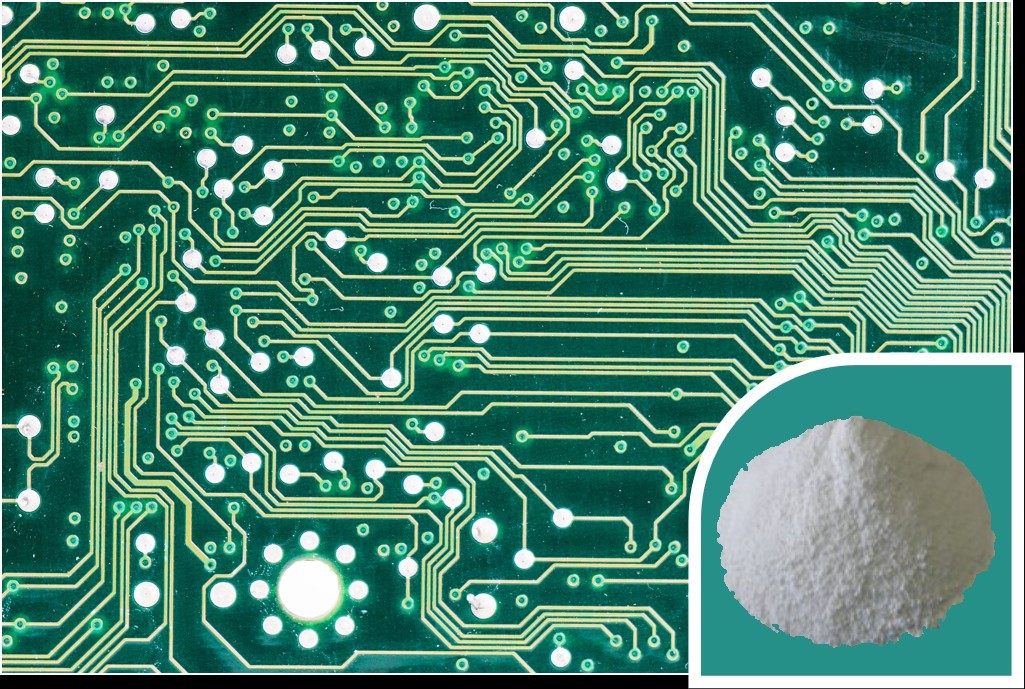
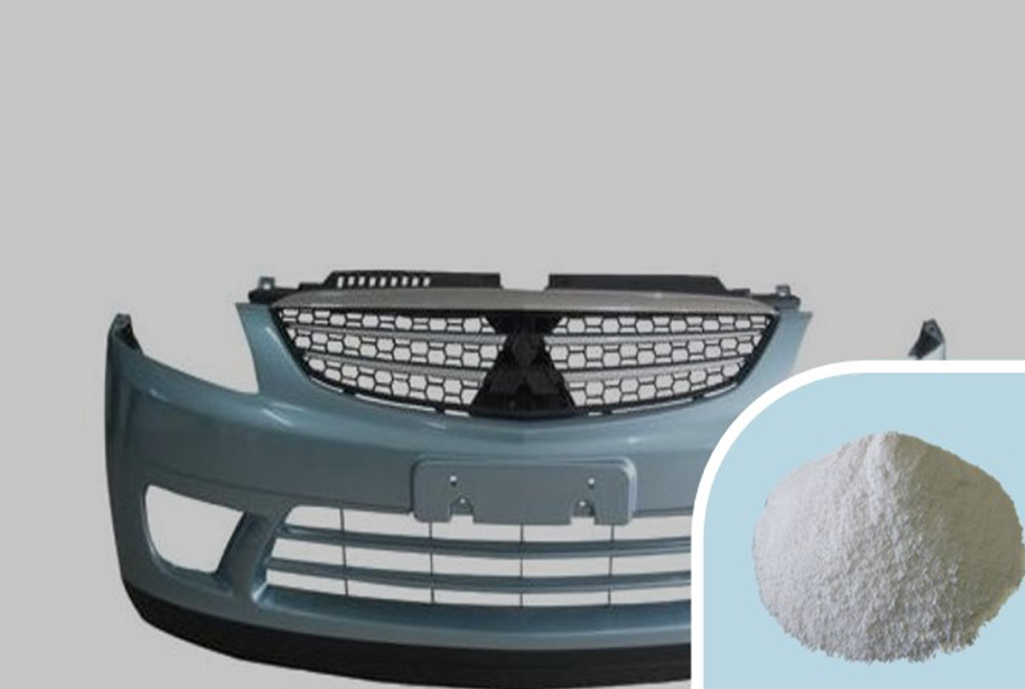
| Halogenated (Brominated) | Gas-phase radical quenching | Electronics and Automotive parts |
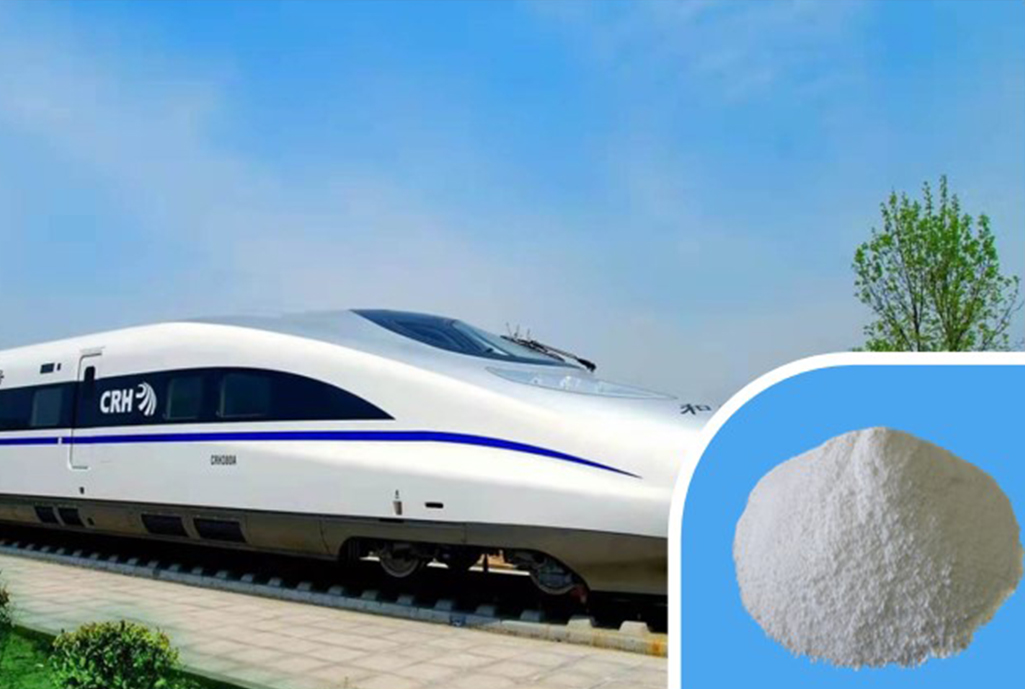
| Halogen-Free (HFFR) | Intumescent char formation | Public transport and Construction |
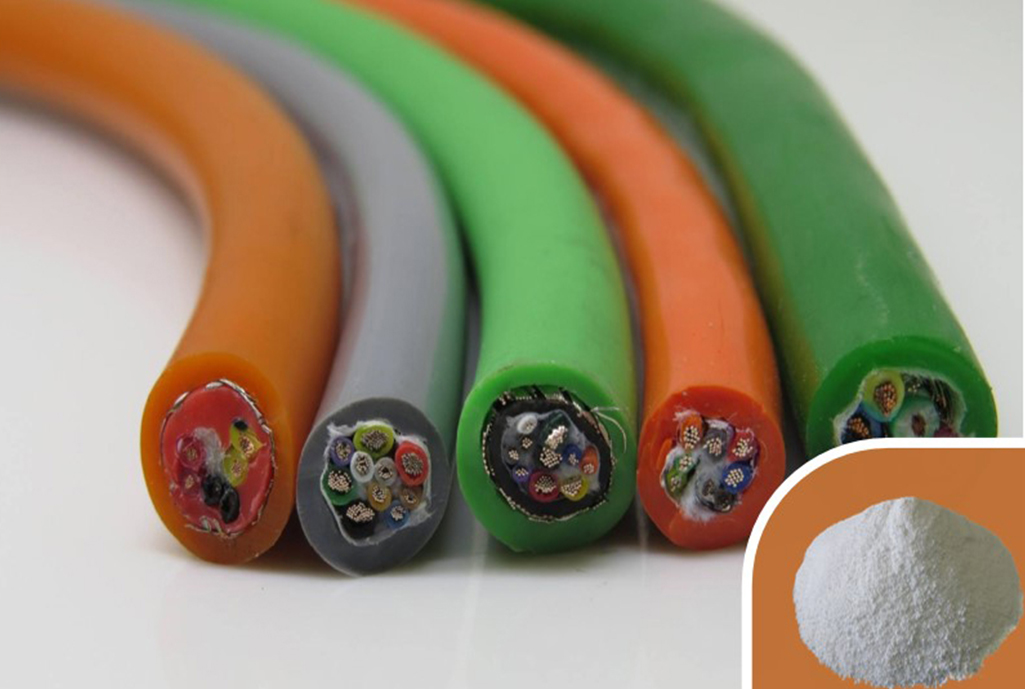
| Inorganic/Mineral | Water vapor release (cooling) | Wire and Cable insulation |
Halogen-Free Environmental Advantages
In recent years, the industry has shifted toward Halogen-Free Flame Retardant (HFFR) masterbatches. These formulations typically utilize phosphorus and nitrogen-based chemistry. Upon combustion, they emit significantly less toxic smoke and corrosive gases compared to traditional halogenated versions, making them the standard for confined spaces like tunnels, high-rise buildings, and aircraft interiors.
Key Technical Benefits of Using Masterbatch over Powder Additives
The transition from raw powder additives to masterbatch systems provides several operational advantages that directly impact the bottom line and product quality. Because the additives are pre-dispersed in a carrier resin compatible with the end-use polymer, the risk of "hot spots" or weak points in the material is greatly minimized.
- Enhanced Processing Stability: Masterbatch pellets flow more uniformly in feeders, preventing the clogging issues often associated with fine powders.
- Improved Mechanical Integrity: High loading of powders can often make plastics brittle; however, specialized masterbatches are formulated to preserve impact strength and flexibility.
- Dosage Accuracy: Precise control over the percentage of active flame retardants allows manufacturers to meet UL94 V-0, V-1, or V-2 ratings with minimal waste.
- Worker Safety: Eliminating airborne chemical dust improves the air quality within the manufacturing facility and reduces the need for complex filtration systems.
Selection Criteria for Industrial Applications
Selecting the appropriate flame retardant masterbatch requires a deep dive into the end-use environment of the product. Engineers must consider the processing temperature of the base resin to ensure the masterbatch does not decompose prematurely during extrusion. For example, a masterbatch designed for Polypropylene (PP) may not be suitable for Polyamide (PA) due to the higher melting points required for the latter.
UV Stability and Color Matching
Many flame retardants can negatively affect the color stability of a plastic part, leading to yellowing over time, especially when exposed to sunlight. High-quality masterbatches often incorporate UV stabilizers to counteract this effect. Furthermore, because the carrier resin can be pigmented, manufacturers can achieve fire safety and specific aesthetic colors in a single dosing step, streamlining the production line.
Ultimately, the integration of a high-performance flame retardant masterbatch is a critical step in modern polymer science. It balances the rigorous demands of fire safety regulations with the practicalities of industrial manufacturing, ensuring that the finished products are safe, durable, and environmentally compliant.


contact details
Address:No. 166, Chenggong Road, Economic Development Zone, Jiashan County, Jiaxing City, Zhejiang Province
TEL: +86-0573-89103923 / +86 182 6841 1181
E-mail: globalmarketing@xusen.com
Product
News Center