Tel: +86-0573-89103923 / +86 182 6841 1181

E-mail:globalmarketing@xusen.com



 English
 عربى
عربى 简体中文
简体中文How Functional Additives For PA Make Better Plastic Products
2026-03-04
Content
Improving the Performance of Nylon with Functional Additives For PA
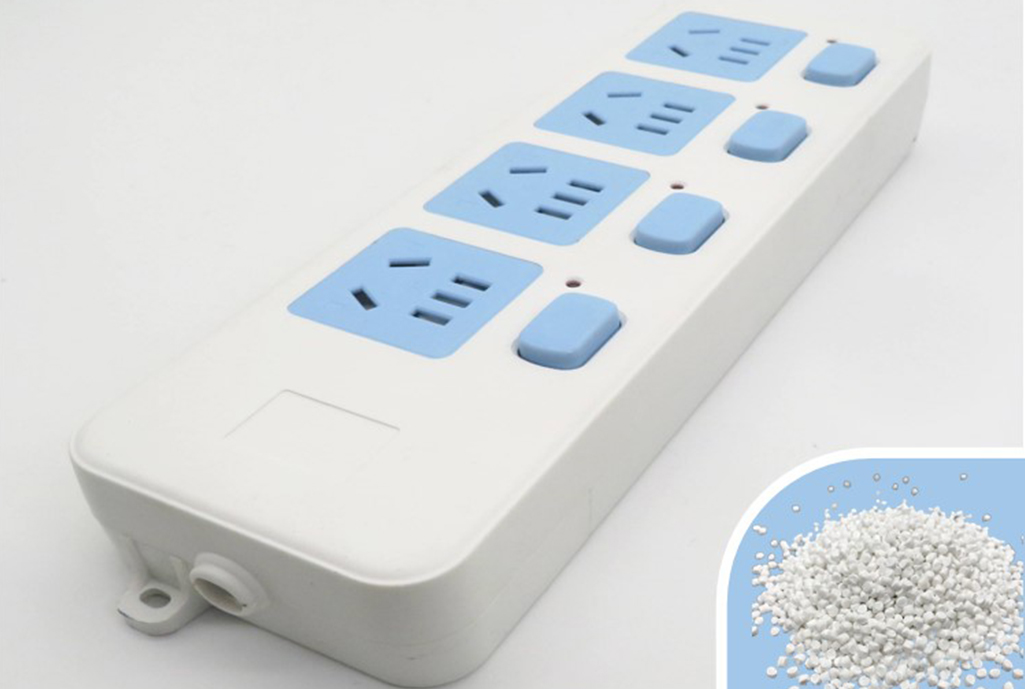
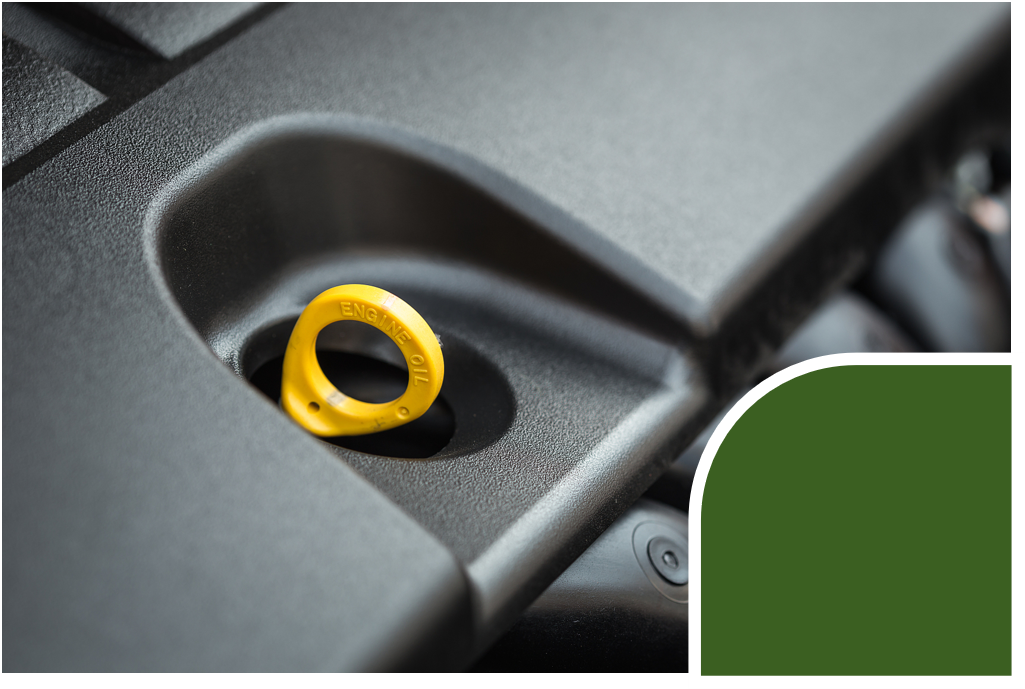
Polyamide, commonly known as nylon or PA, is one of the most widely used engineering plastics due to its excellent mechanical strength and wear resistance. However, raw PA resins often face limitations in extreme environments, such as high-temperature oxidation or brittleness in cold climates. This is where functional additives for PA become essential. By incorporating specialized chemicals into the polymer matrix, manufacturers can "fine-tune" the material properties of PA6, PA66, and other long-chain polyamides. These additives act on a molecular level to stabilize the polymer chains, ensuring that the finished product—whether it is an automotive engine cover or an electrical housing—can withstand rigorous industrial demands.
The use of these performance-enhancing agents is not just about protection; it is about expanding the application range of nylon. Without functional additives for PA, many plastic components would fail prematurely due to UV degradation or moisture absorption. By selecting the right combination of stabilizers and modifiers, engineers can create nylon compounds that are lighter than metal but strong enough to replace structural aluminum components, leading to significant energy savings and reduced manufacturing costs.
Essential Categories of Polyamide Modifiers
To achieve specific performance goals, functional additives for PA are categorized based on the problem they solve. For instance, impact modifiers are used to increase the toughness of nylon at low temperatures, preventing it from cracking. On the other hand, heat stabilizers are vital for components used under the hood of vehicles, where constant exposure to heat would otherwise cause the plastic to become yellow and brittle. Each additive type serves as a constructive solution to a specific environmental or mechanical challenge.
Primary Functions of PA Additives
- Heat Resistance: Copper-based or phenolic antioxidants that prevent thermal aging and maintain mechanical properties.
- Flame Retardancy: Halogen-free or brominated agents that allow PA to meet strict UL94 safety standards for electronics.
- Impact Modification: Elastomeric compounds (like POE-g-MAH) that improve the "notched impact strength" of the nylon.
- Processing Aids: Lubricants and flow enhancers that reduce cycle times during injection molding and prevent surface defects.
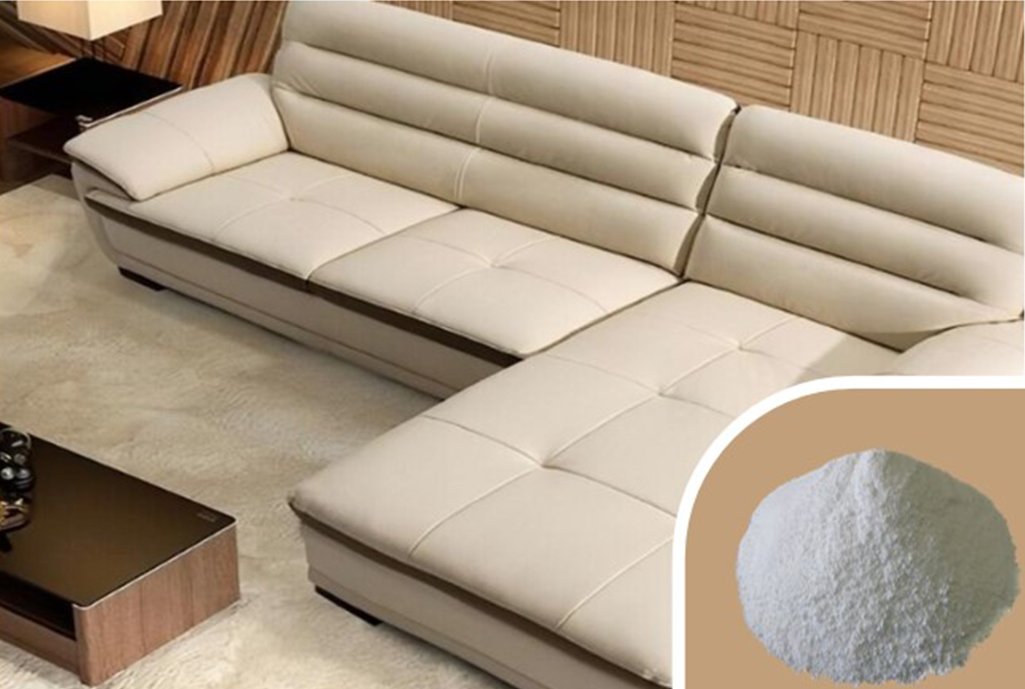
Comparison of Additive Effects on Nylon Properties
Choosing the right functional additives for PA requires a balance between cost and performance. Some additives might improve one property while slightly reducing another. For example, adding high amounts of flame retardant might decrease the tensile strength of the nylon. Therefore, understanding the trade-offs is crucial for material scientists. The table below compares the typical effects of common additives on standard Polyamide 6 (PA6) resins.
| Additive Type | Property Improved | Impact on Processing | Typical Application |
| Coupling Agents | Glass Fiber Adhesion | Improves Flow | Reinforced Structural Parts |
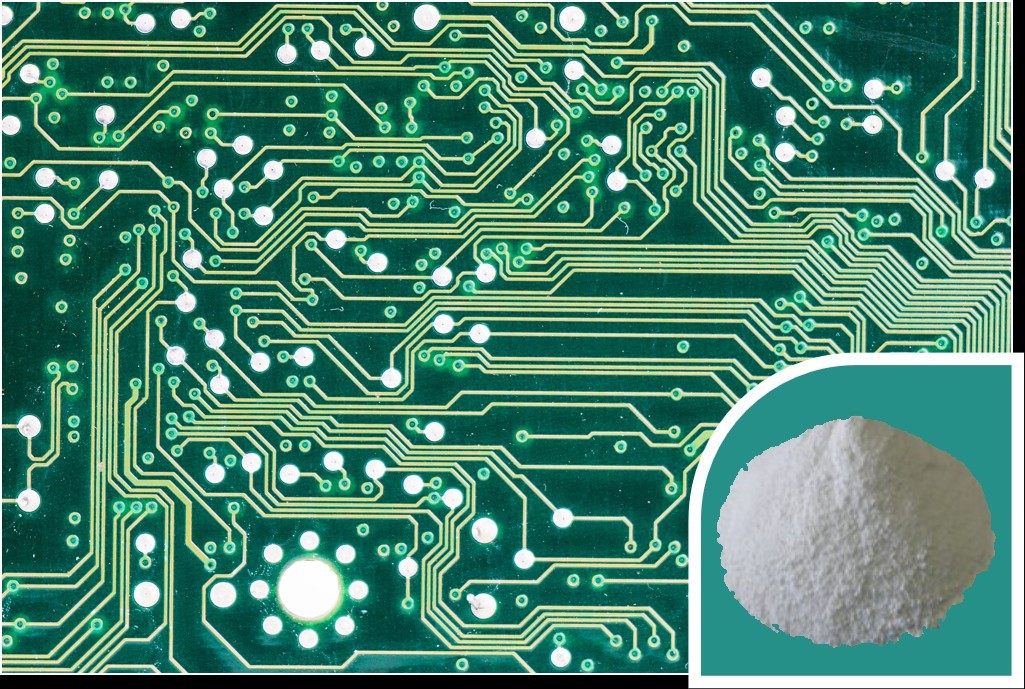
| Halogen-Free FR | Fire Safety | Increases Viscosity | Connectors & Circuit Breakers |
| Nucleating Agents | Crystallinity & Speed | Shortens Cooling Time | High-Speed Injection Molding |
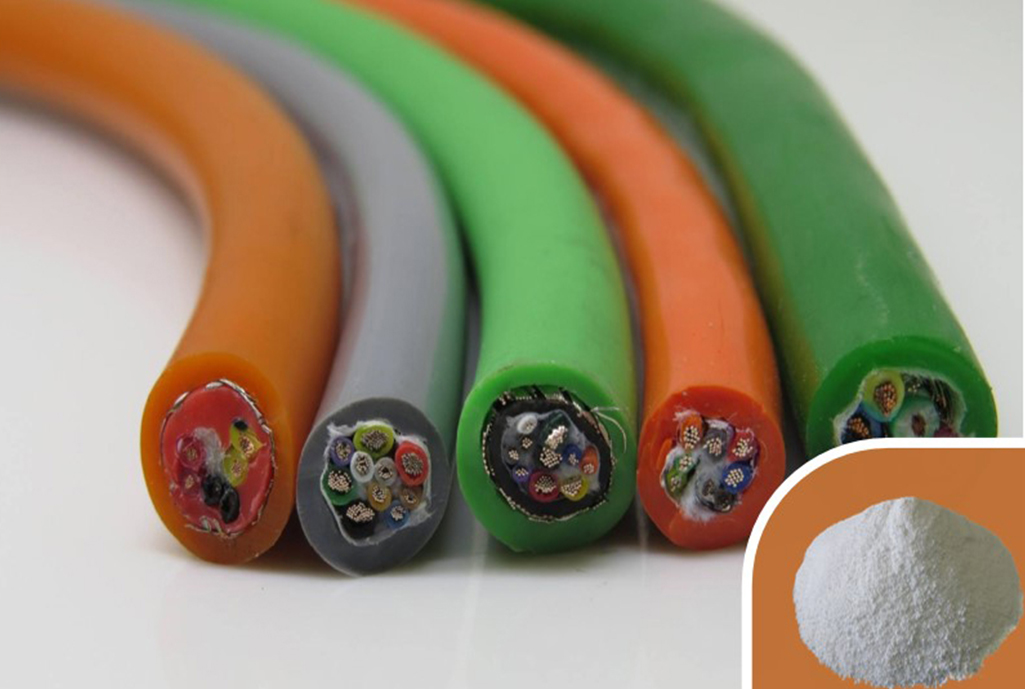
| UV Stabilizers | Weathering Resistance | Neutral | Outdoor Cables & Hardware |
Practical Considerations for Compounding and Molding
When using functional additives for PA, the compounding process is just as important as the chemistry itself. Polyamide is hygroscopic, meaning it absorbs moisture easily. If the additives are not properly dried or if the twin-screw extrusion temperature is too high, the additives can degrade, leading to "silver streaks" or bubbles in the final molded part. It is constructive to ensure that additives like flame retardants are dispersed evenly; poor dispersion can lead to "hot spots" where the part may fail a fire test despite having the correct percentage of additive in the mix.
Furthermore, the compatibility between the PA matrix and the additive is vital. For example, when adding maleic anhydride grafted polymers as impact modifiers, the chemical reaction between the grafted groups and the amine end-groups of the nylon creates a strong bond. This "reactive extrusion" is the secret to creating super-tough nylon that remains flexible even in sub-zero temperatures. Manufacturers should always consult with additive suppliers to determine the optimal "loading level" to avoid over-engineering the product and increasing costs unnecessarily.
Summary: Enhancing the Value of Polyamide Products
In summary, functional additives for PA are the key to unlocking the full potential of nylon resins. By addressing the inherent weaknesses of the polymer—such as sensitivity to heat, fire, and impact—these additives allow nylon to perform in the most demanding industrial environments. Whether you are aiming for high-voltage electrical safety or long-term automotive durability, the strategic use of stabilizers and modifiers ensures that your PA products are safe, reliable, and cost-effective. As the industry moves toward more specialized engineering requirements, the role of advanced additives will only continue to grow.



contact details
Address:No. 166, Chenggong Road, Economic Development Zone, Jiashan County, Jiaxing City, Zhejiang Province
TEL: +86-0573-89103923 / +86 182 6841 1181
E-mail: globalmarketing@xusen.com
Product
News Center