

 English
 عربى
عربى 简体中文
简体中文MCA for Glass Fiber Reinforced PA
-- Steady & Reliable Manufacturer --
Introduction
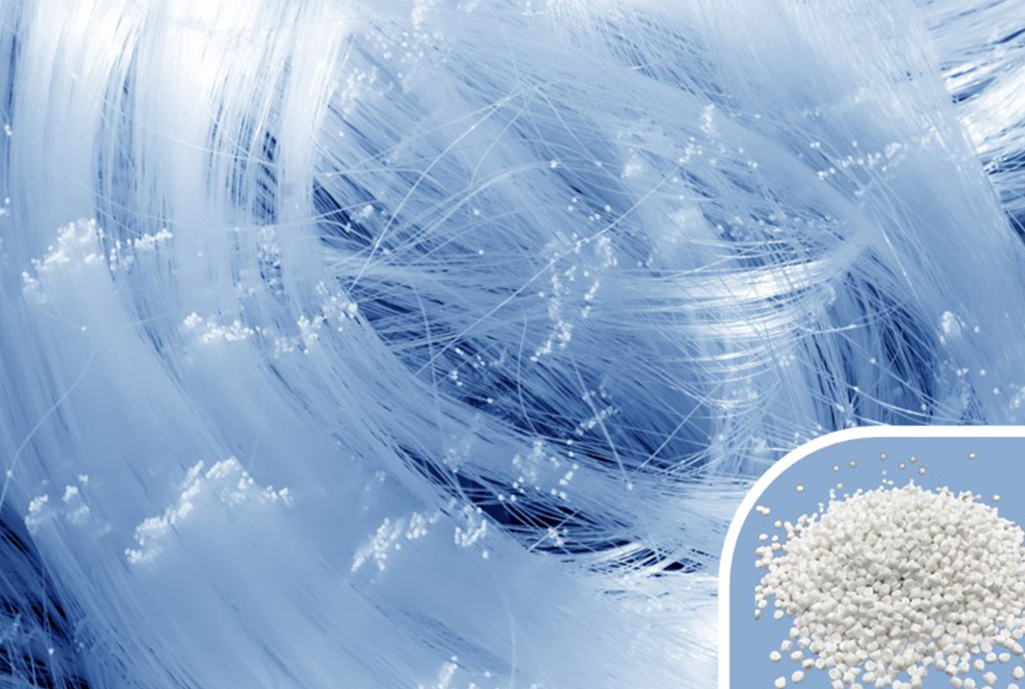
Glass fiber reinforced polyamide is the workhorse for load-bearing electrical and automotive parts, but it is also much harder to flame retard than unfilled nylon. The glass fibers act like candle wicks, drawing molten polymer along their length and feeding the flame. MCA for glass fiber reinforced PA therefore needs to be selected and formulated with more care.
In low to moderate fiber loadings, finely milled MCA can still contribute meaningfully, particularly when combined with a phosphorus based synergist or a char promoter. At higher glass contents, MCA alone is usually not enough, and phosphinate based systems are commonly used instead. We offer both routes and give honest guidance on which one is likely to work for your target rating and fiber content.
Our MCA grades for reinforced PA are produced with fine particle size and low moisture, which supports good dispersion around the fibers and helps limit loss of mechanical properties.
Specification
| Parameter | Typical Value |
|---|---|
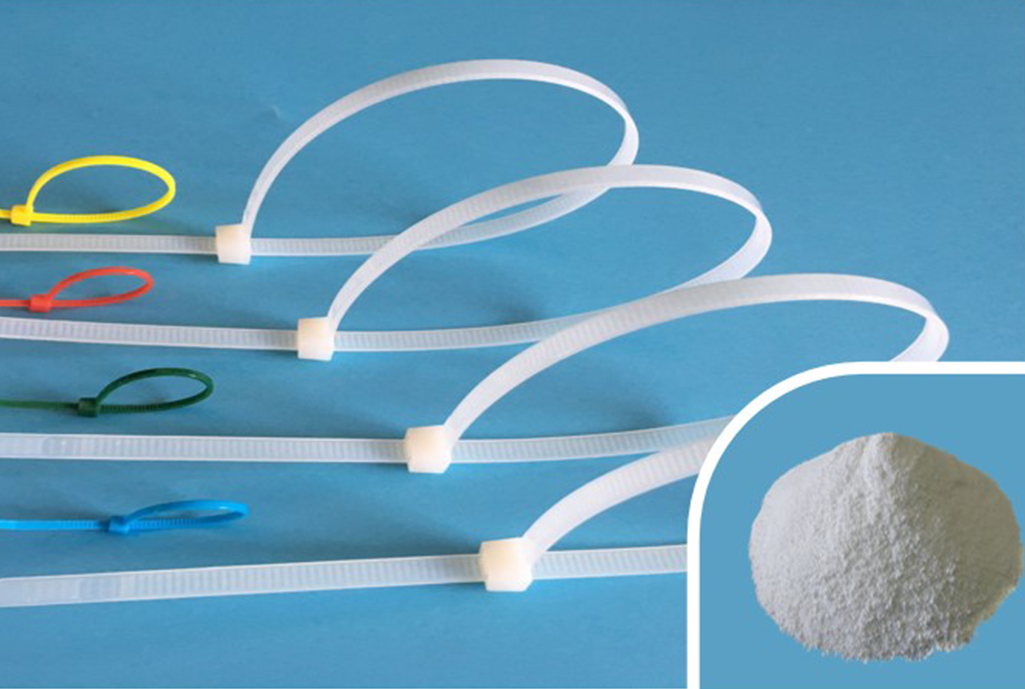
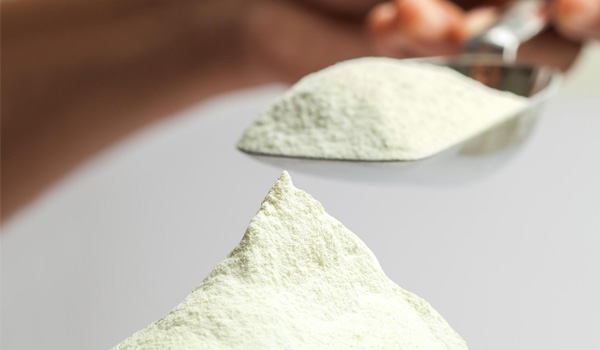
| Appearance | White fine powder |
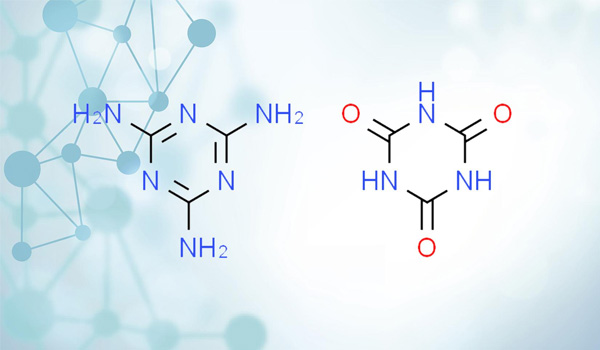
| Chemical Name | Melamine cyanurate (CAS 37640-57-6) |
| Nitrogen Content | 48.5 to 49.5% |
| Particle Size (D50) | 1 to 3 microns (fine grade) |
| Moisture Content | 0.2% max |
| Decomposition Onset | Above 320°C |
| Typical Glass Fiber Range for MCA Based Systems | Up to about 15 to 20% (with synergist) |
| Typical Loading | 10 to 20% by weight in combination systems |
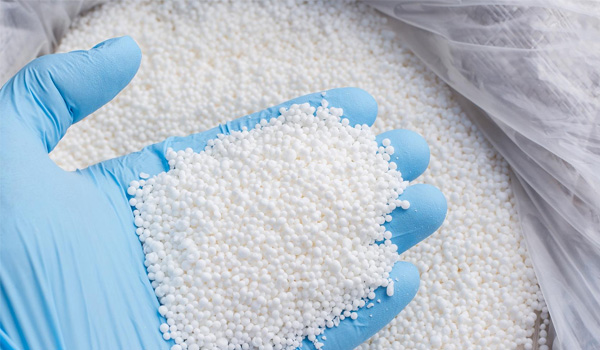
| Packaging | 25kg kraft bags with PE liner, 25kg woven bags, or 500kg / 1000kg jumbo bags |
These are typical values. Performance depends strongly on fiber content, resin grade, and wall thickness, so a trial formulation is always recommended. Technical data sheets are available on request.
Application
MCA based systems are most relevant for reinforced polyamide with modest glass content and moderate fire requirements.
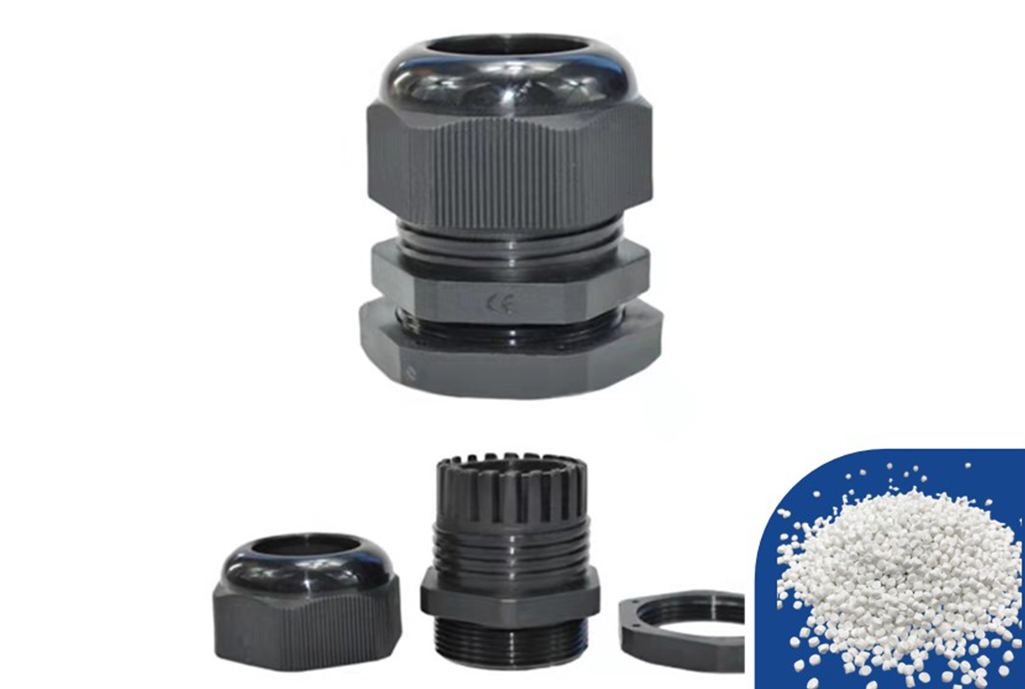
- Connectors and terminal housings: Parts with lower glass fiber content where stiffness is needed alongside halogen-free flame resistance.
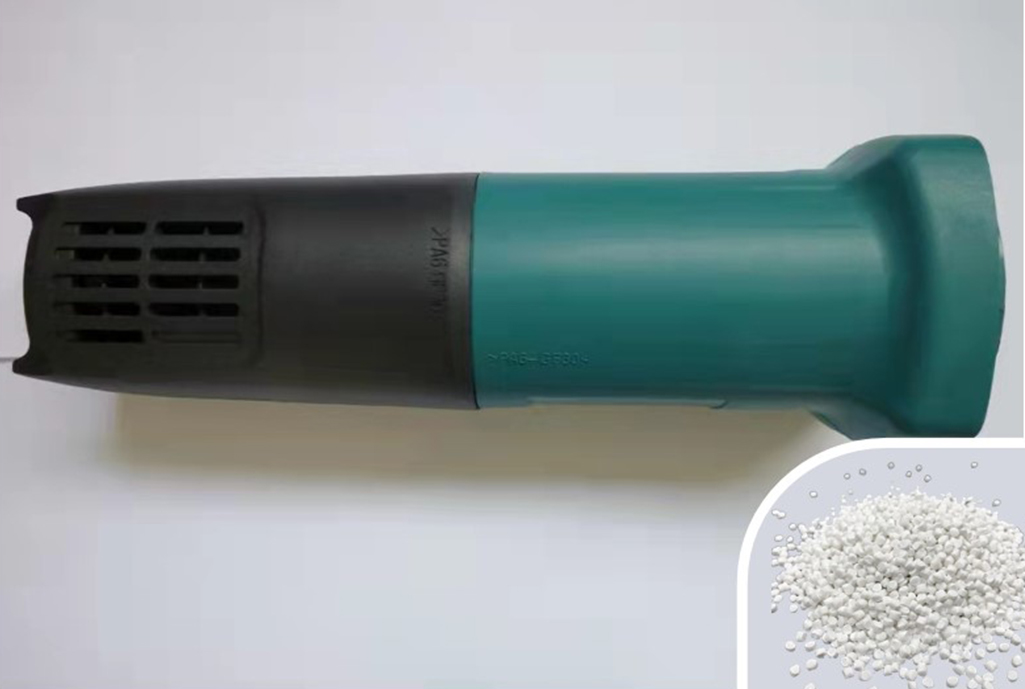
- Appliance components: Structural and internal parts that need a balance of rigidity and fire performance.
- Switch and relay parts: Insulating components with moderate reinforcement levels.
- Synergist formulations: MCA combined with melamine polyphosphate or other synergists in development of reinforced compounds.
- Formulation trials: Screening studies to compare MCA based and phosphinate based routes for higher fiber content.
Advantages
- Candid technical guidance: We tell you where MCA works in reinforced PA and where a phosphinate system is the better answer.
- Fine particle size: Helps the additive distribute around glass fibers and limits damage to impact strength.
- Halogen-free: No halogenated gases during combustion, supporting low-smoke and RoHS-oriented requirements.
- Synergist compatibility: Works alongside phosphorus and nitrogen synergists to improve char formation.
- Complete portfolio: Alternative chemistries available if your glass content exceeds what MCA can handle.
Manufacturing Facility in XUSEN
We have our own production workshops and warehouses, equipped with complete production and quality inspection equipment.
As China MCA for Glass Fiber Reinforced PA Suppliers and MCA for Glass Fiber Reinforced PA Factory., With over 20 years in developing halogen-free flame-retardant products positions us as industry leaders in providing domestic flame-retardant solutions.
All our products comply with the stringent requirements of the WEEE, ROHS, and EUP directives.

Rubber and Plastic Industry
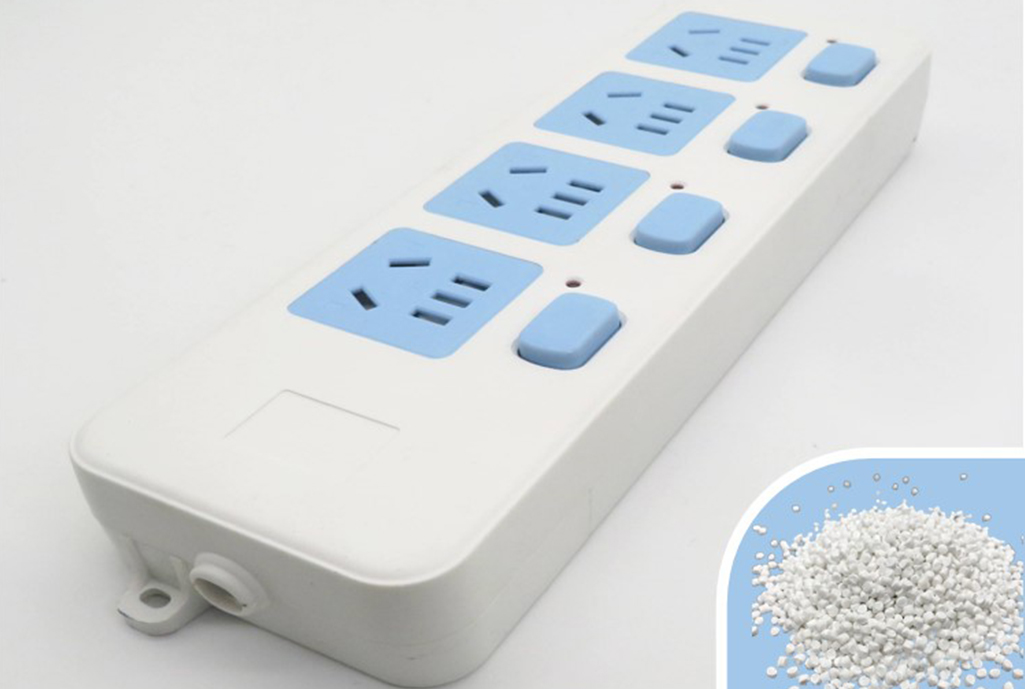
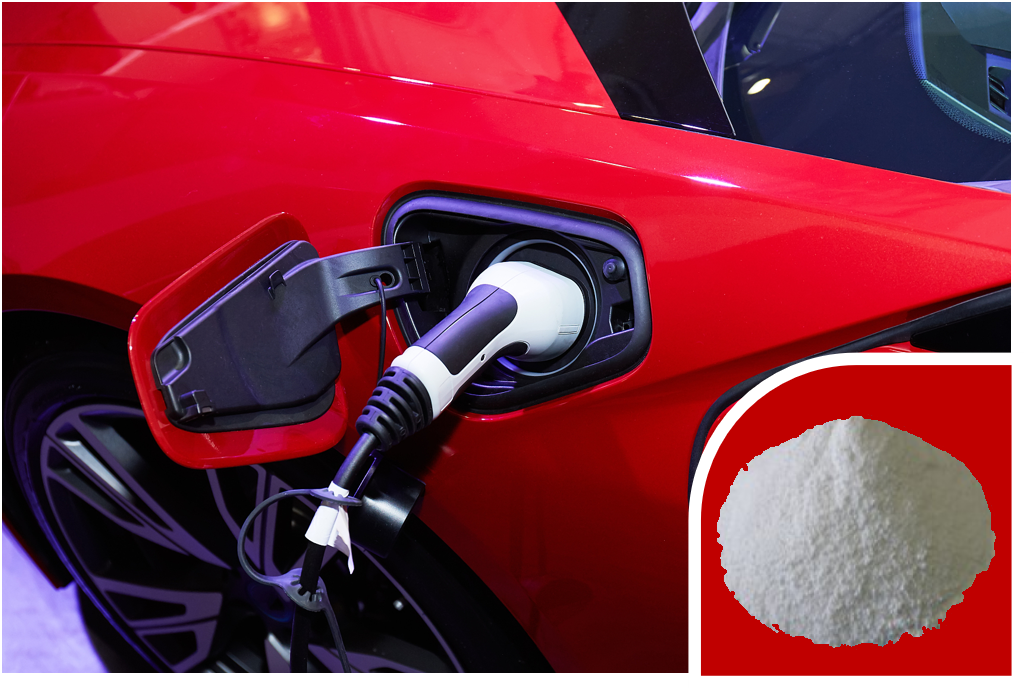
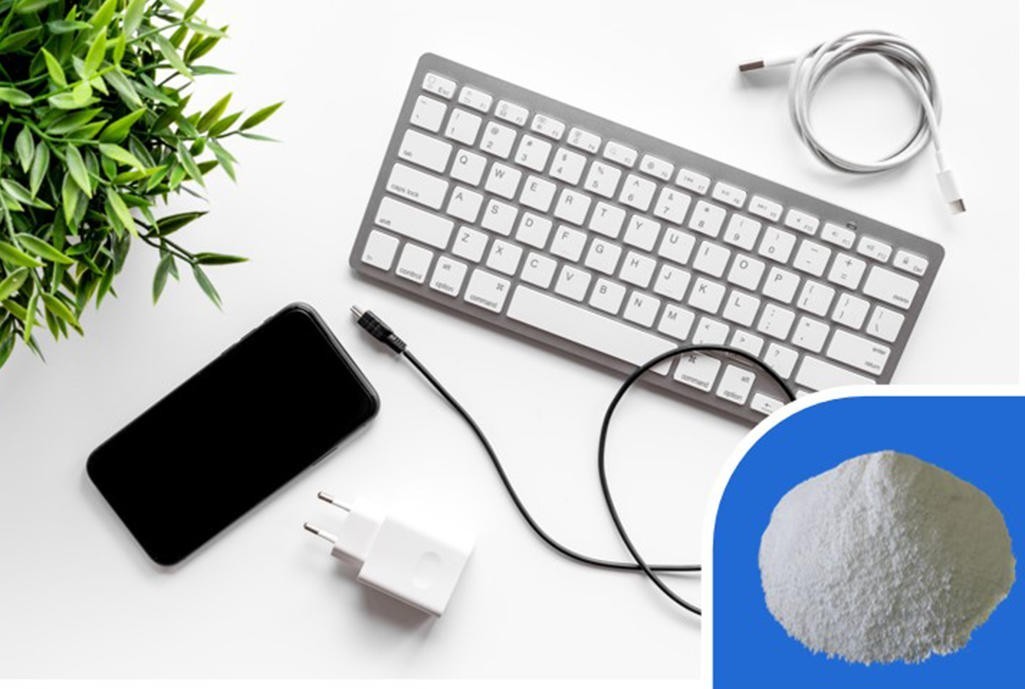
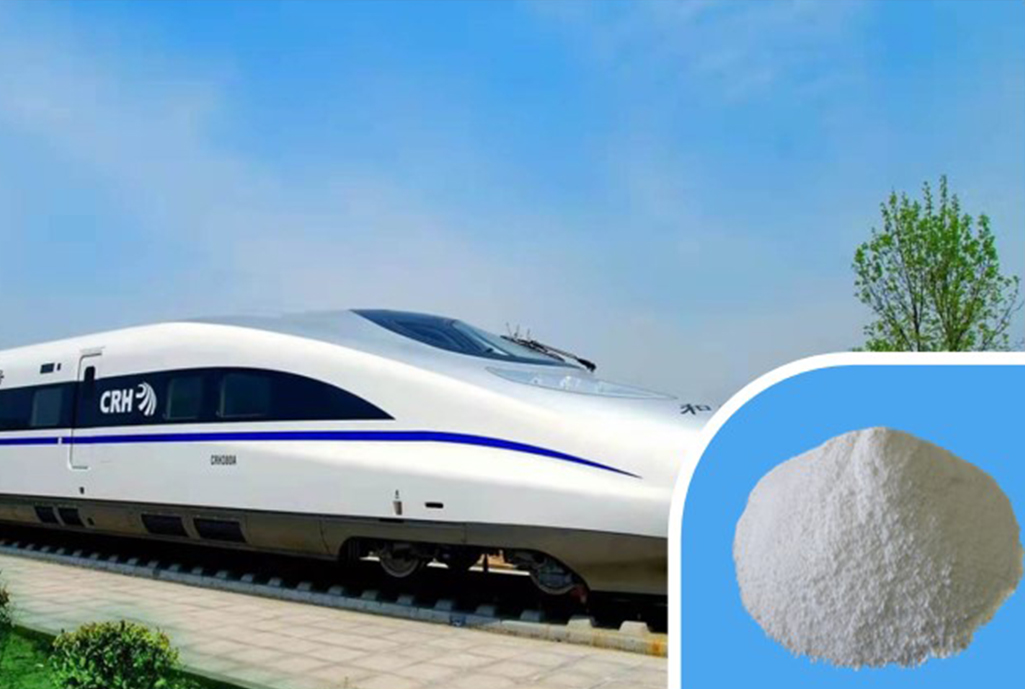
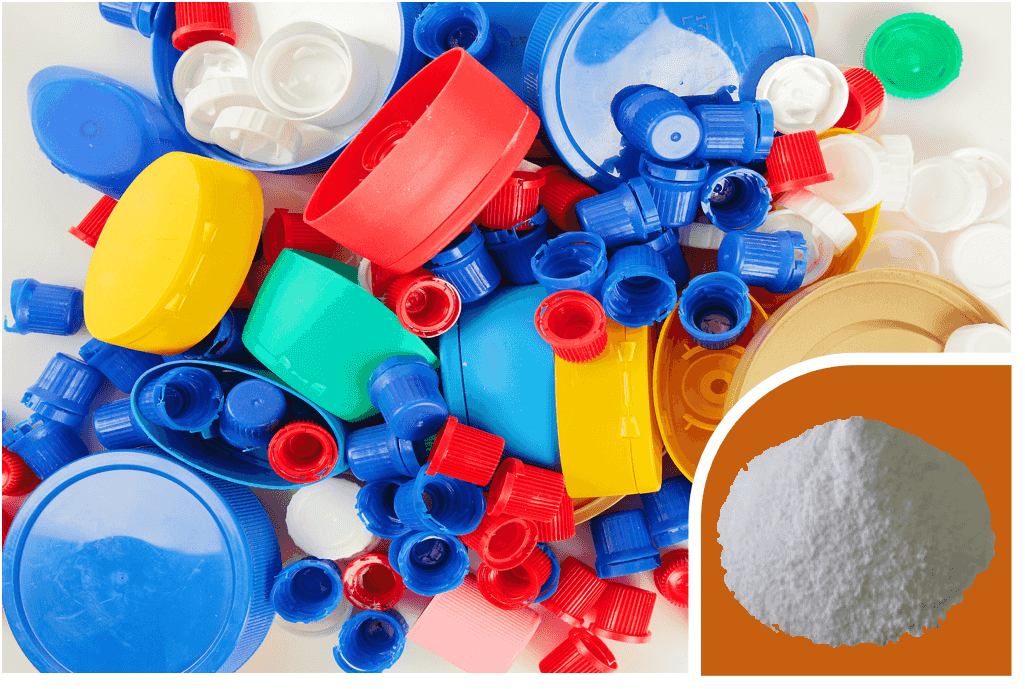
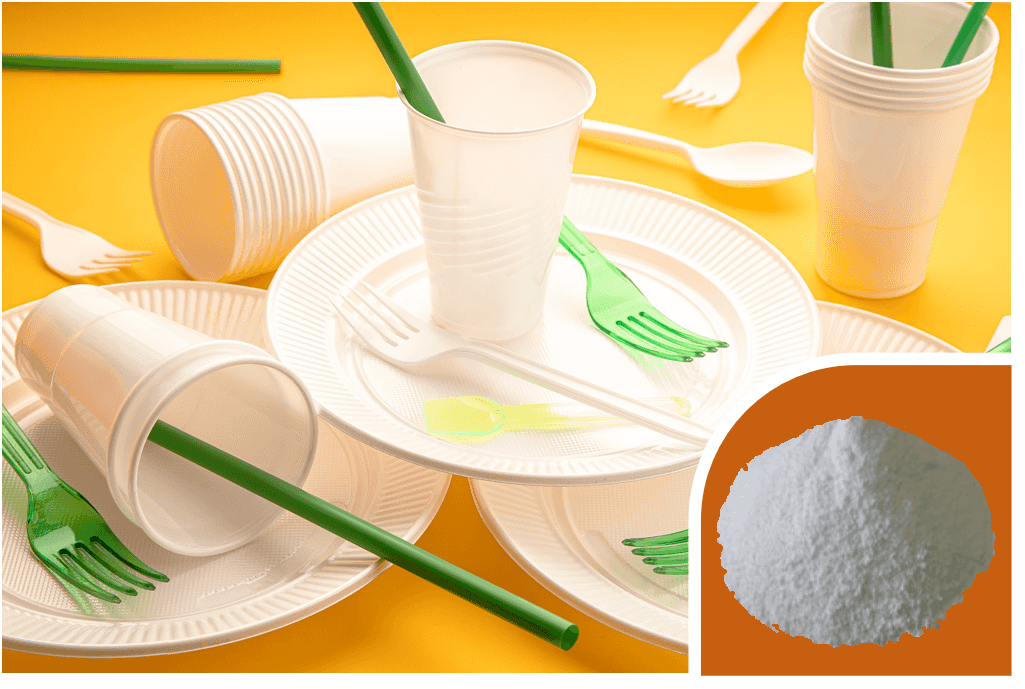
Suitable for materials such as PA, PP, polyester, elastomers, PE, EVA, PC, ABS, etc., widely used in household appliances, automobiles, electricians, cables, and other products.
Composite Materials Field
Suitable for composite flame retardant products based on epoxy resin, polyurethane, etc., we can jointly develop flame retardant products with users to meet the requirements of flame retardancy and physical properties.
Adhesive Field
Suitable for oil-based and water-based adhesives, and can be modified according to customer needs to adapt to user usage conditions and requirements, while maintaining good weather resistance and dispersibility.
Fabric coating field
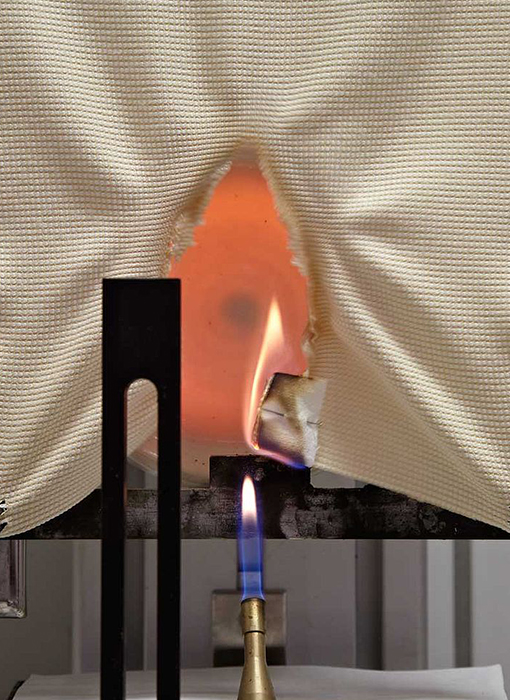
It is applicable to the flame retardant fabric coating based on acrylic lotion. The formula and process can be adjusted according to the user's requirements for flame retardancy, sizing amount, hand feel, etc. to meet the requirements for flame retardancy and physical properties.
Fireproof coatings field
In fireproof coatings, flame retardants are mainly used in APP. We have undergone specific processing techniques for coating APP, which can meet the quality requirements of well-known international manufacturers such as PPG and ICI.