Tel: +86-0573-89103923 / +86 182 6841 1181

E-mail:globalmarketing@xusen.com



 English
 عربى
عربى 简体中文
简体中文The Innovation Catalyst: Maximizing the Industrial Utility of Organophosphorus Compounds
2025-12-24
Content
The Essential Role of Organophosphorus in Advanced Chemistry
Organophosphorus chemistry represents a cornerstone of modern molecular engineering, focusing on the sophisticated bonding between phosphorus and carbon atoms. The unique electronic configuration of phosphorus allows these compounds to serve as highly efficient catalysts and intermediates in organic synthesis. Because phosphorus can easily transition between different coordination states, it enables the creation of complex molecules that are vital for the pharmaceutical and specialty chemical industries. This chemical versatility makes organophosphorus compounds indispensable for developing high-performance materials and life-saving medicinal products.
Beyond the laboratory, these compounds are valued for their remarkable stability and functional adaptability. In industrial applications, they are frequently utilized to enhance the durability of polymers and the efficiency of energy systems. By fine-tuning the molecular structure of organophosphorus ligands, researchers can control the precision of chemical reactions, leading to higher yields and more sustainable manufacturing processes. This strategic importance continues to drive significant investment in phosphorus-based research and development.
Versatile Applications in Modern Industry
High-Performance Material Additives
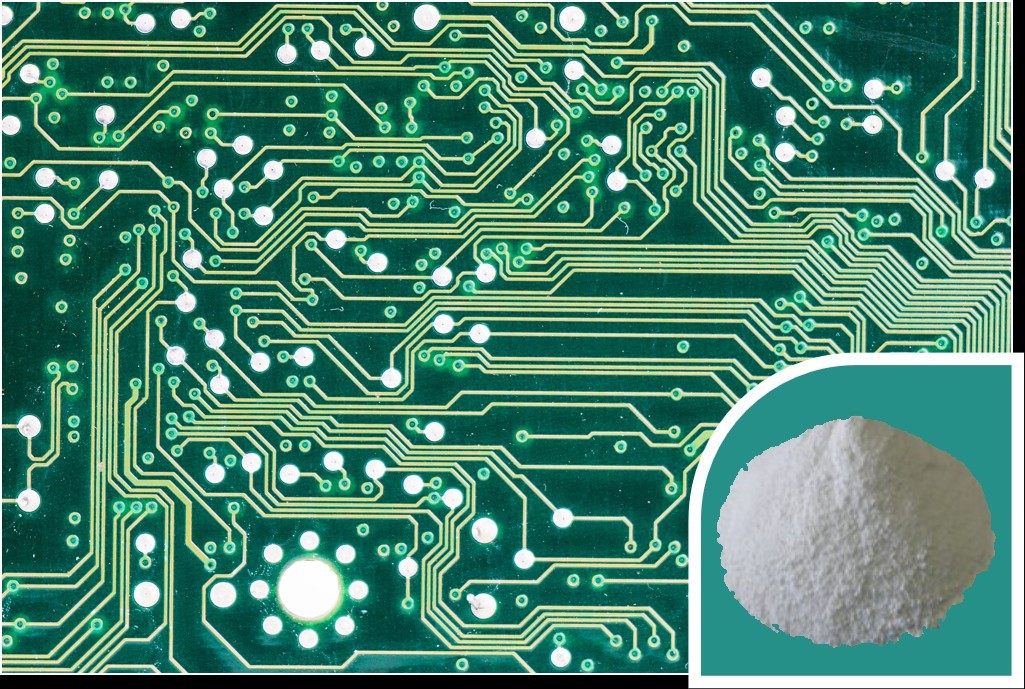
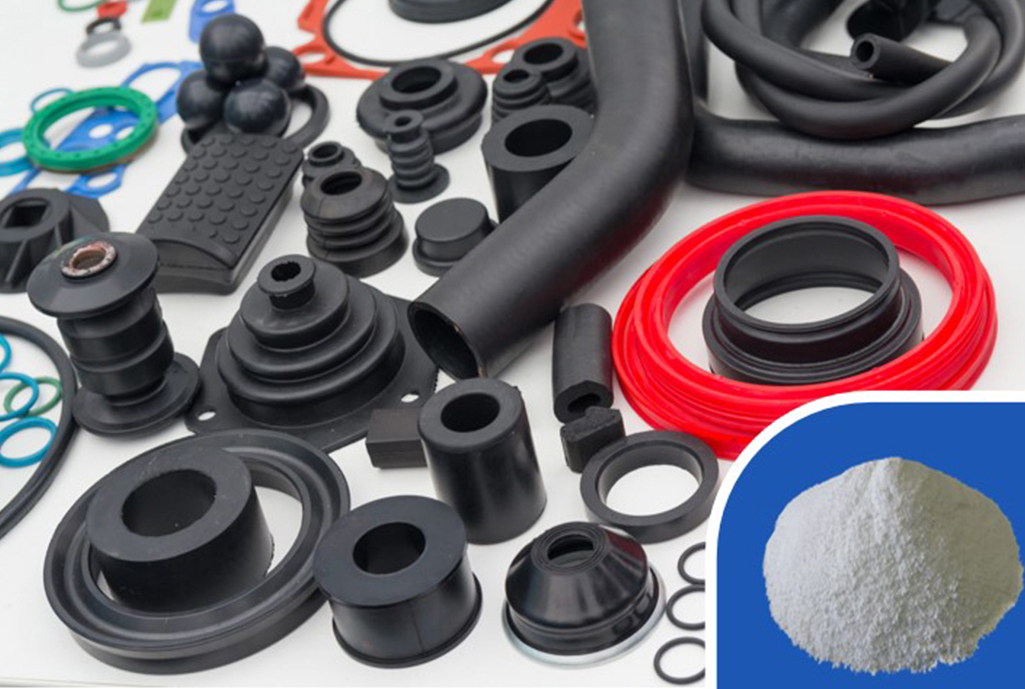
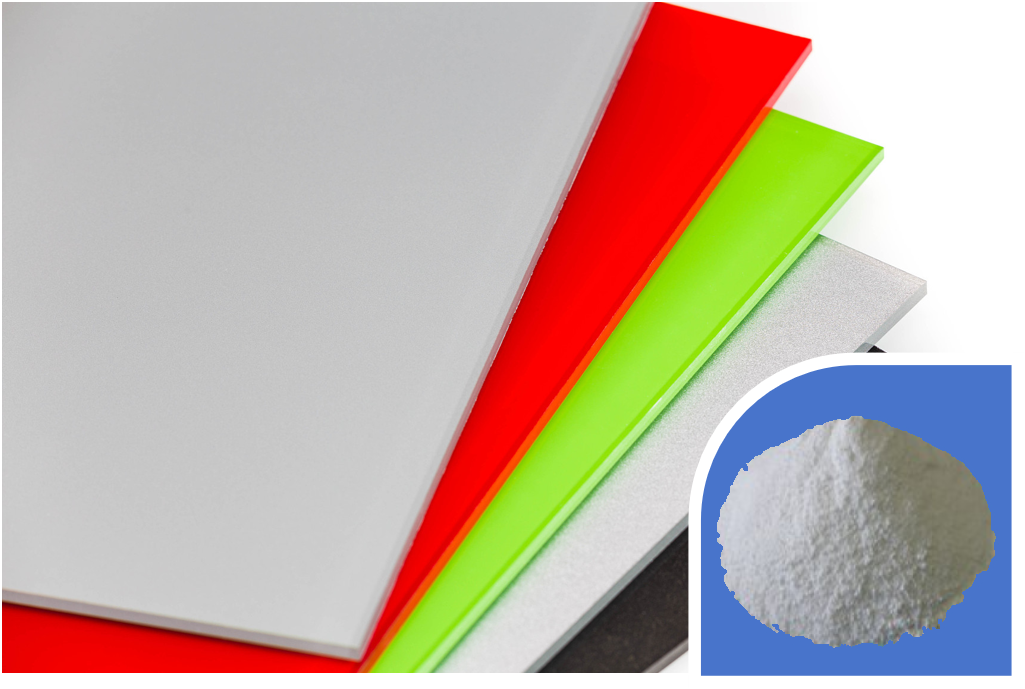
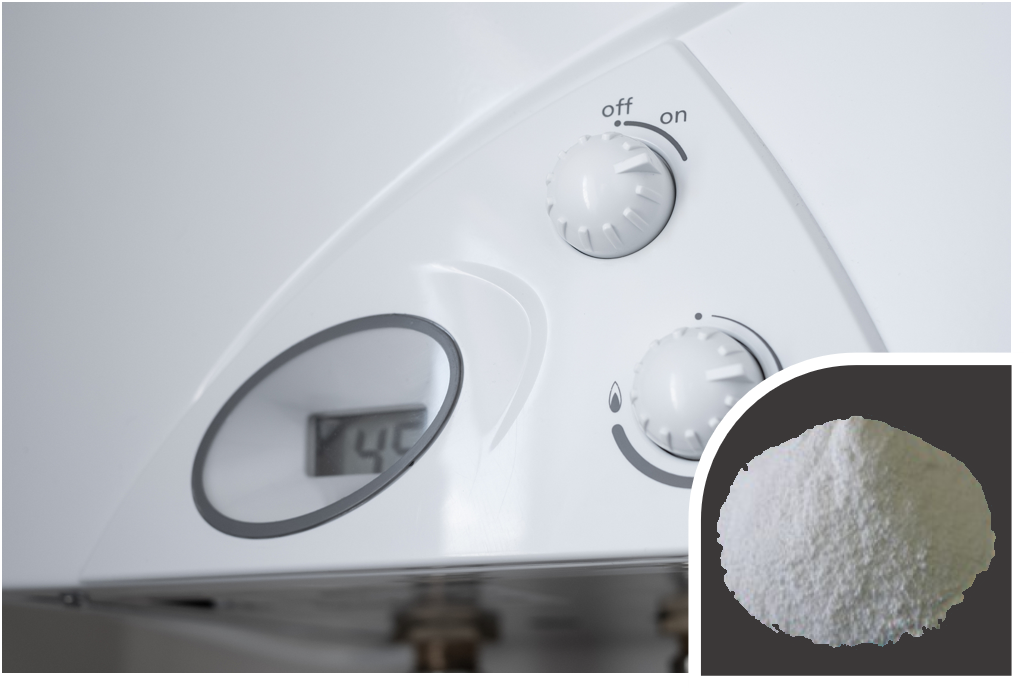
One of the most prominent uses of organophosphorus compounds is in the production of flame retardants and plasticizers. These substances are engineered to integrate seamlessly into polymers, improving the thermal stability of consumer electronics, automotive parts, and construction materials. Phosphorus-based flame retardants work through a sophisticated gas-phase or char-forming mechanism that effectively protects materials from heat. This functional benefit is critical for meeting the high safety standards required in modern architecture and aerospace engineering.
Advanced Lubrication and Surface Science
In the field of tribology, organophosphorus additives are essential for maintaining the integrity of heavy-duty machinery. When added to oils and greases, they create a molecular-level protective barrier on metal surfaces. This significantly reduces friction and wear-and-tear, extending the lifespan of industrial equipment and improving energy efficiency. Their ability to operate under extreme pressure makes them the preferred choice for high-precision manufacturing and automotive drivetrains.

Chemical Classification and Functional Strengths
The classification of organophosphorus compounds is based on their structural architecture, which determines their specific industrial benefits. Understanding these categories allows engineers to select the optimal compound for their specific needs. The table below outlines the primary classes used in high-tech applications:
| Compound Type | Primary Industrial Benefit | Key Property |
| Organophosphines | Precision Catalysis | Excellent electron-donating ability |
| Organophosphonates | Industrial Scale Inhibition | Superior metal ion sequestration |
| Phosphate Esters | Non-flammable Hydraulics | High thermal and shear stability |
| Phosphoric Amides | Specialized Solvents | High dielectric constant |
Optimization and Best Practices in Handling
To maximize the efficacy of organophosphorus compounds, industry leaders follow rigorous operational standards. Modern chemical facilities utilize advanced automation and closed-loop processing to ensure the highest purity levels and consistent product performance. By implementing precise measurement and control systems, companies can achieve peak efficiency in their chemical reactions. The following best practices are central to the successful integration of these compounds into production lines:
- Utilization of nitrogen-blanketed storage to maintain chemical stability and prevent oxidation.
- Integration of real-time spectroscopic monitoring to ensure reaction completeness.
- Application of precision dosing technology to optimize reagent consumption and reduce waste.
- Regular quality audits to ensure compliance with global high-purity chemical standards.
The Future: Sustainability and Smart Materials
The next frontier for organophosphorus chemistry lies in the development of "smart" materials and green synthesis pathways. Researchers are currently exploring bio-based phosphorus sources to create fully renewable industrial additives. Furthermore, the integration of organophosphorus molecules into battery technology is showing great promise for increasing the energy density and safety of lithium-ion cells. As the global push for carbon neutrality intensifies, the role of phosphorus-based chemistry in enabling lightweight materials and energy-efficient processes will only become more significant, positioning it as a key driver of the 21st-century technological landscape.









contact details
Address:No. 166, Chenggong Road, Economic Development Zone, Jiashan County, Jiaxing City, Zhejiang Province
TEL: +86-0573-89103923 / +86 182 6841 1181
E-mail: globalmarketing@xusen.com
Product
News Center