Tel: +86-0573-89103923 / +86 182 6841 1181

E-mail:globalmarketing@xusen.com



 English
 عربى
عربى 简体中文
简体中文Enhancing Safety and Performance: Comprehensive Guide to Flame Retardant Masterbatch for PA
2026-01-21
Content
- 1 Understanding Flame Retardant Masterbatch for PA
- 2 Key Types of Flame Retardant Masterbatches for PA
- 3 Advantages of Using Flame Retardant Masterbatch in PA
- 4
- 5 Processing Considerations for PA with Flame Retardant Masterbatch
- 6 Applications of Flame Retardant PA Materials
- 7 Conclusion: Optimizing Fire Safety with Flame Retardant Masterbatch for PA
Understanding Flame Retardant Masterbatch for PA
Flame retardant masterbatch for PA (Polyamide) is a specialized additive designed to improve the fire resistance of polyamide materials without compromising their mechanical properties. As PA is widely used in automotive, electronics, and industrial applications, enhancing its flame resistance is critical for compliance with safety regulations and ensuring product longevity. Flame retardant masterbatches are concentrated blends of flame retardant additives dispersed in a carrier resin, which can be easily mixed into the base polymer during processing.
Key Types of Flame Retardant Masterbatches for PA
Flame retardant masterbatches are classified based on their chemical composition and mode of action. Choosing the right type depends on the application requirements, processing conditions, and regulatory standards.
Halogenated Flame Retardants
Halogen-based masterbatches, such as brominated compounds, work by releasing halogen radicals during combustion to interrupt the chemical reaction of fire. They are highly effective and widely used in electronics and automotive parts where strict fire safety standards are required. However, environmental concerns and regulatory restrictions are driving the industry toward halogen-free alternatives.
Halogen-Free Flame Retardants
Halogen-free flame retardant masterbatches, including phosphorus-based, nitrogen-based, and mineral-based formulations, offer a safer and more environmentally friendly option. They act through char formation, heat absorption, or dilution of flammable gases, providing effective fire protection while maintaining PA’s strength, thermal stability, and processability.
Advantages of Using Flame Retardant Masterbatch in PA
Incorporating flame retardant masterbatch into PA materials offers several benefits that extend beyond fire resistance.
- Enhanced fire safety performance for automotive, electronics, and industrial components.
- Improved thermal stability, reducing deformation under high temperatures.
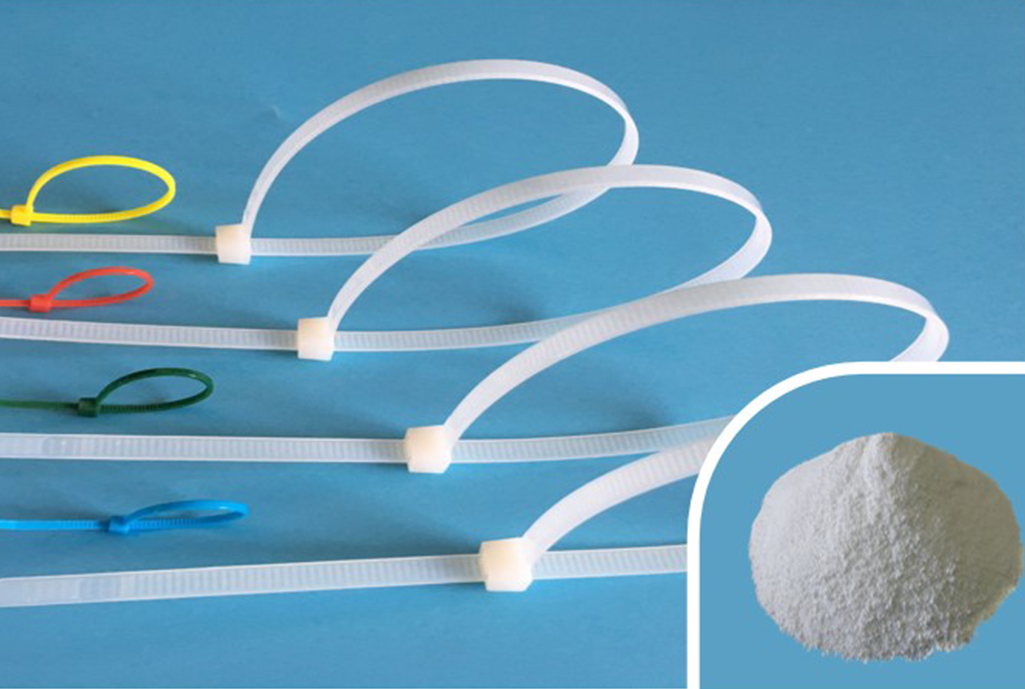
- Compatibility with standard processing techniques like injection molding and extrusion.
- Customizable formulation to meet UL 94 V-0, V-1, or V-2 flammability ratings.
- Reduced environmental impact when halogen-free alternatives are selected.
Processing Considerations for PA with Flame Retardant Masterbatch
To achieve optimal performance, proper processing of PA with flame retardant masterbatch is essential. Key factors include:
Dosage and Dispersion
Correct masterbatch loading is crucial for balancing flame retardancy and mechanical properties. Typical concentrations range from 5% to 25% depending on the polymer grade and target flame retardancy. Uniform dispersion prevents localized degradation and ensures consistent fire performance across the component.
Processing Temperature
PA materials require high processing temperatures, and flame retardant additives can affect melt viscosity. Maintaining appropriate temperatures ensures smooth extrusion or molding without thermal decomposition of the masterbatch. Processing aids or stabilizers may be added to enhance thermal stability.
Moisture Control
Polyamide is hygroscopic, meaning it absorbs moisture from the environment. Moisture can reduce the effectiveness of flame retardants and cause hydrolysis during processing. Proper drying of PA pellets and the masterbatch is critical to ensure consistent material performance.
Applications of Flame Retardant PA Materials
Flame retardant PA materials are widely used in sectors where safety and durability are paramount. Common applications include:
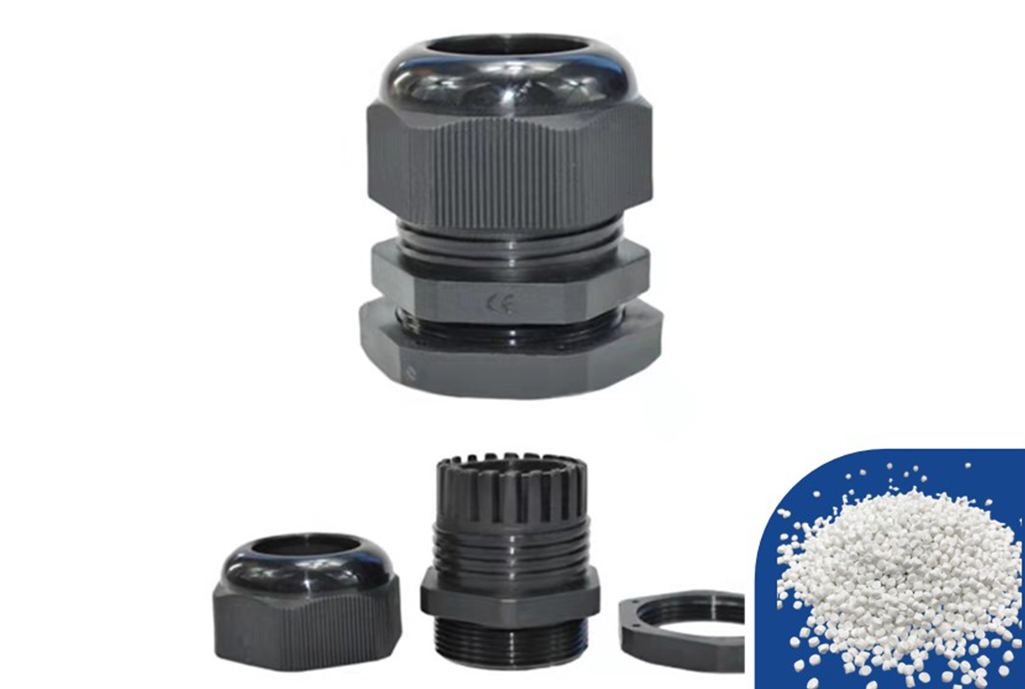
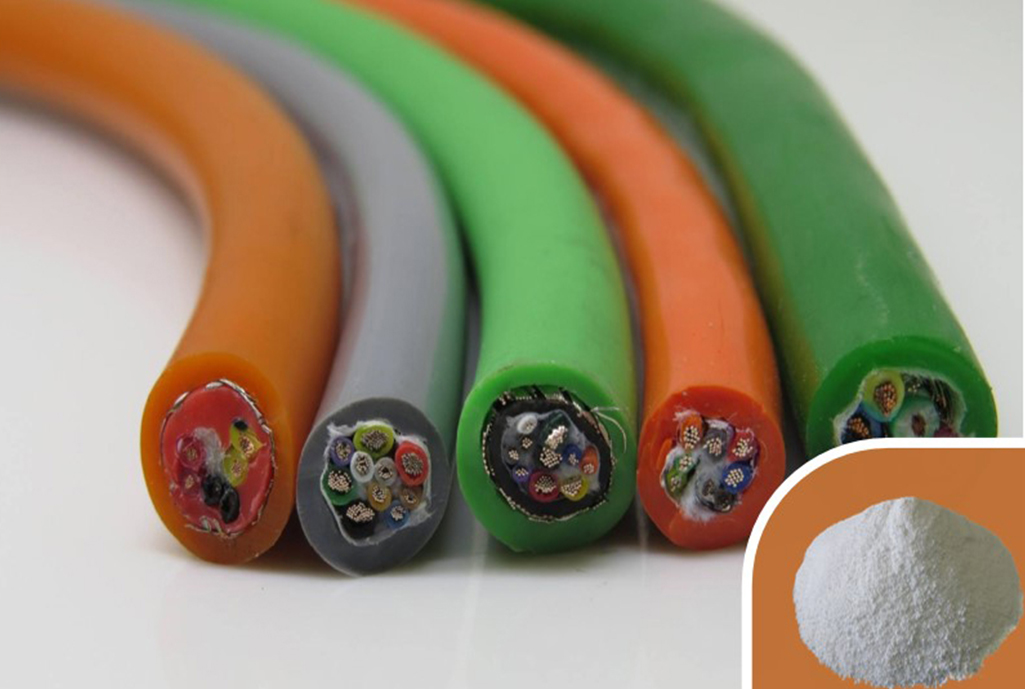
- Automotive parts such as connectors, housings, and interior trims.
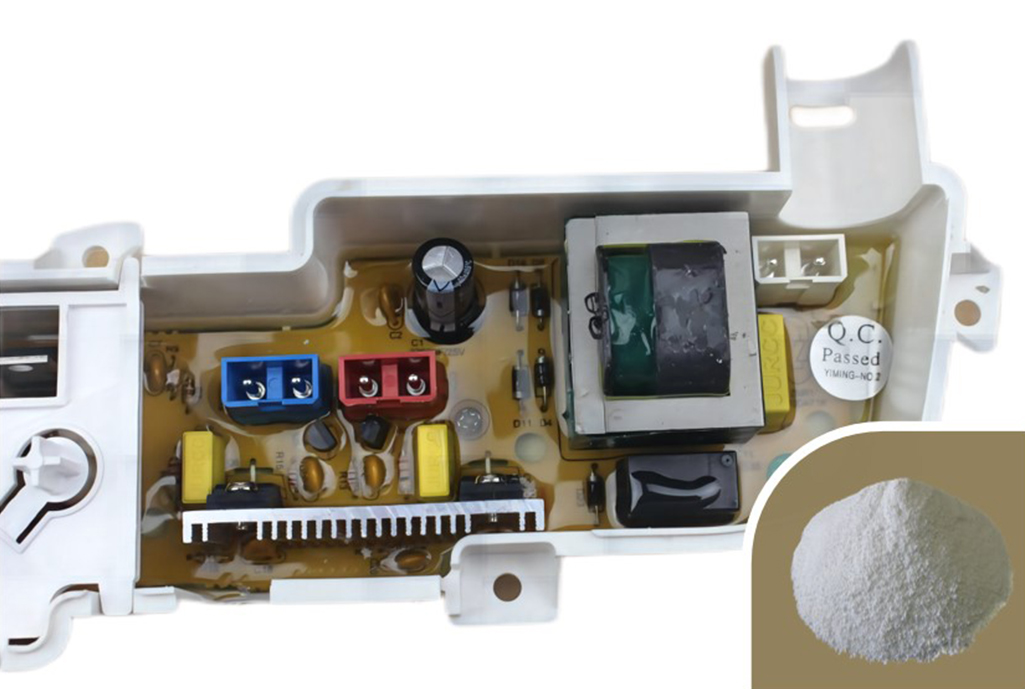
- Electrical and electronic components, including switches, plugs, and casings.
- Industrial equipment and machinery components exposed to high heat or potential ignition sources.
- Consumer products requiring UL 94 compliance for fire safety certification.
Conclusion: Optimizing Fire Safety with Flame Retardant Masterbatch for PA
Flame retardant masterbatches provide a practical and effective solution for enhancing the fire resistance of PA materials. By selecting the appropriate type, optimizing dosage, and following proper processing practices, manufacturers can produce PA components that meet stringent safety standards while maintaining mechanical performance and environmental compliance. With growing demand for safer, sustainable, and high-performance materials, flame retardant masterbatches for PA are an indispensable tool in modern polymer engineering.


contact details
Address:No. 166, Chenggong Road, Economic Development Zone, Jiashan County, Jiaxing City, Zhejiang Province
TEL: +86-0573-89103923 / +86 182 6841 1181
E-mail: globalmarketing@xusen.com
Quick link
Product
News Center