Tel: +86-0573-89103923 / +86 182 6841 1181

E-mail:globalmarketing@xusen.com



 English
 عربى
 简体中文
What Is Aluminum Hydroxide? Uses, Safety, and Buying Guide
2026-11-27
Aluminum hydroxide (also spelled aluminium hydroxide, chemical formula Al(OH)3) shows up in more places than most people realize. It is in the antacid tablet you take after a heavy dinner, in the plastic coating on electrical cables, and in the water treatment plant that cleans your tap water. This guide explains what it is, what it does in each application, and how to use or buy it sensibly.
Content
- 1 What Aluminum Hydroxide Actually Is
- 2 How Aluminum Hydroxide Works as an Antacid
- 3 Aluminum Hydroxide as a Flame Retardant
- 4 Role in Water Treatment and Paper Making
- 5 Where Aluminum Hydroxide Comes From
- 6 Aluminum Hydroxide in Vaccines
- 7 How to Choose the Right Grade When Buying
- 8 Safe Handling and Storage
- 9 Common Questions About Aluminum Hydroxide
- 10 Final Thoughts
What Aluminum Hydroxide Actually Is
Aluminum hydroxide is a white, odorless, fine powder that barely dissolves in water. In nature it occurs as the mineral gibbsite, which is a major component of bauxite ore. In industry you will also see it called alumina trihydrate (ATH), hydrated alumina, or aluminum trihydroxide. They all refer to the same compound.
Its most useful trait is that it is amphoteric. That means it can react with both acids and bases. When it meets stomach acid, it neutralizes it. When it meets a strong base, it dissolves into aluminate. This dual behavior is why one material can work as a medicine, a chemical intermediate, and a water treatment agent.
Key Properties at a Glance
- Appearance: white crystalline or amorphous powder, or a gel when suspended in liquid.
- Water content: about 35% of its weight is chemically bound water, which is the key to its flame-retardant effect.
- Decomposition: it starts to release water at roughly 180 to 200°C.
- Solubility: practically insoluble in water at neutral pH, soluble in strong acids and strong alkalis.
How Aluminum Hydroxide Works as an Antacid
The most familiar use is in over-the-counter antacids for heartburn, acid indigestion, and sour stomach. Aluminum hydroxide reacts with hydrochloric acid in the stomach to form aluminum chloride and water, which raises the stomach pH and eases burning. It works more slowly than some other antacids, but its effect lasts a fairly long time.
Many liquid antacids combine aluminum hydroxide with magnesium hydroxide. The reason is practical: aluminum compounds tend to cause constipation, while magnesium compounds tend to loosen the stool. Blending the two balances the side effects.
Practical Tips for Antacid Use
- Follow the dose printed on the product label, and do not use it continuously for more than about two weeks unless a doctor tells you to.
- Shake liquid suspensions well before each dose, because the powder settles.
- Drink enough water to reduce the chance of constipation.
- See a doctor if heartburn comes with trouble swallowing, black stools, unexplained weight loss, or chest pain.
Drug Interactions to Know About
Aluminum hydroxide can bind to other medicines in the gut and reduce how much your body absorbs. Common examples include tetracycline and fluoroquinolone antibiotics, levothyroxine, and iron supplements. Ask a pharmacist how many hours to space them apart, since the gap varies by drug.
Who Should Be Careful
People with kidney disease should talk to a doctor before using aluminum hydroxide regularly. Healthy kidneys clear absorbed aluminum efficiently, but impaired kidneys may not, and aluminum can build up over time. Long-term, high-dose use can also lower blood phosphate levels, which may weaken bones.
Aluminum Hydroxide as a Flame Retardant
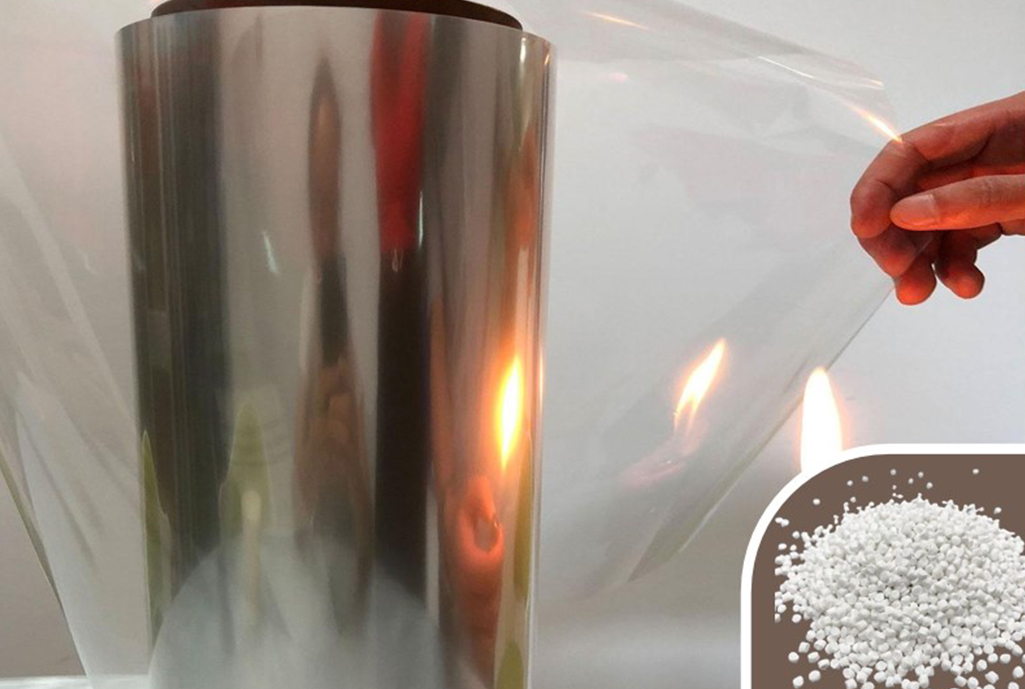
By volume, the biggest industrial use of aluminum hydroxide is as a halogen-free flame retardant and smoke suppressant. When a plastic or rubber product containing ATH heats up past about 200°C, the compound breaks down and absorbs a large amount of heat. It also releases water vapor, which dilutes flammable gases and cools the surface. What remains is aluminum oxide, a stable ceramic-like layer that helps protect the material underneath.
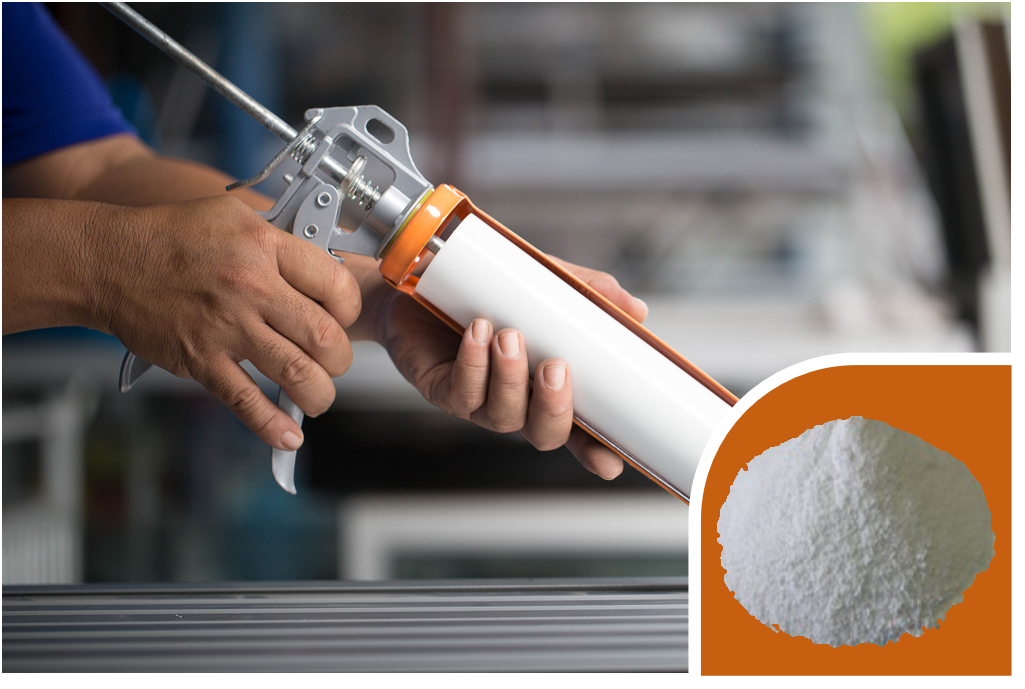
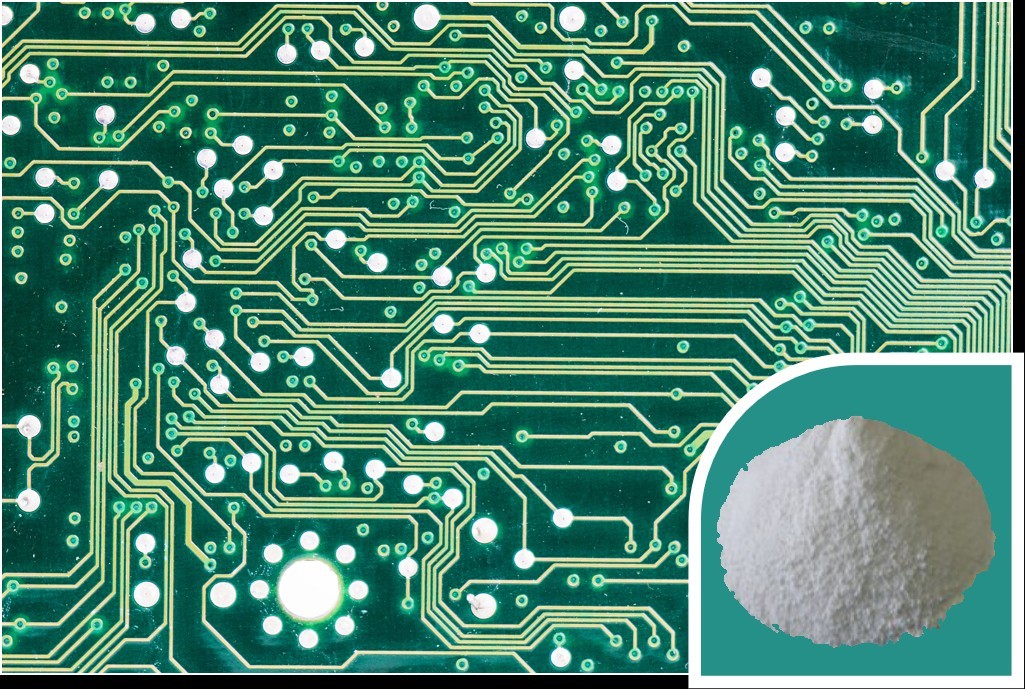
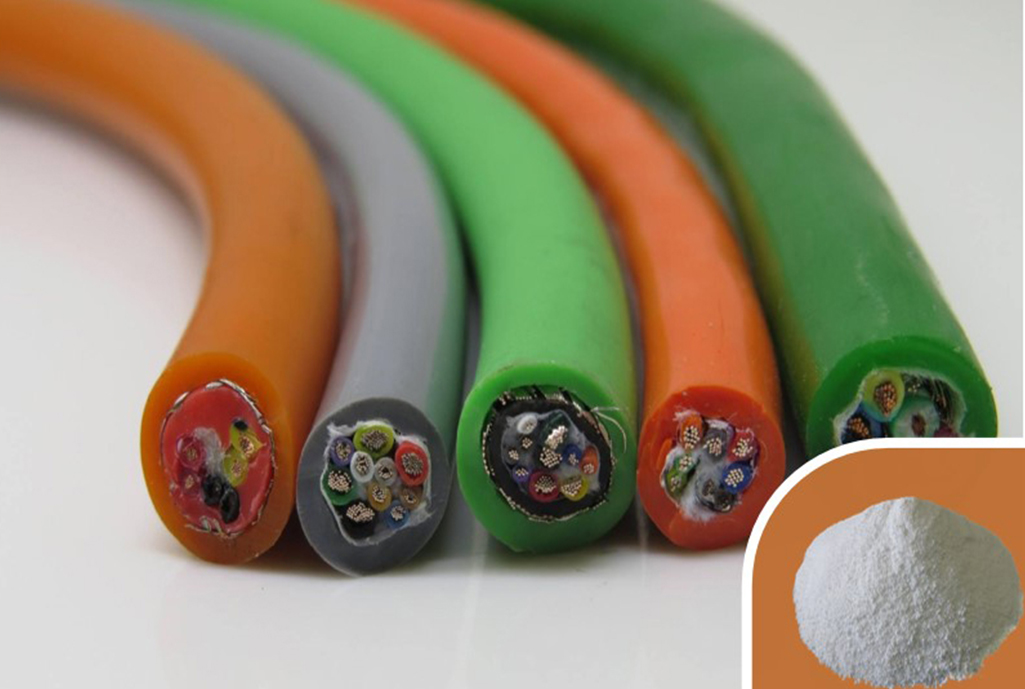
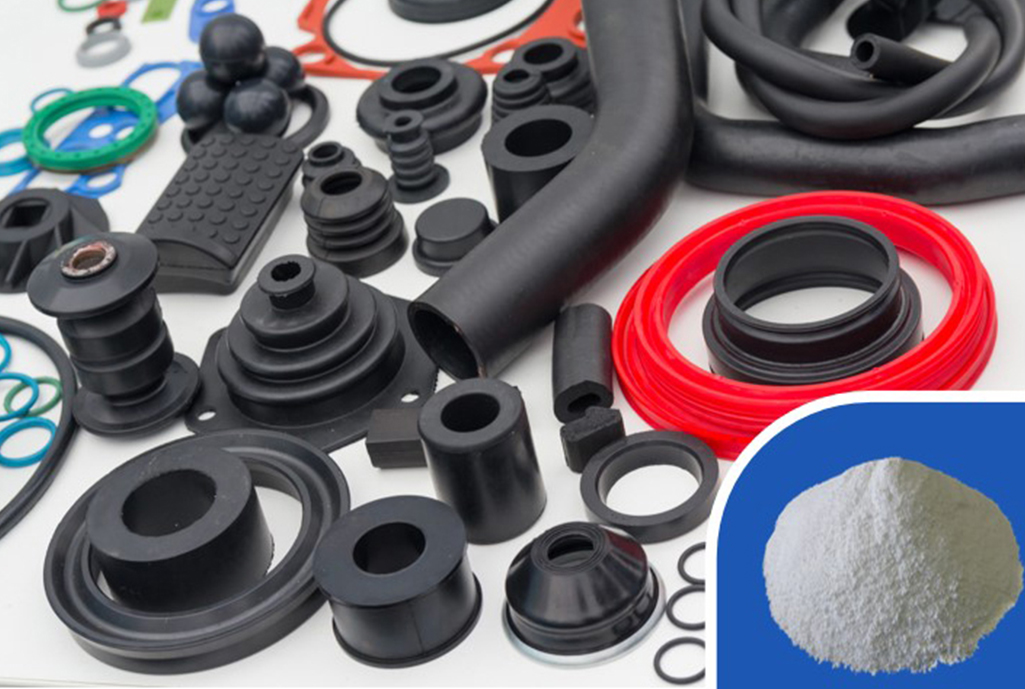
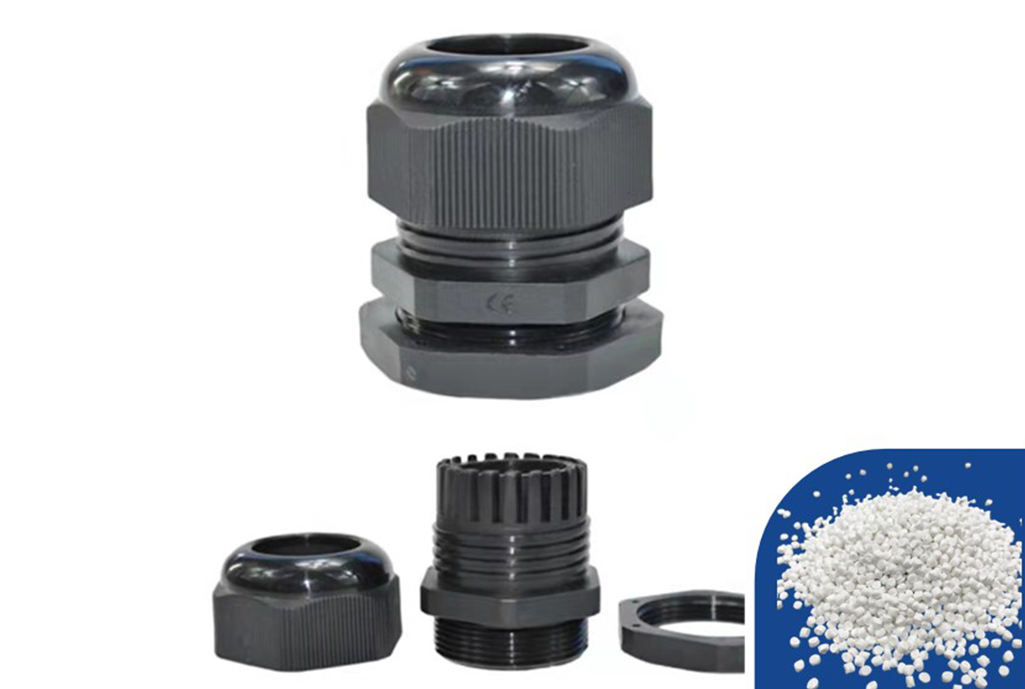
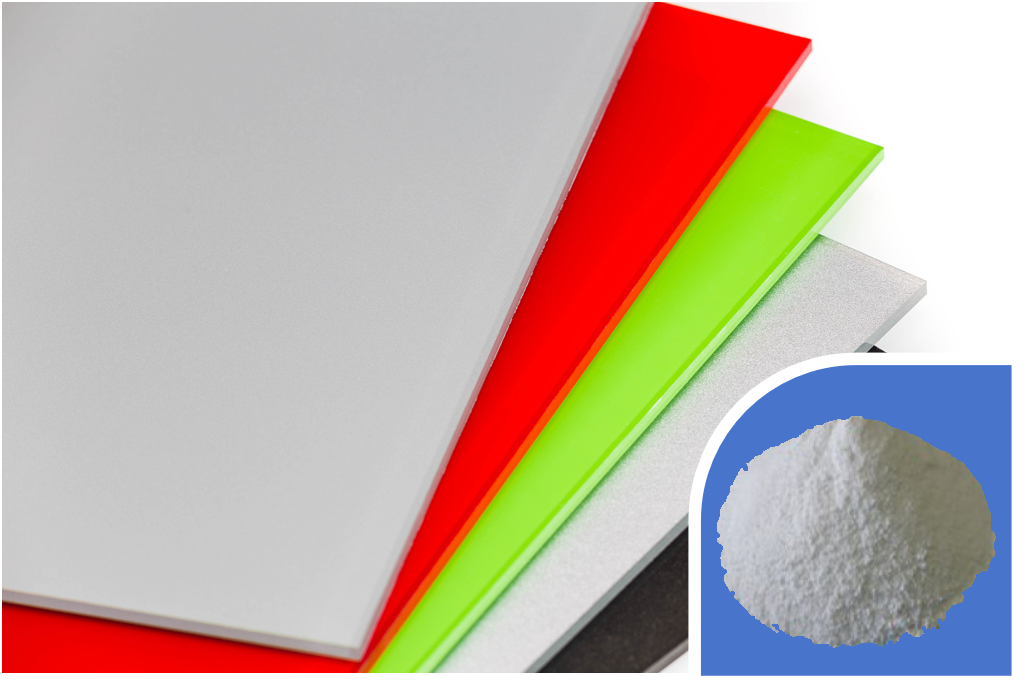
Because it produces little smoke and no toxic halogen gases, ATH is popular in wire and cable insulation, PVC flooring, conveyor belts, rubber products, epoxy resins, and the acrylic solid surfaces used in countertops. The trade-off is loading level: to be effective it usually has to make up a large share of the compound, often 40 to 65% by weight, which can affect the strength and flexibility of the final product.
ATH vs. Magnesium Hydroxide
| Feature | Aluminum Hydroxide | Magnesium Hydroxide |
| Starts decomposing at | About 180 to 200°C | About 330°C |
| Best for | Plastics processed below about 200°C | Plastics processed at higher temperatures |
| Typical cost | Generally lower | Generally higher |
| Smoke suppression | Good | Good |
Role in Water Treatment and Paper Making
In water treatment, aluminum salts such as aluminum sulfate (alum) and polyaluminum chloride are added to raw water. As the pH moves into the right range, they form aluminum hydroxide flocs, which are fluffy, sticky particles. These flocs trap dirt, bacteria, and dissolved organic matter, and then settle out so the clean water can be filtered. Controlling pH is critical, because the flocs form best in a near-neutral range.
Paper mills use fine-grade aluminum hydroxide as a coating pigment and filler. It improves brightness, smoothness, and printability, and it is also used in some toothpastes as a mild abrasive and in ceramics and glass as a raw material.
Where Aluminum Hydroxide Comes From
Almost all commercial aluminum hydroxide is made from bauxite using the Bayer process. Crushed bauxite is digested in hot sodium hydroxide solution, usually at temperatures between about 140 and 240°C depending on the ore type. The aluminum dissolves as sodium aluminate, while impurities remain as red mud. After filtering, the clear liquor is cooled and seeded with fine crystals, and pure aluminum hydroxide precipitates out.
Most of this output is heated further to produce aluminum oxide (alumina) for smelting into aluminum metal. The remaining share is sold as hydrate for flame retardants, chemicals, and other uses.
Aluminum Hydroxide in Vaccines
Aluminum hydroxide, along with other aluminum salts, has been used for decades as an adjuvant in some vaccines. An adjuvant helps the immune system respond more strongly to the vaccine antigen, so smaller doses can work and protection can last longer. Regulators and health agencies review the amounts used in vaccines, and they are small compared with the aluminum people take in daily through food and water. If you have specific concerns about a vaccine, your doctor or pharmacist can explain what is in it.
How to Choose the Right Grade When Buying
Not all aluminum hydroxide powder is interchangeable. The grade you need depends on the job, so check the technical data sheet before you order.
| Application | What to Look For |
| Flame retardant for plastics and cables | Particle size (D50), low soda content, low oil absorption, whiteness |
| Pharmaceutical or antacid use | Pharmacopoeia compliance (USP, EP, or BP), heavy metal limits, GMP supplier |
| Water treatment chemicals | Alumina content, reactivity, and low insoluble matter |
| Paper coating and fillers | Brightness, fine particle size, and narrow particle distribution |
Questions to Ask a Supplier
- Can you provide a certificate of analysis for each batch?
- What are the average particle size and the specific surface area?
- What is the sodium oxide (soda) content, especially for electrical cable use?
- Is surface-treated (coated) ATH available to improve mixing with polymers?
- What packaging sizes are offered, and how should the powder be stored?
Safe Handling and Storage
Aluminum hydroxide powder is not highly hazardous, but fine dust can irritate the eyes, nose, and throat. In a factory or lab, wear a dust mask, safety glasses, and gloves, and use ventilation or dust collection when pouring large quantities.
Store the powder in sealed bags or drums in a cool, dry place. It does not absorb moisture aggressively, but damp storage can cause clumping and make it harder to disperse in compounding. Spills can be swept up or vacuumed rather than washed down the drain, since the solids may settle in pipes.
Common Questions About Aluminum Hydroxide
Is aluminum hydroxide the same as aluminium hydroxide?
Yes. "Aluminum" is the common spelling in North America, while "aluminium" is used in the UK and many other countries. The compound is the same.
Is aluminum hydroxide safe to take daily?
Occasional use as directed is generally considered safe for most healthy adults. Daily, long-term use should be discussed with a doctor, particularly for people with kidney problems, those taking other medicines, and pregnant or breastfeeding women.
What is the difference between aluminum hydroxide and aluminum oxide?
Aluminum hydroxide contains chemically bound water, while aluminum oxide (alumina) does not. Heating aluminum hydroxide drives off that water and produces alumina, which is used for ceramics, abrasives, and aluminum metal production.
Final Thoughts
Aluminum hydroxide is a versatile, low-cost compound whose usefulness comes from a few simple traits: it neutralizes acid, it holds a lot of water that is released under heat, and it forms sticky flocs in water. Whether you are choosing an antacid, specifying a flame retardant filler, or sourcing powder for water treatment, matching the grade and dose to the job is what gets good results. For medical use, always read the label and check with a healthcare professional if you take other medicines or have kidney issues.




contact details
Address:No. 166, Chenggong Road, Economic Development Zone, Jiashan County, Jiaxing City, Zhejiang Province
TEL: +86-0573-89103923 / +86 182 6841 1181
E-mail: globalmarketing@xusen.com
Product
News Center