

 English
 عربى
عربى 简体中文
简体中文
 +86-0573-89103923 / +86 182 6841 1181
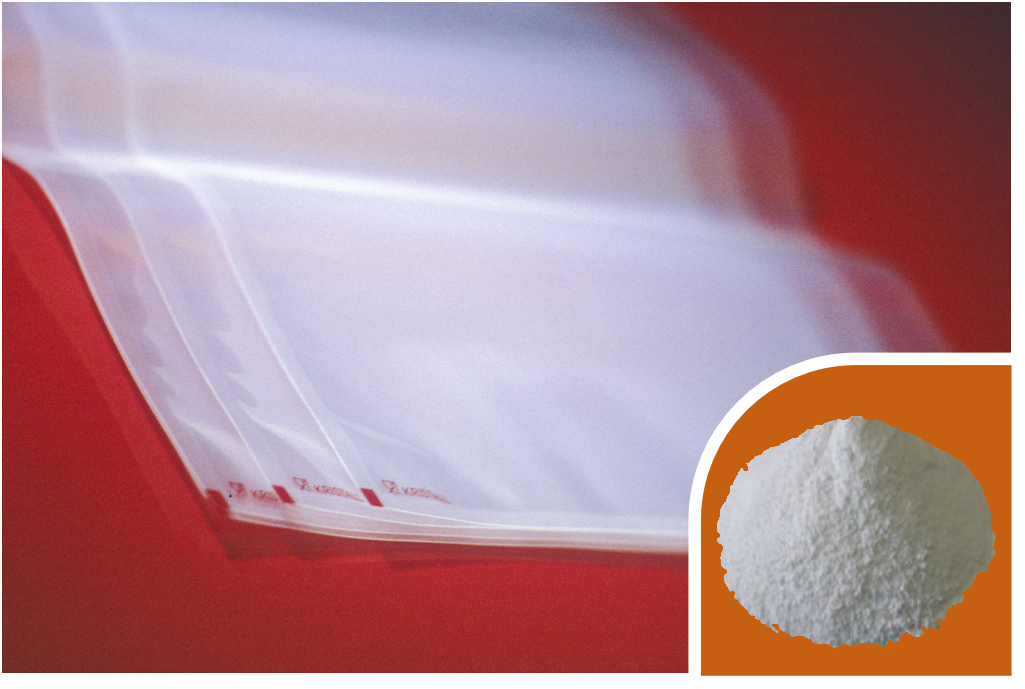

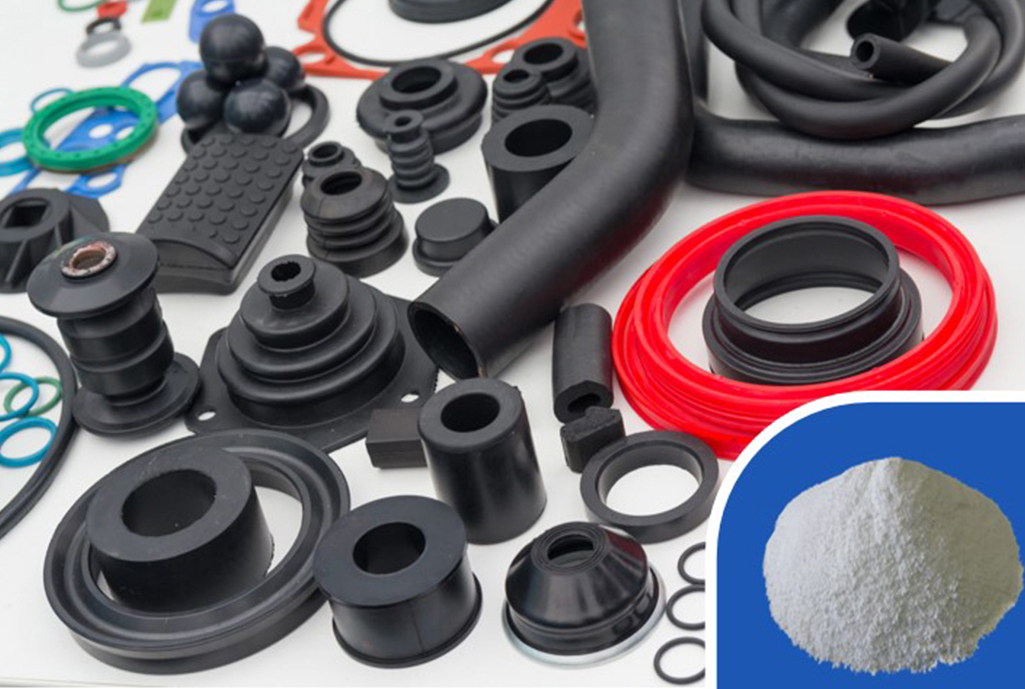
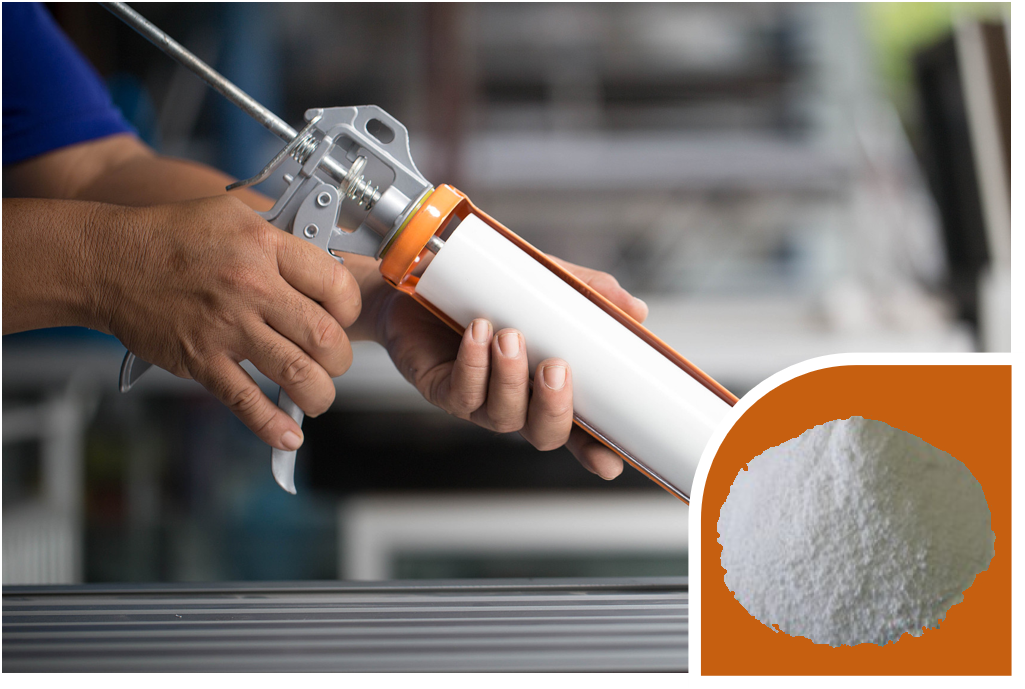
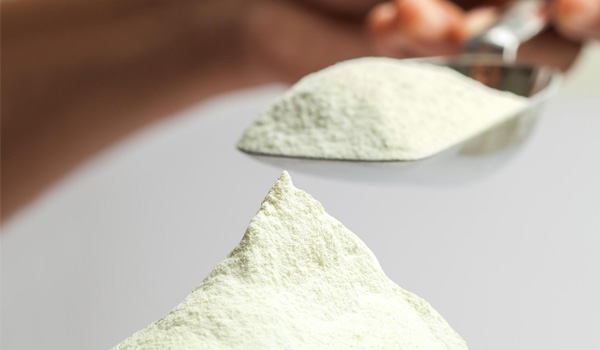

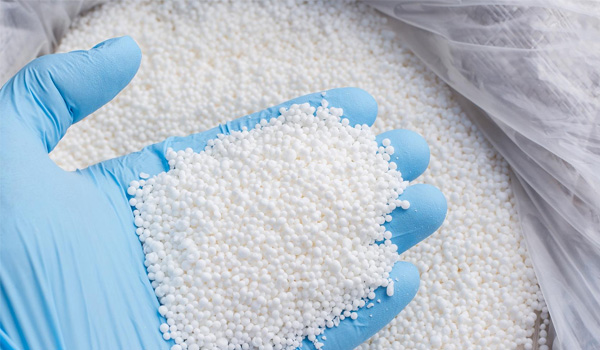
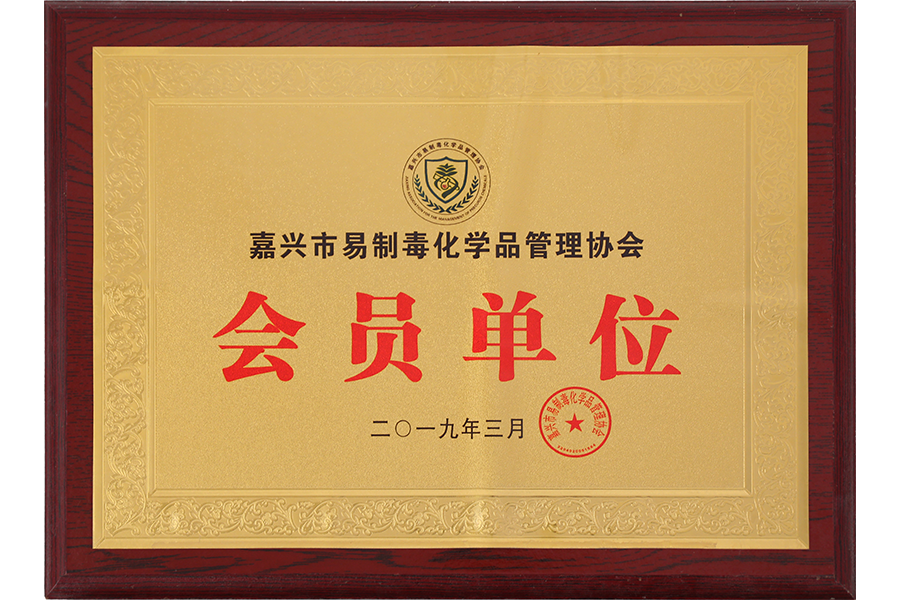
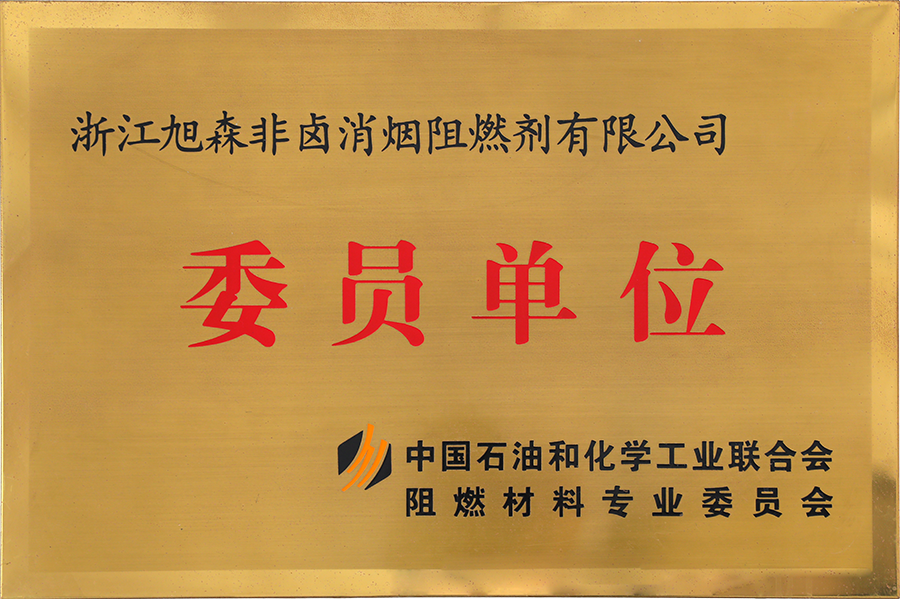
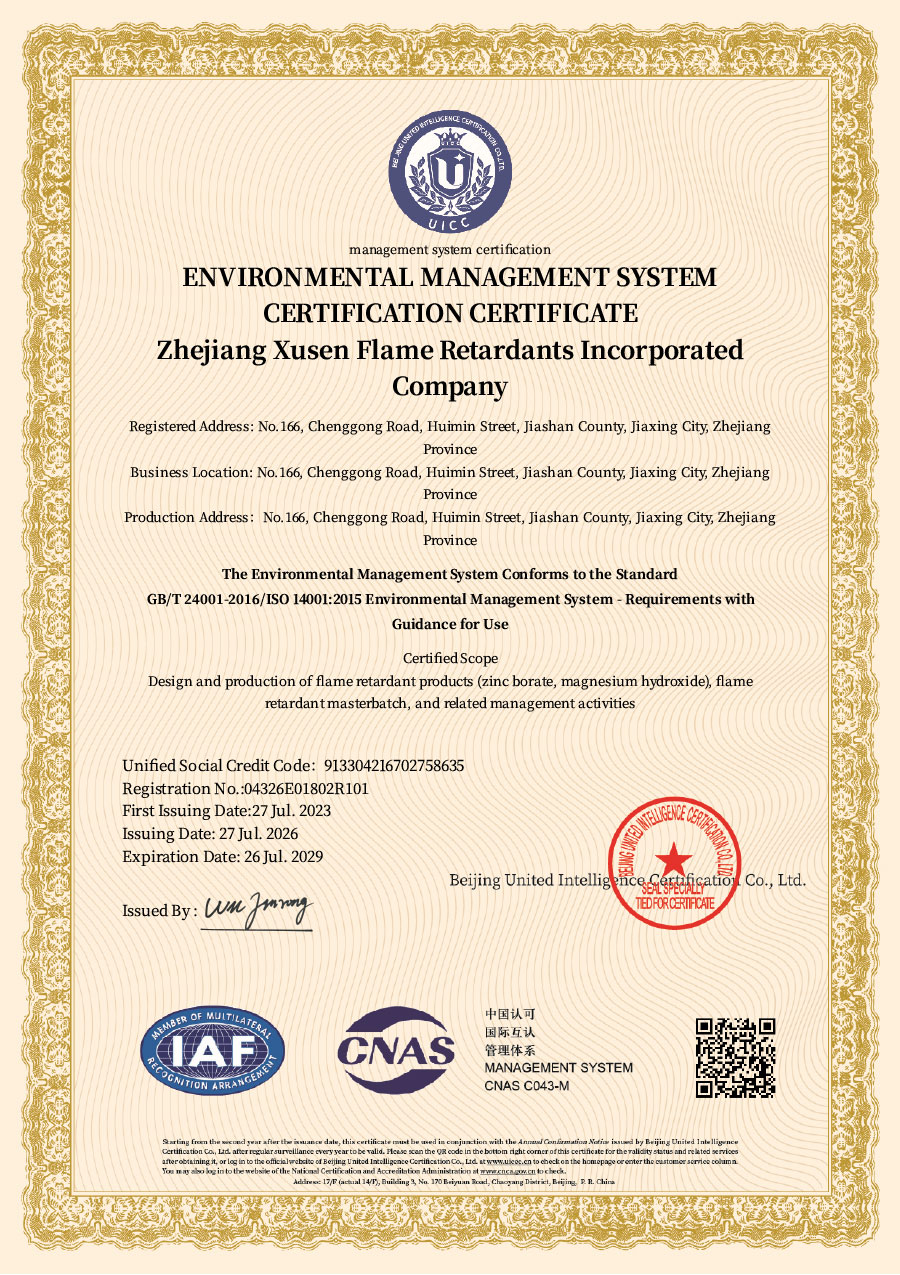
Zhejiang Xusen Flame Retardants Incorporated Company has been developing and producing halogen-free flame retardants since 1997. Our Single-substance flame retardants manufacturer range covers four chemistry families — melamine cyanurate, ammonium polyphosphate, organophosphorus compounds and aluminum hydroxide — supplied as standalone additives or as the base materials for our composite systems and masterbatches.
Single-substance flame retardants are pure compounds, generally above 98% purity, that can be dosed directly into a polymer or used as the raw material for a compounded system. That purity is what makes the range predictable in production: consistent chemistry, consistent decomposition behaviour, and a flame-retardant response that repeats from batch to batch.
Product Range and Application Fit
Each family works through a different mechanism, so the choice follows the polymer, the processing window and the flame test the finished part has to pass. The table below maps our supplied grades to the applications where they are normally used.
| Product family | Chemistry | Key characteristics | Typical application fit |
|---|---|---|---|
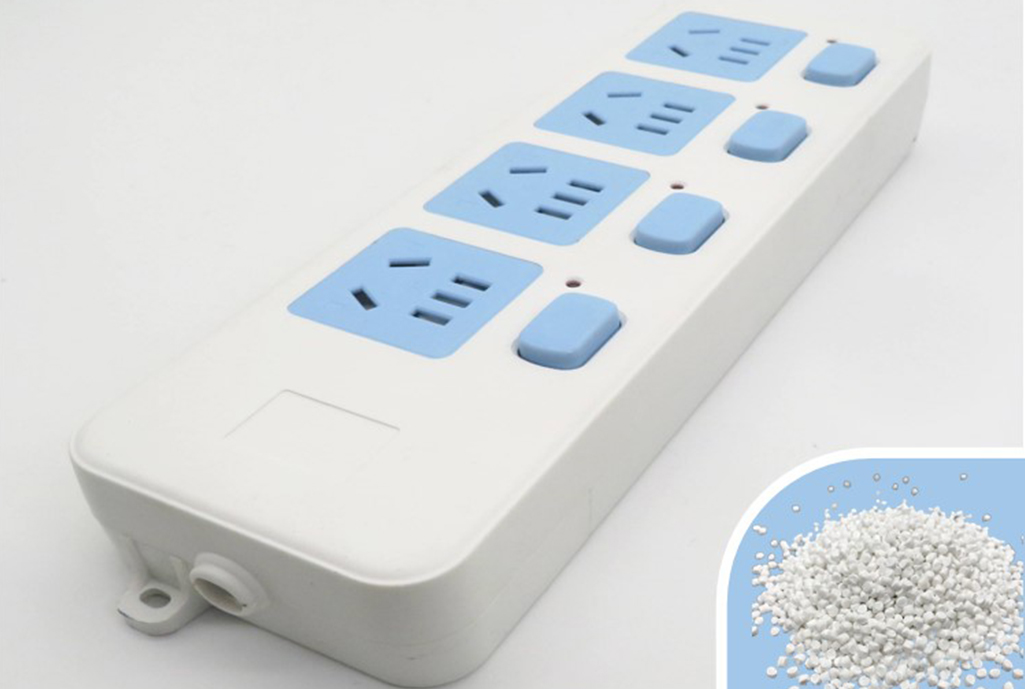
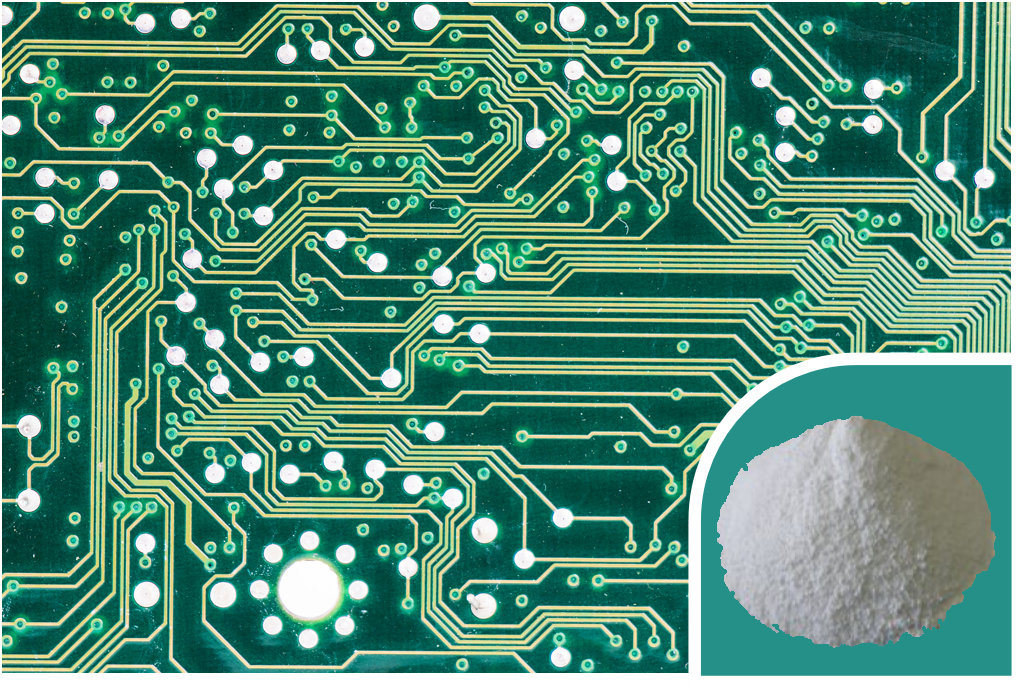
| Melamine cyanurate XS-MC-15, XS-MC-10 / 25 / 50 | Melamine cyanurate, CAS 37640-57-6 | White crystalline powder, 1–5 μm, stable to roughly 300–320 °C, decomposes near 350 °C, nitrogen-based gas-phase action | PA6 and PA66 connectors and housings, wire and cable, electrical appliances, textile coatings |
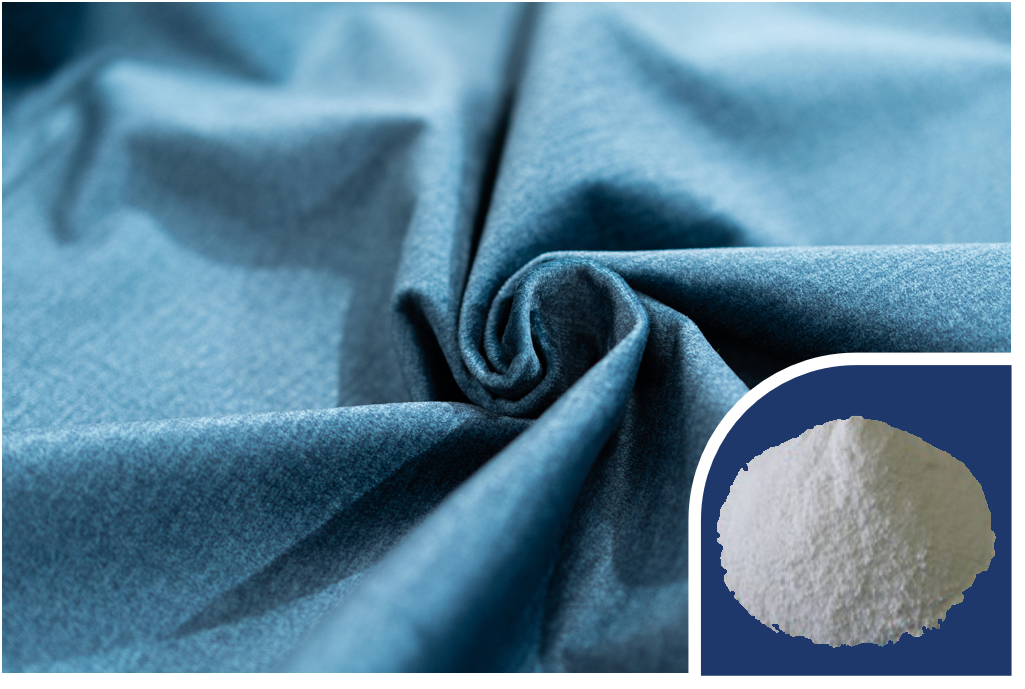
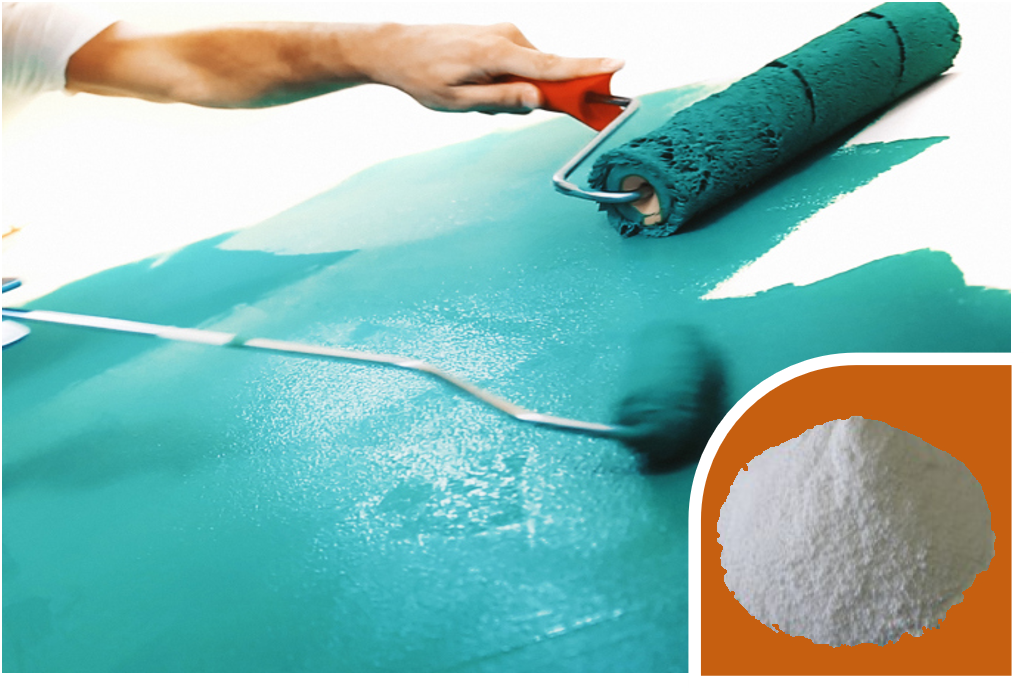
| High-polymerization APP XS-APPII series | Ammonium polyphosphate, CAS 68333-79-9, (NH4PO3)n with n ≥ 1000 | White powder, high phosphorus and nitrogen content, low water solubility, concentrated molecular-weight distribution | Polyolefins, engineering plastics, intumescent coatings, adhesives, composite materials, fabrics |
| Modified APP series | Surface-modified ammonium polyphosphate | Lower water solubility and lower viscosity after surface treatment, improved compatibility with the host material | PP compounds, coatings and adhesives where dispersion and moisture resistance matter |
| Organophosphorus XS-FR-T310, XS-FR-T800, XS-ADPPH-1410 | Organic phosphorus and organic subaluminum phosphate compounds | High phosphorus content, radical inhibition in the gas phase plus phosphate barrier formation in the condensed phase | Engineering plastics processed at higher temperatures, PU insulation, epoxy resins, TPE elastomers |
| Aluminum hydroxide XS-ACW series and modified ATH | Aluminum hydroxide, inorganic hydrate | Endothermic dehydration with water release, smoke suppression, halogen-free by nature | Cable compounds, rubber, building materials, thermosets processed below the dehydration threshold |
Melamine Cyanurate: Nitrogen-Based Flame Retardancy for Polyamides
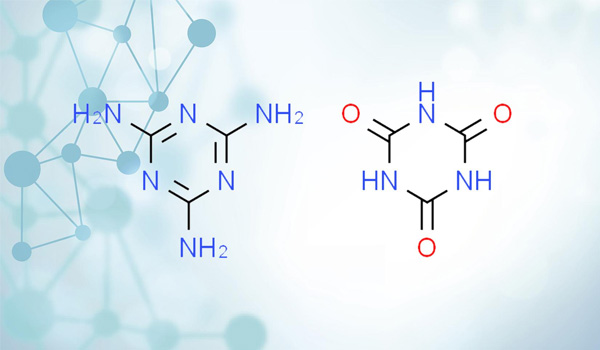
Our Melamine cyanurate (MCA) grades are synthesized from melamine and cyanuric acid and act mainly in the gas phase. When the compound burns, MCA decomposes into non-combustible gas and builds a foam layer on the polymer surface, cutting off heat and oxygen and quenching the radical chain that sustains combustion.
- XS-MC-15 series, produced by wet synthesis, and XS-MC-10 / 25 / 50 series, produced by dry synthesis, cover different particle-size distributions.
- Our own MCA surface modification technology addresses dispersion difficulties and the black and white specks that appear in thin-wall or film applications.
- Thermal stability up to roughly 300–320 °C suits PA6 and PA66 compounding and most engineering-plastic processing windows.
- MCA is REACH registered and is widely used in wire and cable, electrical appliances, building materials and textile coatings.
Ammonium Polyphosphate: Intumescent Systems for Polyolefins and Coatings
The Ammonium polyphosphate (APP) series is a phosphorus-nitrogen halogen-free flame retardant. On heating, APP releases polyphosphoric acid that promotes dehydration and carbonization of the substrate surface, forming an intumescent char that insulates the material, while CO2 and NH3 dilute the oxygen available to the flame.
- The XS-APPII series is a high-polymerization grade with n ≥ 1000, giving low water solubility and strong resistance to precipitation and migration.
- Our ammonium polyphosphate synthesis route produces a concentrated high-polymer molecular-weight distribution, which supports stable intumescent behaviour.
- Surface-modified APP grades lower water solubility and viscosity and improve compatibility with polyolefins, coatings and adhesives.
- APP is REACH registered and is used in polyolefins, engineering plastics, adhesives, composite materials and fabrics.
Organophosphorus and Aluminum Hydroxide
Organophosphorus compounds carry a high phosphorus content and work through two routes at once: they react with the active free radicals formed during combustion, and they form a phosphate protective layer on the burning surface. XS-FR-T310 organic subaluminum phosphate, XS-FR-T800 high-temperature-resistant halogen-free flame retardant and XS-ADPPH-1410 organic phosphorus flame retardant cover systems where higher processing temperatures or specific resin chemistry rule out simpler additives.
Our Aluminum hydroxide (ATH) grades, including the XS-ACW series and modified ATH, work endothermically: the hydrate releases water on heating, cooling the substrate and diluting combustible gases, with useful smoke suppression as a secondary effect. ATH suits cable compounds, rubber and thermoset systems where the process temperature stays below the dehydration threshold.
Selection Variables That Drive the Grade Choice
Single-substance selection is a balance between flame-retardant efficiency and everything else the compound has to do. These are the variables we work through when matching a grade to a project.
- Substrate and processing window — PA, PP, PBT, PU, epoxy, rubber, TPE or coating, and the melt temperature the additive must survive without decomposing.
- Flame test and rating — the standard the finished part is tested against, such as UL 94, EN 13501 or ASTM E84, and the specimen thickness used.
- Loading versus mechanical retention — how much additive the formulation can carry before tensile strength, impact or elongation fall outside specification.
- Dispersion and surface quality — whether the part is thin-wall, film or fibre, where agglomerates and specks become visible defects.
- Moisture, electrical and ageing requirements — water solubility, migration resistance and tracking behaviour in wet or high-humidity service.
- Smoke and toxicity limits — halogen-free status, smoke density and the corrosive-gas limits that apply to the end product.
Manufacturing Base, Capacity and Quality Control
We operate two production bases, in Jiashan, Zhejiang and Juancheng, Shandong, with an annual production capacity of 12,000 tons that continues to expand. Both sites run their own production workshops and warehouses with complete production and quality inspection equipment, so single-substance output and downstream compounding stay under one quality system.
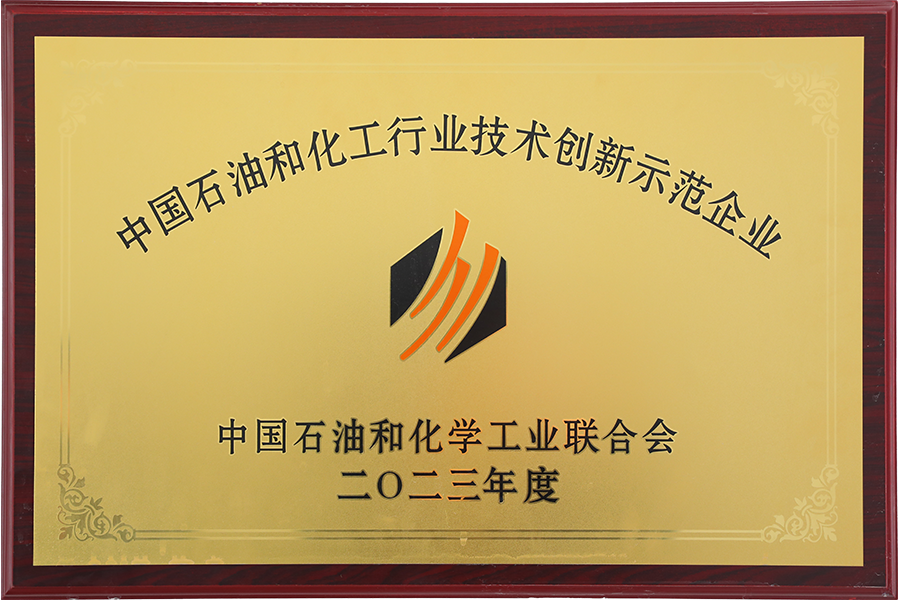
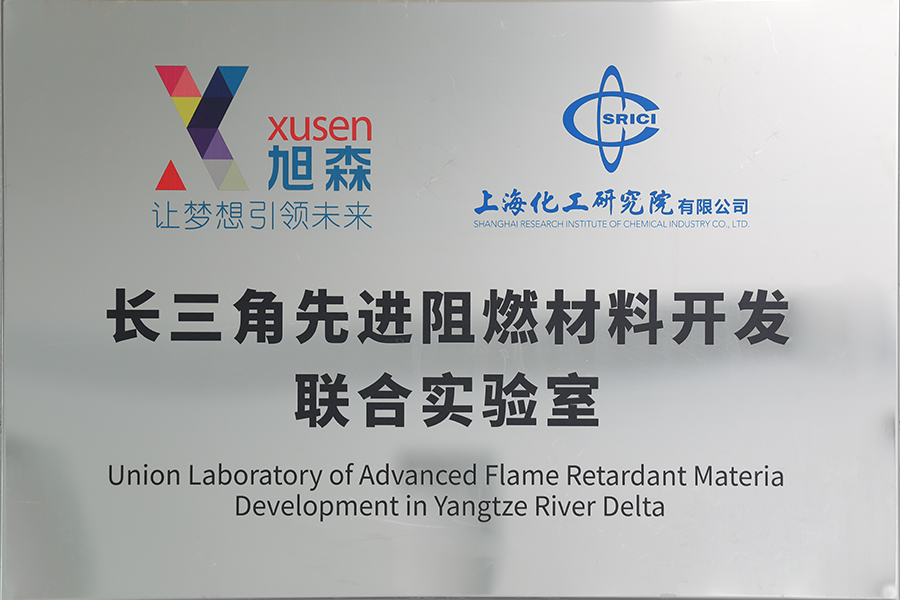
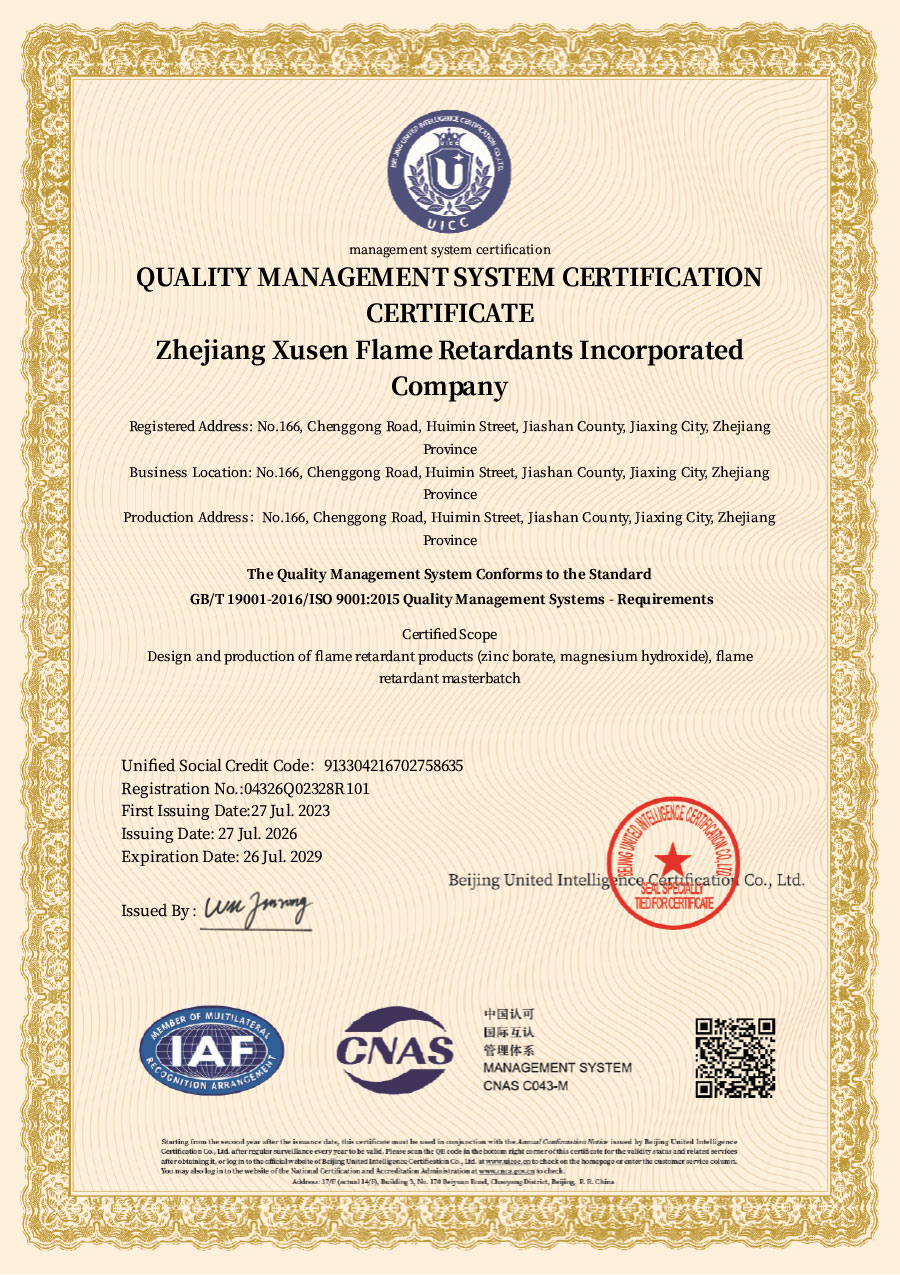
Every step of our product formation process follows the ISO 9001-2015 quality management system. Our Zhejiang provincial-level scientific research laboratory works alongside a joint laboratory established with the Shanghai Institute of Chemistry, and we have joined Beijing Technology and Business University, Shandong Haihuai Institute and Shandong Brothers to build China's advanced light industry flame retardant engineering technology research center.
- Four in-house technology platforms: synthetic technology, composite flame retardant technology, surface treatment technology and masterbatch manufacturing technology.
- A number of invention patents and utility model patents, with participation in the formulation of national and industry standards.
- Raw material selection, in-process control and finished-goods inspection are handled as one chain rather than as separate steps.
Compliance Evidence and Documentation
All our products comply with the requirements of the WEEE, RoHS and EUP directives. MCA and APP are REACH registered, and we hold RoHS test reports for APP, ATH, flame retardant for PA and flame retardant for polyolefin, together with an MCA halogen test report and MCA RoHS 3.0 test report.
For project documentation we issue the technical data sheet, certificate of analysis for the delivered lot, safety data sheet and the relevant compliance test reports. Where a customer's own approval route requires a specific declaration or a test on a compounded sample, we confirm the scope before the order is placed so the paperwork matches the material actually shipped.
Information We Use to Configure Your Solution
Our proposal is built on the working point, the material and the production target rather than on a catalogue number alone. The following inputs let us select the grade, the surface treatment and the supply form in one pass.
| Project input | What it determines |
|---|---|
| Base polymer or binder, grade and melt index | Which chemistry family applies and the compatible loading range |
| Processing temperature profile and residence time | Thermal stability margin and whether a high-temperature organophosphorus grade is required |
| Target flame rating, test standard and specimen thickness | Starting dosage and whether a single substance or a composite approach is realistic |
| Mechanical, electrical and ageing requirements | Particle size, surface treatment and any need for a modified grade |
| Supply form, packaging and annual volume | Powder or masterbatch delivery, bag or bulk packaging, and production scheduling |
| Sample quantity and trial timeline | Sample allocation and the sequence for scale-up confirmation |
Frequently Asked Questions
What purity do your single-substance flame retardants have?
Our single-substance flame retardants are pure compounds with a purity above 98%. That level of purity keeps the chemical composition and structure consistent, so the flame-retardant response is stable and predictable in both laboratory testing and long-term service, and it allows the same material to be used alone or as the raw material for composite flame retardants and masterbatches.
Which grade suits PA6 or PA66 components?
Melamine cyanurate is the usual starting point for polyamide, because its gas-phase action and thermal stability fit the PA6 and PA66 processing window. Our XS-MC-15 and XS-MC-10 / 25 / 50 series differ in synthesis route and particle-size distribution, and the surface-modified variants are chosen where dispersion quality and surface appearance in thin-wall parts are critical.
Can APP be used in coatings and adhesives?
Yes. The high-polymerization XS-APPII series has low water solubility and good resistance to precipitation and migration, which matters in water-borne and solvent-borne coating systems. Where compatibility with the binder or viscosity control is the limiting factor, the surface-modified APP grades offer lower water solubility and lower viscosity.
What compliance documentation accompanies a shipment?
Products comply with the WEEE, RoHS and EUP directives, and MCA and APP are REACH registered. We hold RoHS test reports for APP, ATH, flame retardant for PA and flame retardant for polyolefin, plus an MCA halogen test report and MCA RoHS 3.0 test report. Technical data sheets, lot certificates of analysis and safety data sheets are issued with the delivery documentation.
Where are the products manufactured and what capacity is available?
Production runs at two bases, in Jiashan, Zhejiang and Juancheng, Shandong, with an annual capacity of 12,000 tons that continues to expand. Both sites are equipped with production workshops, warehouses and quality inspection equipment, and the Jiashan site hosts our Zhejiang provincial-level scientific research laboratory.
Do you develop grades for a specific formulation?
We do. Our surface treatment and synthesis platforms, together with the joint laboratory established with the Shanghai Institute of Chemistry and our work with Beijing Technology and Business University, Shandong Haihuai Institute and Shandong Brothers, support grade adjustment for a defined substrate and test target. Send the polymer, processing window, target rating and volume, and we will confirm the recommended grade and the sample quantity needed for your trial.