

 English
 عربى
 简体中文

 +86-0573-89103923 / +86 182 6841 1181
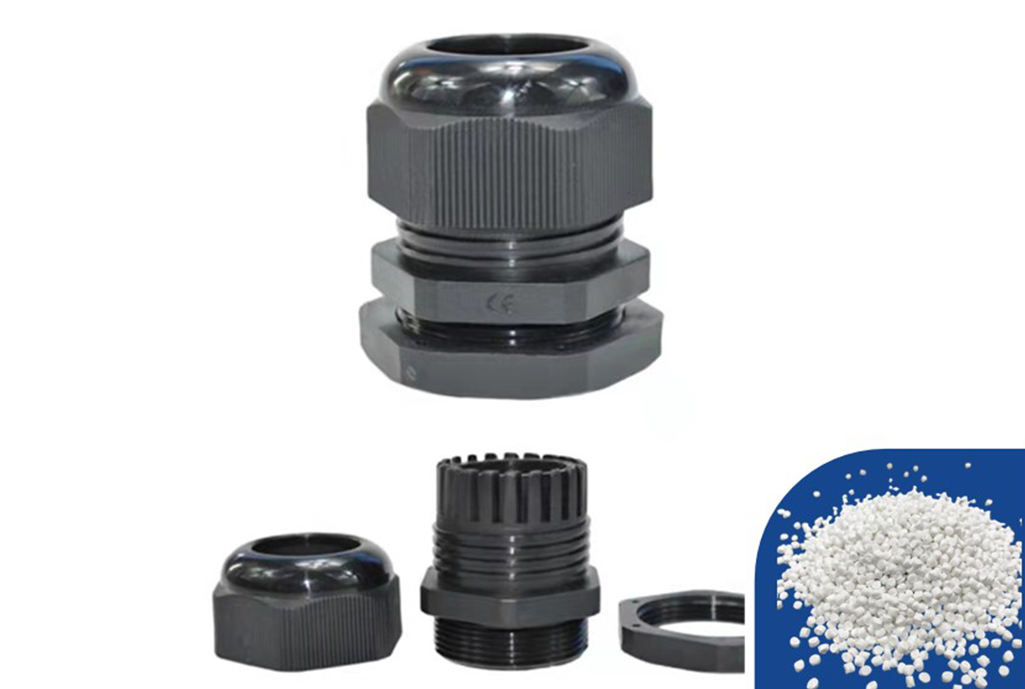


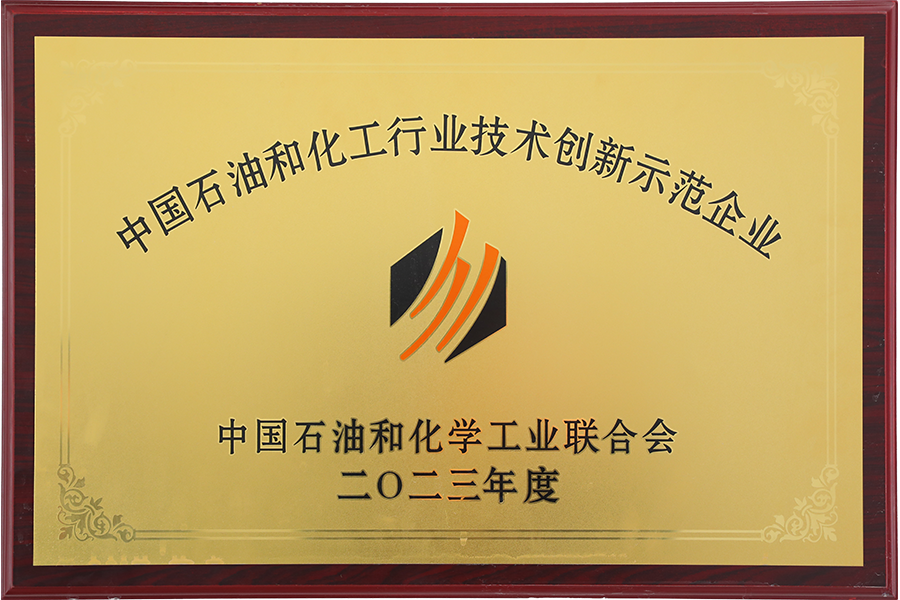
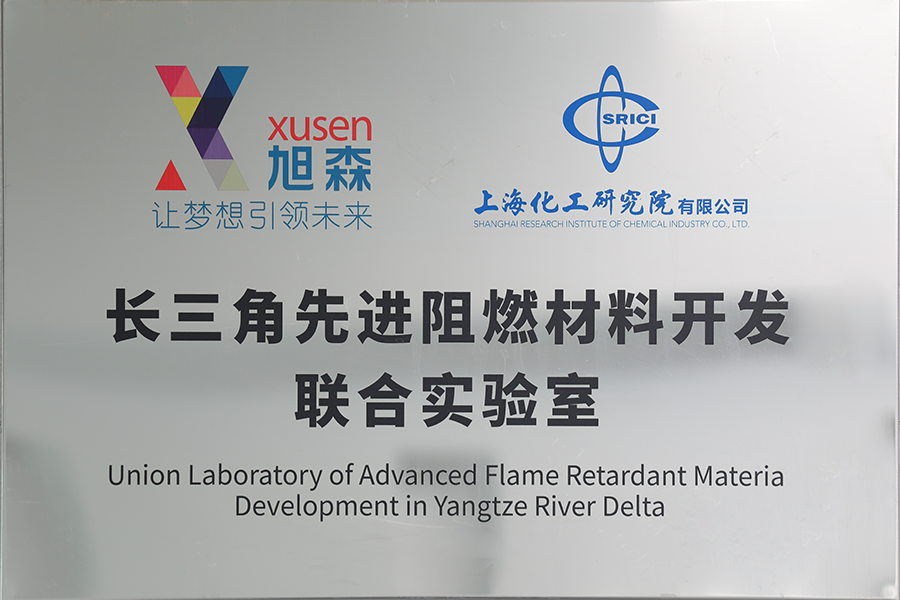

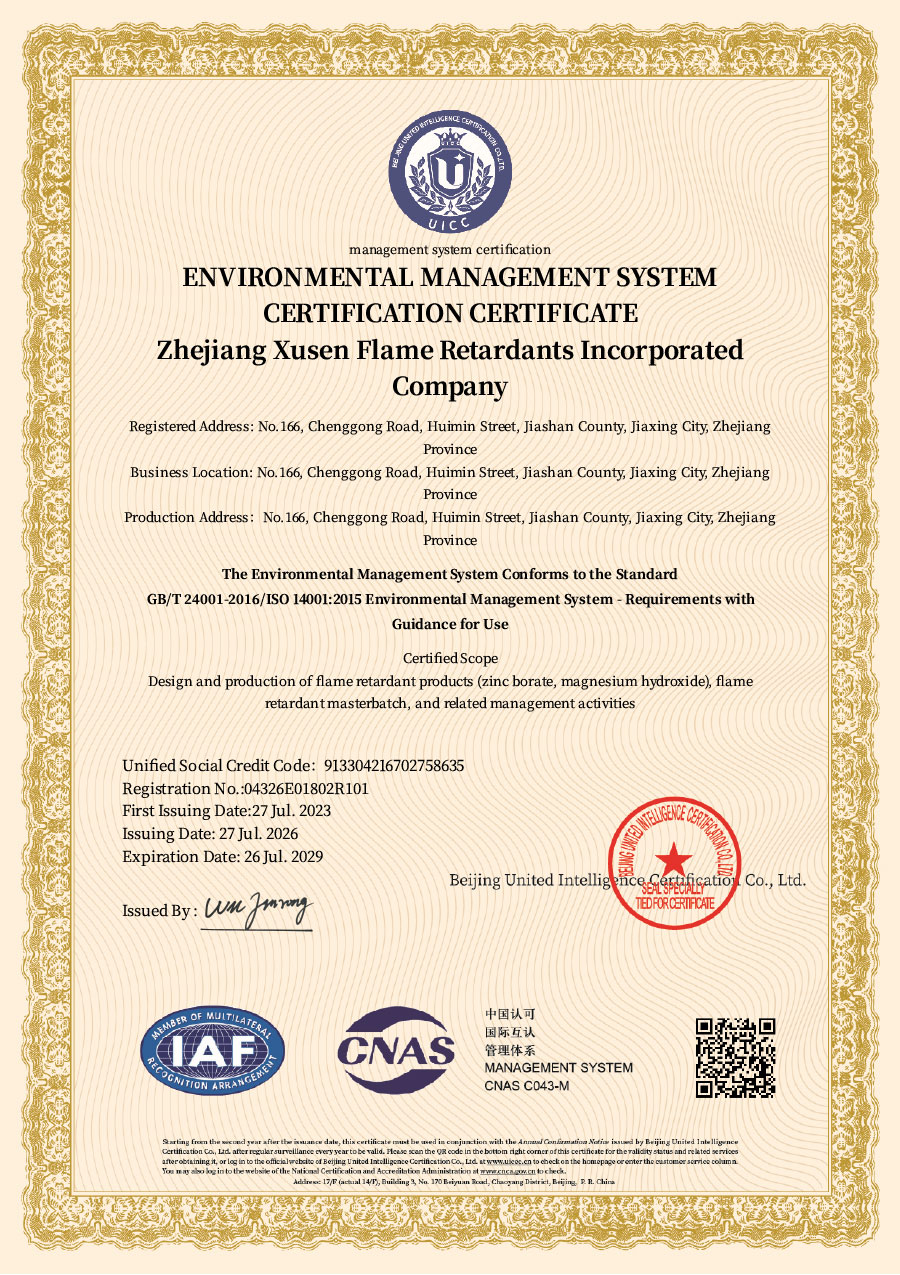
Zhejiang Xusen Flame Retardants Incorporated Company has developed and produced halogen-free flame retardants since 1997, and our PA masterbatch line is built on that base chemistry rather than on bought-in blends. As a Flame retardant masterbatch for PA manufacturer, we supply from two production bases in China — Jiashan in Zhejiang and Juancheng in Shandong — with a combined annual capacity of 12,000 tons, a provincial-level research laboratory and a joint laboratory established with the Shanghai Institute of Chemistry.
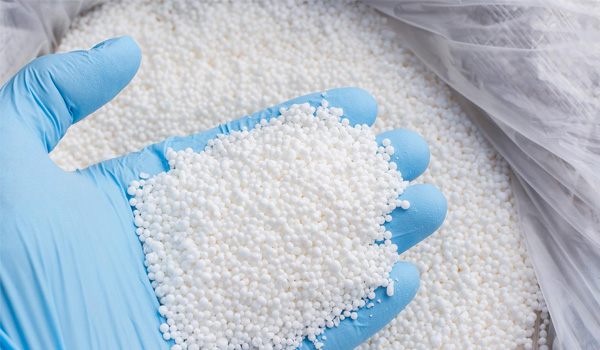
The range covers PA6, PA66, PA12, PPA and other nylons, including toughened and fibre-reinforced modifications. Three masterbatch series carry most of the demand: an MCA-based grade on a PA6 carrier, a phosphorus-nitrogen grade on a PA6 carrier, and a phosphorus-nitrogen grade carried on a toughening agent for impact-critical parts. Carrier, additive package and let-down behaviour are adapted to the customer's process and part rather than fixed at a catalogue value.
PA Masterbatch Range: Carrier Systems and Flame Retardant Chemistry
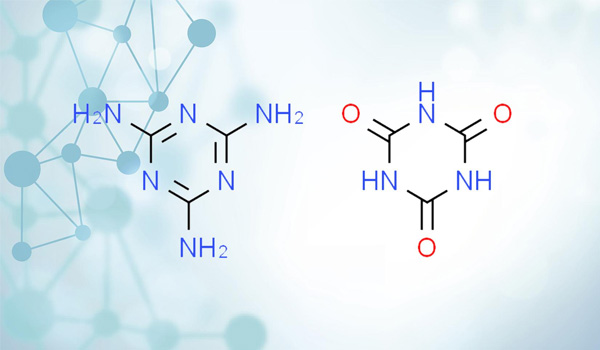
Each series pairs a carrier that is compatible with the target polyamide with a flame retardant system chosen for the way that polyamide burns and chars. MCA-based grades rely on the endothermic decomposition of melamine cyanurate (MCA), which dilutes the fuel stream and cools the polymer surface. Phosphorus-nitrogen grades build a char layer instead, which holds up better where glass fibre or a toughening phase disrupts the melt.
| Series | Flame retardant system | Carrier | PA substrates | Typical fit |
|---|---|---|---|---|
| XS-FR-M3450 | Melamine cyanurate | PA6 | PA6, PA66, PA12 | Unfilled and lightly filled connectors, housings, switchgear parts |
| XS-FR-M3365 | Phosphorus-nitrogen | PA6 | PA6, PA66, PPA | Glass-fibre reinforced electrical and structural parts |
| XS-FR-M3380 | Phosphorus-nitrogen | Toughening agent | Toughened PA6, PA66 | Impact-modified parts, clips, covers, cable accessories |
Where a formulation is better served by a powder system than by a masterbatch, our Composite flame retardant for PA carries the same chemistry for direct compounding.
Matching the Masterbatch to the Polyamide Grade
PA6 and PA66 differ in melting point, crystallinity and degradation behaviour, and the same masterbatch will not behave identically in both. We set the system against the actual substrate, the filler package and the part geometry before a grade is proposed.
- Unfilled PA6 and PA66: MCA-based masterbatch is the usual starting point — it disperses cleanly and keeps melt viscosity predictable.
- Glass-fibre reinforced PA: phosphorus-nitrogen systems, because fibre networks wick melt away from the flame front and suppress the dripping mechanism that MCA depends on.
- Toughened and impact-modified PA: the toughening-agent carrier grade, where the carrier phase is matched to the elastomer or grafted modifier already present in the compound.
- PA12 and PPA: lower or higher processing temperatures shift the usable additive window, so we confirm the stability margin against the actual melt temperature.
- Recycled and regrind-containing PA: contamination and prior heat history change char formation, so these are treated as separate working points.
Application Fit Across Electrical, Automotive and Industrial Parts
PA masterbatch is used wherever a nylon part has to meet a flammability requirement without giving up mechanical performance. Our grades are supplied into electrical and electronic components, automotive parts, high-speed rail components, building materials and textile coatings.
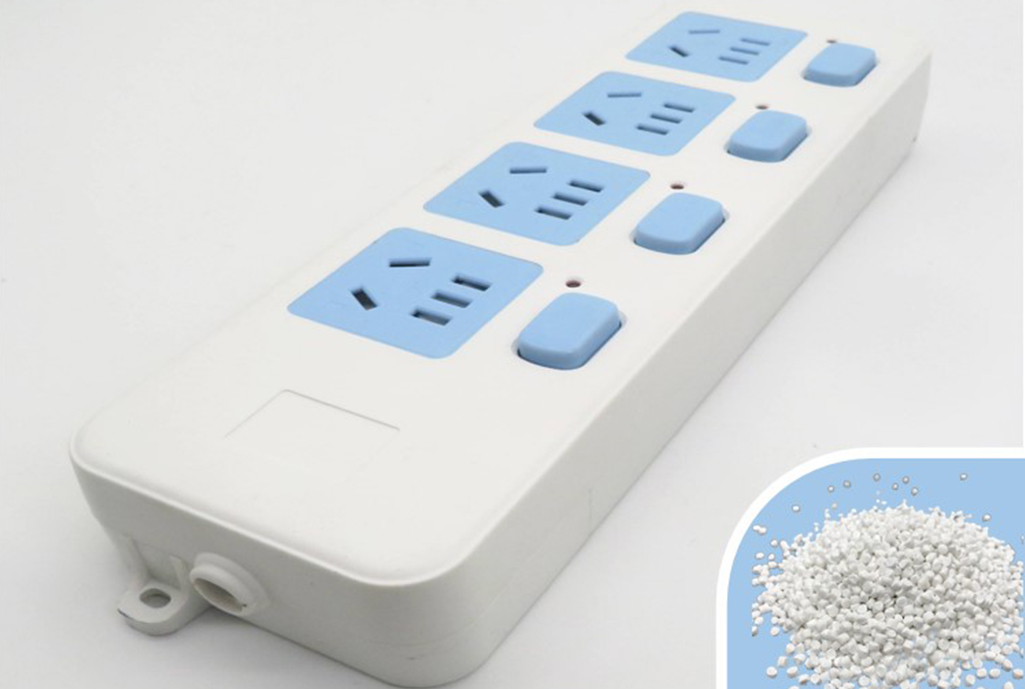
- Electrical and electronic: connectors, terminal blocks, breaker housings and coil formers in unfilled and glass-filled grades.
- Automotive: under-hood brackets, sensor bodies and battery-adjacent housings, where heat ageing and hydrolysis resistance matter alongside flame retardancy.
- Industrial and rail: contactors, cable accessories and structural brackets.
- Consumer and appliance: appliance housings, handles and internal supports.
- Textile and coating: PA fibre and fabric coating applications using our MCA and APP base chemistries.
Critical Specifications We Fix at the Working Point
A masterbatch is only defined once the final compound is defined. We work from the target property set rather than from a catalogue number, and we confirm the parameters below before a grade is released for supply.
- Target flammability rating and test thickness — rating behaviour is thickness-dependent, so the wall thickness at which the requirement applies is part of the specification.
- Flame retardant content in the final compound and the resulting let-down ratio.
- Carrier compatibility with the base resin, including any glass fibre, impact modifier or colour masterbatch already in the formulation.
- Processing window — melt temperature, residence time and shear, checked against the thermal stability of the flame retardant system.
- Mechanical retention — tensile, flexural and impact targets after let-down.
- Electrical properties where the part carries current or sits near live components.
- Surface quality — dispersion level and freedom from specks and black points.
- Moisture management — the drying regime for both resin and masterbatch before processing.
Compounding, Let-Down and Line Integration
We supply masterbatch as pellets for gravimetric or volumetric dosing at the feed throat of an extruder or injection moulding machine. Because polyamide absorbs moisture, both the base resin and the masterbatch need drying before processing, and the drying regime is part of the configuration discussion rather than an afterthought.
MCA is stable to roughly 300–320 °C and decomposes near 350 °C, which sets a practical ceiling for PA6 and PA66 processing. Our surface-modified MCA and APP grades address the dispersion and compatibility problems that otherwise show up as specks, black points or viscosity drift on the line.
- Dosing: masterbatch is metered alongside virgin resin and regrind; we confirm the let-down ratio and the acceptable regrind fraction.
- Compounding: twin-screw extrusion with side feeding where the flame retardant package is heat-sensitive.
- Injection moulding: melt temperature and back pressure set so the additive disperses without thermal exposure beyond its stability window.
- Appearance: surface-treated grades reduce the specks and black points that are visible on light-coloured parts.
- Tooling and downstream: no special tooling is required; gate and runner design follow normal PA practice.
Quality Assurance, Compliance and Acceptance Evidence
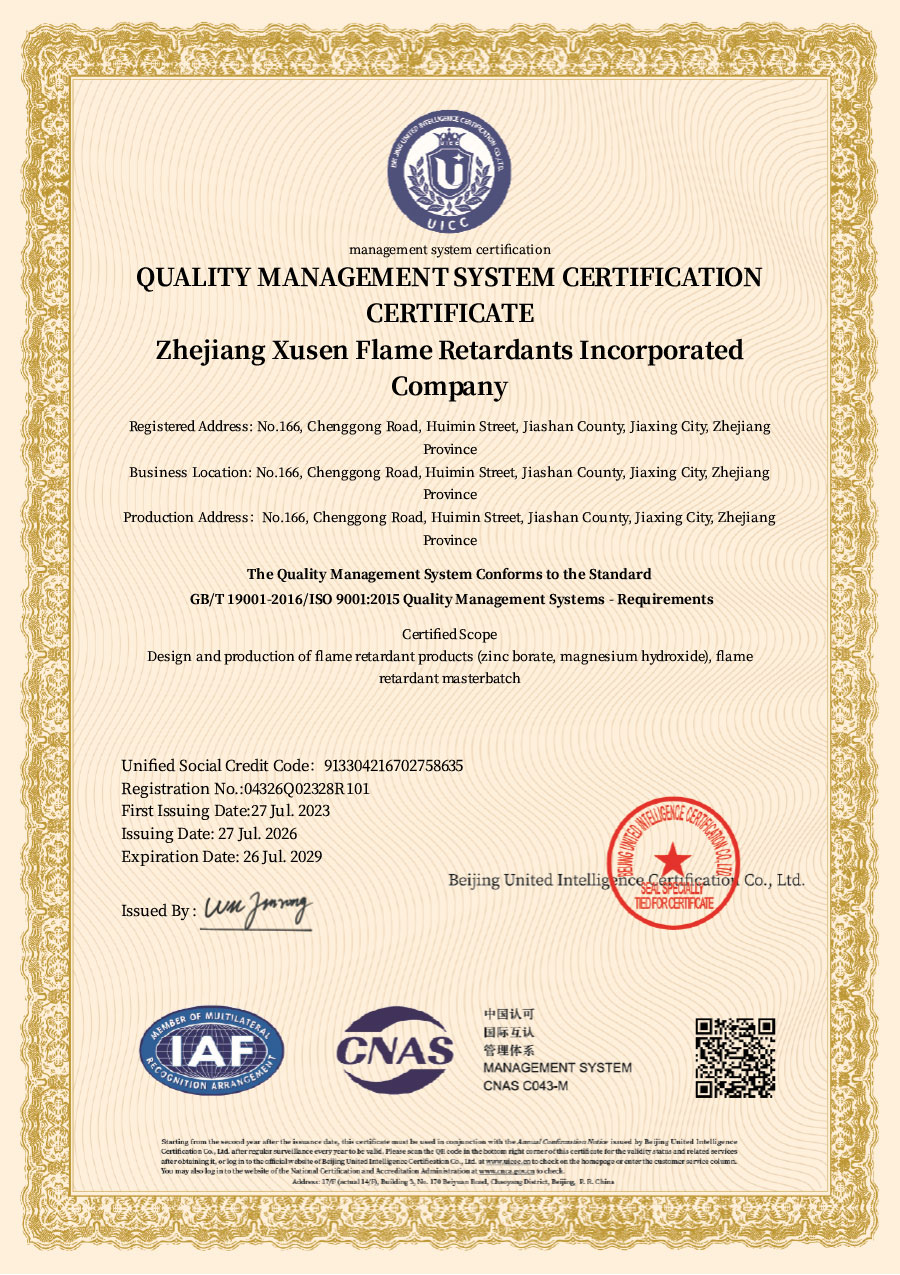
Production runs under an ISO 9001:2015 quality management system, supported by our own production workshops, warehouses and inspection equipment. Each batch is checked against the agreed specification before release, and the batch record is retained against the delivery.
- RoHS test reports are held for the flame retardant for PA grades, APP, ATH and polyolefin grades.
- Halogen test reports and MCA RoHS 3.0 test reports are held for the melamine cyanurate series.
- Our products are formulated to comply with WEEE, RoHS and EUP requirements; MCA and Ammonium polyphosphate (APP) grades are REACH registered.
- Acceptance testing is agreed per project — identity, moisture, dispersion and a flame test on a let-down sample where the application requires it.
Customization, Documentation and Delivery Scope
We make adaptive improvements to the standard series so that a grade matches the customer's process and part characteristics. In practice, customization means adjusting carrier, additive ratio, surface treatment or pellet form rather than developing a new chemistry from scratch.
- Carrier adjustment to match the base polyamide or blend.
- Flame retardant loading tuned to the target rating and wall thickness.
- Surface treatment of MCA or APP for dispersion and compatibility.
- Functional additives for PA — heat stabilisers, processing aids and colour-compatible packages — supplied as separate masterbatch where the formulation needs them.
- Documentation: technical data sheet, safety data sheet, batch certificate of analysis and the compliance statements that apply to the grade supplied.
- Packaging and delivery: standard industrial packaging with batch identification; packing format and delivery scope confirmed per order.
Information We Use to Configure Your Solution
A quotation is only meaningful against a defined working point. The matrix below lists what we need from the project in order to propose a grade, a let-down ratio and a supply format.
| Project input | Why we need it | Typical form |
|---|---|---|
| Base polymer | Determines carrier and flame retardant system | PA6 / PA66 / PA12 / PPA, virgin or recycled |
| Filler and reinforcement | Glass fibre or mineral content changes char and dripping behaviour | % glass fibre, mineral type |
| Impact modification | Toughened compounds need a matched carrier phase | Elastomer type and loading |
| Target rating and thickness | Rating behaviour is thickness-dependent | Rating class and test wall thickness |
| Processing route | Sets thermal exposure and dispersion requirements | Twin-screw compounding or injection moulding |
| Melt temperature and residence time | Must stay inside the additive stability window | °C and seconds |
| Mechanical targets | Defines the maximum usable loading | Tensile, flexural, impact |
| Colour and appearance | Affects the choice of surface-treated grades | Natural, black, custom |
| Compliance set | Determines which test reports are issued | RoHS, halogen-free, REACH |
| Annual volume and packing | Sets supply format and delivery planning | Tonnes per year, bag or octabin |
Frequently Asked Questions
Which masterbatch series should I start with for PA6?
For unfilled PA6 the MCA-based XS-FR-M3450 series is the usual starting point. For glass-fibre reinforced or otherwise filled PA6, the phosphorus-nitrogen XS-FR-M3365 series is the better match because char formation is more reliable where fibre disrupts the melt. For toughened PA6, XS-FR-M3380 uses a toughening-agent carrier so the additive phase stays compatible with the impact modifier.
Can you supply masterbatch for PA66 and PPA as well as PA6?
Yes. Our PA masterbatch range is specified for PA6, PA66, PA12, PPA and other nylons, including toughened and fibre-added modifications. Because PA66 and PPA process at higher melt temperatures, we confirm the stability margin of the flame retardant system against your actual processing temperature before fixing the grade.
Is the masterbatch halogen-free and RoHS compliant?
The range is built on halogen-free chemistry — melamine cyanurate and phosphorus-nitrogen systems rather than brominated or chlorinated additives. RoHS test reports are held for the flame retardant for PA grades, and halogen test reports are held for the MCA series. We issue the compliance documents that apply to the specific grade supplied.
What let-down ratio do you recommend?
The let-down ratio follows from the flame retardant content the final compound needs, which in turn depends on the target rating, wall thickness, filler content and whether the part is unfilled or reinforced. We calculate it from your formulation and confirm it on a let-down sample before the first production order.
Do you support custom formulations?
We make adaptive improvements to the standard series — carrier, additive ratio, surface treatment and pellet form — so the grade fits your process and part. Send the base polymer, filler system, target rating and processing conditions, and we will propose a configuration together with the test evidence that goes with it.
How is the product packaged and delivered?
Masterbatch is supplied in standard industrial packaging with batch identification. Packing format and delivery scope are confirmed per order against the annual volume and the handling equipment at the receiving site.